Shape Recognition Science Worksheets for Ages 4-9
5 filtered results
-
From - To
Discover engaging Shape Recognition Science Worksheets designed specifically for children ages 4-9! Our meticulously crafted resources aim to enhance young learners’ understanding of shapes through fun and interactive activities. These worksheets focus on identifying, comparing, and classifying various shapes, promoting critical thinking and visual awareness. With colorful illustrations and age-appropriate challenges, our printable worksheets stimulate creativity while reinforcing essential science concepts. Suitable for both classroom and home use, the Shape Recognition worksheets encourage hands-on learning and can be easily integrated into your educational routine. Empower your child's early education journey today with these delightful and effective learning tools!
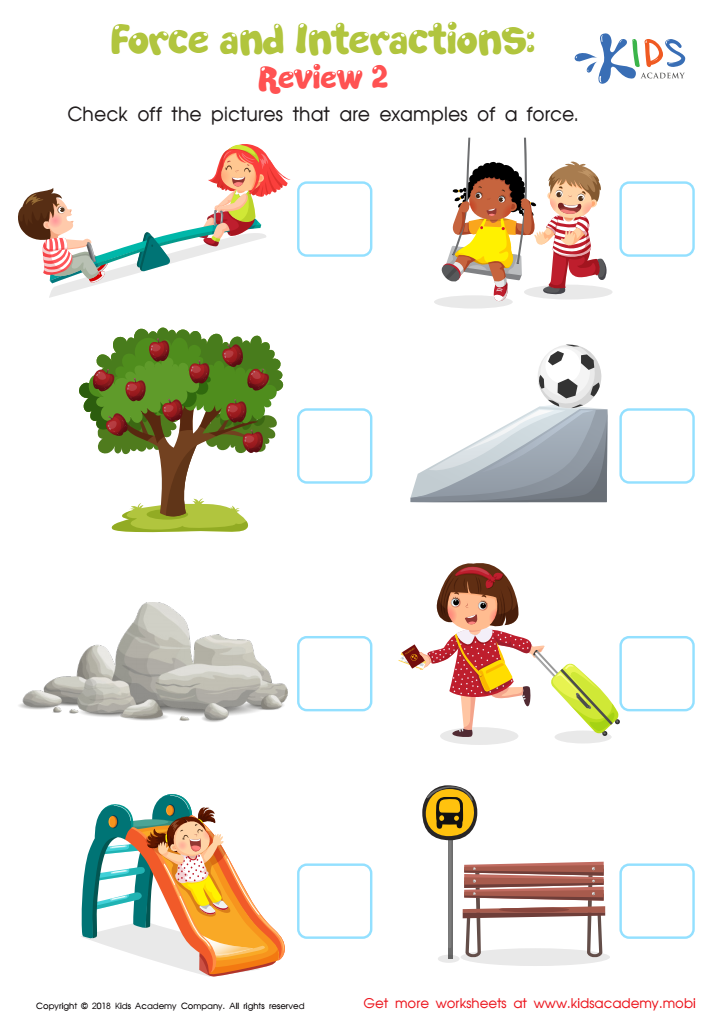
Force and Interactions: Review 2 Worksheet
 Assign to My Students
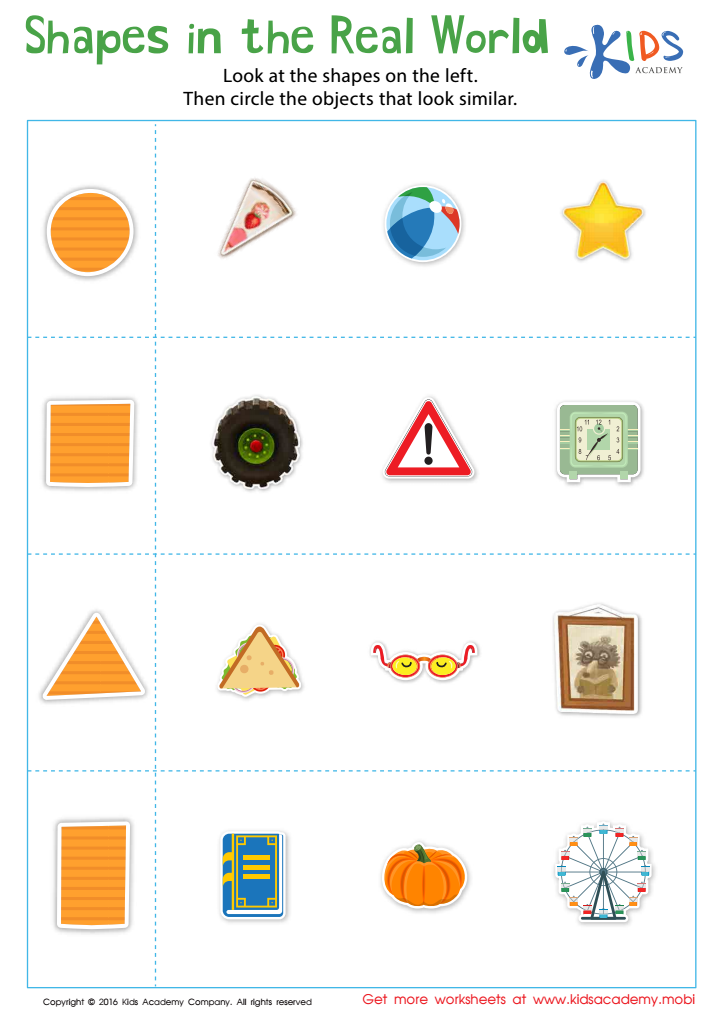
Shapes in the Real World Worksheet
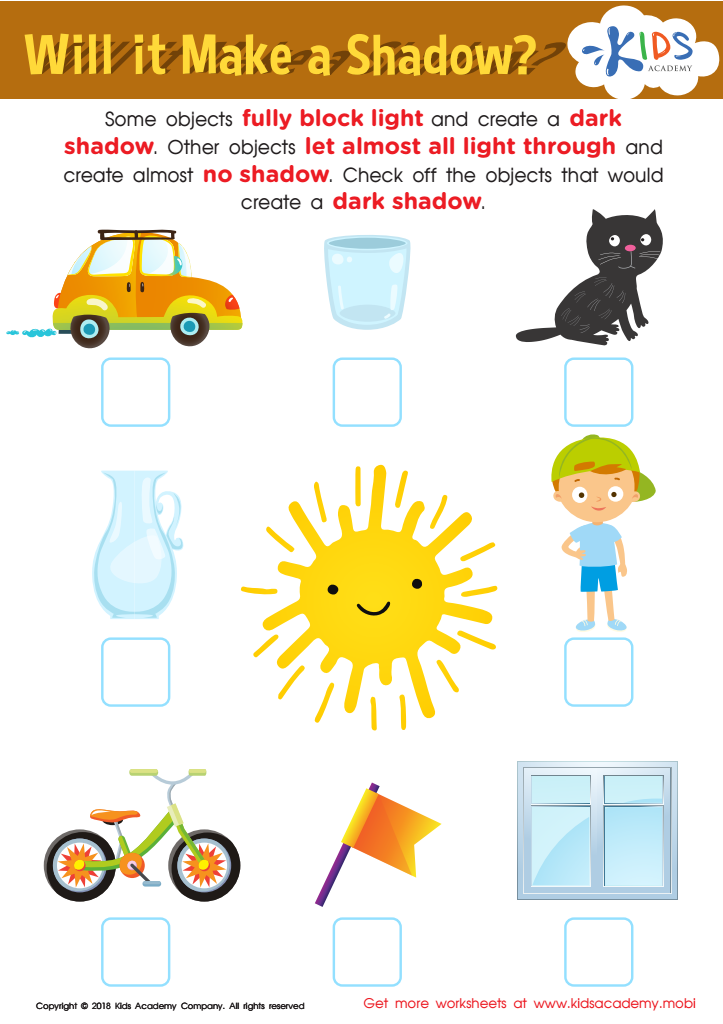
Will It Make a Shadow? Worksheet
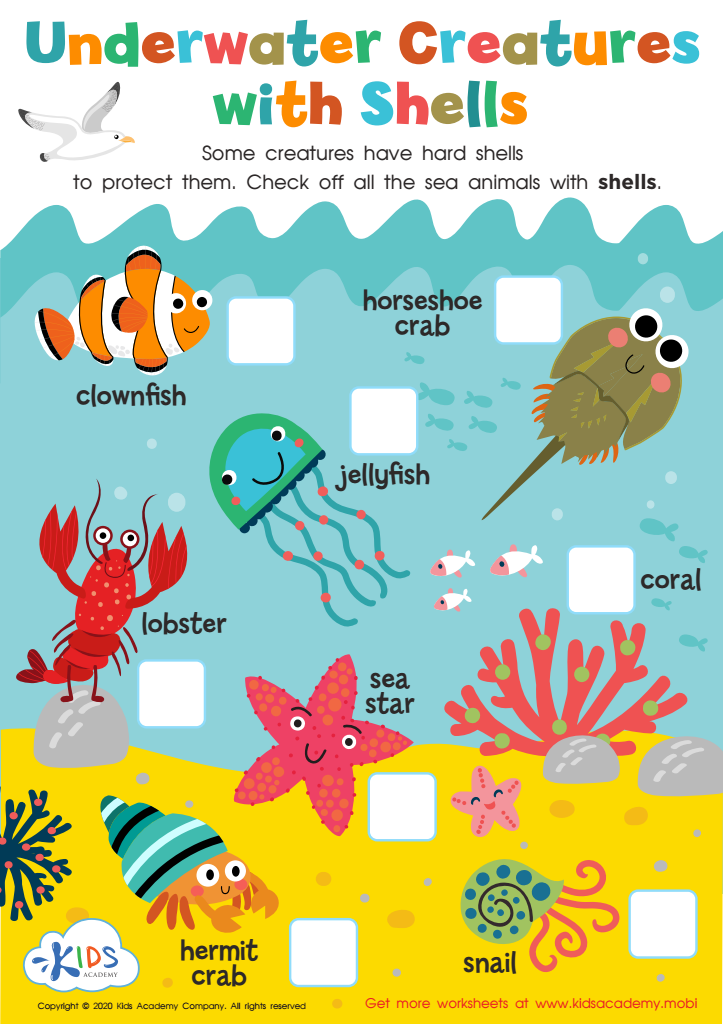
Underwater Creatures with Shells Worksheet
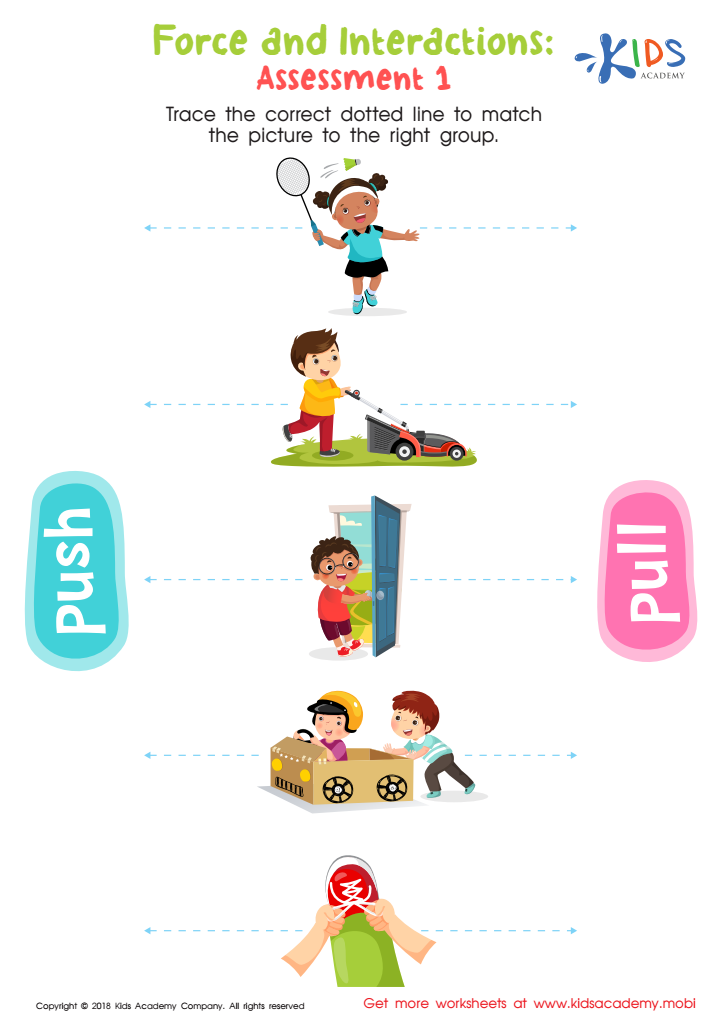
Force and Interactions: Assessment 2 Worksheet








Shape recognition is a fundamental skill for children aged 4-9 and serves as a crucial building block for their cognitive development and overall learning. At this age, children are naturally curious about the world around them, and recognizing shapes enhances their spatial awareness, critical thinking, and problem-solving skills. Parents and teachers should care about this developmental milestone because it lays the groundwork for more complex mathematical concepts later, such as geometry, measurement, and visual discrimination.
Moreover, shape recognition fosters creativity and imagination, allowing children to express themselves through art and design. It encourages hands-on activities, providing opportunities for children to explore shapes in their environment, thereby improving their observational skills and enhancing their interaction with the world.
Beyond mathematics, shape recognition supports language development, as children learn to identify, describe, and categorize shapes. This vocabulary expansion is crucial for effective communication and literacy skills. By prioritizing shape recognition in early education, parents and teachers can equip children with essential life skills that benefit not only their academic journeys but also their everyday experiences, helping them to become well-rounded individuals capable of critical thought and creativity.







