Animal recognition Plants and Animals Worksheets for Ages 4-9
6 filtered results
-
From - To
Explore the fascinating world of animals and plants with our engaging Animal Recognition Worksheets designed for kids aged 4-9! These printables promote early science skills while nurturing curiosity about nature. With fun activities and colorful illustrations, children will learn to identify and classify a variety of animals and their characteristics. Our worksheets aim to enhance observation skills and expand vocabulary effortlessly. Ideal for classroom use or at-home learning, these resources foster a love for wildlife and encourage meaningful discussions about the different habitats and roles of animals in our ecosystem. Start your adventure in learning with our creative worksheets today!
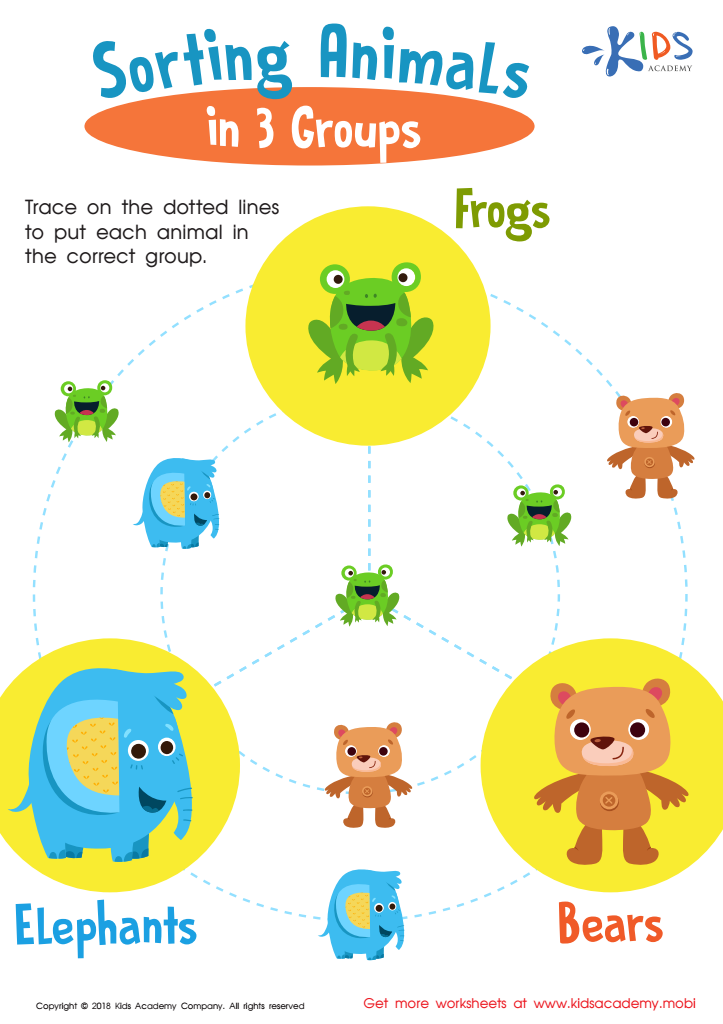
Sorting Animals in 3 Groups Worksheet
 Assign to My Students



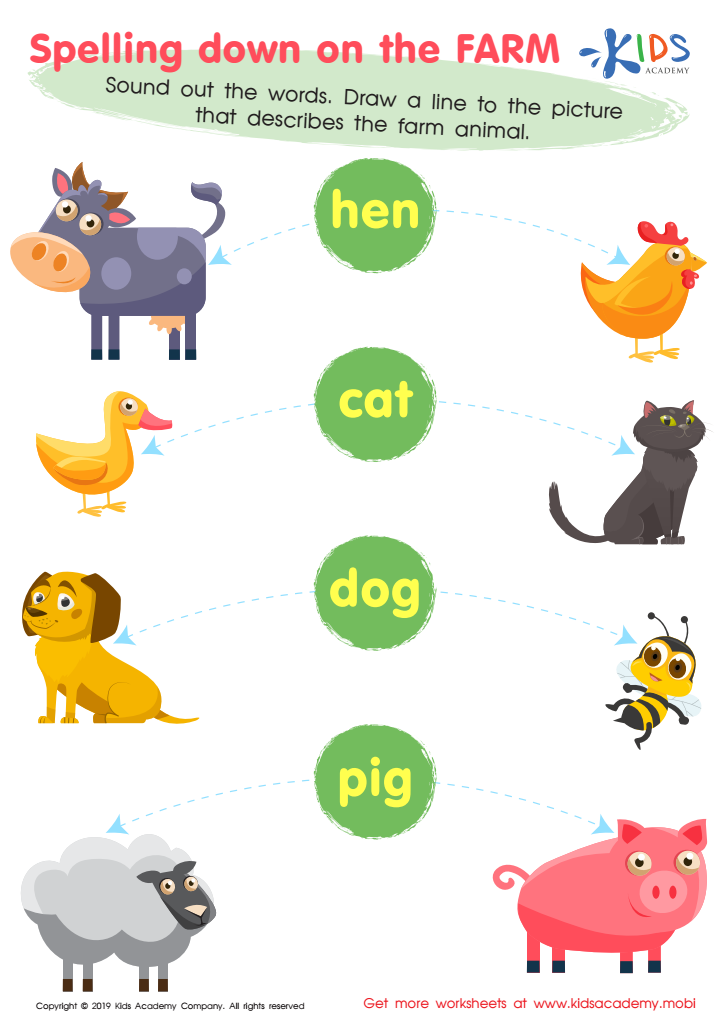
Spelling Down on the Farm Worksheet
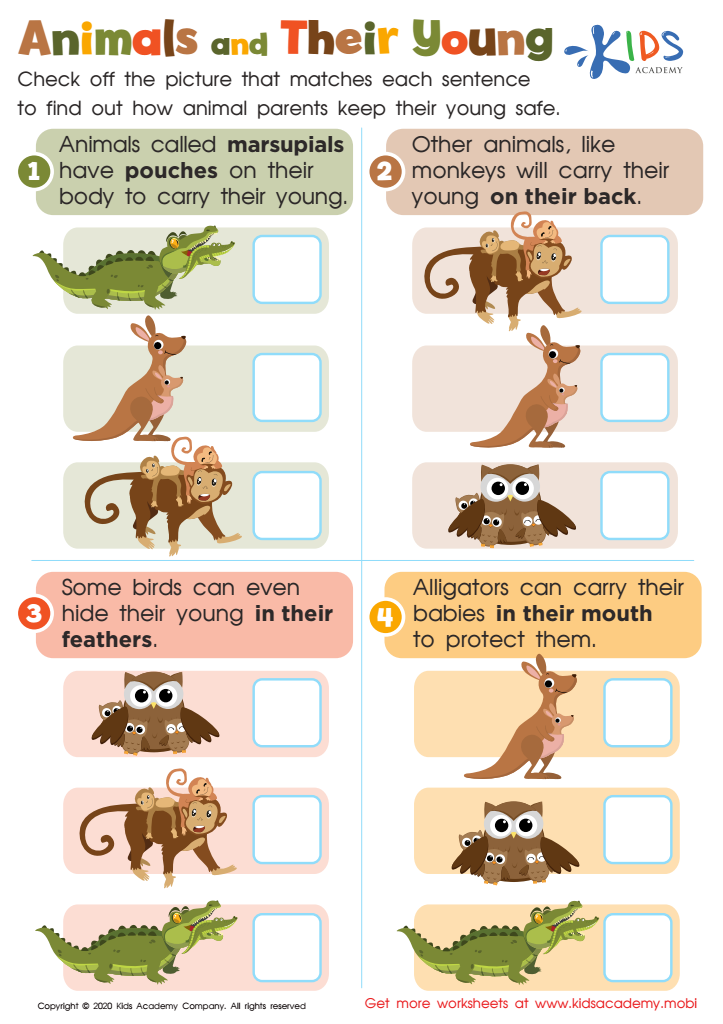
Animals and Their Young Worksheet
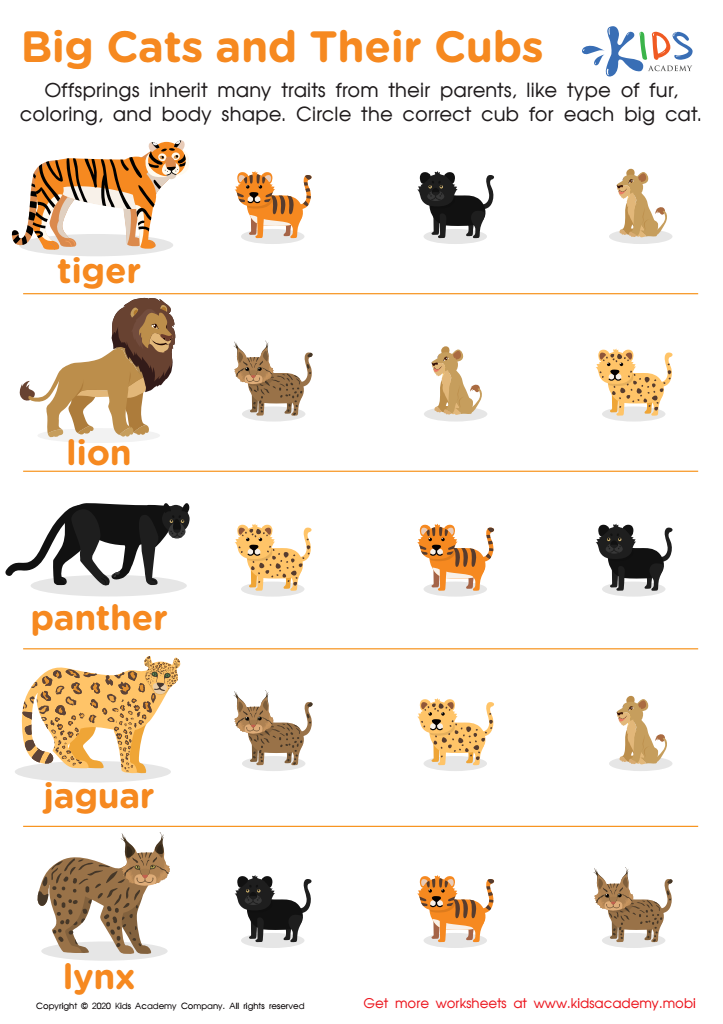
Big Cats and Their Cubs Worksheet
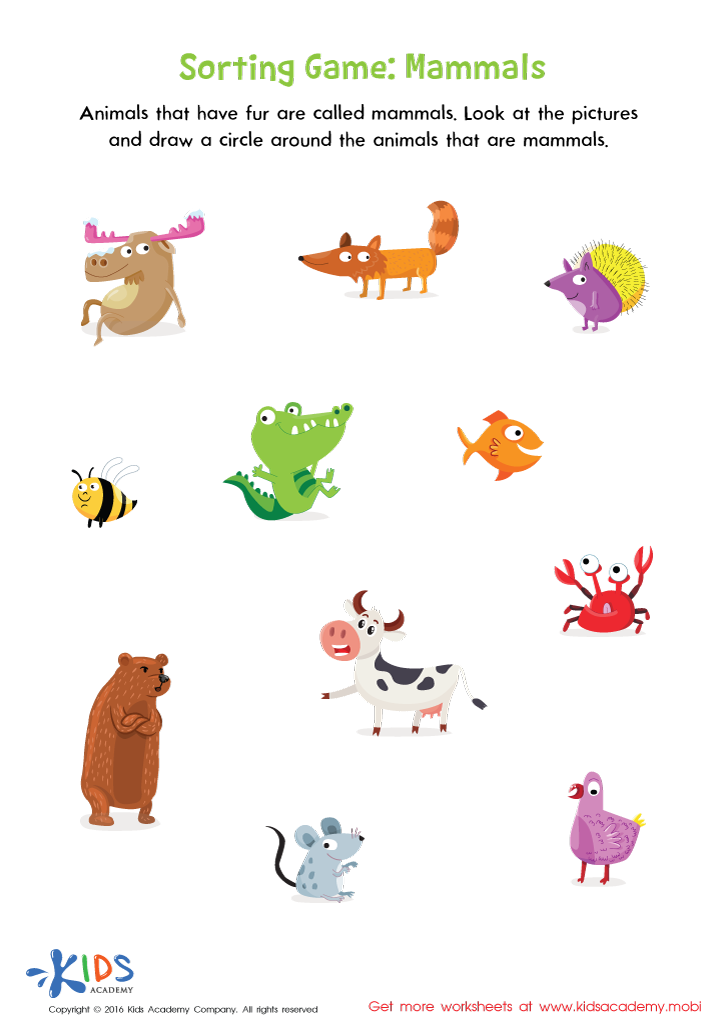
Mammals Sorting Worksheet
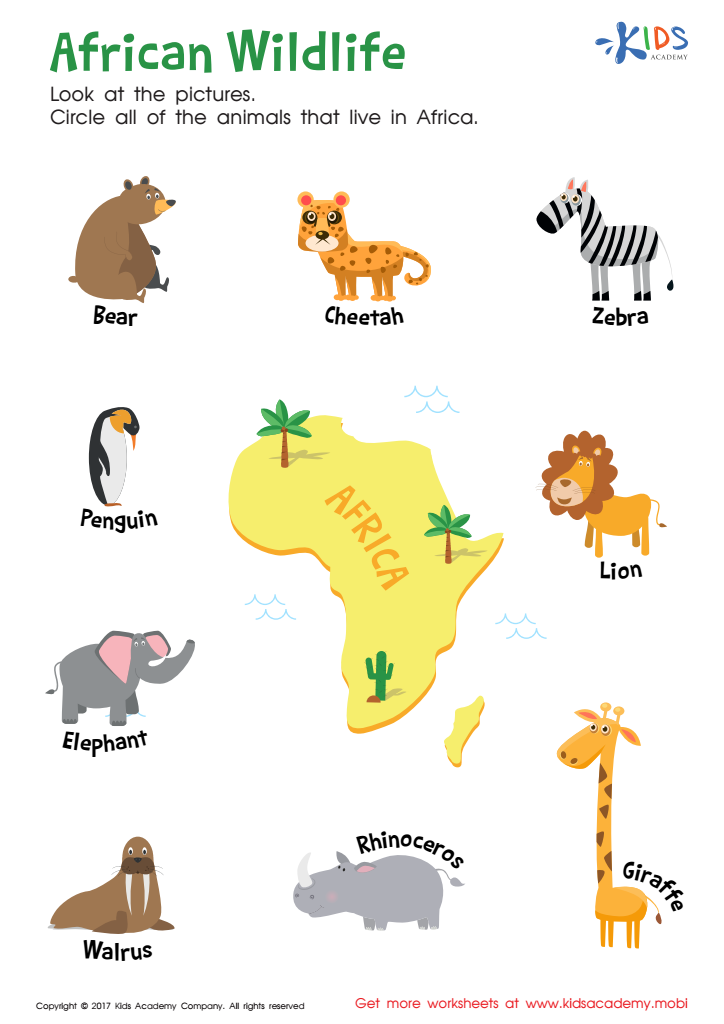








Understanding animal recognition is essential for young children as it lays the foundation for their appreciation of nature and biodiversity. Teaching children about different animals fosters curiosity and encourages them to explore their environment, which is crucial for cognitive development. Recognizing animals helps children build vocabulary and boosts their observational skills, which are important for scientific thinking.
Moreover, introducing children to local wildlife and their habitats instills a sense of responsibility and respect towards the environment. Knowledge about plants and animals can be integrated into various subjects, enhancing the educational experience. For example, lessons in science, art, and even language can be enriched through the exploration of flora and fauna, making learning more dynamic and engaging.
Additionally, recognizing animals allows children to understand the roles these creatures play in the ecosystem, promoting empathy towards other living beings. By fostering appreciation for wildlife and plant life, parents and teachers can nurture future generations that advocate for conservation and sustainable practices. Ultimately, the lessons learned from animal recognition can shape children into informed, compassionate individuals who are aware of their impact on the environment and inspired to make positive changes in the world.








