Grammar comprehension Writing Worksheets for Ages 4-9
3 filtered results
-
From - To
Unlock your child's potential with our engaging Grammar Comprehension Writing Worksheets, designed specifically for ages 4-9. These worksheets blend fun and learning, helping young learners grasp essential grammar skills through enjoyable activities. Each worksheet focuses on key language concepts, such as sentence structure, punctuation, and vocabulary, fostering confidence in writing abilities. With colorful illustrations and age-appropriate challenges, children will develop a love for language while enhancing their comprehension skills. Perfect for classroom settings or at-home practice, these resources make learning grammar a delightful journey. Equip your child with the foundational skills they need to succeed in their writing endeavors today!
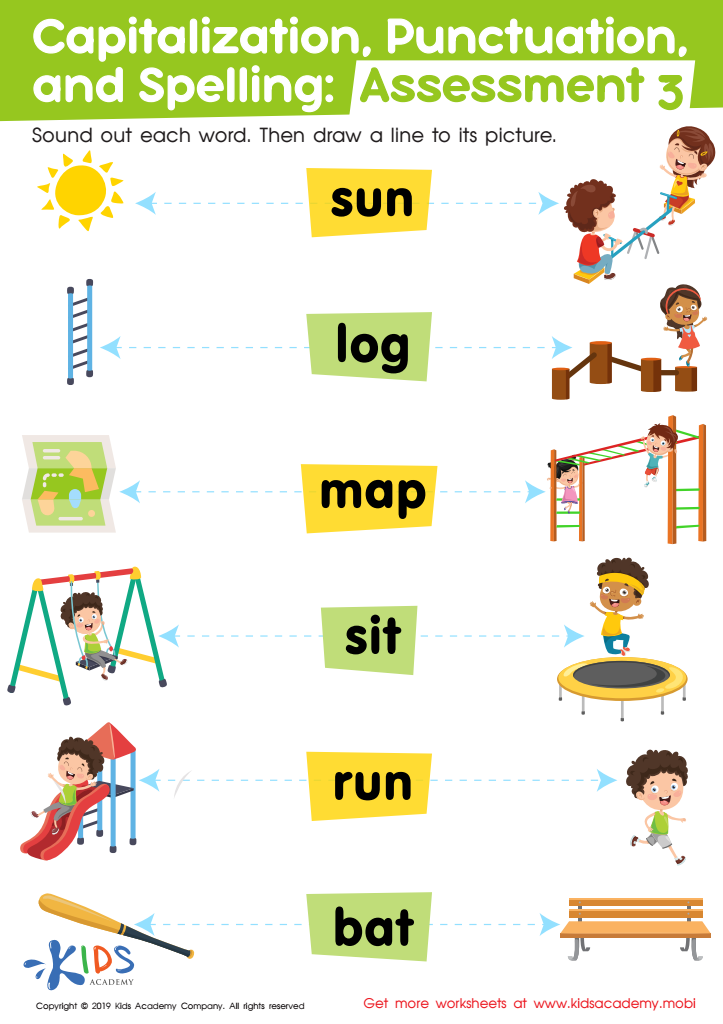
Capitalization. Punctuation. Spelling. Assessment 3 Worksheet
 Assign to My Students
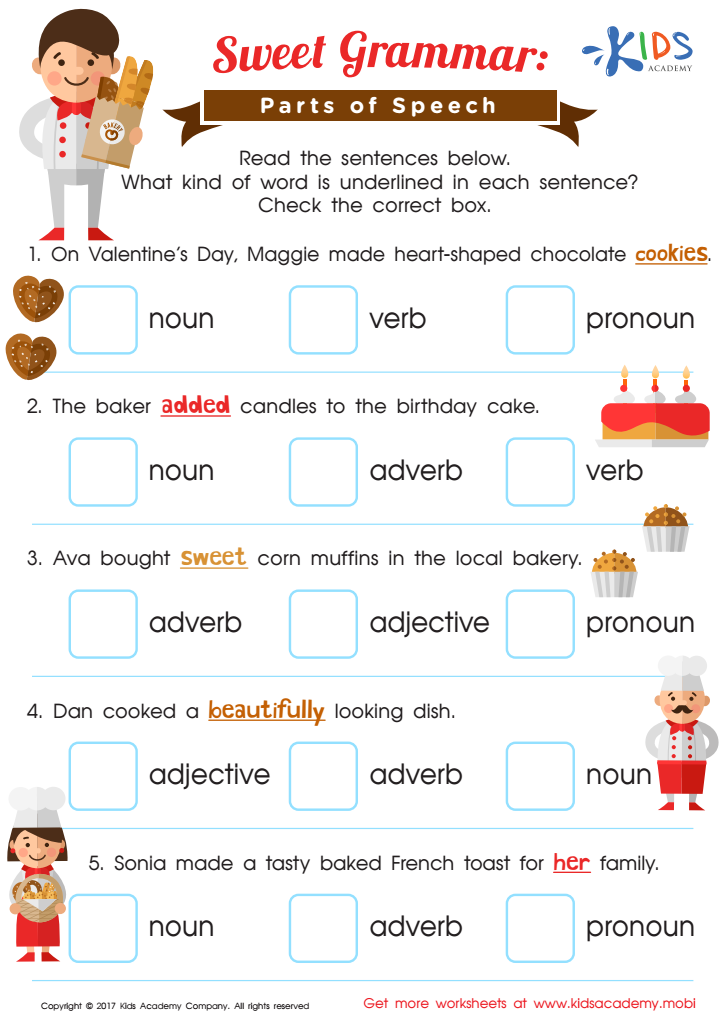
Parts of Speech Worksheet
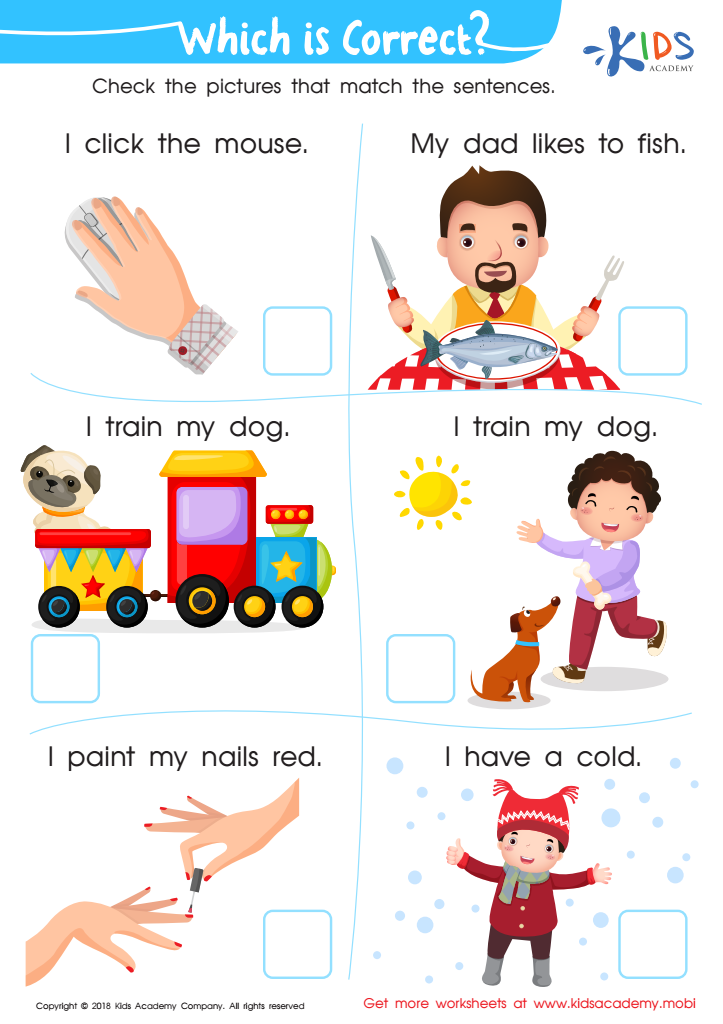
Which Is Correct? Worksheet








Parents and teachers should prioritize grammar comprehension and writing skills for children aged 4-9 because these foundational abilities underpin effective communication and critical thinking. Early mastery of grammar facilitates a child’s ability to express thoughts clearly and coherently, which is essential for social interactions, academic success, and later proficiency in more complex language use.
At this age, children are like sponges, absorbing information and developing crucial cognitive skills. By reinforcing grammar and writing skills, adults help children understand sentence structure, punctuation, and the nuances of language, laying the groundwork for more sophisticated literacy as they grow.
Additionally, grammar comprehension supports reading development. For instance, when children grasp the rules and patterns of language, they become better readers, comprehending texts with greater ease and confidence. Importantly, effective writing skills foster creativity and self-expression, allowing young learners to articulate their ideas and emotions.
Moreover, attention to grammar and writing instills discipline and focus in children. As they learn to craft sentences and narratives, they develop an appreciation for the art of communication. Overall, prioritizing grammar comprehension and writing in early education equips children with essential tools for lifelong learning and personal growth, ultimately enhancing their academic and social futures.








