Spelling practice Writing Worksheets for Ages 4-9
51 filtered results
-
From - To
Our Spelling Practice Writing Worksheets for Ages 4-9 are expertly designed to improve your child’s spelling skills in a fun and engaging way. Featuring a variety of activities, from fill-in-the-blank to word tracing, these printable worksheets help children build their vocabulary, recognize word patterns, and enhance their writing skills. Perfect for young learners, each worksheet is tailored to suit different age groups and learning levels, ensuring that every child can progress at their own pace. Support your child's spelling journey today with our comprehensive and creative worksheets, and watch them become confident writers in no time!
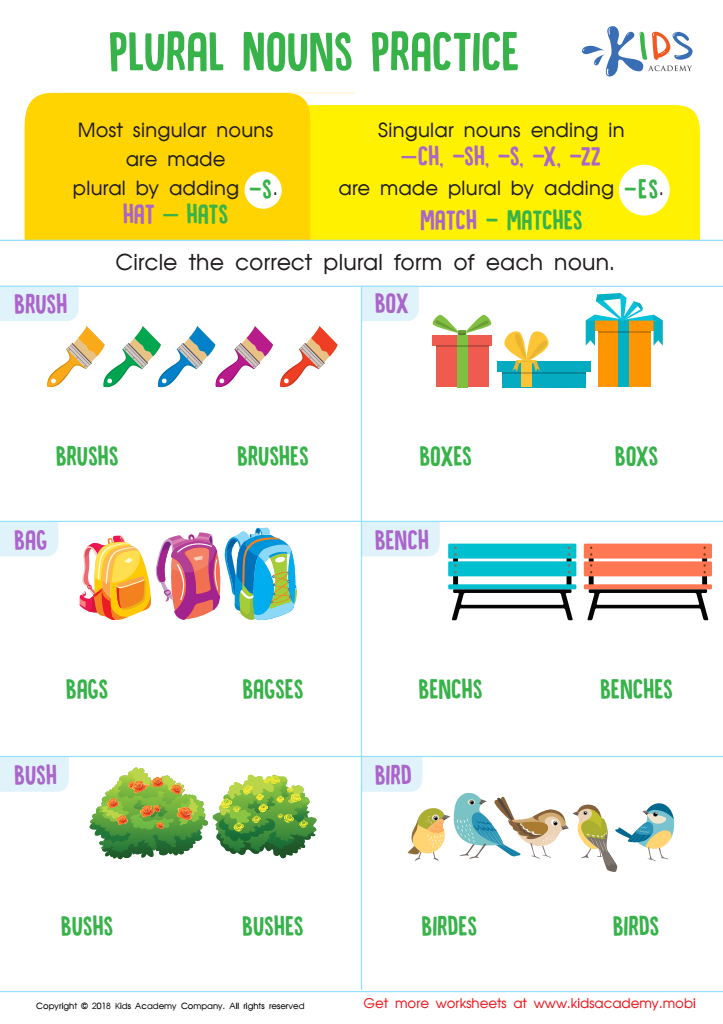
Plural Nouns Practice Worksheet
 Assign to My Students
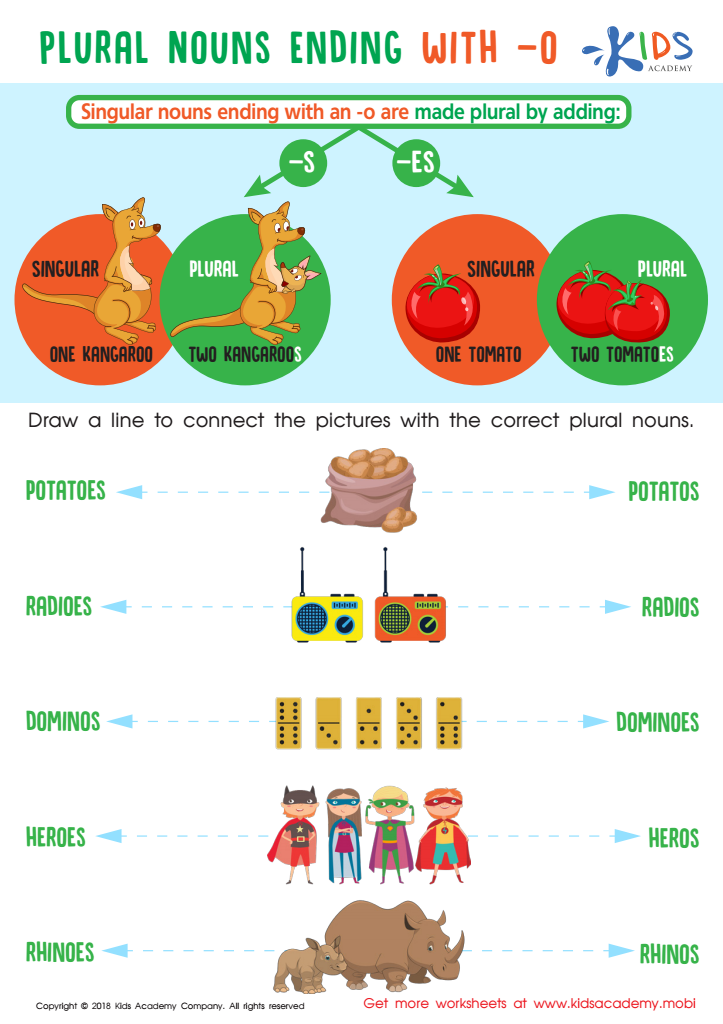
Plural Nouns Ending with -o Worksheet
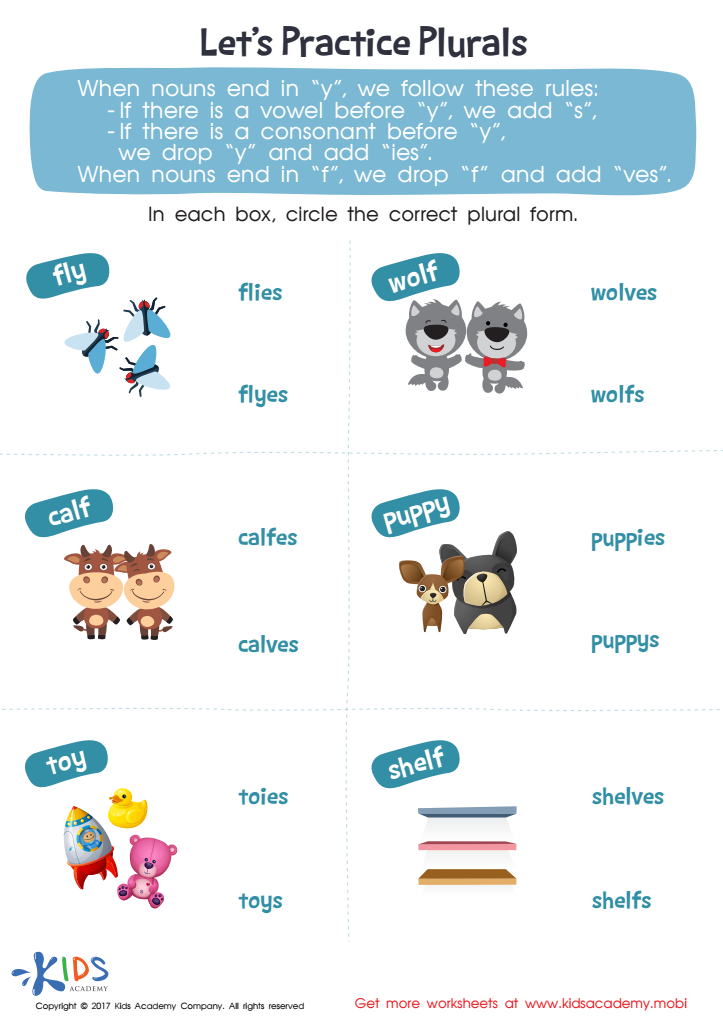
Let's Practice Plurals Word Structure Worksheet
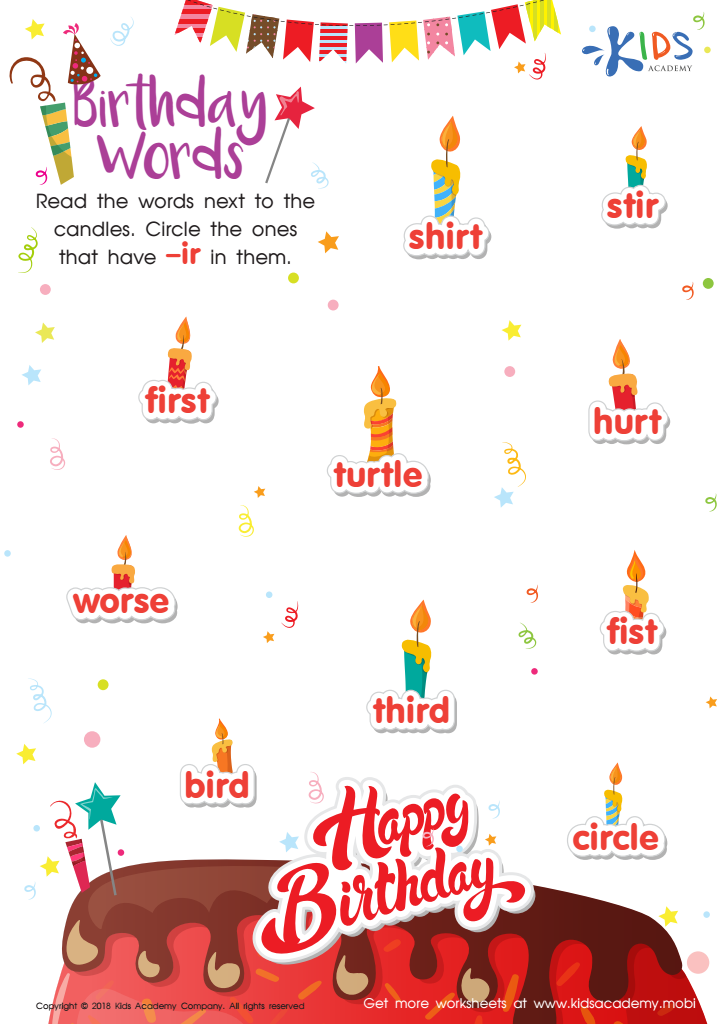
Birthday Words Worksheet
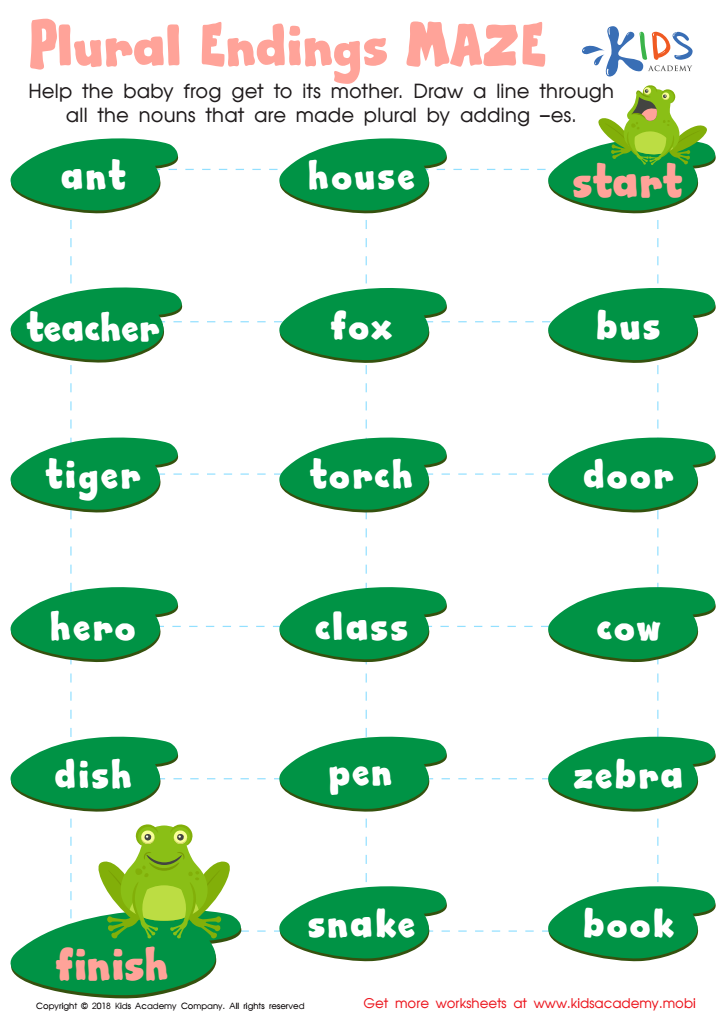
Plural Endings Maze Worksheet
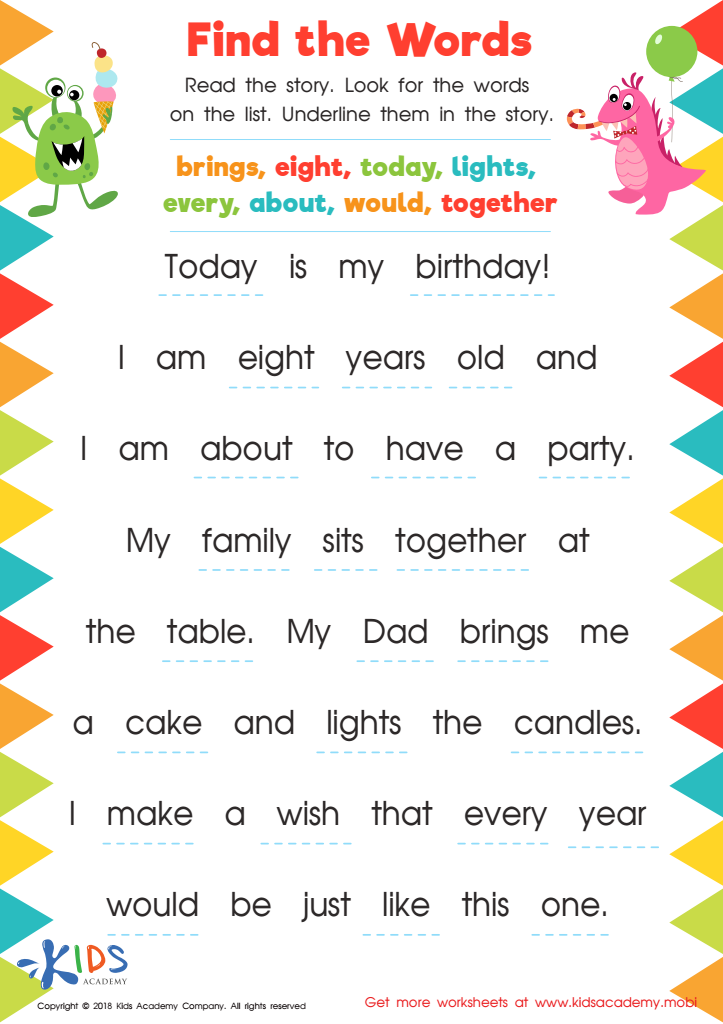
Find The Words Printable Worksheet
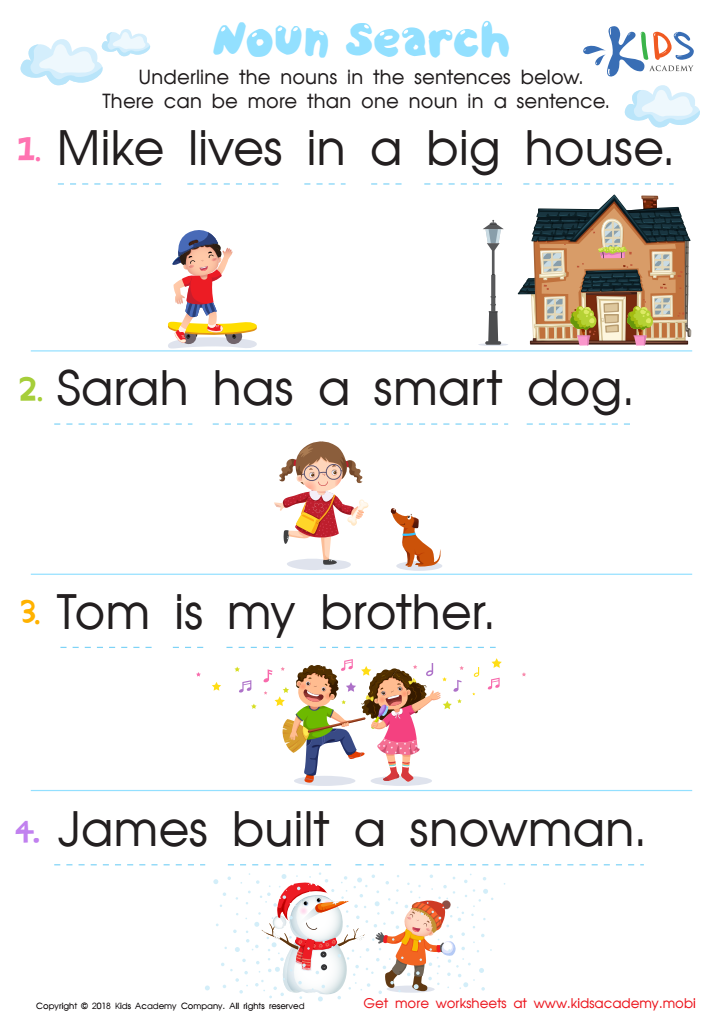
Noun Search Worksheet
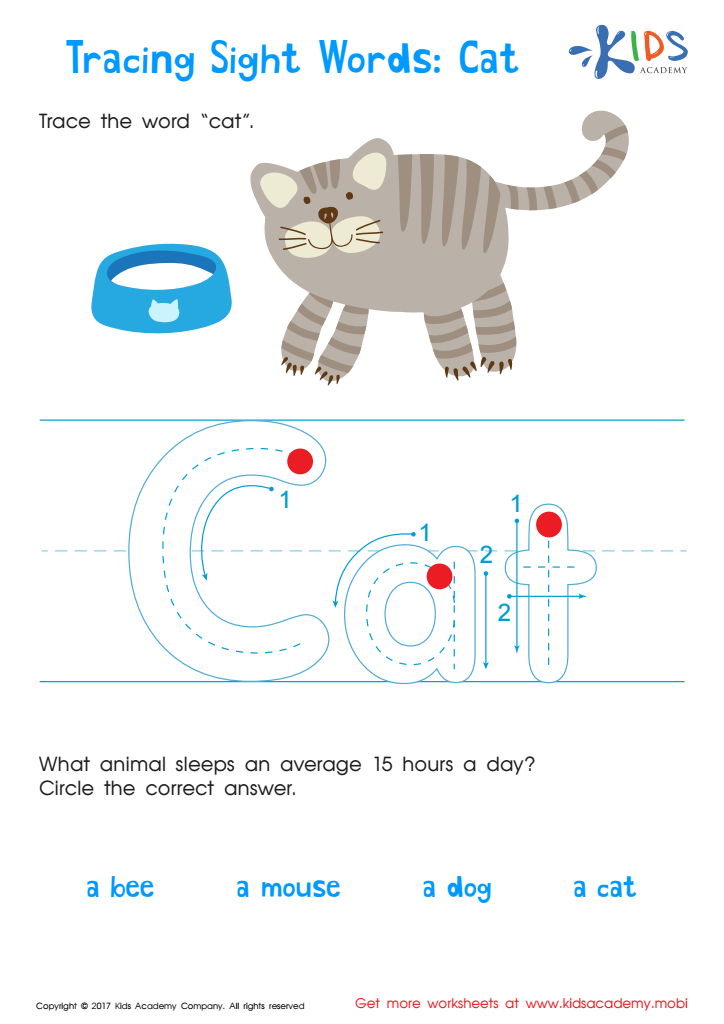
Cat Printable Sight Words Worksheet
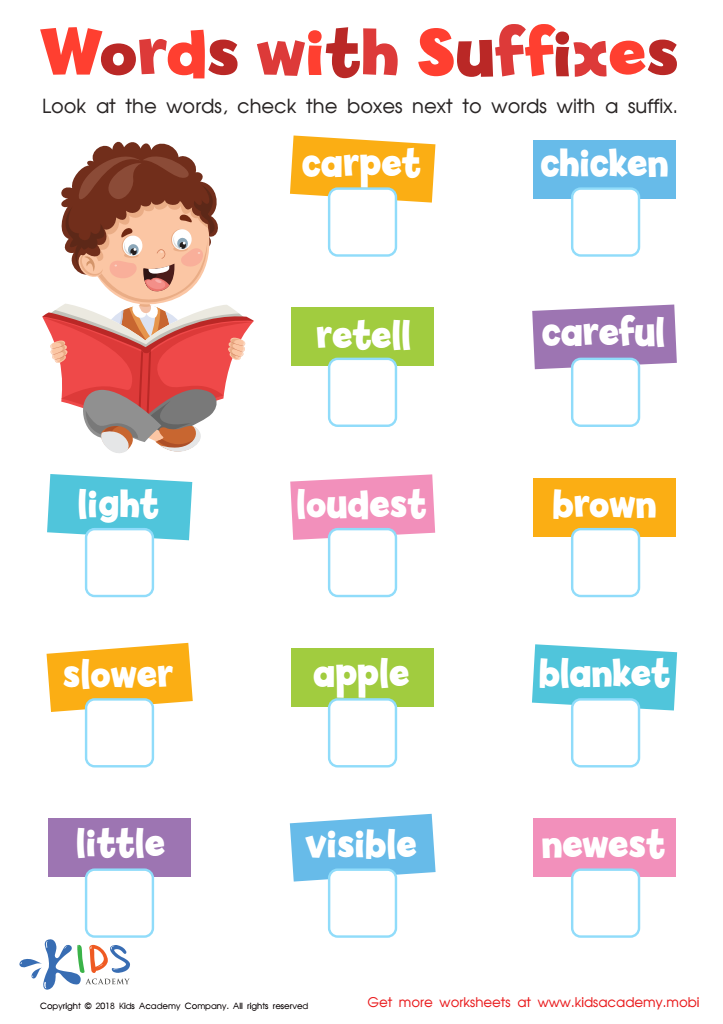
Reading: Words With Suffixes Worksheet
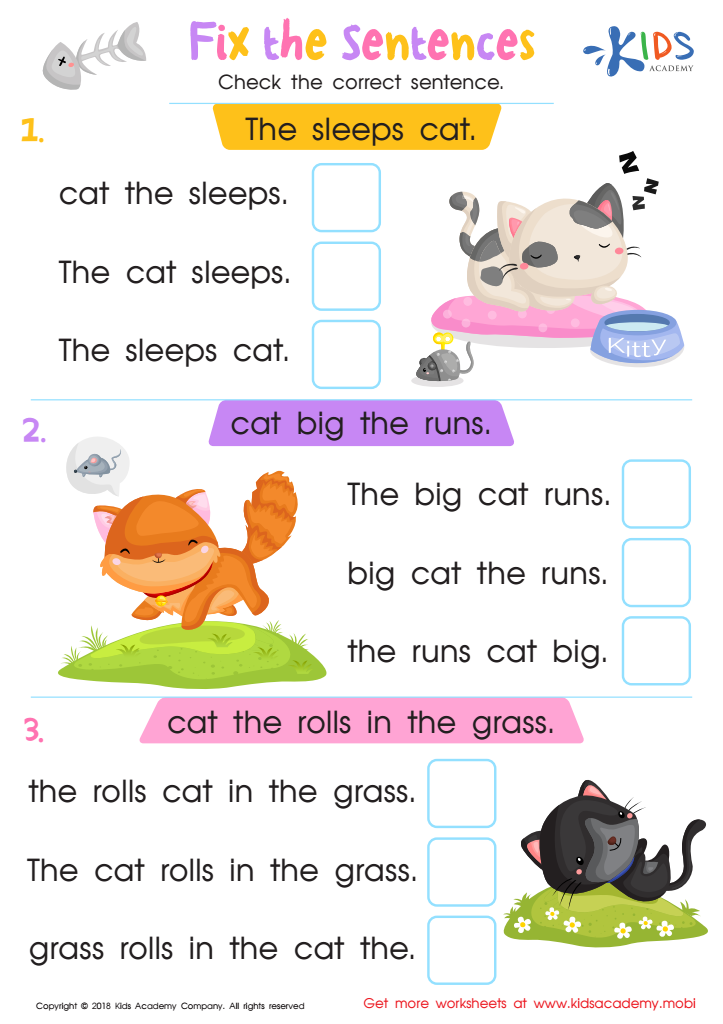
Fix the Sentences Worksheet
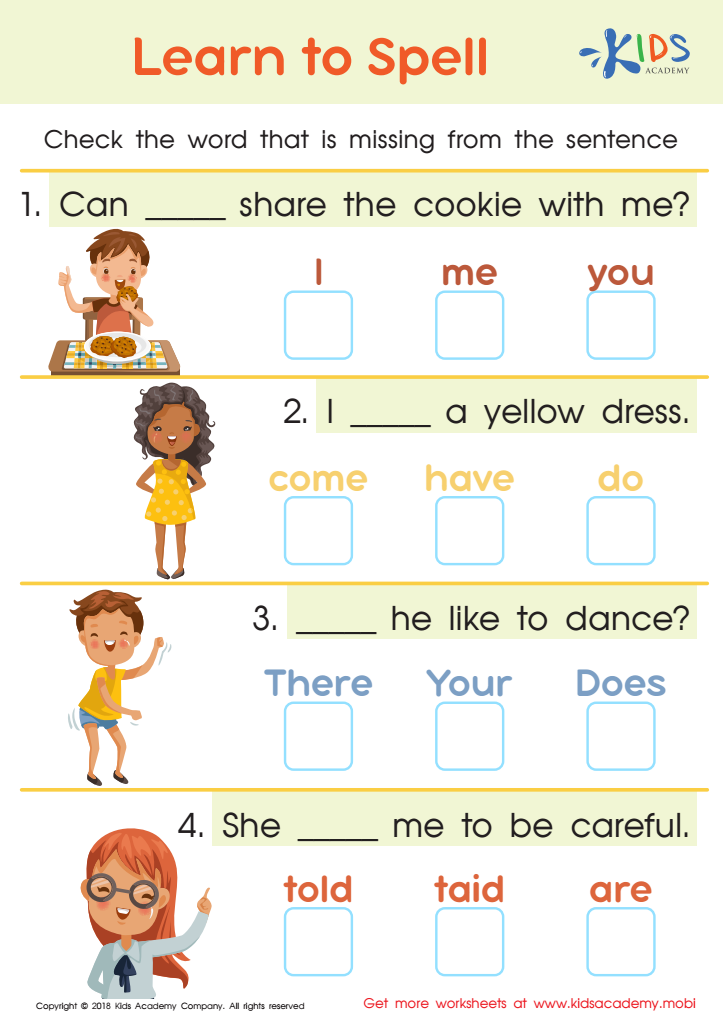
Learn to Spell Worksheet
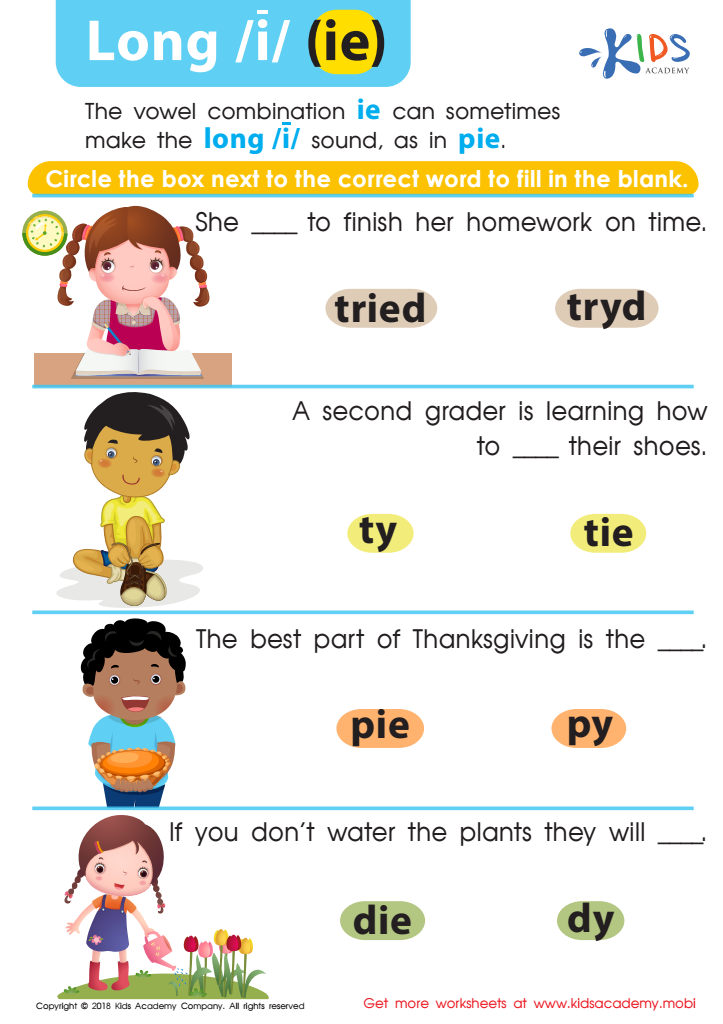
Reading: Long I and IE Worksheet
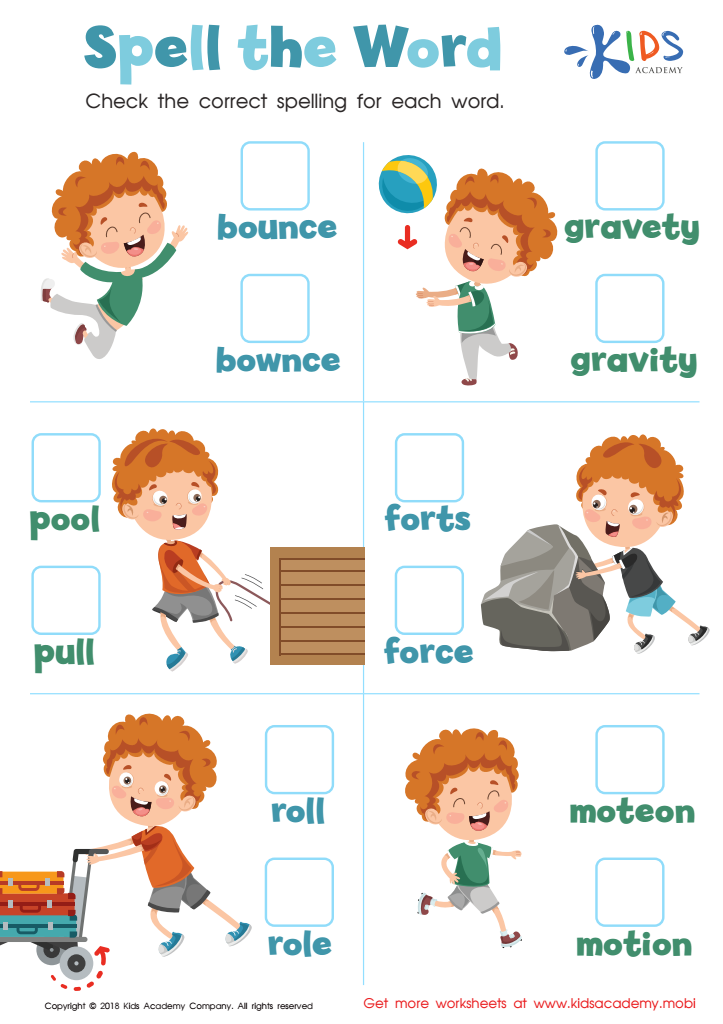
Spell the Word Worksheet
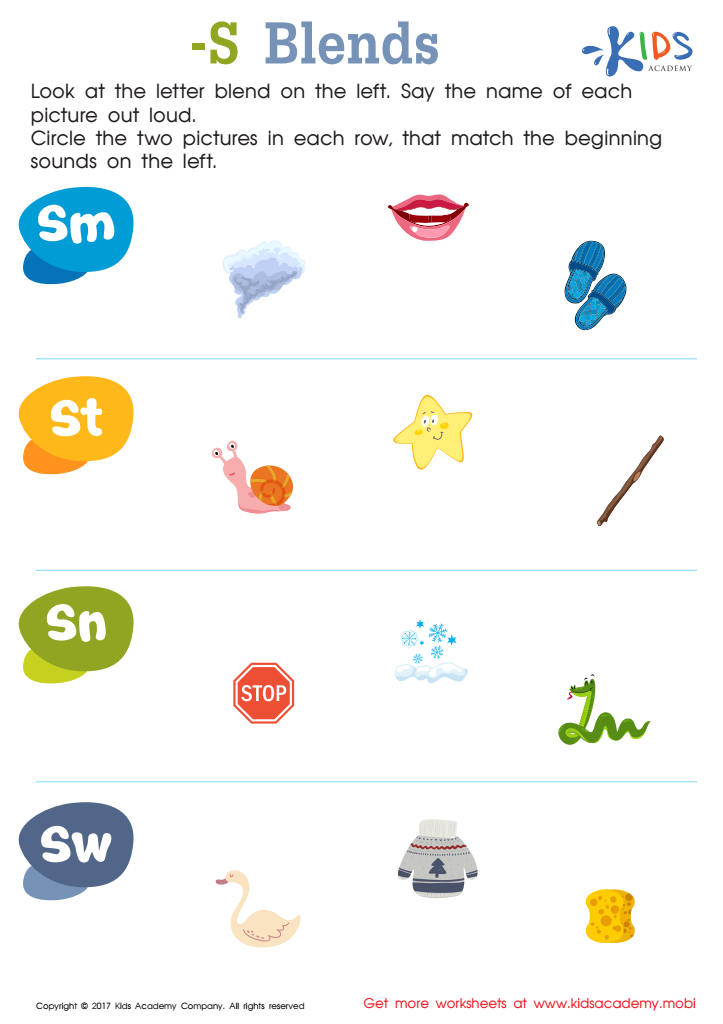
"s" Blends Spelling Printable
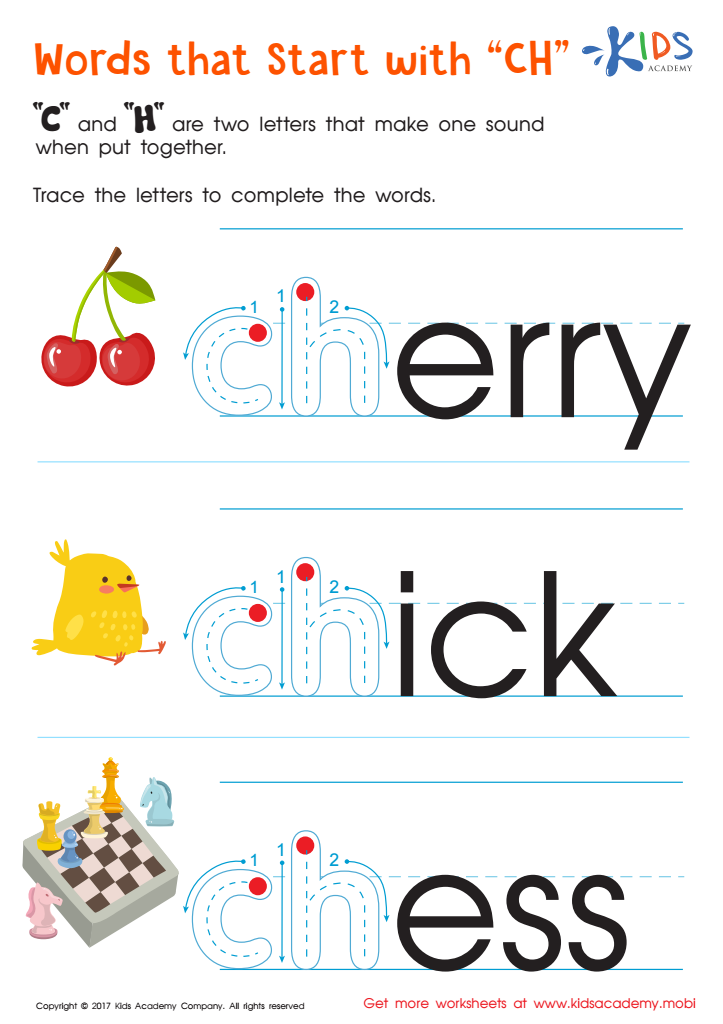
Words That Start with "ch" Spelling Worksheet
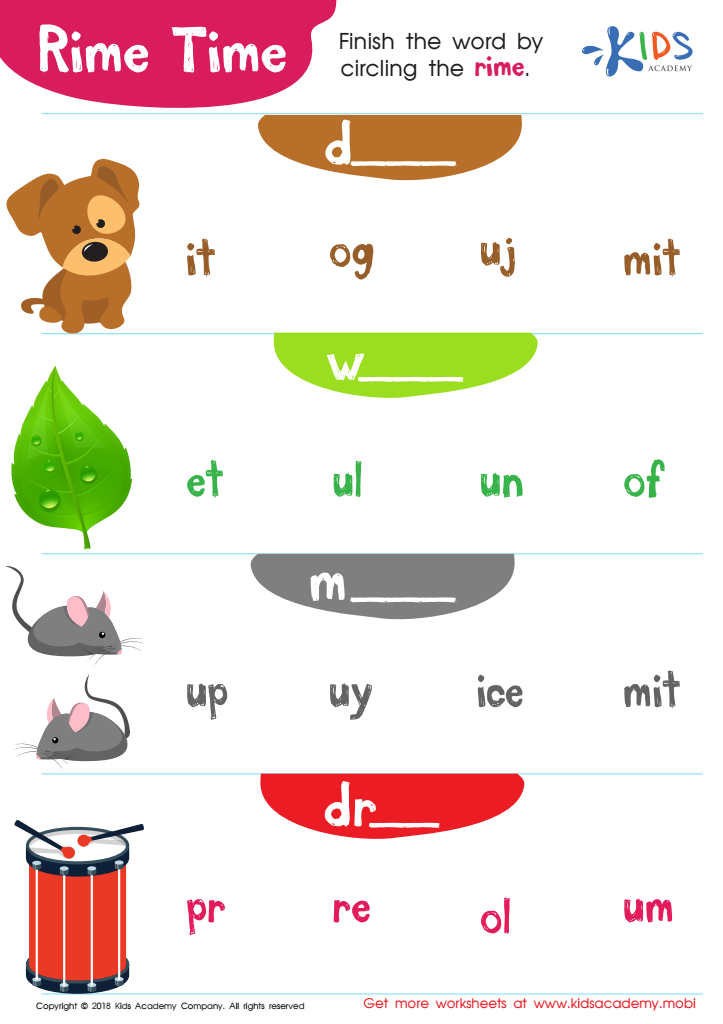
Rime Time Worksheet
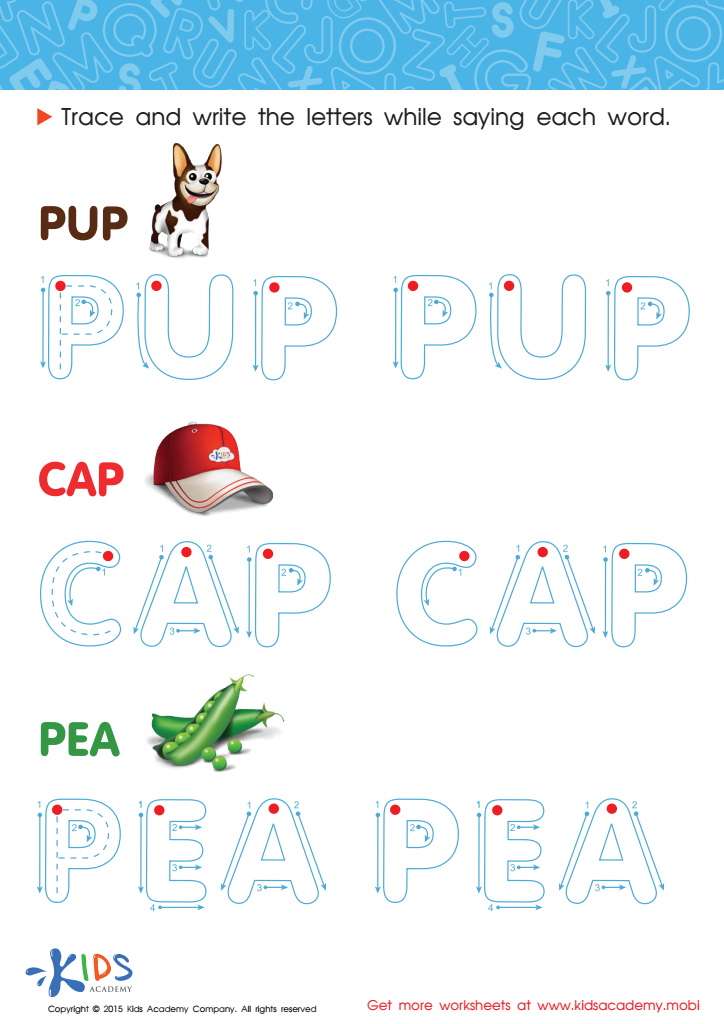
A Pup, a Cap and a Pea Spelling Worksheet
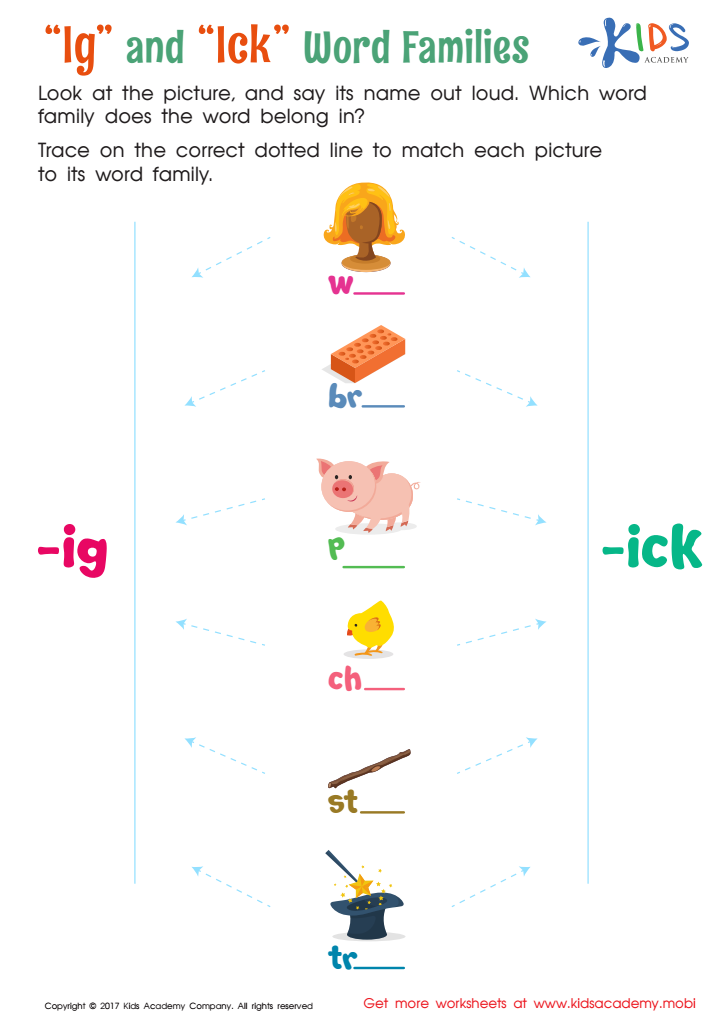
Words Families "ig" and "ick" Spelling Worksheet
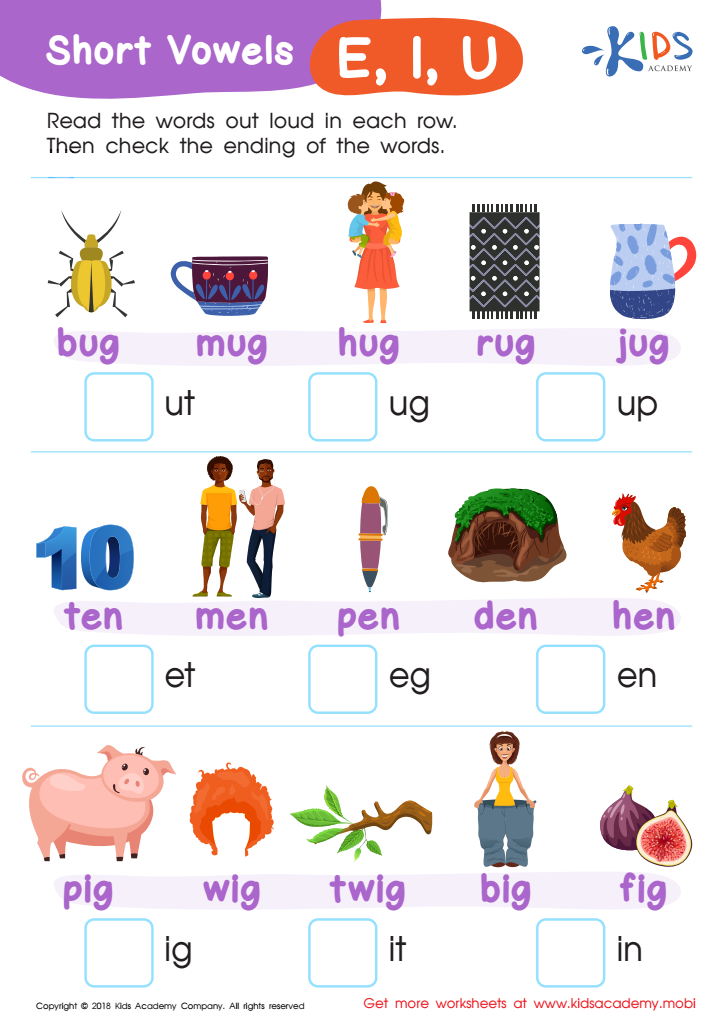
Short Vowels /e/, /i/, and /u/ Worksheet
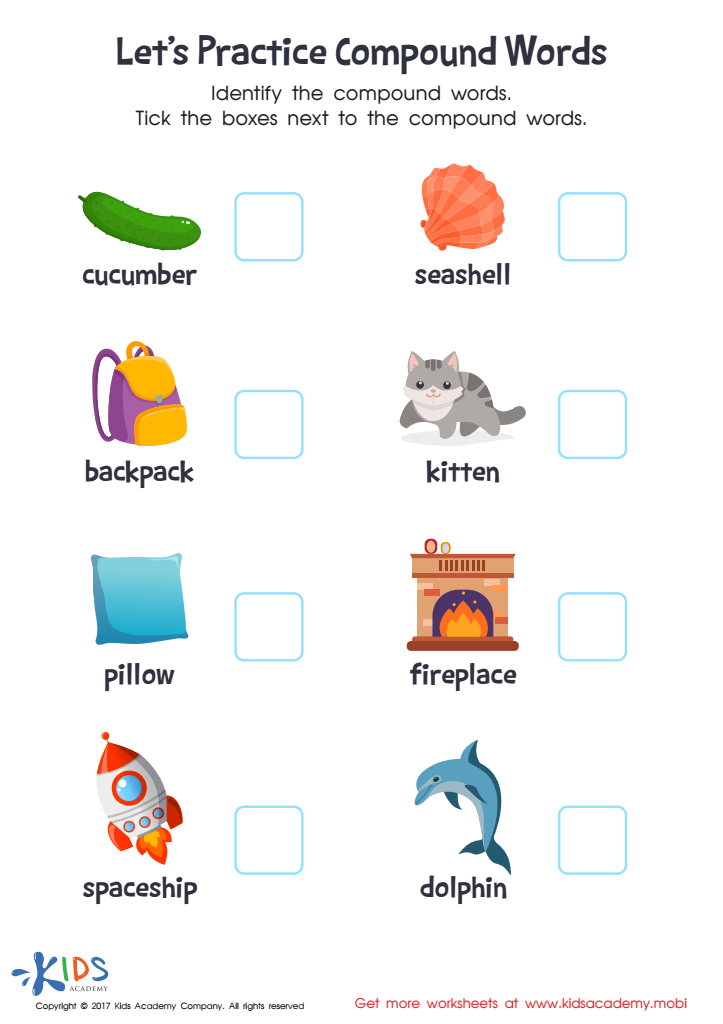
Let's Practice Compound Words Word Structure Worksheet
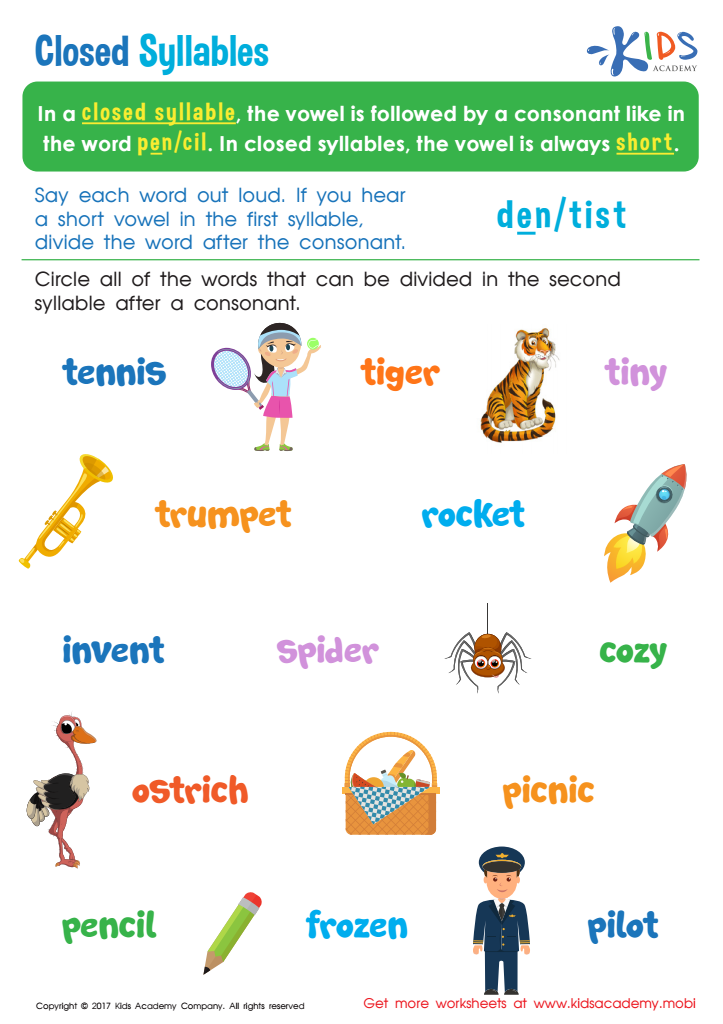
Closed Syllable Spelling Worksheet
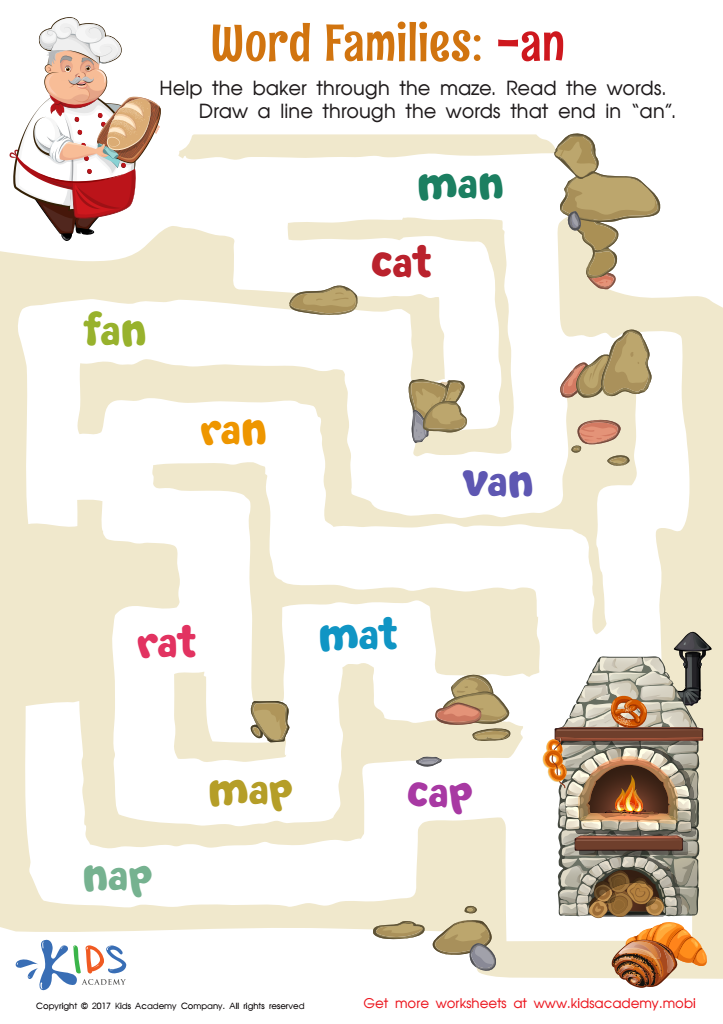
Words Families "an" Spelling Worksheet
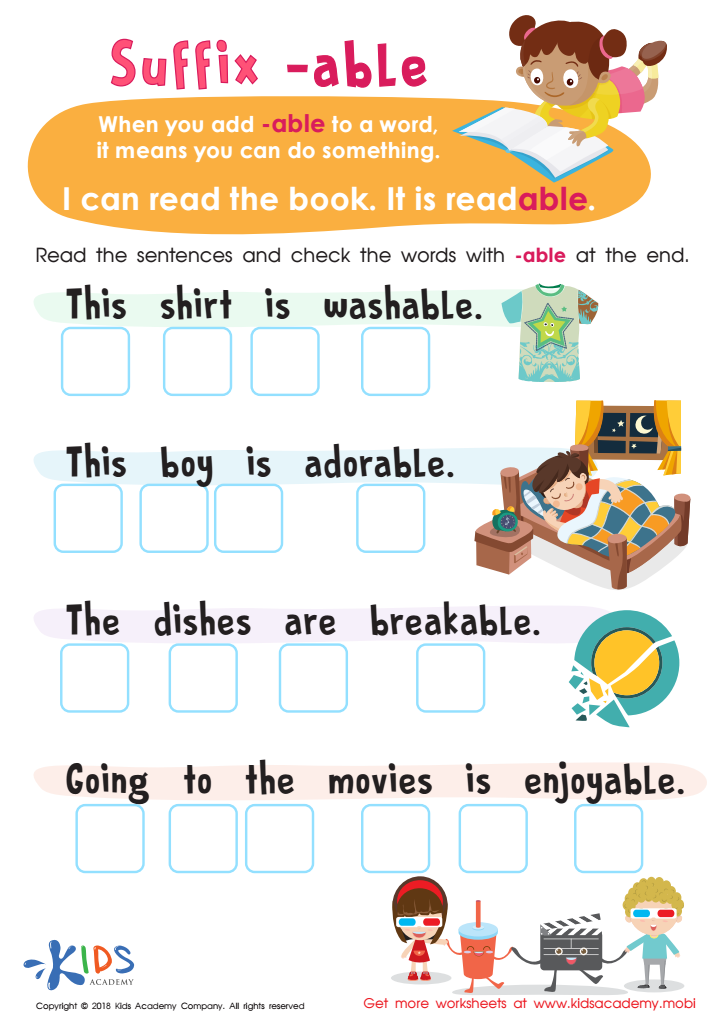
Suffix -Able Worksheet
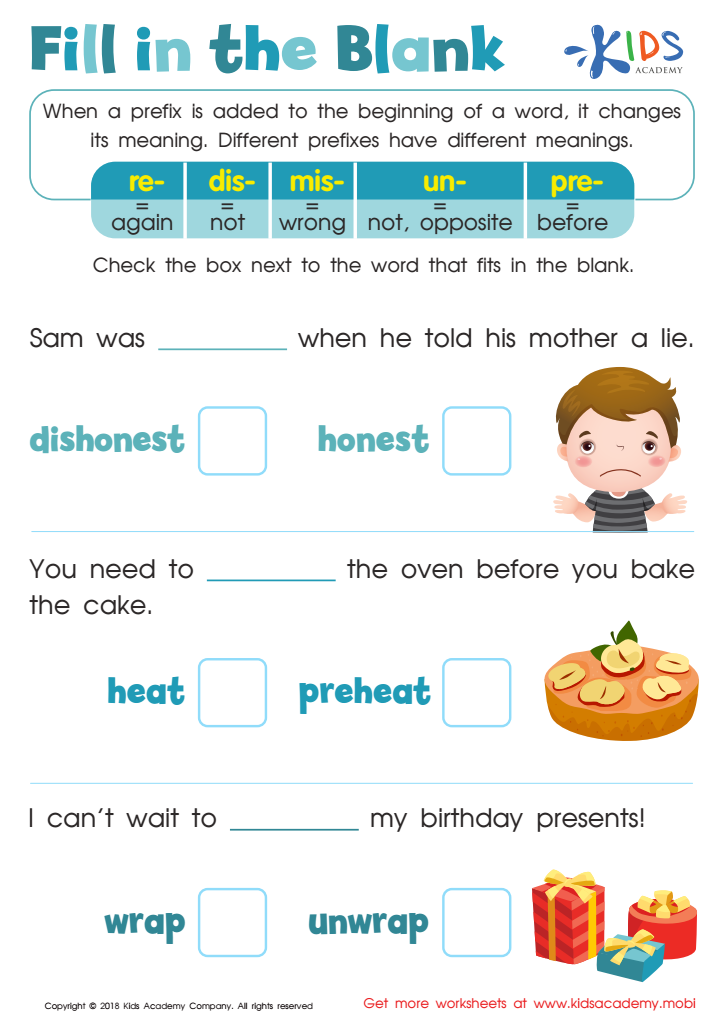
Reading: Fill in the Blank Worksheet




.jpg)

Spelling practice at a young age (ages 4-9) is crucial for a child's overall academic and cognitive development, making it an essential concern for parents and teachers. This period is a formative phase in a child's education where foundational skills are established. Mastery of spelling enables children to read and write more confidently, which in turn enhances their communication abilities and fosters a love for language.
Spelling practice aids in phonemic awareness, helping children understand the relationship between letters and sounds. This understanding is key to decoding words during reading and constructing them during writing. When children learn to spell accurately, their vocabulary expands, and their comprehension skills improve. These gains impact not just their language arts performance but also their success in other subjects.
Moreover, spelling practice exercises the cognitive skills of memory, attention, and critical thinking. Regular practice can refine handwriting, ensuring children can encode and relay information more neatly and efficiently. Good spelling habits established early lead to better literacy skills, impacting a child's future academic pursuits and lifelong learning.
Therefore, consistent spelling practice is integral, fostering academic confidence and a robust linguistic foundation essential for future educational achievements. It is a simple yet profoundly effective way of preparing children for more complex literacy challenges ahead.








