Categorization skills Worksheets for 4-Year-Olds
26 filtered results
-
From - To
Introduce your 4-year-old to the foundation of logical thinking with our Categorization Skills Worksheets, designed to develop essential cognitive abilities. Through engaging and age-appropriate exercises, children will enhance their ability to sort and group various objects based on attributes like color, size, shape, and more. Our worksheets are perfect for home or classroom use, fostering critical thinking and attention to detail in a fun and interactive way. Equip your child with the skills needed for future academic success by incorporating our expertly crafted categorization resources into their daily learning routine. Elevate your child's learning journey with our printable worksheets today!
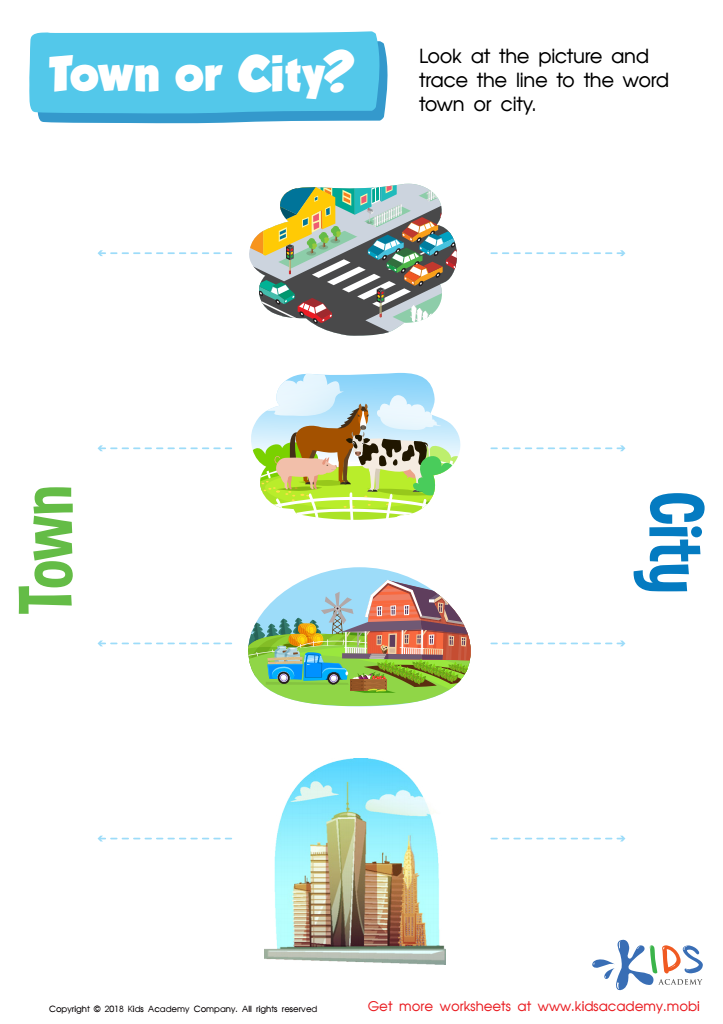
Town or City? Worksheet
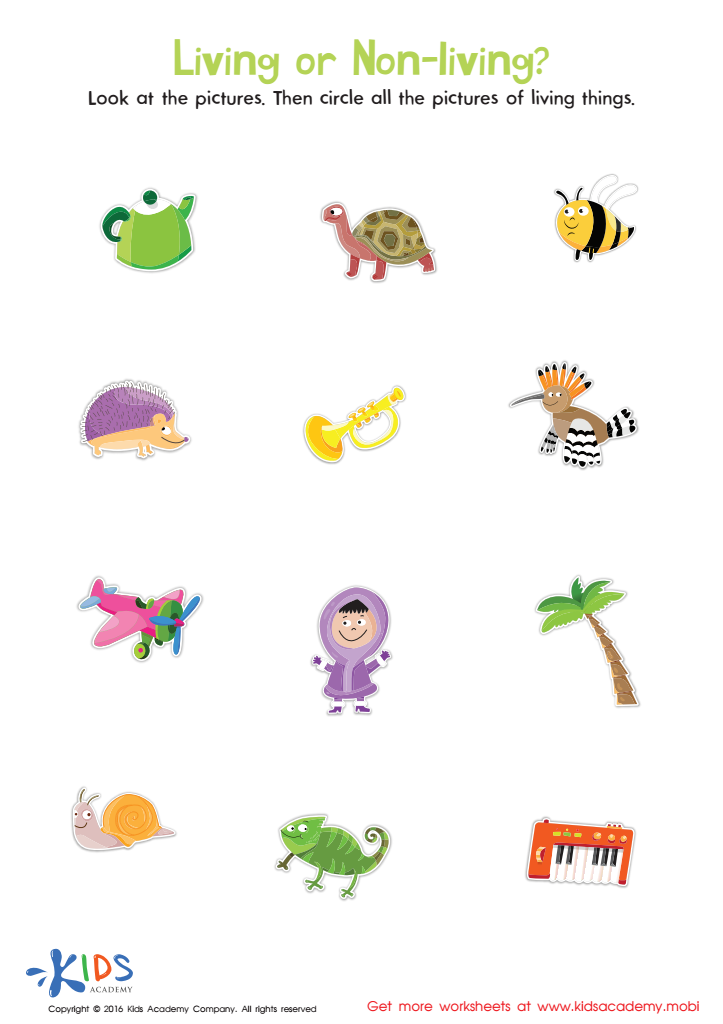
Identifying Living and Non–living Things Sorting Worksheet
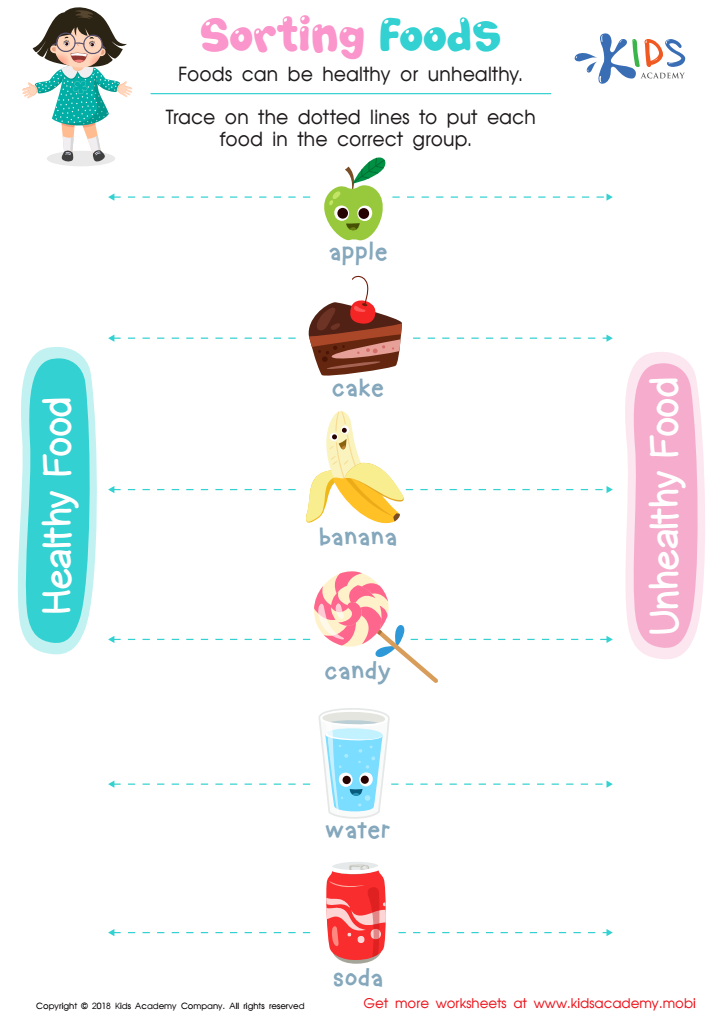
Sorting Food Worksheet
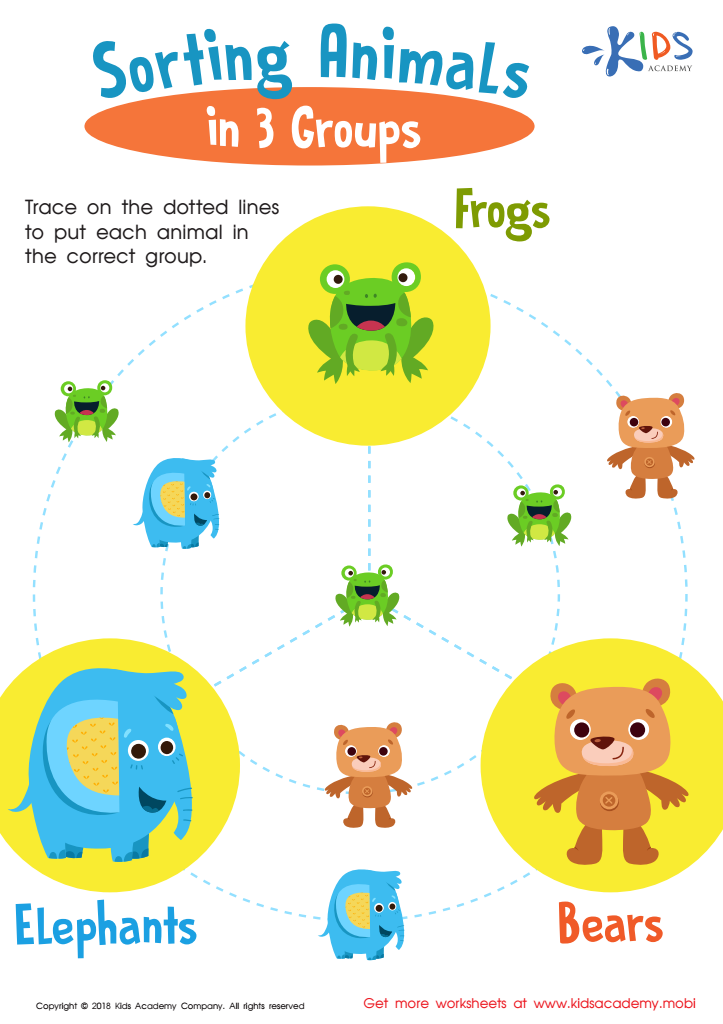
Sorting Animals in 3 Groups Worksheet
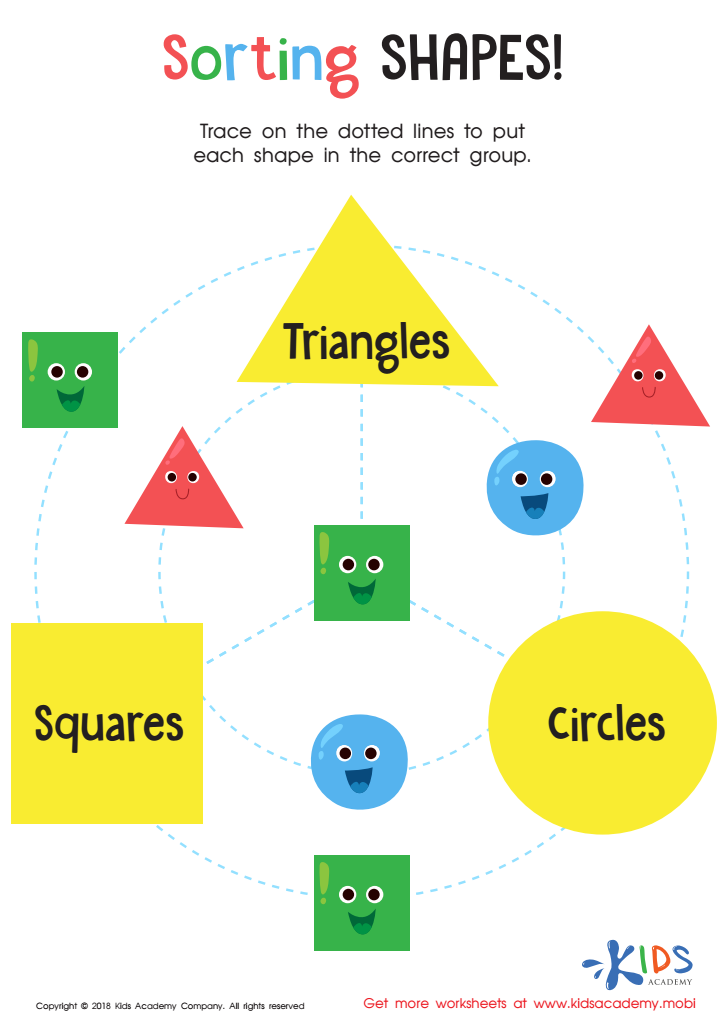
Sorting Shapes - Part 3 Worksheet
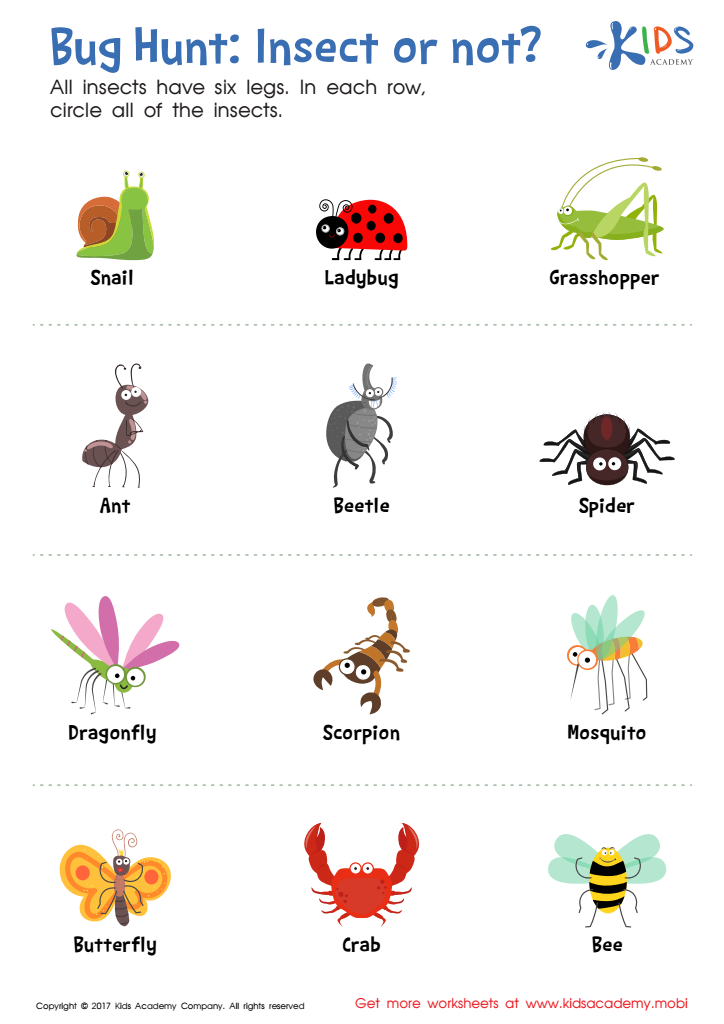
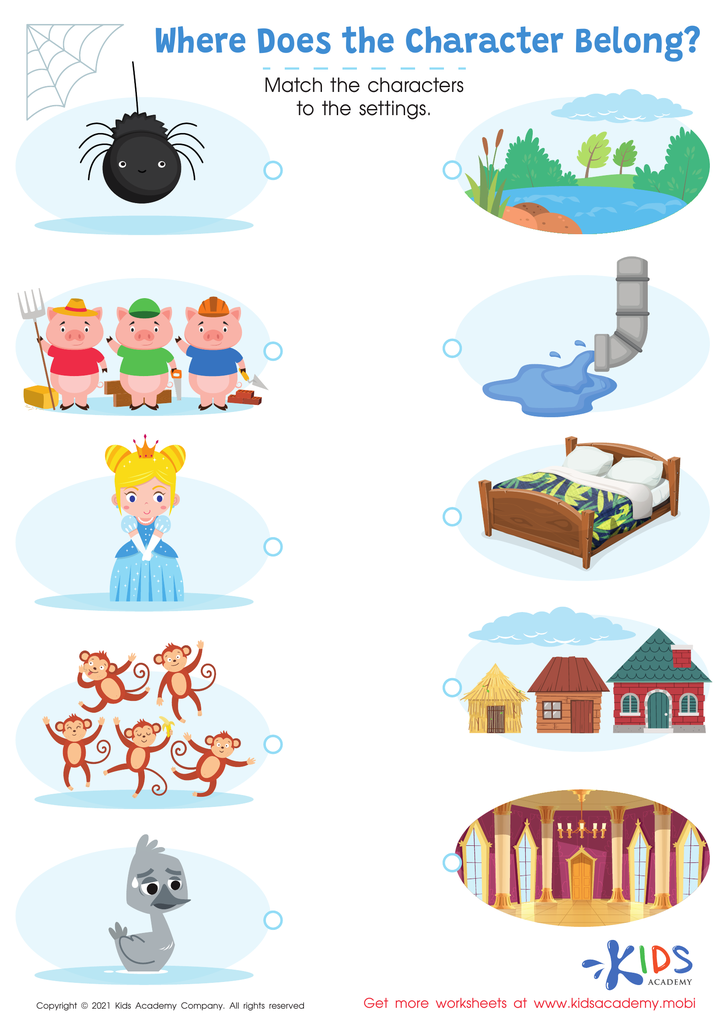
Where Does the Character Belong? Worksheet
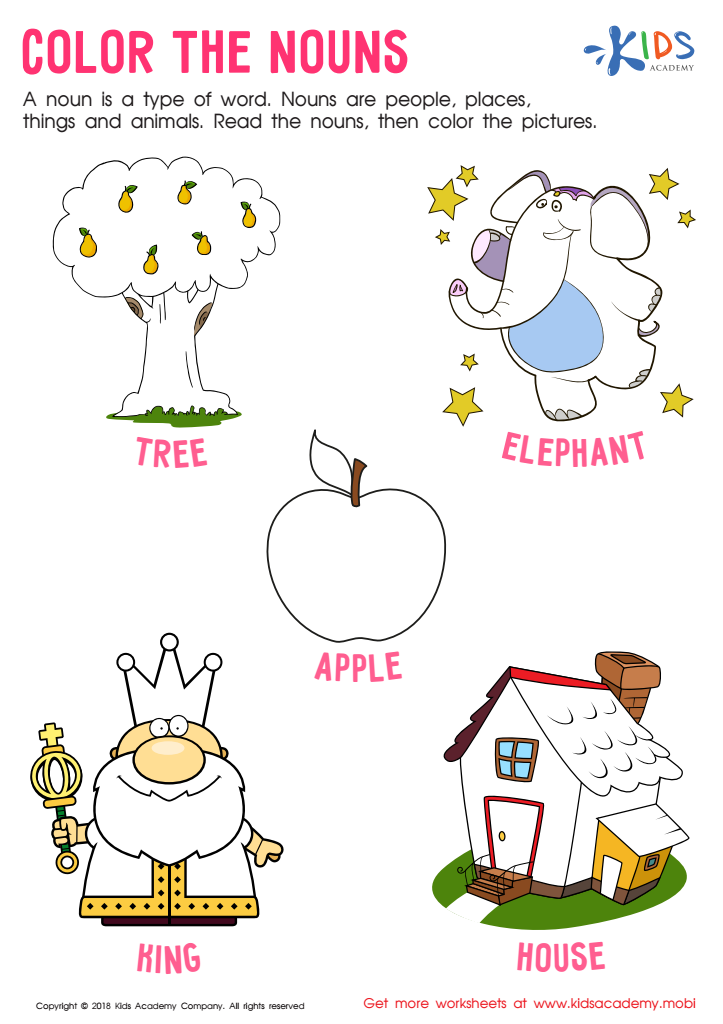
Color the Nouns Worksheet
 Assign to My Students
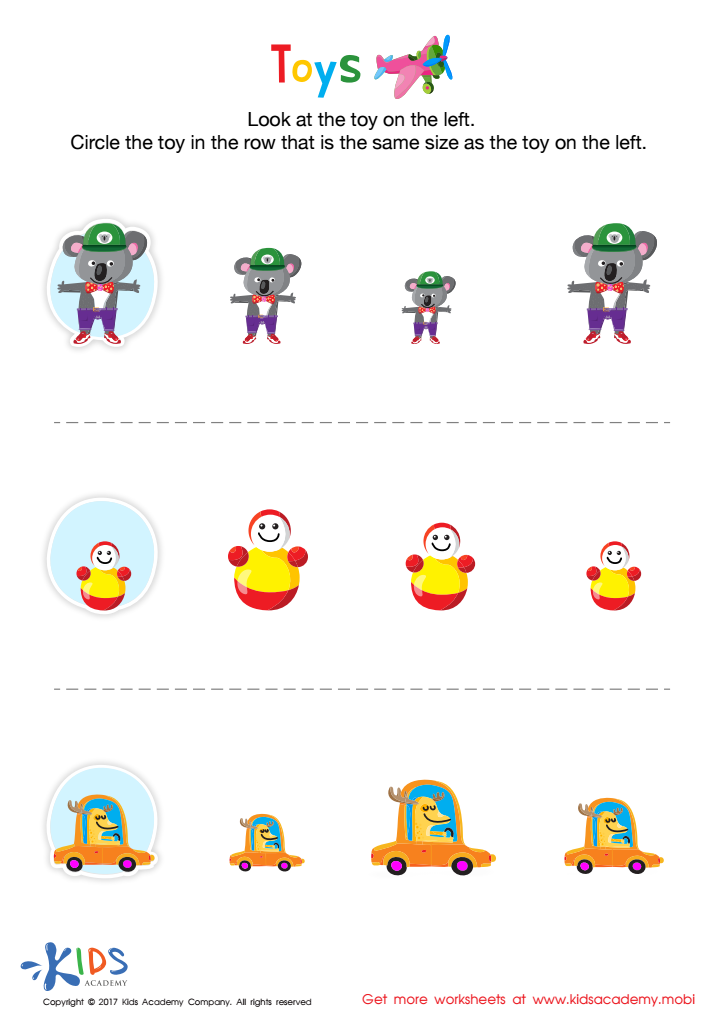
Matching: Classifying Toys by Size Worksheet
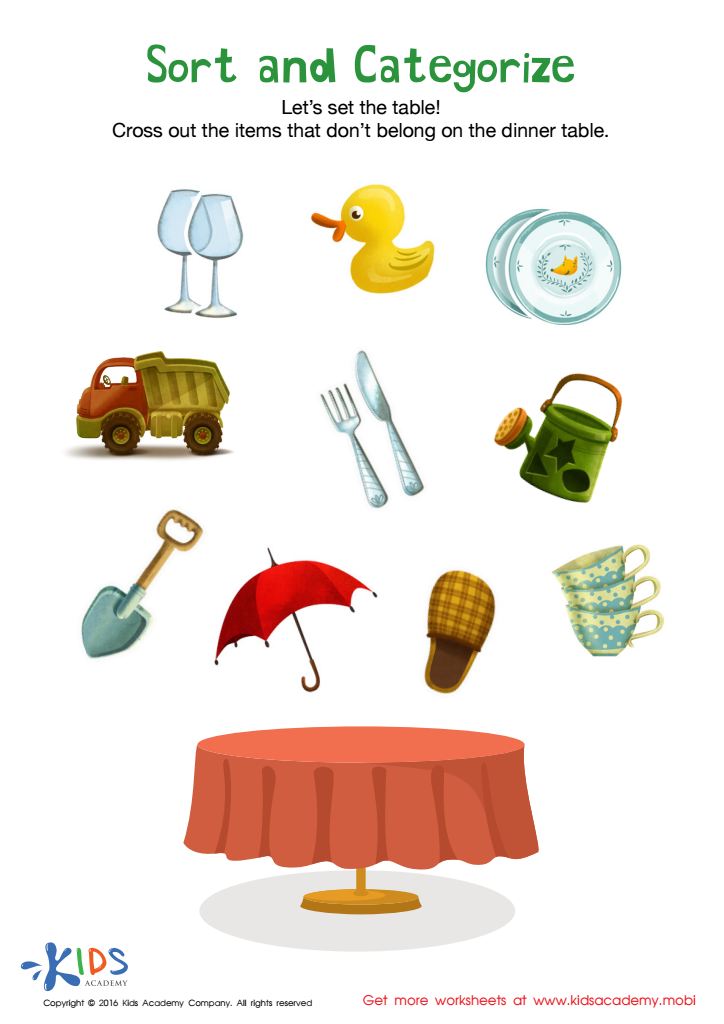
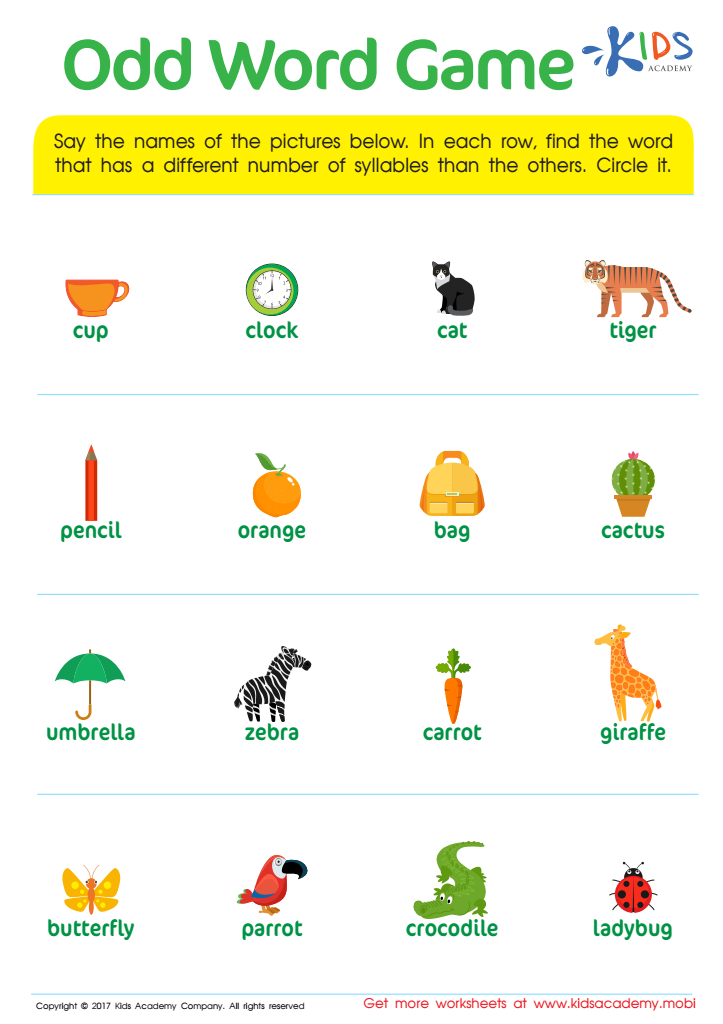
Count Syllables: Odd Word Game Worksheet
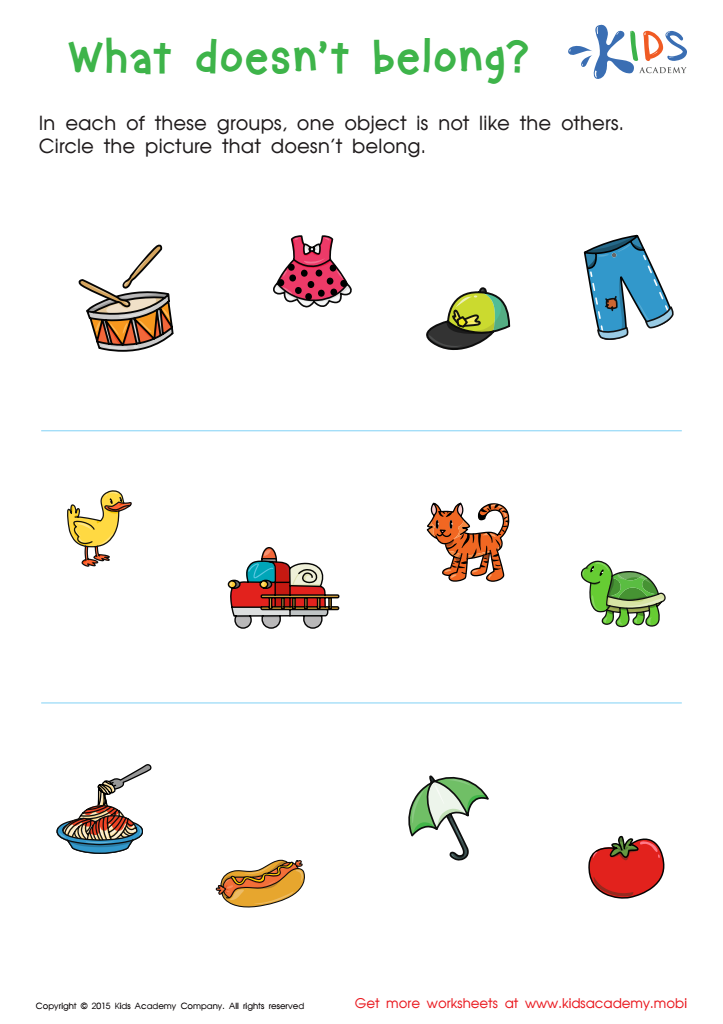
First Words: What Doesn't Belong Worksheet
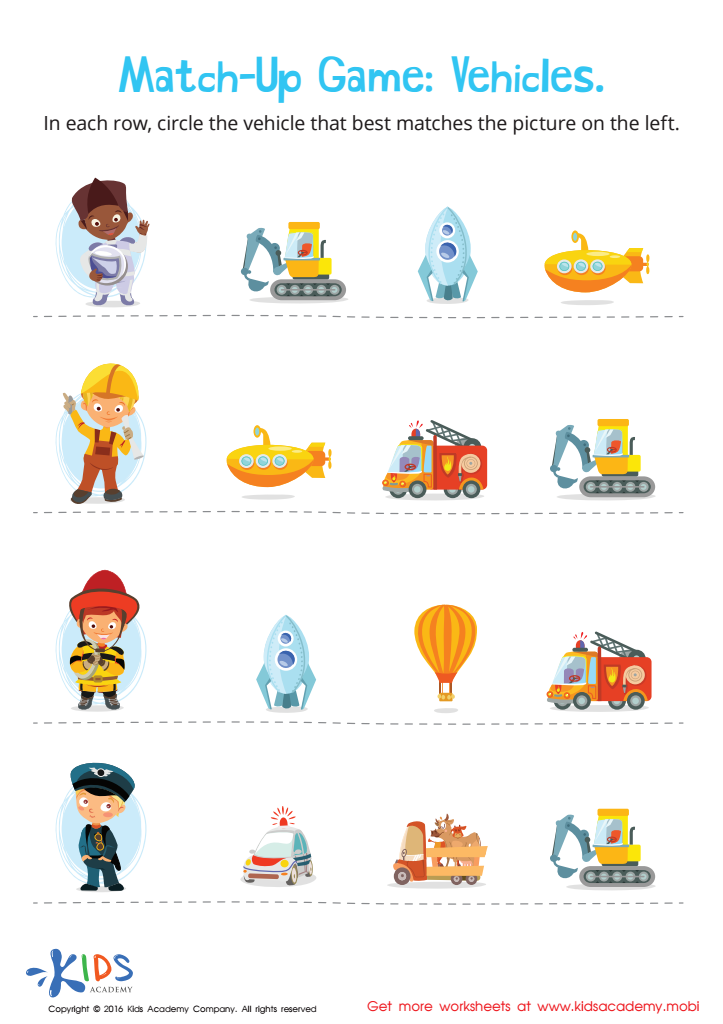
Vehicles Worksheet
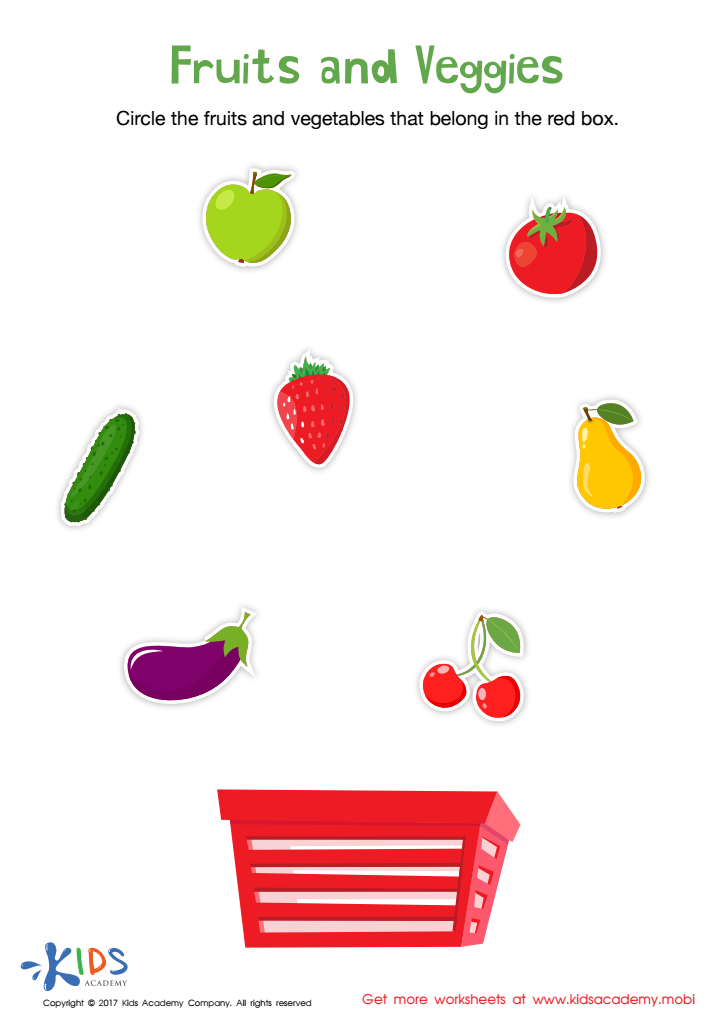
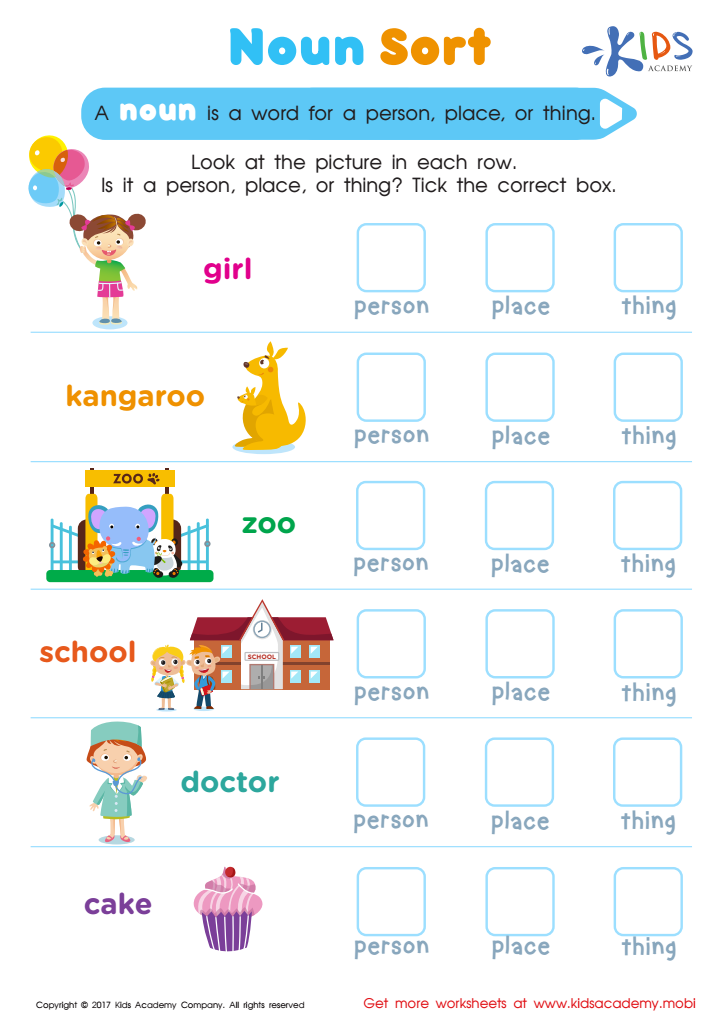
Noun Sort Printable
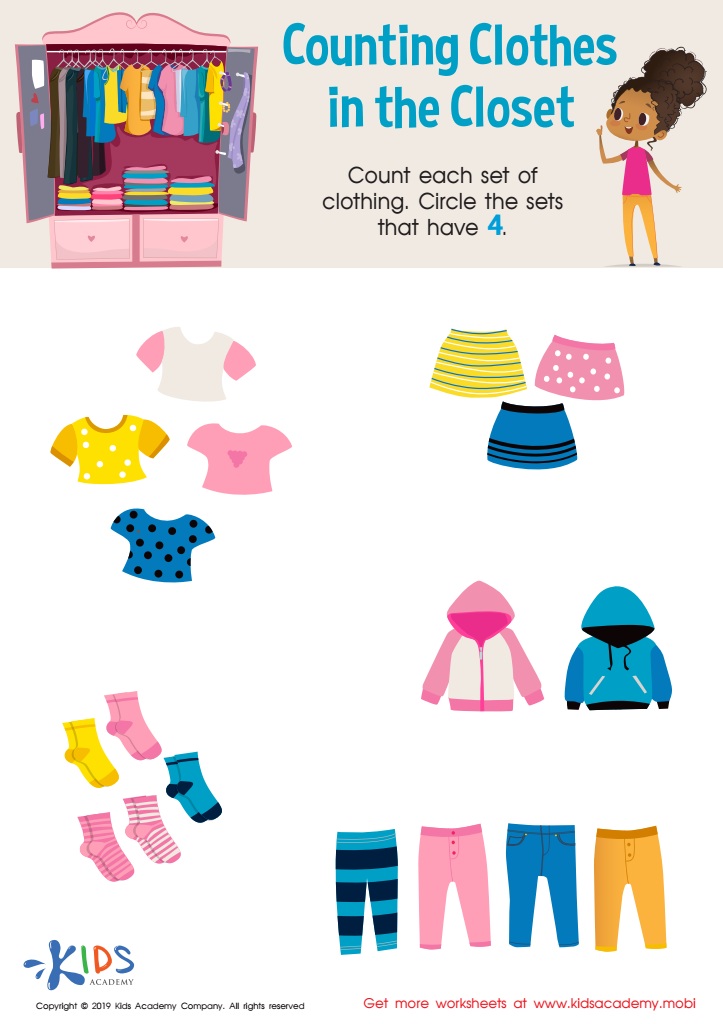
Counting Clothes Worksheet
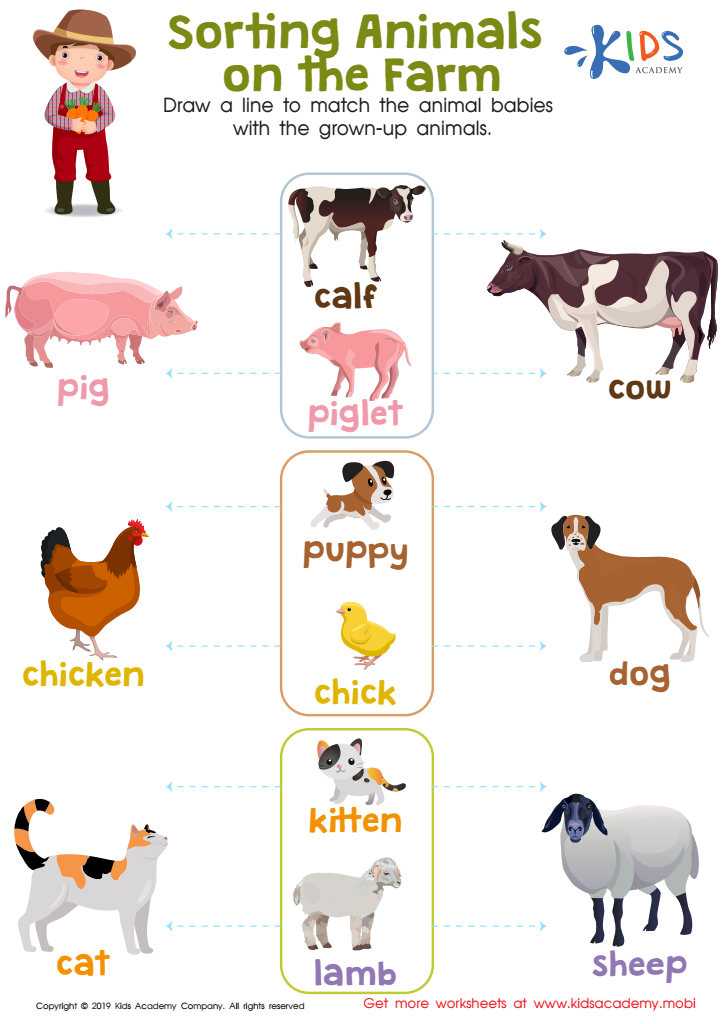
Sorting Animals on the Farm Worksheet
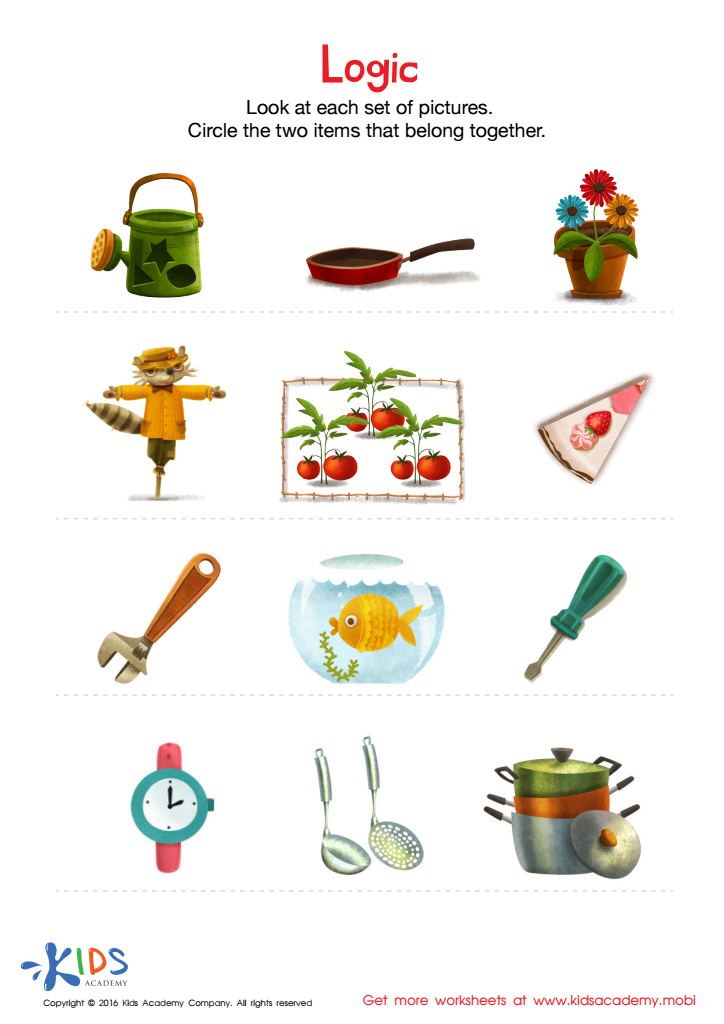
Logic Game Sorting Worksheet
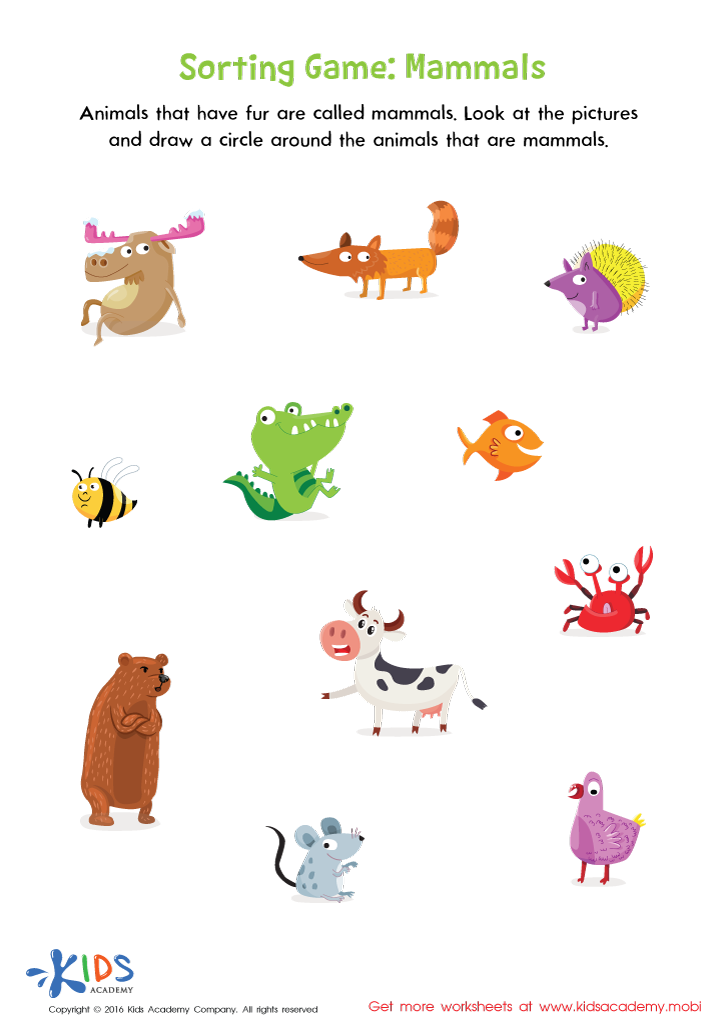
Mammals Sorting Worksheet
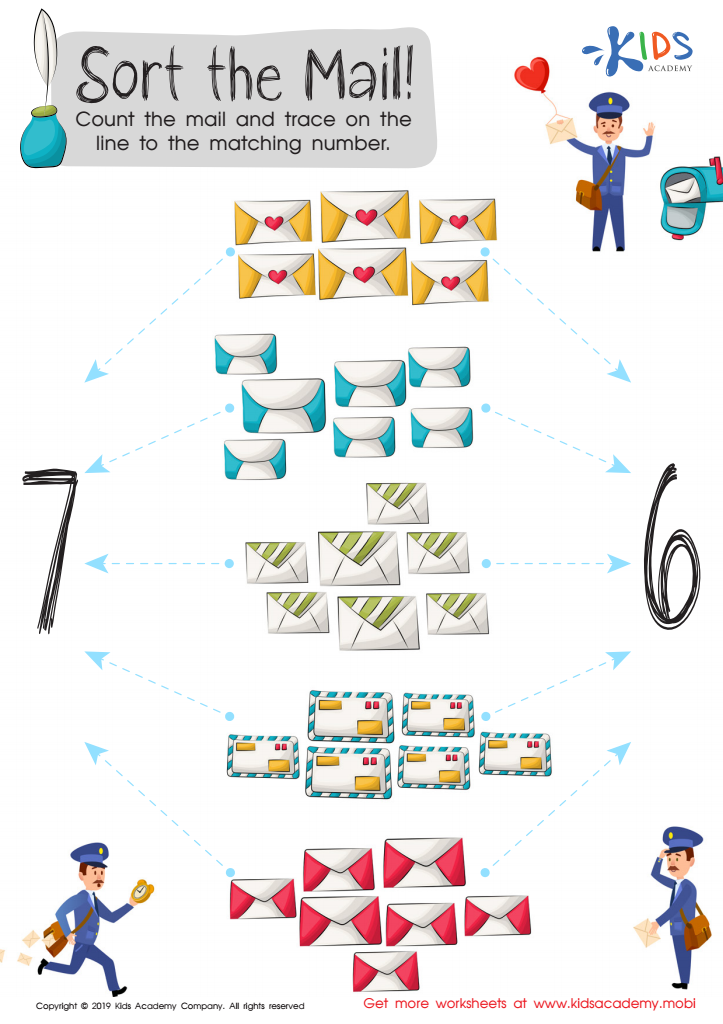
Sort the Mail Worksheet
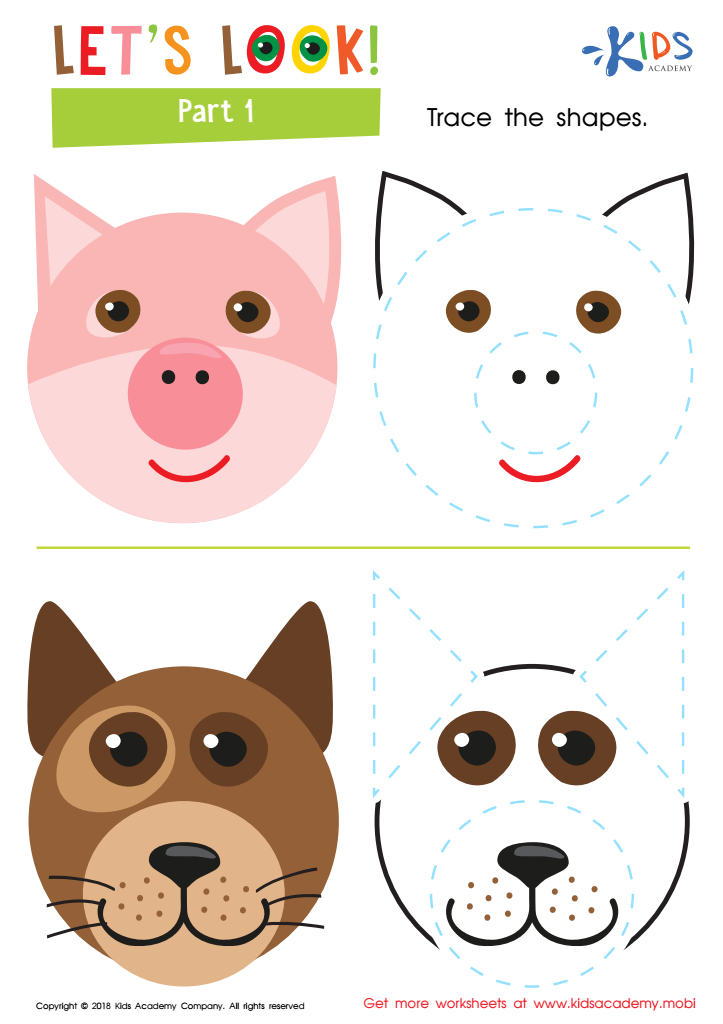
Let's Look! Part 1 Worksheet

Identifying Living or Non–living Worksheet
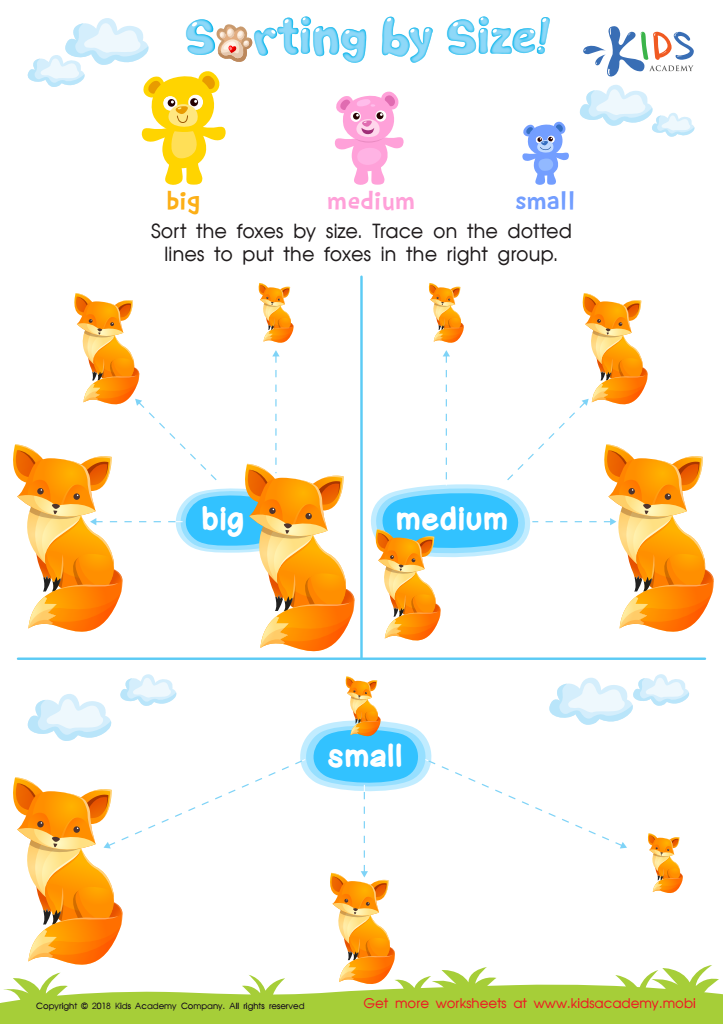
Sorting by Size Worksheet
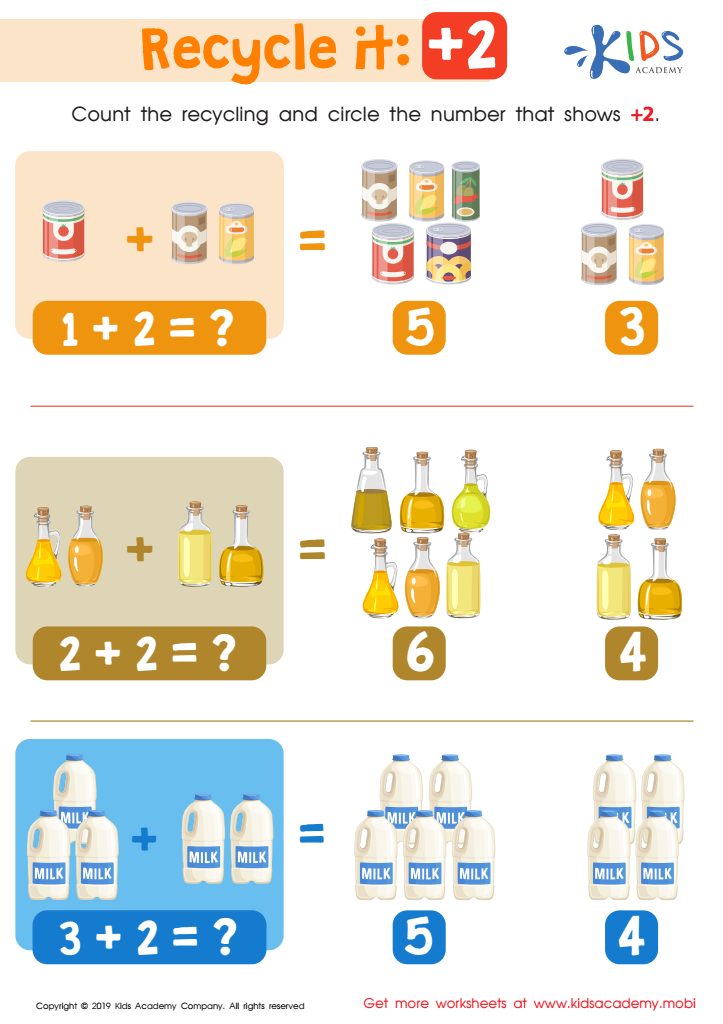
Recycle It: +2 Worksheet






.jpg)
Categorization skills are foundational cognitive abilities that enable young children to organize knowledge, make sense of their environment, and facilitate learning. For 4-year-olds, developing these skills is crucial because they significantly impact both academic success and everyday life.
Firstly, categorization helps children understand and remember information more effectively. By grouping items based on common characteristics such as shape, color, or size, children can retrieve concepts more easily. This boosts their ability to follow instructions, solve problems, and grasp new ideas in subjects like math and science.
Secondly, categorization plays a critical role in language development. It allows children to expand their vocabulary and comprehension by linking words to object groups and concepts. For instance, recognizing that ‘dog’ and ‘cat’ belong to the category ‘animals’ deepens their understanding of both the word and the overarching class.
Social and emotional development also benefits from categorization. Children learn to identify and empathize with others by categorizing facial expressions and emotions. This enables them to navigate social interactions more adeptly.
Overall, nurturing categorization skills at a young age lays a robust cognitive framework that supports lifelong learning and development, making it essential for parents and teachers to actively foster these abilities in 4-year-olds.








