Color recognition Worksheets for 4-Year-Olds - Page 3
97 filtered results
-
From - To
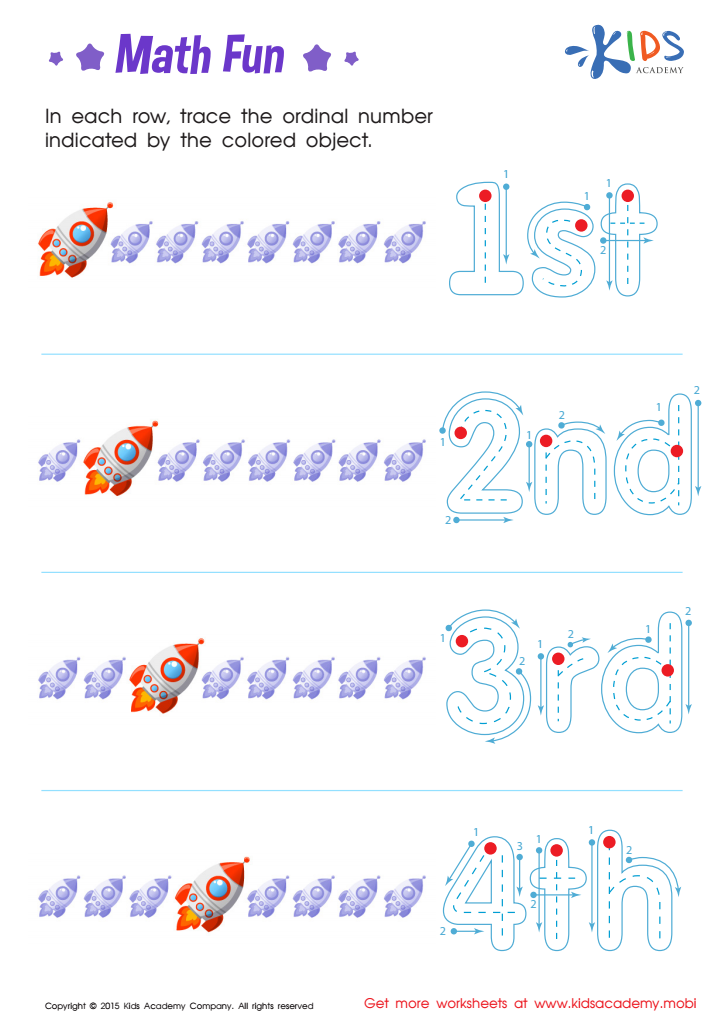
Ordinal Numbers: Math Fun Worksheet
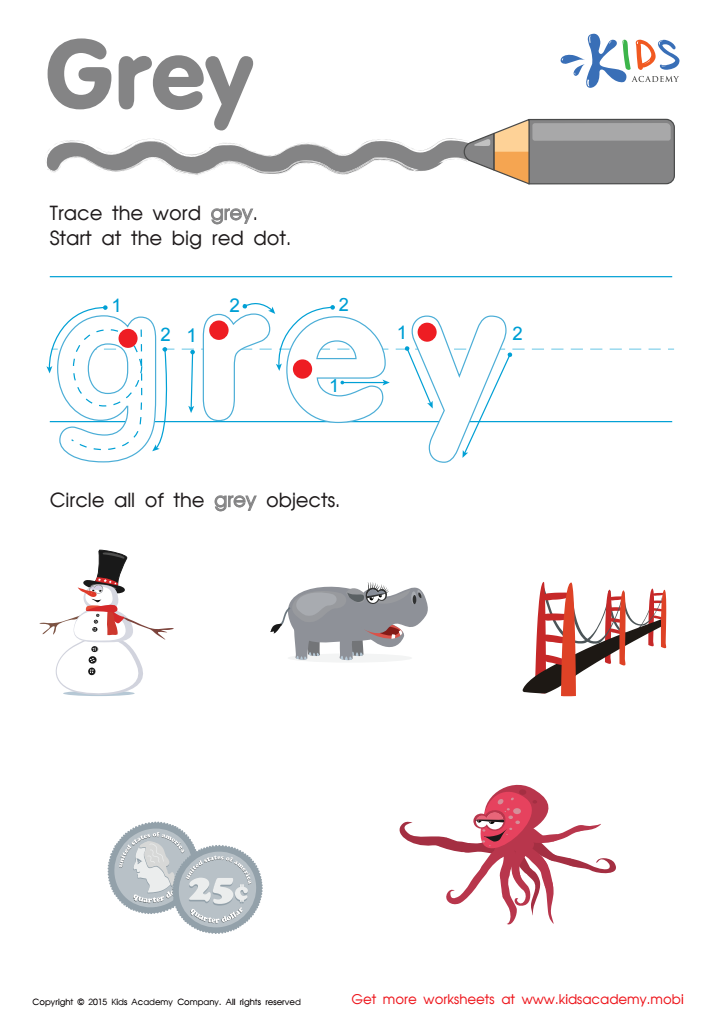
Grey Tracing Color Words Worksheet
Pirate Ship Coloring Page
 Assign to My Students
Easter: Easter Eggs Worksheet
Assign to My Students
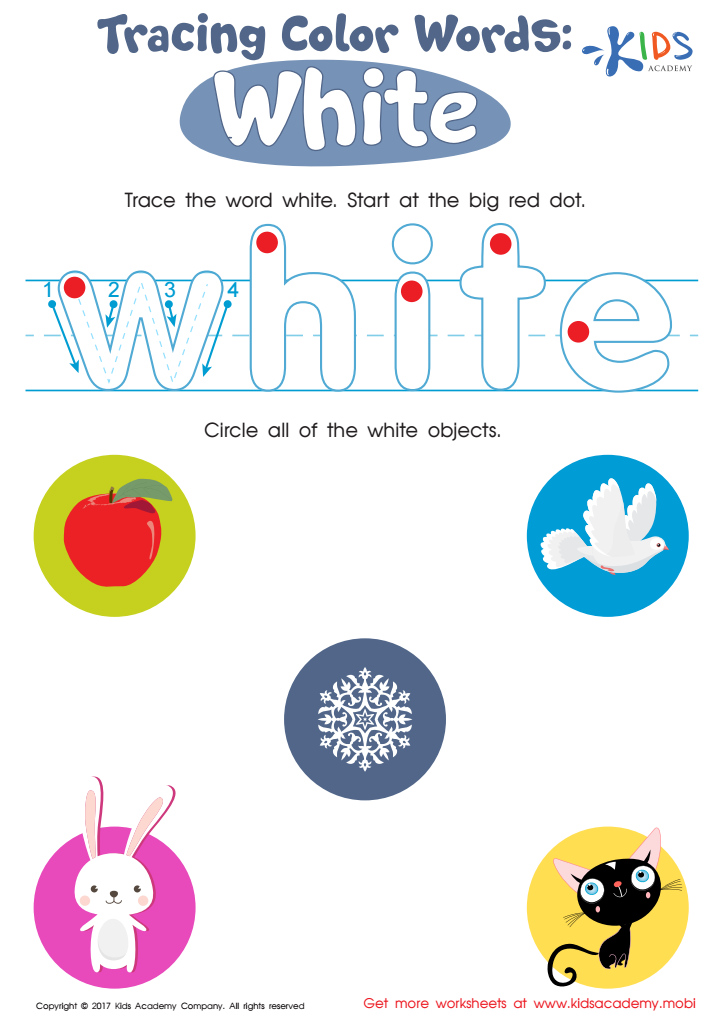
White Tracing Color Words Worksheet
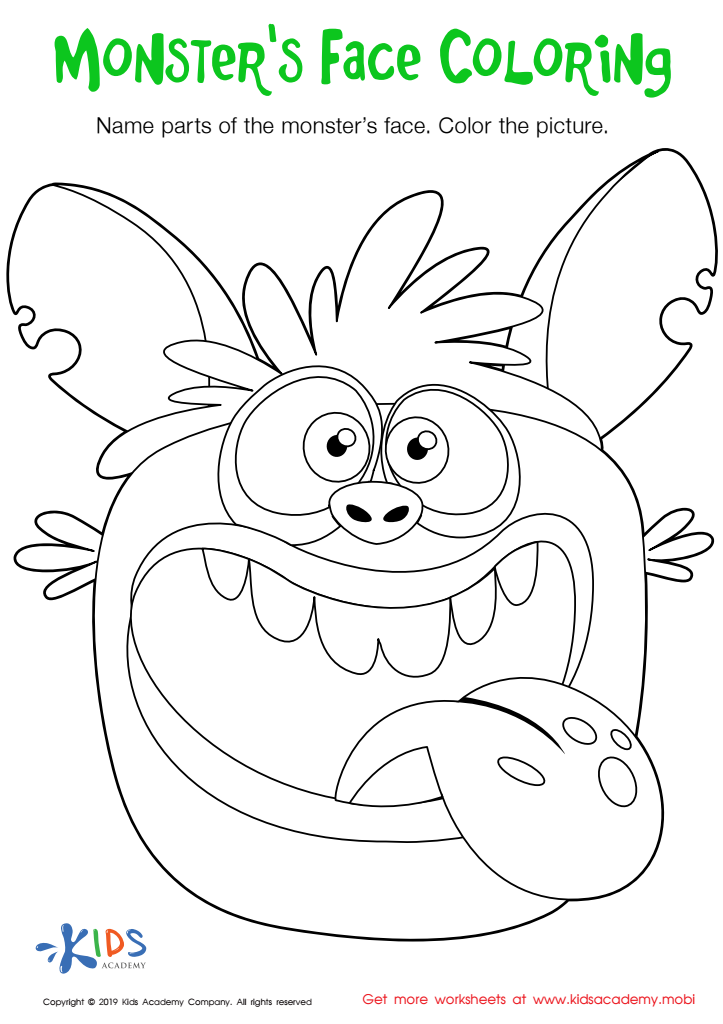
Monster's Face Coloring Worksheet
Assign to My Students

Deer Tracing Winter Words Worksheet
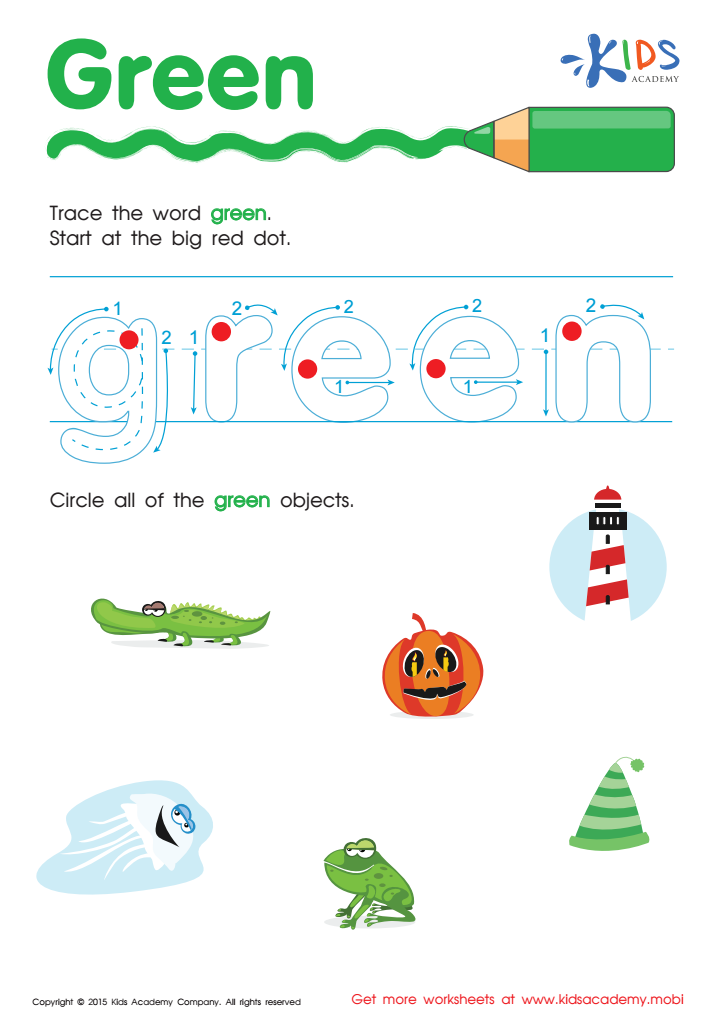
Green Tracing Color Words Worksheet
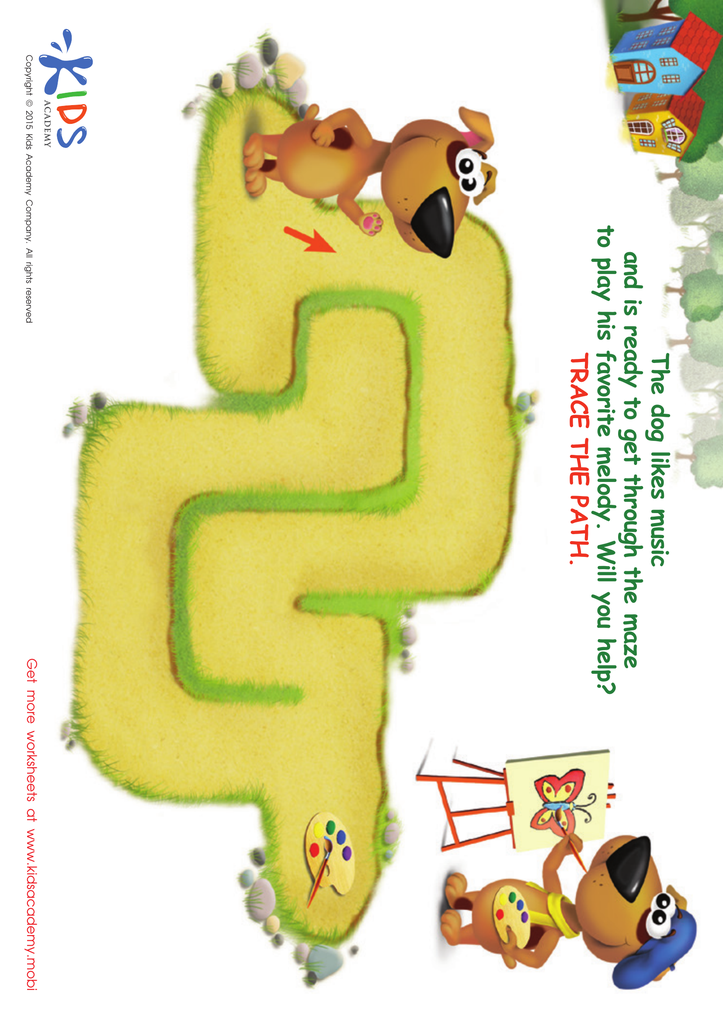
Artist Maze Worksheet
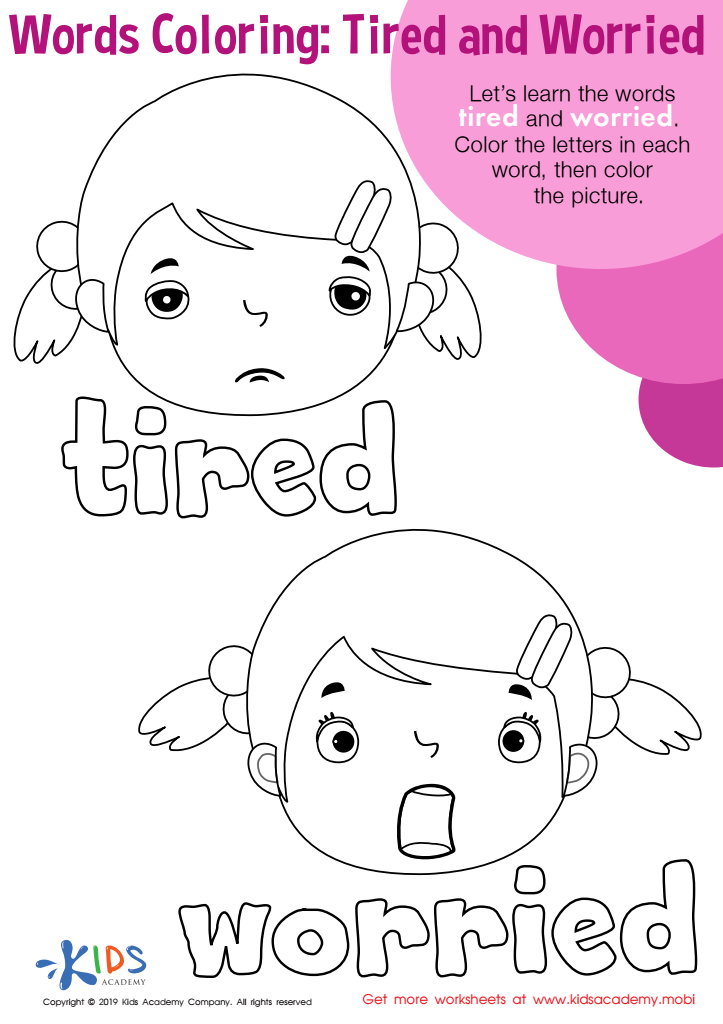
Tired and Worried Words Coloring Worksheet
Assign to My Students
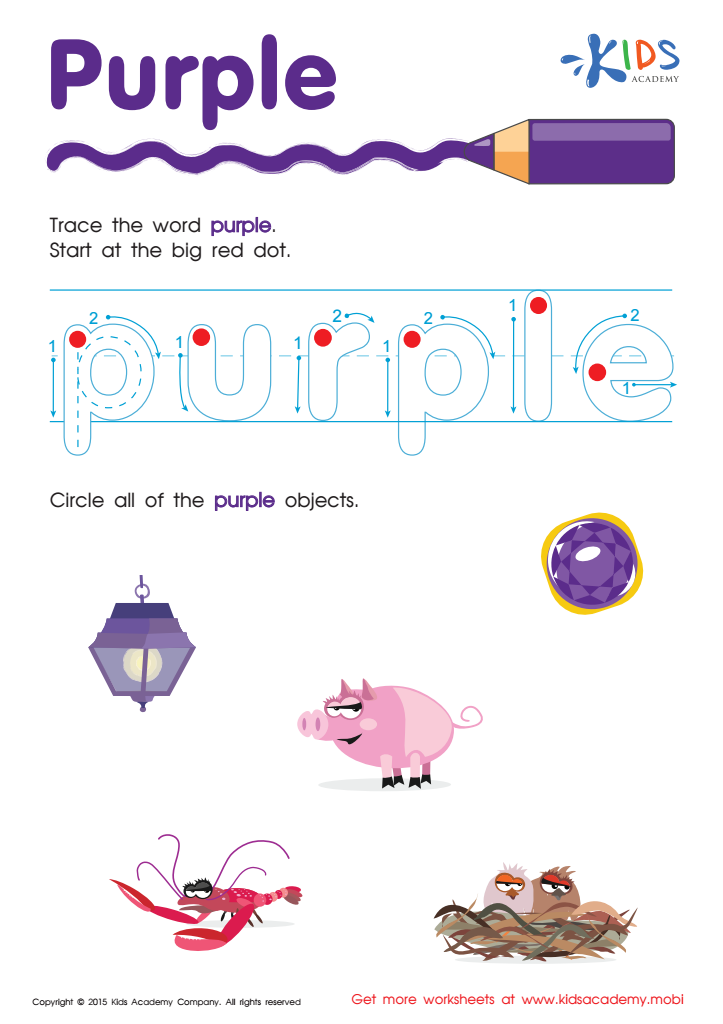
Purple Tracing Color Words Worksheet

Santa Claus Tracing Winter Words Worksheet
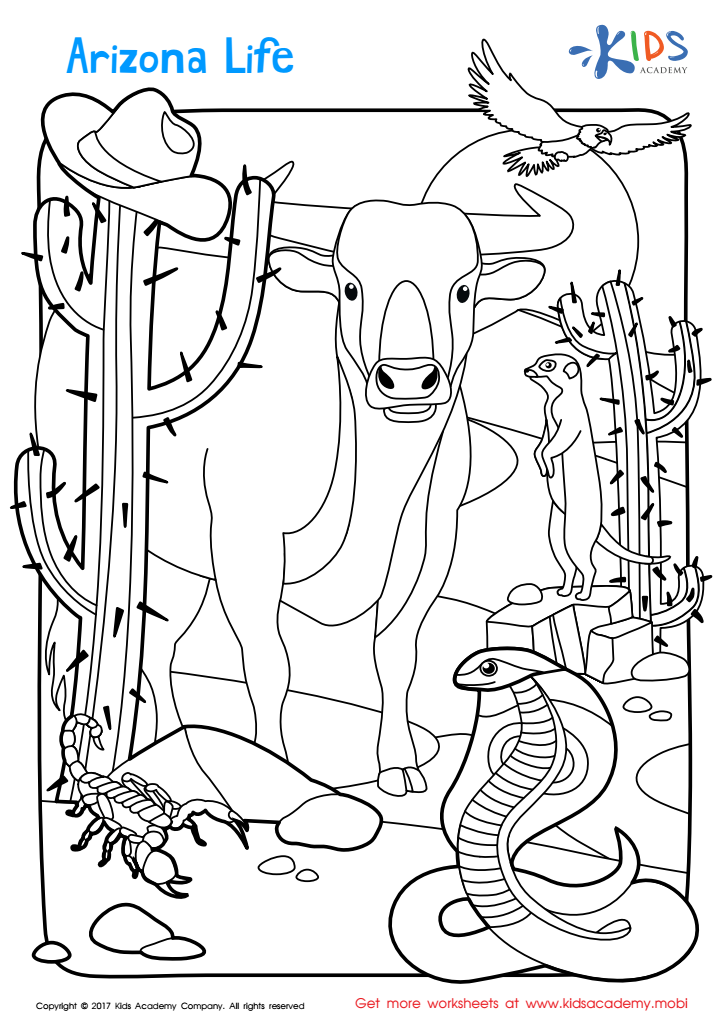
Arizona Coloring Page Worksheet
Assign to My Students
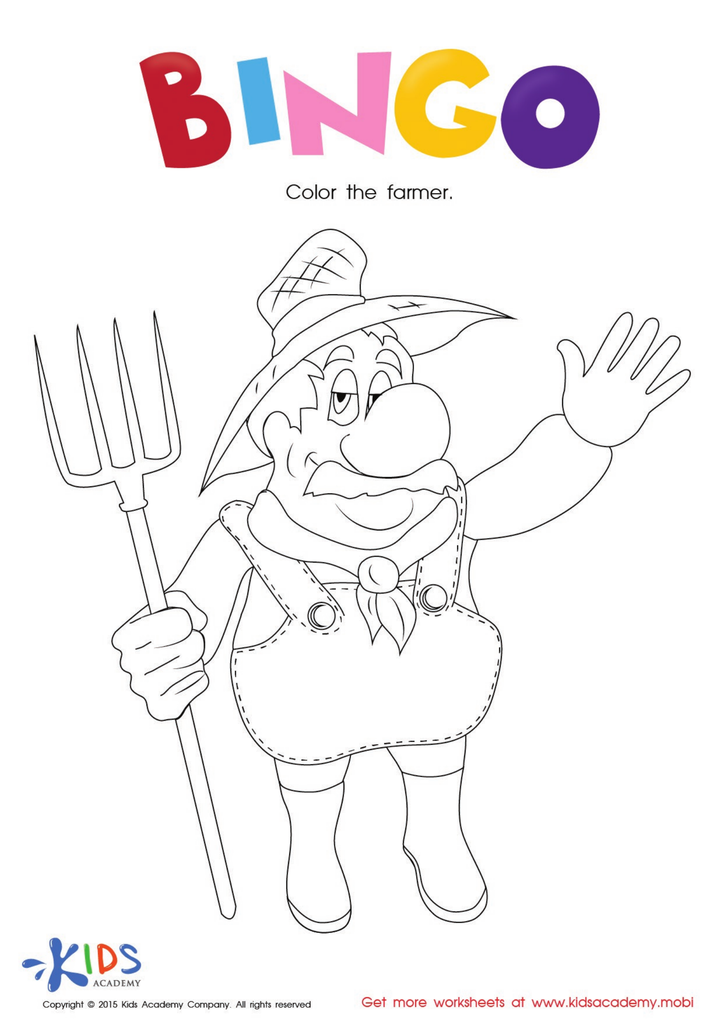
The Bingo Song: Coloring The Farmer Worksheet
Tennis Player Maze Worksheet
Blue Tracing Color Words Printable
Turkey Thanksgiving Day Worksheet
Assign to My Students
Christmas: Snowman Printable
Assign to My Students
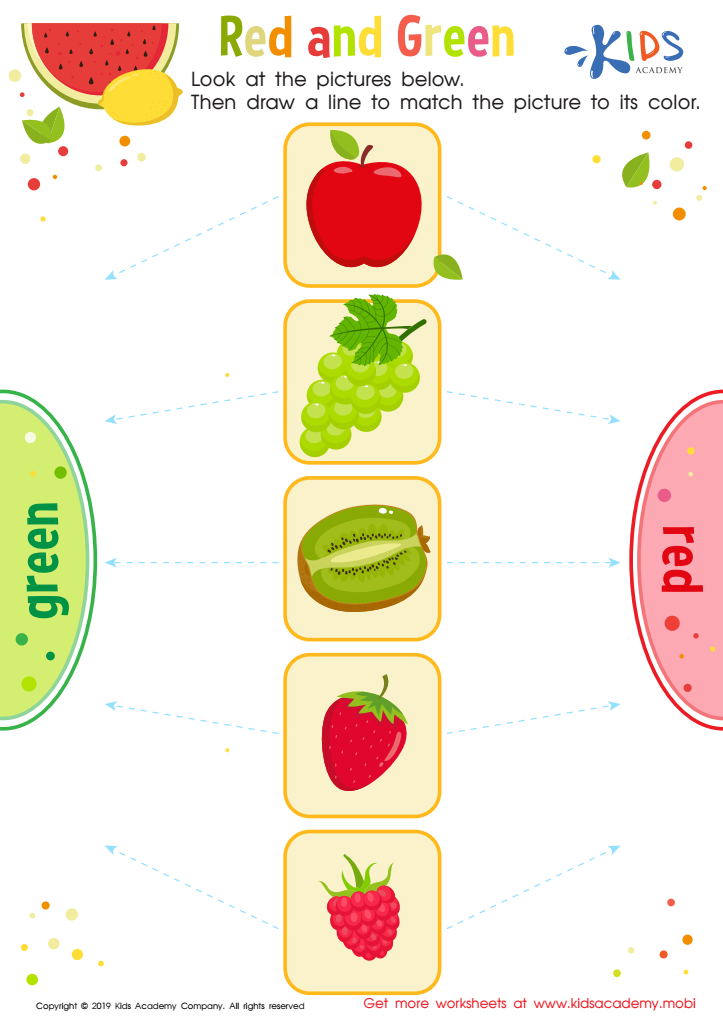
Red and Green Worksheet
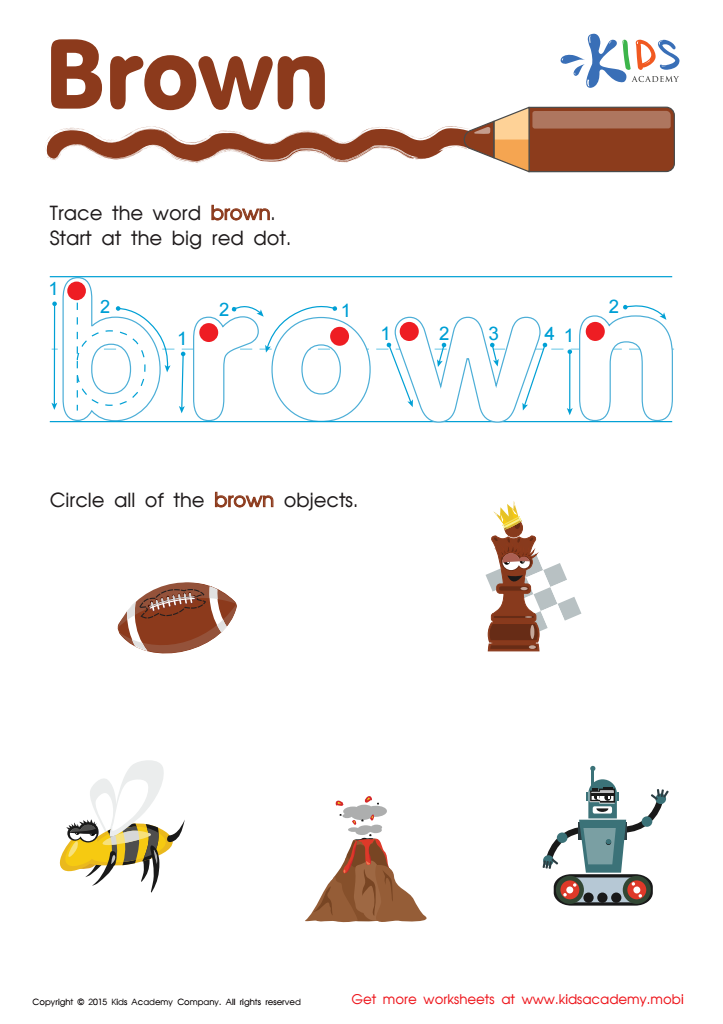
Brown Tracing Color Words Worksheet
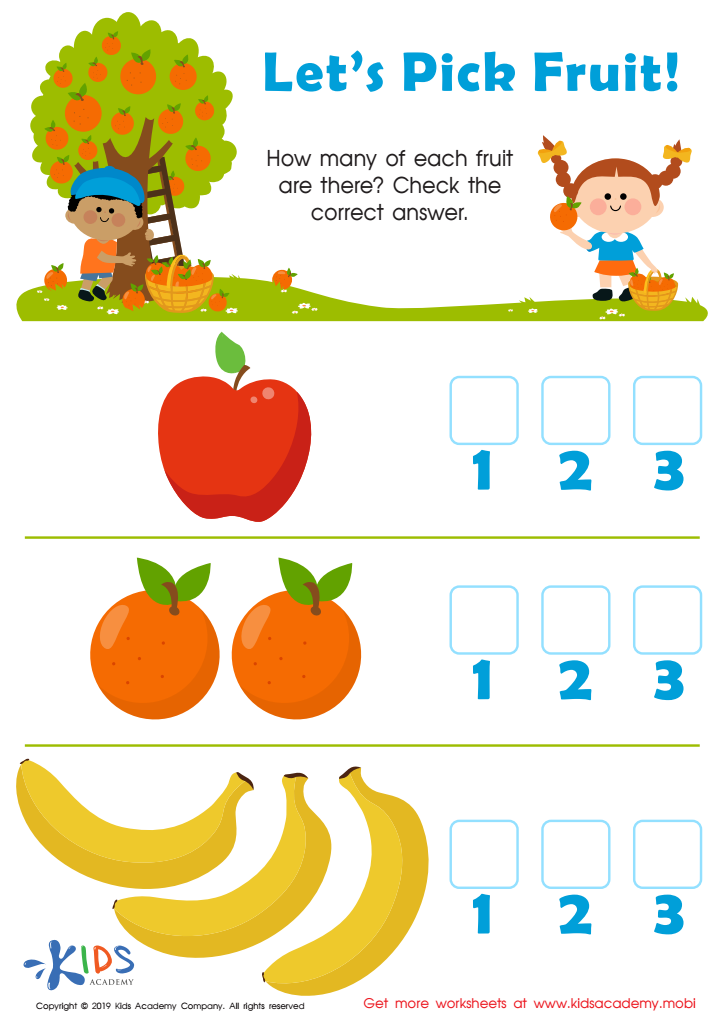
Let's Pick Fruit Worksheet
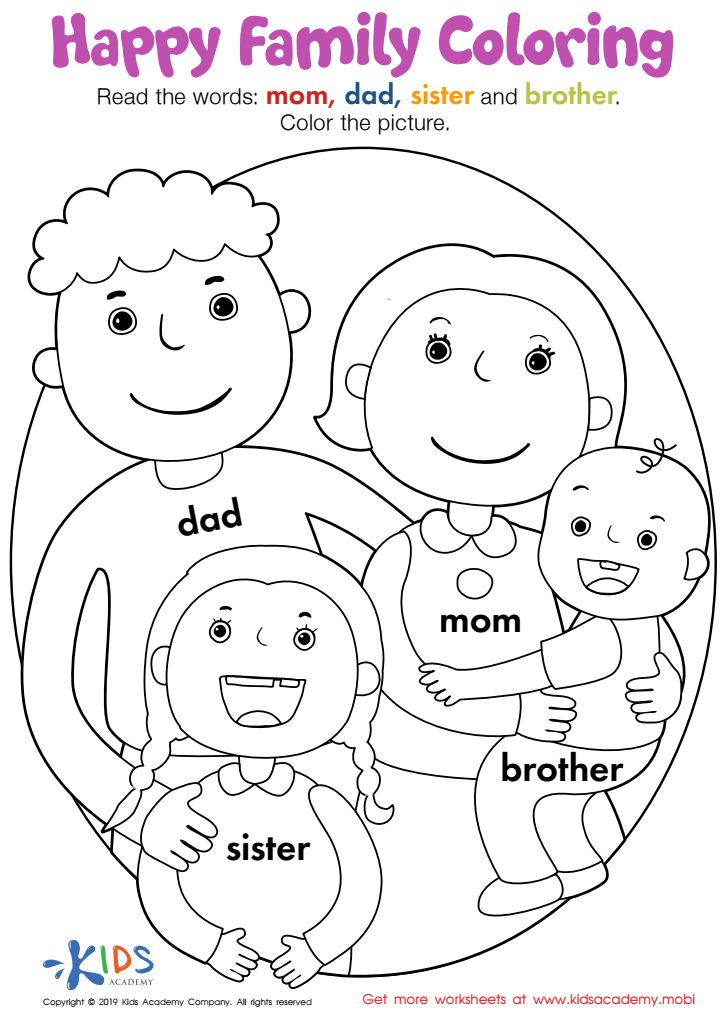
Happy Family Coloring Worksheet
Assign to My Students
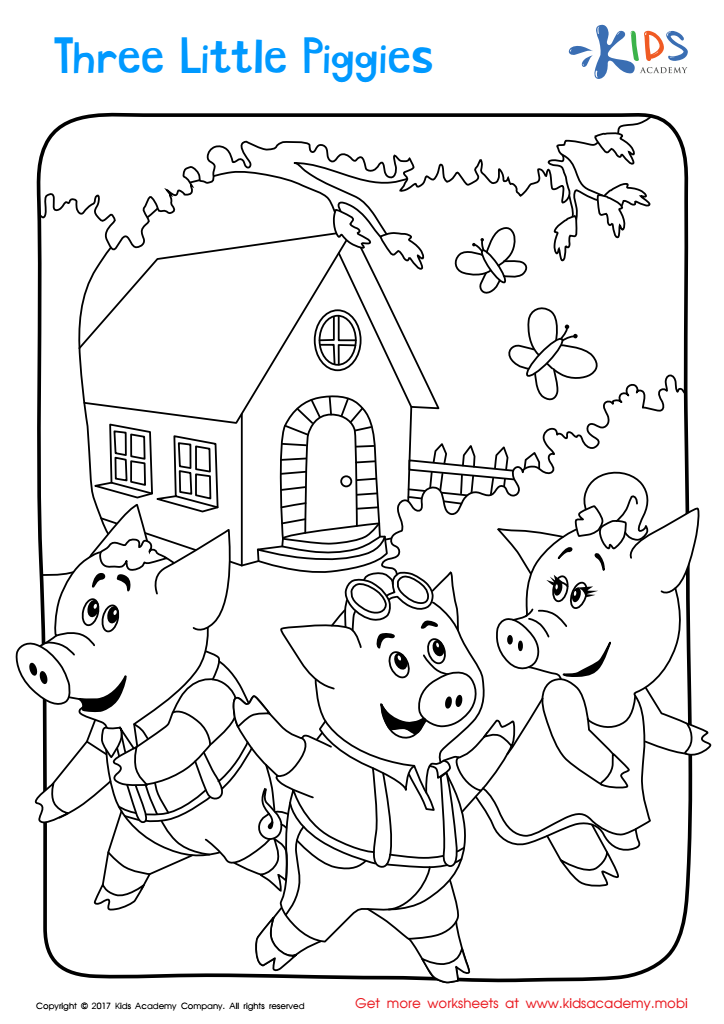
Three Little Piggies Printable Coloring Page
Assign to My Students
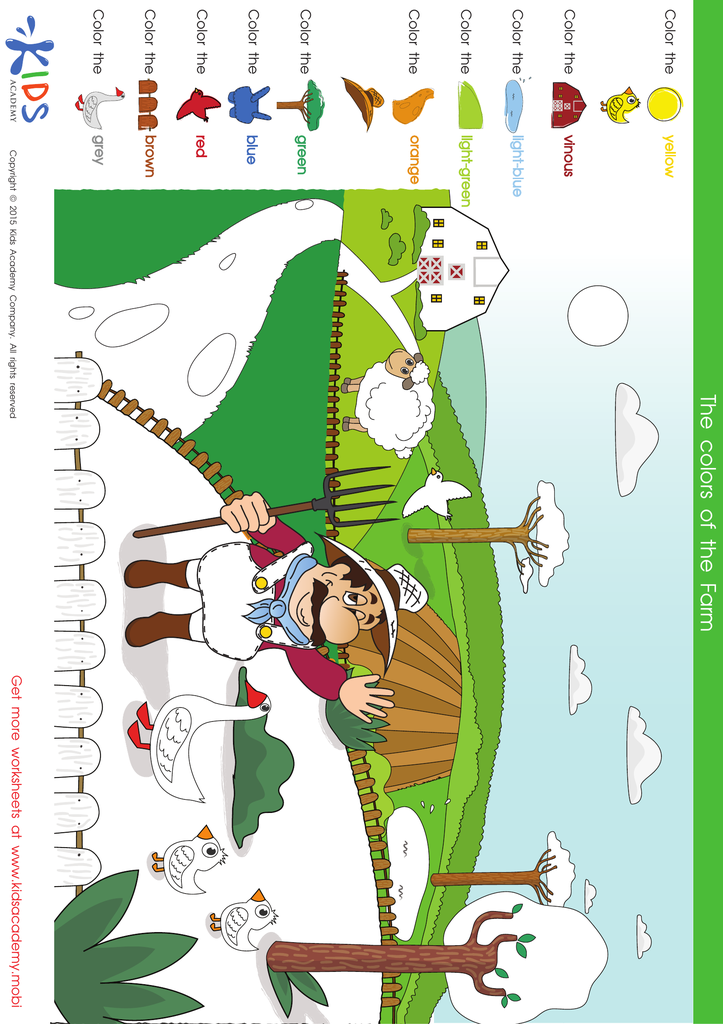
Color the Farmer and His Geese Coloring Pages








Color recognition is a fundamental aspect of early childhood development that carries significant implications for a child's educational journey. At the age of four, children are rapidly developing cognitive and motor skills, and the ability to recognize and name colors plays a crucial role in this process.
Firstly, color recognition enhances cognitive development. By learning colors, children strengthen their memory and problem-solving skills, as different activities require them to sort and match colors. This can lead to improved symbolic thinking, which is vital for reading and math.
Secondly, understanding colors helps with language development. As children learn to identify and describe colors, they expand their vocabulary and communication skills. This foundational knowledge aids in better expressive and descriptive language abilities, which are crucial for the effective articulation of ideas and feelings.
Thirdly, color recognition greatly impacts a child's creativity and sense of expression. It opens up a world of artistic possibilities, allowing children to create more detailed and vivid drawings or crafts, fostering their imagination and self-expression.
Lastly, teaching colors also supports social skills. Group activities centered around colors teach children teamwork, sharing, and cooperation.
Therefore, ignoring this aspect of development could mean missing out on hitting many critical milestones that collectively contribute to a child's overall growth and learning readiness.








