Logical thinking Worksheets for 4-Year-Olds
18 filtered results
-
From - To
Discover our engaging Logical Thinking Worksheets designed specifically for 4-year-olds! These printable resources enhance critical thinking skills while fostering problem-solving abilities through fun and interactive activities. Each worksheet is crafted to ignite curiosity and encourage creativity, supporting young learners as they navigate patterns, shapes, and basic reasoning tasks. Perfect for parents and educators, our worksheets offer a playful way to build essential cognitive skills at home or in the classroom. Help your child develop a strong foundation in logical thinking while enjoying an exciting learning experience! Explore our collection and ignite a love for learning in your little one today!
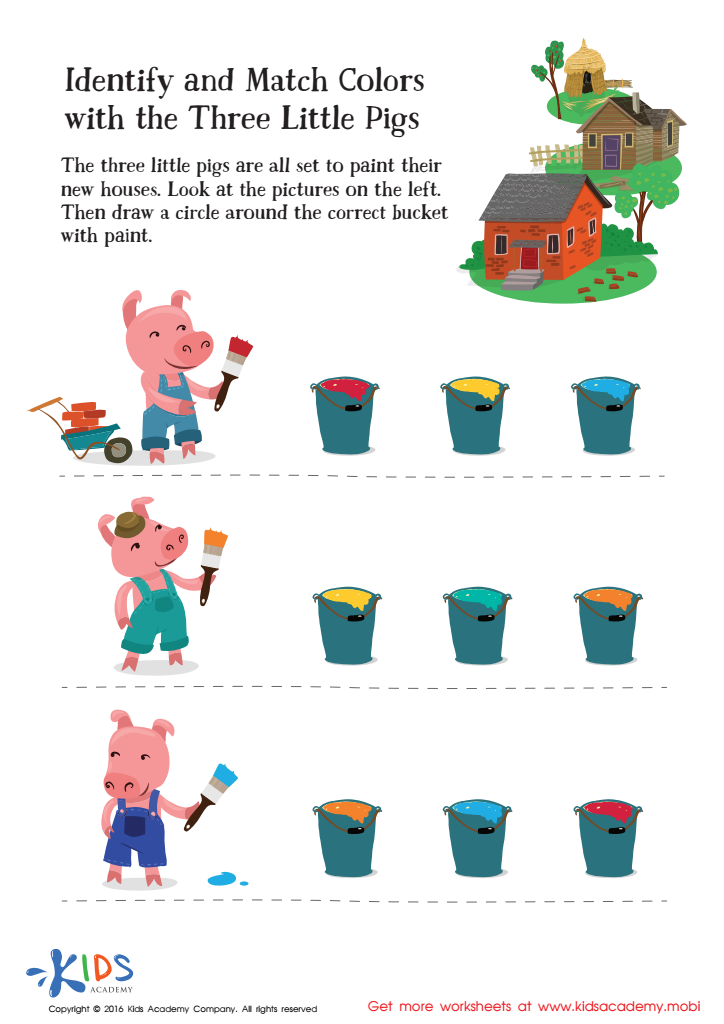
Fairy Tale Worksheet: Identify and Match Colors with Three Little Pigs
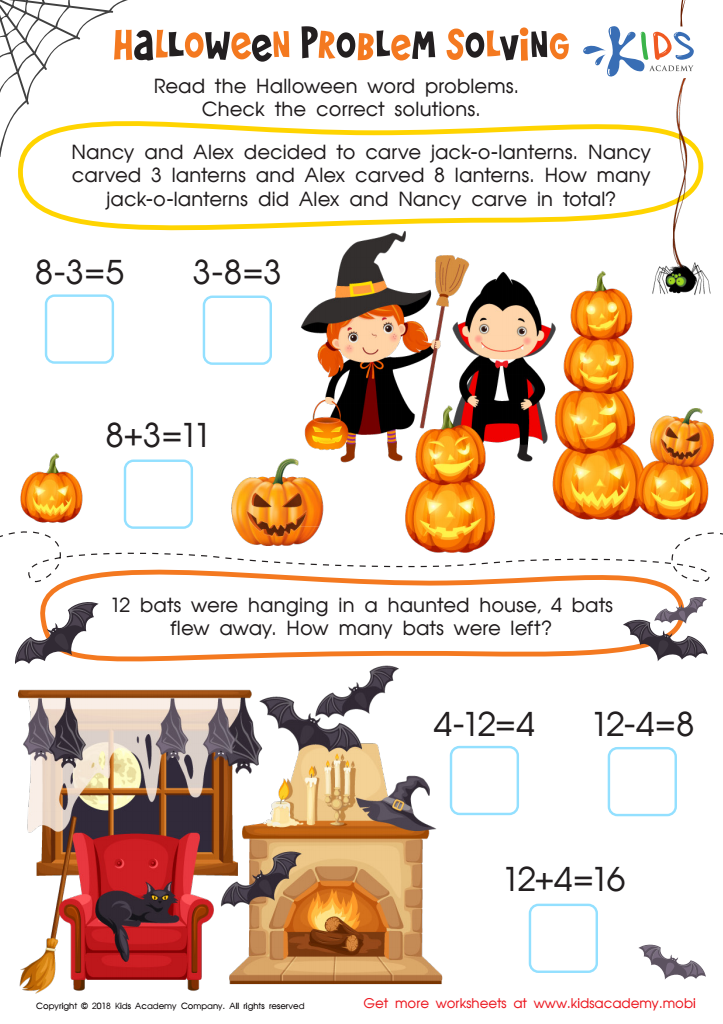
Halloween Problem Solving Worksheet
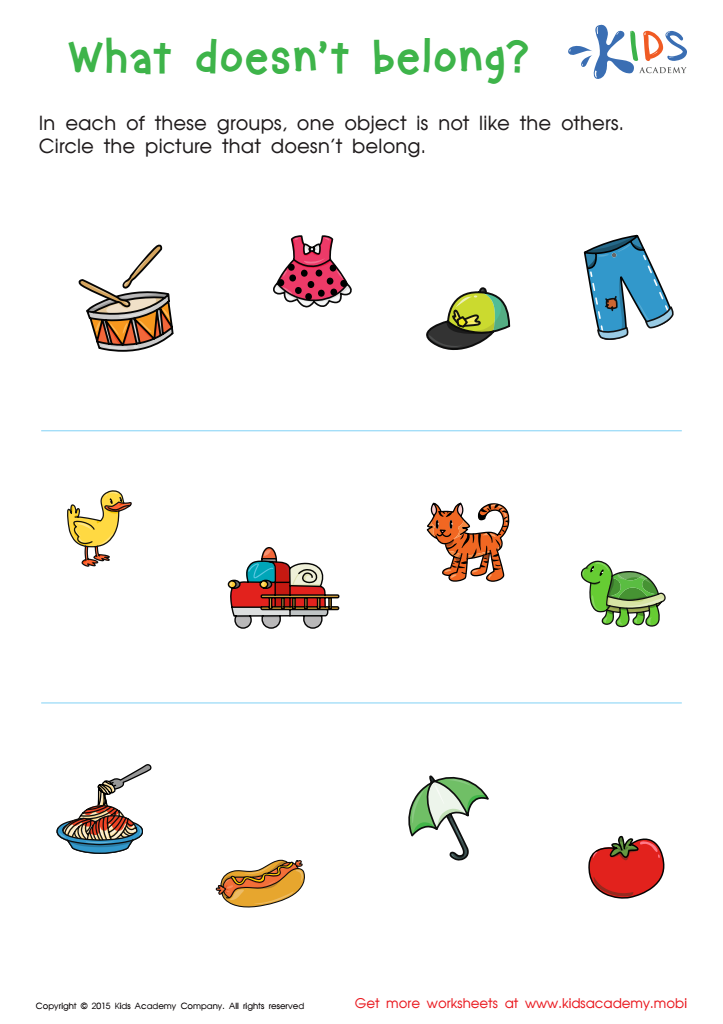
First Words: What Doesn't Belong Worksheet

Cinderella Geometry Maze Worksheet
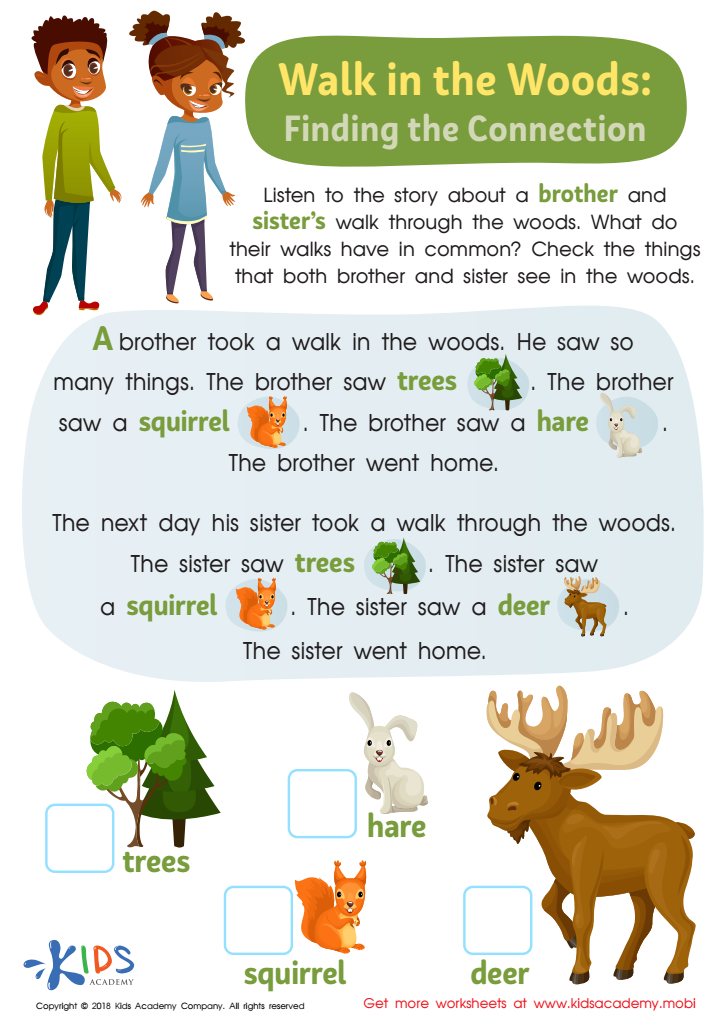
Walk In the Woods: Finding Connections Worksheet
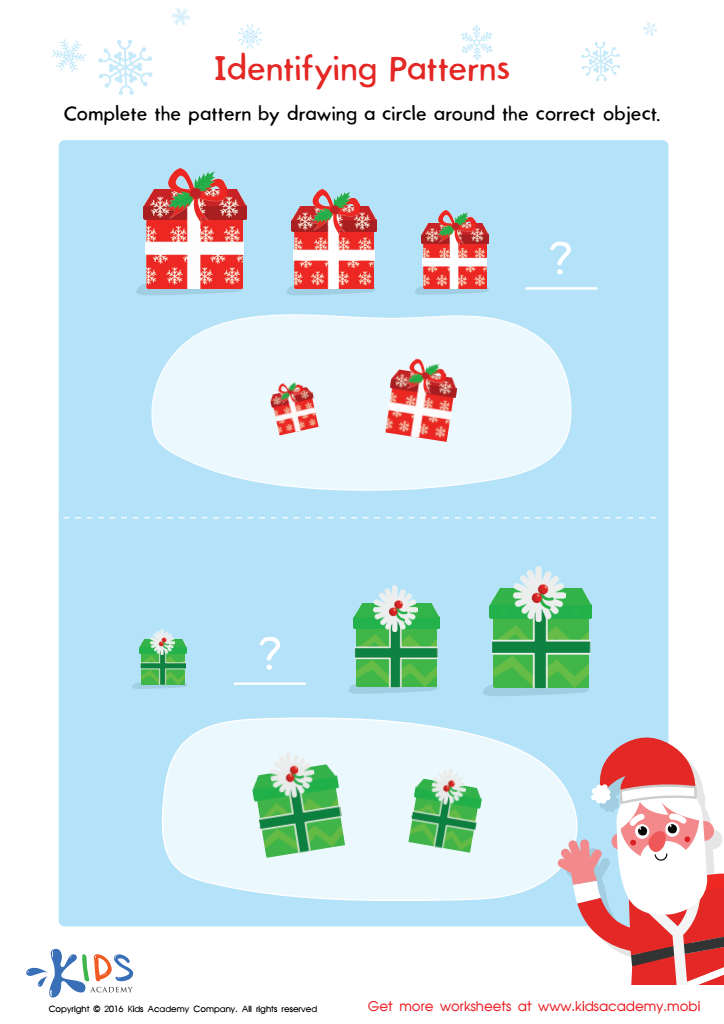
Identifying Patterns Worksheet
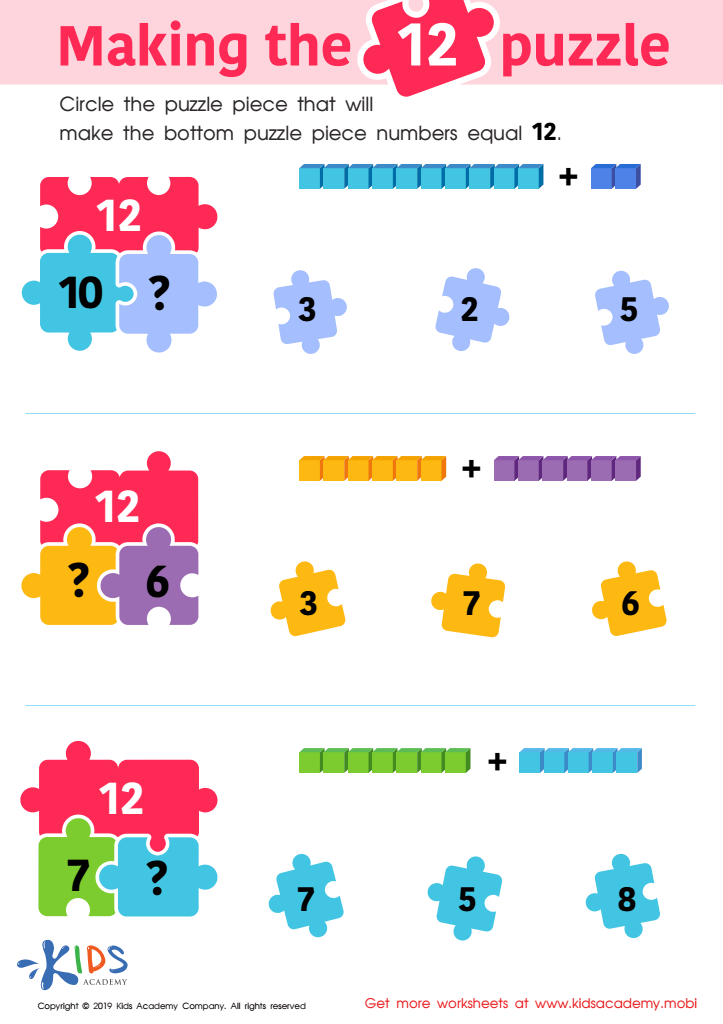
Making the 12 Puzzle Worksheet
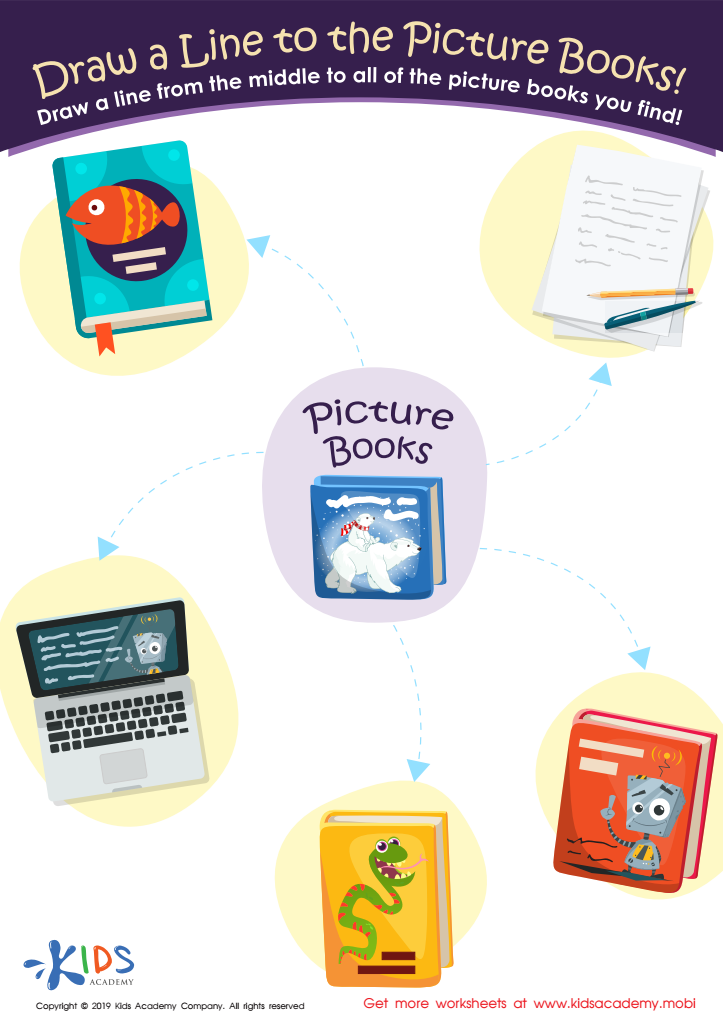
Draw a Line to the Picture Books Worksheet
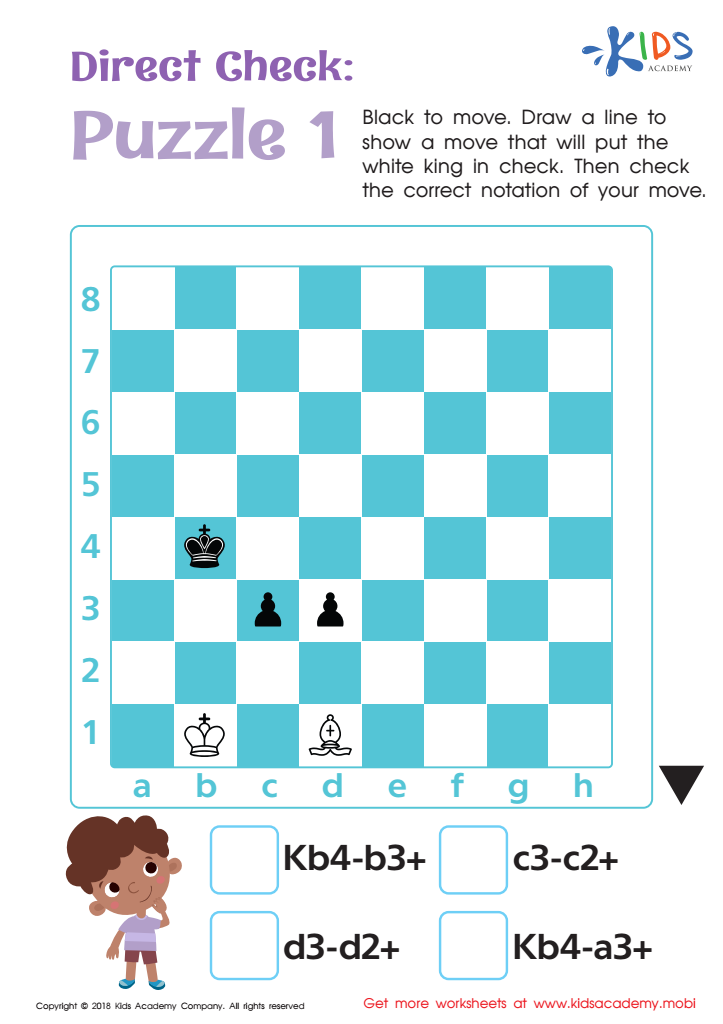
Direct Check: Puzzle 1 Worksheet
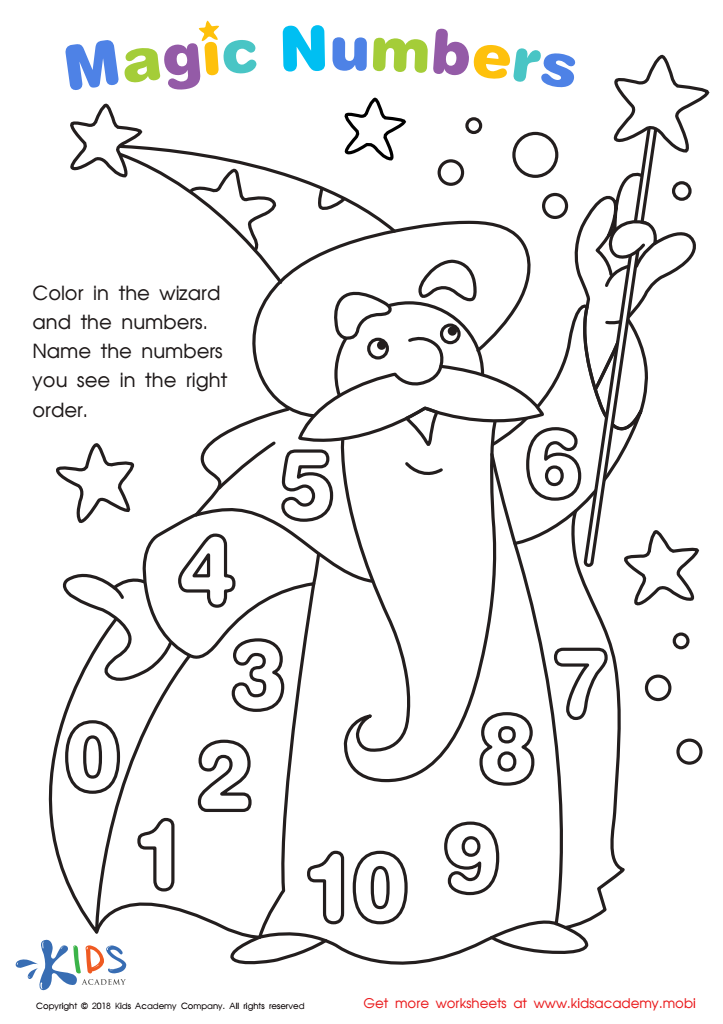
Magic Numbers Worksheet
 Assign to My Students
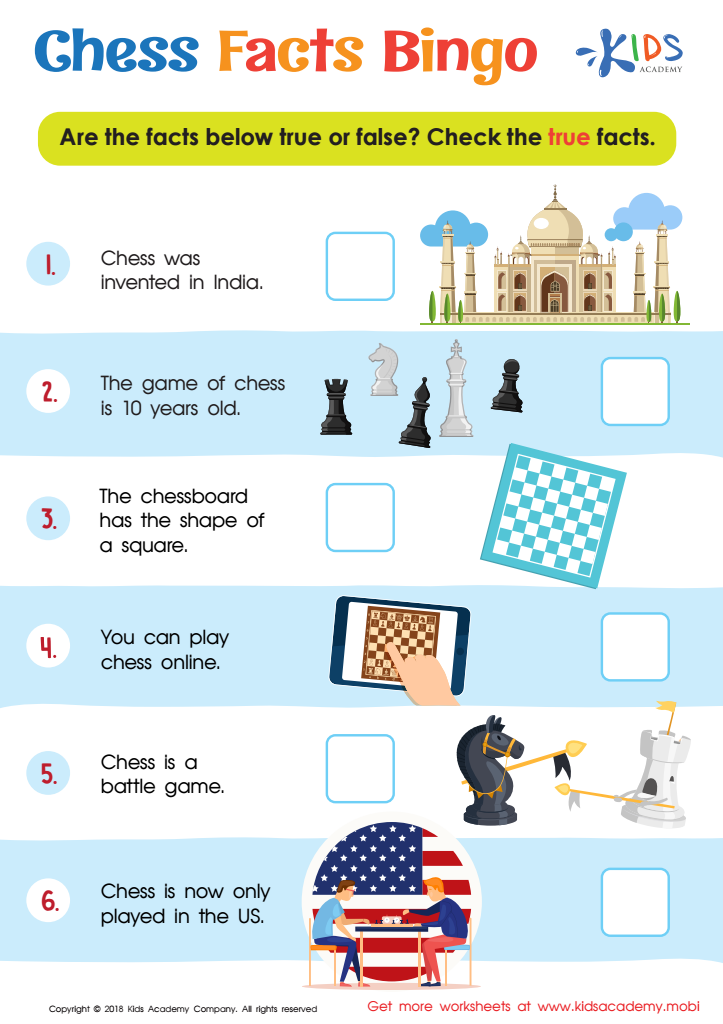
Chess Facts Bingo Worksheet
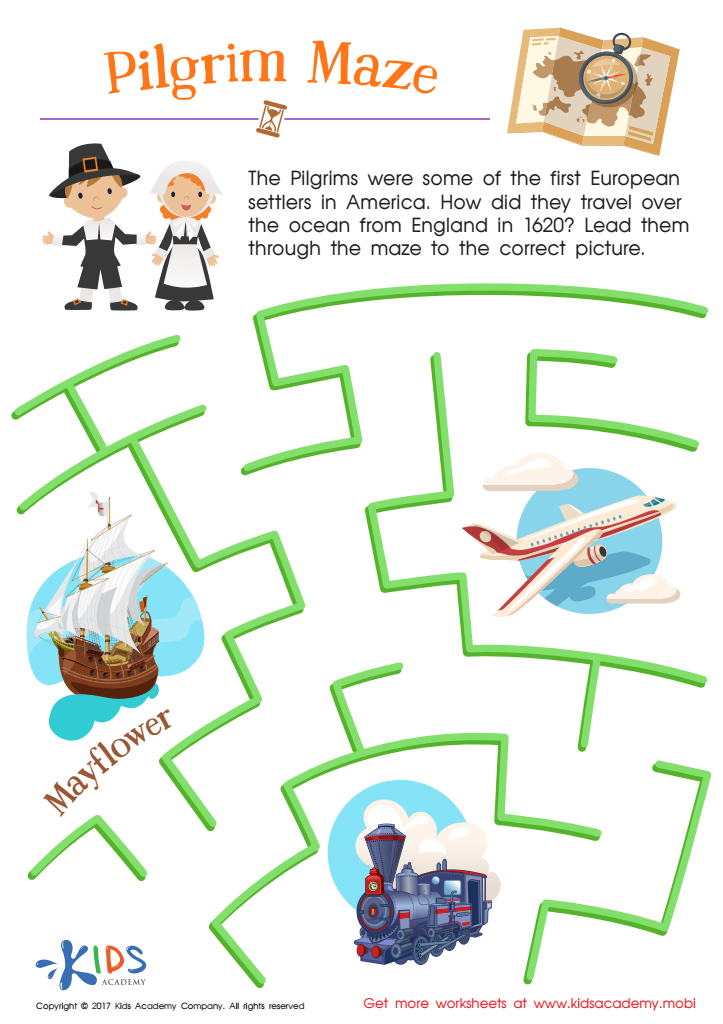
Pilgrim Maze Worksheet
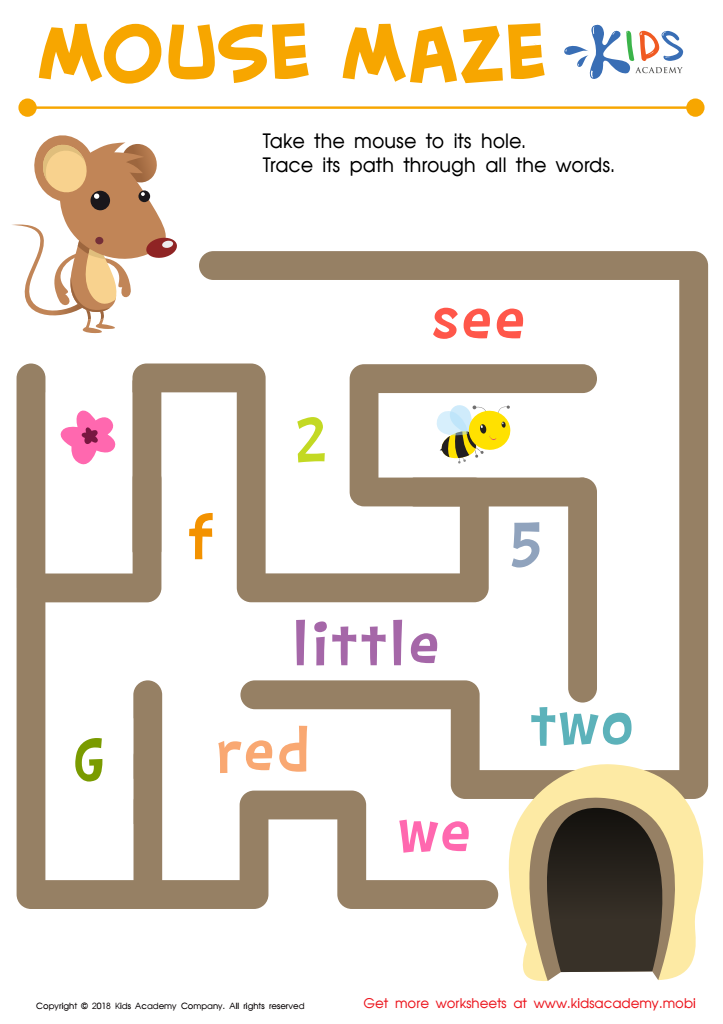
Find Words Mouse Maze Worksheet
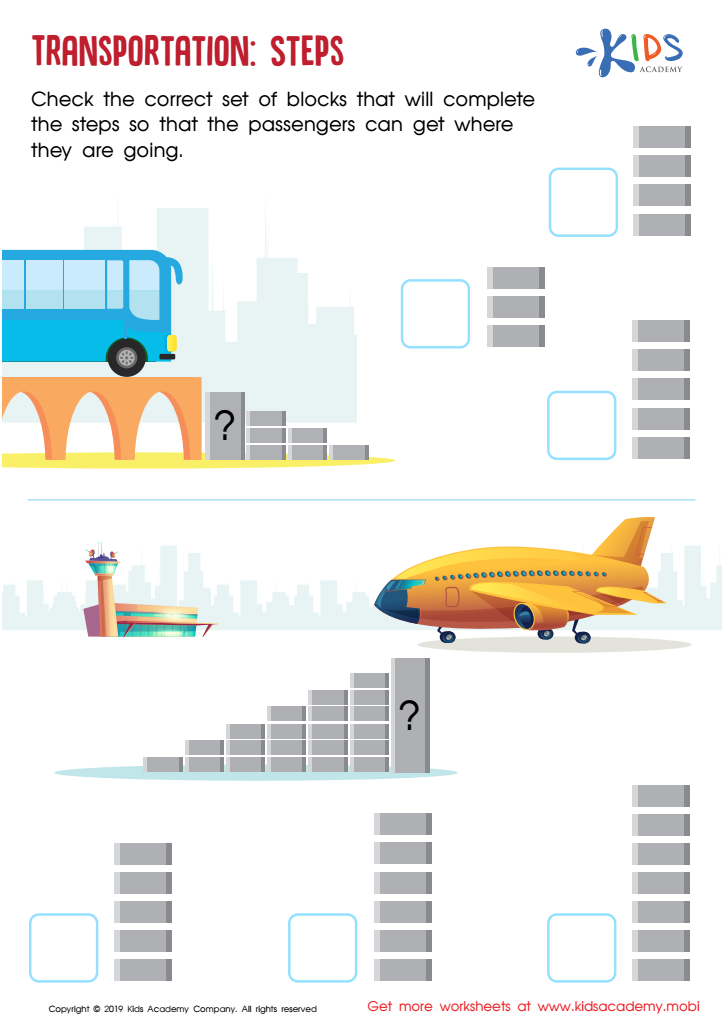
Transportation: Steps Worksheet
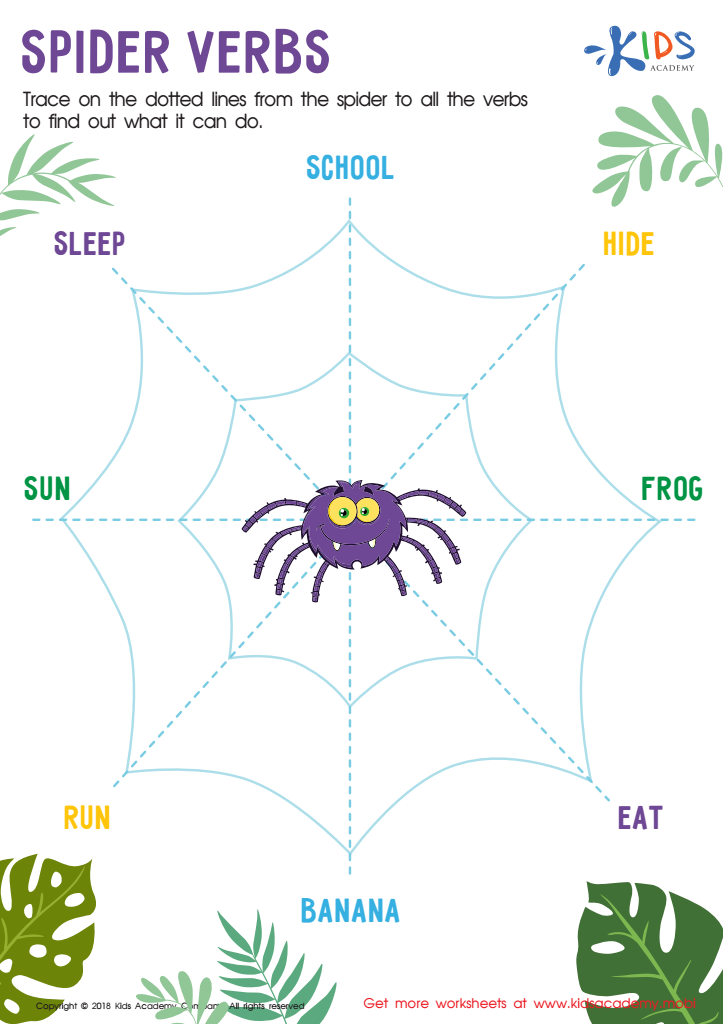
Spider Verbs Worksheet
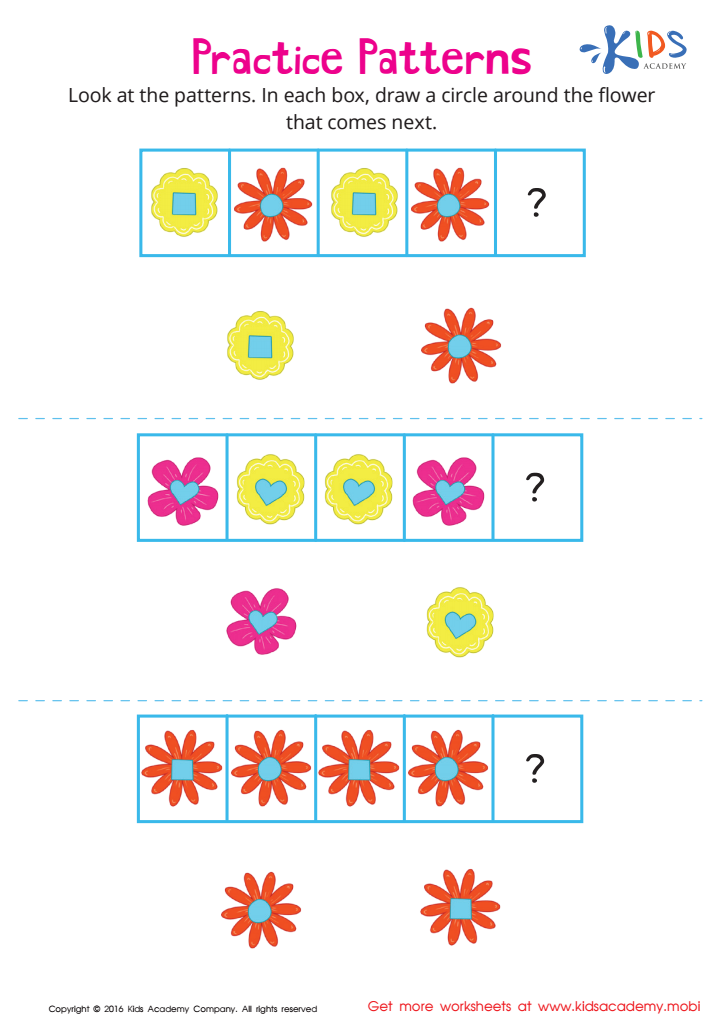
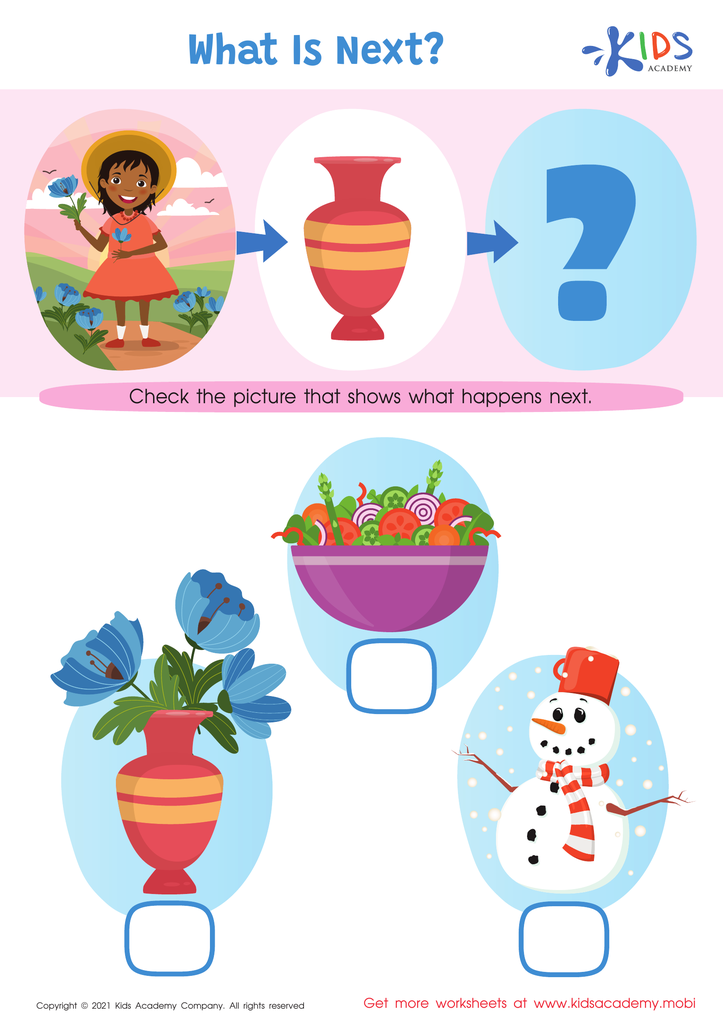
What is Next? Worksheet
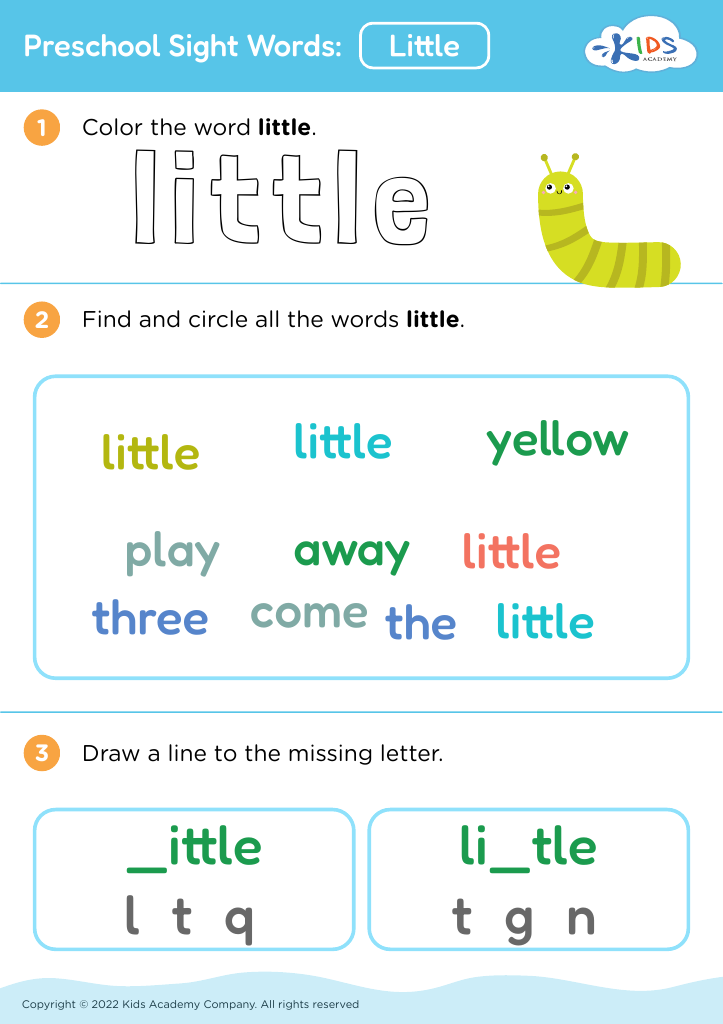








Logical thinking is a crucial skill for 4-year-olds, as it lays the foundation for problem-solving, decision-making, and effective reasoning in later stages of life. At this age, children's cognitive abilities are rapidly developing, and engagement in logical thinking activities can support these advancements. Parents and teachers should care about this because fostering logical thinking nurtures curiosity, encourages exploration, and helps children understand cause-and-effect relationships.
In the classroom or at home, activities that involve sorting, categorizing, and pattern recognition can significantly enhance a child's ability to think critically. These skills are not only applicable in academic contexts but also in everyday life, allowing children to navigate their world with confidence. Moreover, logical thinking contributes to better communication and social skills, as children learn to express their thoughts and ideas clearly.
Additionally, developing strong logical thinking in early childhood prepares children for future educational pursuits, building a solid foundation in subjects like mathematics and science. By emphasizing logical thinking now, parents and teachers play a pivotal role in shaping well-rounded, analytical, and independent thinkers who are better equipped to tackle complex challenges as they grow. Thus, nurturing this skill is an investment in a child's overall development and future success.








