Matching skills Worksheets for 4-Year-Olds
23 filtered results
-
From - To
Introducing our engaging Matching Skills Worksheets for 4-Year-Olds, designed to ignite young minds while developing essential cognitive skills. These worksheets provide a fun and interactive way for children to enhance their recognition abilities by matching similar objects, shapes, and pictures. Tailored specifically for preschoolers, each activity promotes critical thinking, boosts concentration, and encourages early learning through play. With vibrant illustrations and age-appropriate challenges, children will enjoy honing their matching skills in a delightful and educational manner. Perfect for home, preschool, or educational settings, our worksheets make learning an enjoyable adventure that motivates young learners to explore and discover!
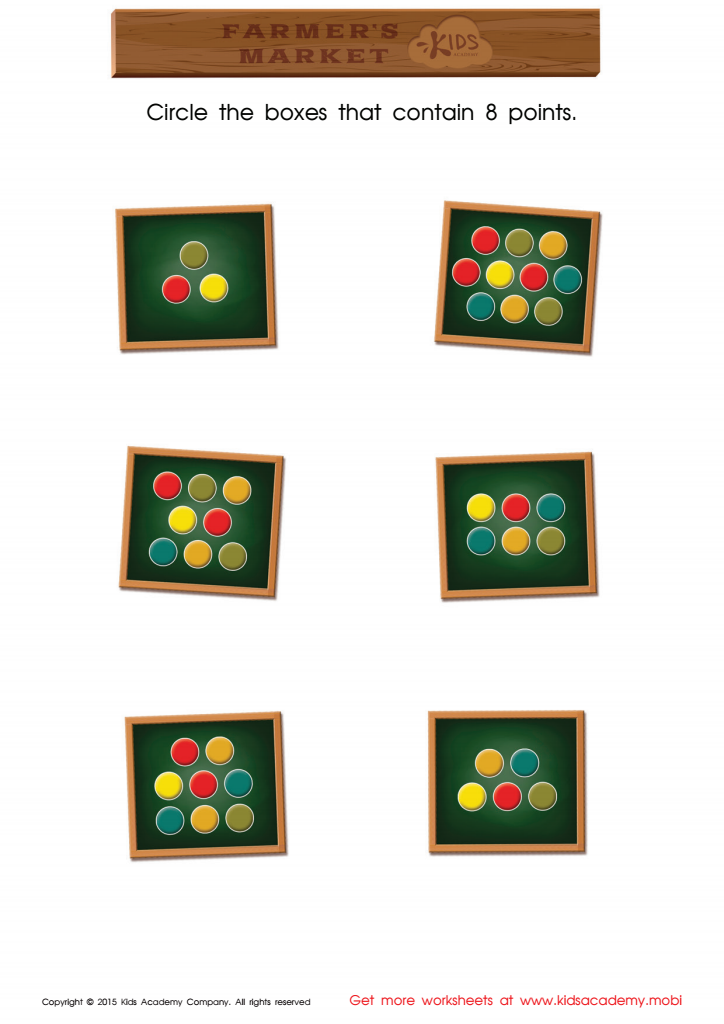
Count and Match Points 8 Math Worksheet
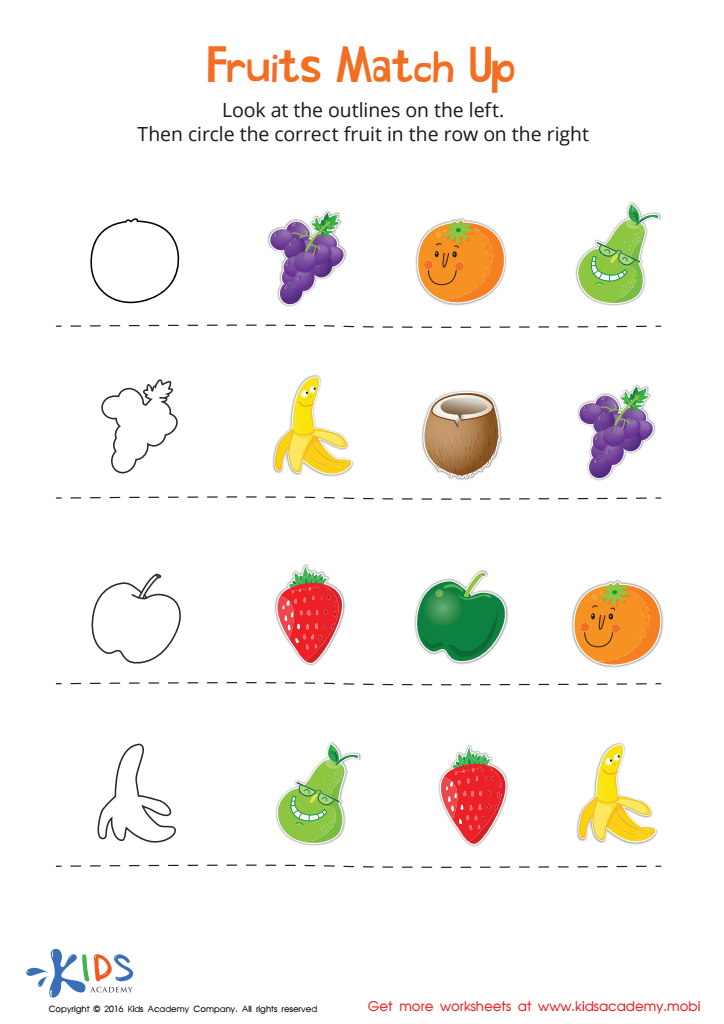
Fruits Match Up Worksheet
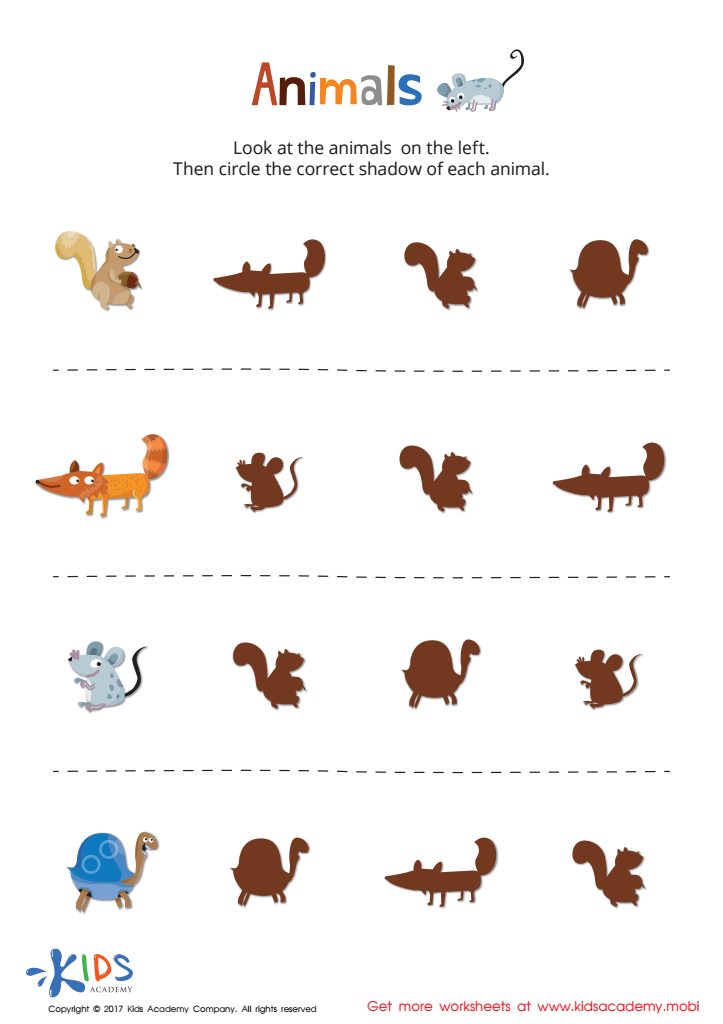
Animal Shadows Sorting Worksheet
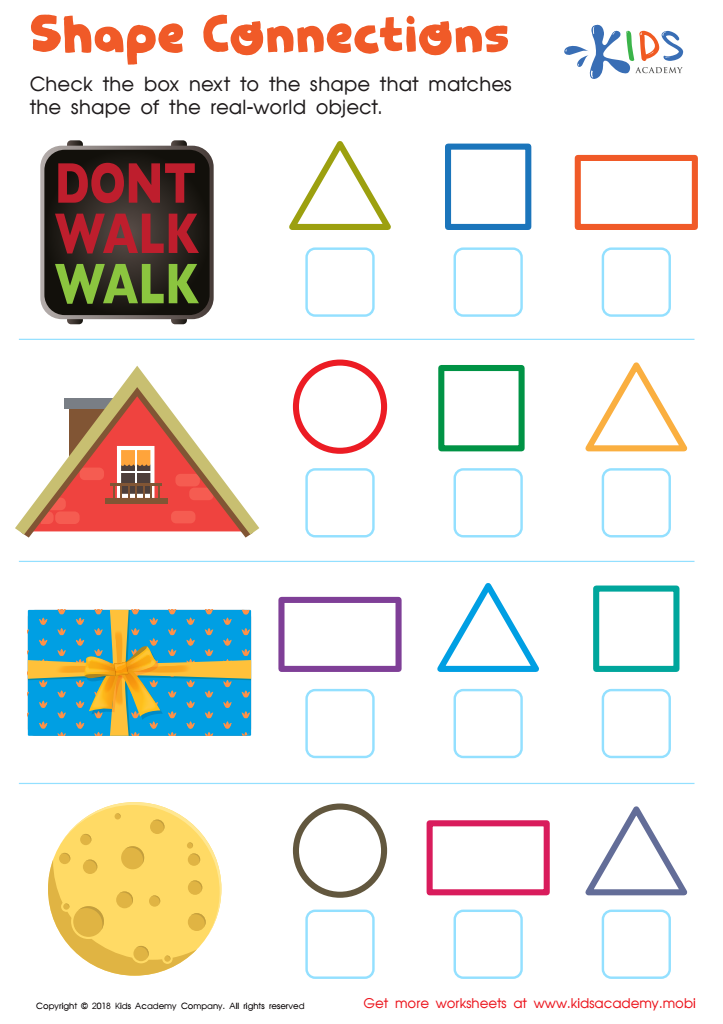
Shape Connections Worksheet
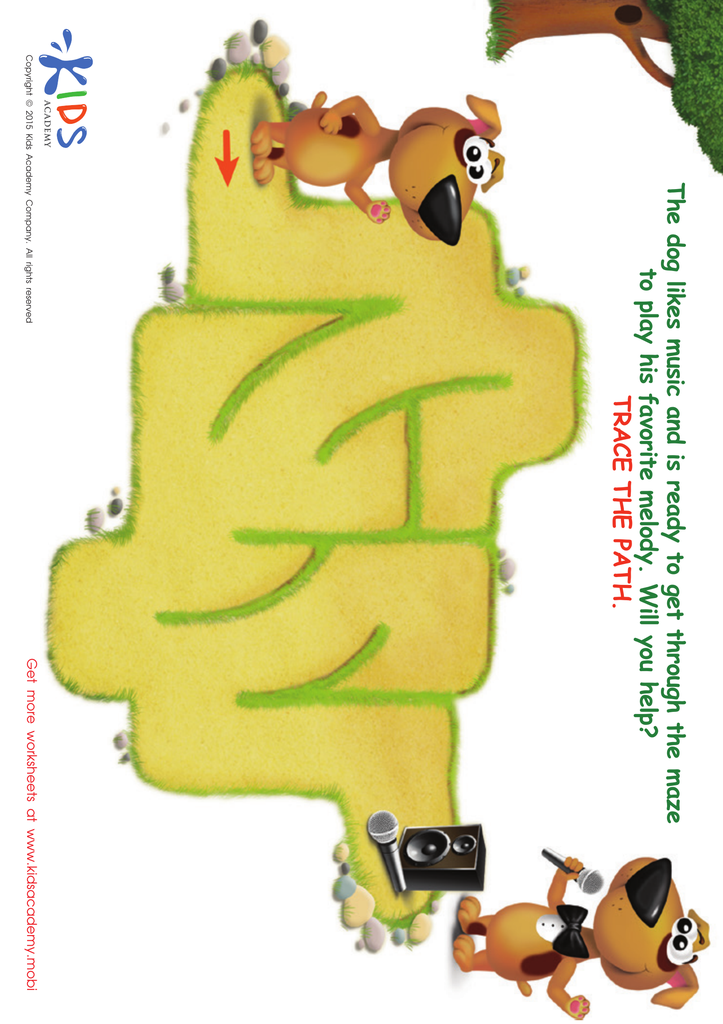
Singer Maze Worksheet
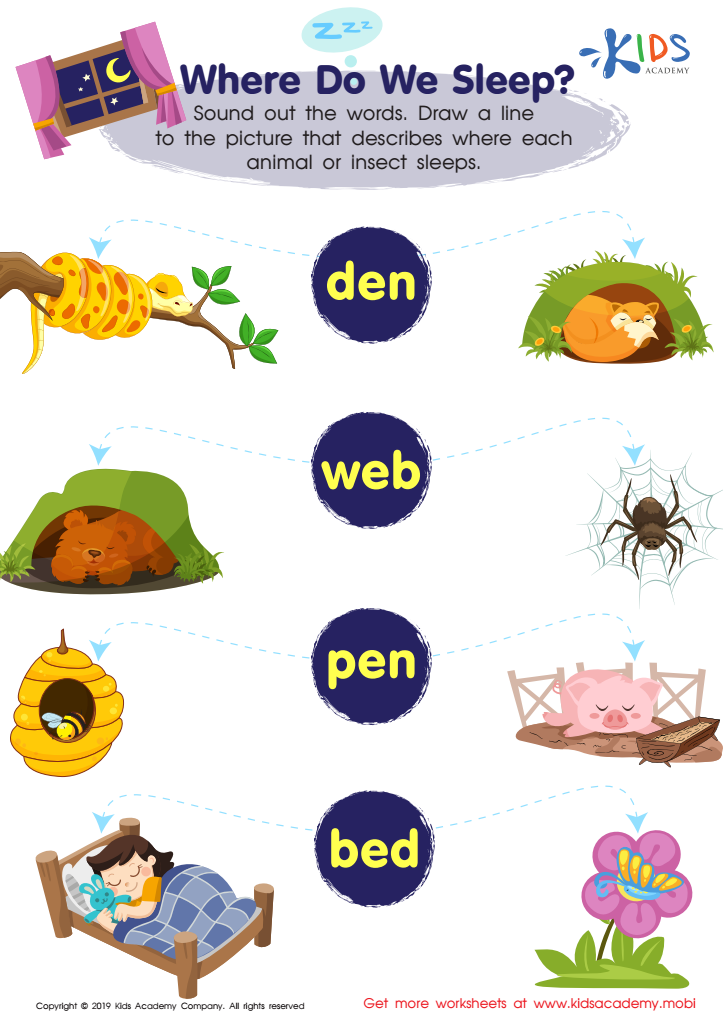
Where Do We Sleep Worksheet
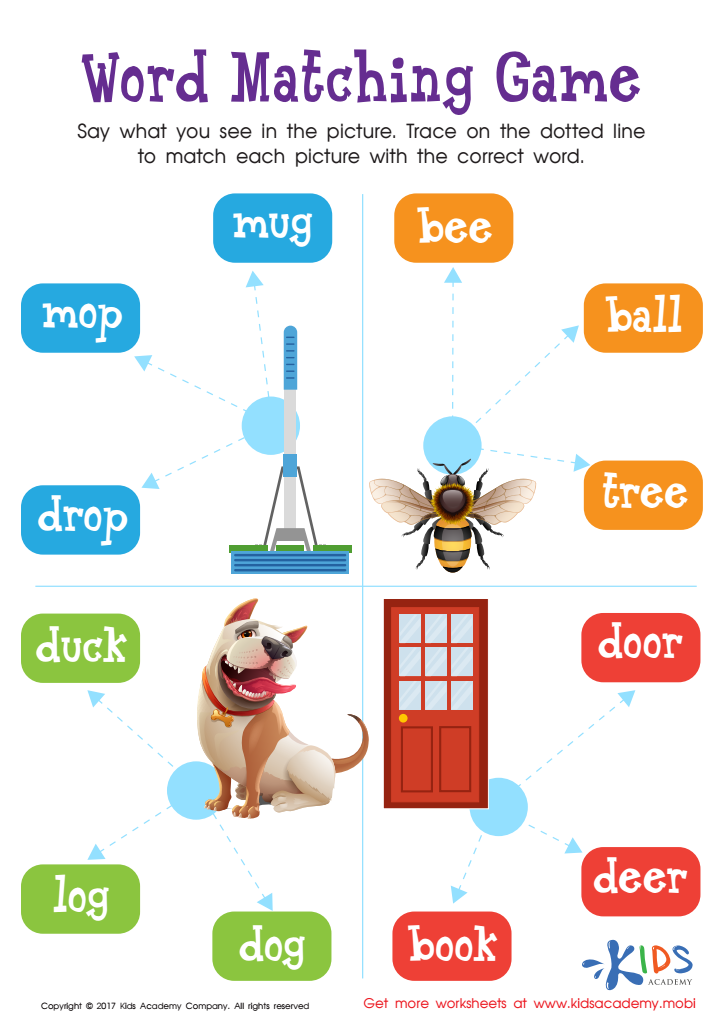
Word Matching Game Worksheet
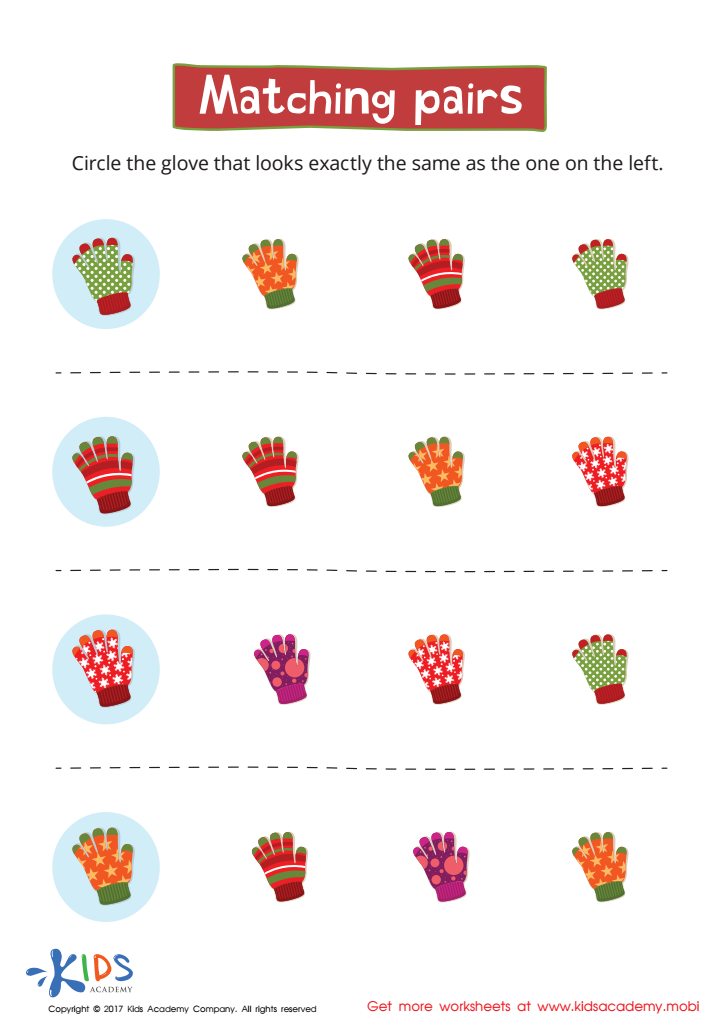
Matching: Matching Pairs Worksheet
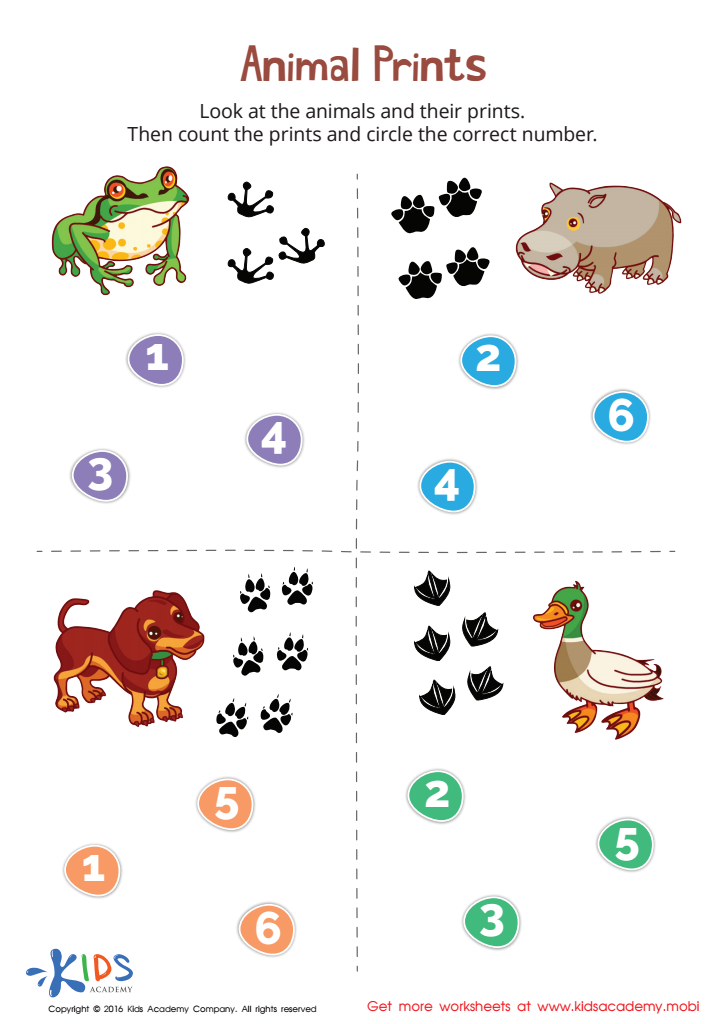
Animal Prints Match-Up Worksheet
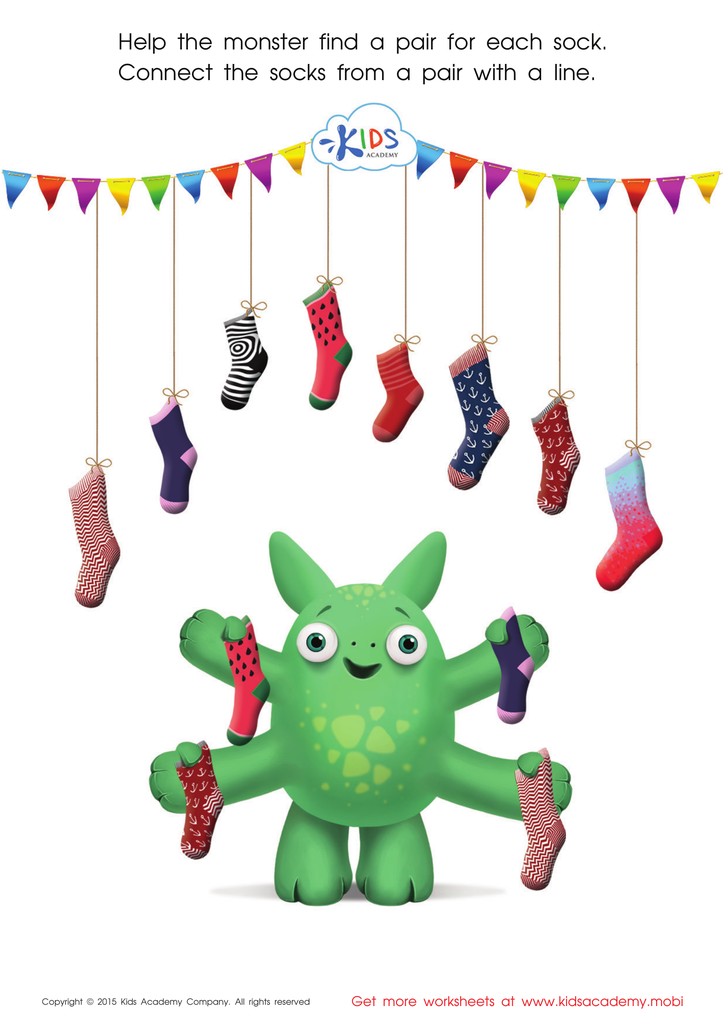
Math Matching Game: Monsterв's Socks Worksheet
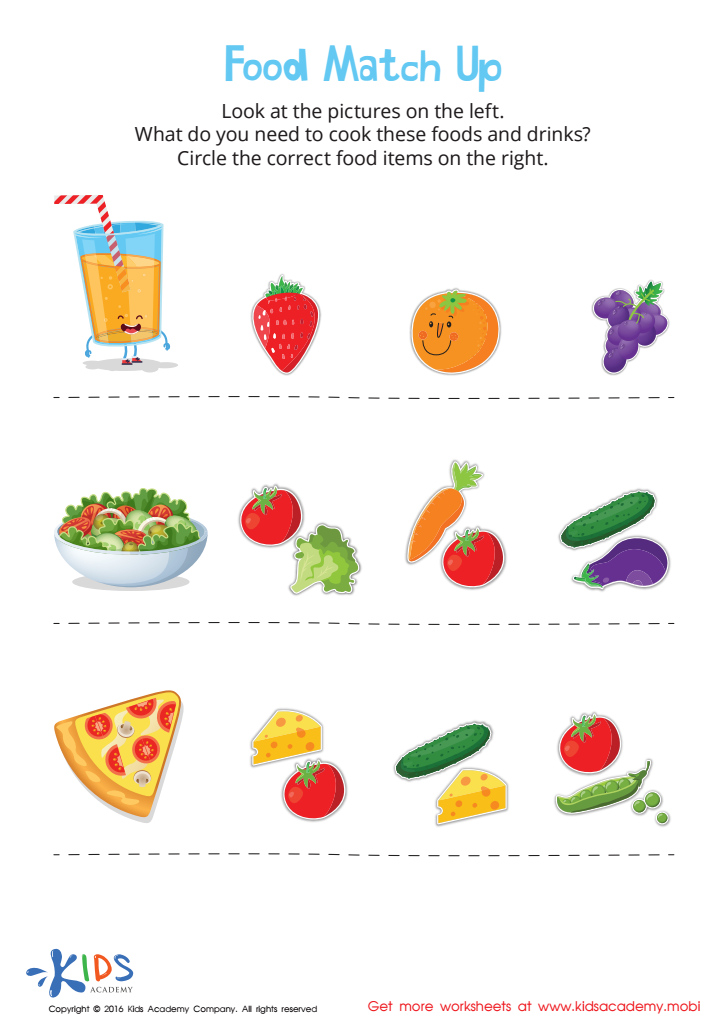
Food Match Up Worksheet
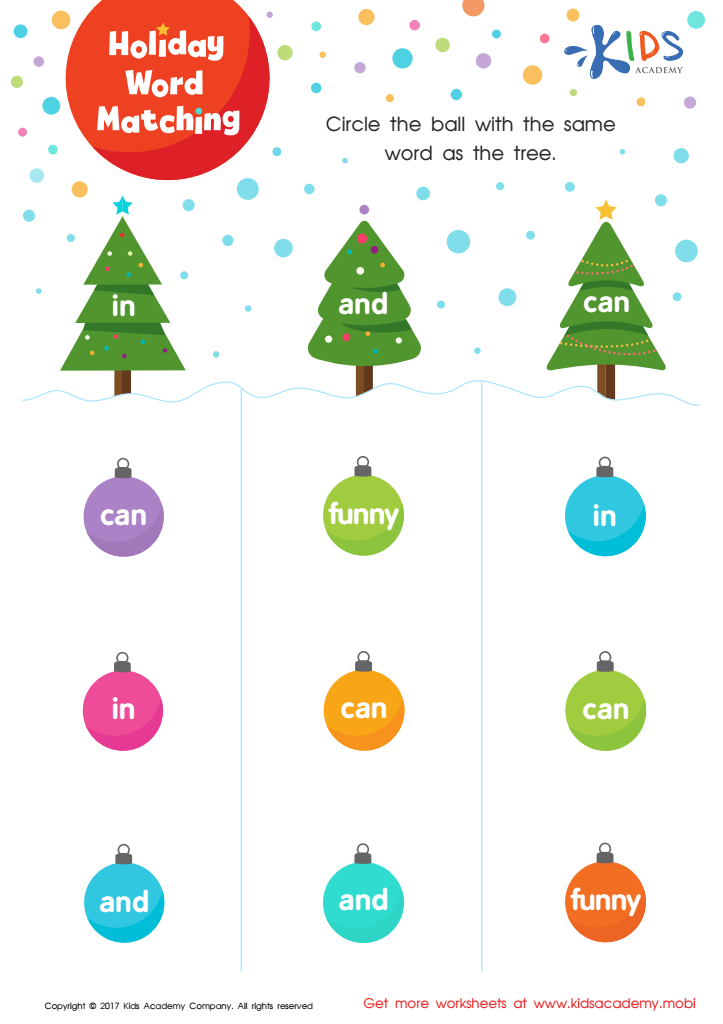
Holiday Word Matching Worksheet
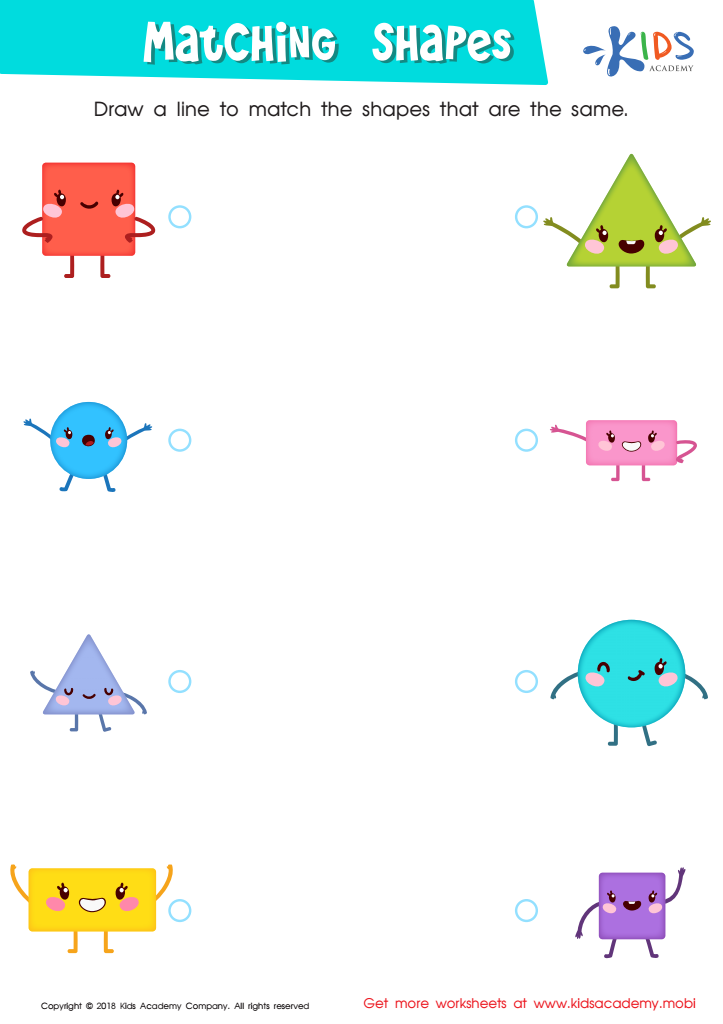
Matching Shapes Worksheet
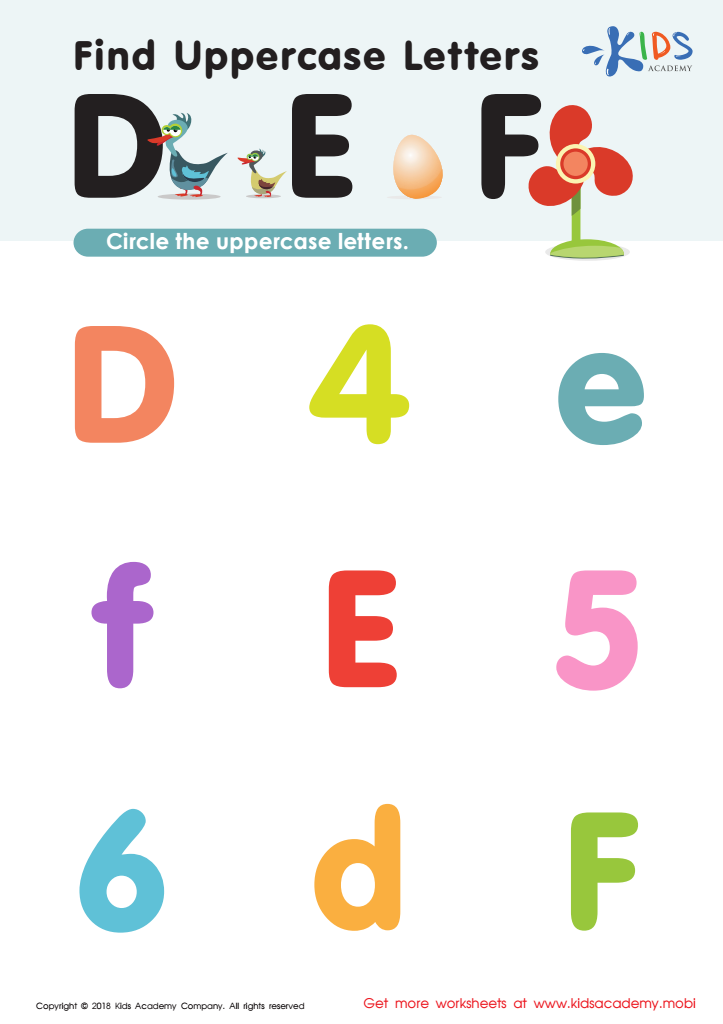
Find Uppercase Letters D, E, and F Worksheet
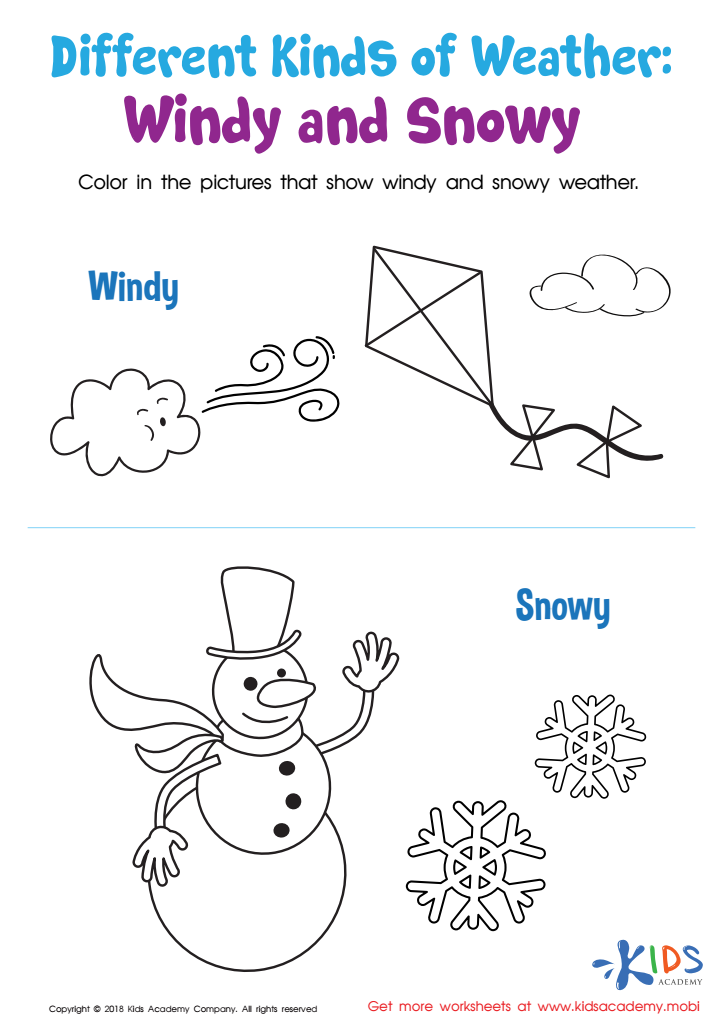
Different Kinds of Weather: Windy and Snowy Worksheet
 Assign to My Students
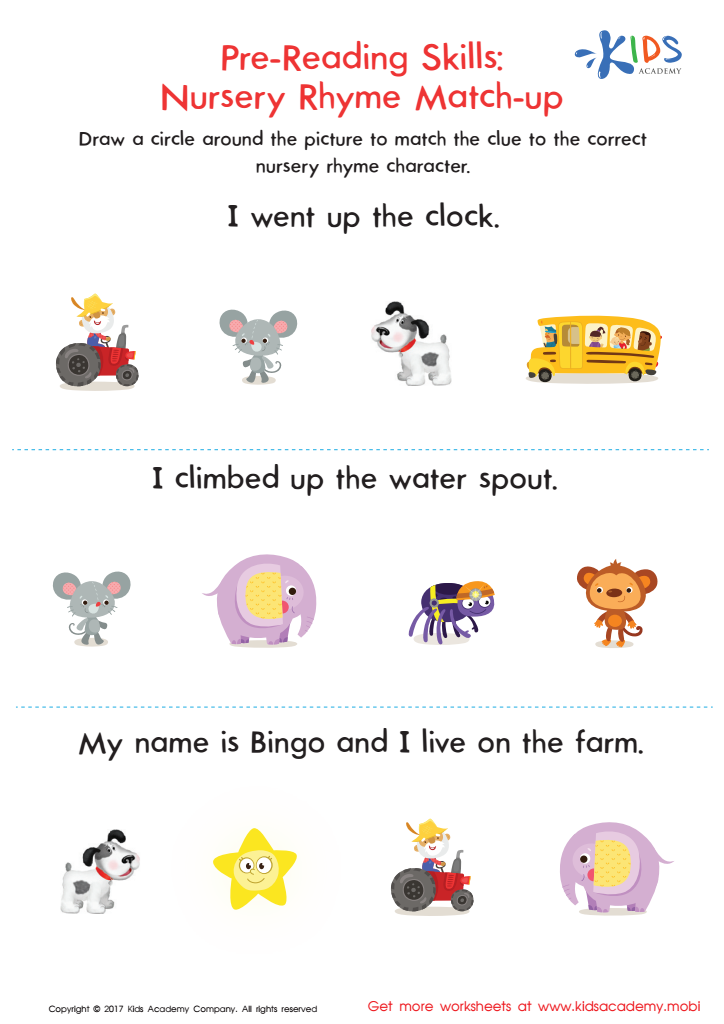
Nursery Rhyme Match–Up Worksheet
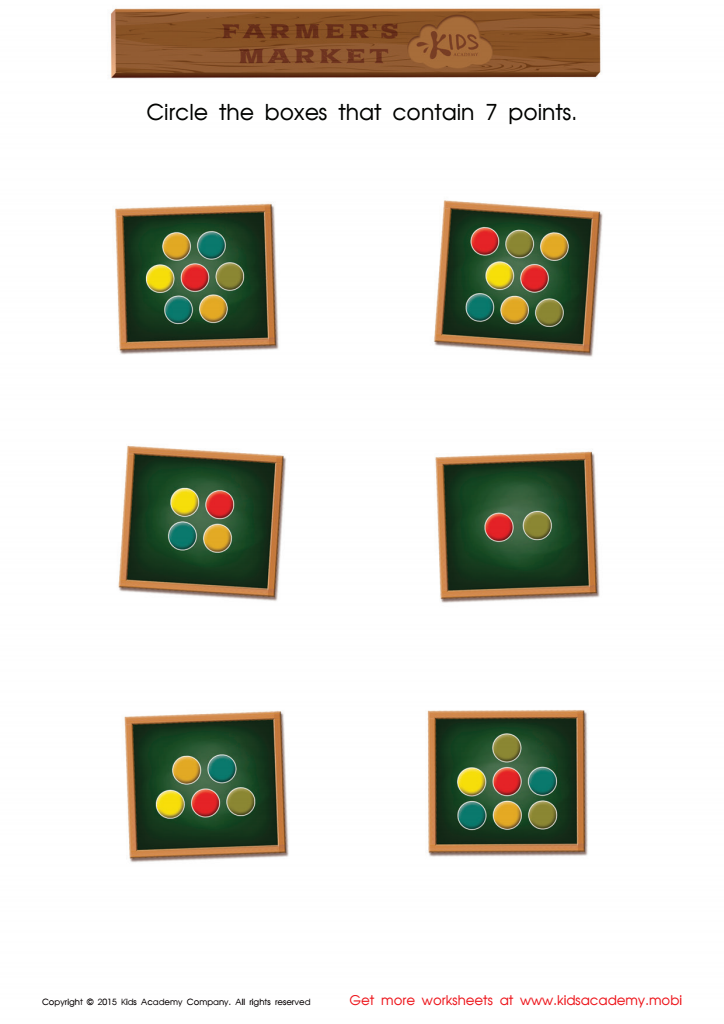
Count and Match Points 7 Math Worksheet
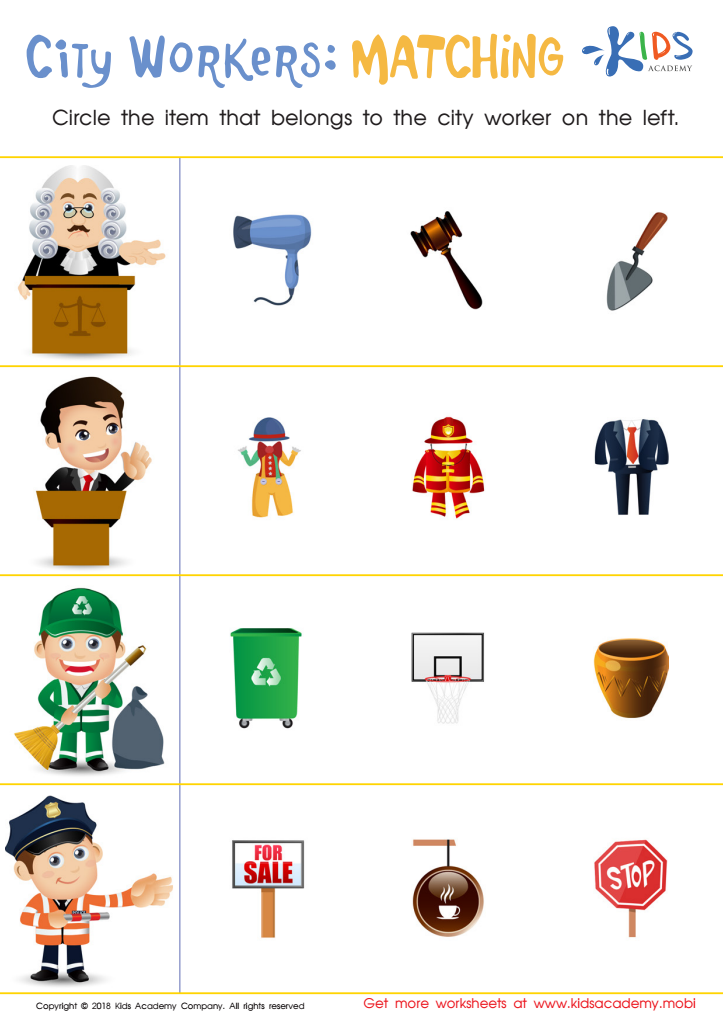
City Workers: Matching Worksheet
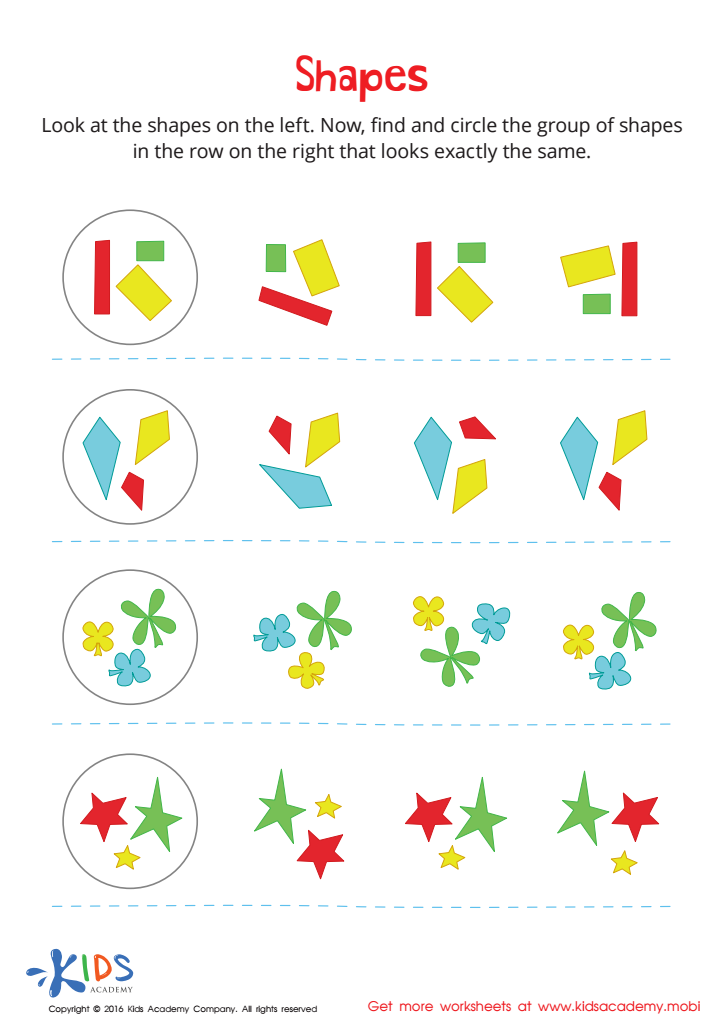
Shapes Worksheet
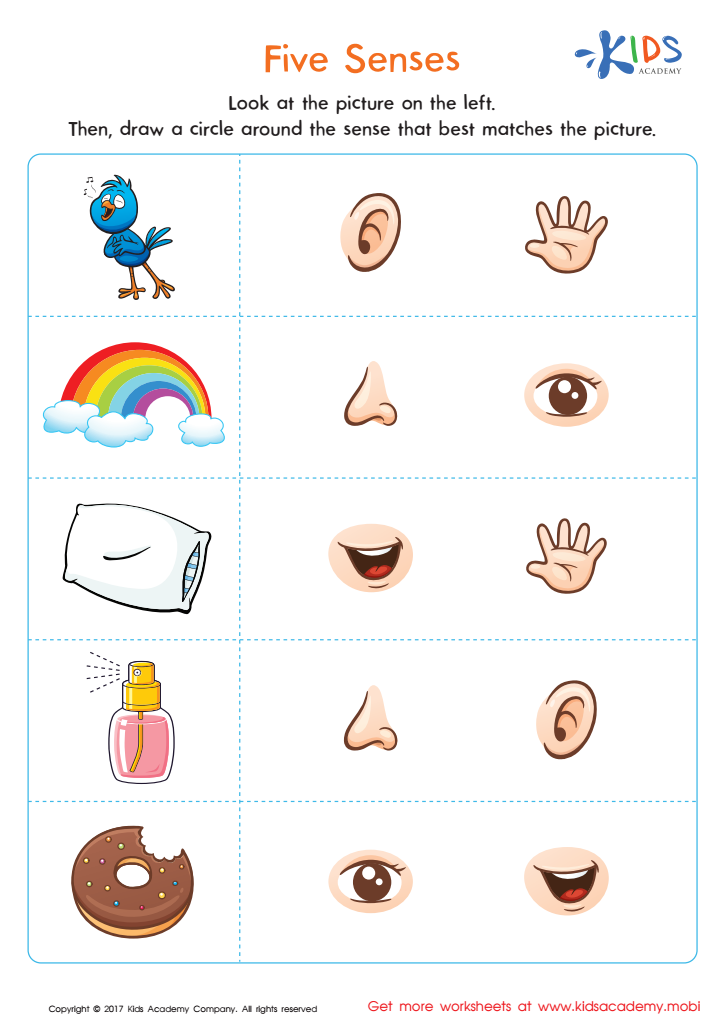
Five Senses Printable
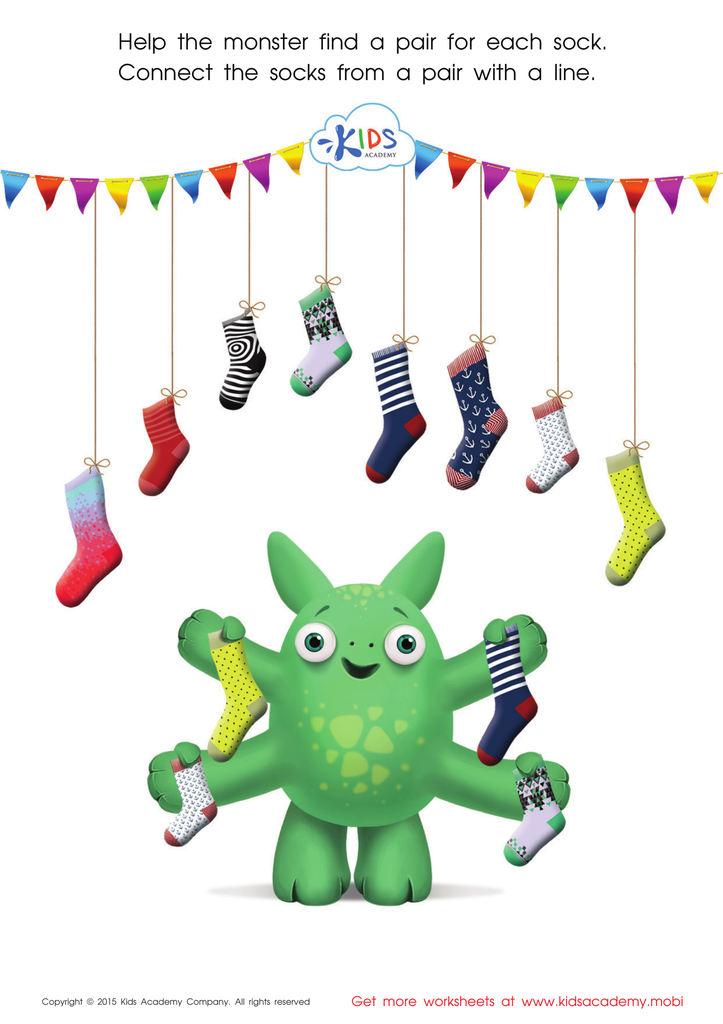
Math Matching Pairs Game: Monsterв's Socks Worksheet
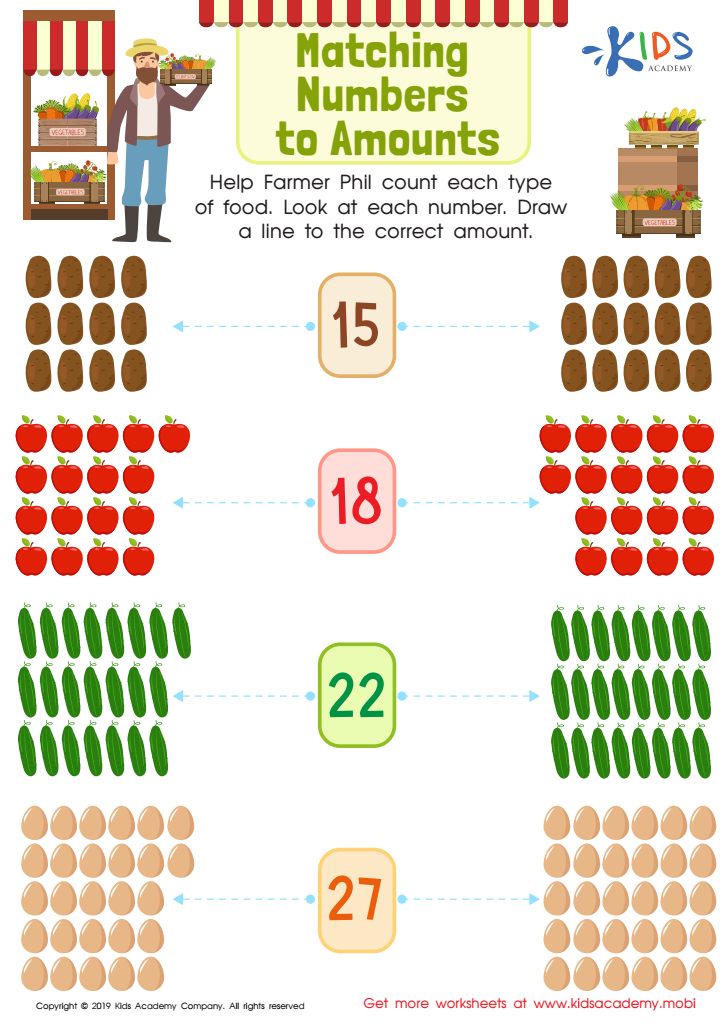
Matching Numbers to Amounts Worksheet




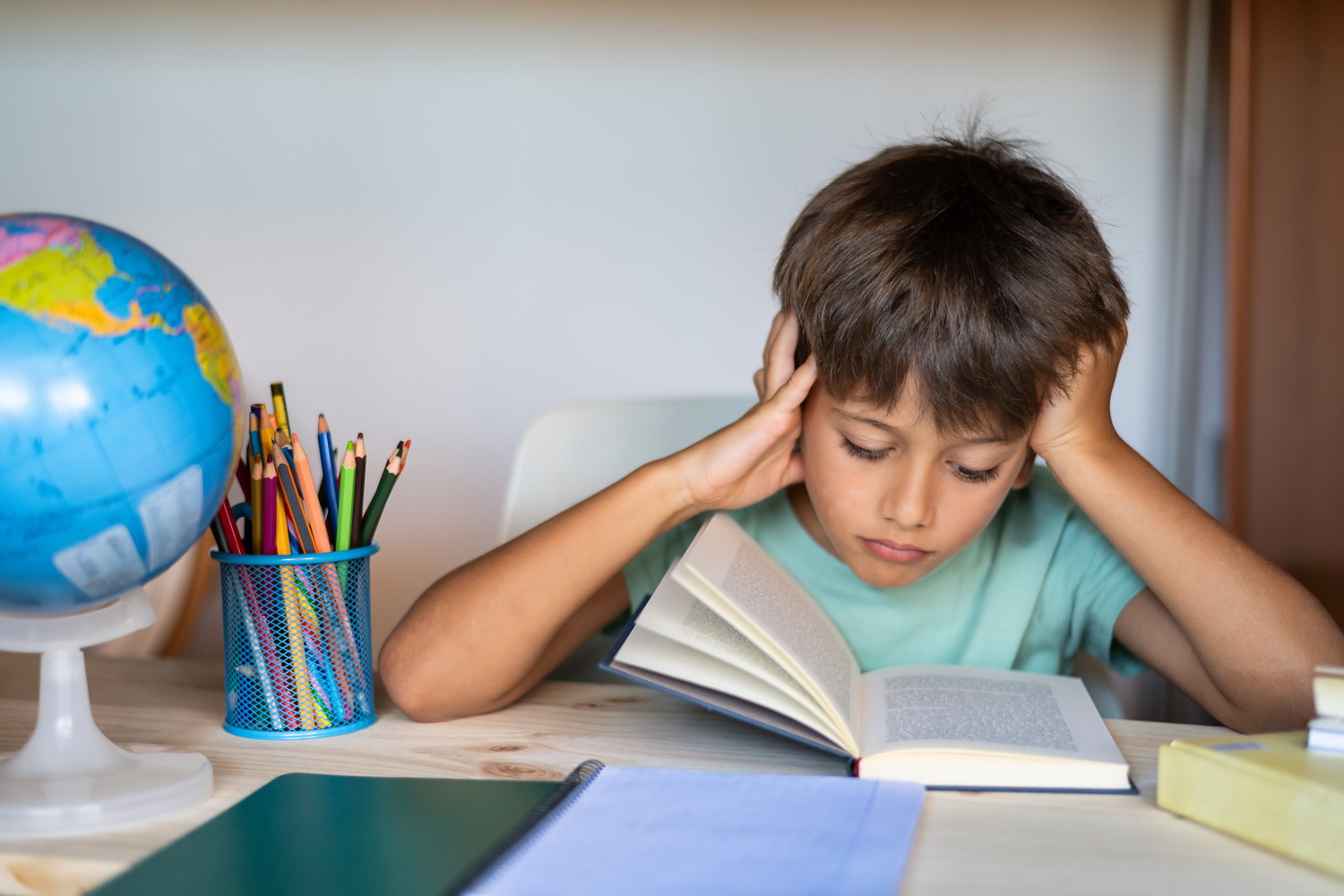

Matching skills are a fundamental building block in early childhood development, particularly for 4-year-olds. Parents and teachers should recognize their importance because these skills not only foster cognitive development but also enhance social and emotional learning. Engaging in matching activities helps children build critical thinking capabilities, improve memory, and enhance visual perception.
When children learn to match shapes, colors, or objects, they develop classification skills that serve as the foundation for more complex mathematical concepts, such as sorting and pattern recognition. Furthermore, matching activities often involve turn-taking and sharing, which provide essential lessons in cooperation and understanding social cues.
In addition, developing matching skills can boost a child’s confidence. Successfully completing matching tasks often results in a sense of achievement, promoting self-esteem and a positive attitude toward learning.
Lastly, these skills promote language development as children learn to describe and articulate their thought processes, thus enriching their vocabulary and communication abilities. For these reasons, it’s essential for parents and teachers to integrate matching activities into daily routines and educational practices, ensuring a strong foundation for lifelong learning. This early initiative sets the stage for future academic successes and social interactions, building vital skills that last a lifetime.








