Check out this FREE "Visual Learning" Trial Lesson for age 4!

L

Favorites
With answer key
Interactive
  • 4
  • Visual Learning
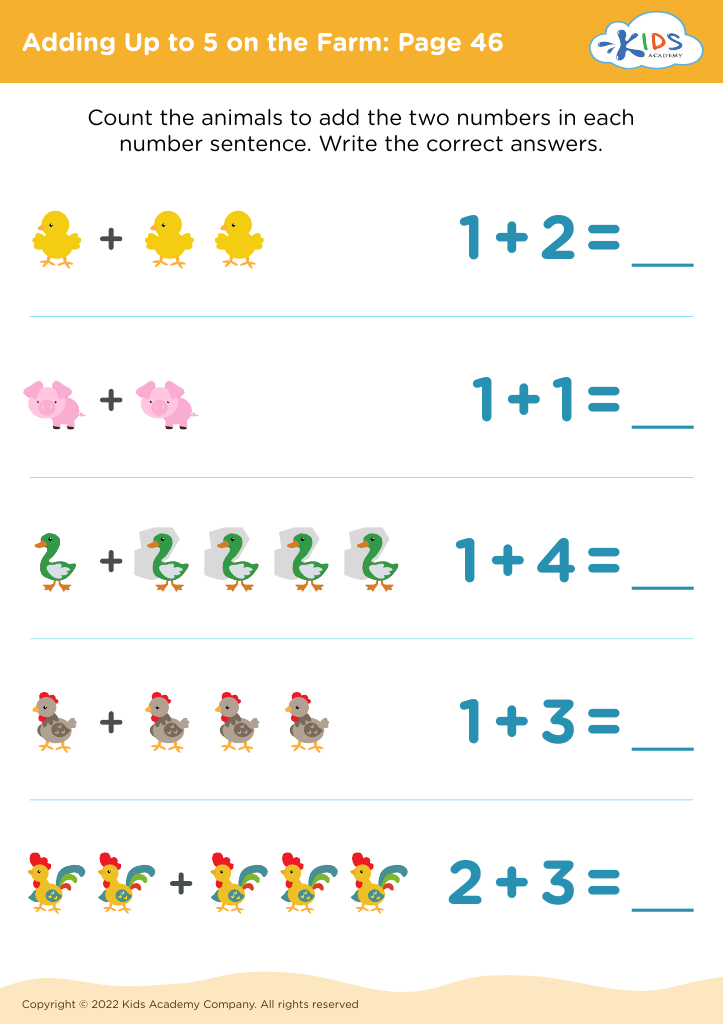
Adding Up to 5 on the Farm: Page 46
Worksheet
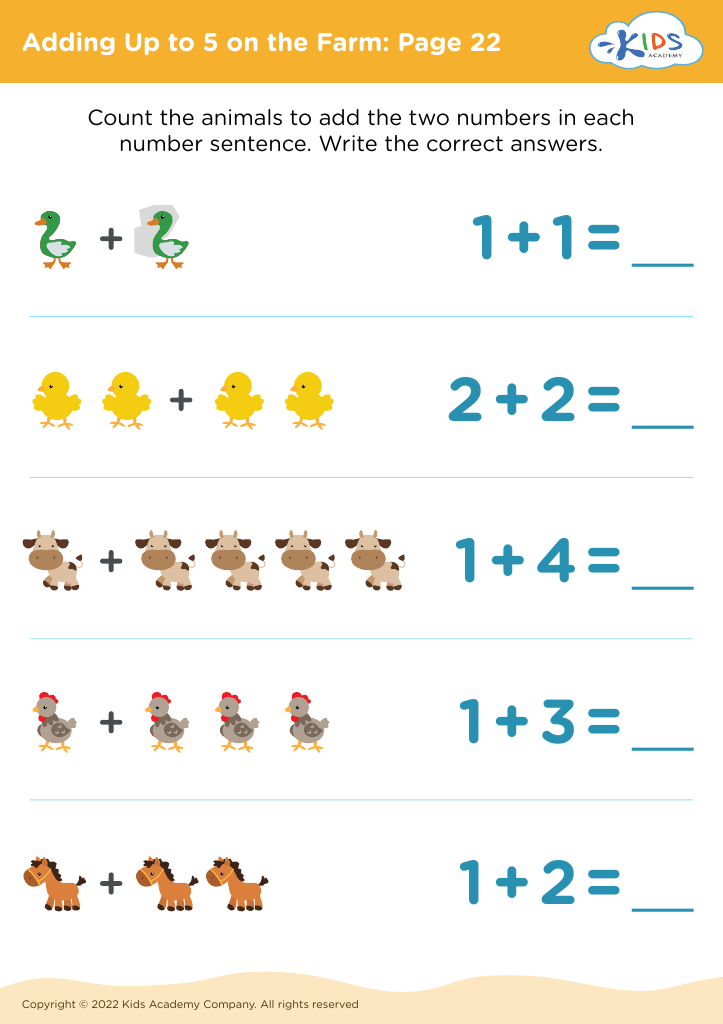
Adding Up to 5 on the Farm: Page 22
Worksheet
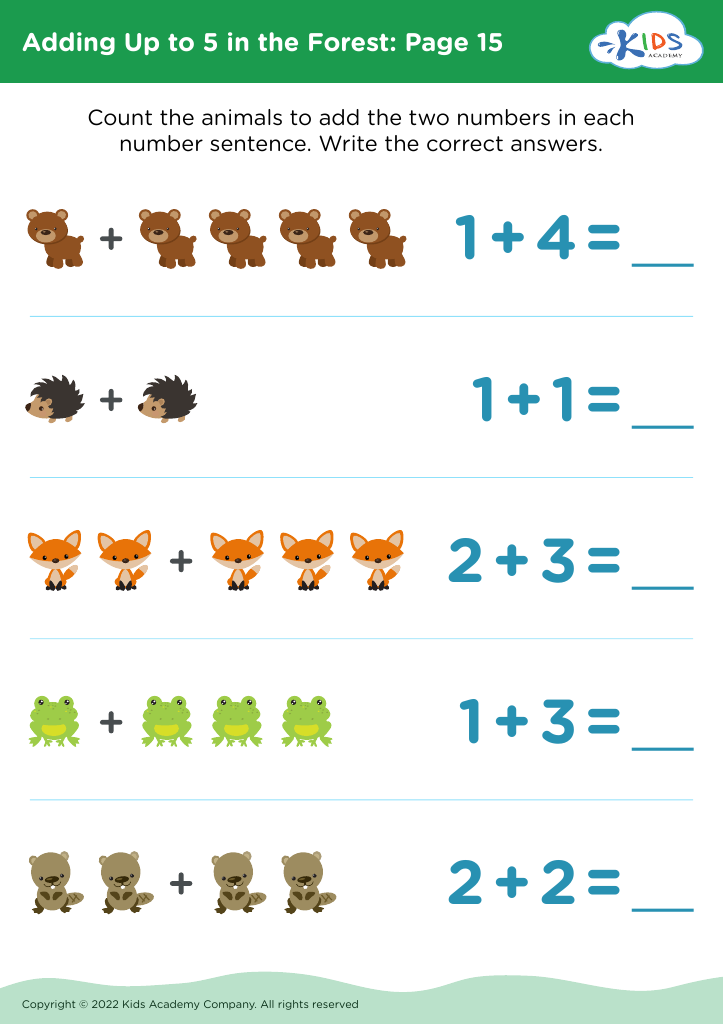
Adding Up to 5 in the Forest: Page 15
Worksheet
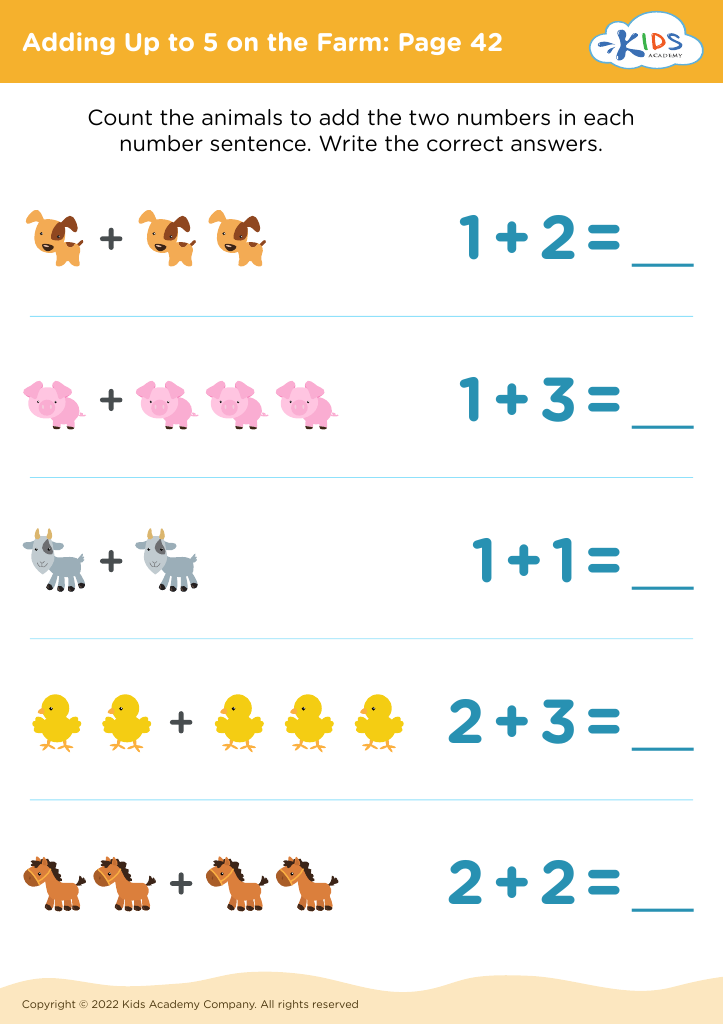
Adding Up to 5 on the Farm: Page 42
Worksheet
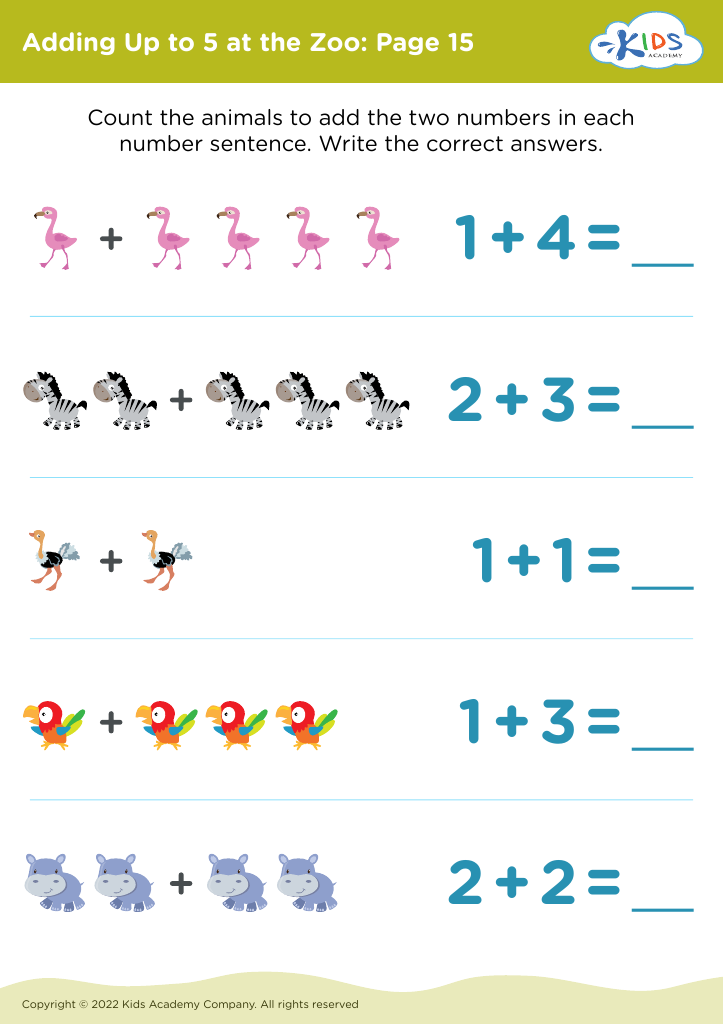
Adding Up to 5 at the Zoo: Page 15
Worksheet
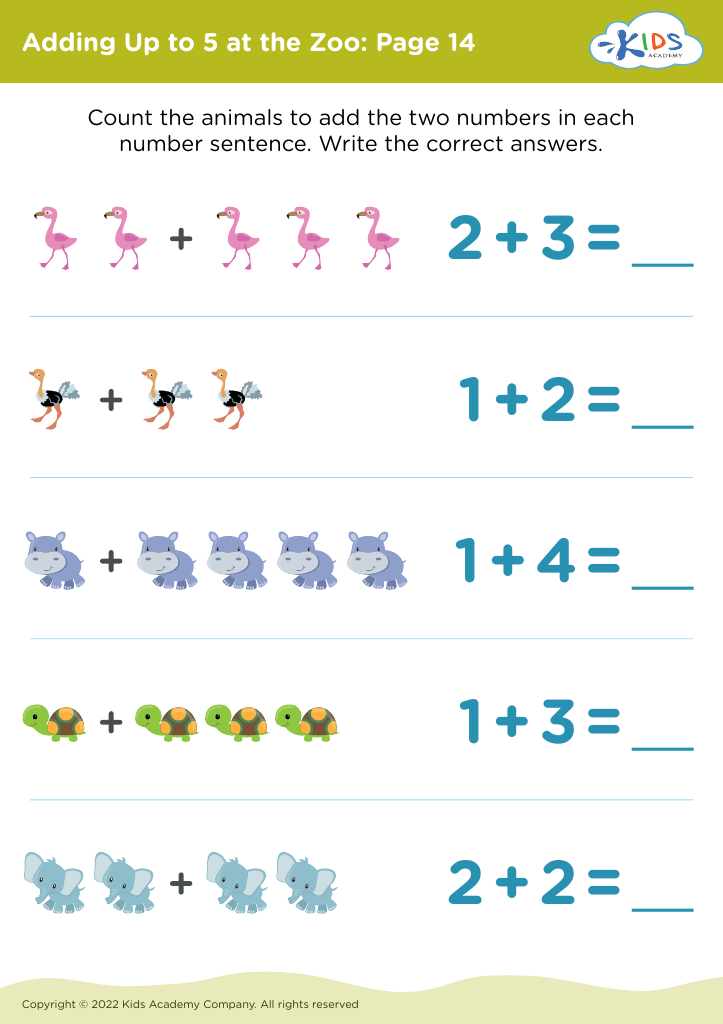
Adding Up to 5 at the Zoo: Page 14
Worksheet
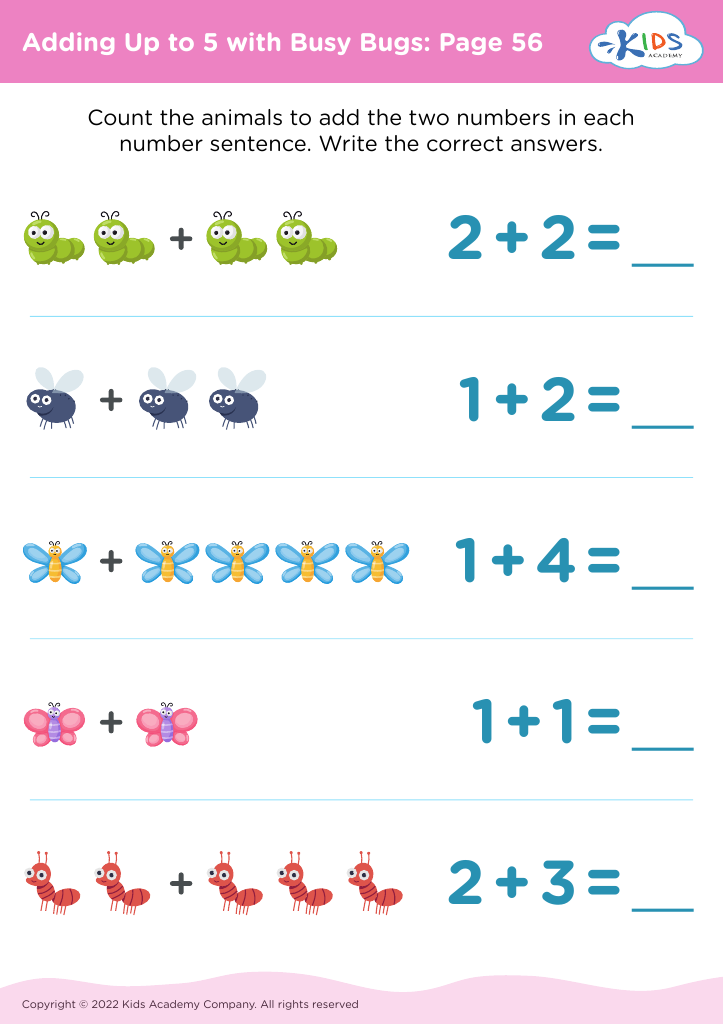
Adding Up to 5 with Busy Bugs: Page 56
Worksheet
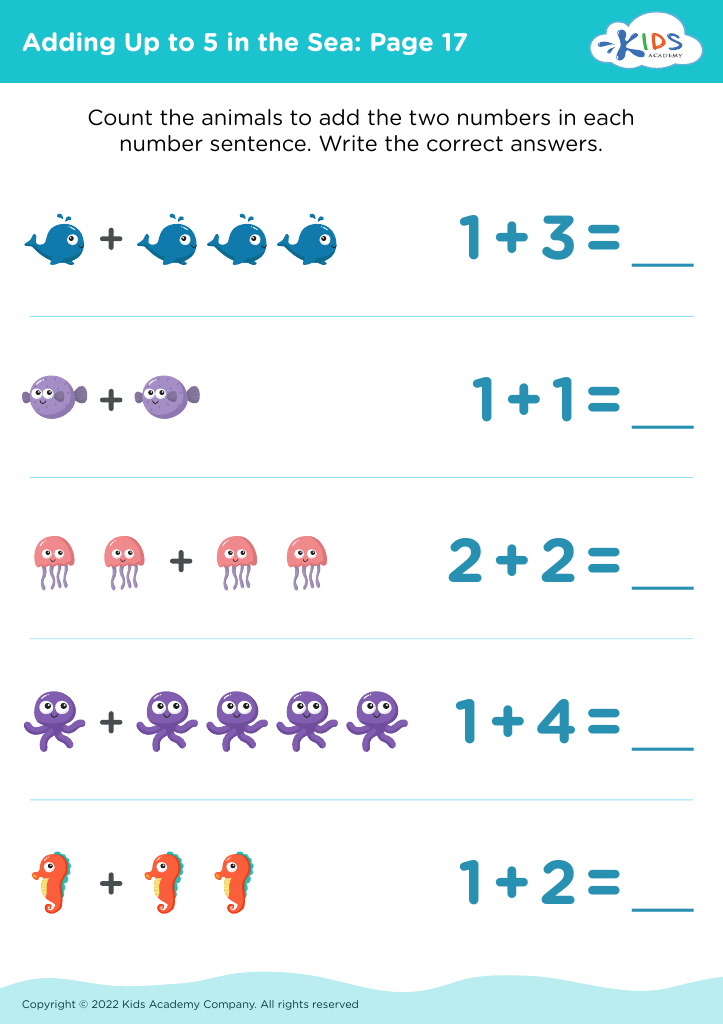
Adding Up to 5 in the Sea: Page 17
Worksheet
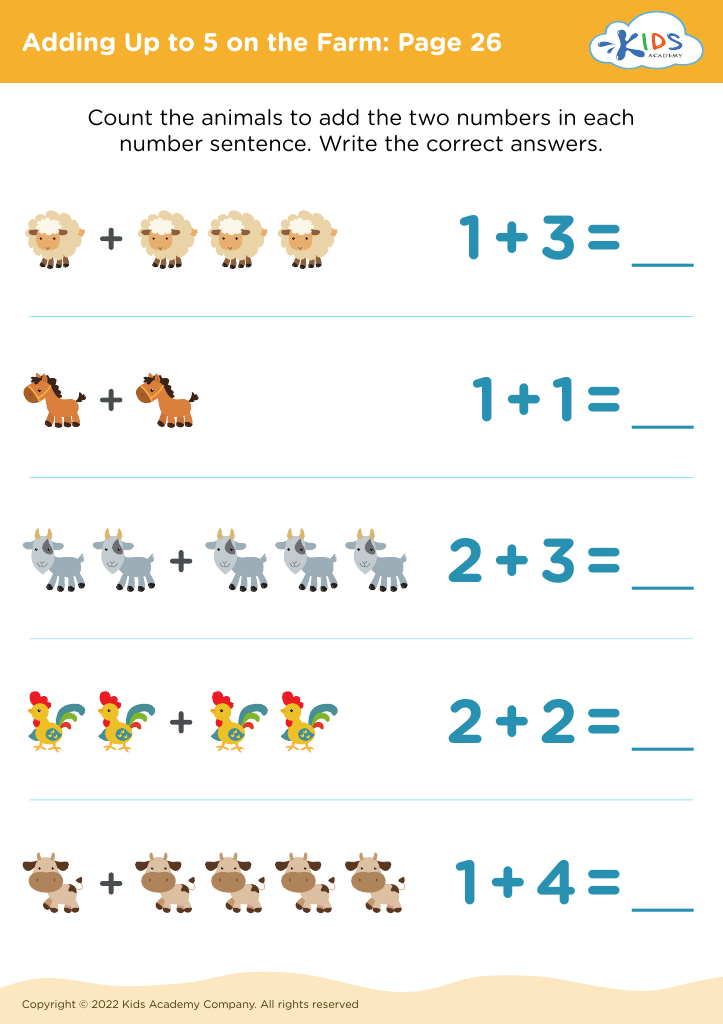
Adding Up to 5 on the Farm: Page 26
Worksheet
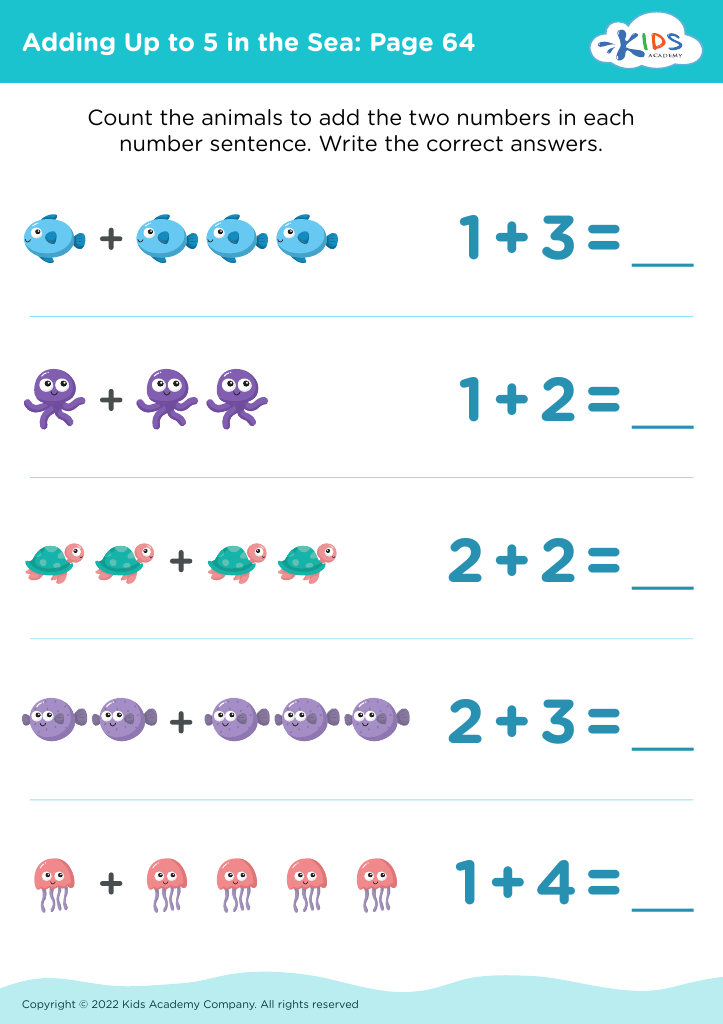
Adding Up to 5 in the Sea: Page 64
Worksheet
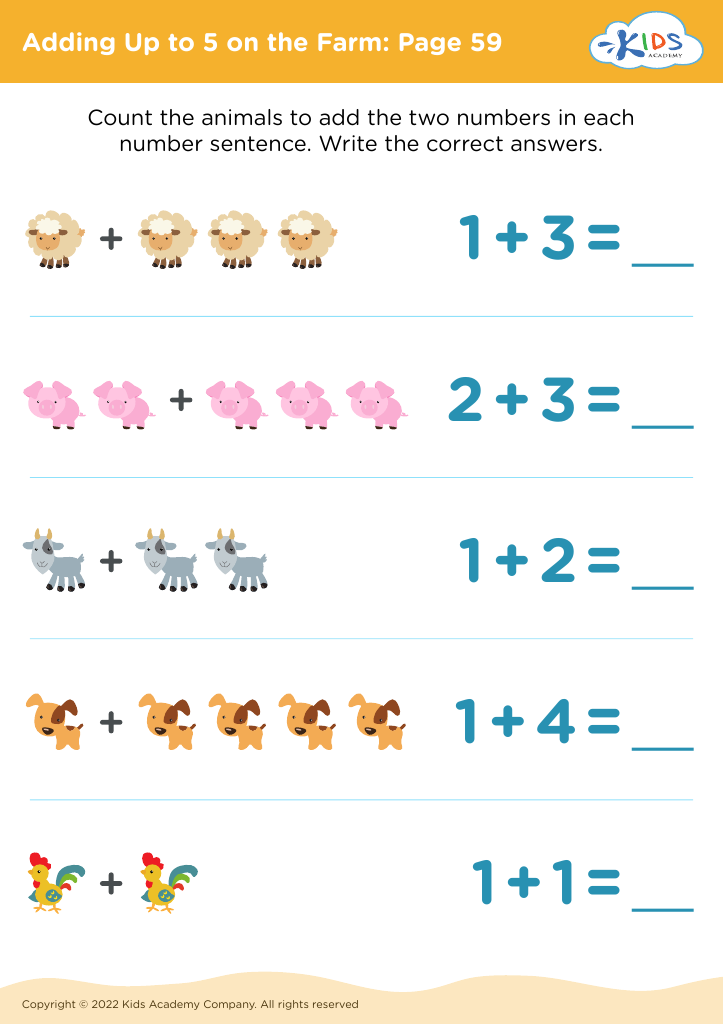
Adding Up to 5 on the Farm: Page 59
Worksheet
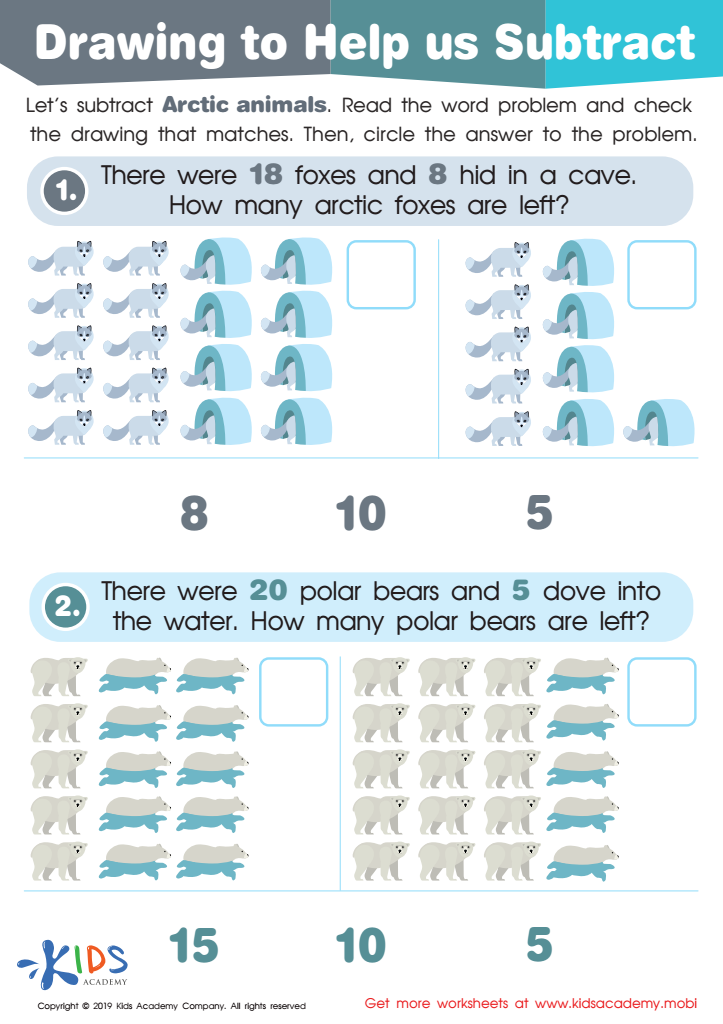
Drawing to Help Us Subtract Worksheet

Drawing to Help Us Subtract Worksheet

Math is made fun with this free worksheet featuring Arctic animal pictures to solve basic subtraction word problems. Kids read the problem and choose the correct drawing of the animals to represent the solution. They'll have a blast with their cool animal friends while learning math!
Drawing to Help Us Subtract Worksheet
Worksheet
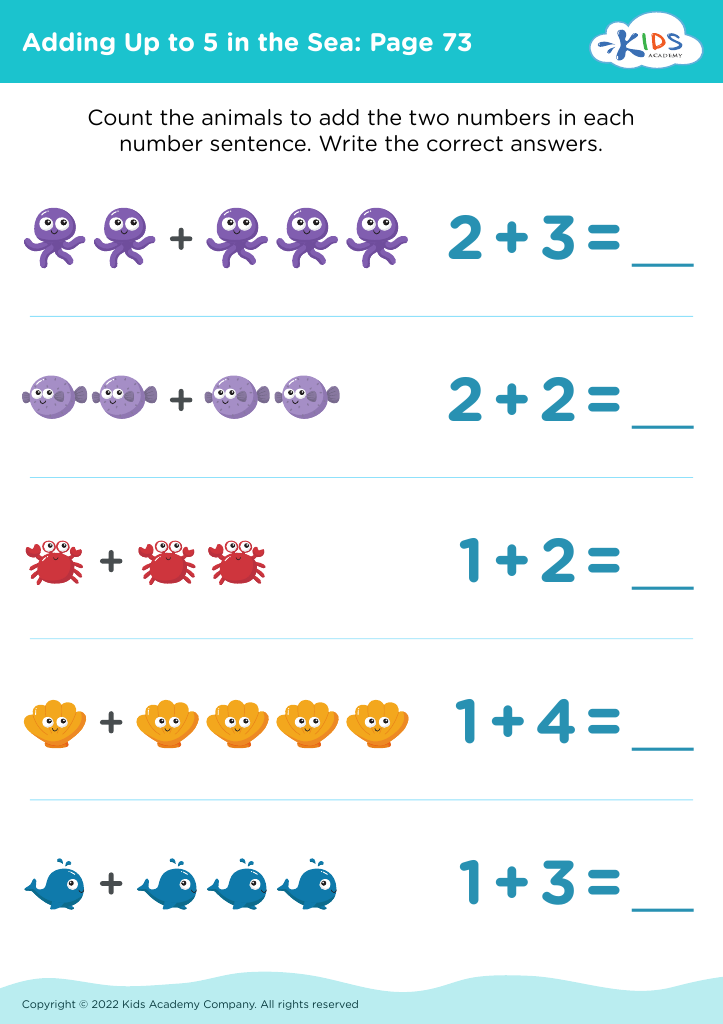
Adding Up to 5 in the Sea: Page 73
Worksheet
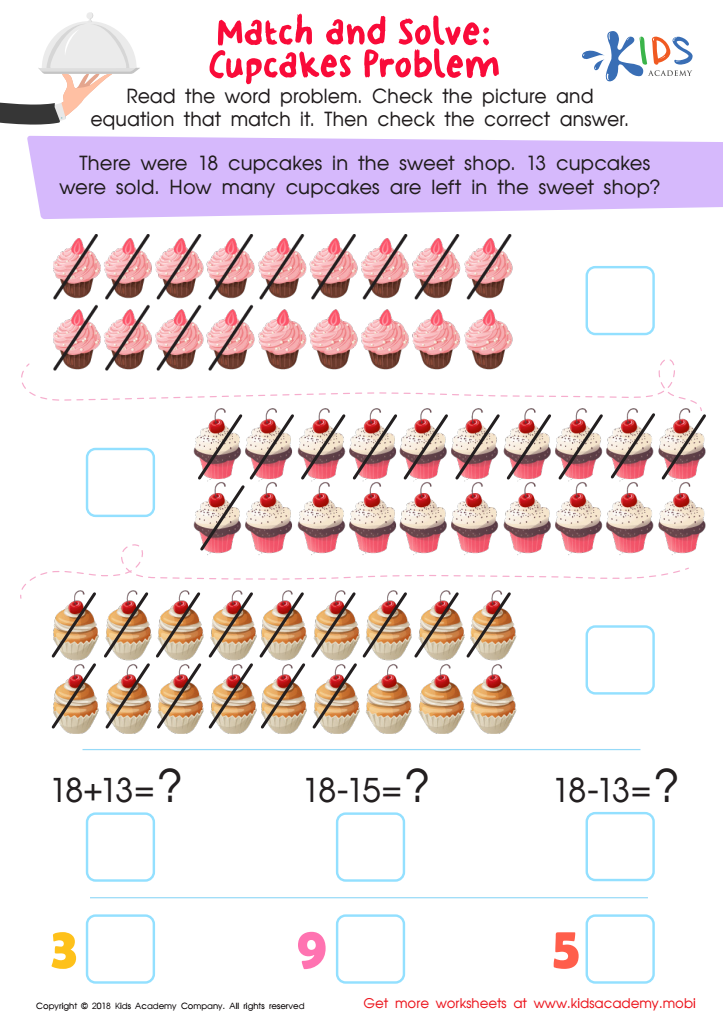
Match and Solve: Cupcakes Problem Worksheet
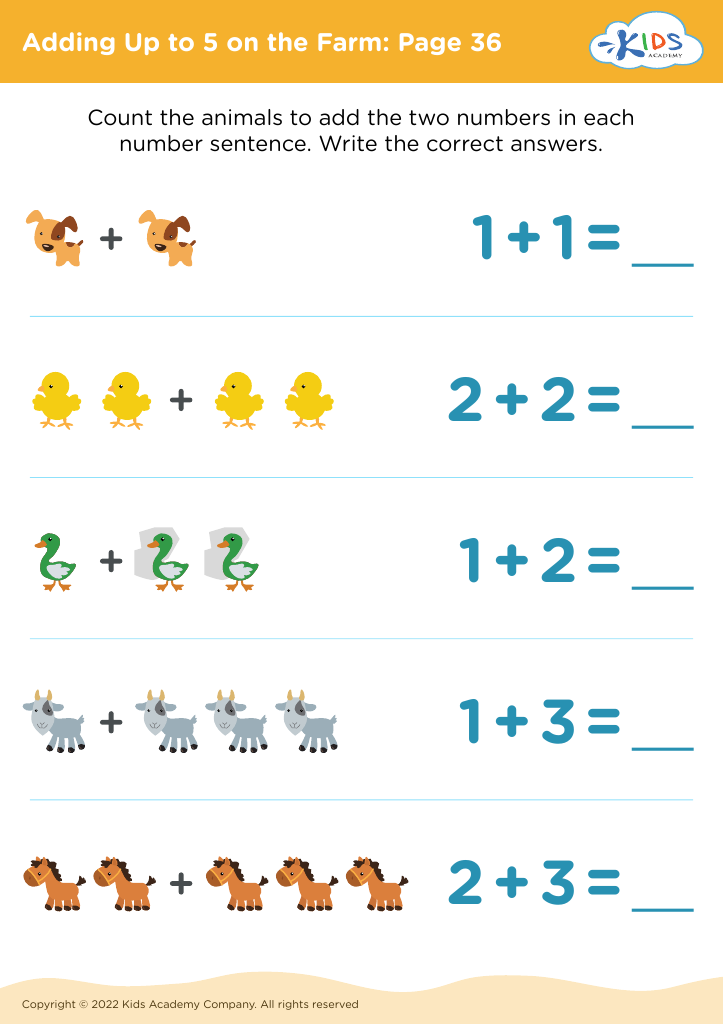
Match and Solve: Cupcakes Problem Worksheet
This math worksheet will excite your kid! Read the word problem and look at the cupcakes; the slashes mean some are being taken away. Select the picture that matches the text, then complete the equation to find the solution!
Match and Solve: Cupcakes Problem Worksheet
Worksheet
Adding Up to 5 on the Farm: Page 36
Worksheet
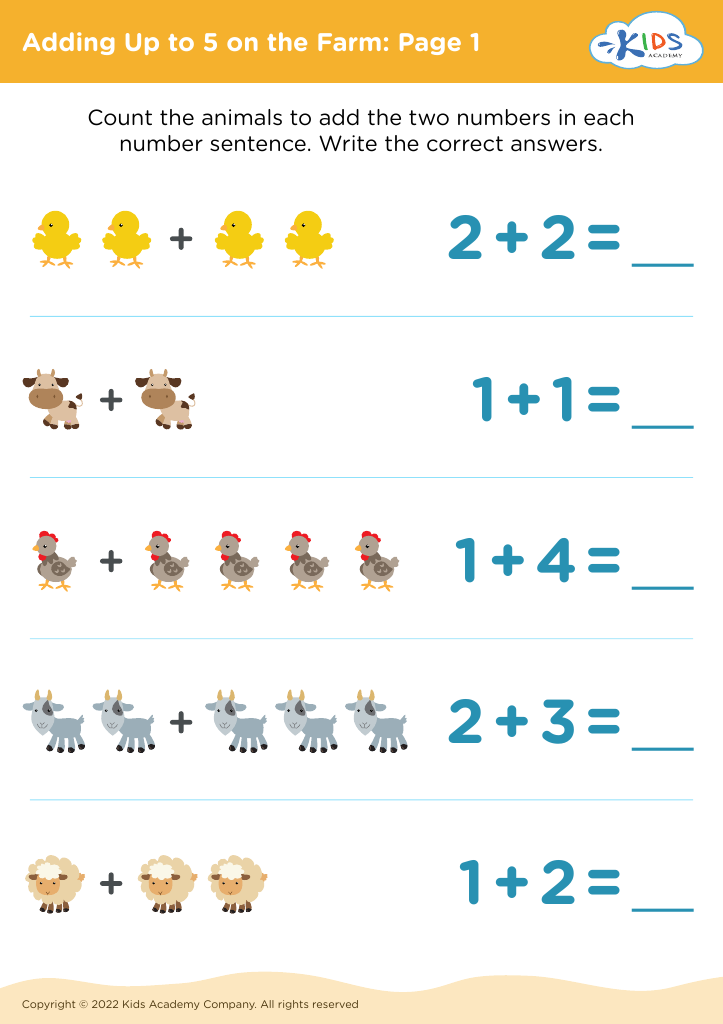
Adding Up to 5 on the Farm: Page 1
Worksheet
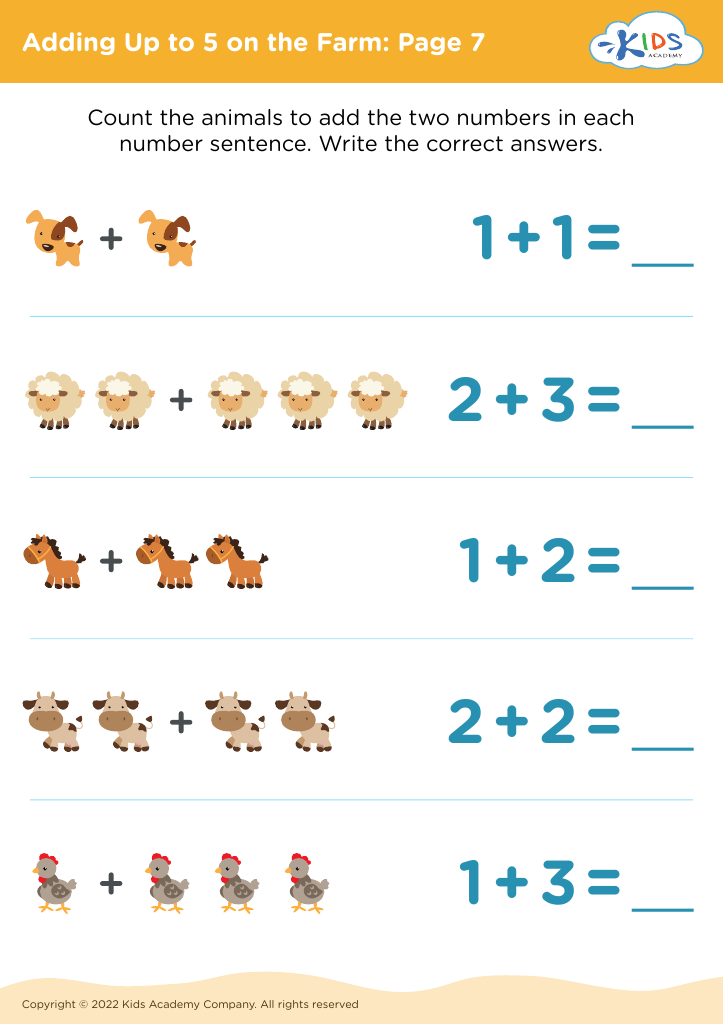
Adding Up to 5 on the Farm: Page 7
Worksheet
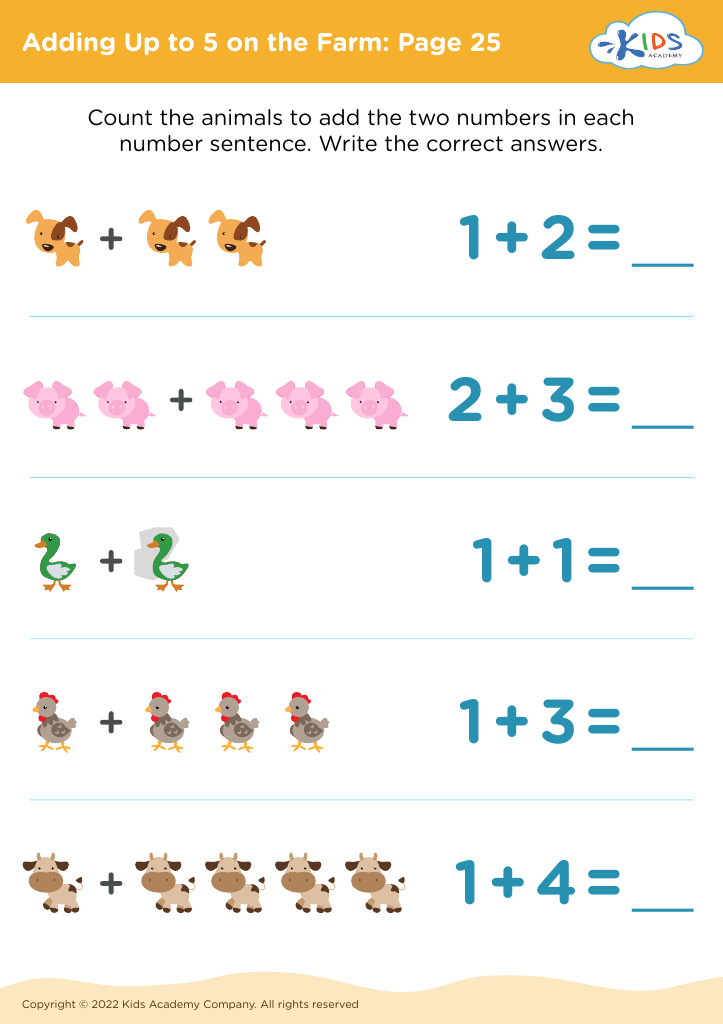
Adding Up to 5 on the Farm: Page 25
Worksheet
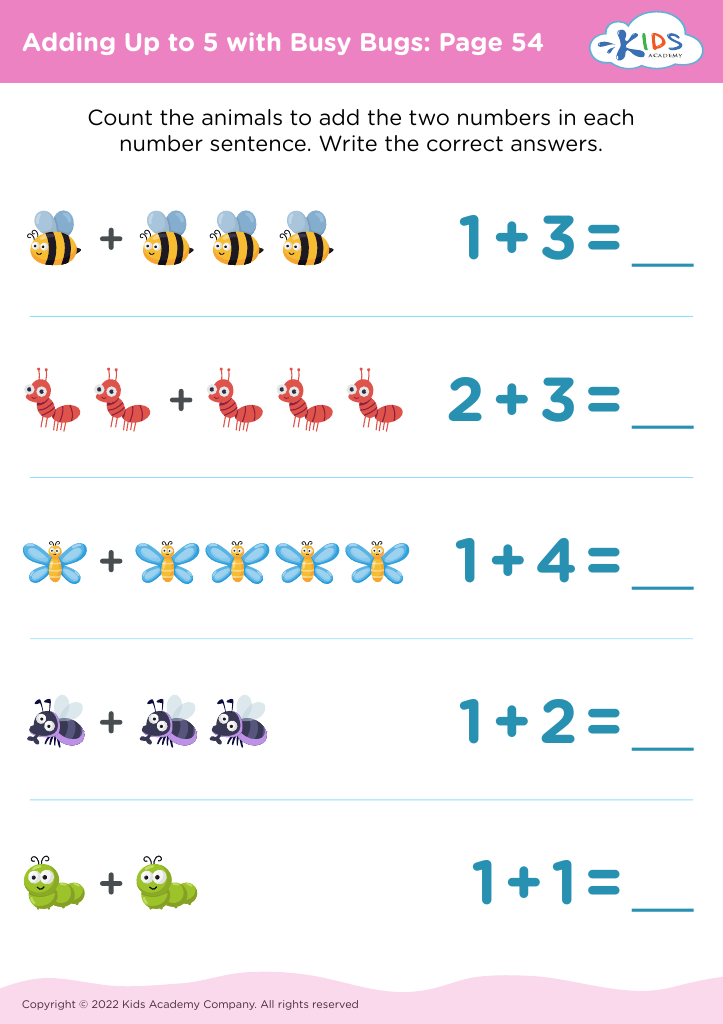
Adding Up to 5 with Busy Bugs: Page 54
Worksheet
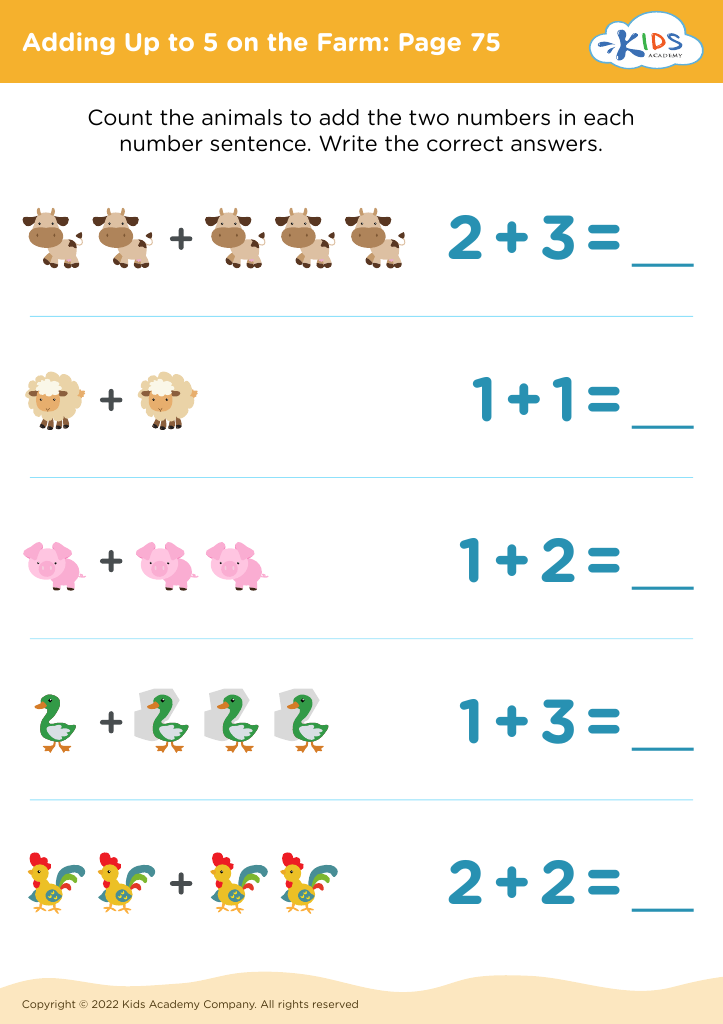
Adding Up to 5 on the Farm: Page 75
Worksheet
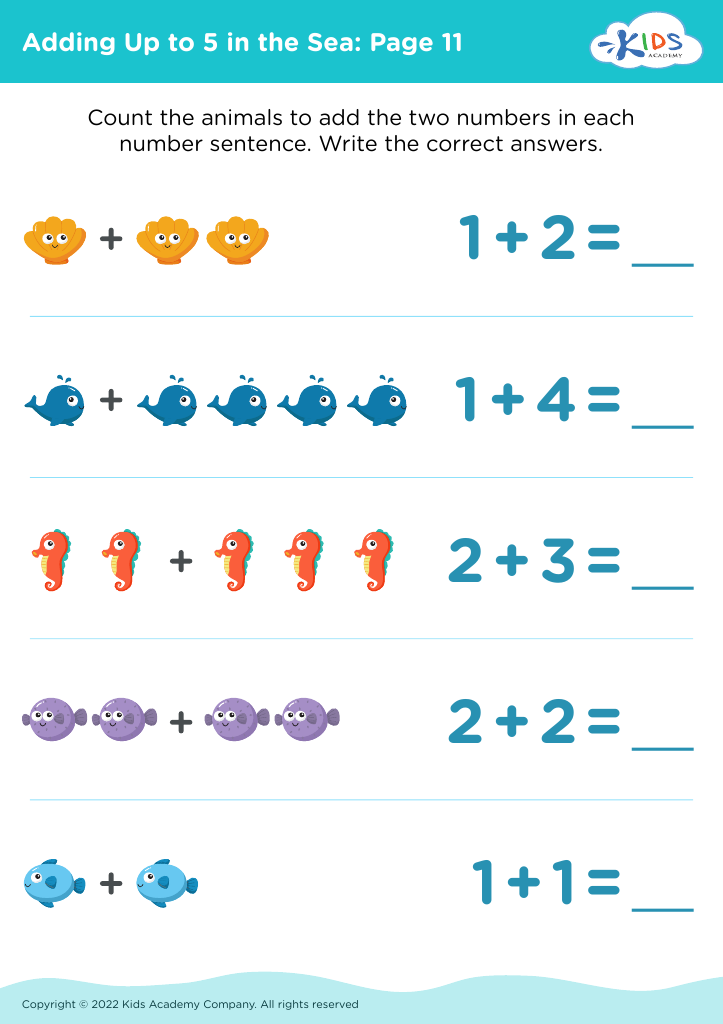
Adding Up to 5 in the Sea: Page 11
Worksheet
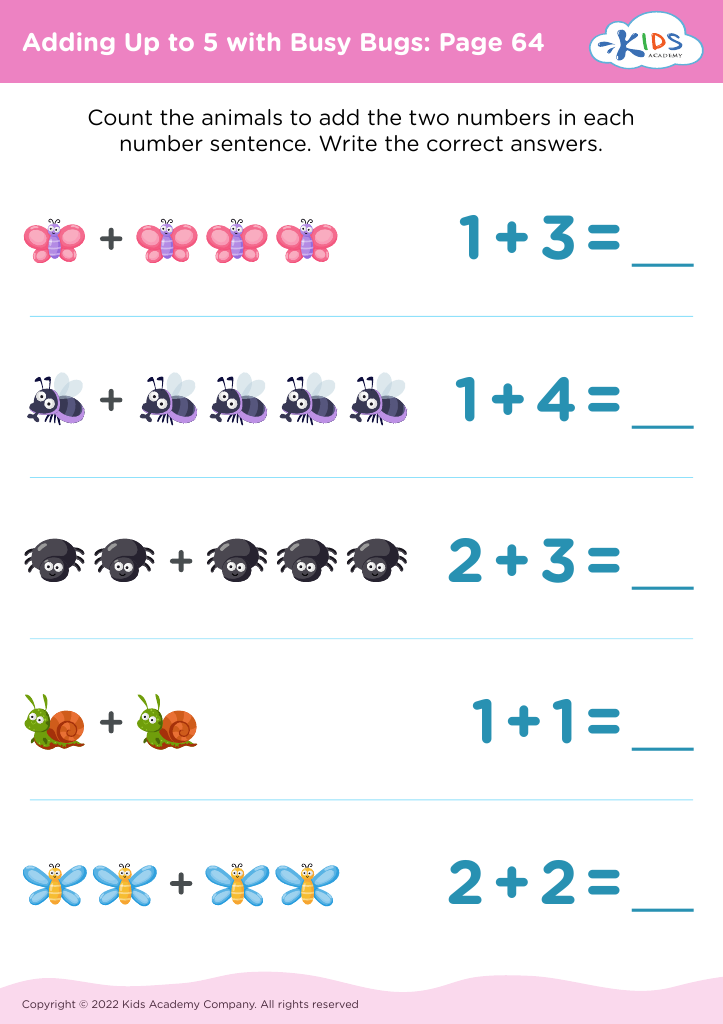
Adding Up to 5 with Busy Bugs: Page 64
Worksheet
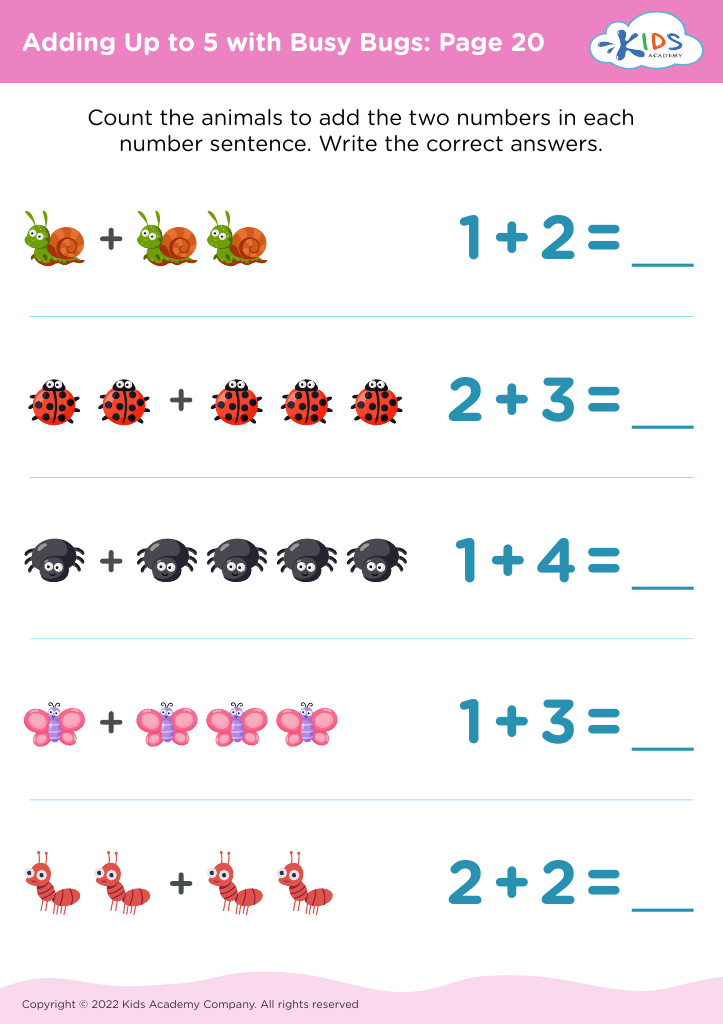
Adding Up to 5 with Busy Bugs: Page 20
Worksheet
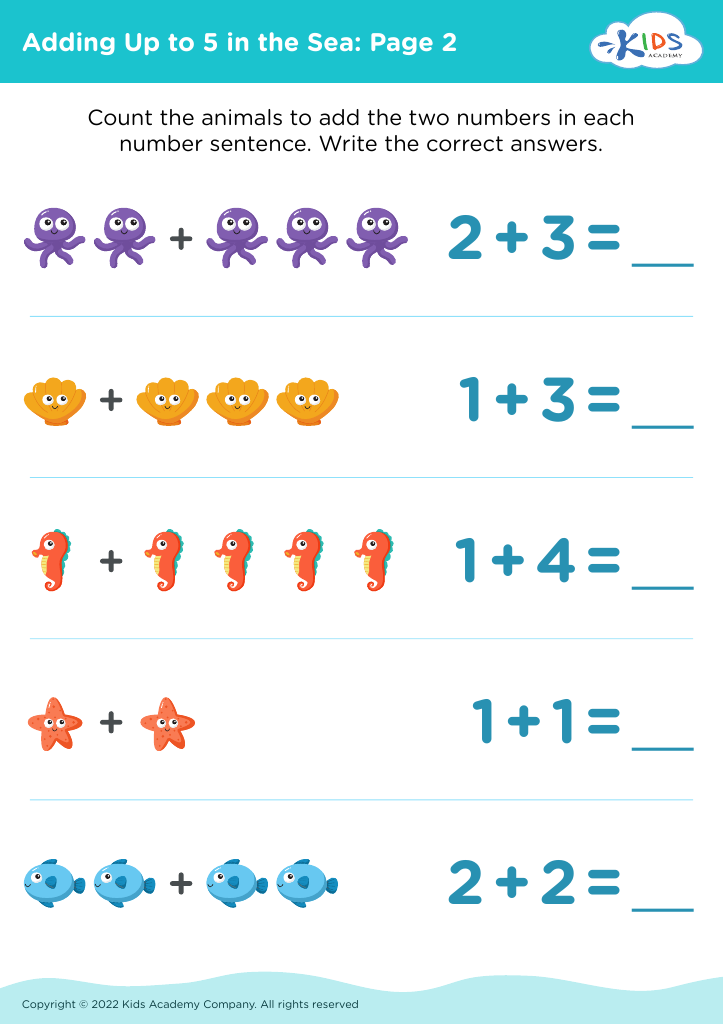
Adding Up to 5 in the Sea: Page 2

Adding Up to 5 in the Sea: Page 2

Adding Up to 5 in the Sea: Page 2
Worksheet


Visual learning is crucial for 4-year-olds as it harnesses their natural way of processing information while actively engaging and stimulating their developing brains. At this early stage, children are often more responsive to visual stimuli than verbal instructions, making visual learning strategies particularly effective. By incorporating images, colors, and diagrams into educational activities, parents and teachers can enhance comprehension and retention, thereby nurturing curiosity and creativity in young learners.

Furthermore, visuals can aid in language development by helping children associate words with corresponding images, bridges that can enhance vocabulary and comprehension skills. Visual learning also caters to various learning styles, addressing diverse needs within a classroom or home environment.

As children engage with visual elements, they practice important skills like observation, critical thinking, and problem-solving—fundamental building blocks for future academic success. Moreover, these experiences can foster emotional connections; storytelling with visuals allows children to grasp complex ideas and narratives that nurture empathy and understanding.

In essence, prioritizing visual learning in early education isn’t just about making lessons more engaging; it’s about laying a solid foundation for lifelong learning, supporting cognitive and emotional development, and creating a rich, inclusive atmosphere of discovery that keeps young minds eager and motivated.