Problem-Solving Skills Numbers Worksheets for 4-Year-Olds
23 filtered results
-
From - To
Explore our engaging "Problem-Solving Skills Numbers Worksheets for 4-Year-Olds" designed to enhance young learners' cognitive abilities through fun and interactive math challenges. These worksheets focus on developing essential problem-solving skills, helping children recognize patterns, make comparisons, and explore basic mathematical concepts. With colorful illustrations and age-appropriate activities, each worksheet motivates kids to think critically while building confidence in their number skills. Perfect for at-home practice or classroom use, these resources foster a love for math from an early age. Dive into our collection today and support your child's learning journey with exciting and educational problem-solving activities!
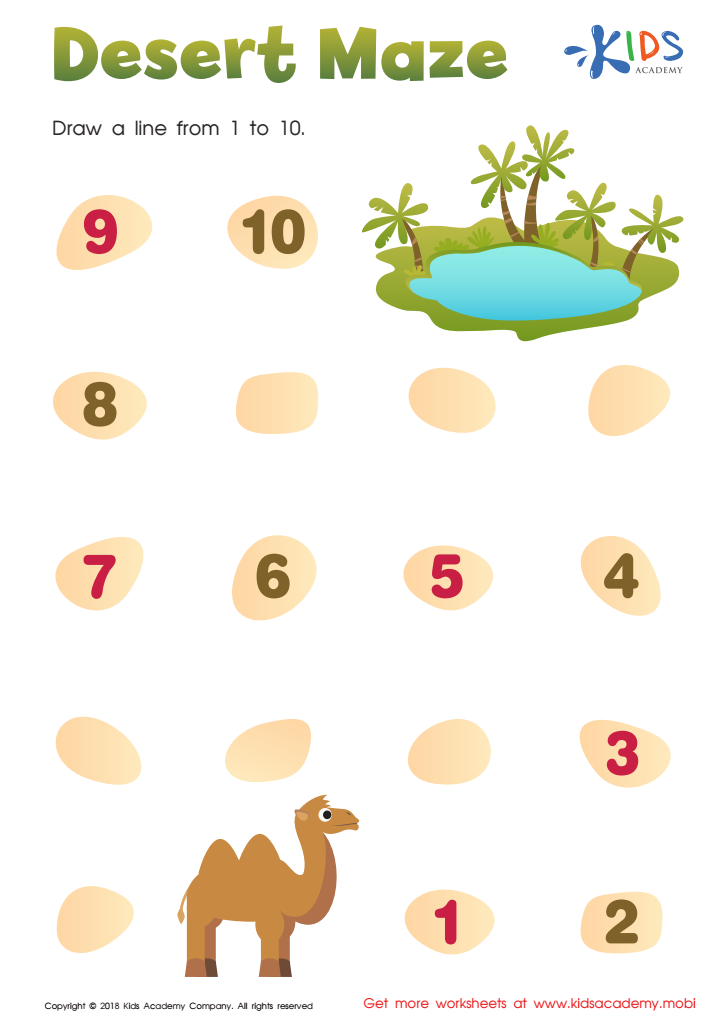
Desert Maze Worksheet
 Assign to My Students
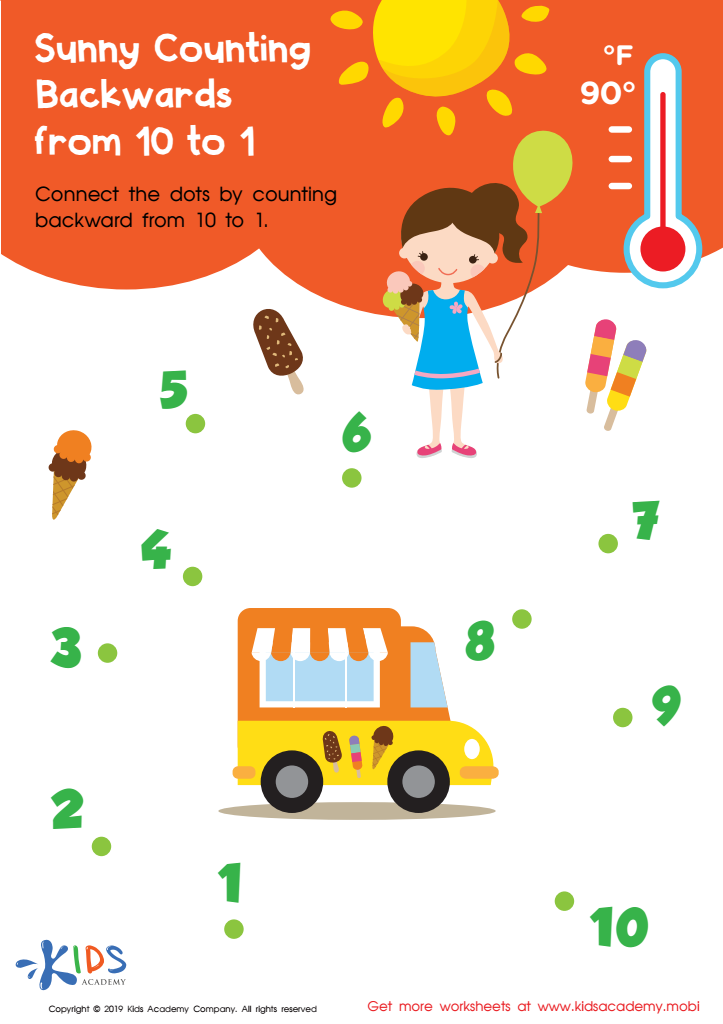
Sunny Counting Backwards from 10 to 1 Worksheet
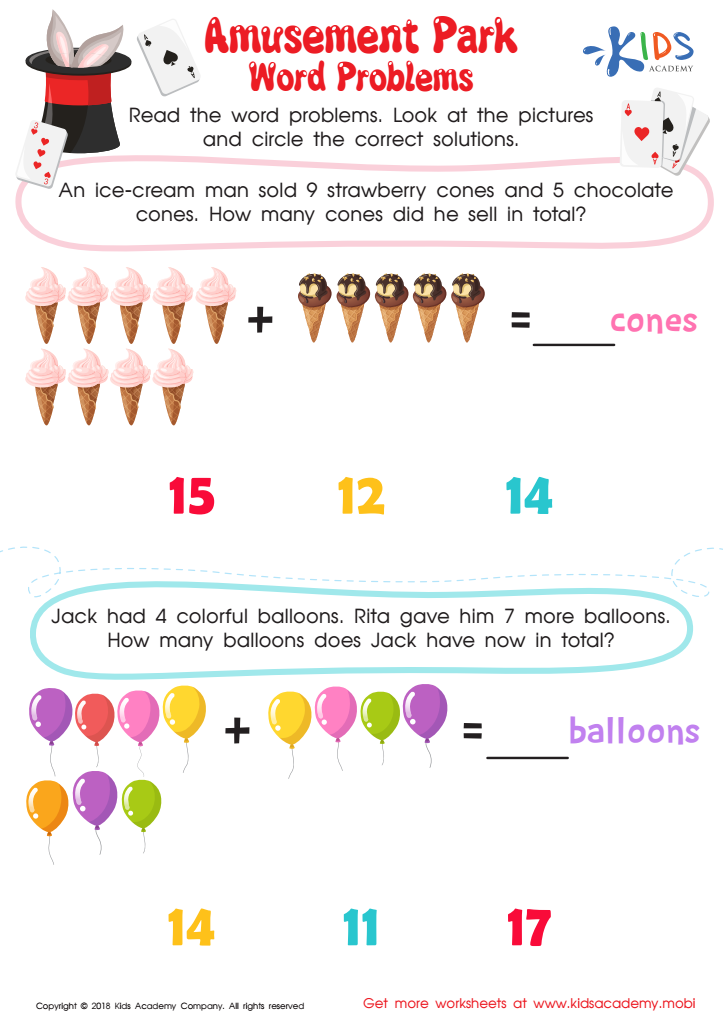
Amusement Park Word Problems Worksheet
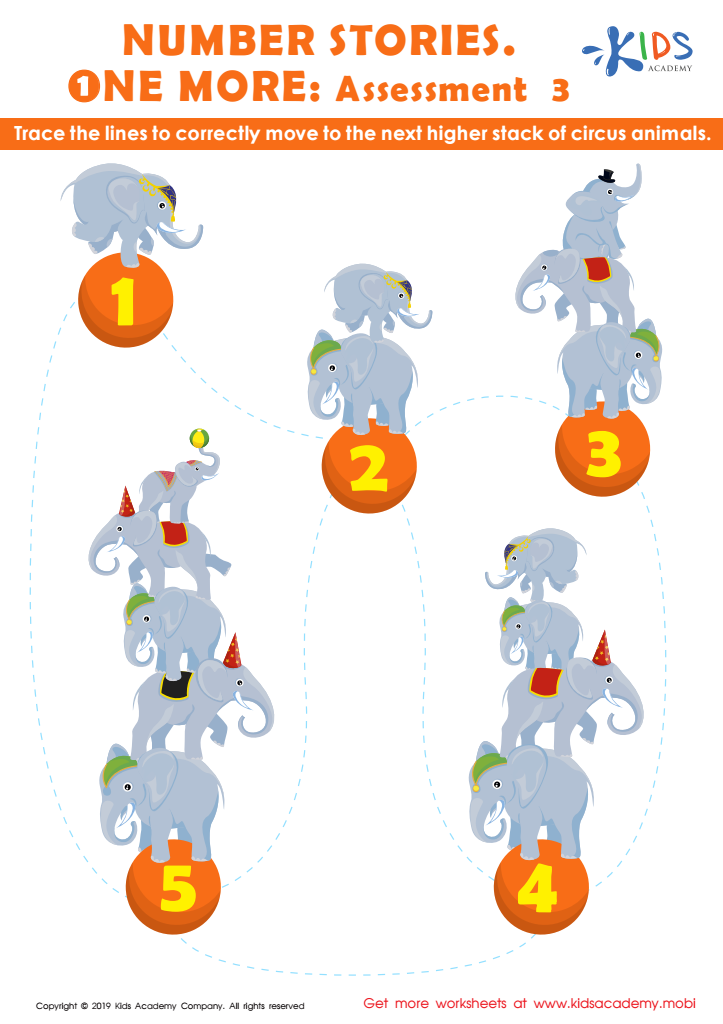
Number Stories One More: Assessment 3 Worksheet
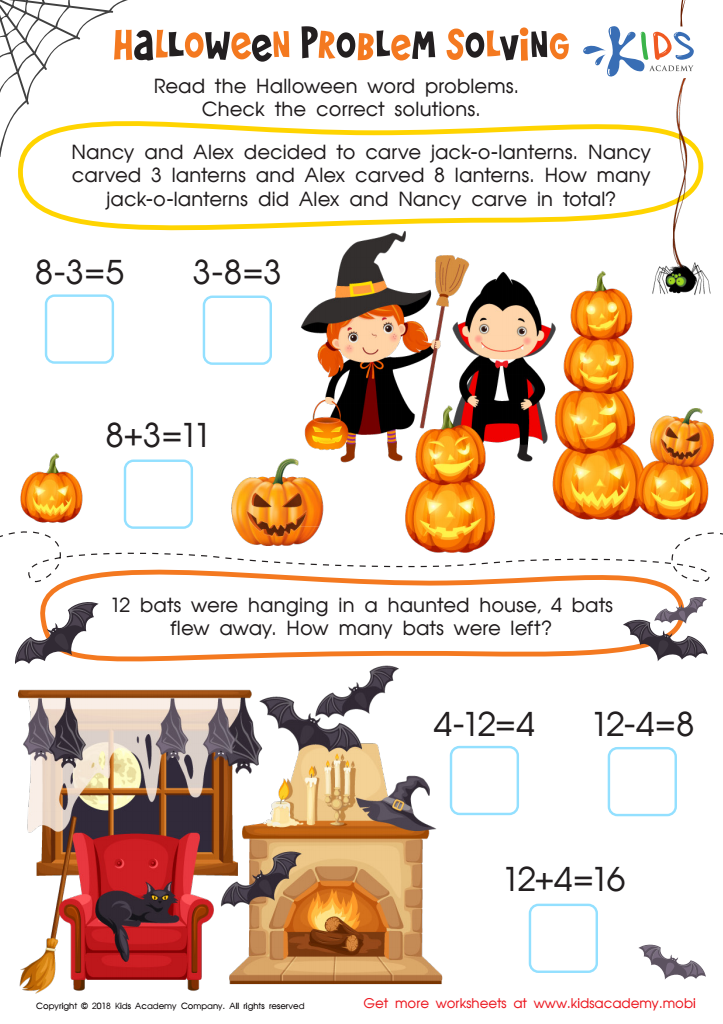
Halloween Problem Solving Worksheet
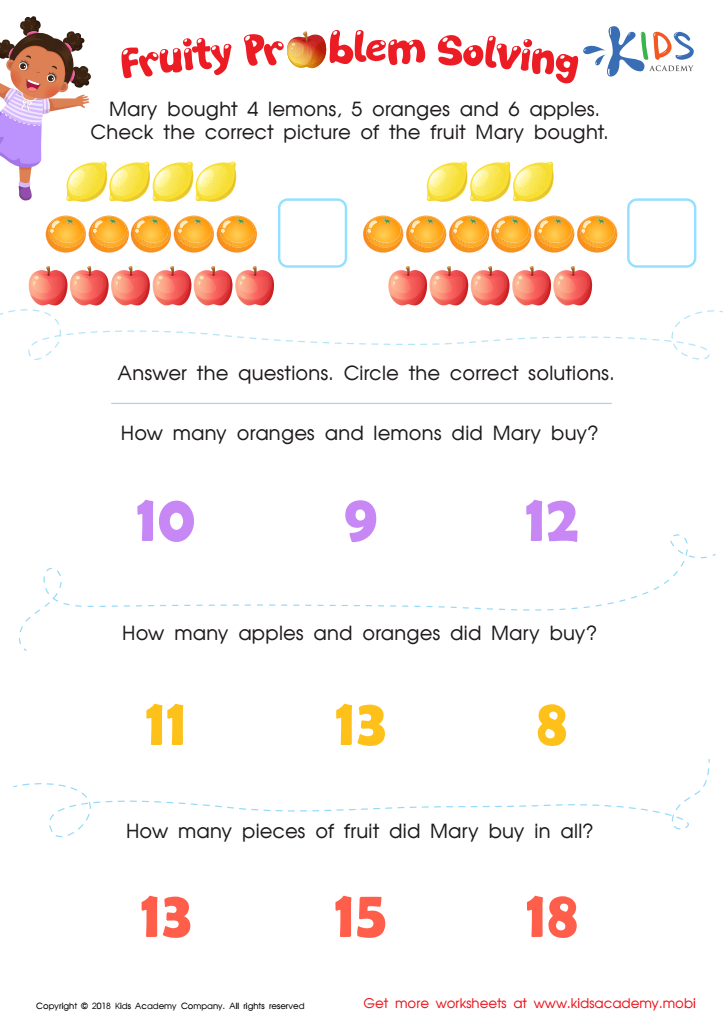
Fruity Problem Solving Worksheet
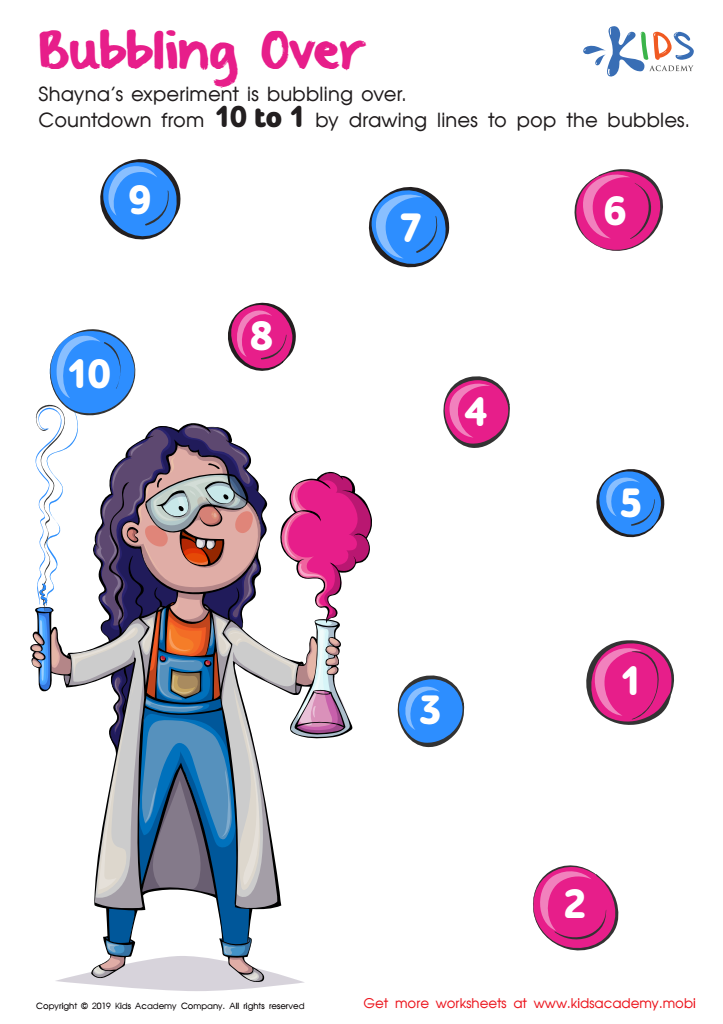
Bubbling Over Worksheet
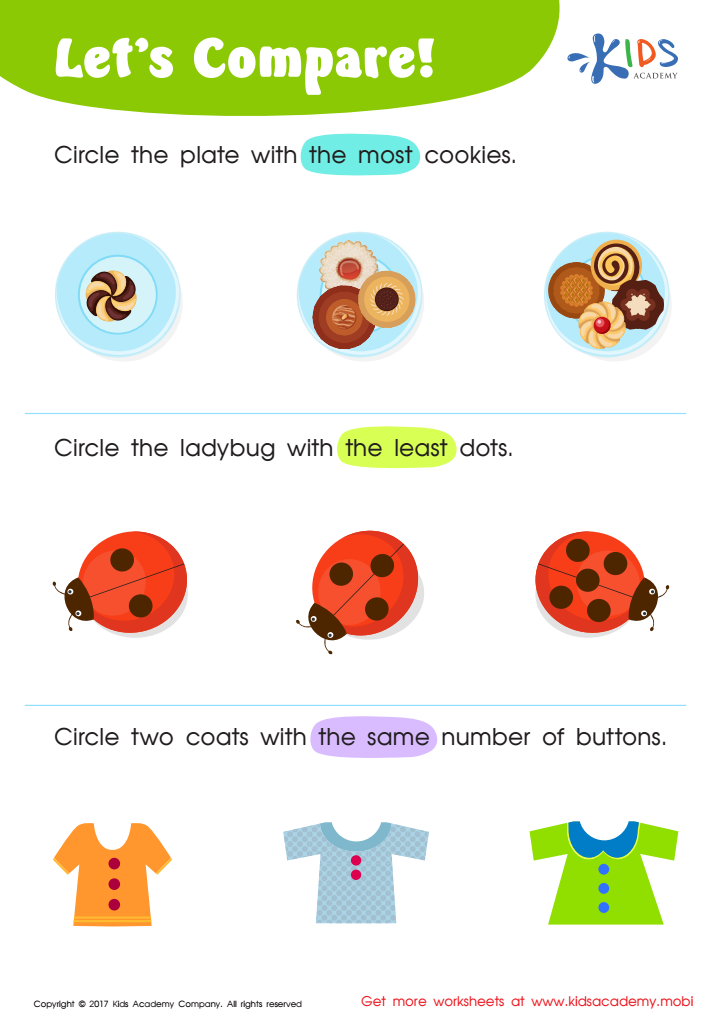
Matching: Classifying Toys by Size Worksheet
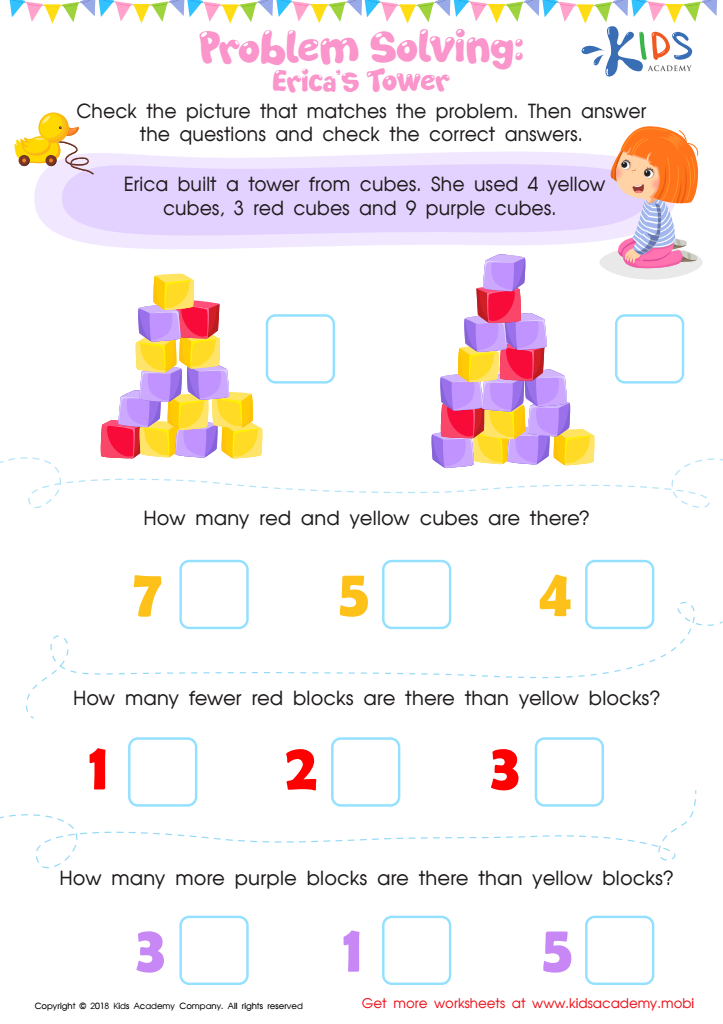
Problem Solving: Erica's Tower Worksheet
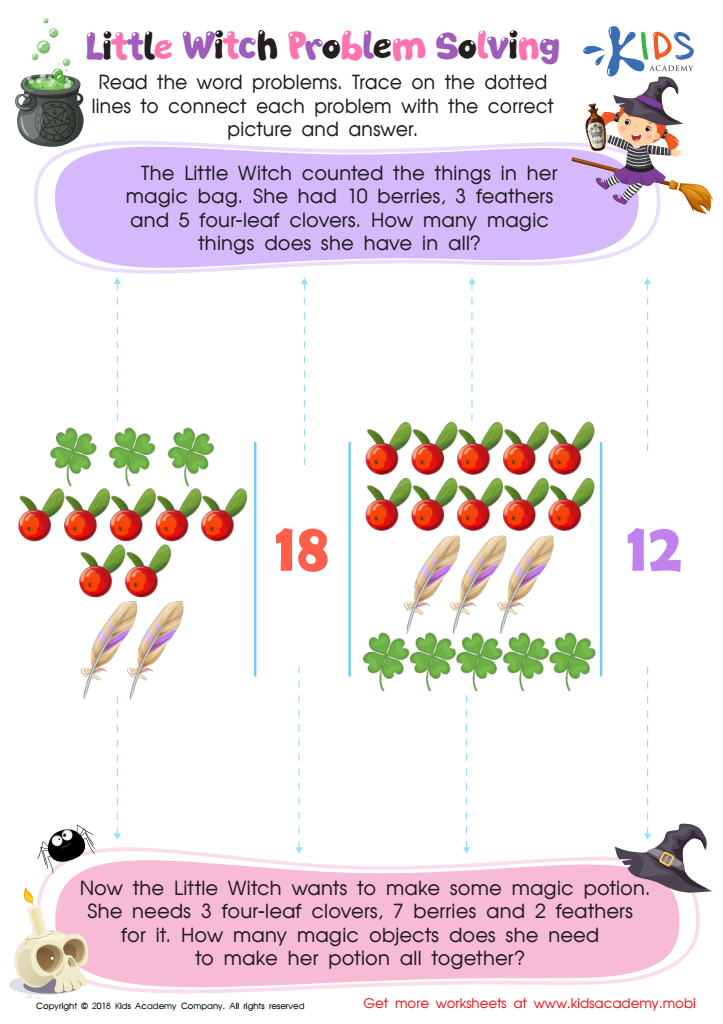
Little Witch Problem Solving Worksheet
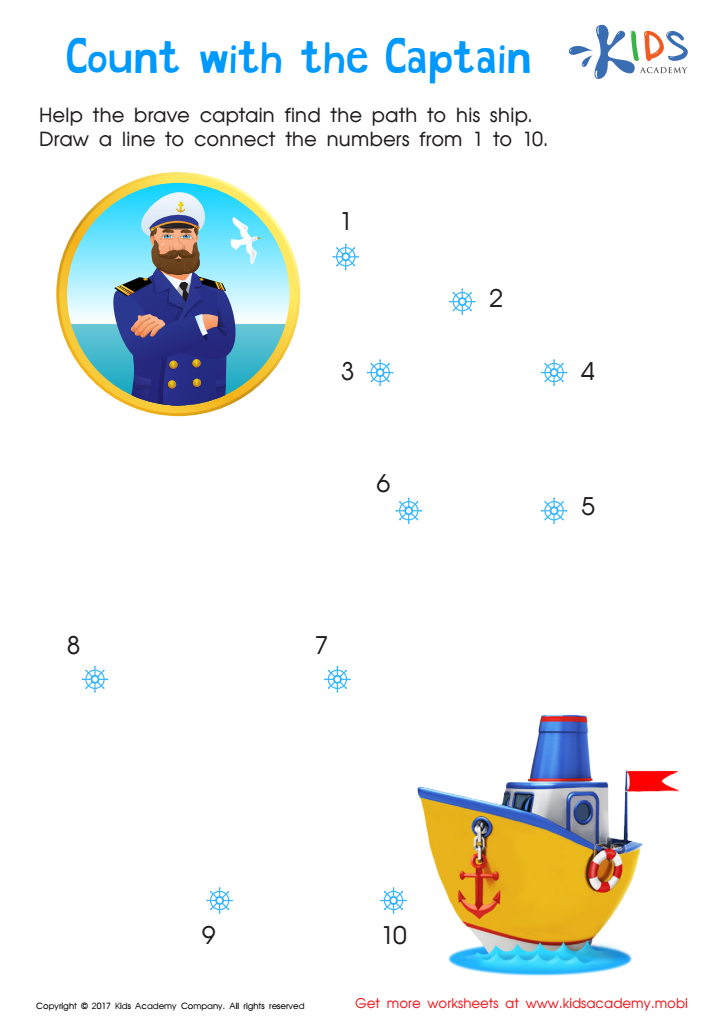
Count with the Captain Connect Dots Worksheet
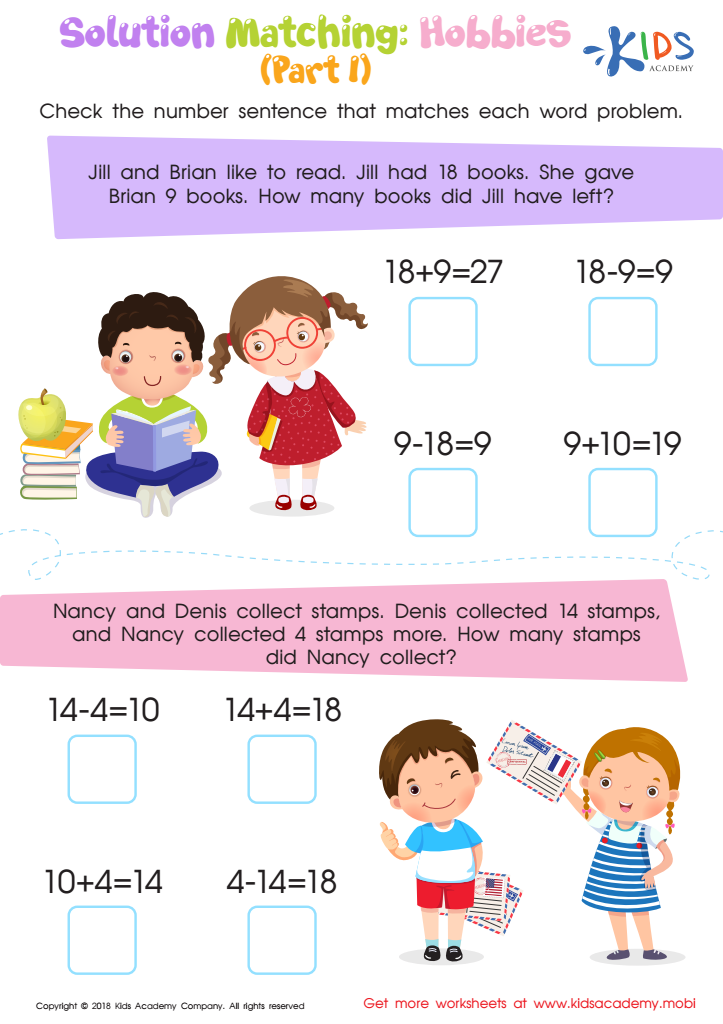
Solution Matching: Hobbies. Part 1 Worksheet
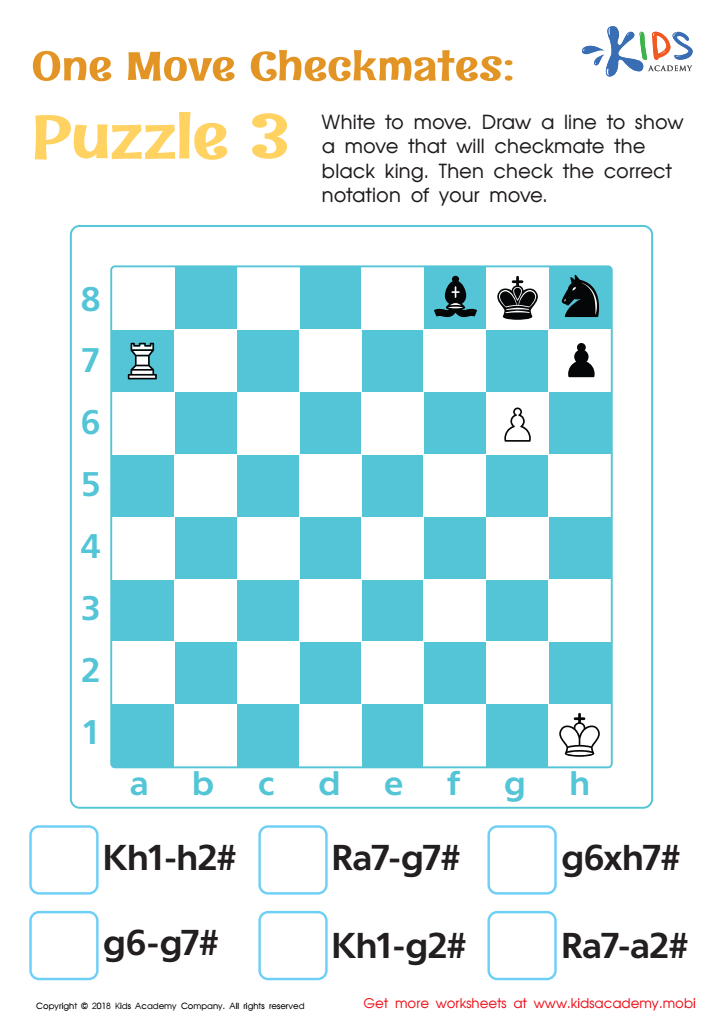
One Move Checkmates: Puzzle 3 Worksheet
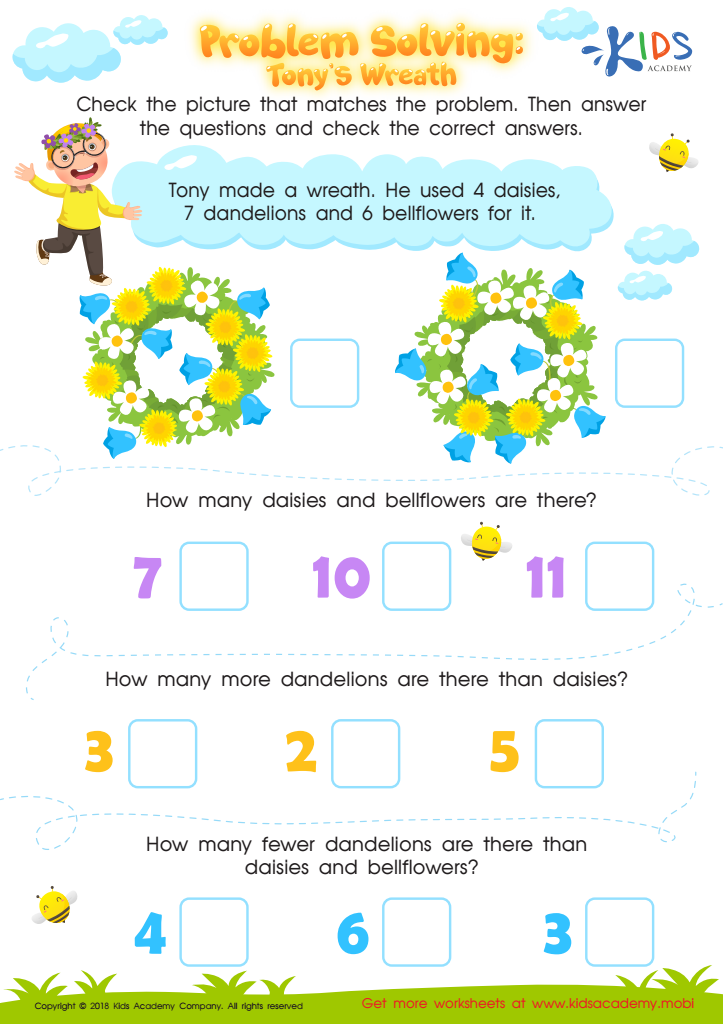
Problem Solving: Tony's Wreath Worksheet
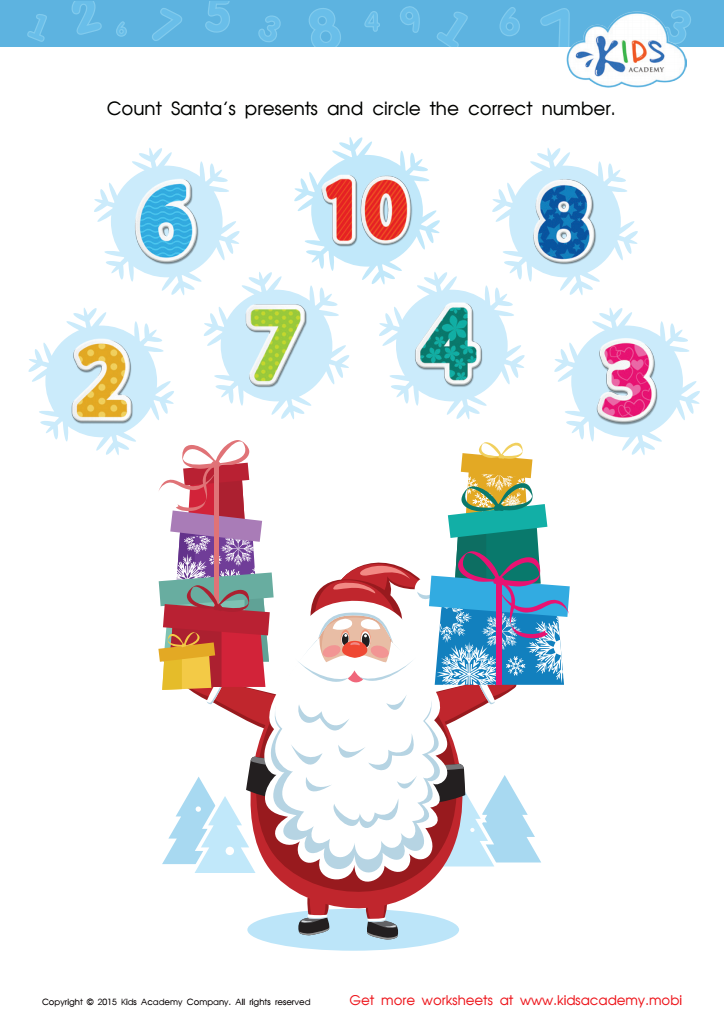
Count Santa's Presents Worksheet
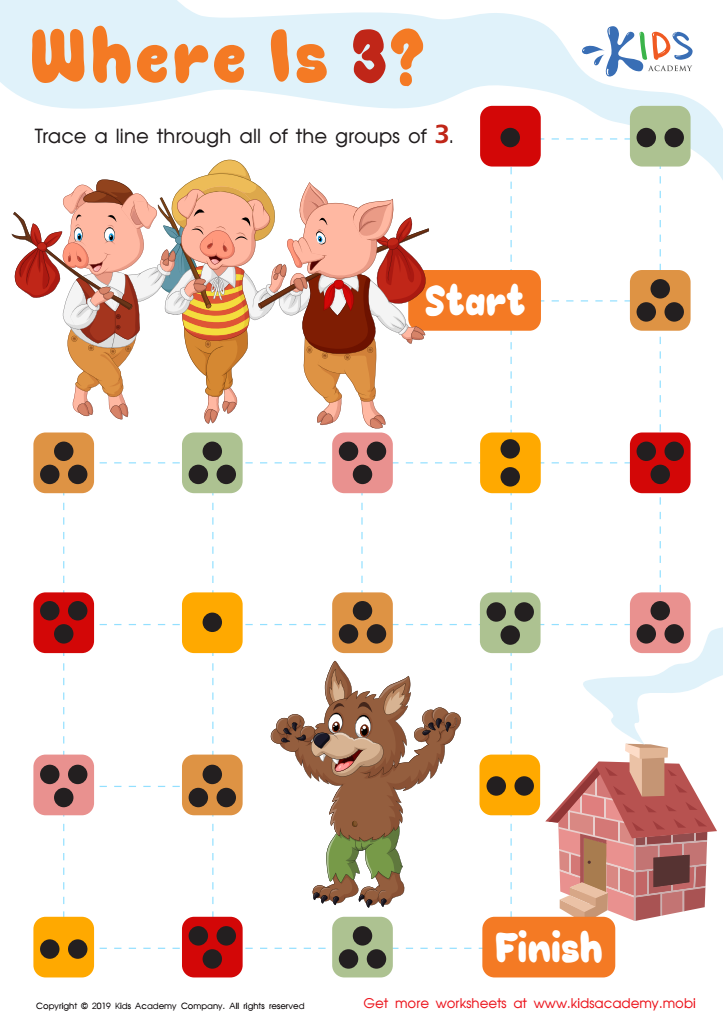
Where Is 3? Worksheet
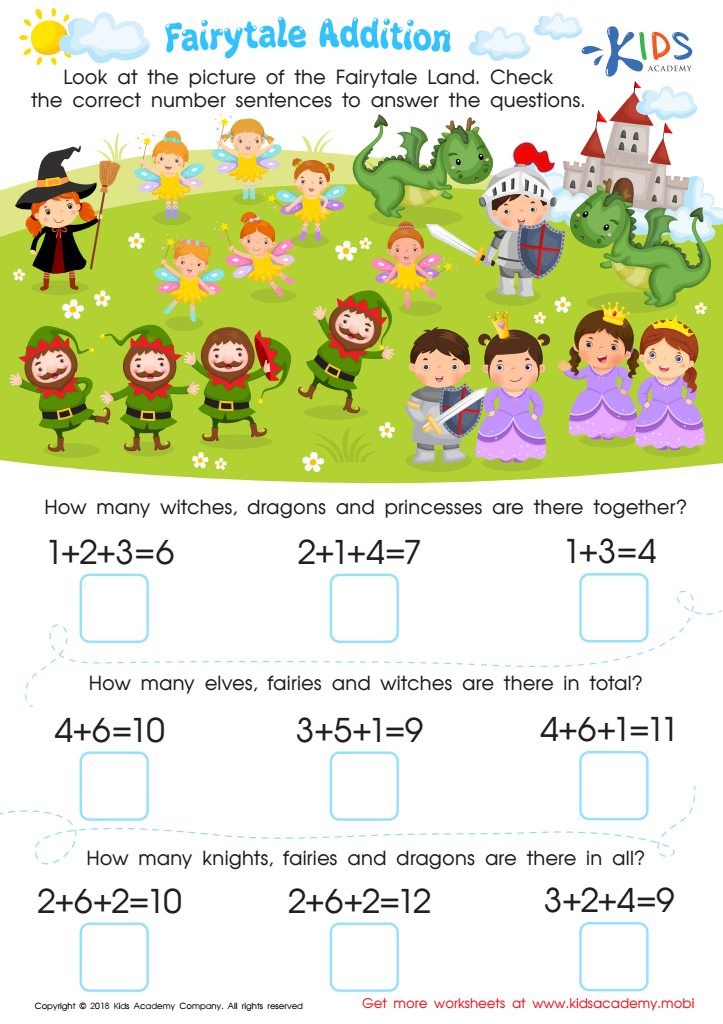
Fairytale Addition Worksheet
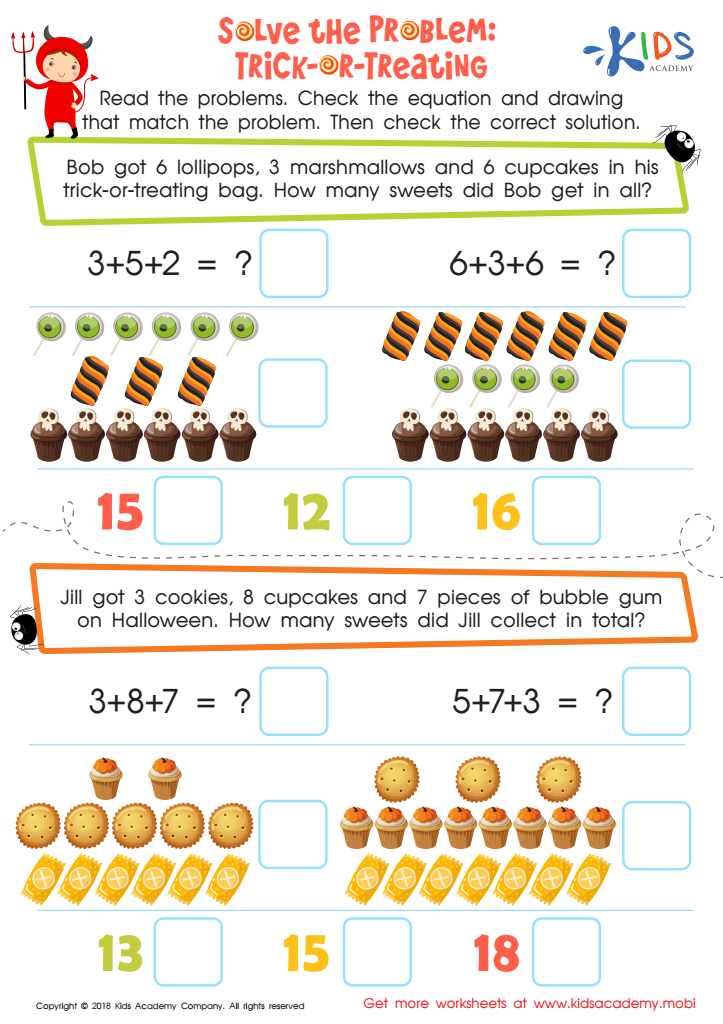
Solve the Problem: Trick–or–treating Worksheet
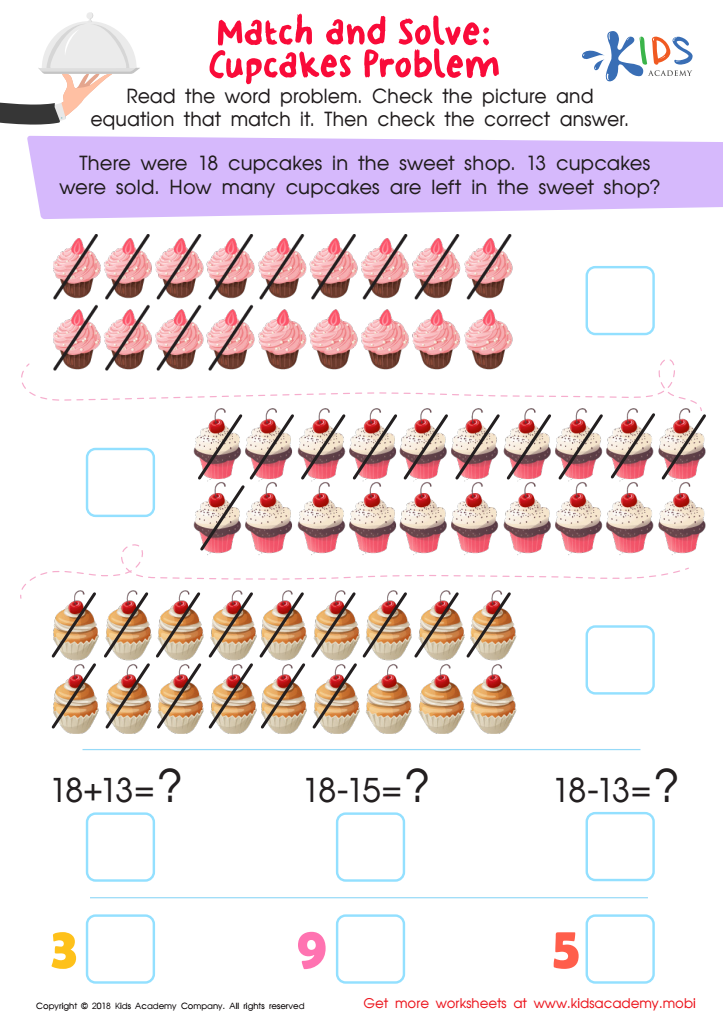
Match and Solve: Cupcakes Problem Worksheet
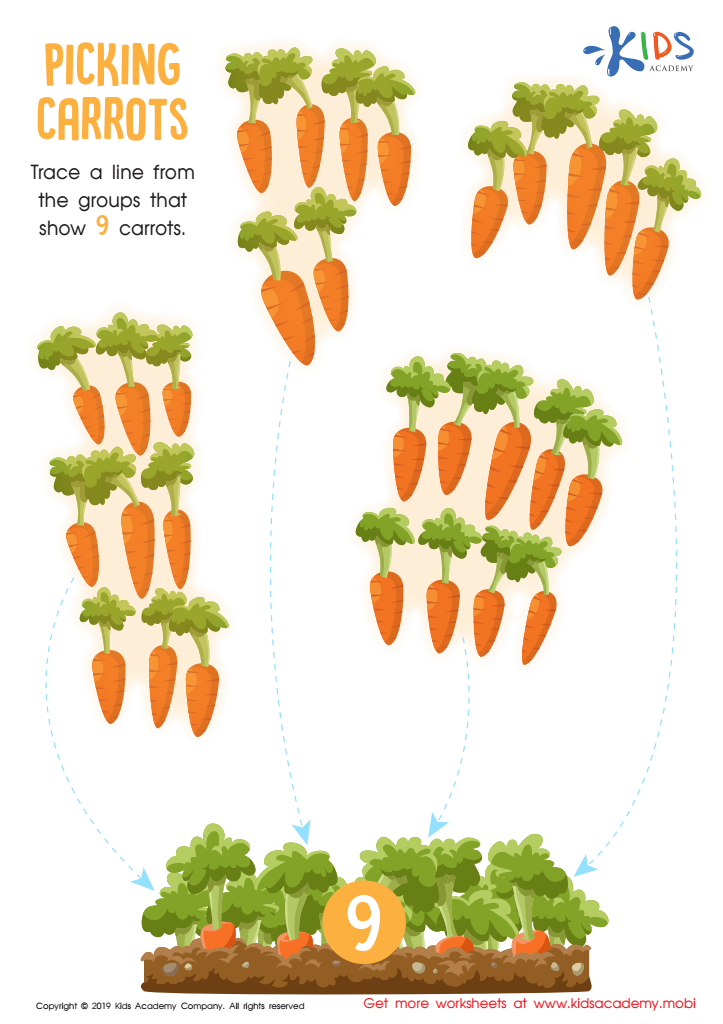
Picking Carrots Worksheet
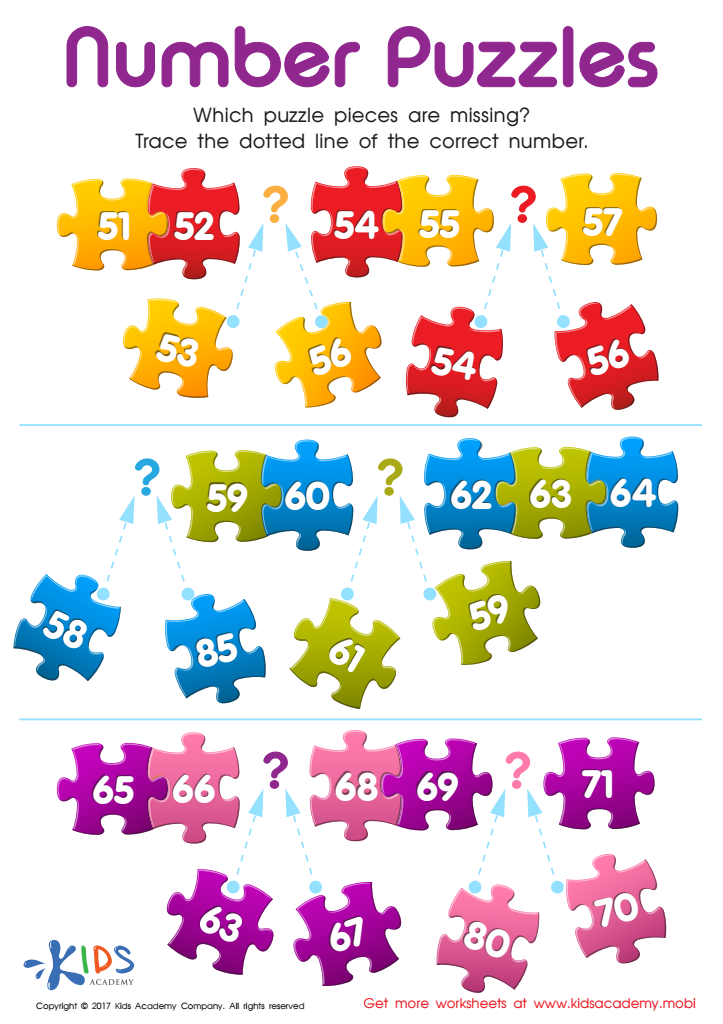
Number Puzzles Worksheet

Haystack Steps Worksheet
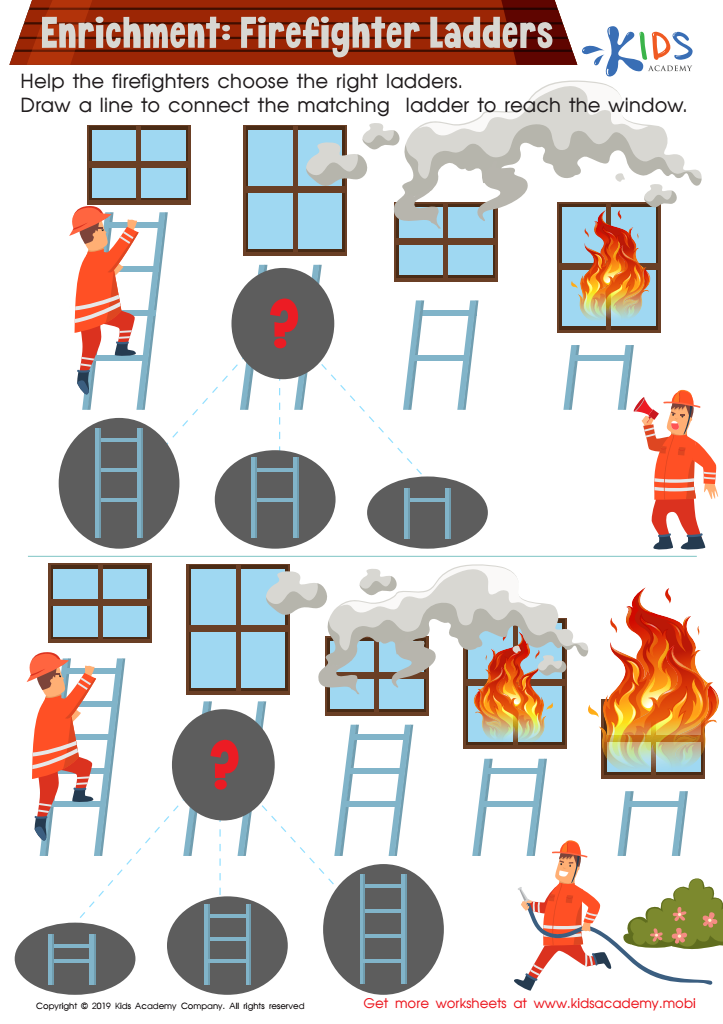
Enrichment: Firefighter Ladders Worksheet






%20(1).jpg)

Problem-solving skills are crucial for the development of 4-year-olds, and both parents and teachers should prioritize cultivating these abilities. At this age, children begin to engage with the world in more complex ways, exploring their environments, and making decisions. By focusing on problem-solving skills, adults can foster critical thinking, creativity, and resilience in young learners.
When children learn to tackle problems, they develop the confidence to approach challenges, whether academic or social. Encouraging young children to engage in activities like puzzles, simple math games, or everyday decision-making situations helps them understand cause and effect, patterns, and logic. This not only enhances their cognitive abilities but also improves their ability to communicate needs, understand others' perspectives, and work collaboratively.
Additionally, children who master early problem-solving skills often carry these abilities into later academic settings, leading to improved performance and a greater love for learning. By nurturing these skills at a young age, parents and teachers can set the foundation for lifelong learners who can approach challenges with a positive mindset and adaptable strategies. This investment in problem-solving not only benefits individual children but also contributes to building a more critical and innovative society in the future.








