Shape Recognition Math Worksheets for 4-Year-Olds - Page 2
45 filtered results
-
From - To
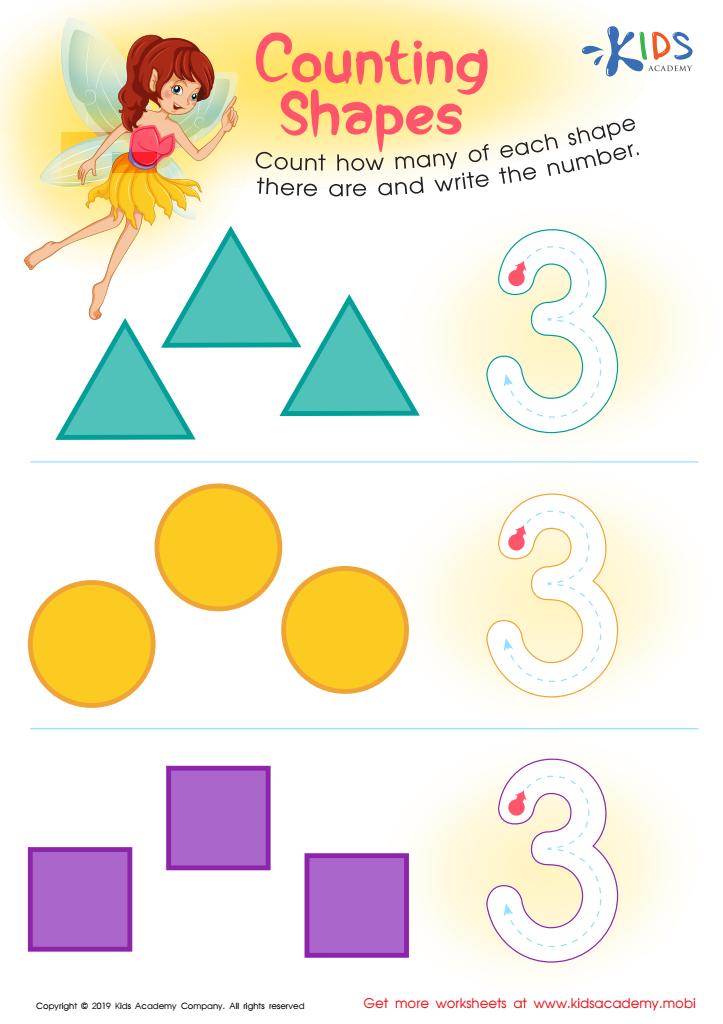
Counting Shapes Worksheet
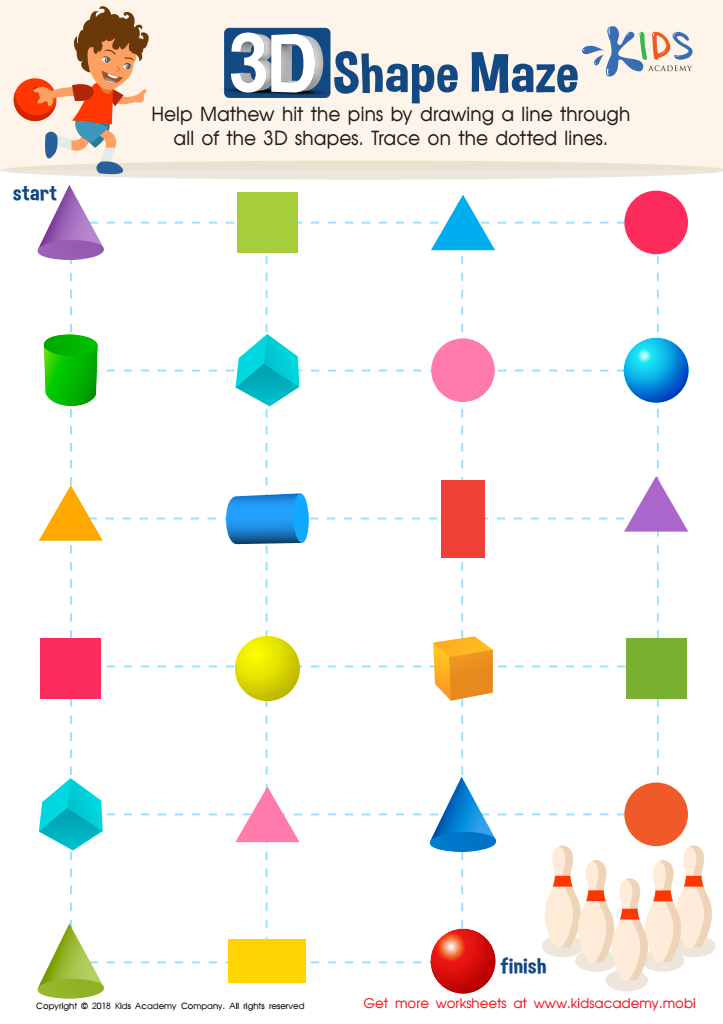
Shapes Maze Geometry Worksheet
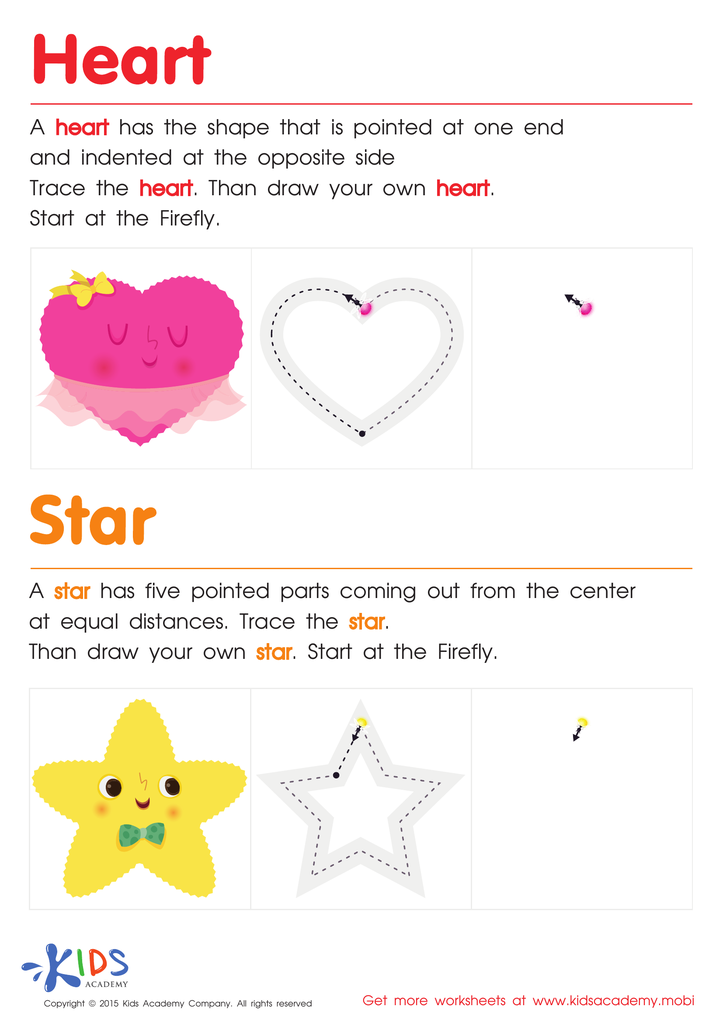
Let's Learn to Draw Hearts And Stars Printable
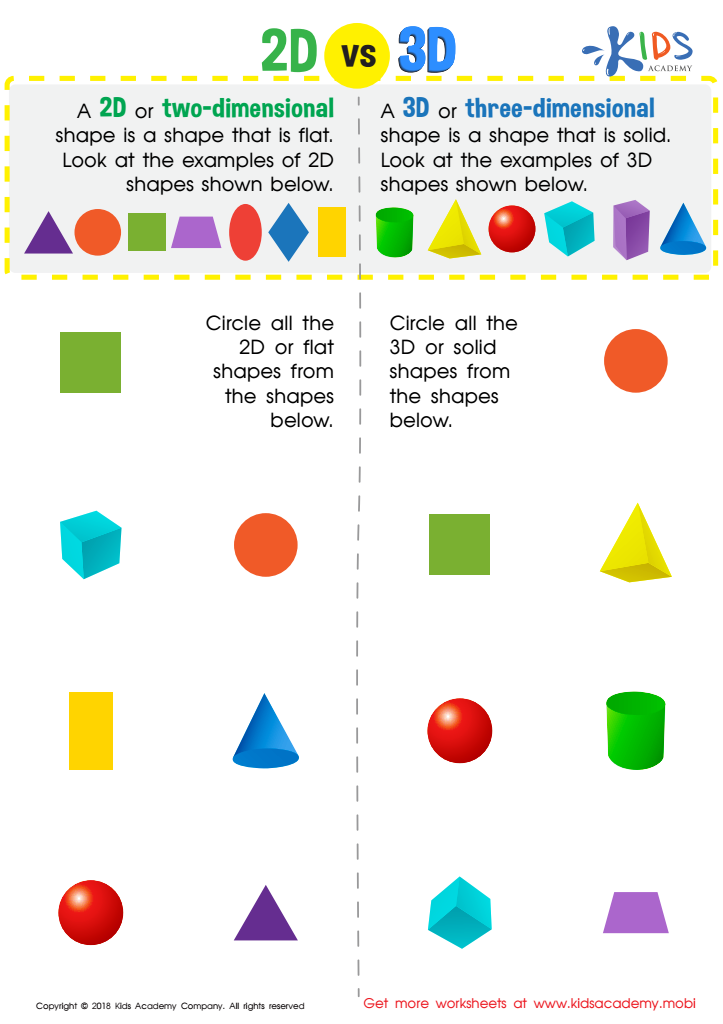
2D vs 3D Shapes Worksheet
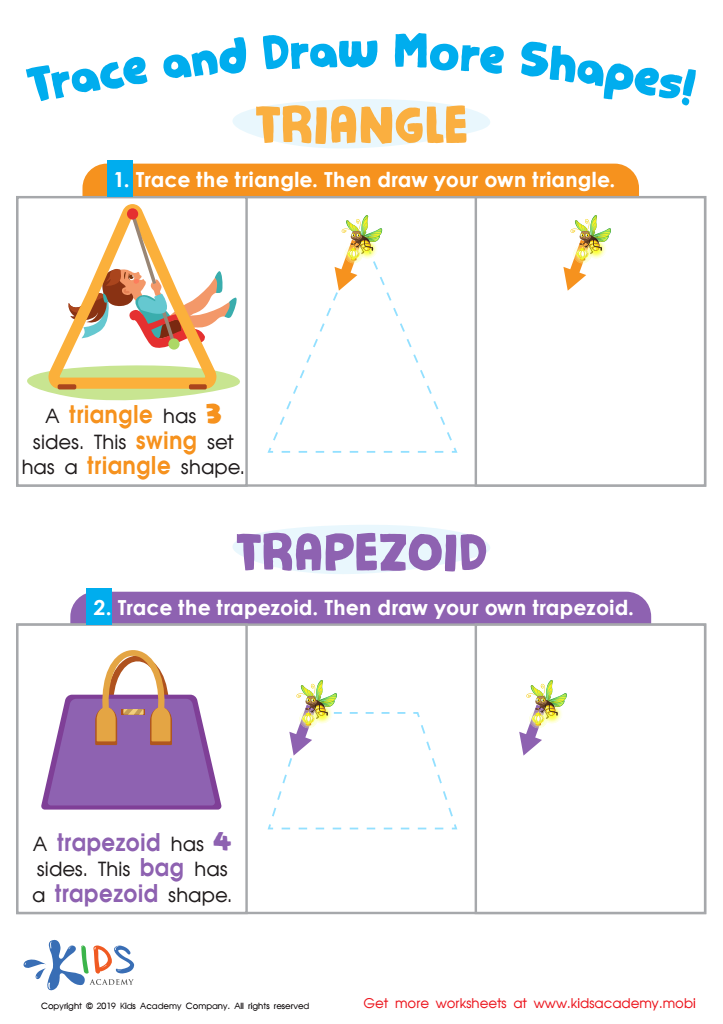
Trace and Draw More Shapes Worksheet
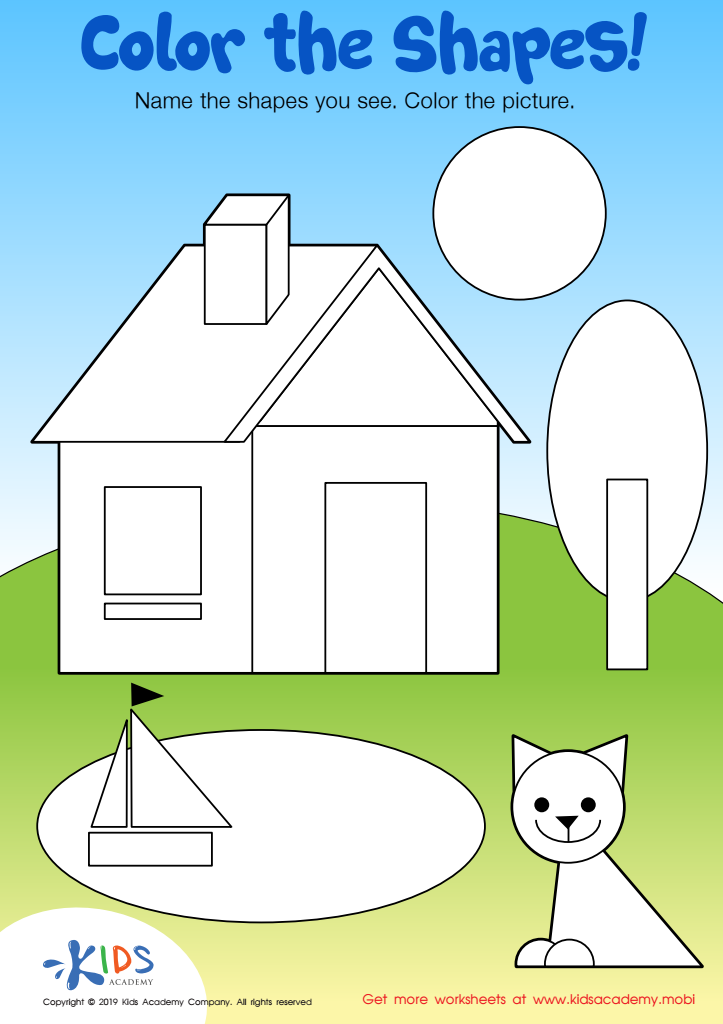
Color the Shapes Worksheet
 Assign to My Students
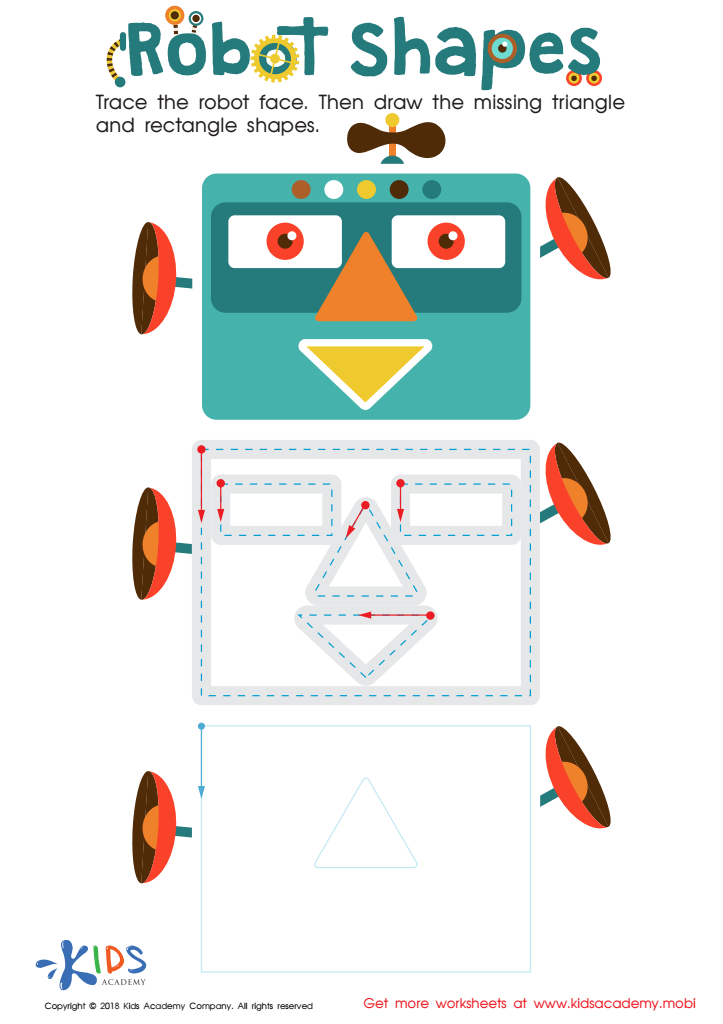
Robot Shapes Worksheet
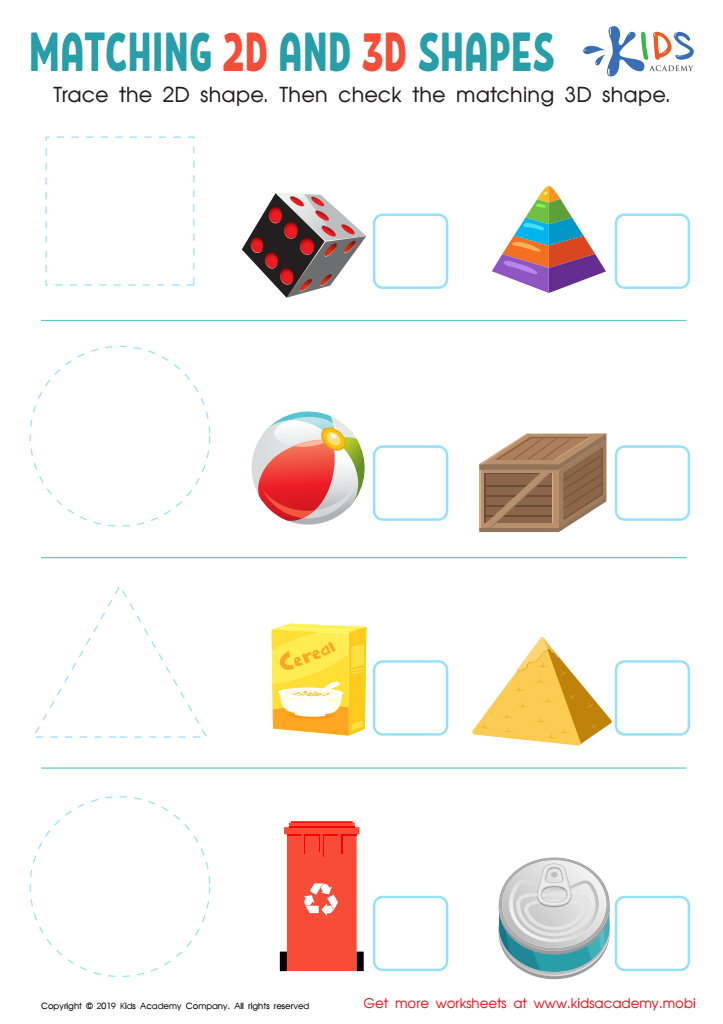
Matching 2D and 3D Shapes Worksheet
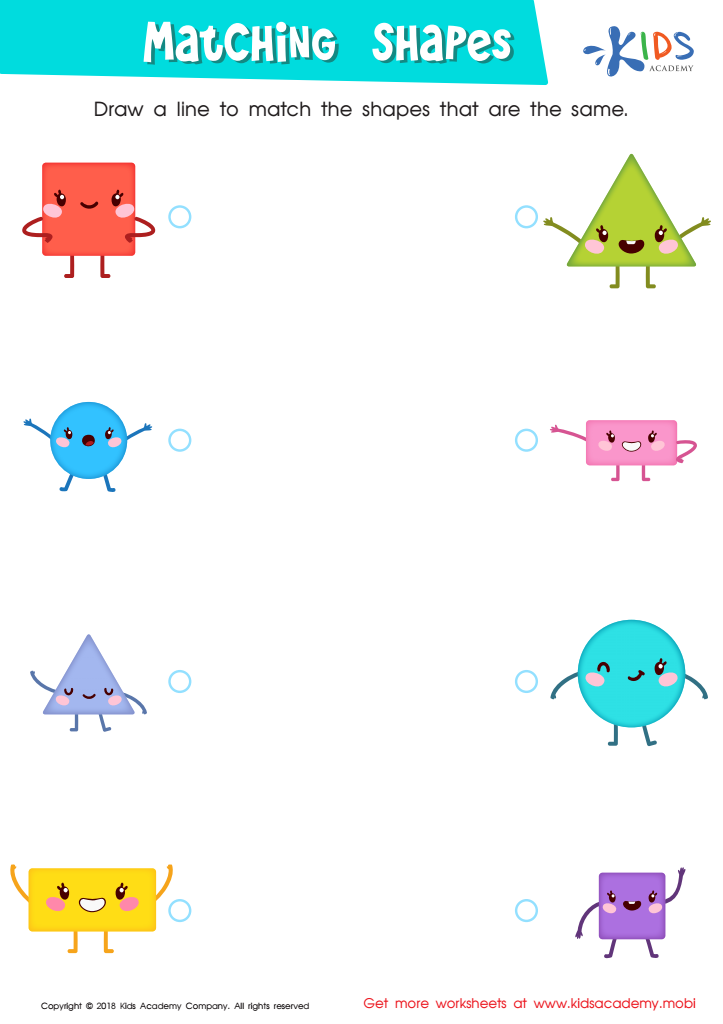
Matching Shapes Worksheet
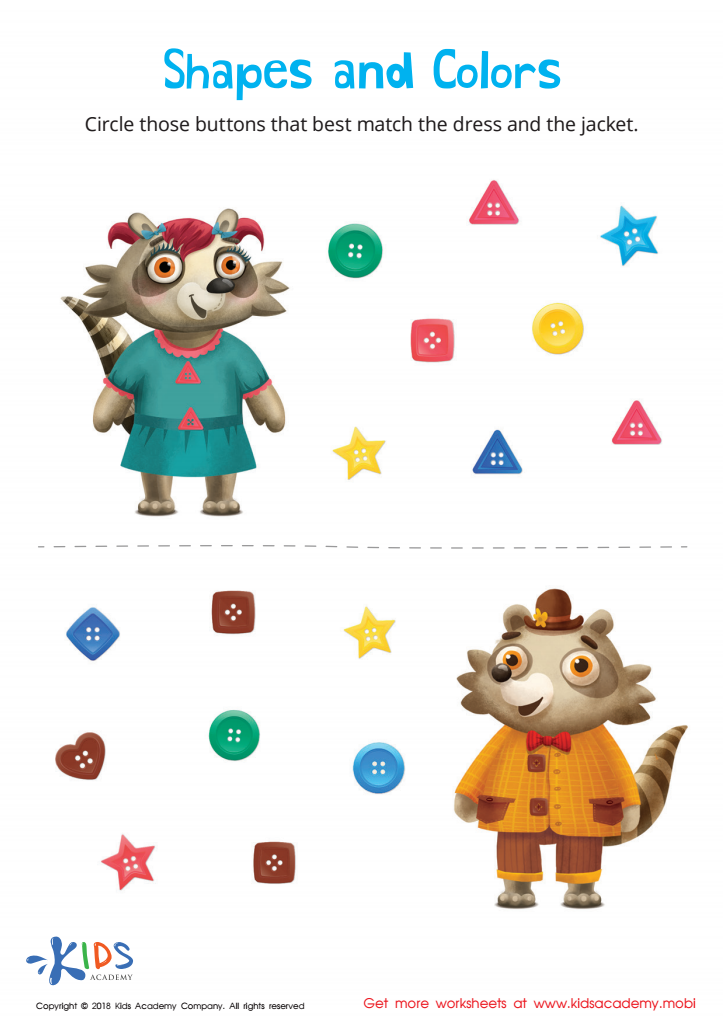
Shapes and Colors Worksheet
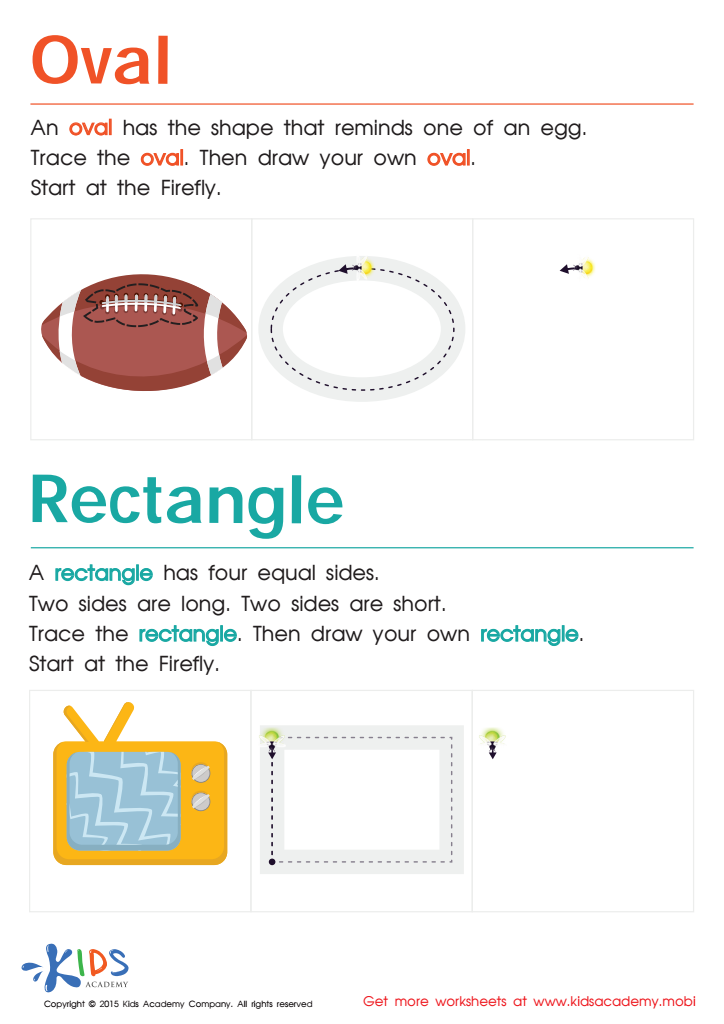
Easy Drawing of Ovals And Rectangles Worksheet
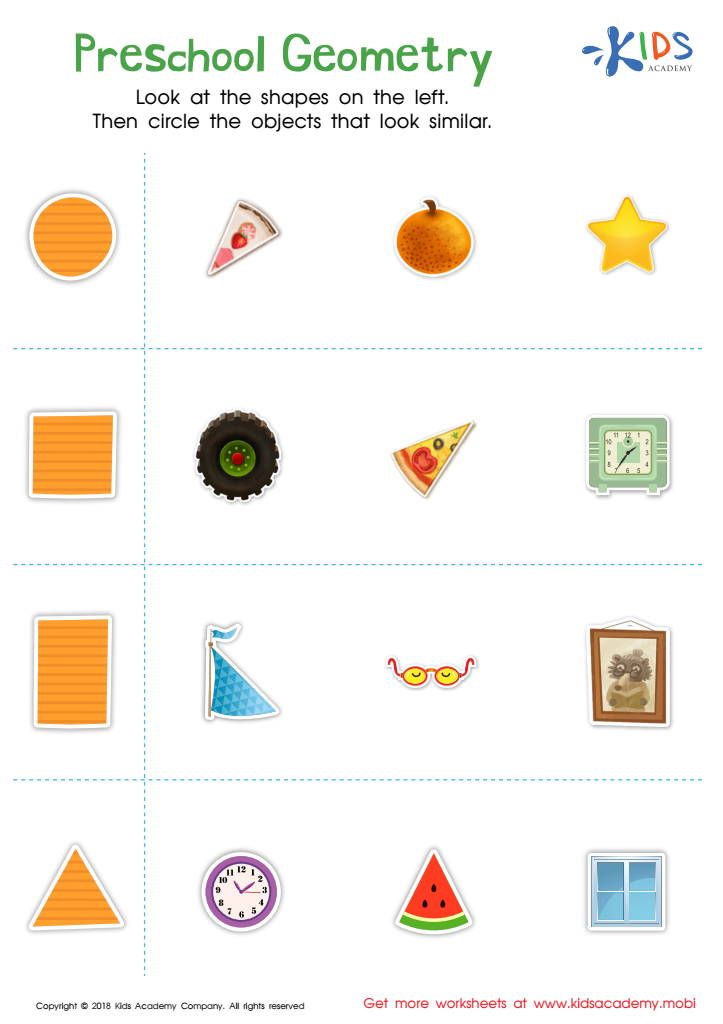
Preschool Geometry Worksheet
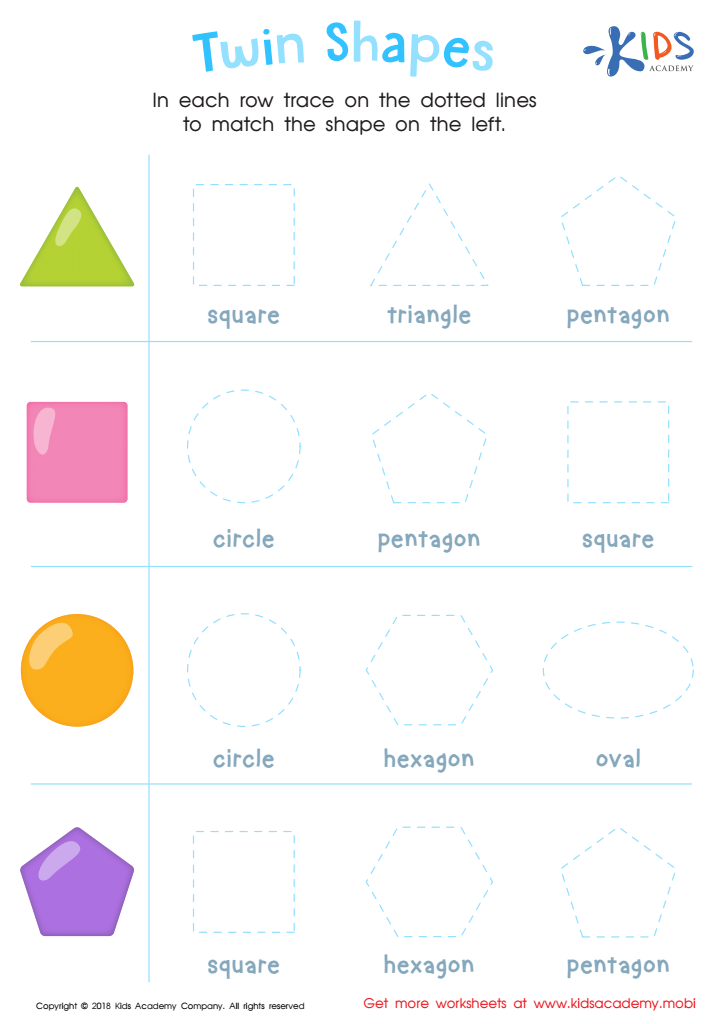
Twin Shapes Dot-to-Dot Worksheet
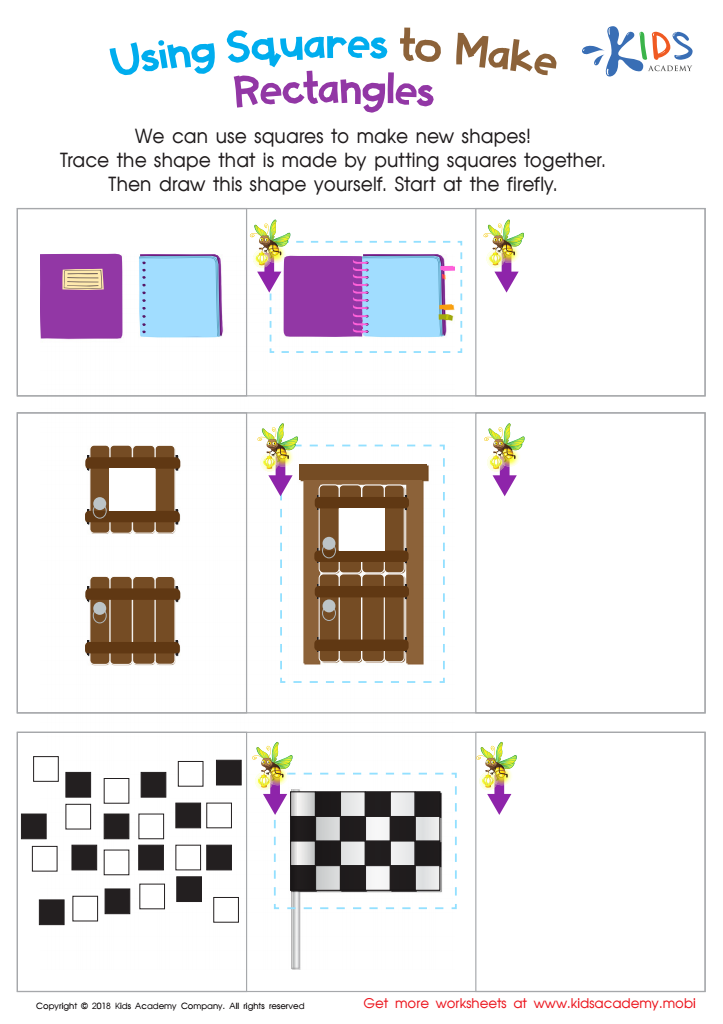
Using Squares to Make Rectangles Worksheet
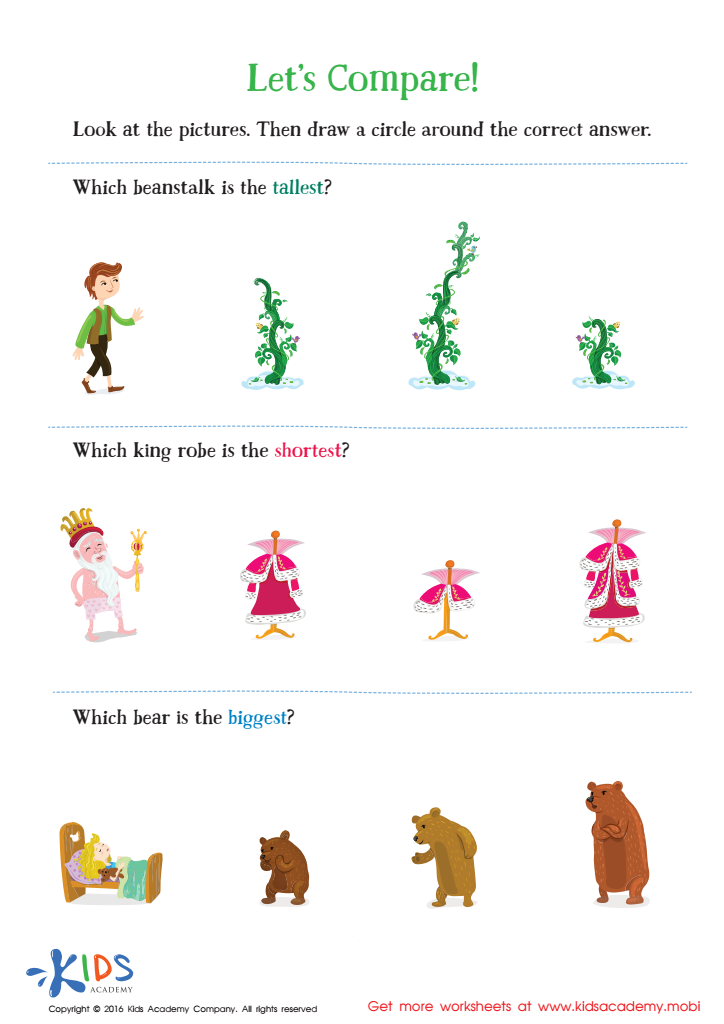
Fairy Tale Worksheet: Let's Compare
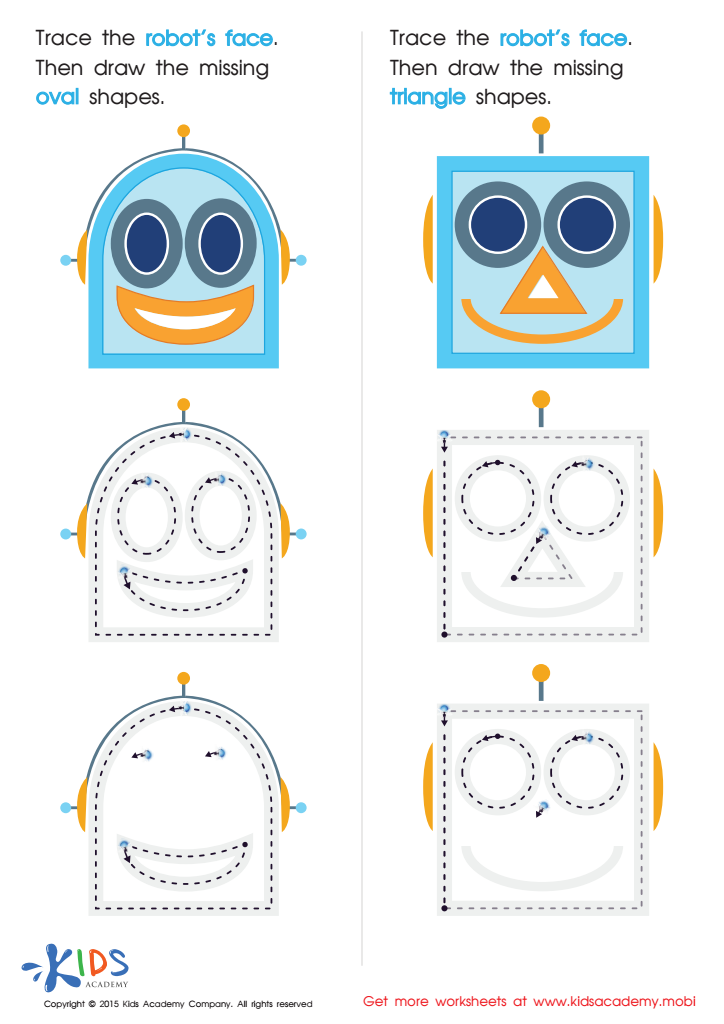
Drawing Ovals And Triangles with Fun Printable
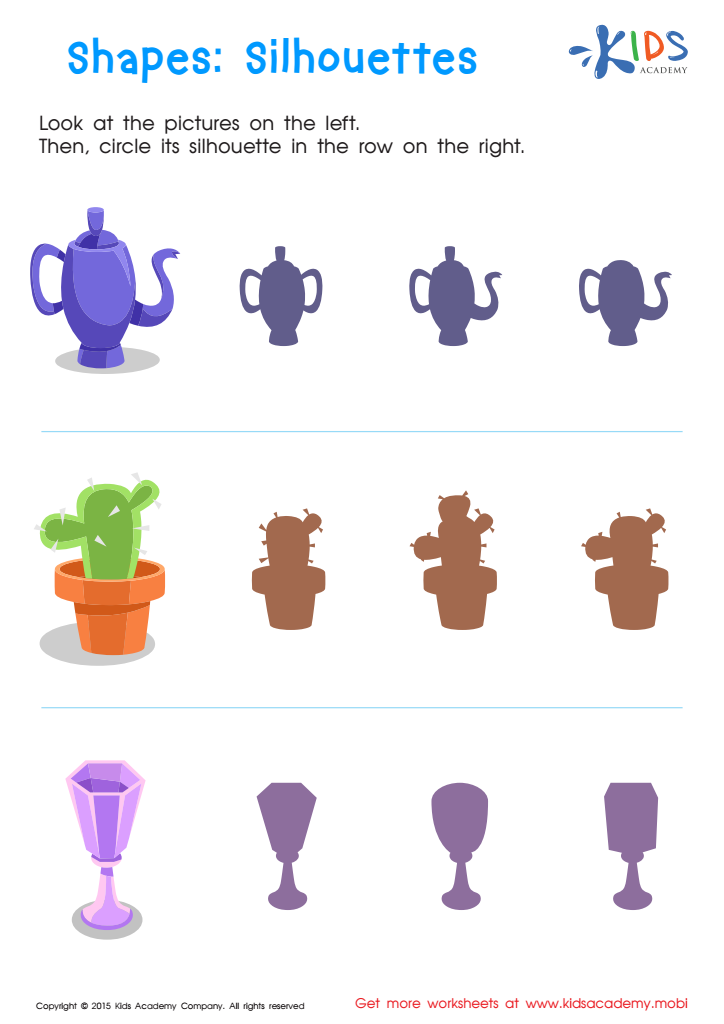
Silhouettes – Shapes Worksheet
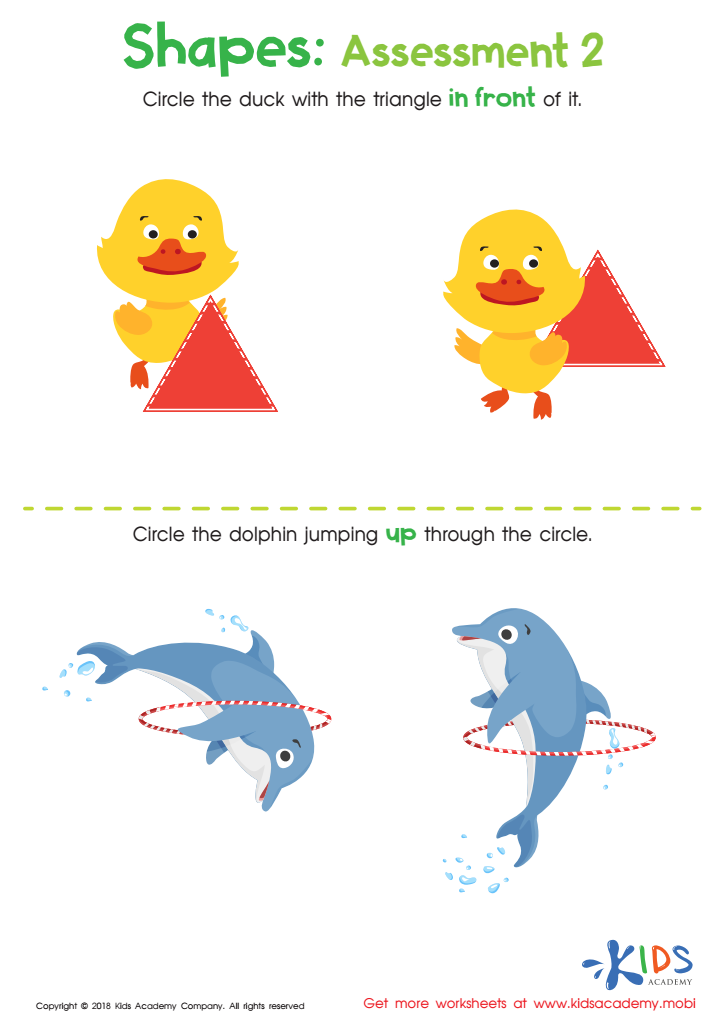
Geometry – Assessment 2 Worksheet
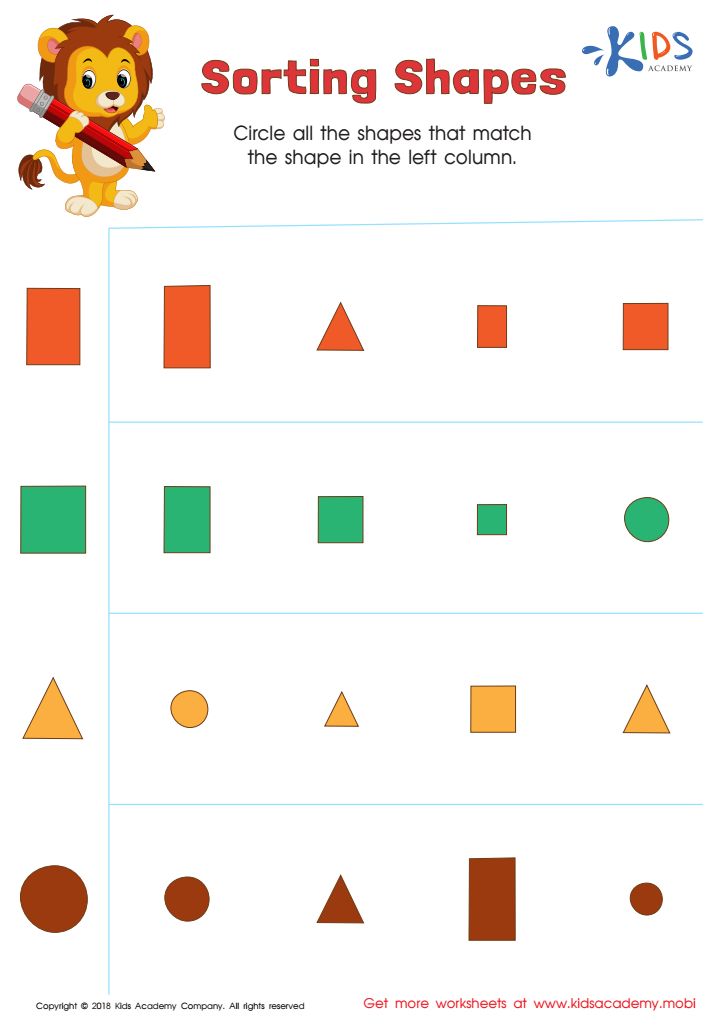
Sorting Shapes - Part 2 Worksheet
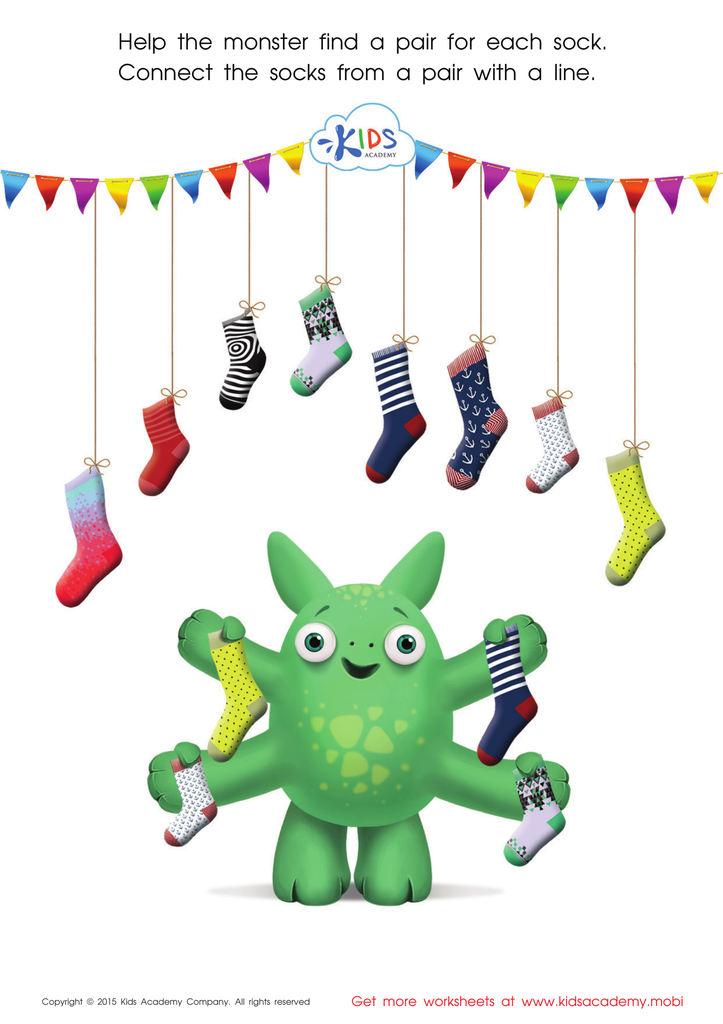
Math Matching Pairs Game: Monsterв's Socks Worksheet
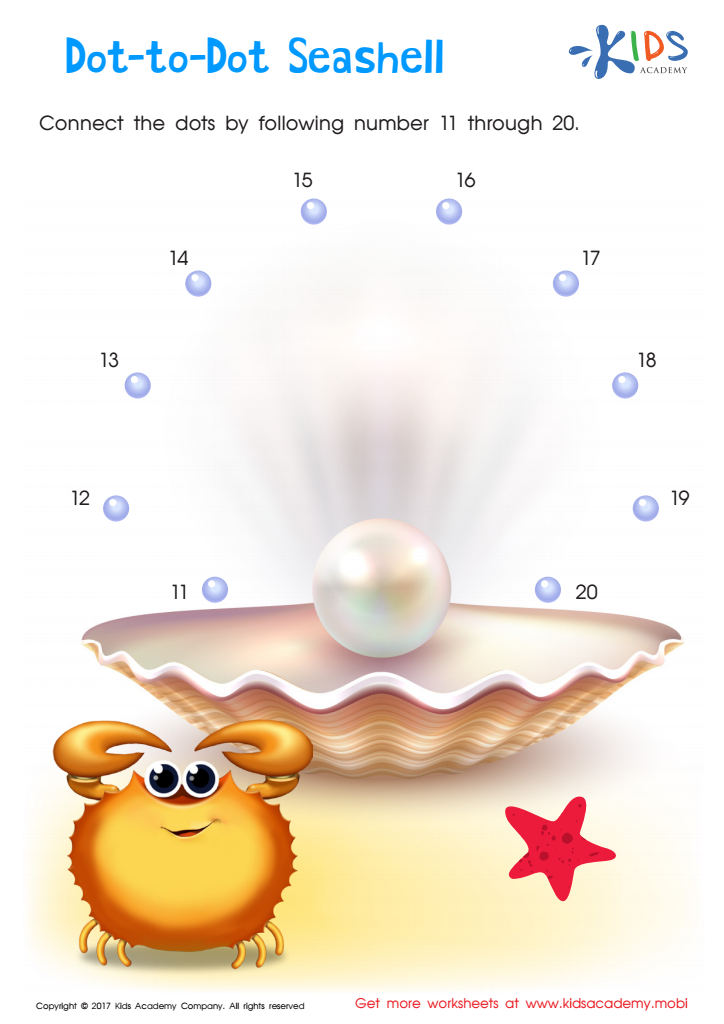
Ordering 11–20: Dot–to–dot Seashell Printable








Shape recognition is a fundamental aspect of early childhood education, particularly in math, and holds significant value for 4-year-olds. This developmental stage is crucial as children begin to explore their surroundings and make sense of the world, and shape recognition lays the groundwork for more advanced mathematical concepts. Recognizing and naming shapes helps children develop spatial awareness, an essential skill for future problem-solving and logical reasoning.
Moreover, shape recognition enhances cognitive development. It encourages critical thinking as children categorize, compare, and differentiate shapes. This skill promotes not only math readiness but also supports language development as children learn to articulate their observations.
Additionally, engaging children in shape recognition activities fosters creativity and imagination. Simple games, puzzles, and crafts can integrate learning with fun, making education enjoyable. Parents and teachers play an essential role in this learning process, providing guidance and encouragement while creating a rich and stimulating environment.
Finally, understanding shapes serves as a foundation for more complex mathematical topics, such as geometry, measurement, and patterning, ensuring children are prepared for success in future academic pursuits. By prioritizing shape recognition, parents and teachers contribute to a well-rounded learning experience that nurtures essential skills in young children.








