Counting practice Numbers up to 100 Worksheets for 4-Year-Olds
7 filtered results
-
From - To
Discover our "Counting Practice Numbers up to 100 Worksheets for 4-Year-Olds"! These engaging and fun worksheets are designed to help young learners build a strong numerical foundation. Through vibrant illustrations and interactive activities, children reinforce their counting skills, enhance number recognition, and develop confidence in handling numbers up to 100. Perfectly tailored for preschoolers, these resources make learning enjoyable and effective. Ideal for parents and teachers alike, our worksheets provide the essential practice needed to support early math development. Join us in making math fun and accessible for your little ones!
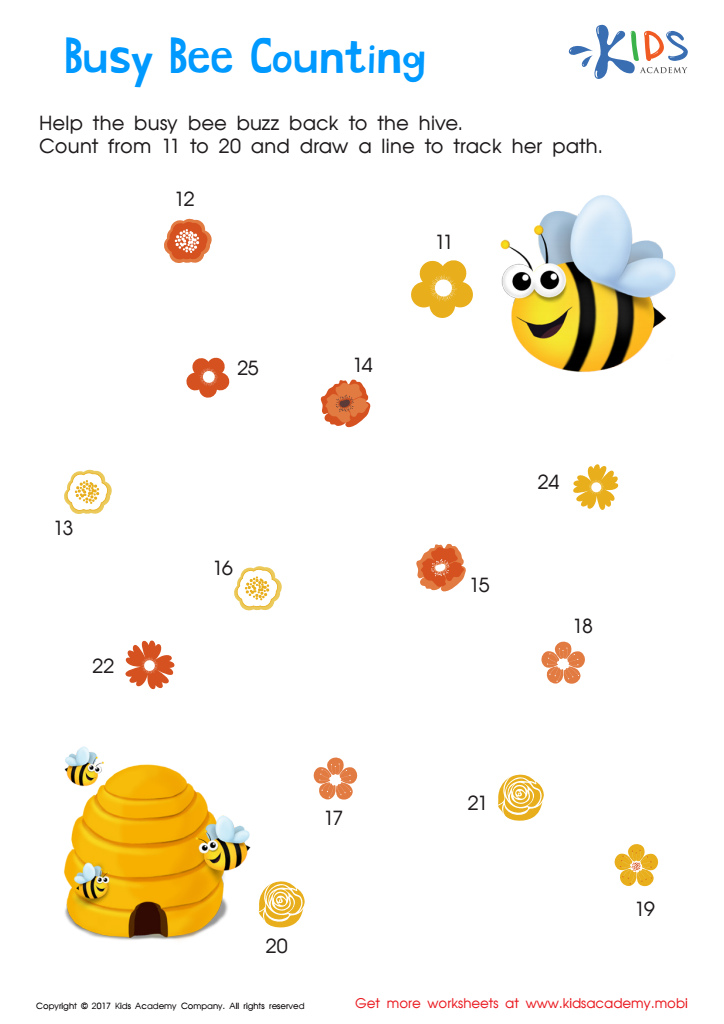
Ordering 11–20: Busy Bee Counting Worksheet
 Assign to My Students
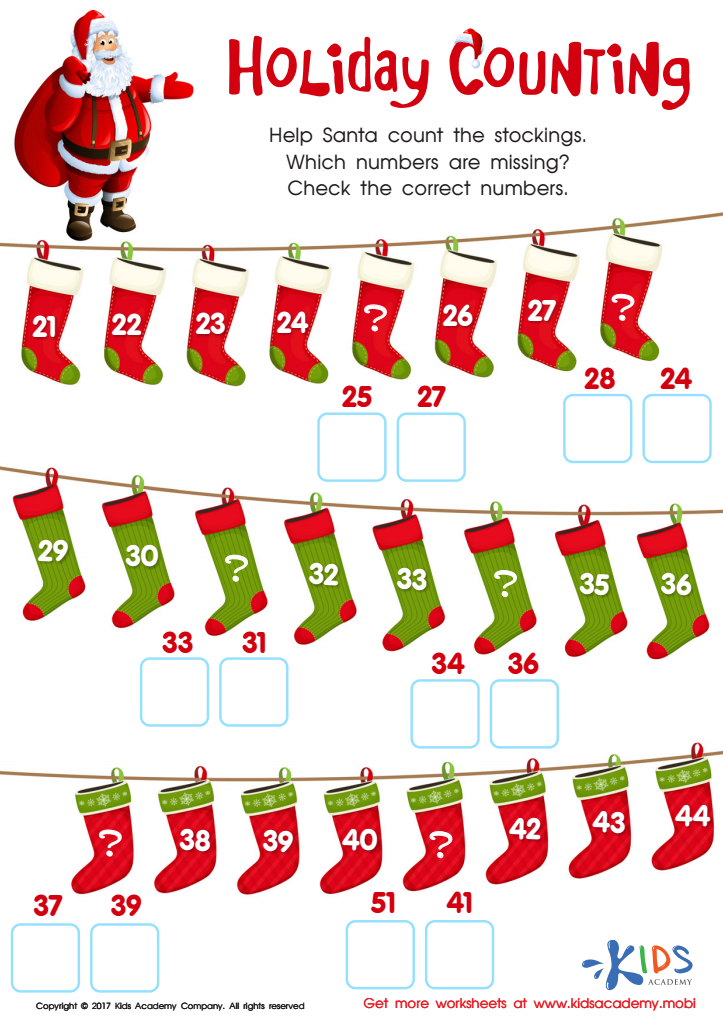
Holiday Counting Worksheet
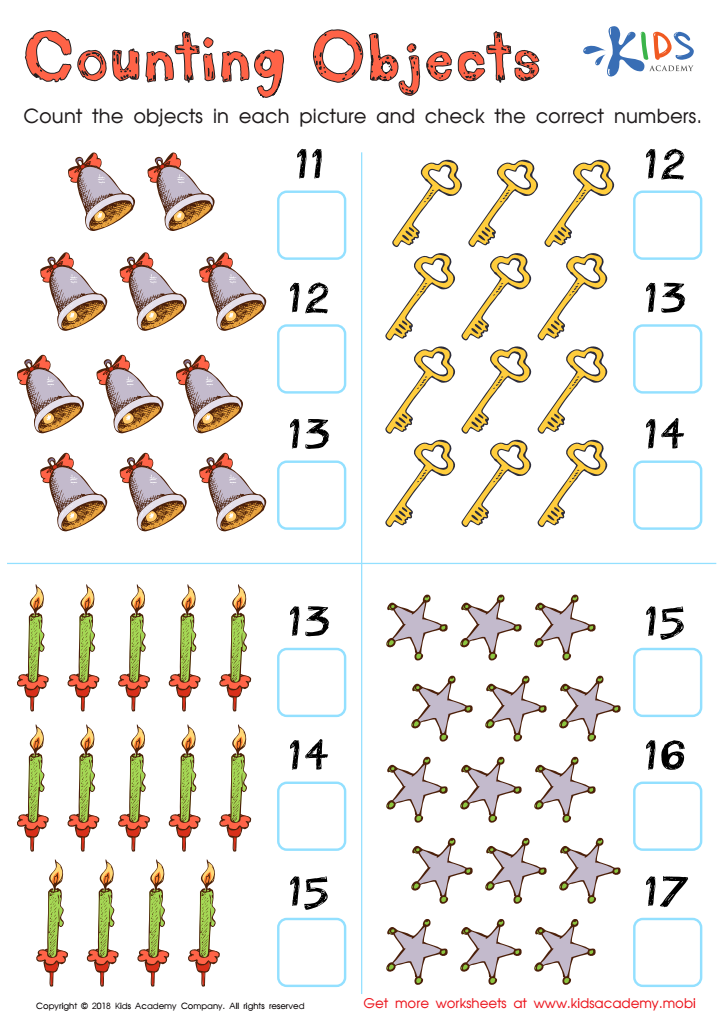
Counting Numbers Worksheet For Kindergarten
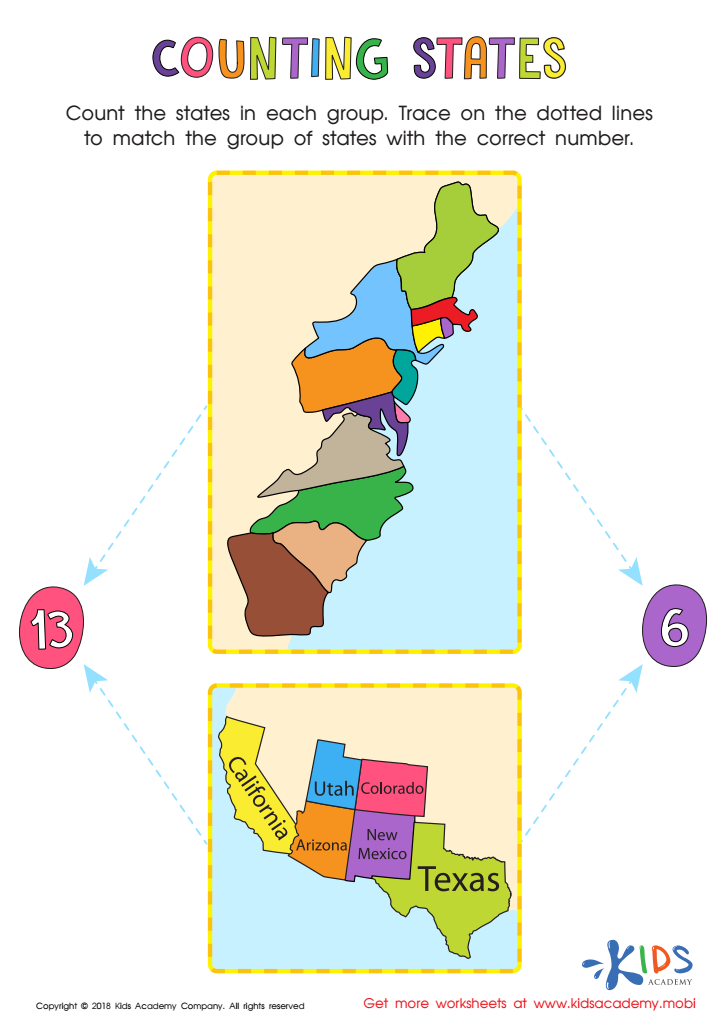
Counting States Worksheet
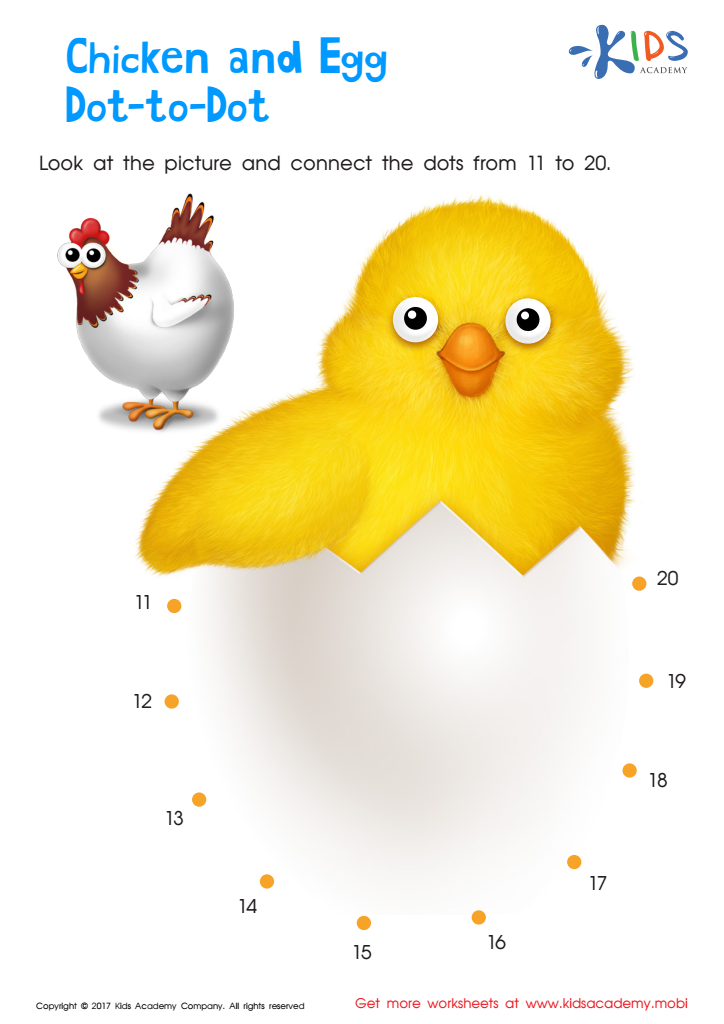
Ordering 11–20: Chicken & Egg Dot–to–dot Worksheet
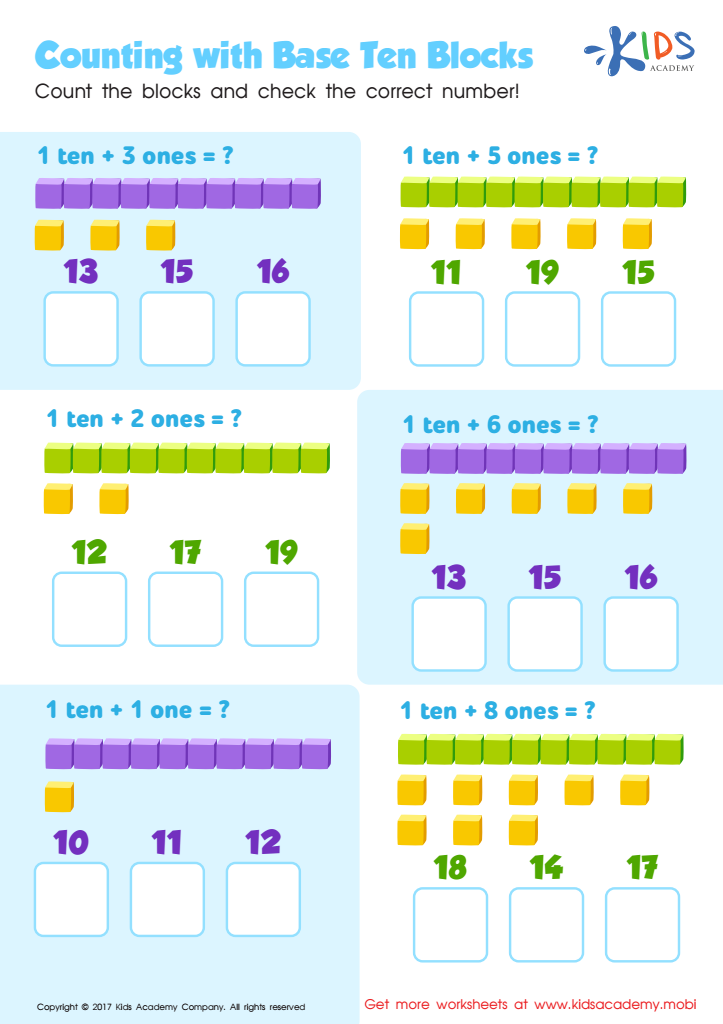
Counting with Base Ten Blocks Worksheet

Counting on the City Skyline: Dot-to-Dot Worksheet


%20(1).jpg)





Counting practice numbers up to 100 for 4-year-olds is crucial for several foundational reasons impacting both their cognitive development and future academic success. Early exposure to counting helps children understand number sequences and basic mathematical concepts. This foundational numeracy skill encourages mental organization, logical thinking, and problem-solving abilities, which are essential across various subjects and real-life scenarios.
Furthermore, regular counting practice enhances memory and concentration in young learners. As children progress from counting small sets to recognizing larger quantities, they develop patience and an appreciation for learning, fostering a positive attitude toward education.
Involving both parents and teachers in counting exercises provides a support system and consistent learning environment. Parents can integrate counting in daily routines, such as counting steps, objects, or food items, making learning practical and engaging. Teachers can offer structured counting activities in a classroom setting to teach counting in a more formal manner and to let children share knowledge.
Ultimately, focusing on counting up to 100 by age four equips children with the numerical fluency they need for kindergarten and beyond, ensuring they are ahead in their educational journey. Providing this early advantage helps bridge potential gaps in learning, promoting confidence and a love for mathematics.