Filters

17 filtered results

Clear all filters
Favorites
With answer key
Interactive

17 filtered results

Difficulty Level

Grade


Enhance your 4-year-old's problem-solving skills with our engaging reading worksheets! Designed specifically for young learners, these activities encourage critical thinking as children navigate through fun stories and interactive exercises. Each worksheet helps develop essential literacy skills while introducing basic problem-solving concepts in an enjoyable way. With colorful illustrations and age-appropriate content, kids will stay motivated and entertained as they learn to identify problems, predict outcomes, and think creatively. Foster a love for reading and equip your child with valuable skills that set the foundation for future learning. Explore our comprehensive collection of worksheets and watch your little one thrive!

Check out this FREE Trial Lesson on Reading for age 4!

Distinguish Shades of Meaning Among Verbs Describing the Same General Action by Acting out the Meanings

Favorites
With answer key
Interactive
  • 4
  • Problem-Solving Skills
  • Reading
The Migration Maze Worksheet

The Migration Maze Worksheet

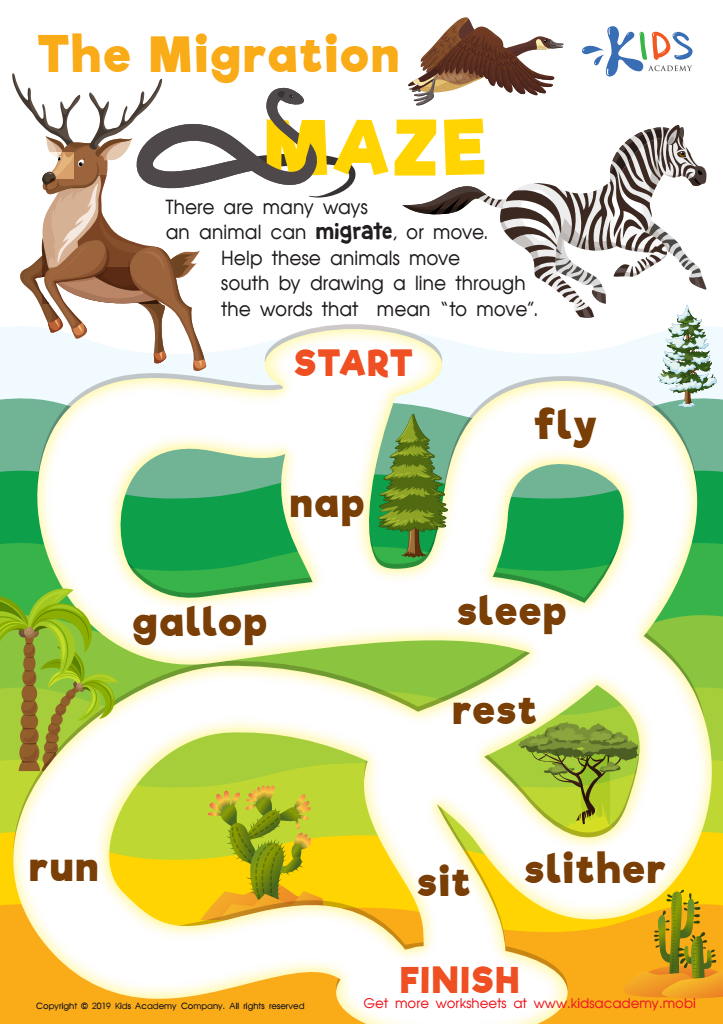
Animals migrate for various reasons, from weather to food. This free download is a fun way for kids to learn about the different migration methods, such as slithering or flying. Help your little adventurer guide the animals through the maze to the finish line!
The Migration Maze Worksheet
Worksheet
At a Pizza Party Worksheet

At a Pizza Party Worksheet

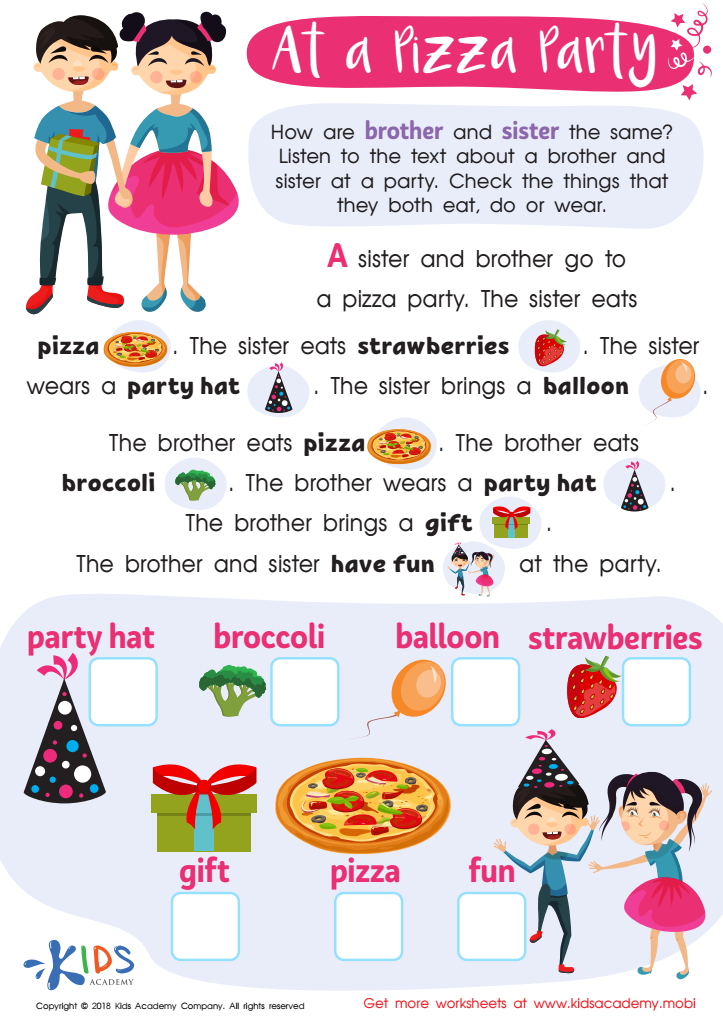
Parties are the best! Eating, playing, singing, dancing and gift-exchange - what's your child's fave part? In this worksheet, a brother and sister are eager to enjoy their party. Read the text to them and help them check what they do, eat, and wear. 80 words.
At a Pizza Party Worksheet
Worksheet
Which Doesn't Belong? Worksheet

Which Doesn't Belong? Worksheet

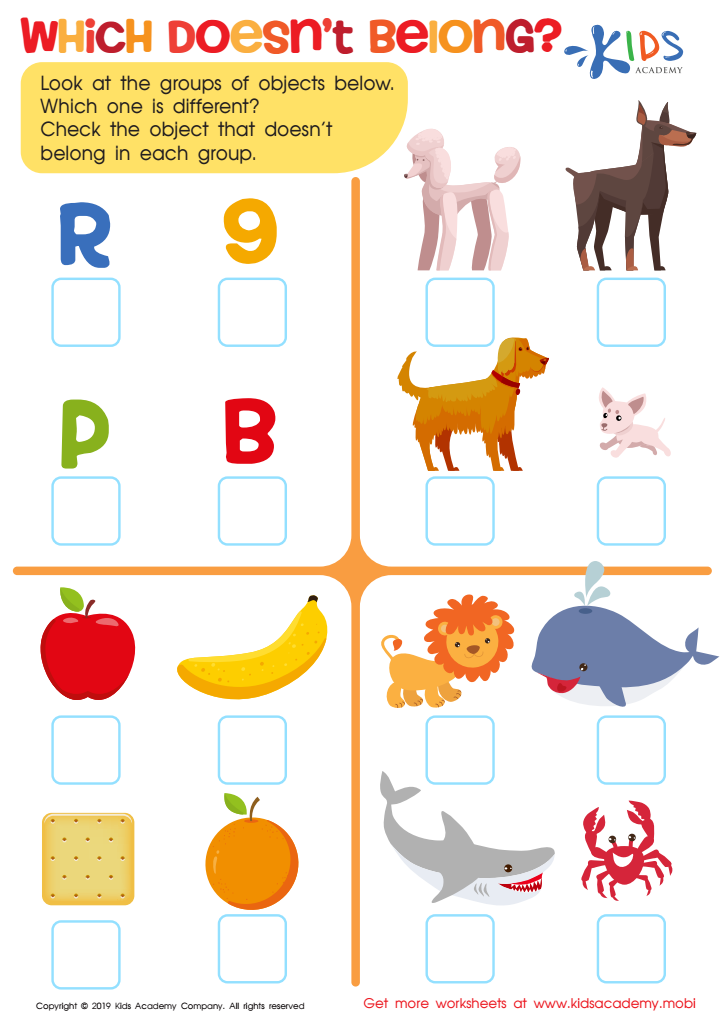
This engaging worksheet helps preschoolers recognize similar and different attributes of common words, using brightly-colored pictures. They analyze the items in each category and check off what is different. For extra practice, have them explain their reasoning verbally! Sorting and classifying are important skills to learn.
Which Doesn't Belong? Worksheet
Worksheet
Where Is the Ant? Worksheet

Where Is the Ant? Worksheet

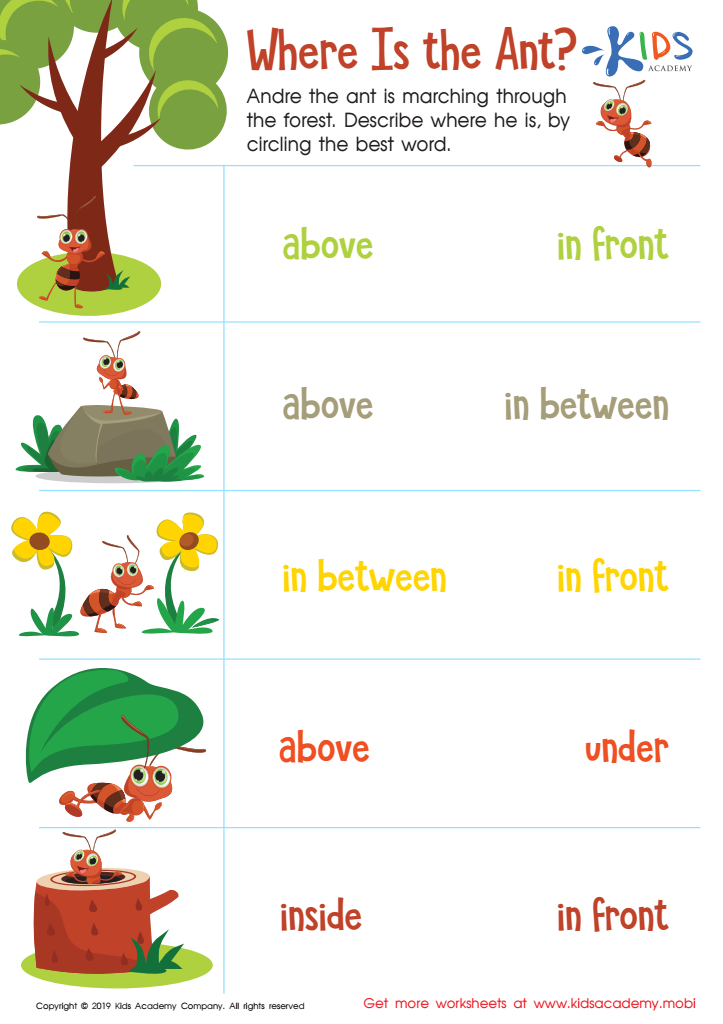
Kids are captivated by ants. Andre is a busy ant, marching through the forest. Help your child circle the best word that best describes what he's doing in each picture. This colorful printout will show them the way.
Where Is the Ant? Worksheet
Worksheet
The Movement Maze Worksheet

The Movement Maze Worksheet

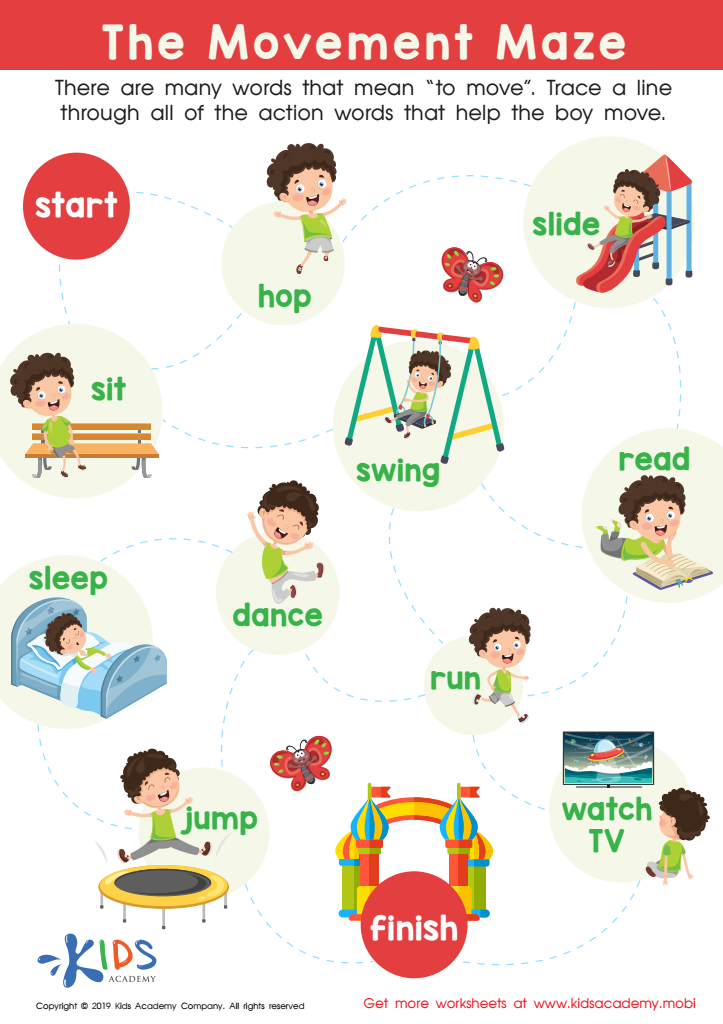
Let your child have fun with this interactive PDF download. Kids will learn movement words with cute pictures, plus practice fine motor skills as they trace. A fun way to reinforce vocabulary. Jump, hop and sit – it's all here!
The Movement Maze Worksheet
Worksheet
“The Princess and the Pea” or “Cinderella” Worksheet

“The Princess and the Pea” or “Cinderella” Worksheet

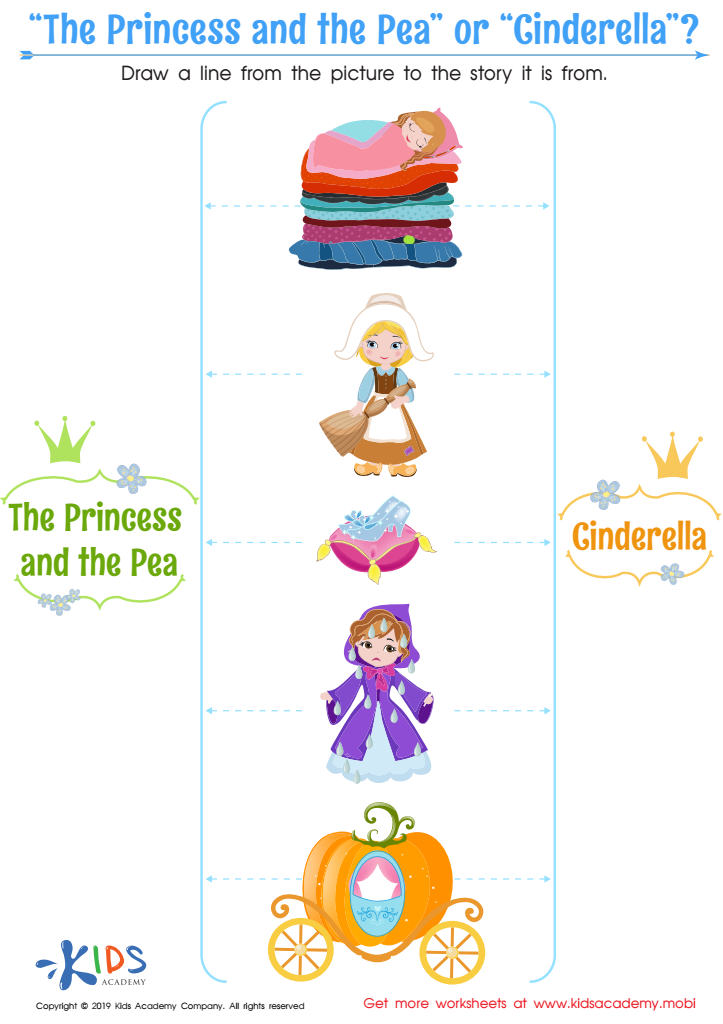
Help your child identify the characters and objects from both the Princess and the Pea and Cinderella. Ask them to draw a line from the pictures to the story it's from on the tracing sheet. Encourage them to tell you the similarities between the two stories. Enjoy the tale with your daughter and watch her be fascinated by these two classic children's stories.
“The Princess and the Pea” or “Cinderella” Worksheet
Worksheet
Towns Worksheet
Towns Worksheet

Towns Worksheet

Towns are generally quiet and safe, making them attractive for young families. Cities have more people, businesses and tall buildings. Roads are busy, and there is often plenty to do and see. Help your kids check which pictures in this worksheet show towns.
Towns Worksheet
Worksheet
Fairy Tales Maze Worksheet

Fairy Tales Maze Worksheet

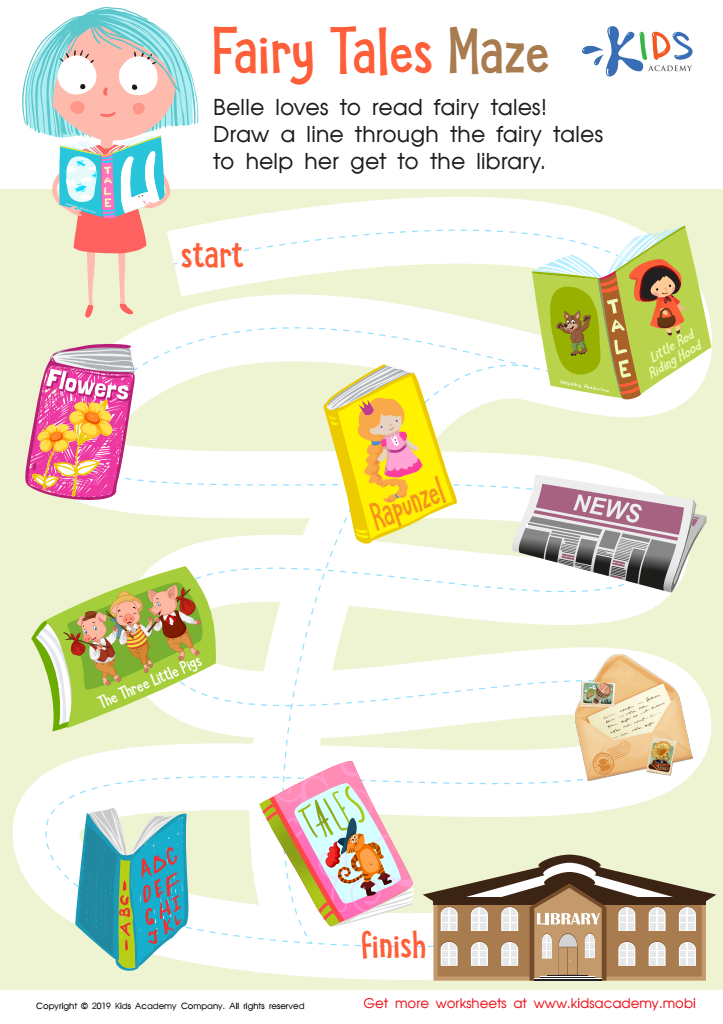
Kids love mazes and fairy tales, so this free worksheet is a great way to help teach young readers about familiar topics. They'll join Bella and use the traceable lines to travel through different reading genres, and find their way to the library for a nice reward!
Fairy Tales Maze Worksheet
Worksheet
Cities: Finding Differences Worksheet
Cities: Finding Differences Worksheet
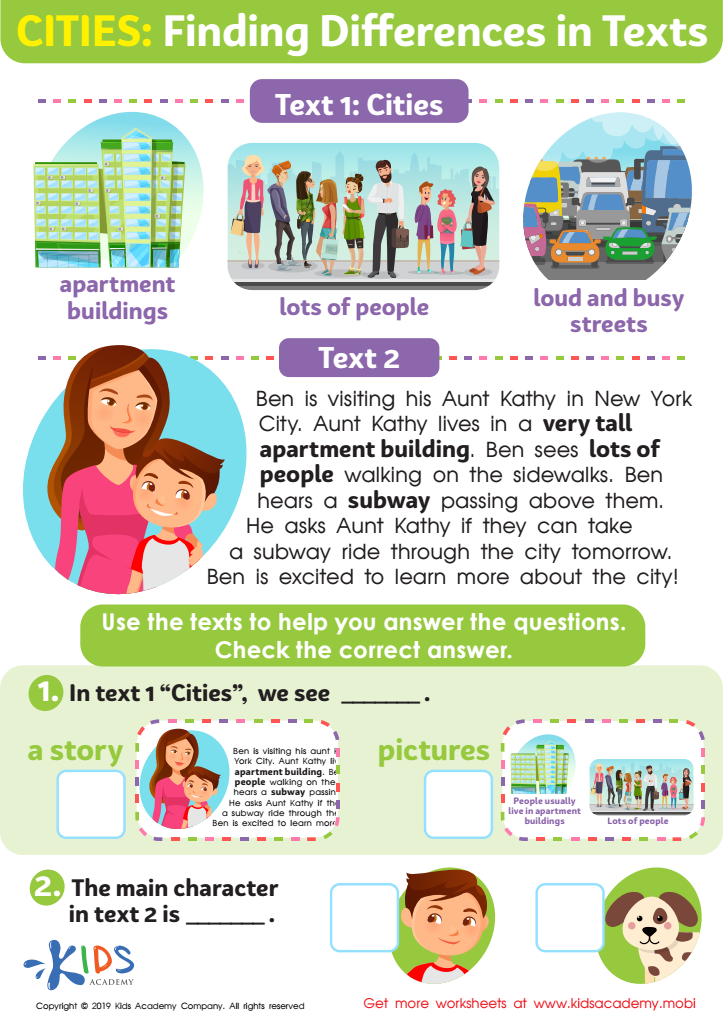
Critical thinking is essential for reading comprehension. New readers must be able to identify the key information in different text formats. This worksheet helps children learn what they might find in cities and how to differentiate between stories and pictures.
Cities: Finding Differences Worksheet
Worksheet
Preschool Sight Words: Can

Preschool Sight Words: Can

Preschool Sight Words: Can
Worksheet
Preschool Sight Words: And

Preschool Sight Words: And

Preschool Sight Words: And
Worksheet
Kindergarten Sight Words: Went

Kindergarten Sight Words: Went

Kindergarten Sight Words: Went
Worksheet
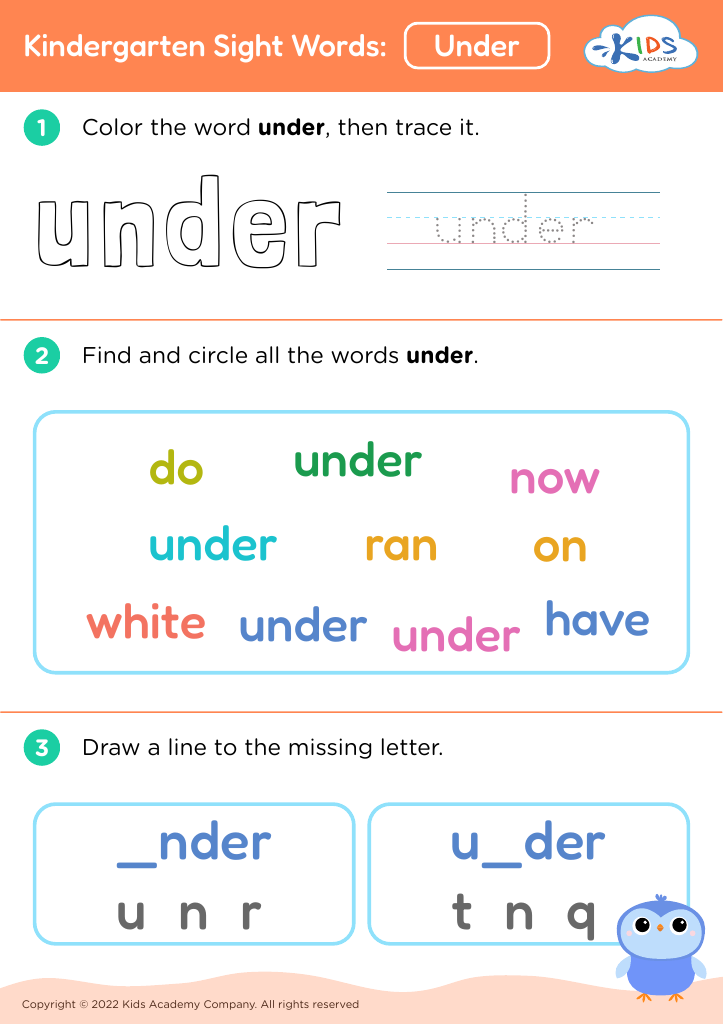
Kindergarten Sight Words: Under

Kindergarten Sight Words: Under

Kindergarten Sight Words: Under
Worksheet
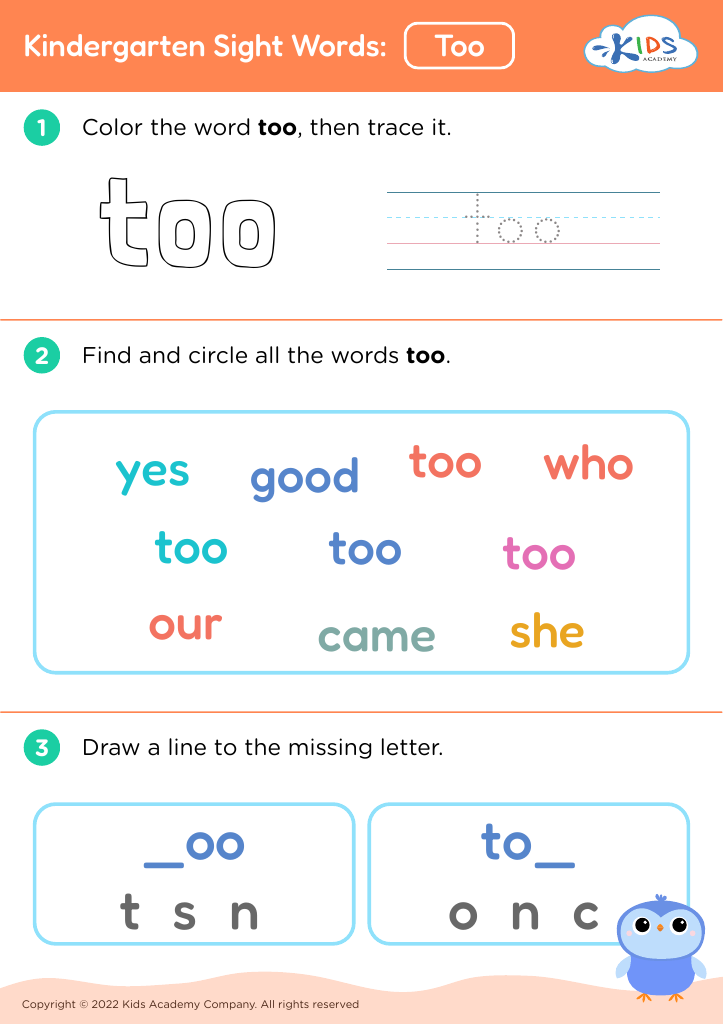
Kindergarten Sight Words: Too

Kindergarten Sight Words: Too

Kindergarten Sight Words: Too
Worksheet
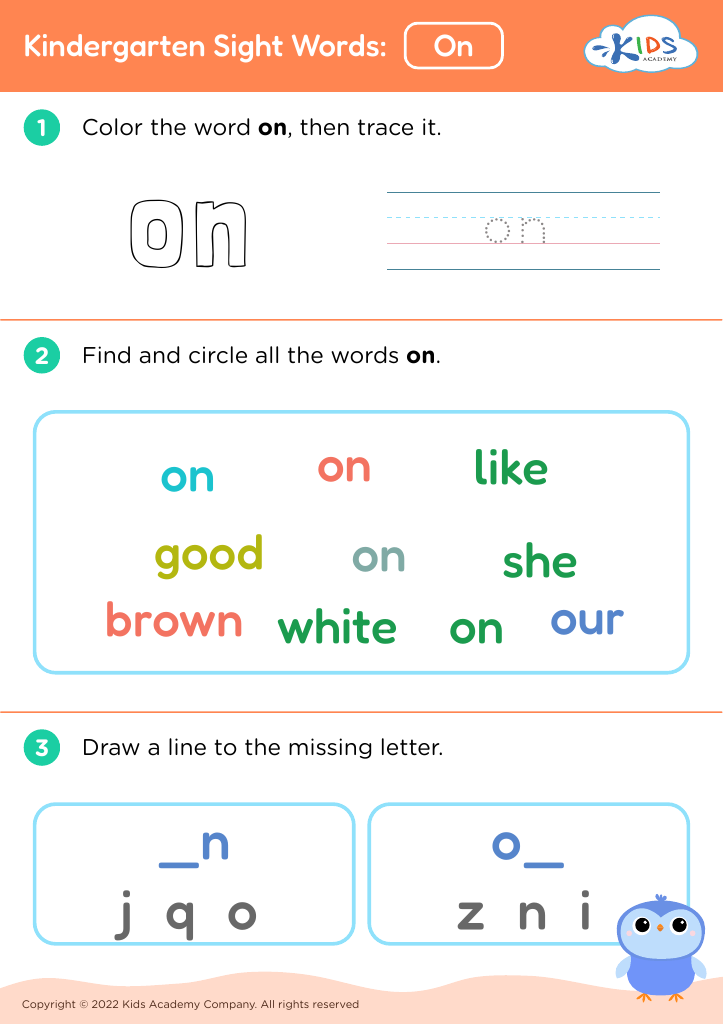
Kindergarten Sight Words: On

Kindergarten Sight Words: On

Kindergarten Sight Words: On
Worksheet
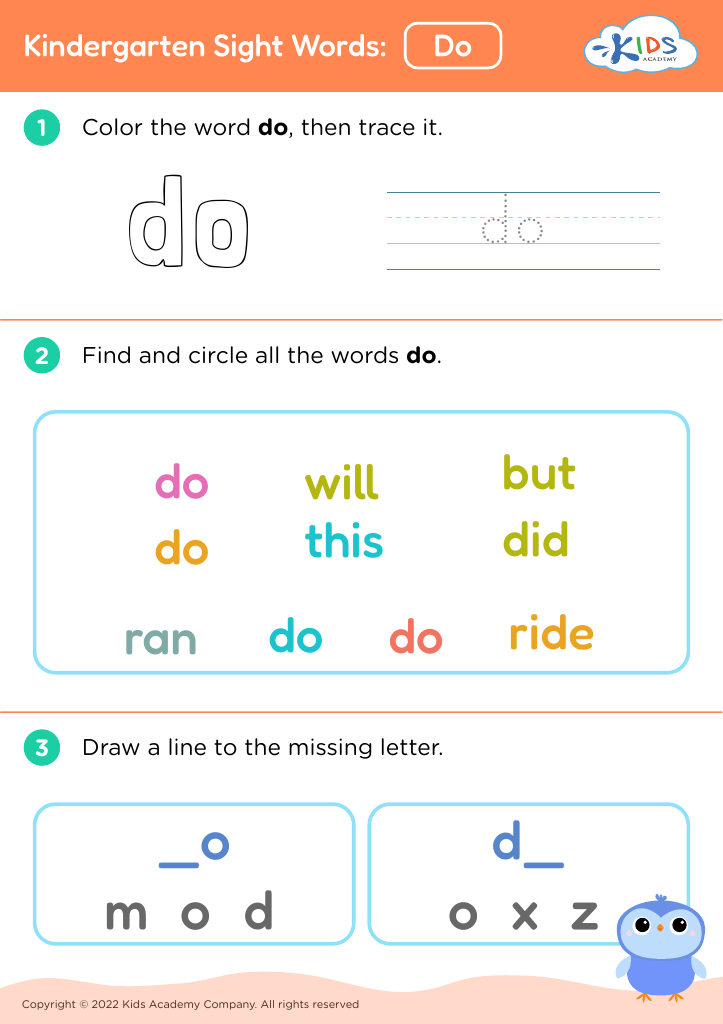
Kindergarten Sight Words: Do

Kindergarten Sight Words: Do

Kindergarten Sight Words: Do
Worksheet
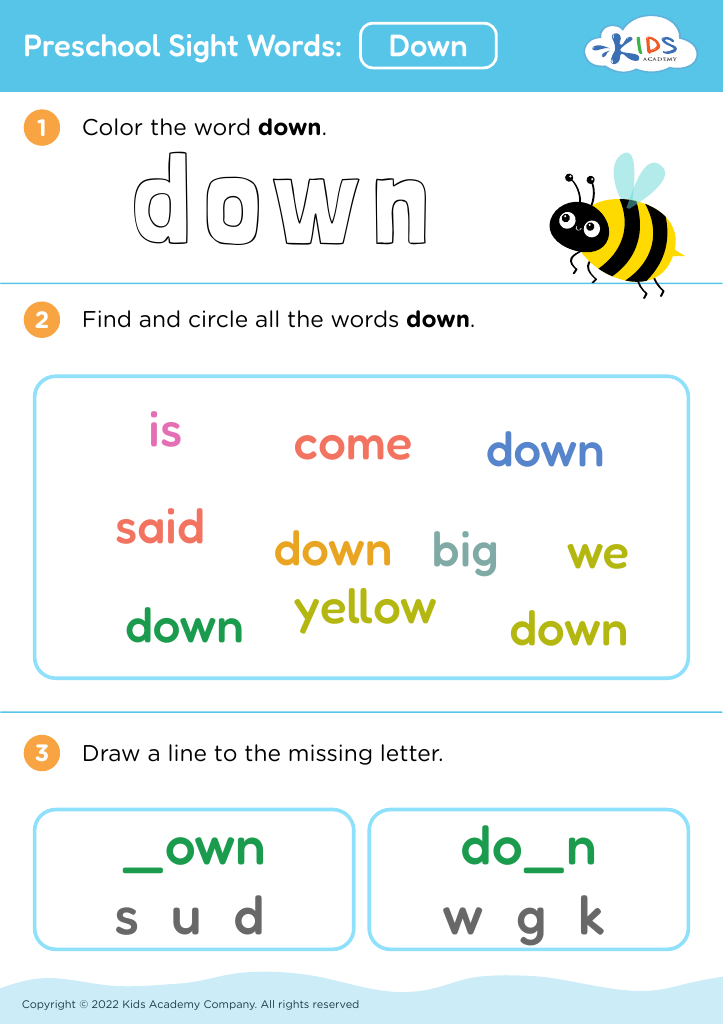
Preschool Sight Words: Down

Preschool Sight Words: Down

Preschool Sight Words: Down
Worksheet


Problem-solving skills are crucial for 4-year-olds as they lay the foundation for critical thinking and decision-making throughout their lives. When parents and teachers prioritize problem-solving abilities in reading, they are helping children develop cognitive skills essential for understanding and interpreting information. This stage of development is marked by curiosity, creativity, and a natural inclination to explore their environment.

Incorporating problem-solving during reading activities encourages children to engage deeply with the text. It invites them to ask questions, make predictions, and explore different outcomes. This active involvement fosters a love for reading while enhancing comprehension skills. Moreover, it helps children learn to approach challenges with confidence, enabling them to resolve conflicts and think through various scenarios—skills they will use socially and academically.

Furthermore, introducing problem-solving in reading also aids in emotional development. Children learn to identify emotions, both their own and those of characters in stories, promoting empathy. By nurturing these skills, parents and teachers cultivate independent thinkers who are capable of evaluating situations and making informed choices. Ultimately, encouraging problem-solving during reading not only enriches a child's literacy experience but also equips them with lifelong skills essential for success.