Counting practice Worksheets for Ages 5-6 - Page 2
320 filtered results
-
From - To
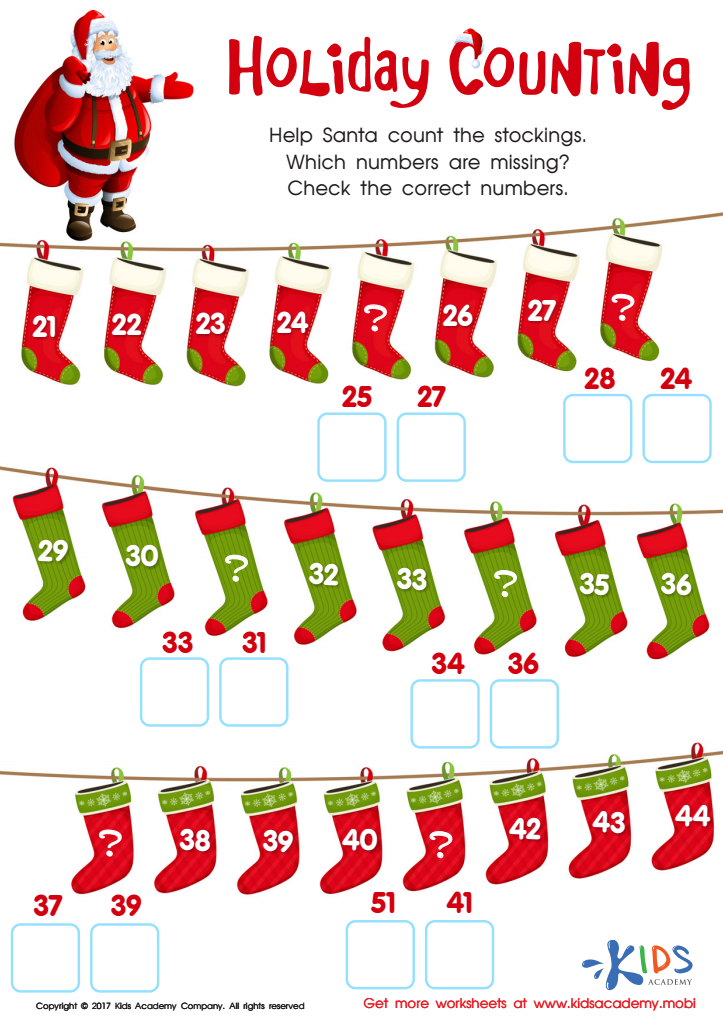
Holiday Counting Worksheet
 Assign to My Students
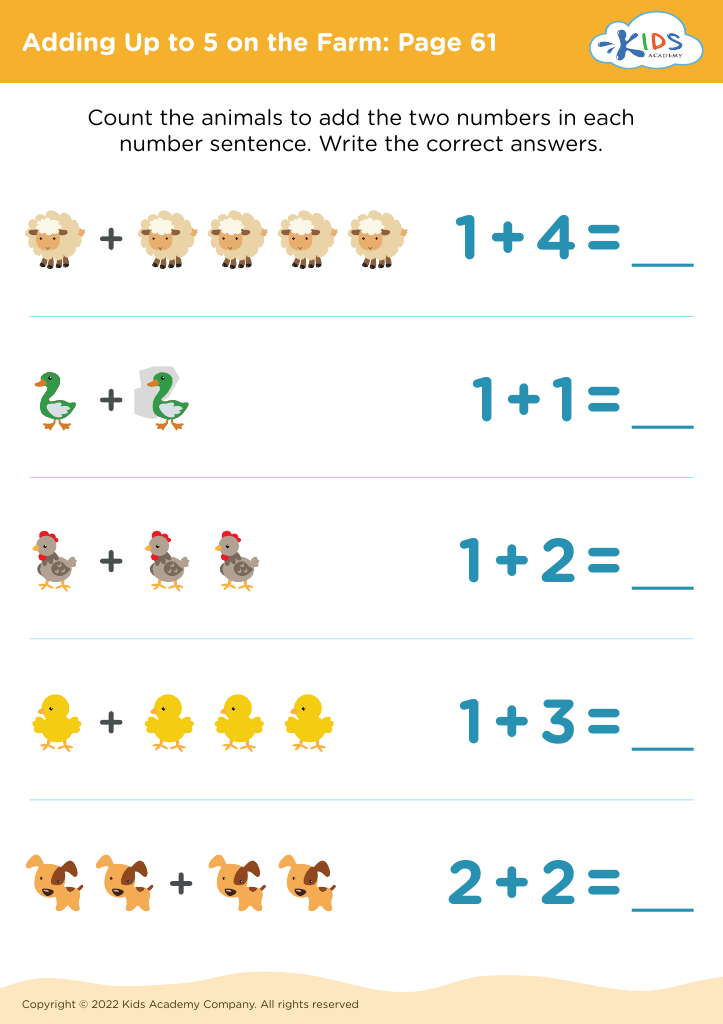
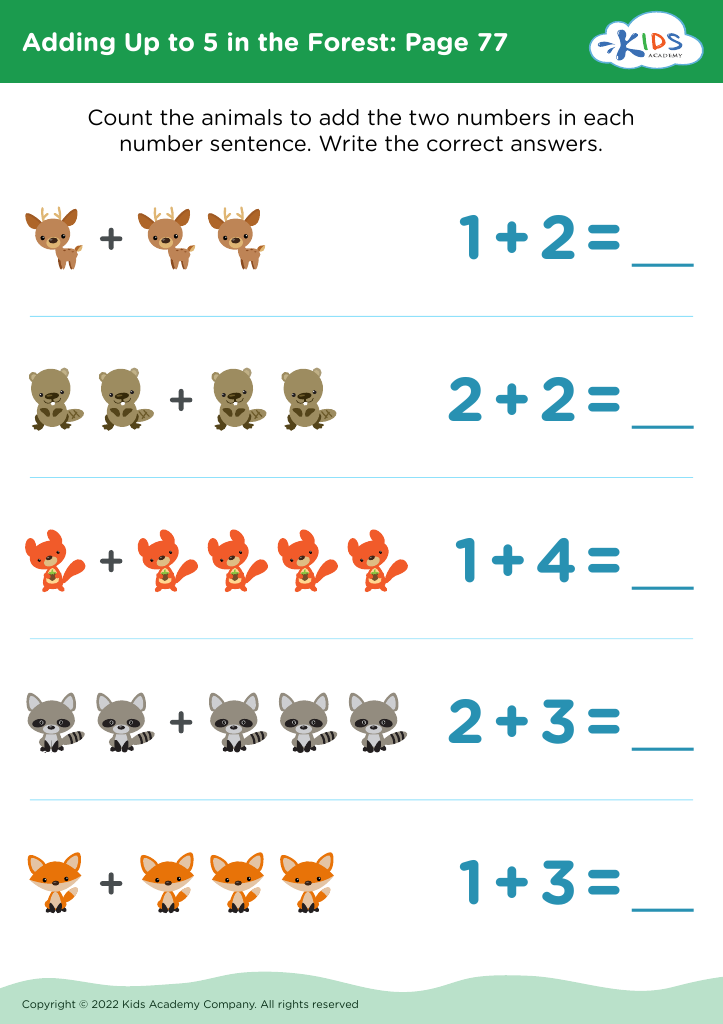
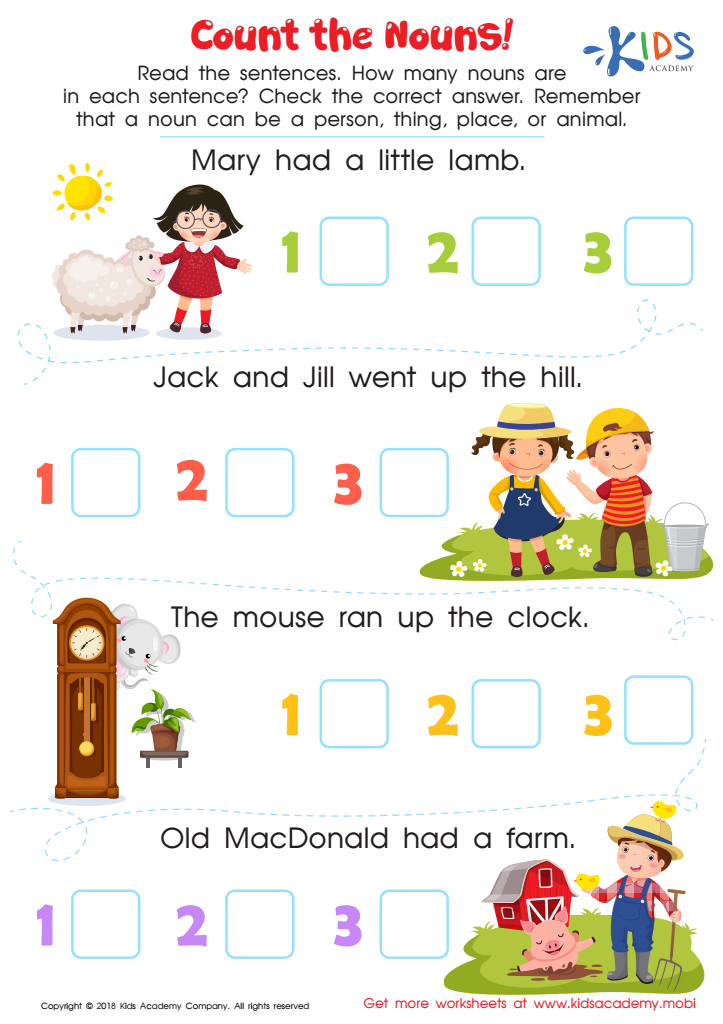
Count the Nouns Worksheet
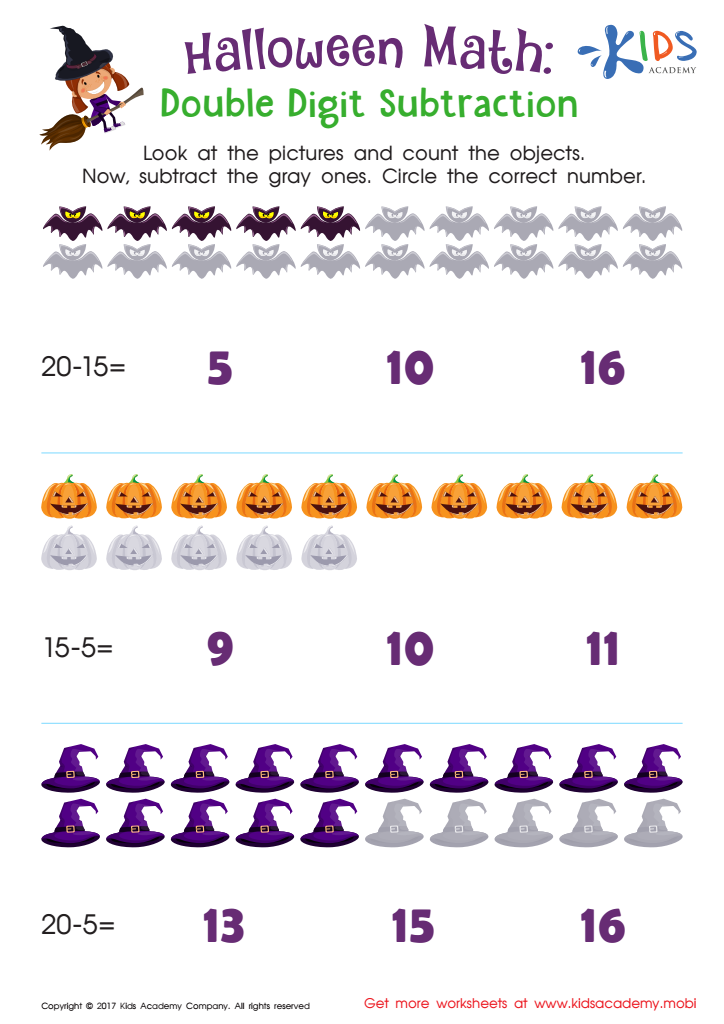
Halloween Math Subtraction Worksheet
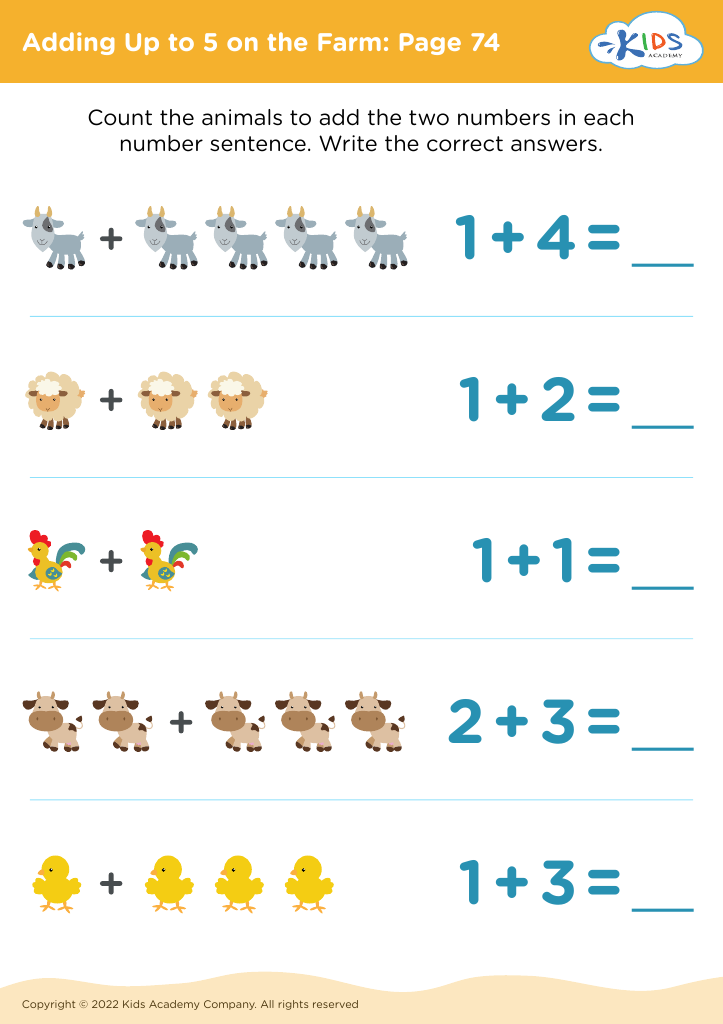
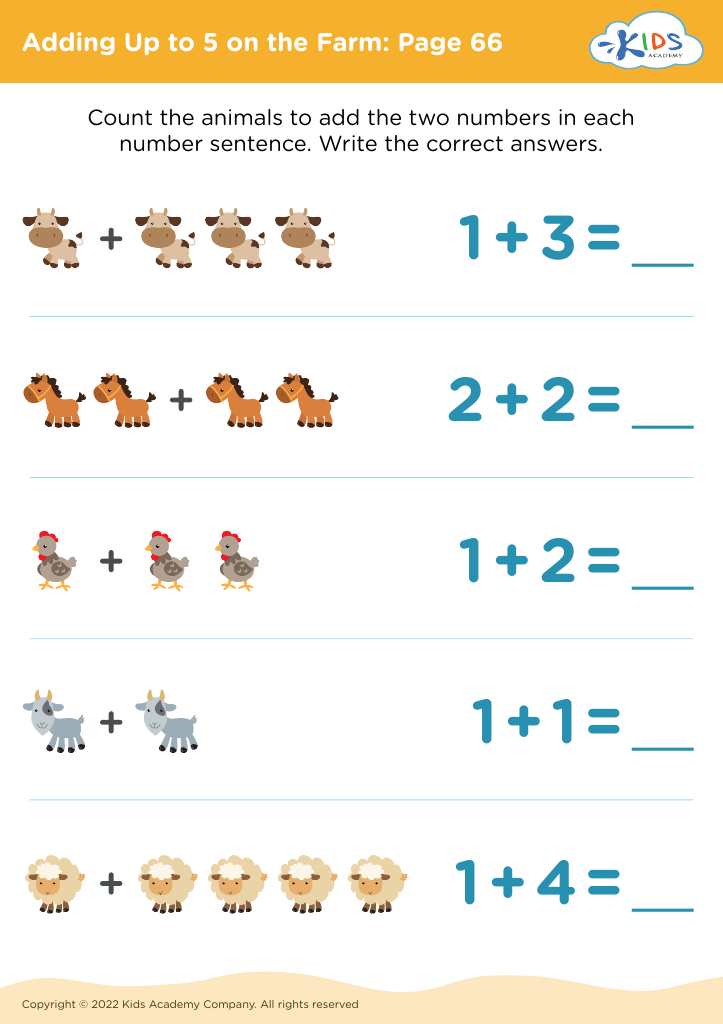
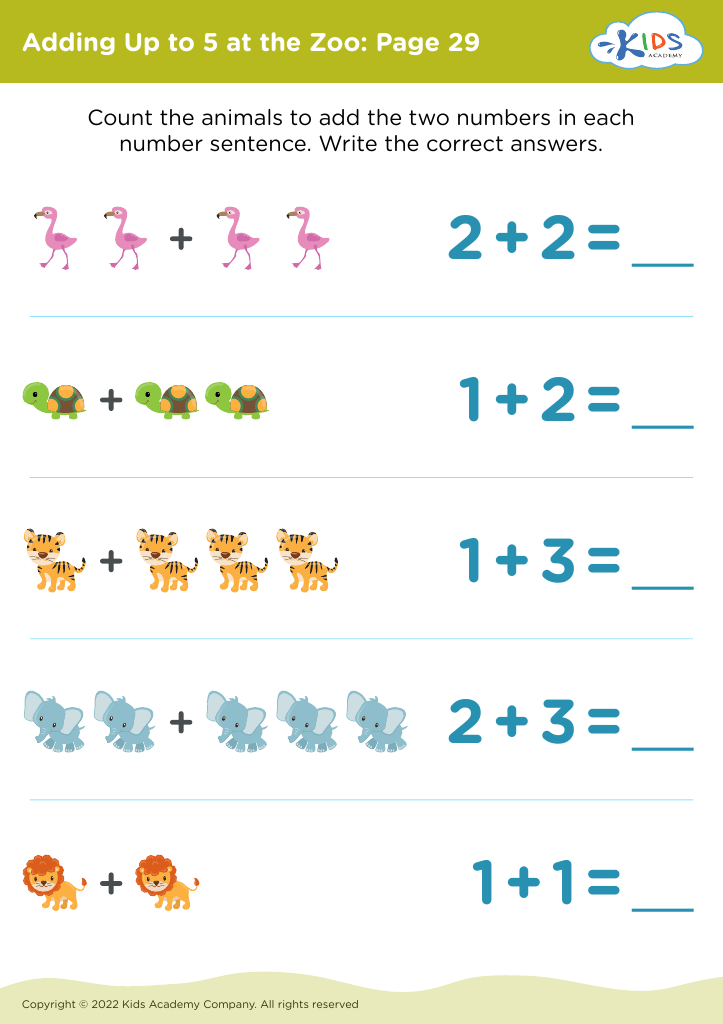
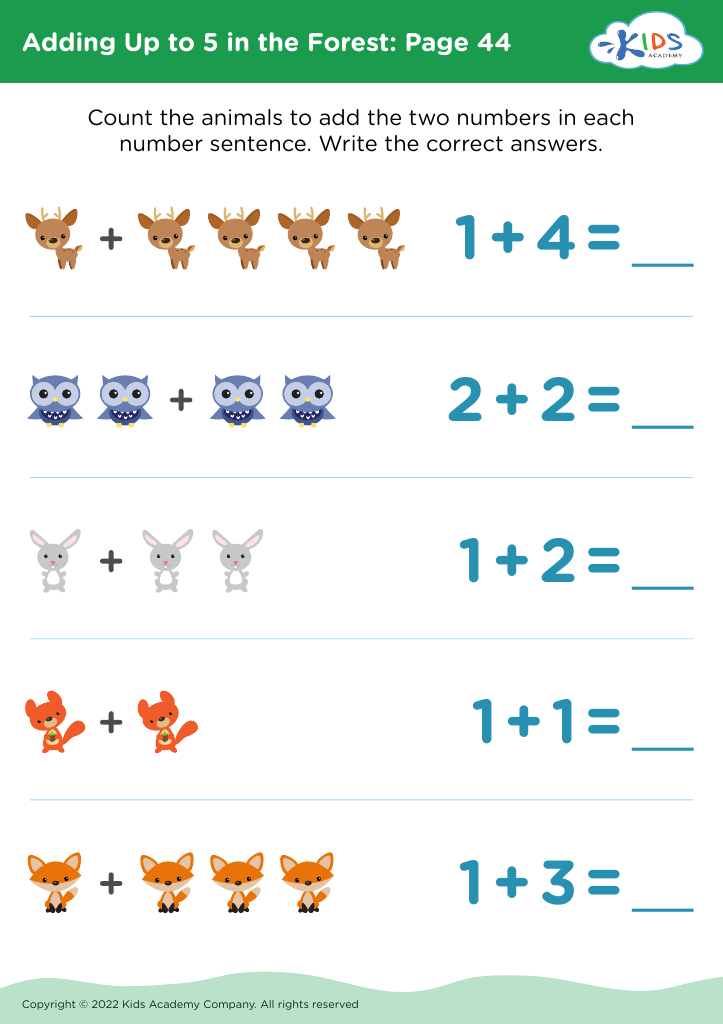
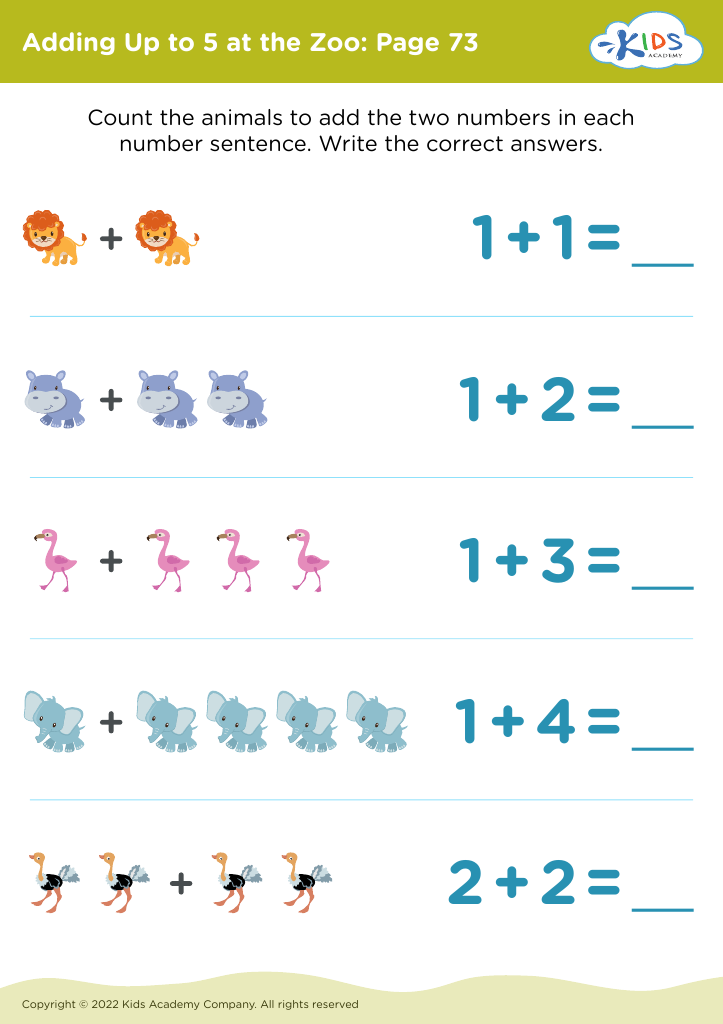
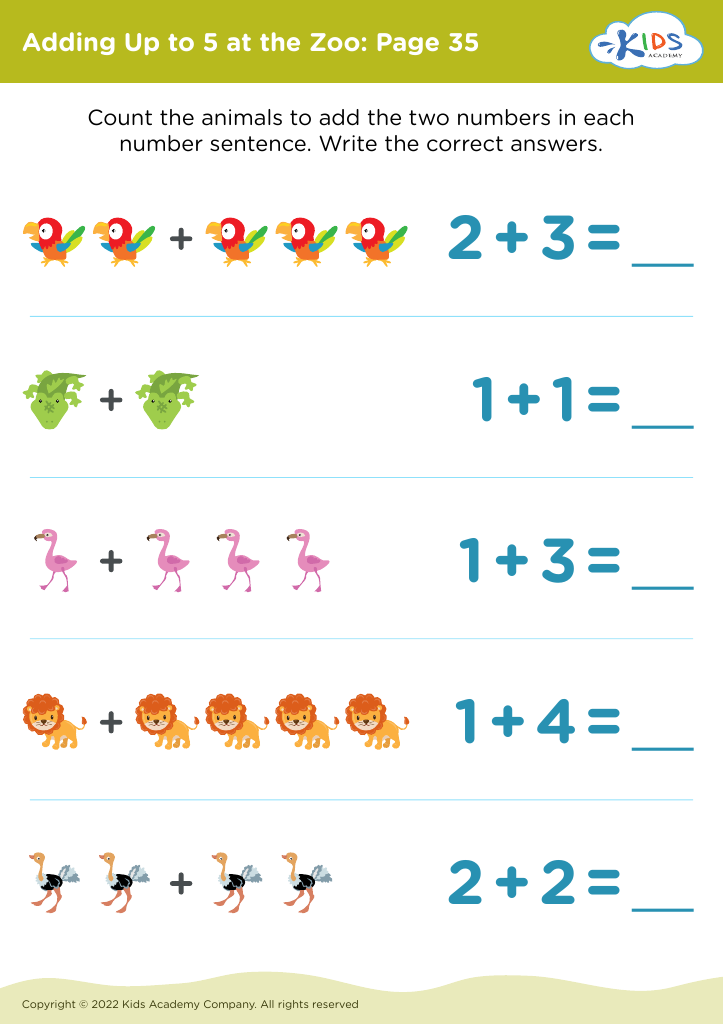
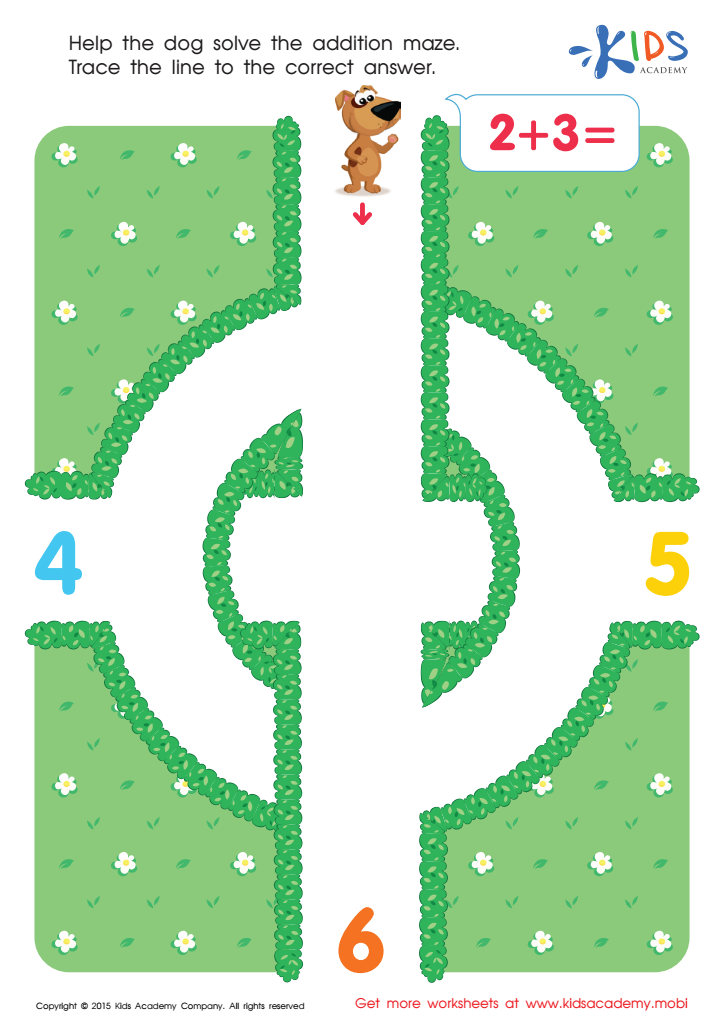
Two And Three Addition Worksheet
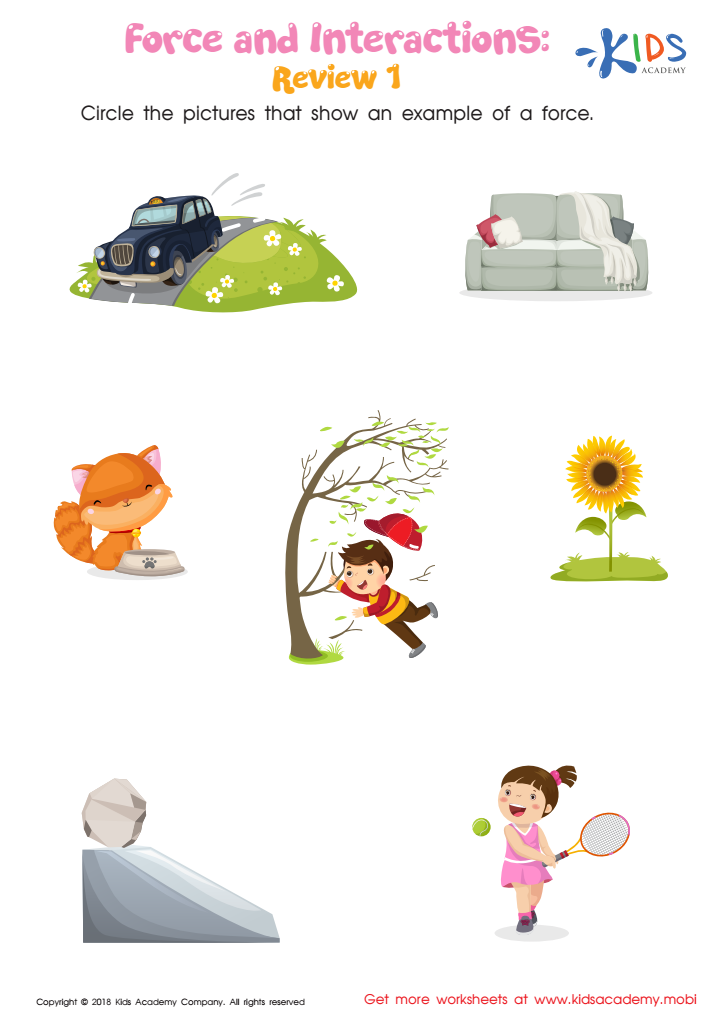
Force and Interactions: Review 1 Worksheet
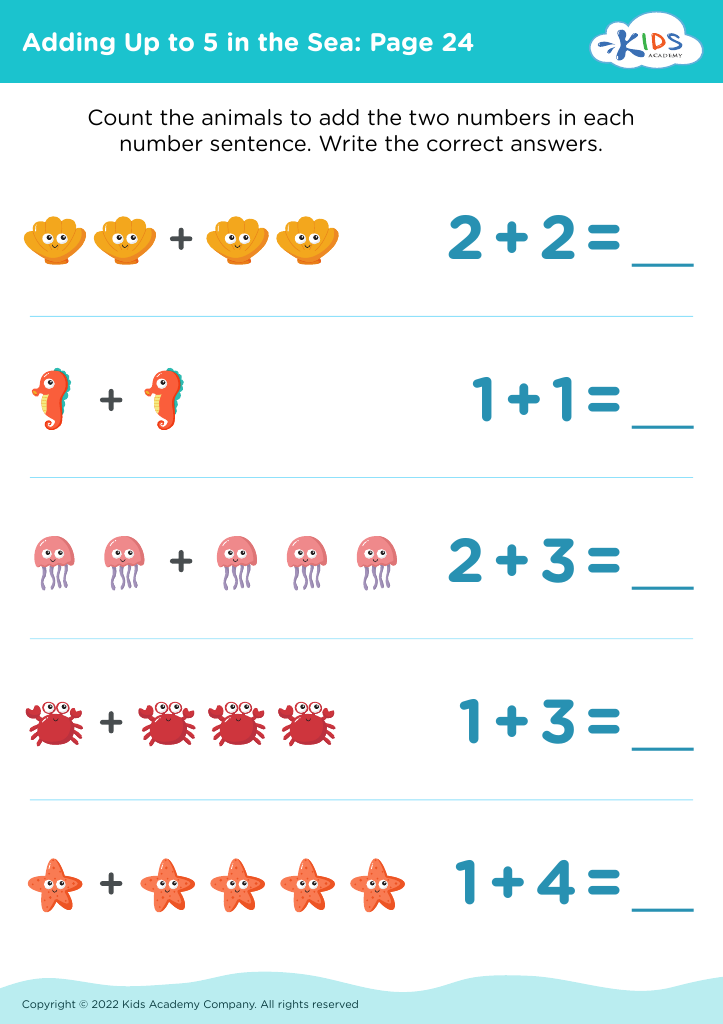
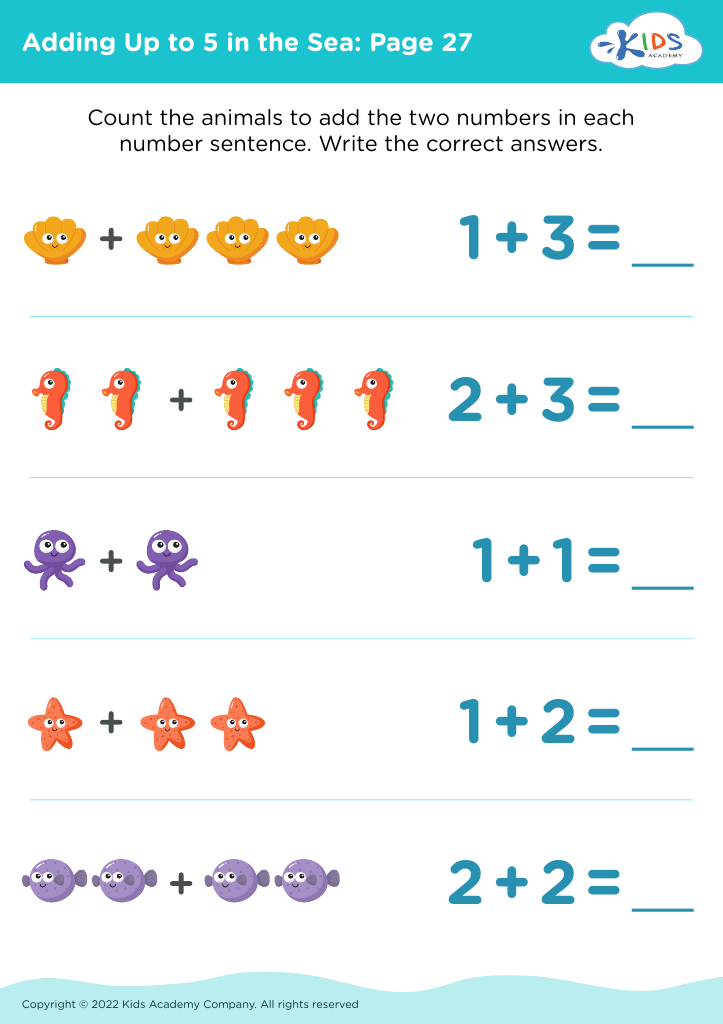
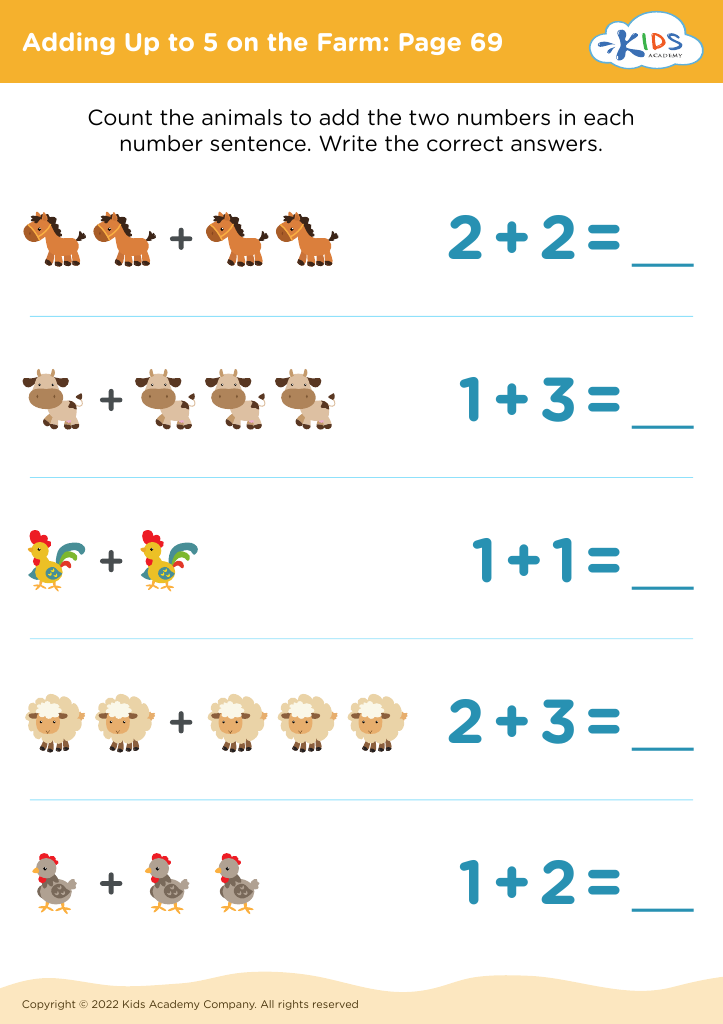
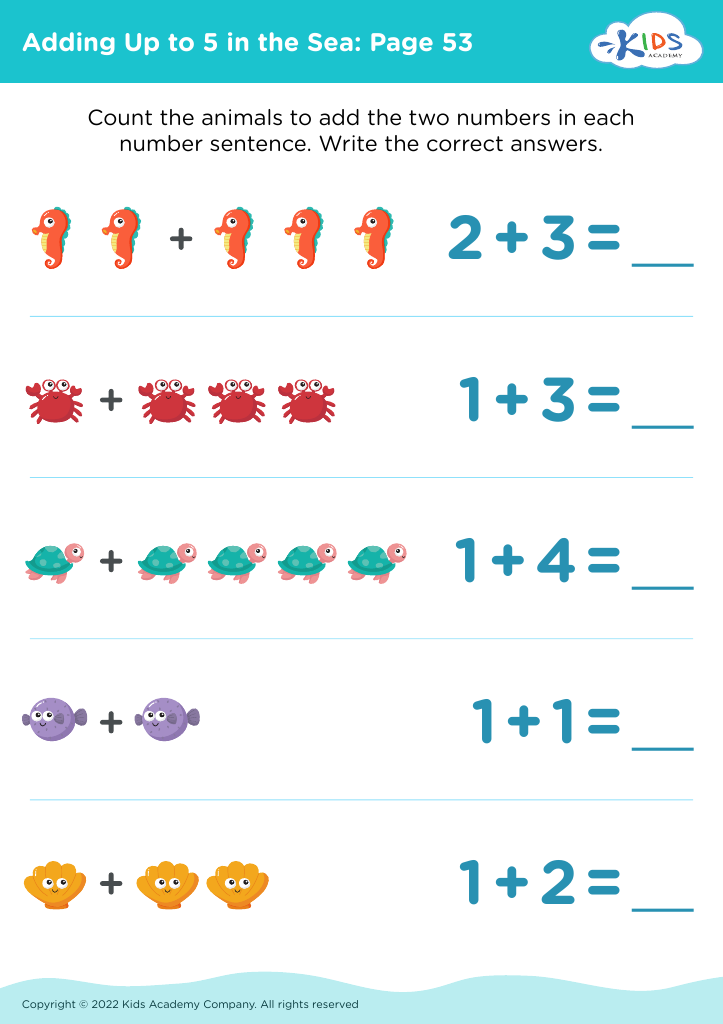
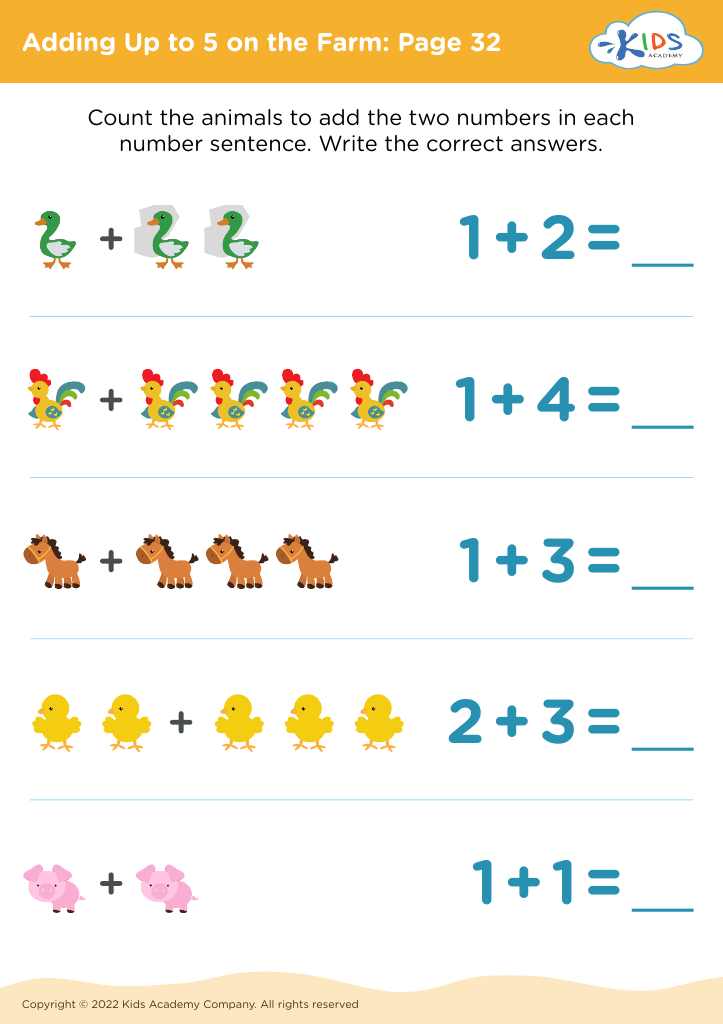
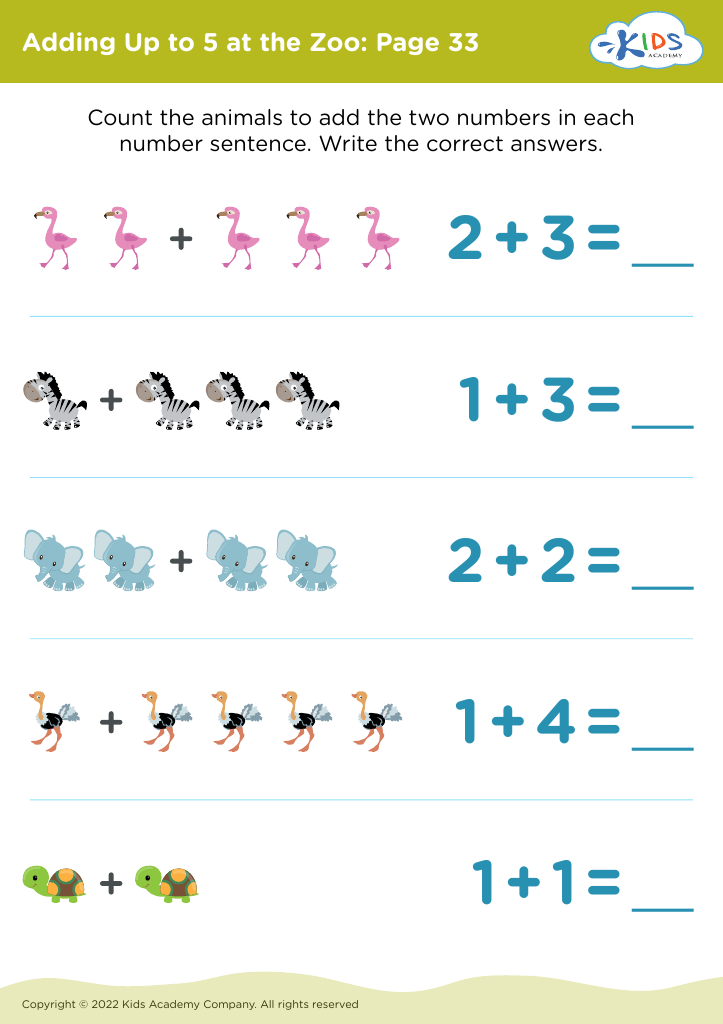
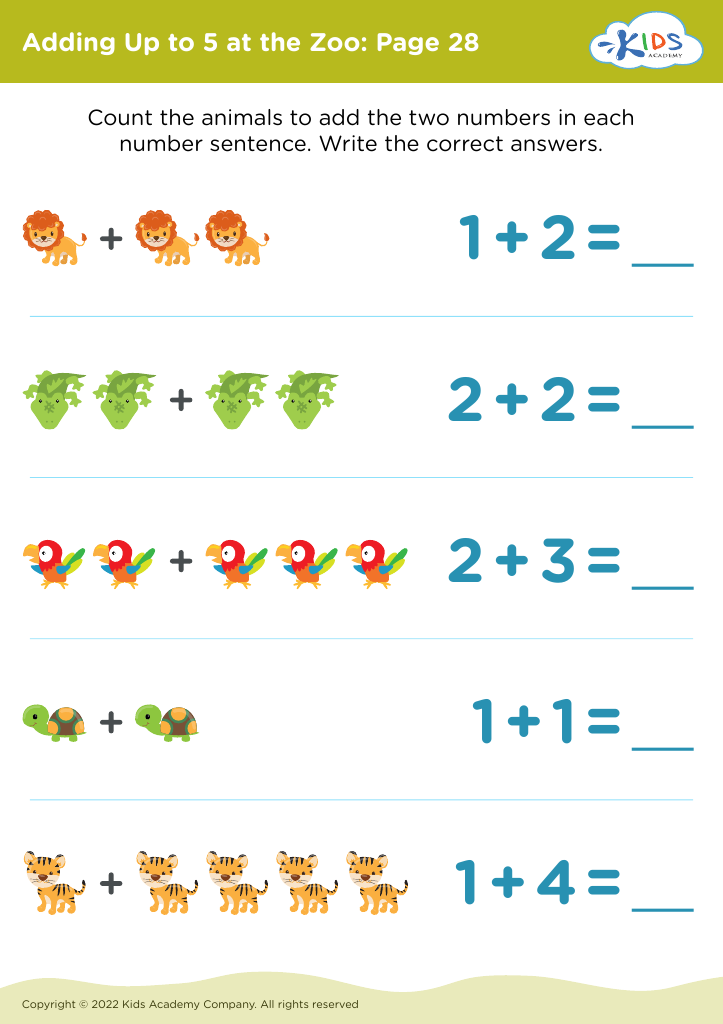
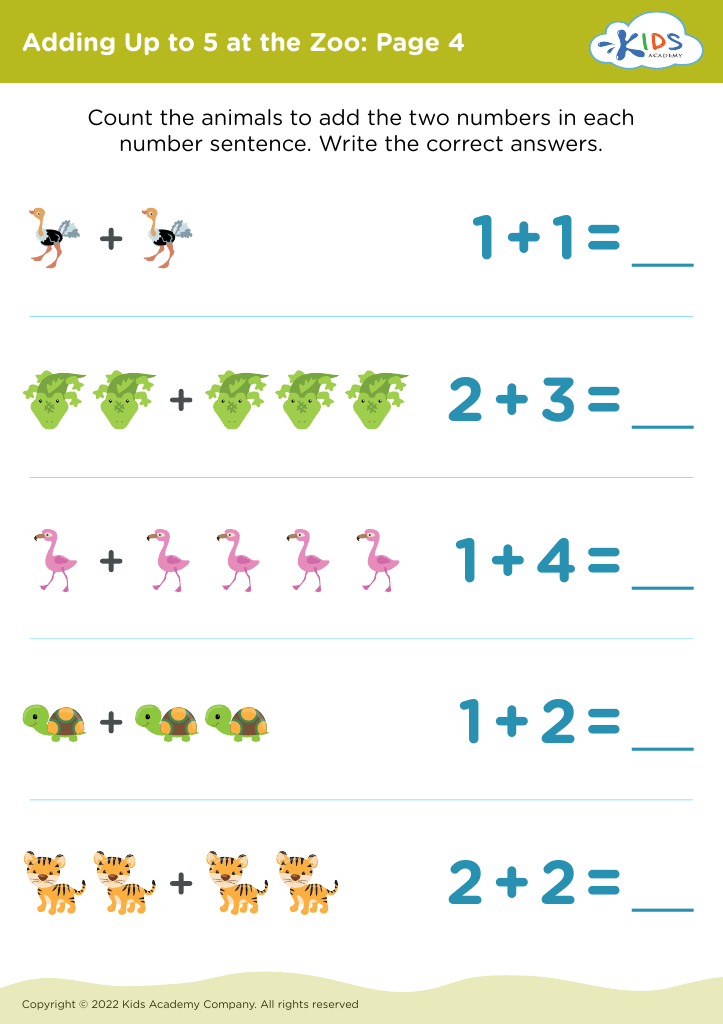
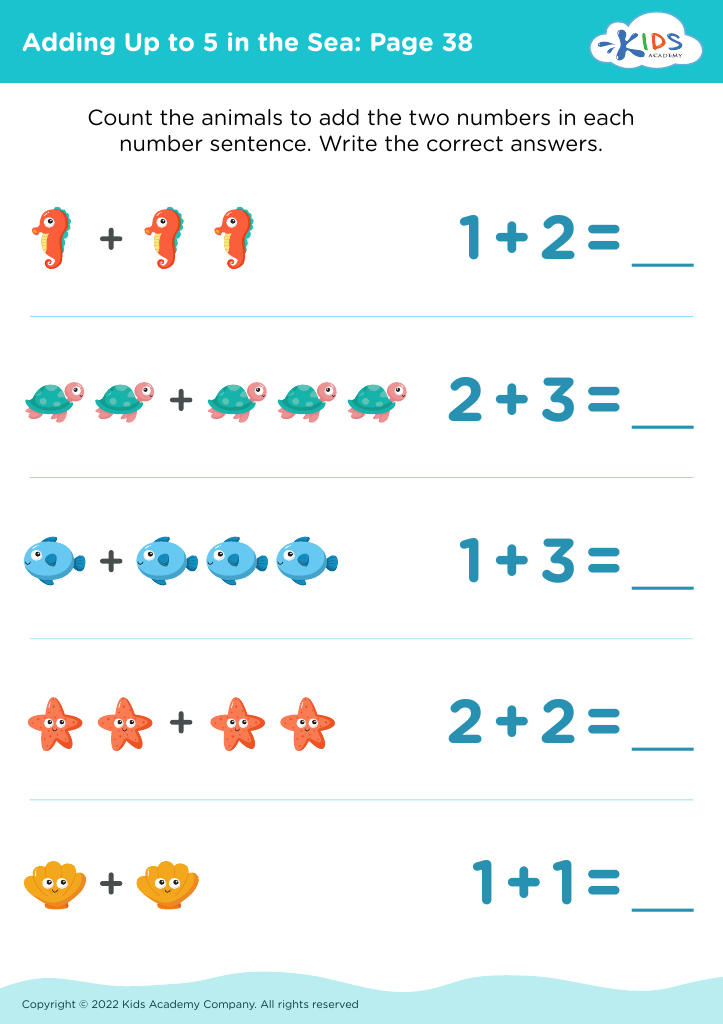







Counting practice for ages 5-6 is crucial for a child's early mathematical development and overall cognitive skills. At this stage, young learners are laying the foundation for future math concepts, such as addition and subtraction. Engaging in counting activities helps children develop number sense and an understanding of quantities, which are essential skills for problem-solving.
Furthermore, counting encourages fine motor skills through activities like manipulating objects or using counting tools. It also enhances verbal skills as children learn the names and sequences of numbers. Parents and teachers should care about counting practice because it fosters critical thinking and promotes a positive attitude toward mathematics.
Incorporating counting into daily routines can make learning fun and relatable for young children. Activities like counting steps, snacks, or toys make concepts tangible and accessible. Additionally, counting supports children in developing perseverance as they solve problems and sometimes encounter difficulties, an important life lesson.
Moreover, consistent counting practice builds confidence, paving the way for more complex math skills in the future. By prioritizing counting, adults can ensure that young learners not only achieve foundational math competency but also develop a love for learning that lasts a lifetime.








