Addition Practice Math Worksheets for Ages 5-6 - Page 4
131 filtered results
-
From - To
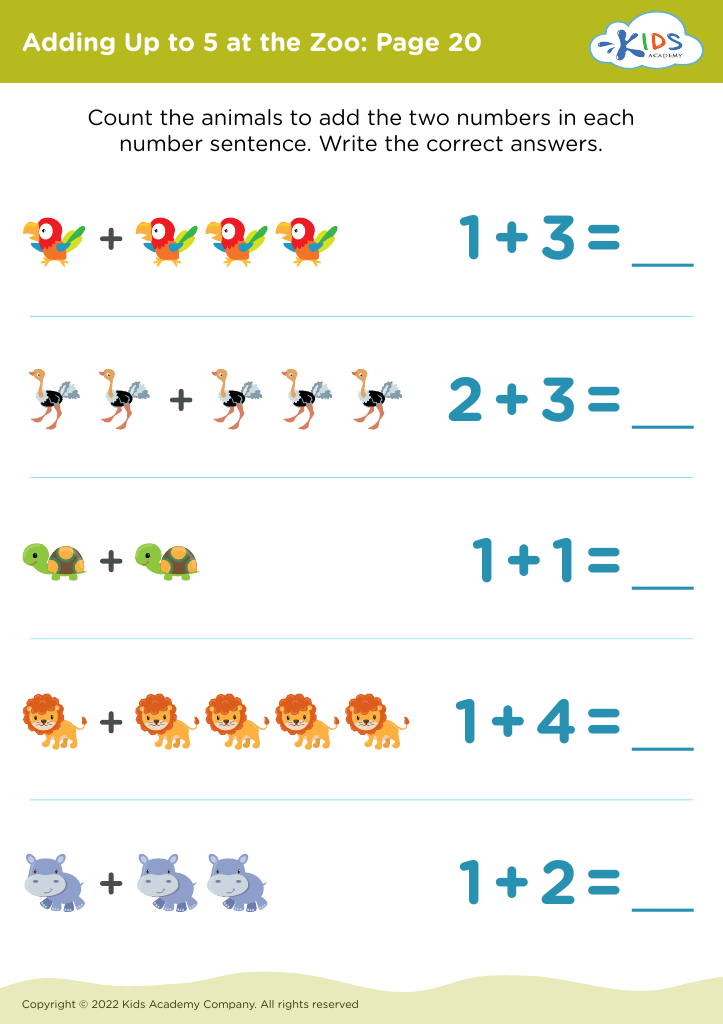
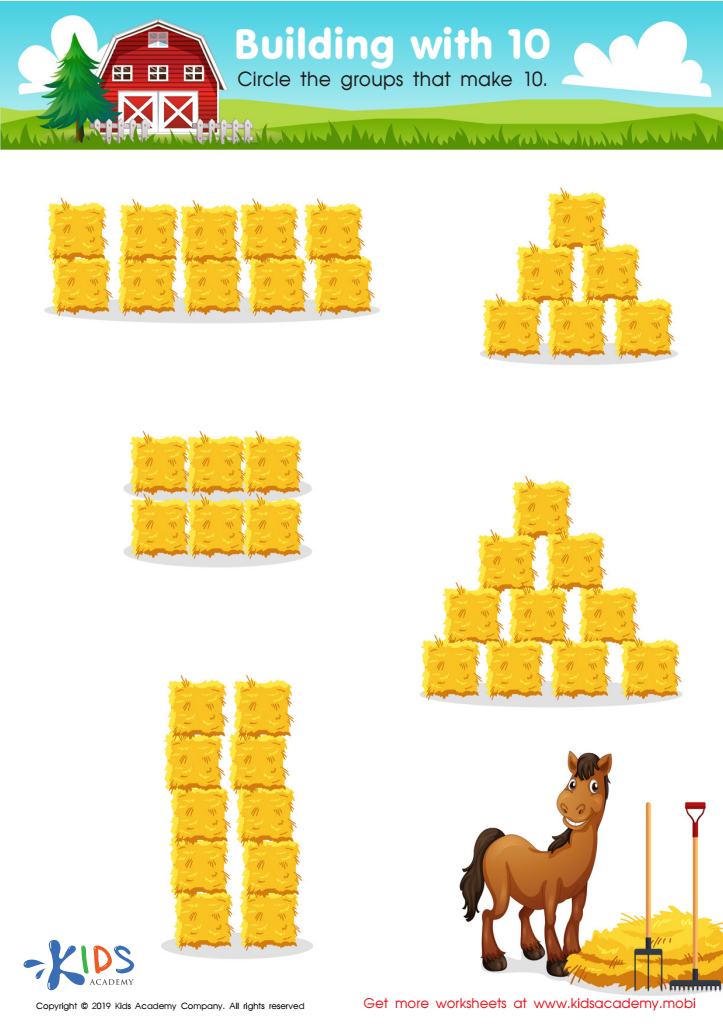
Building with 10 Worksheet
 Assign to My Students
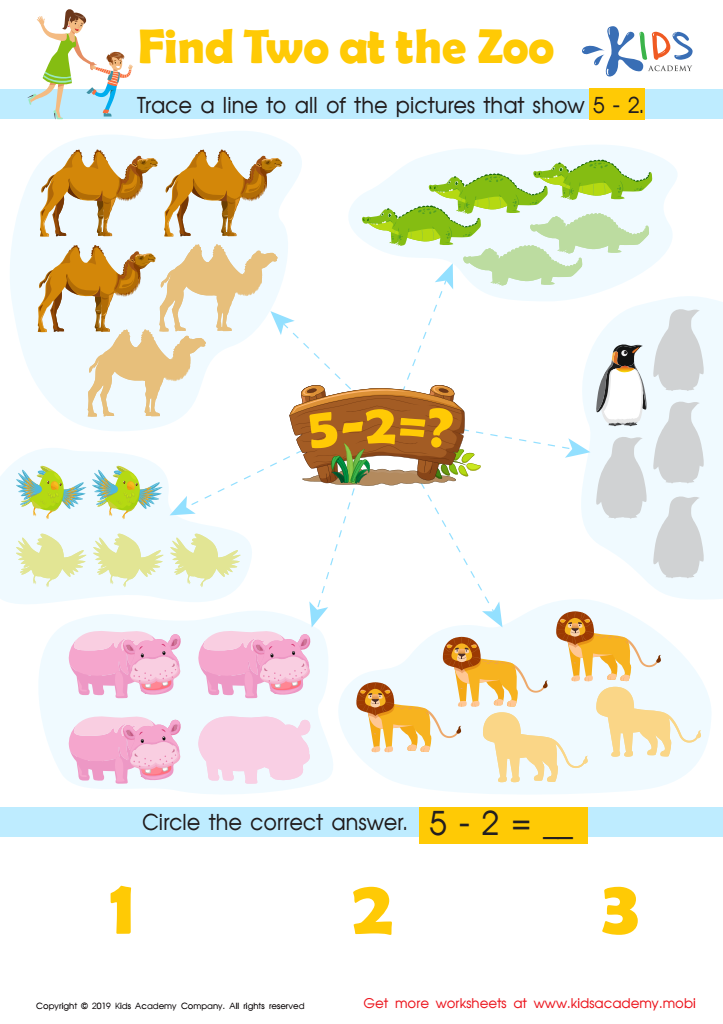
Find Two at the Zoo Worksheet
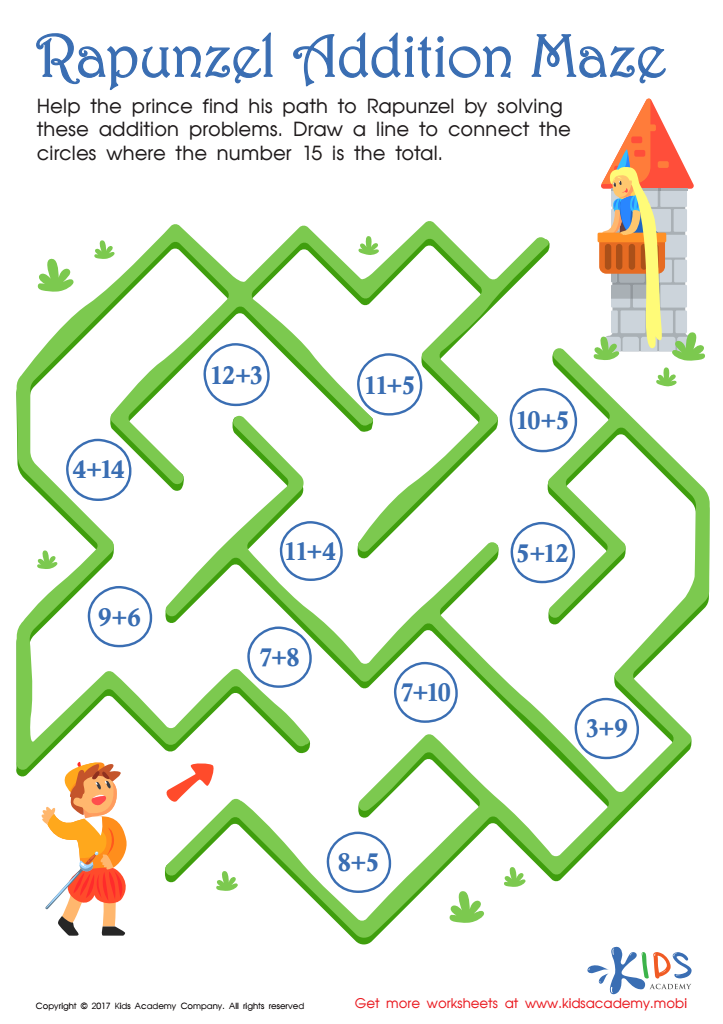
Rapunzel Addition Maze Worksheet
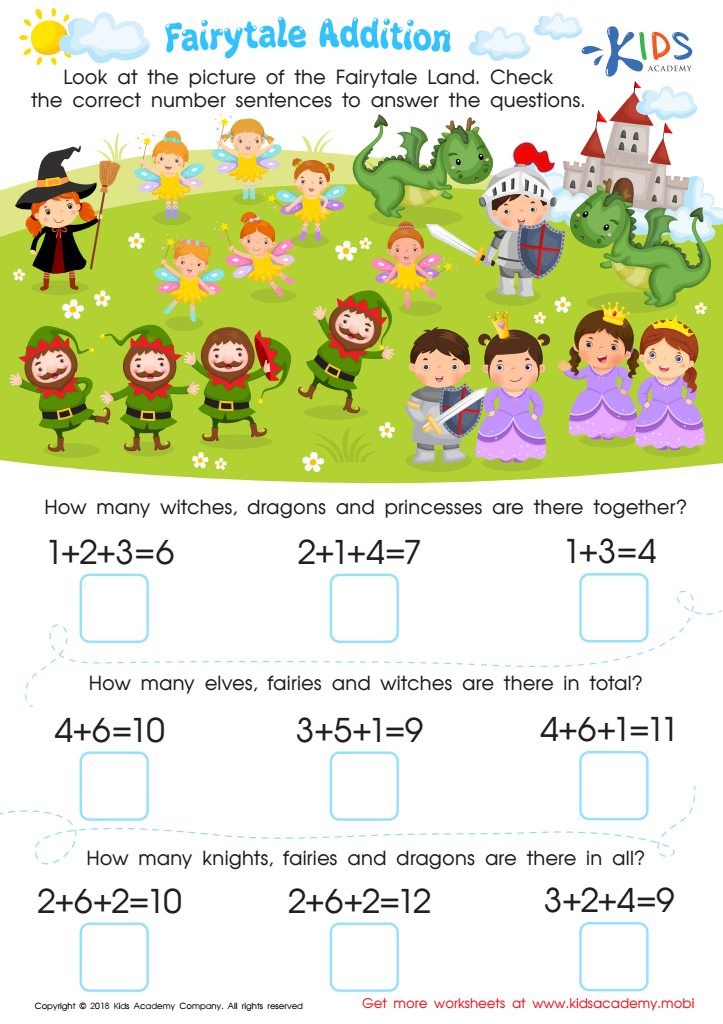
Fairytale Addition Worksheet
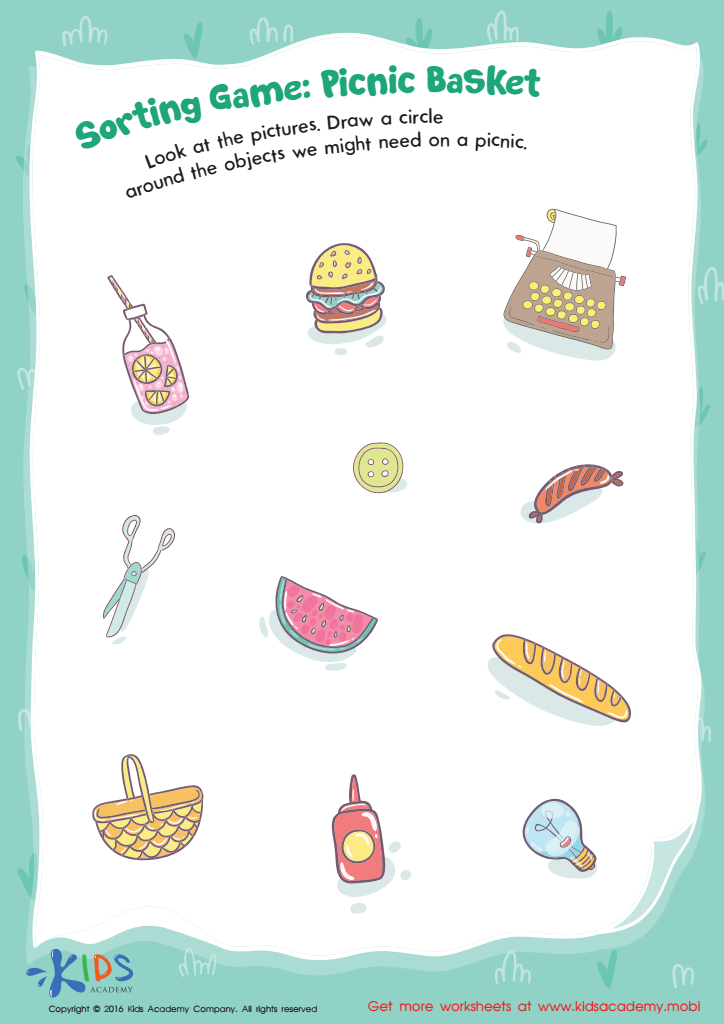
Picnic Basket Sorting Worksheet
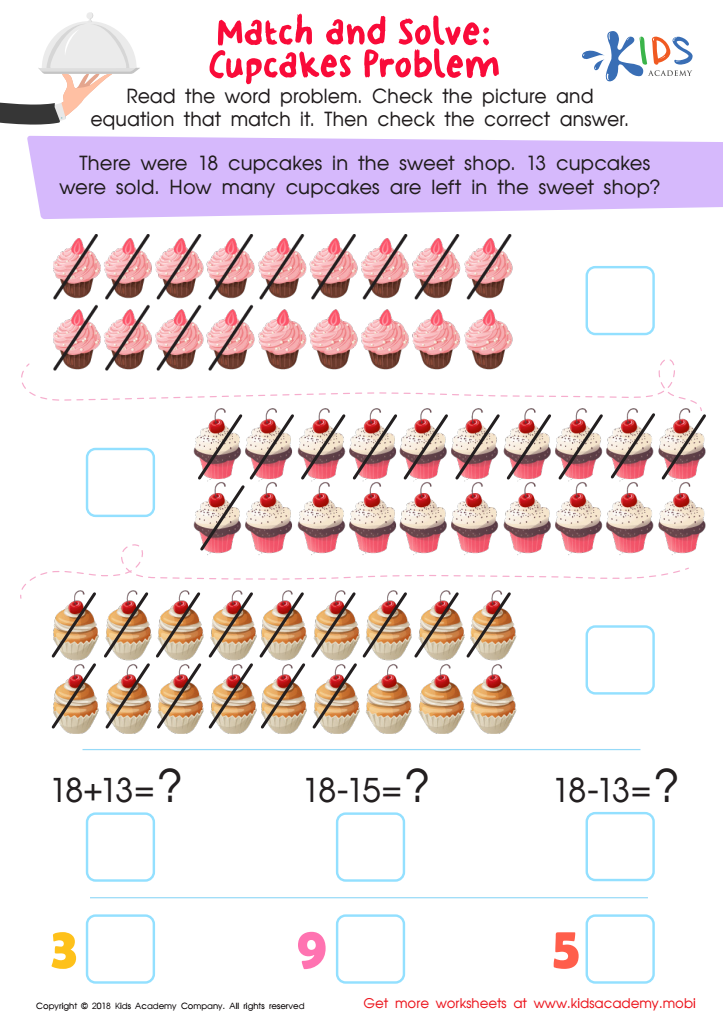
Match and Solve: Cupcakes Problem Worksheet
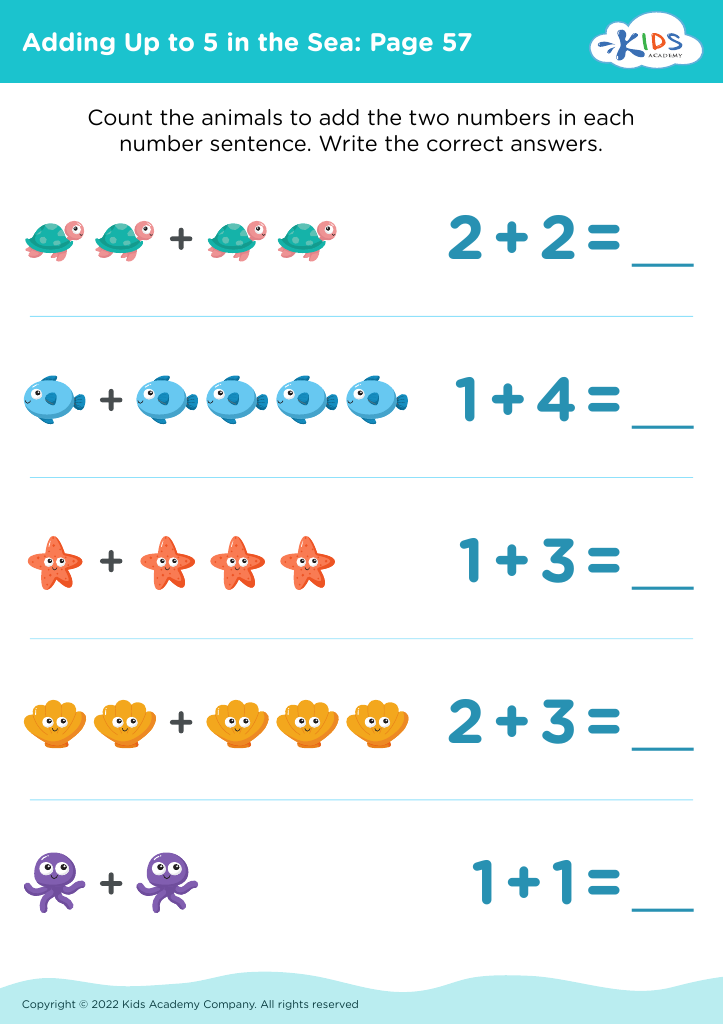
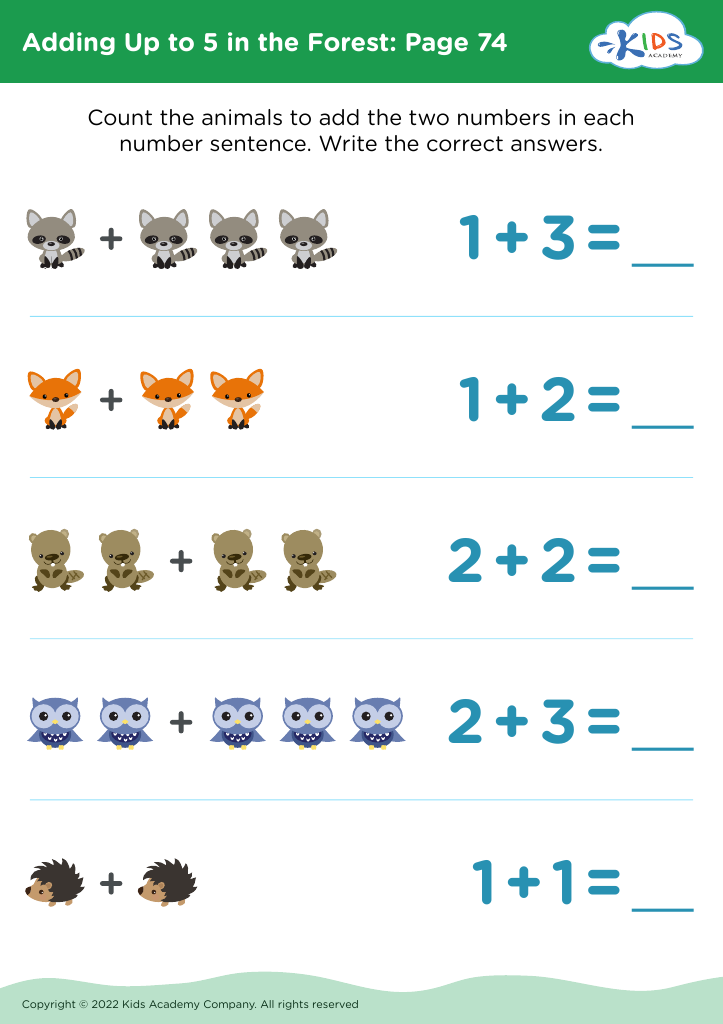
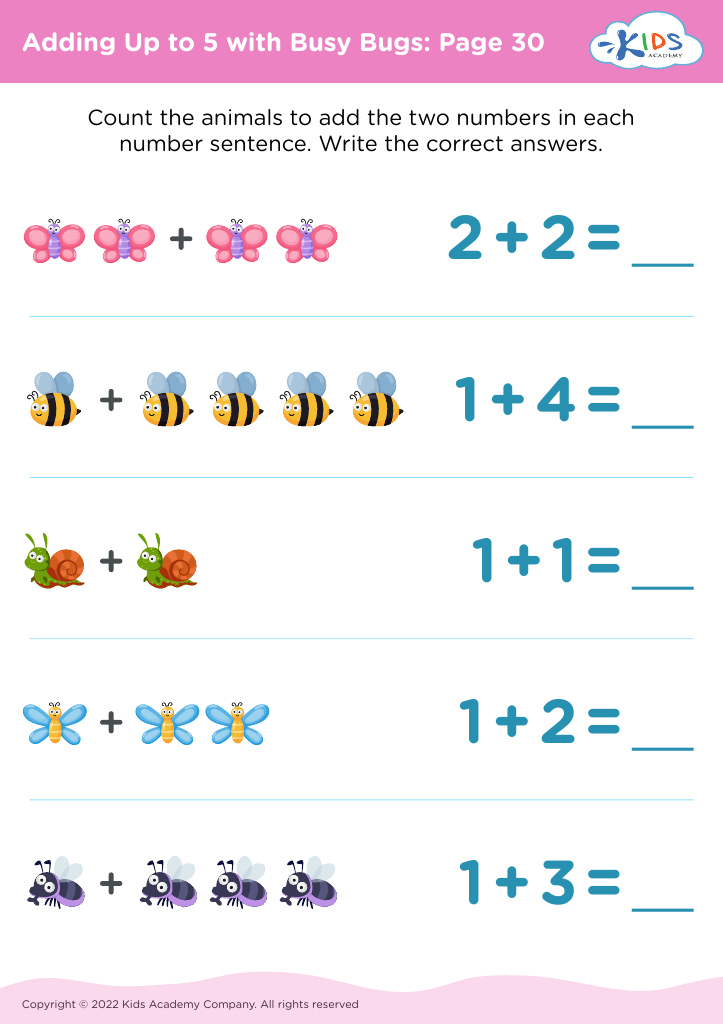
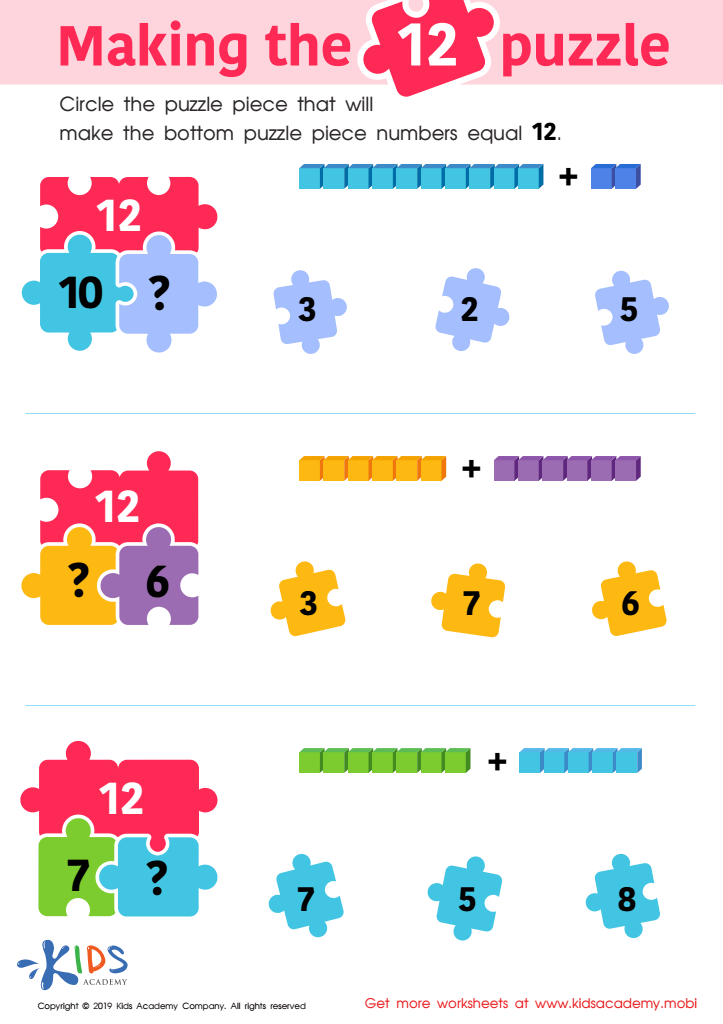
Making the 12 Puzzle Worksheet
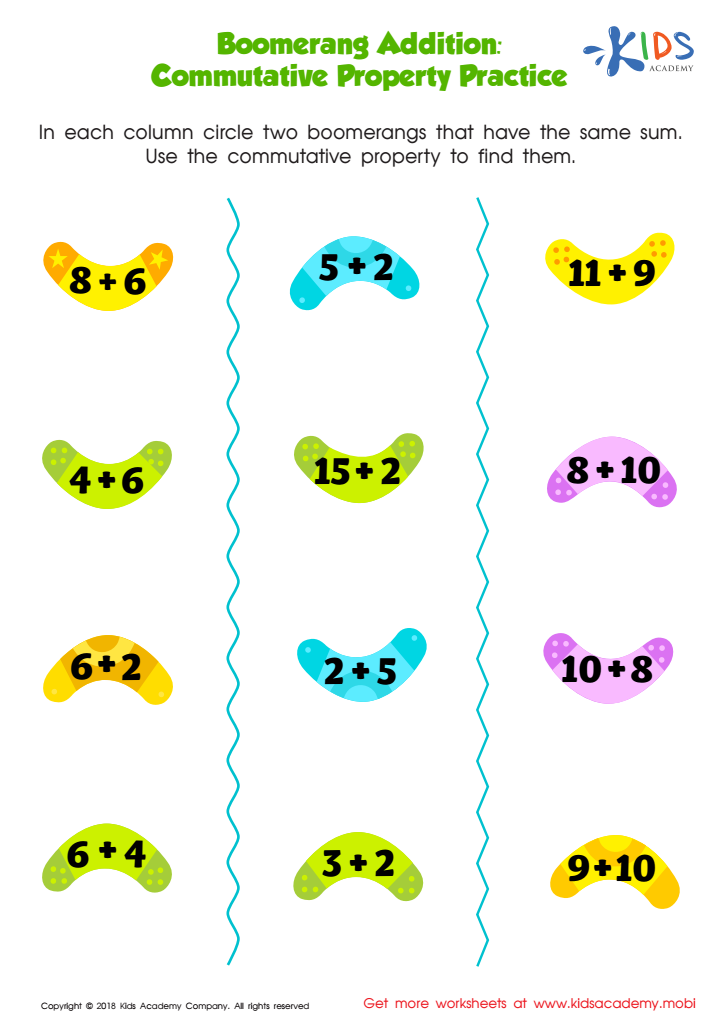
Boomerang Addition Worksheet
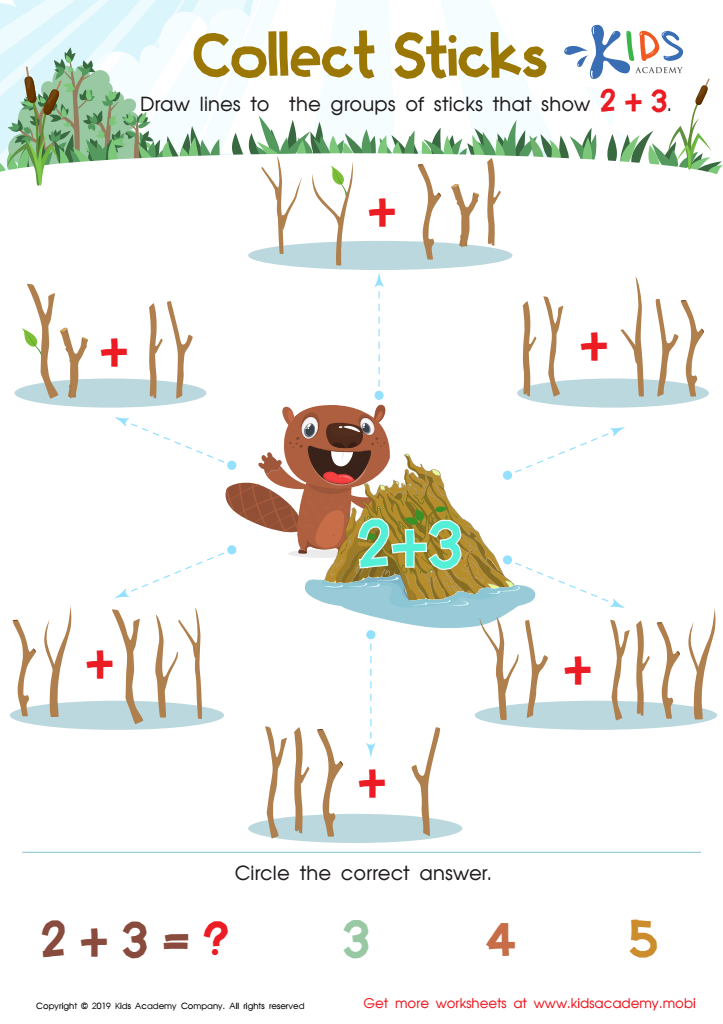
Collect Sticks Worksheet
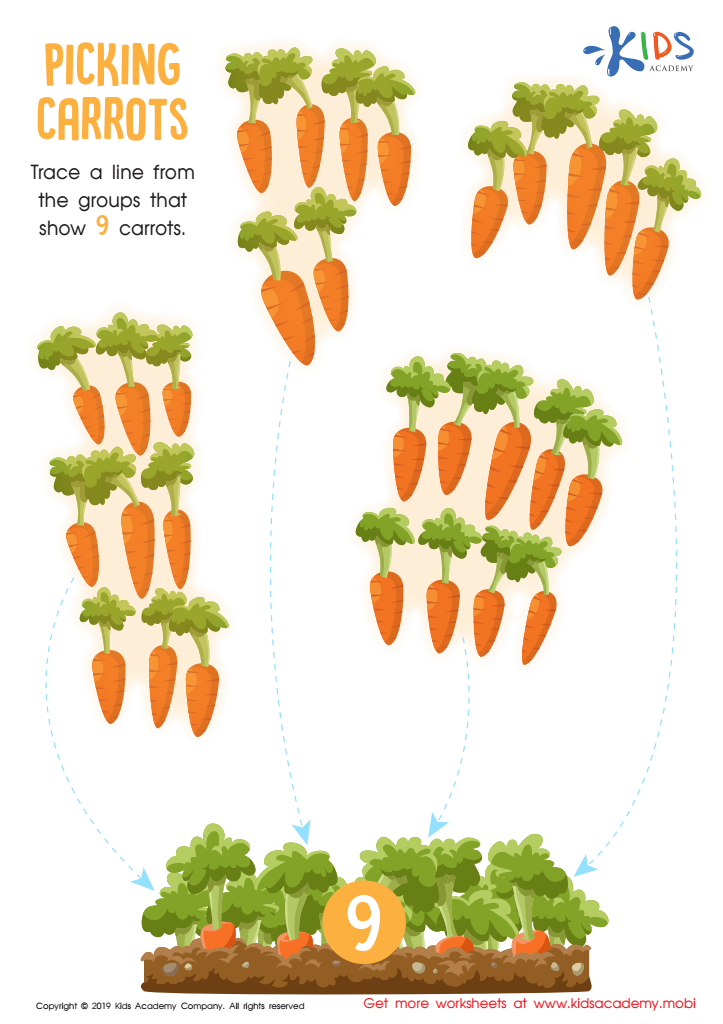
Picking Carrots Worksheet
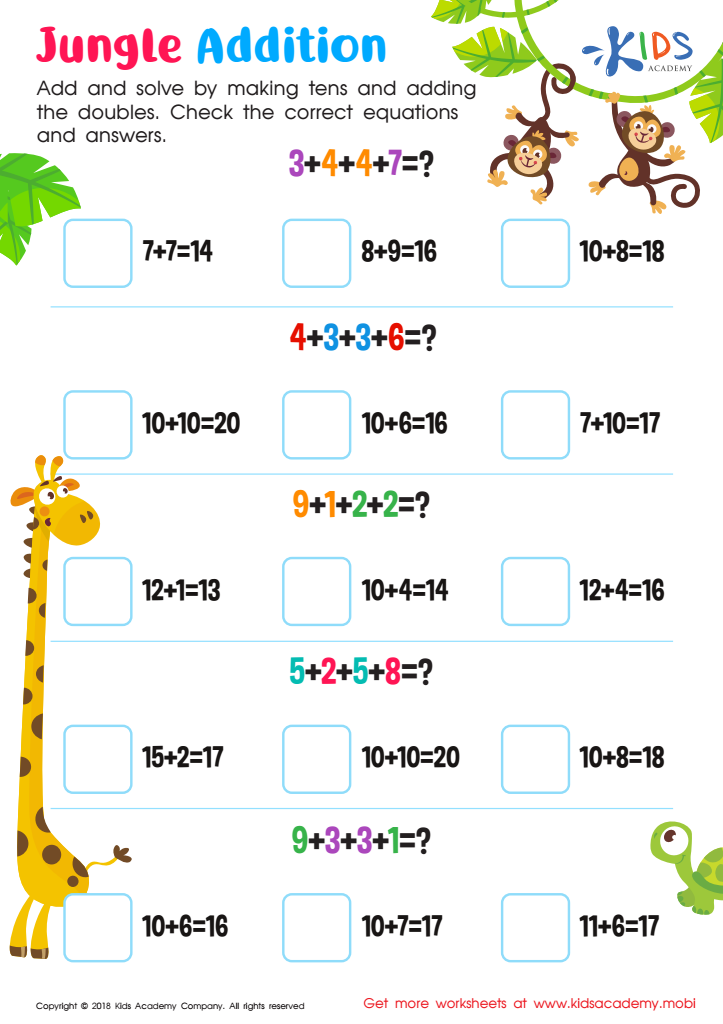
Jungle Addition Worksheet
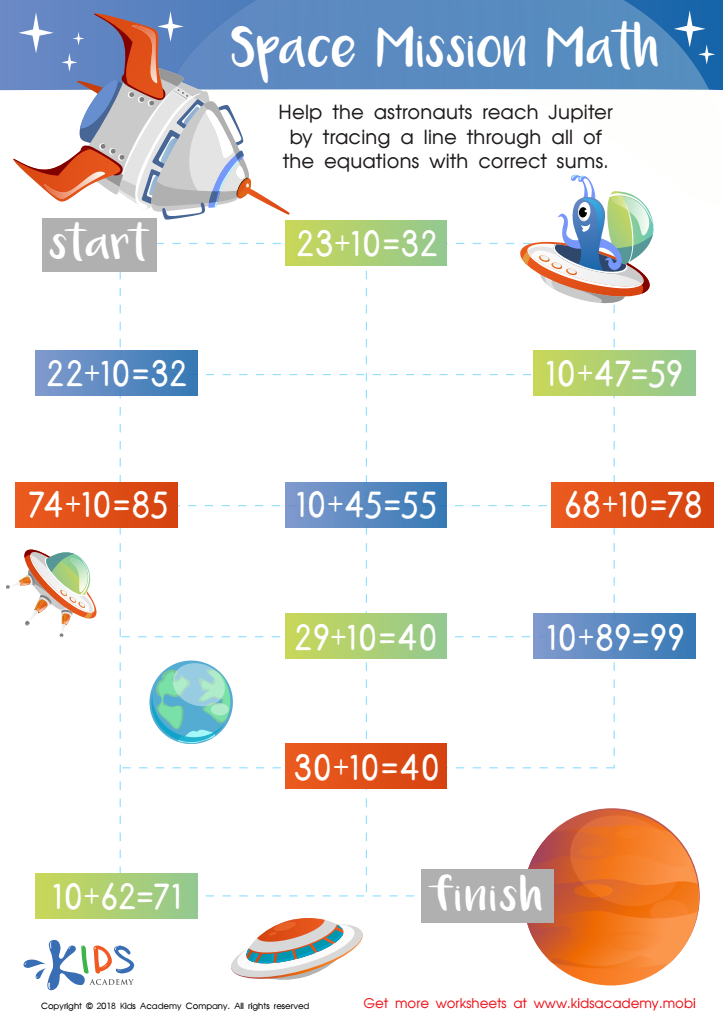
Space Mission Math Worksheet
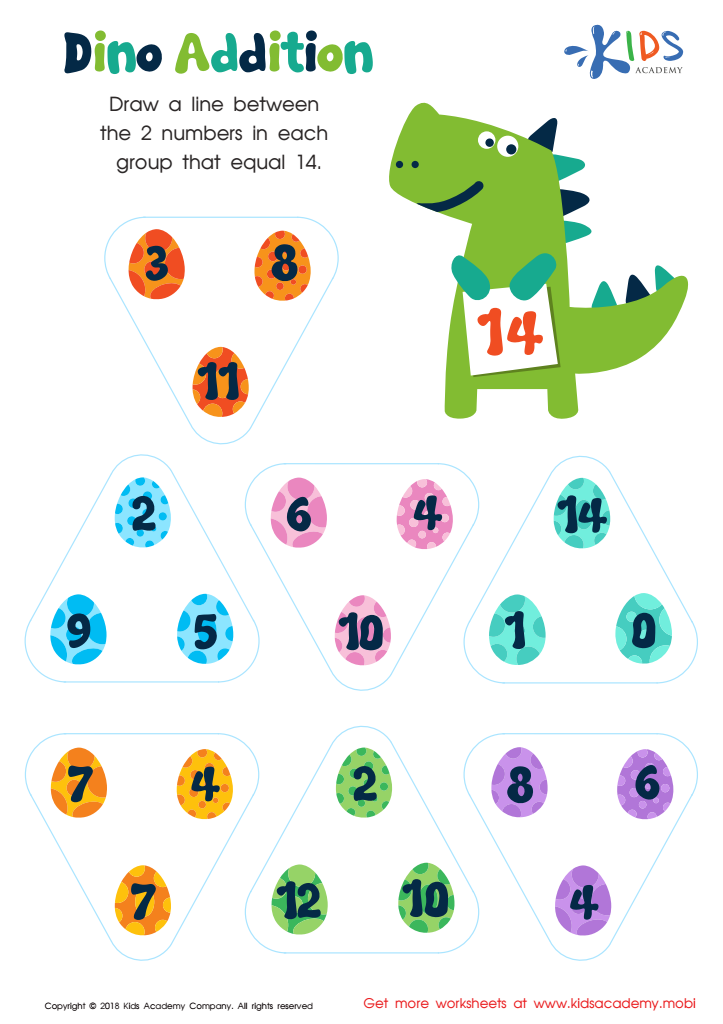
Dino Addition Worksheet
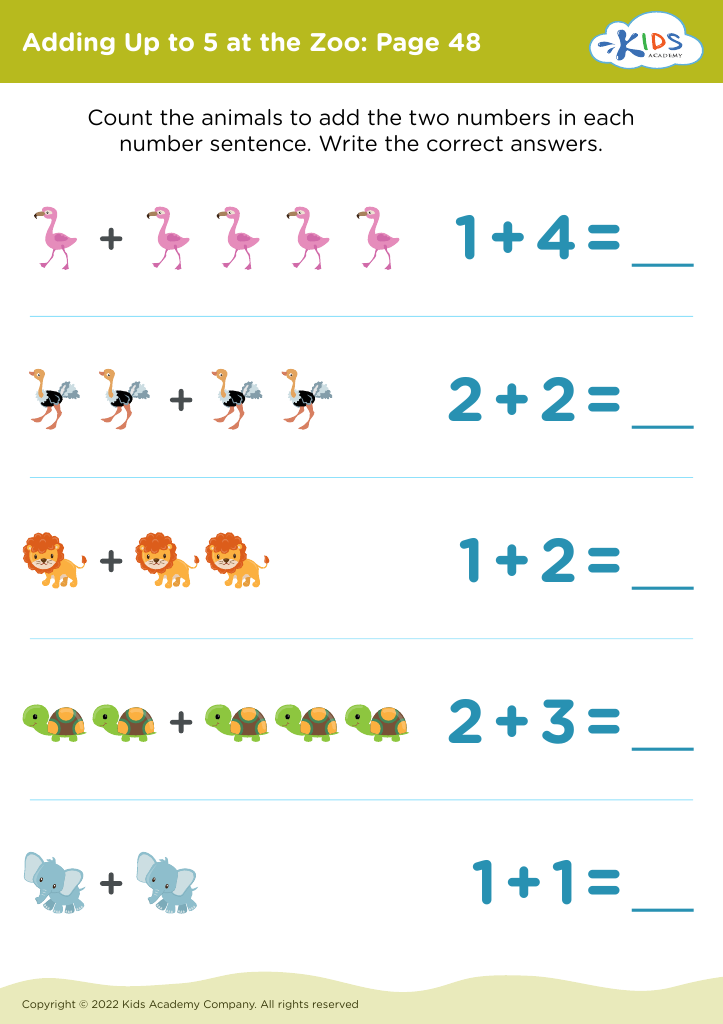
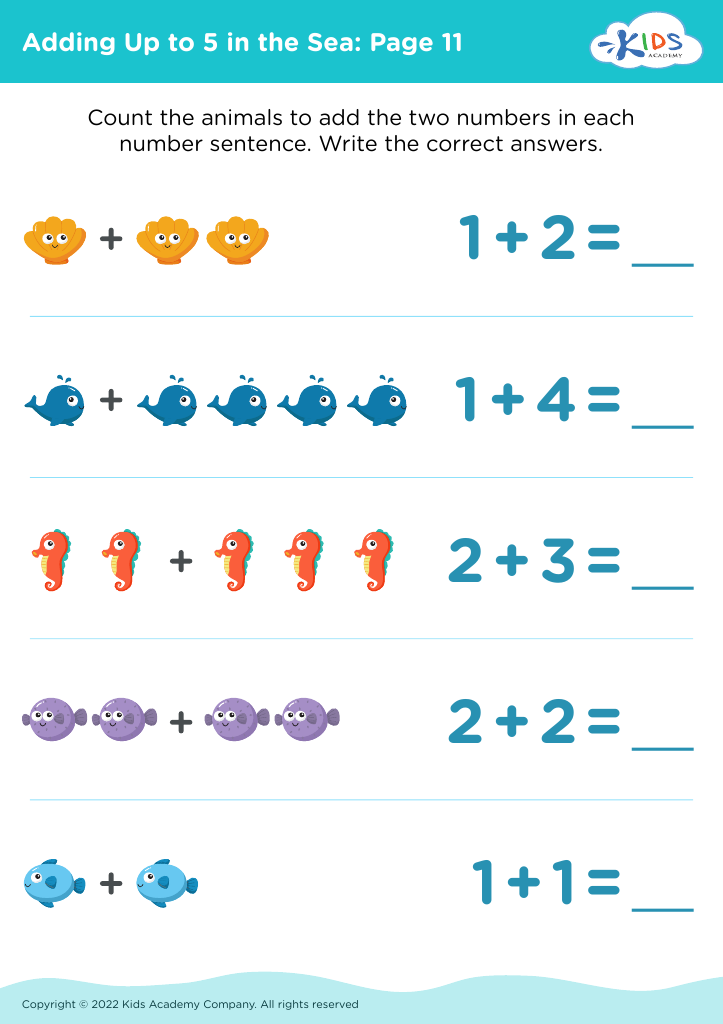
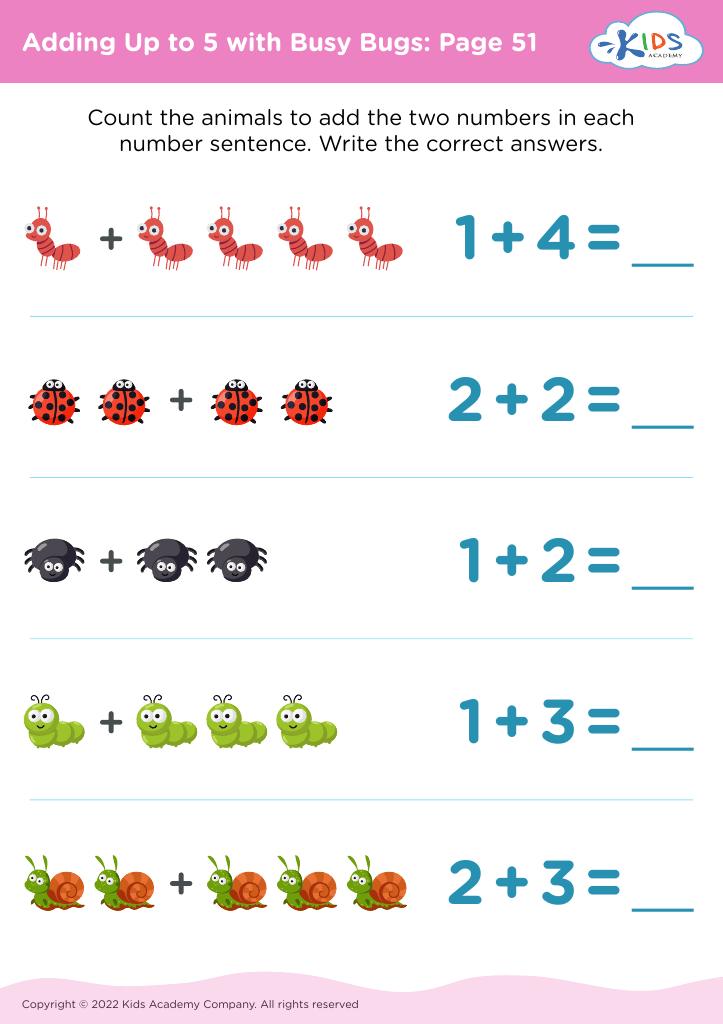
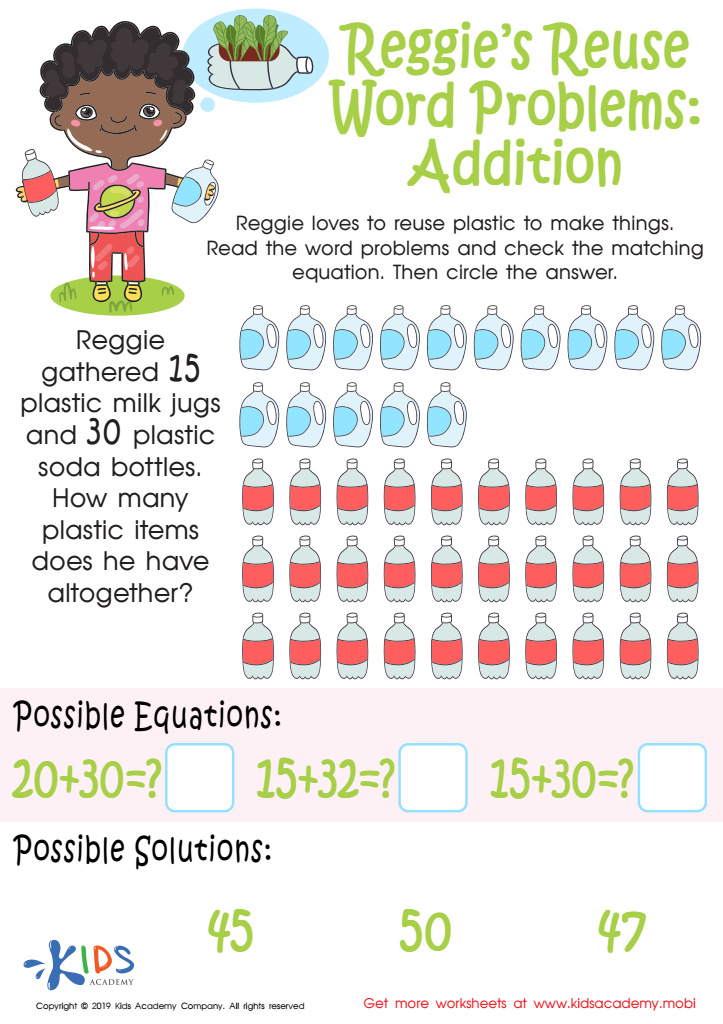
Reggie's Reuse Word Problems: Addition Worksheet




.jpg)



Addition practice for ages 5-6 is crucial for a child's early math development, serving as a foundation for future learning. During this stage, children are naturally curious and eager to absorb new information. Engaging them in addition practice not only helps them learn basic math skills, but also fosters critical cognitive abilities, such as problem-solving and logical reasoning. Mastery of addition enhances their confidence and sets a positive tone for their relationship with math.
Additionally, addition practice supports the development of fine motor skills through hands-on activities, such as counting blocks or using fingers, making learning interactive and fun. Practicing addition in different formats—games, worksheets, or real-life applications—can ignite a child's interest, helping to make math feel less intimidating.
Furthermore, early math skills correlate with later academic success. By instilling a strong understanding of addition, parents and teachers help children build essential skills for grasping more complex math concepts in the future. Finally, the collaborative aspect of math practice encourages communication between parents and children, solidifying family bonds and fostering a supportive learning environment. Therefore, nurturing a child's addition skills is a critical investment in their academic journey and overall growth.








