Problem-Solving Skills Math Worksheets for Ages 5-6 - Page 7
165 filtered results
-
From - To

Haystack Steps Worksheet
 Assign to My Students
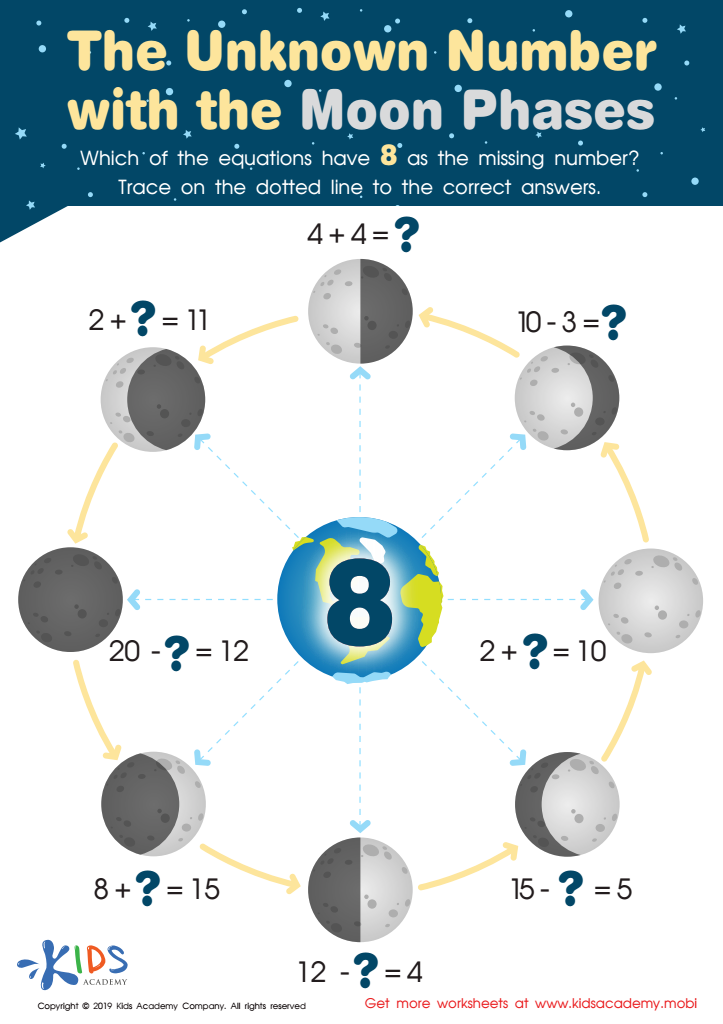
The Unknown Number with the Moon Phases Worksheet
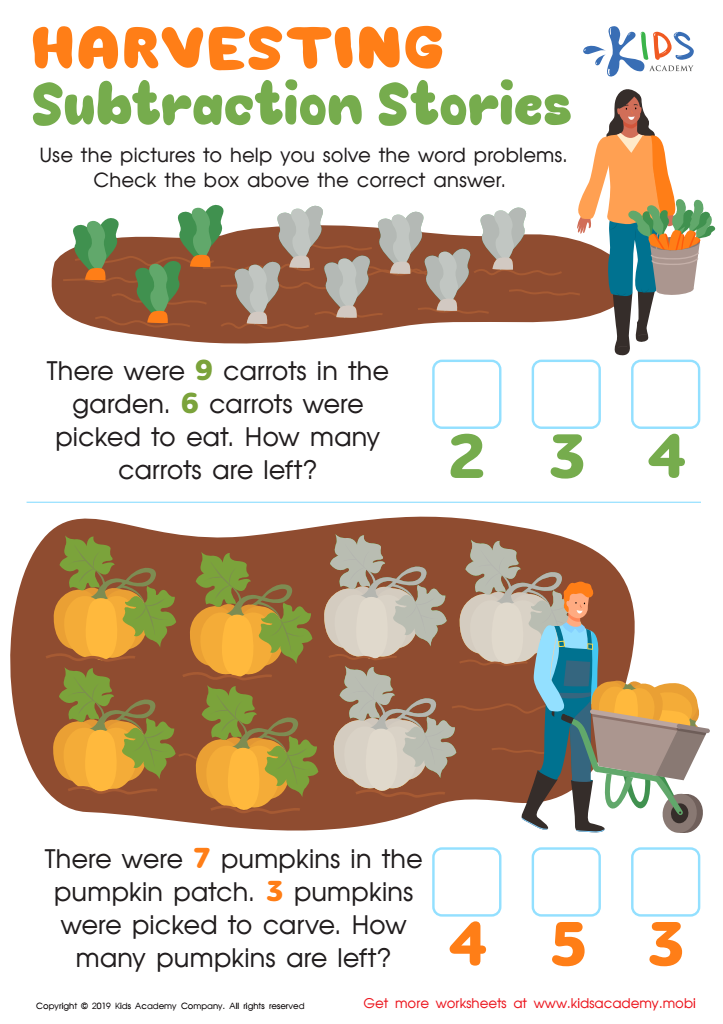
Harvesting Subtraction Stories Worksheet
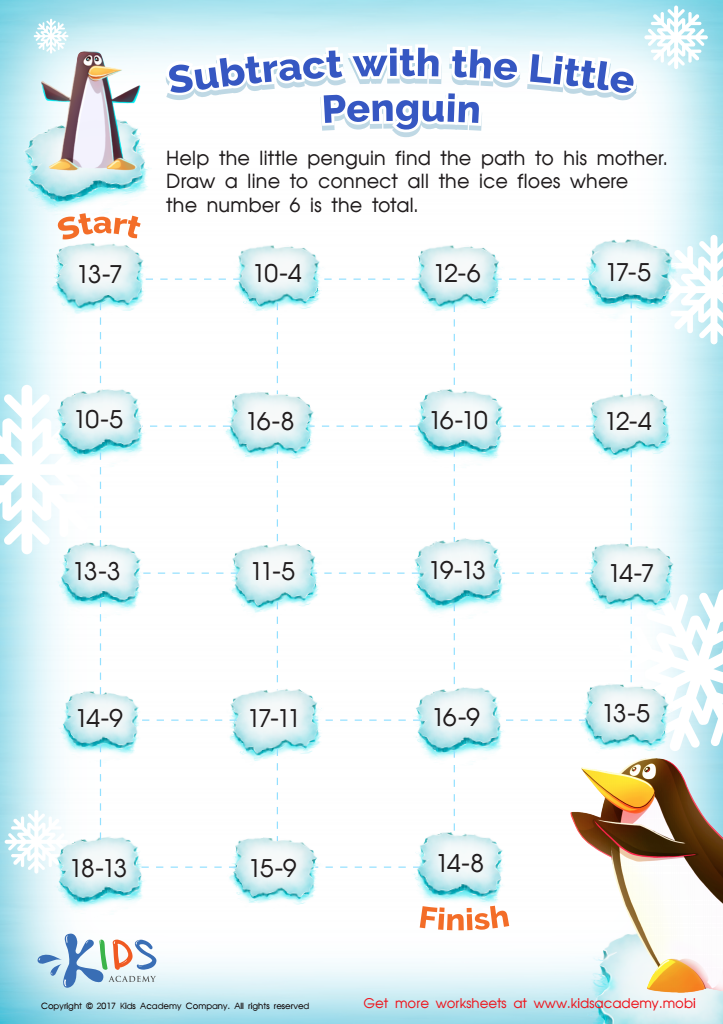
Subtract With The Little Penguin Substraction Worksheet

Silhouettes – Shapes Worksheet
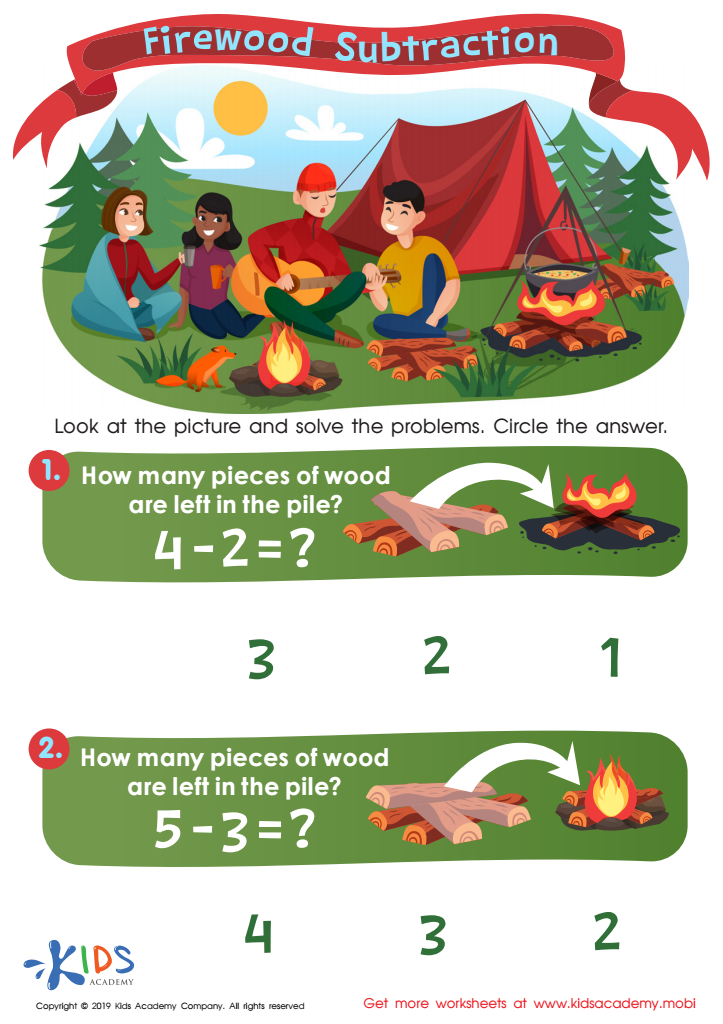
Firewood Subtraction Worksheet
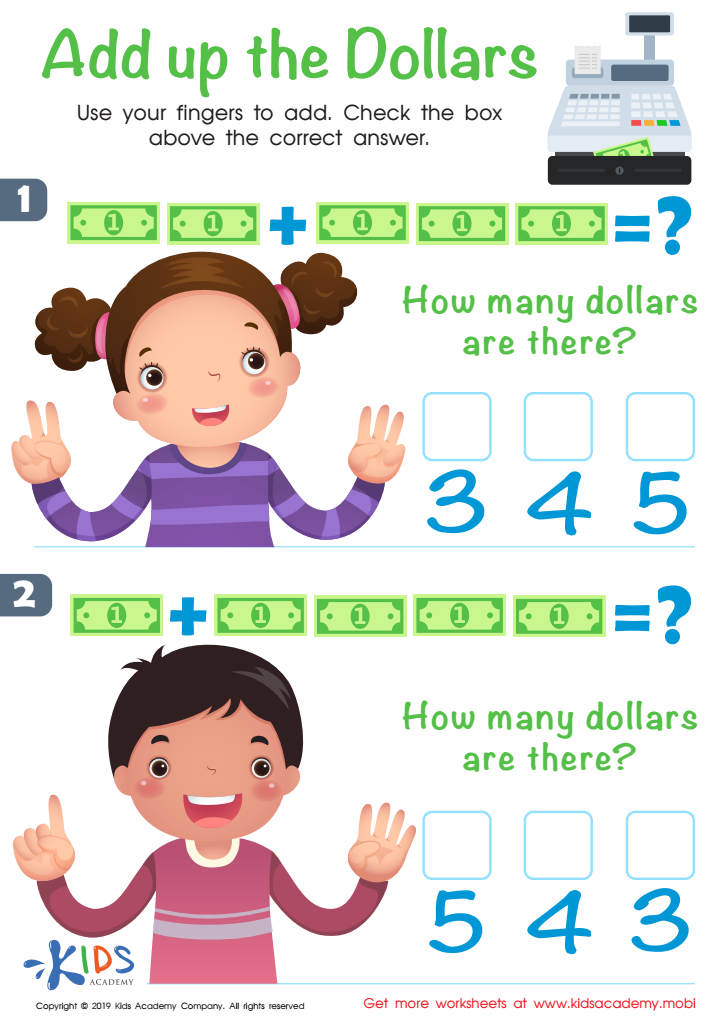
Add up the Dollars Worksheet
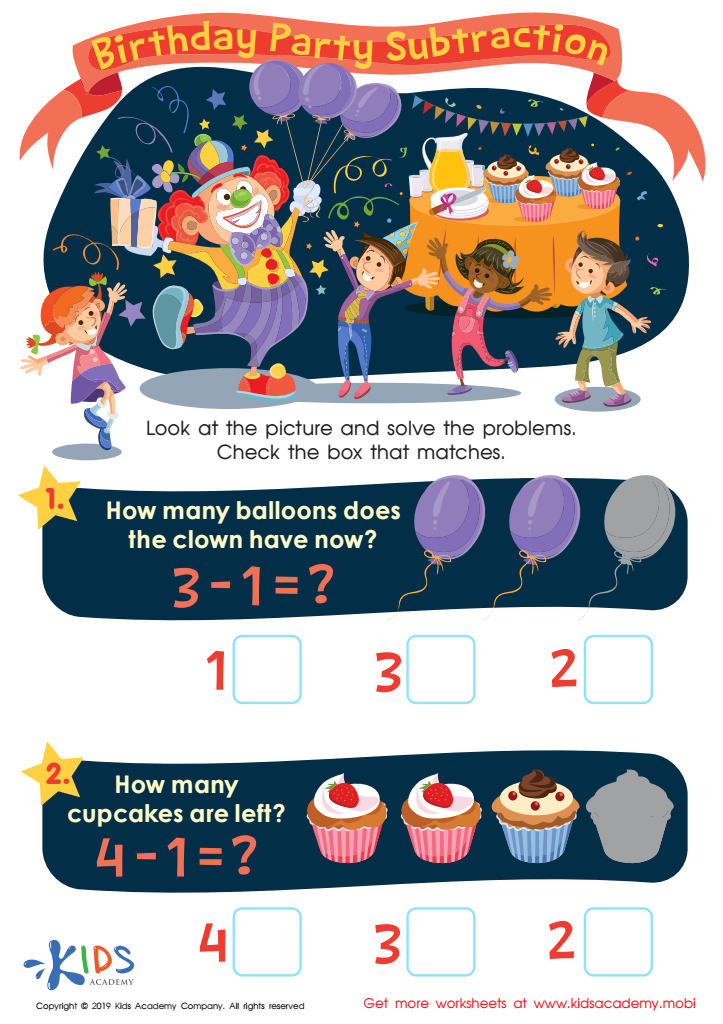
Birthday Party Subtraction Worksheet
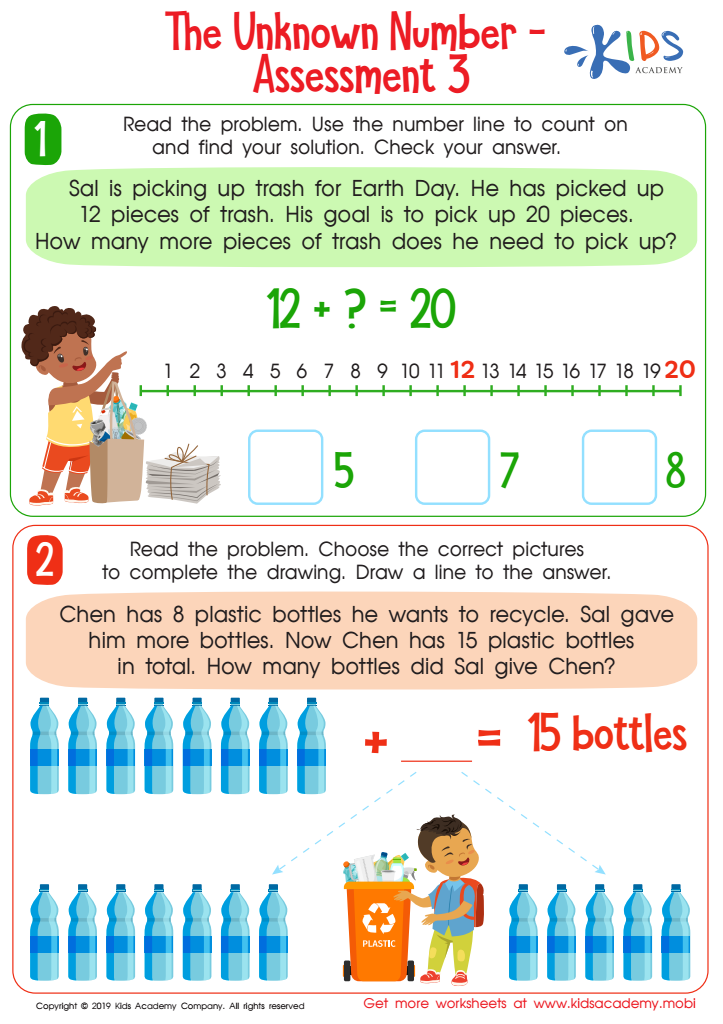
The Unknown Number - Assessment 3 Worksheet
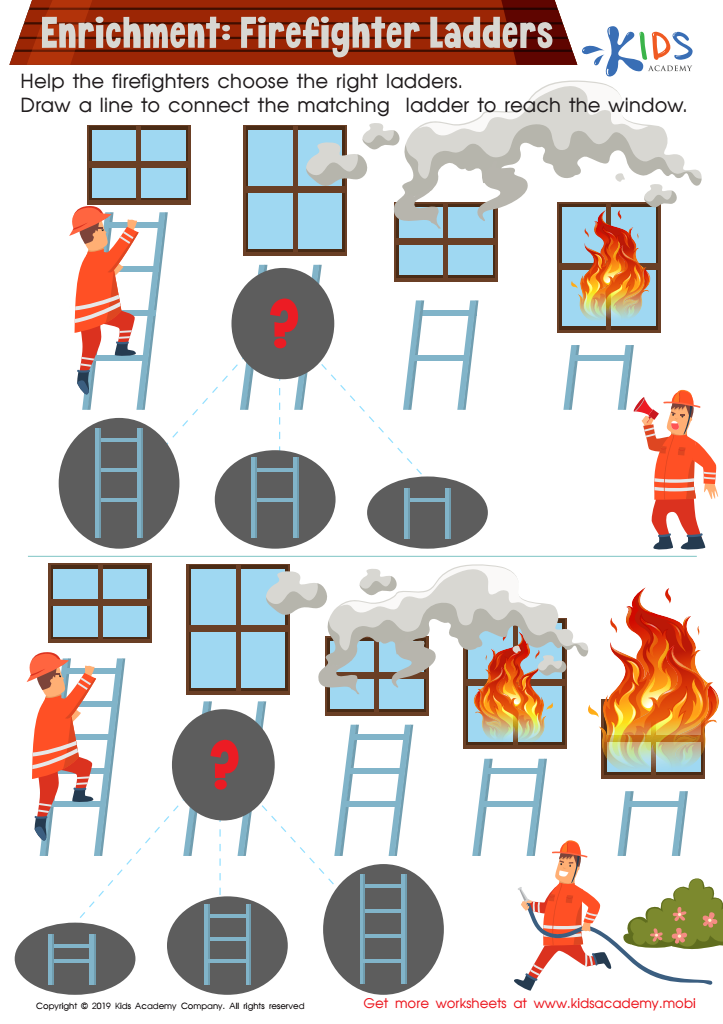
Enrichment: Firefighter Ladders Worksheet
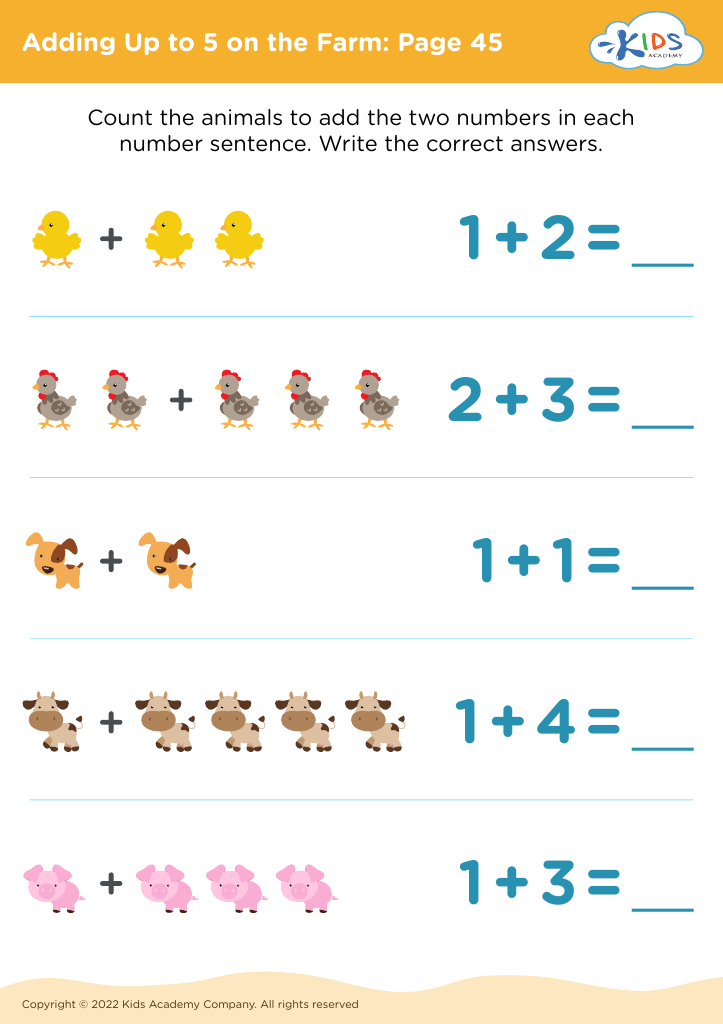
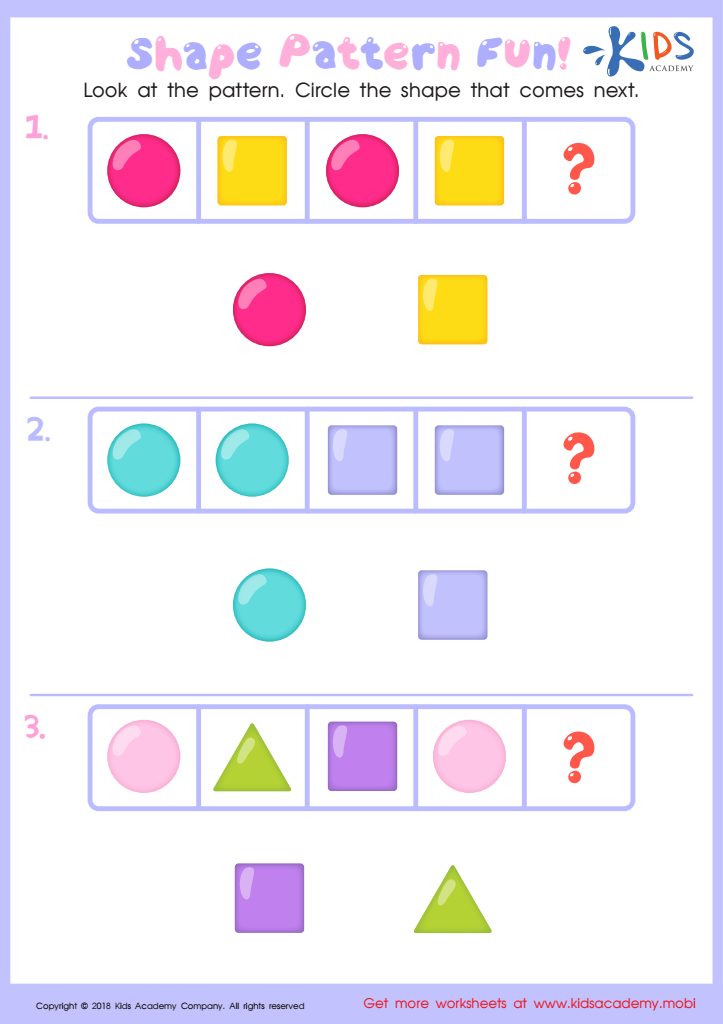
Shape Pattern Fun Worksheet
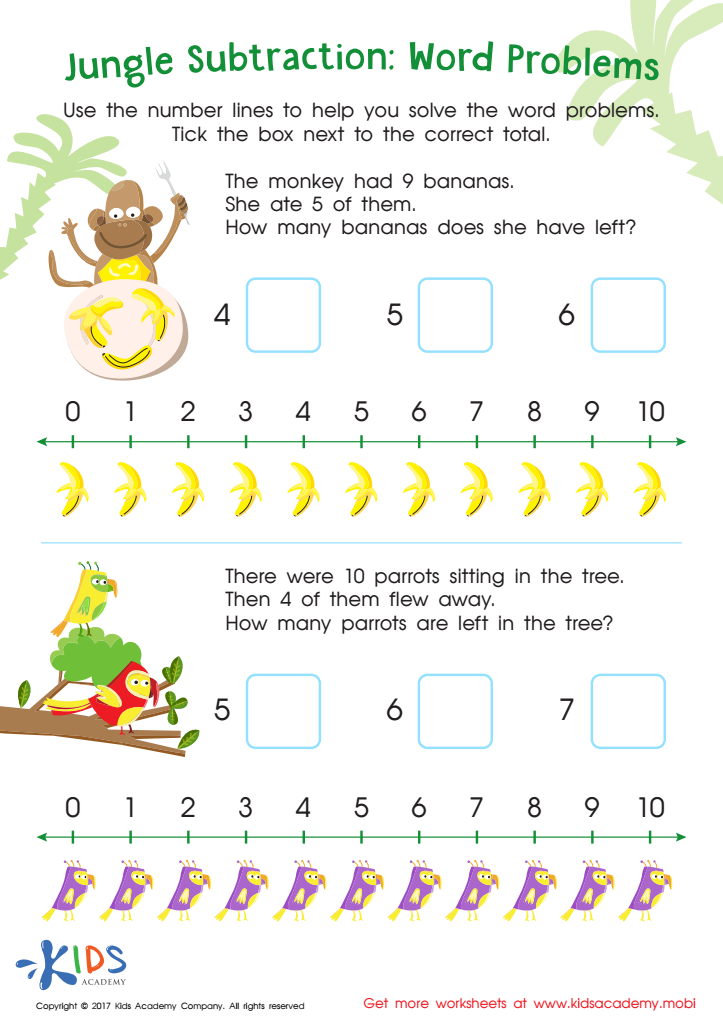
Jungle Subtraction Word Problems Substraction Worksheet
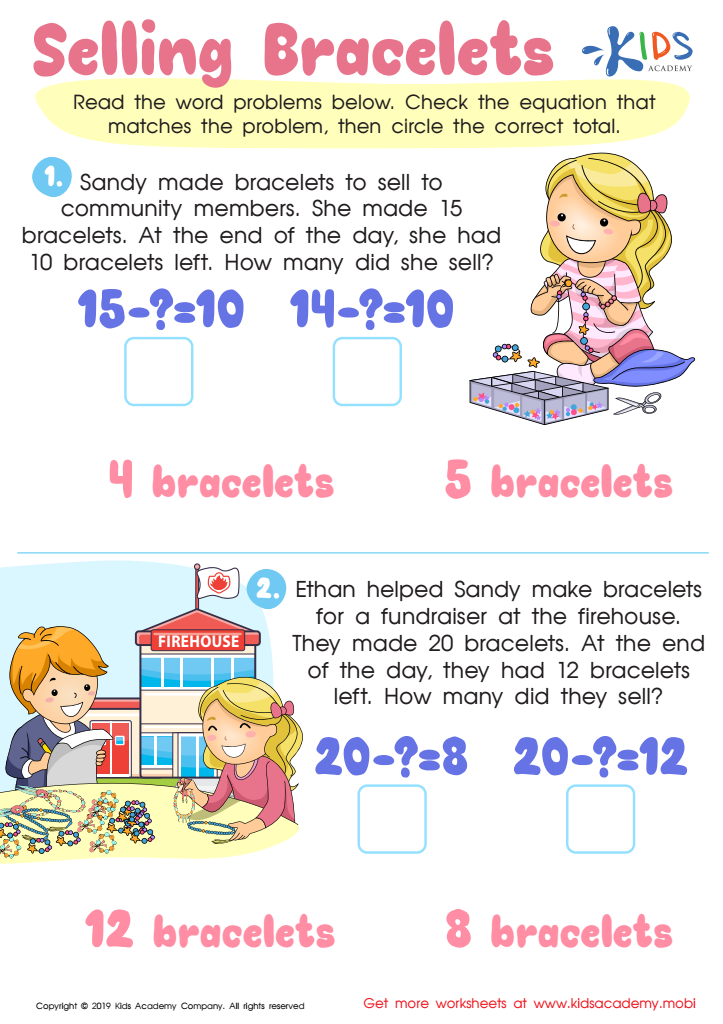
Selling the Bracelets Worksheet
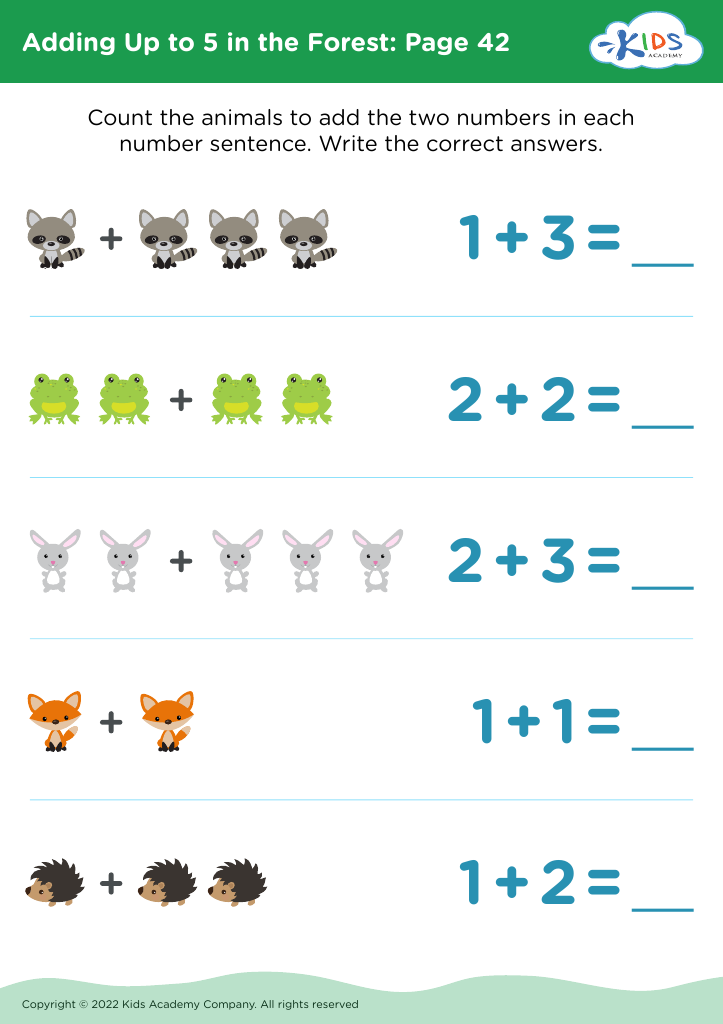
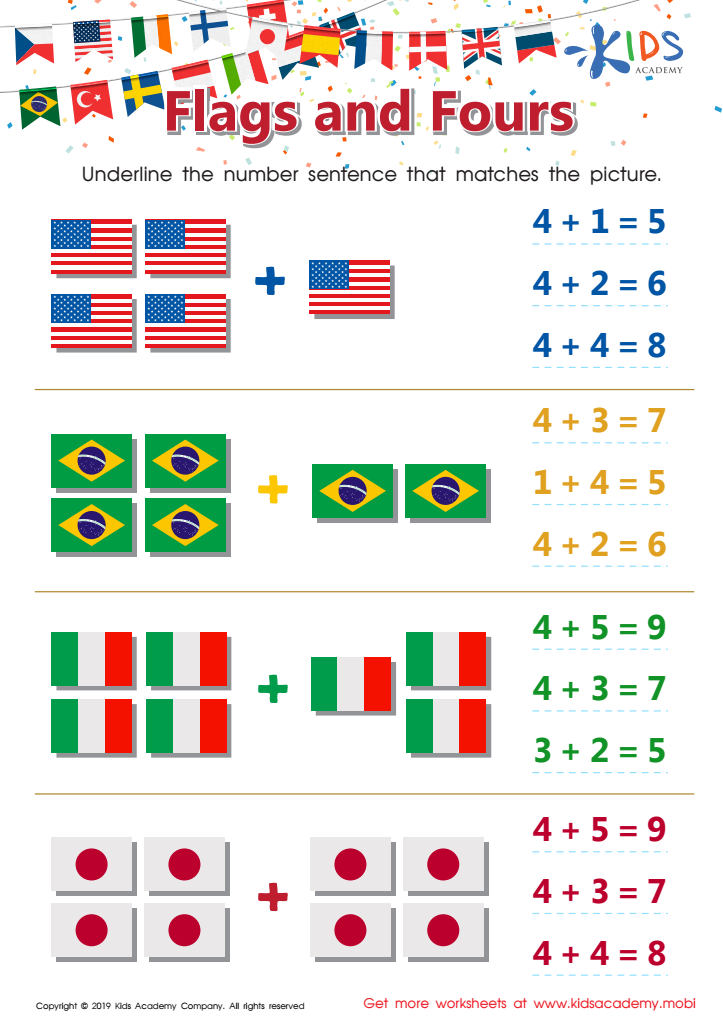
Flags and Fours Worksheet
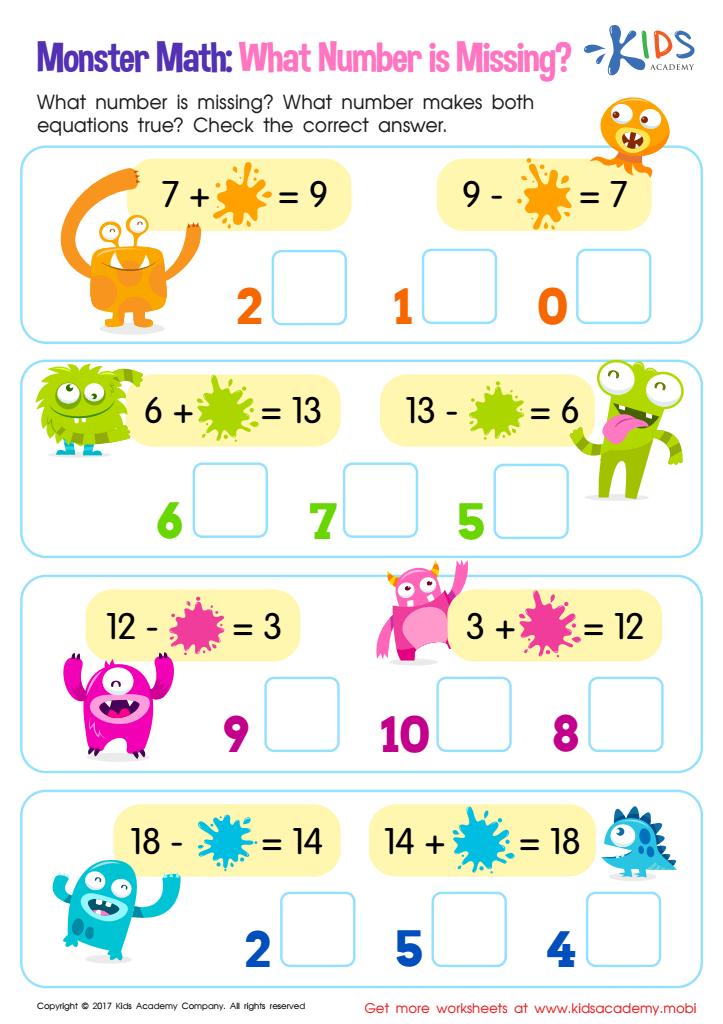
Missing Number: Monster Math Worksheet
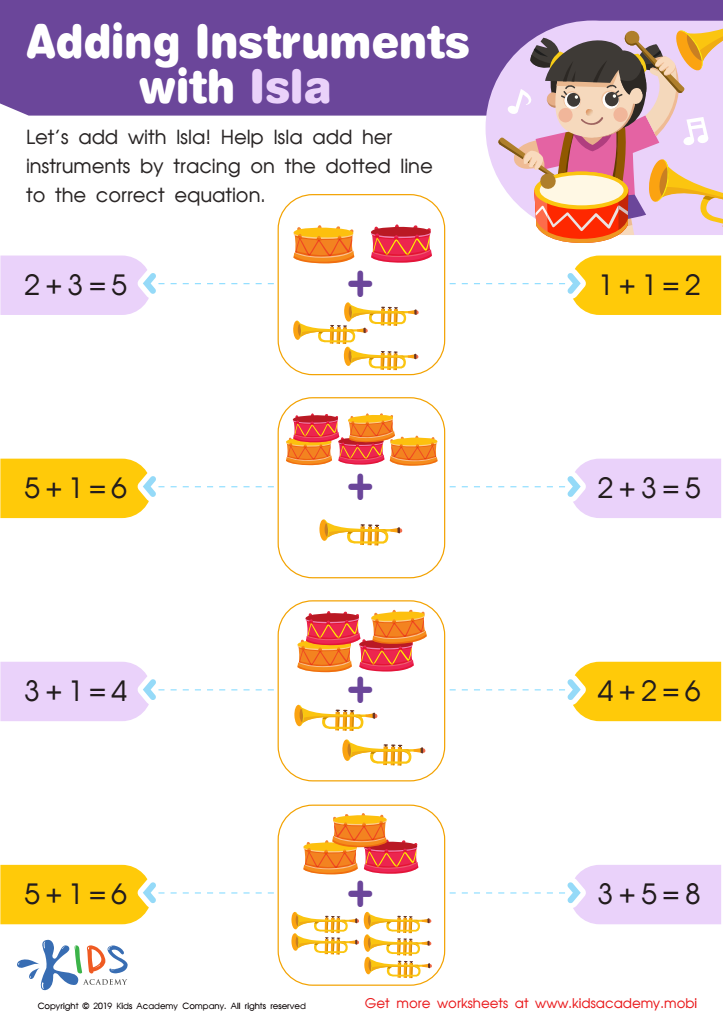
Adding Instruments with Isla Worksheet
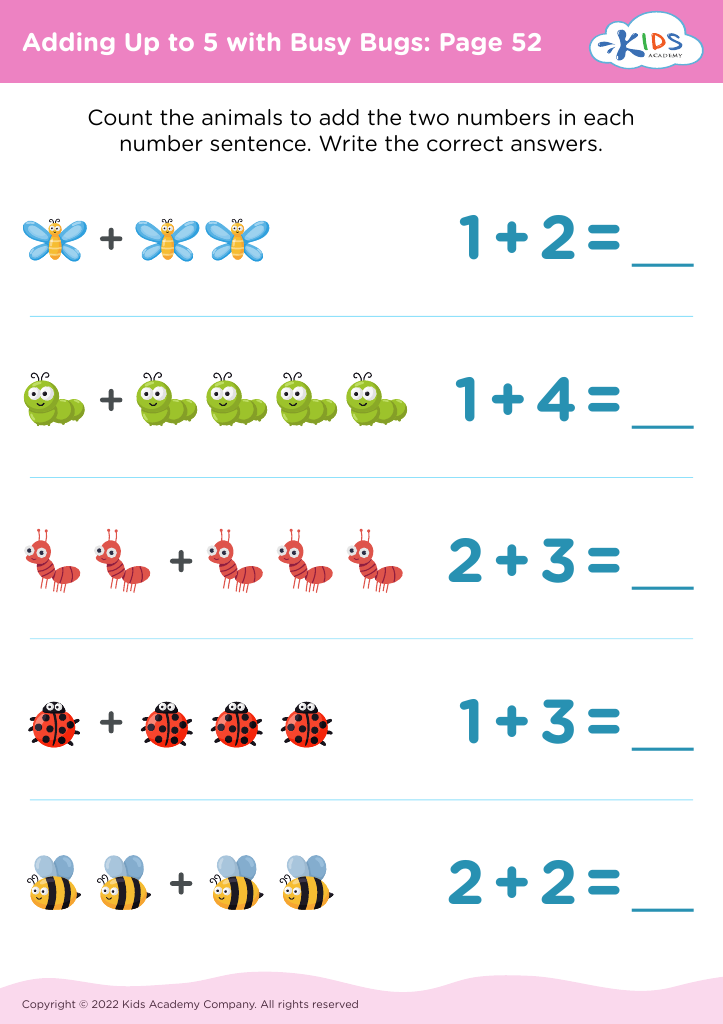





%20(1).jpg)


Problem-solving skills in math are crucial for children aged 5-6, providing foundational abilities necessary for later academic success and everyday life. At this age, children are naturally curious and eager to explore their environments. Engaging them in math problem-solving cultivates critical thinking, enhances their reasoning skills, and encourages persistence.
Developing these skills early promotes a positive attitude toward math, helping to prevent math anxiety as they progress in their education. Math problem-solving also fosters creativity, allowing children to understand multiple approaches to finding solutions, thus enhancing cognitive flexibility.
Moreover, math isn't just about numbers; it's embedded in daily activities. Whether they are distributing snacks or building with blocks, children are constantly using problem-solving in practical situations. For parents and teachers, emphasizing these skills during this formative stage helps lay the groundwork for more complex mathematical concepts, ensuring students are better prepared for future learning.
By nurturing problem-solving abilities, parents and teachers can help children build confidence, improve their analytical skills, and instill a lifelong love of learning, critical in shaping capable, resilient individuals ready to navigate challenges ahead.








