Visual discrimination Math Worksheets for Ages 5-6
16 filtered results
-
From - To
Unlock your child's potential with our Visual Discrimination Math Worksheets for Ages 5-6! Designed to enhance learning through fun and interactive activities, these worksheets help young learners develop crucial visual discrimination skills needed for math success. Our engaging exercises support kids in recognizing shapes, patterns, and differences, thus building a strong foundation for mathematics. By integrating vibrant graphics and captivating tasks, our worksheets keep children motivated and eager to learn. Perfect for parents and teachers alike, these tools ensure that early math concepts are grasped effortlessly. Elevate your child’s learning journey with our visual discrimination math worksheets today!
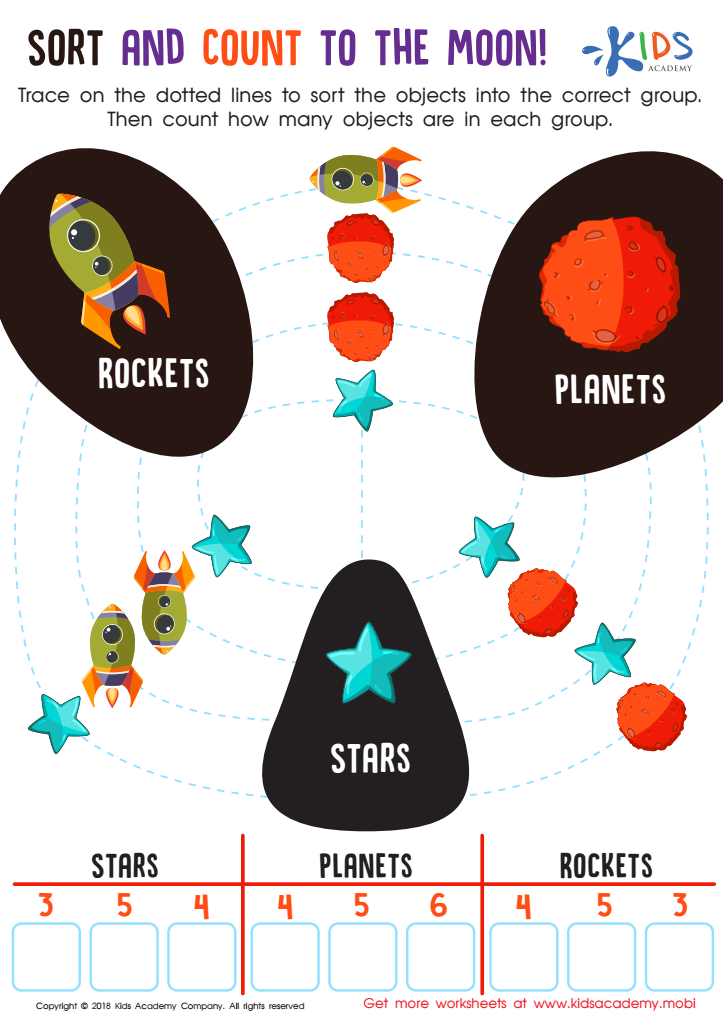
Sort and Count to the Moon Worksheet
 Assign to My Students
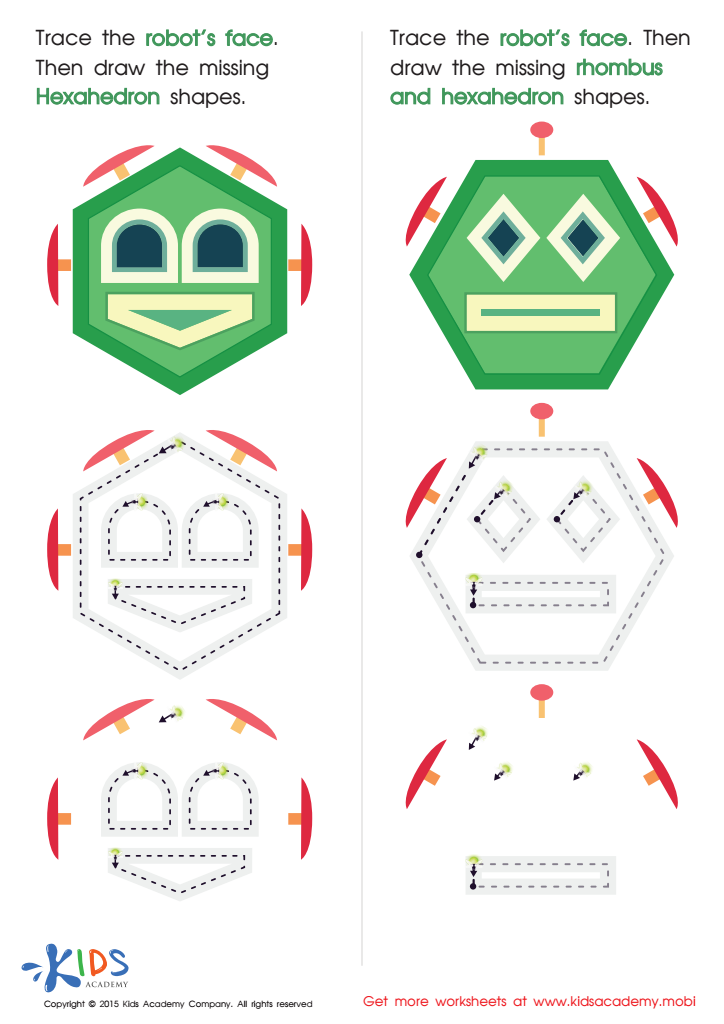
Practice Drawing Hexahedrons And a Rhombus Worksheet
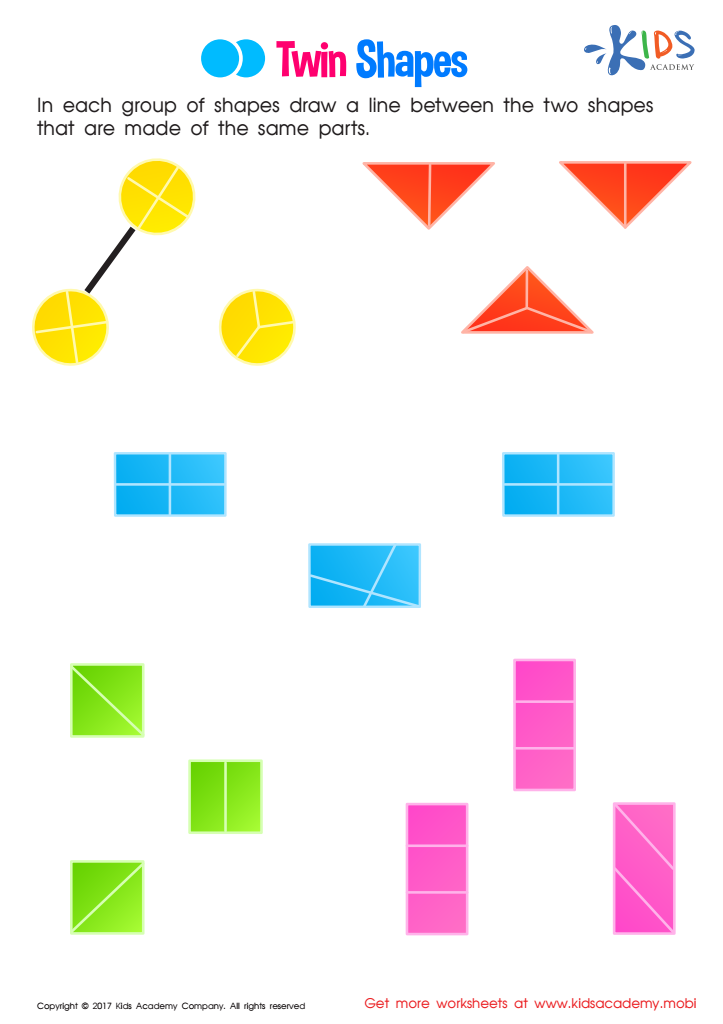
Twin Shapes Worksheet
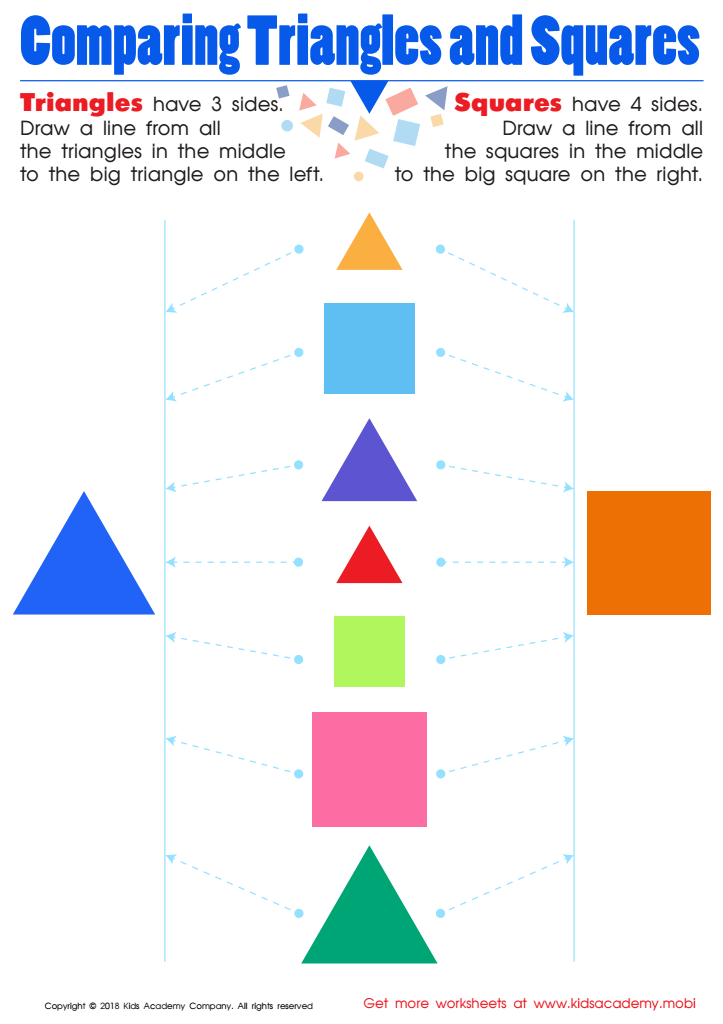
Comparing Triangles Squares Worksheet
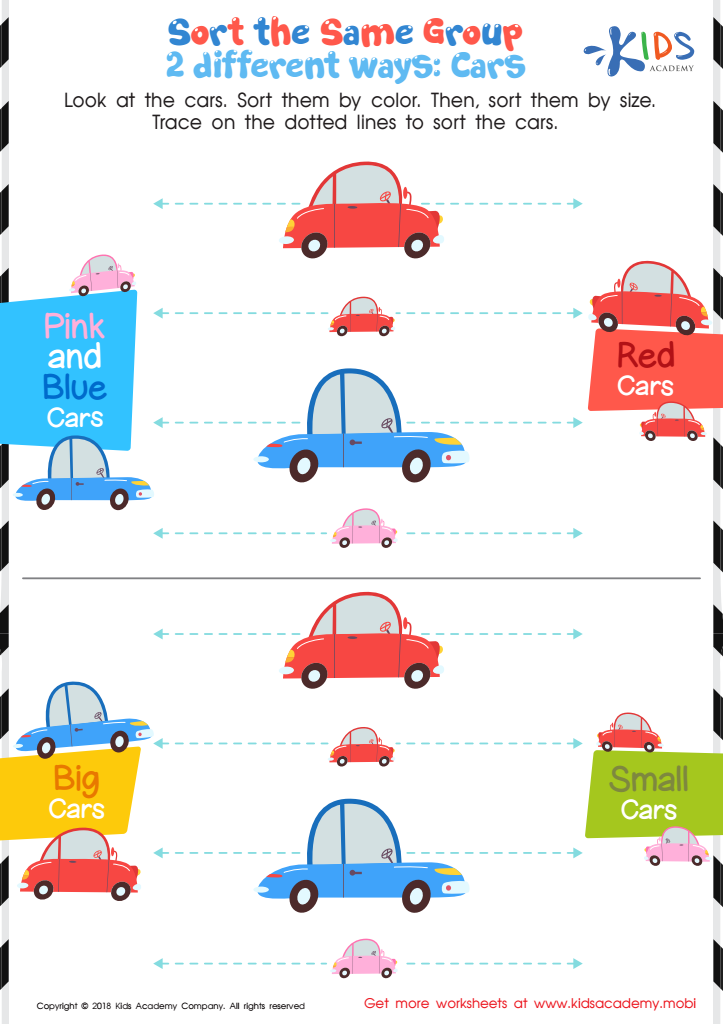
Sort the Same Group 2 Different Ways: Cars Worksheet
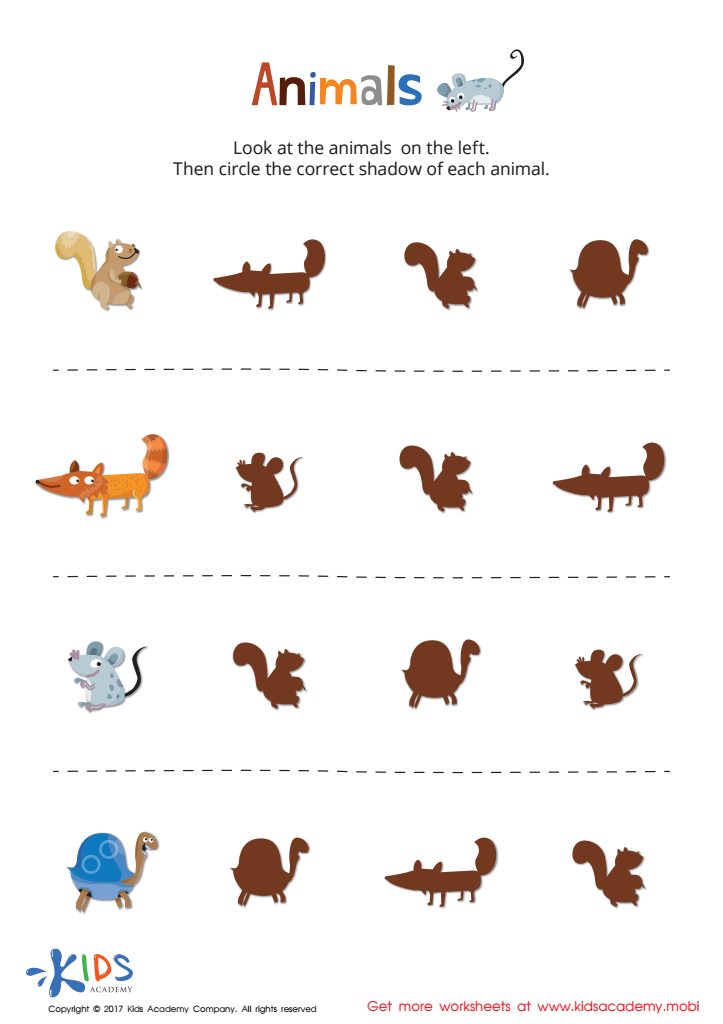
Animal Shadows Sorting Worksheet
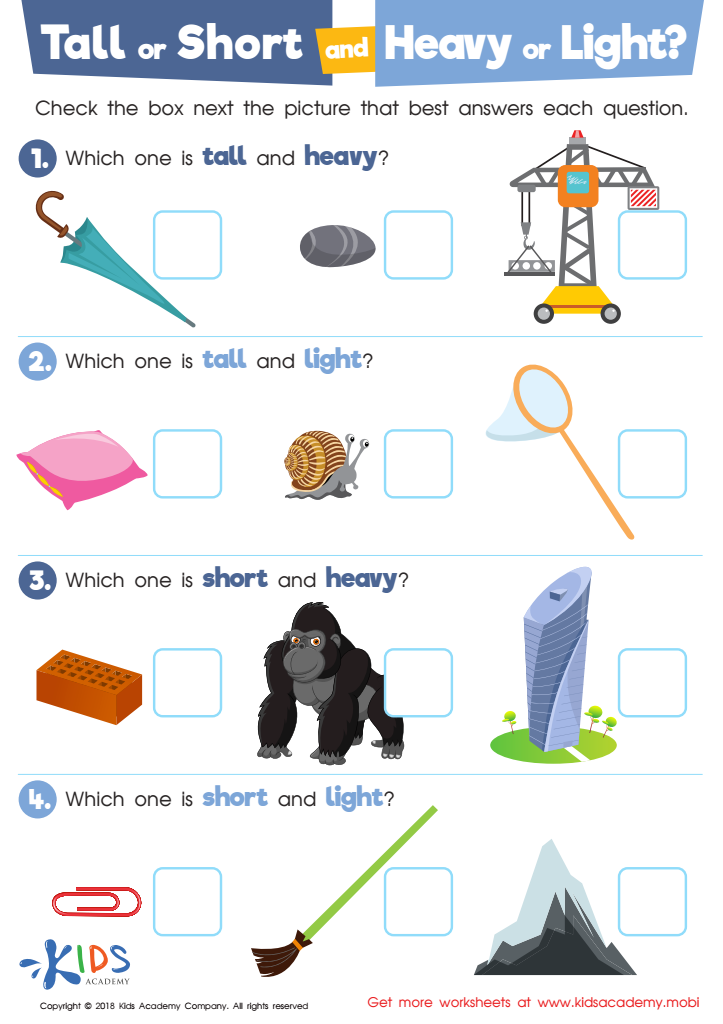
Tall or Short and Heavy or Light? Worksheet
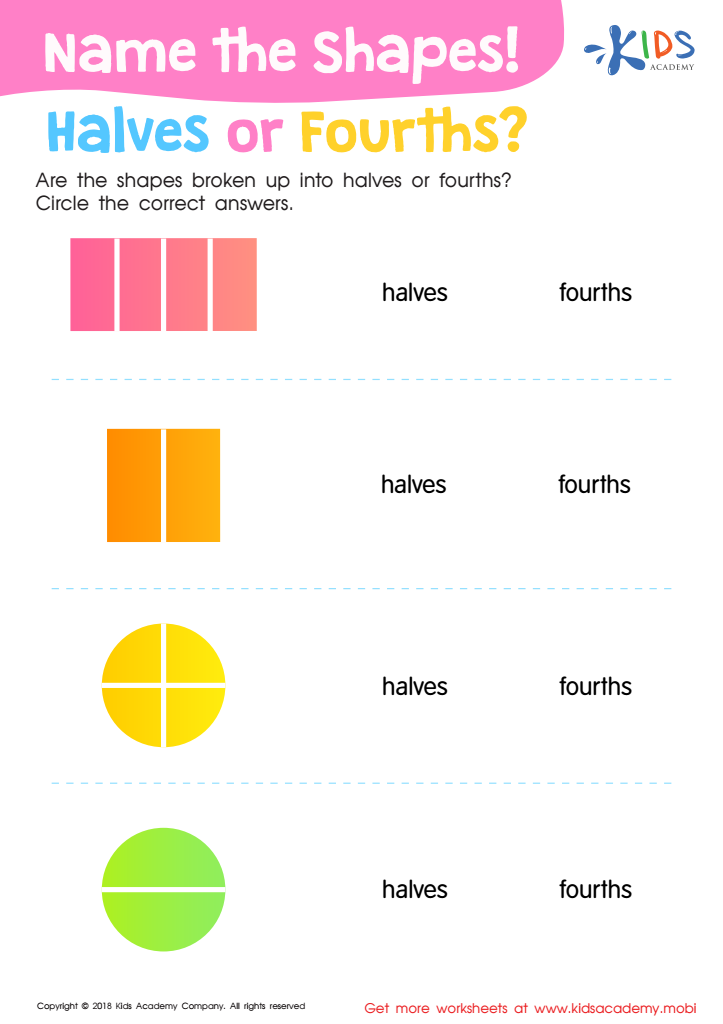
Name the Shapes Halves or Fourths? Worksheet
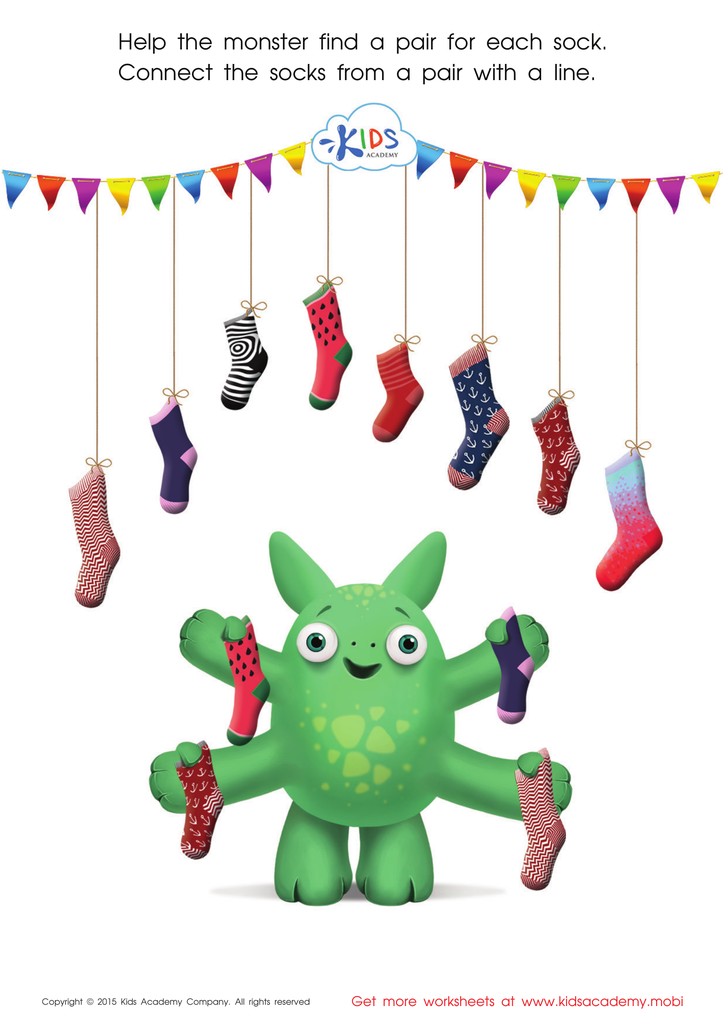
Math Matching Game: Monsterв's Socks Worksheet
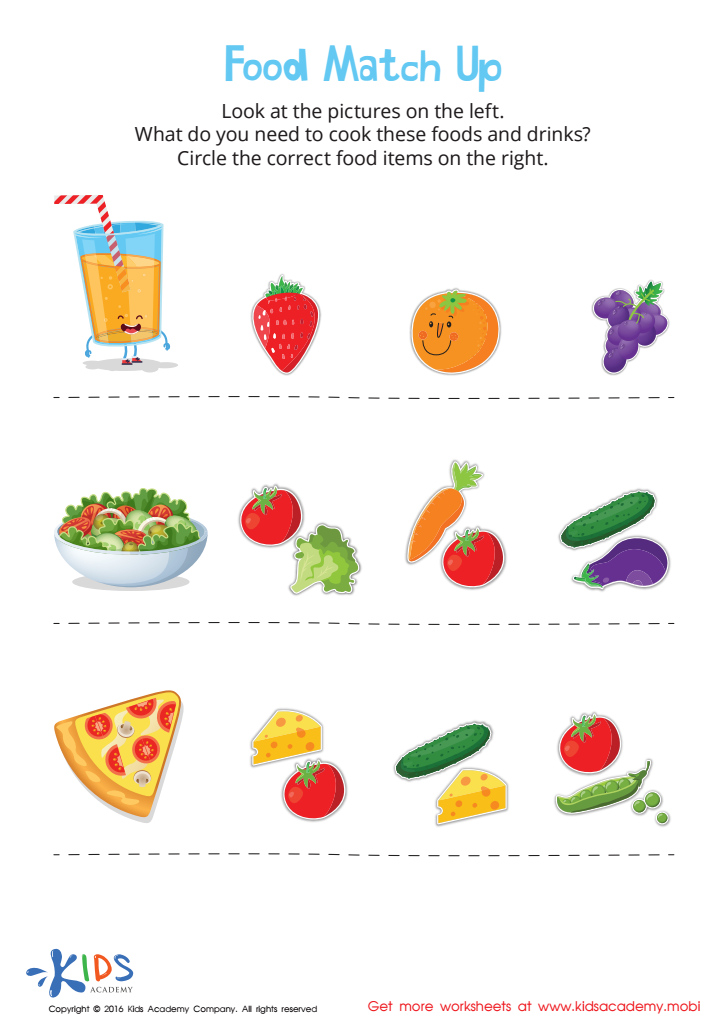
Food Match Up Worksheet
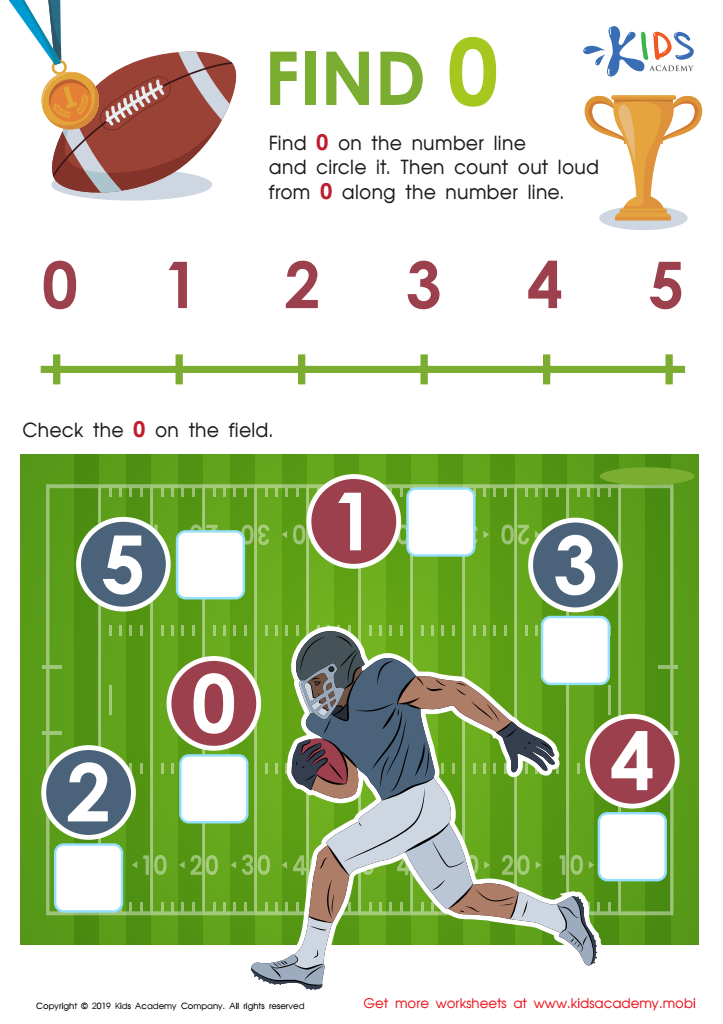
Find 0 Worksheet
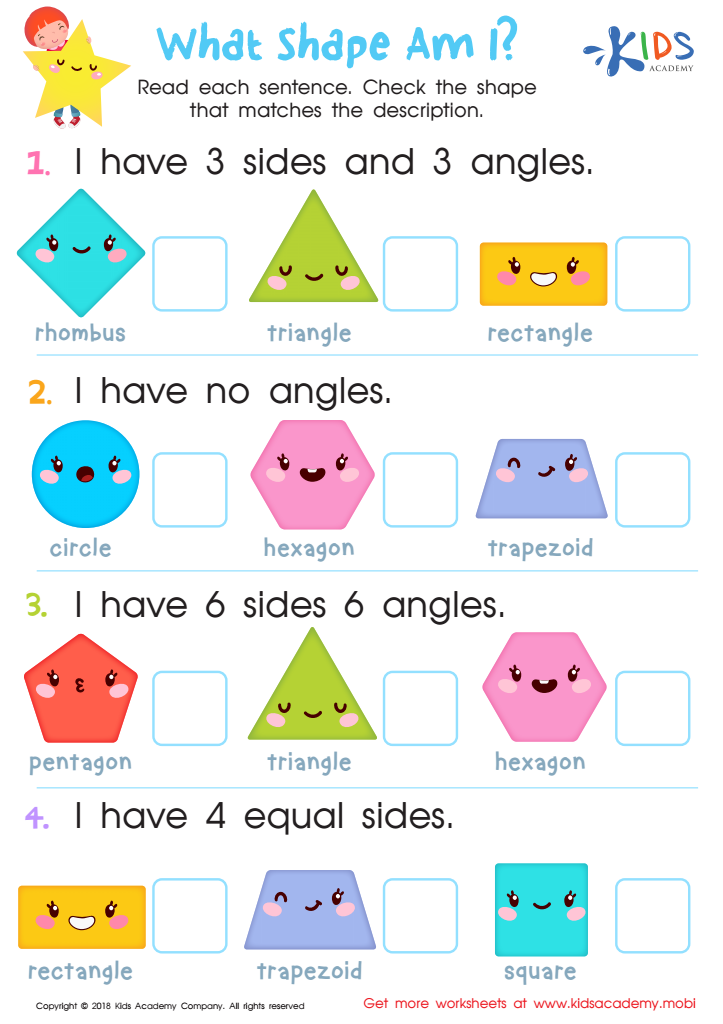
What Shape Am I? Worksheet
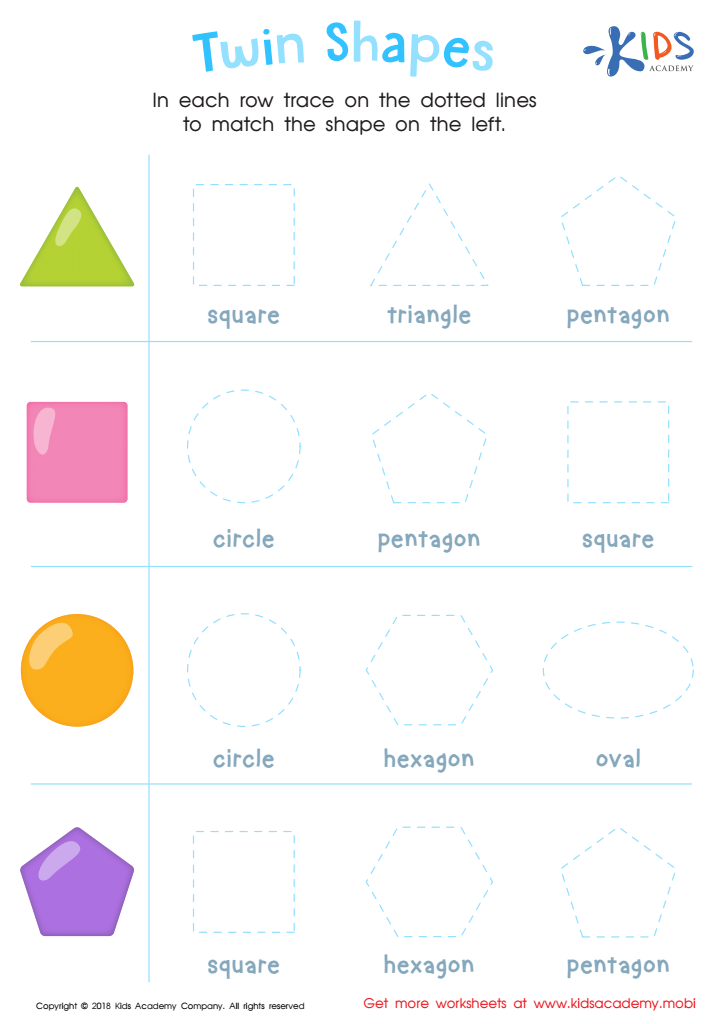
Twin Shapes Dot-to-Dot Worksheet
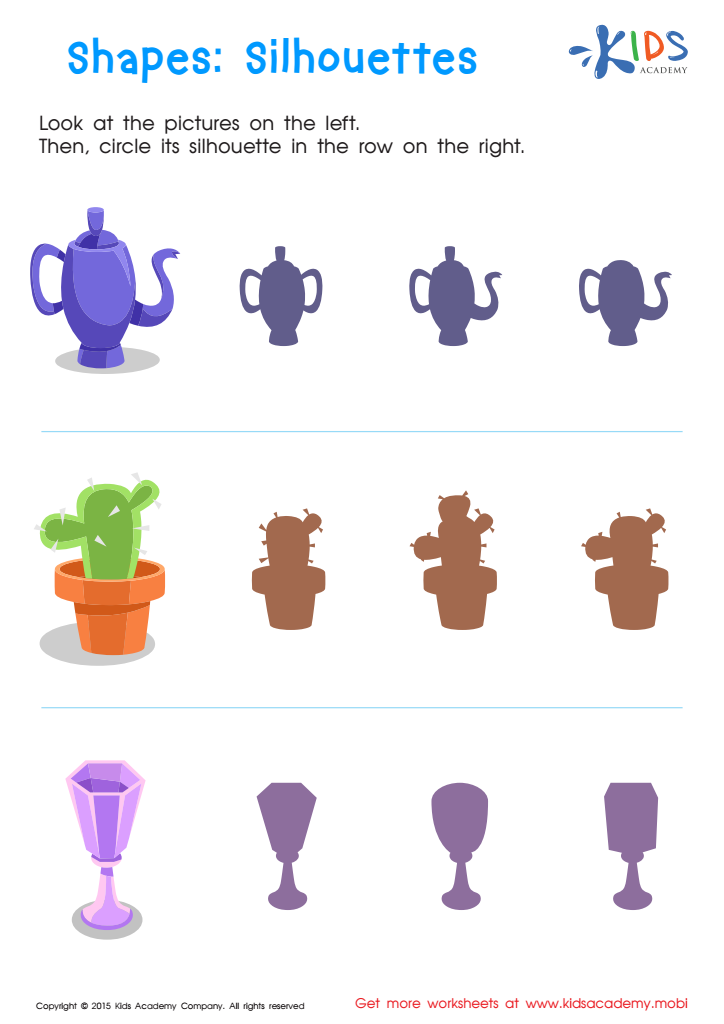
Silhouettes – Shapes Worksheet








Parents and teachers should care about visual discrimination in math for ages 5-6 because these skills are foundational for future academic success. Visual discrimination refers to the ability to notice and compare the differences and similarities between objects or symbols. In the context of math, this means recognizing the differences between numbers, understanding the shapes of geometric figures, and distinguishing between various math symbols like plus and minus signs.
For young children, developing strong visual discrimination skills is crucial because it directly affects their ability to comprehend math concepts later on. If a child cannot easily differentiate between the number 6 and the number 9, for example, they are likely to struggle with more complex math operations that rely on these basic understandings.
Furthermore, visual discrimination is not just about math; it also plays a role in reading and overall cognitive development. It helps children to pay attention to detail, which can improve their performance across various subjects. For teachers, incorporating visual discrimination exercises into the curriculum can lead to overall better preparedness for the academic challenges ahead. For parents, encouraging activities at home that build these skills can give their children a significant advantage, boosting their confidence and enthusiasm for learning.
Thus, prioritizing visual discrimination in early childhood education fosters a strong foundation for numeracy, literacy, and cognitive skills, setting the stage for future academic and personal success.








