Vocabulary Building Matching Worksheets for Ages 5-6
6 filtered results
-
From - To
Welcome to our Vocabulary Building Matching Worksheets designed specifically for children ages 5-6! These engaging worksheets aim to enhance young learners' language skills through fun matching activities. Each worksheet features colorful illustrations and themed vocabulary words that captivate children's attention, making learning enjoyable. By linking words to pictures, children will develop important cognitive and verbal skills while boosting their confidence in vocabulary usage. Ideal for both classroom and at-home learning, these worksheets promote literacy foundation needed for future educational success. Explore our diverse range of vocabulary-building exercises today and watch your child’s language skills flourish!
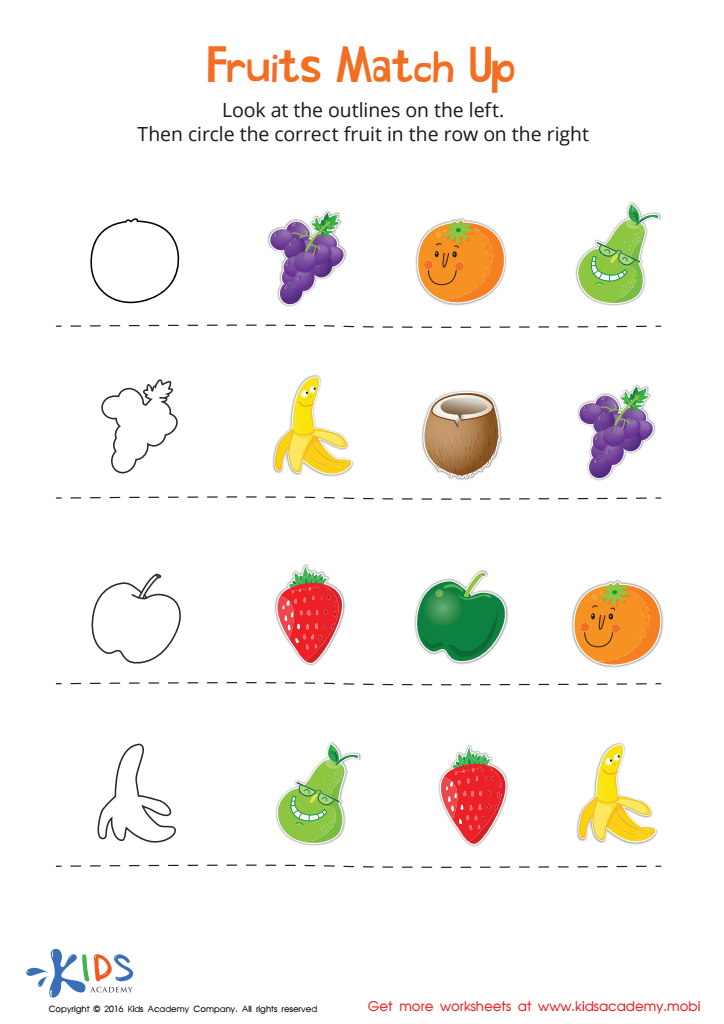
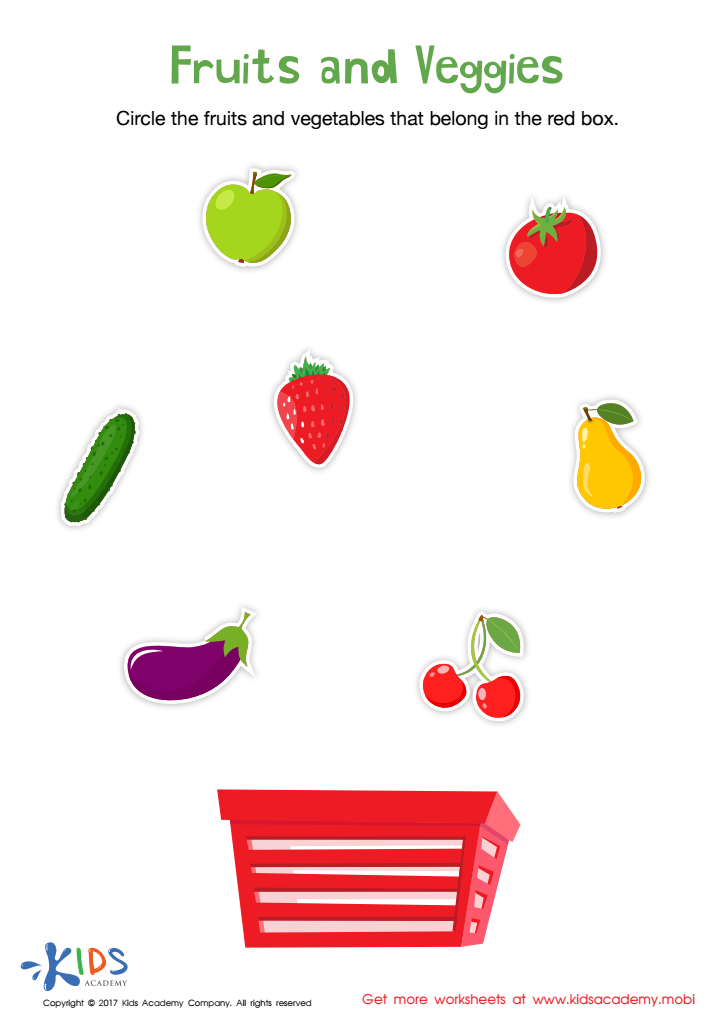
Fruits Match Up Worksheet
 Assign to My Students
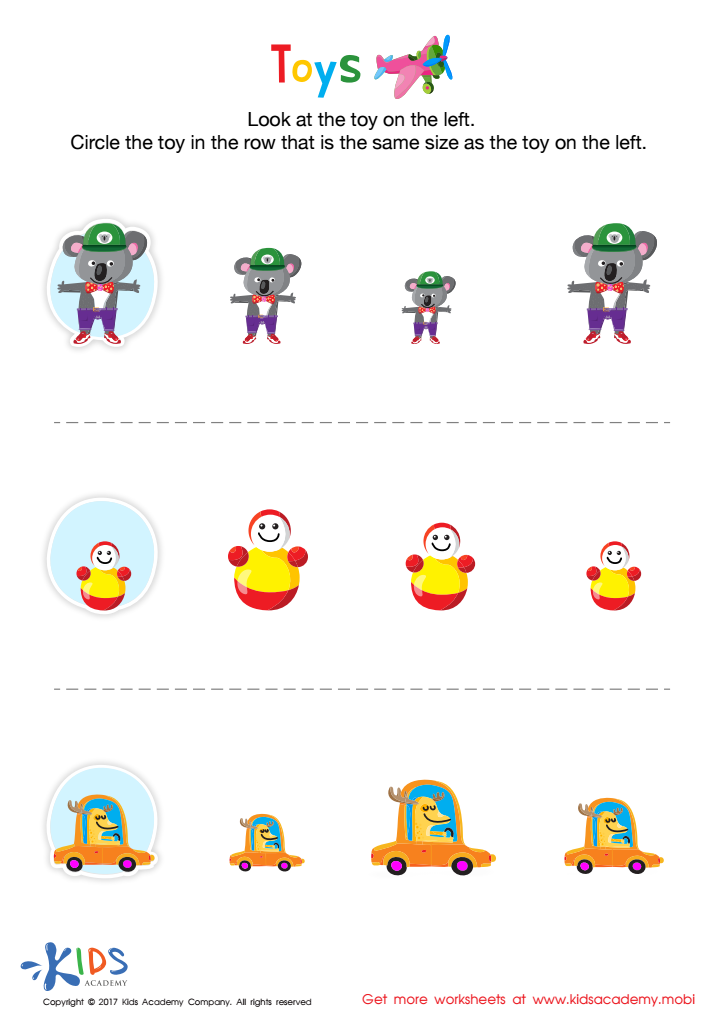
Matching: Classifying Toys by Size Worksheet
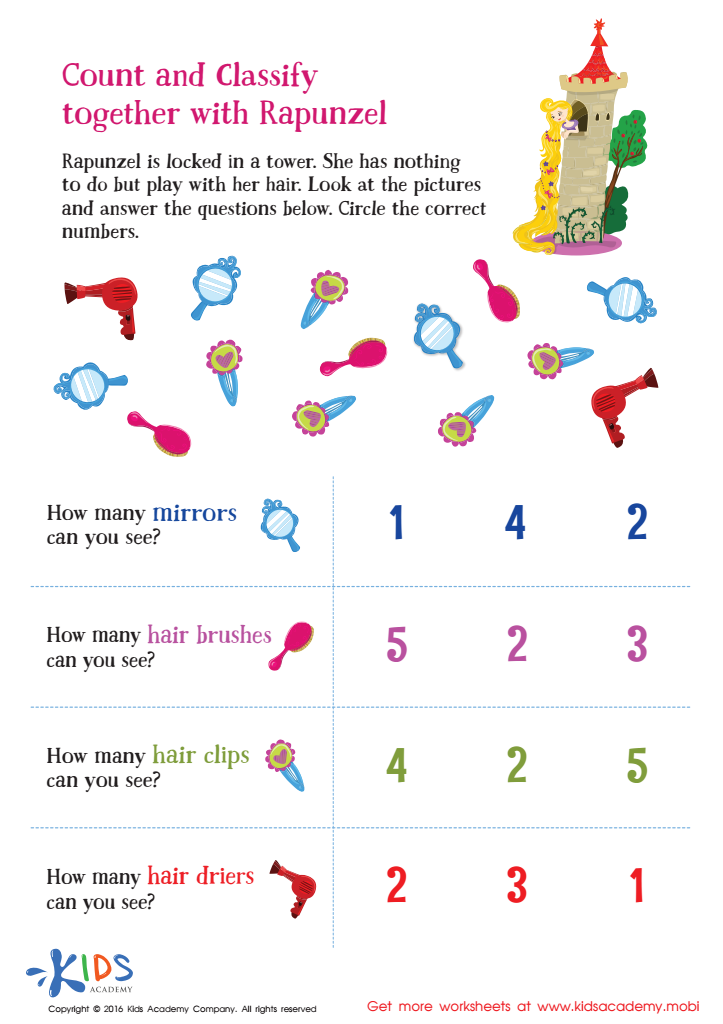
Fairy Tale Worksheet: Count and Classify with Rapunzel
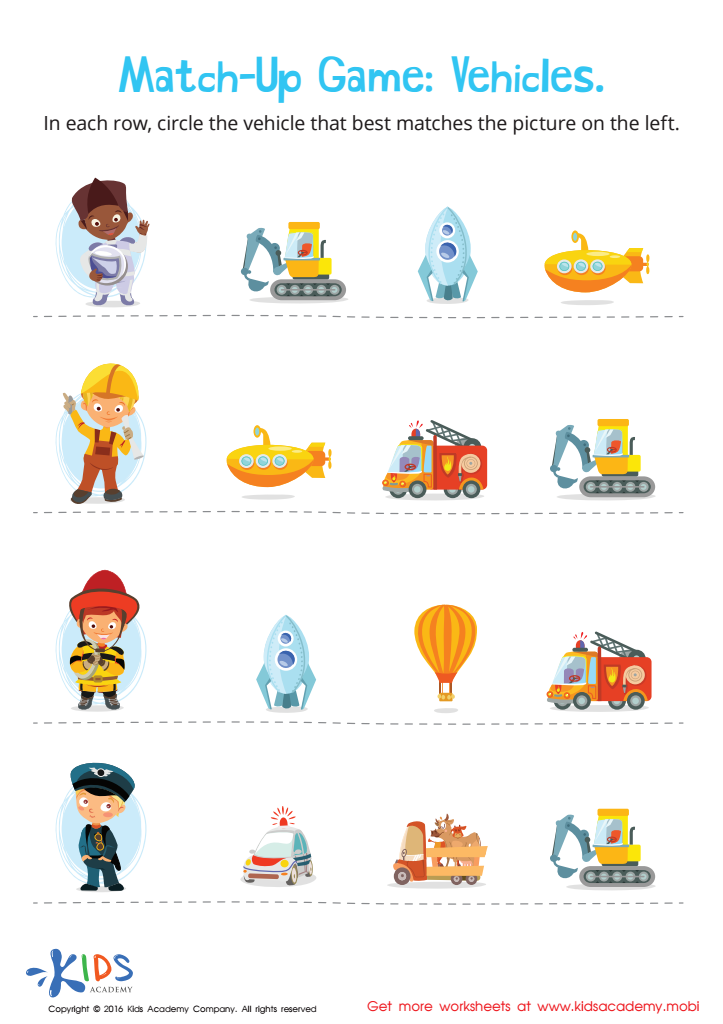
Vehicles Worksheet
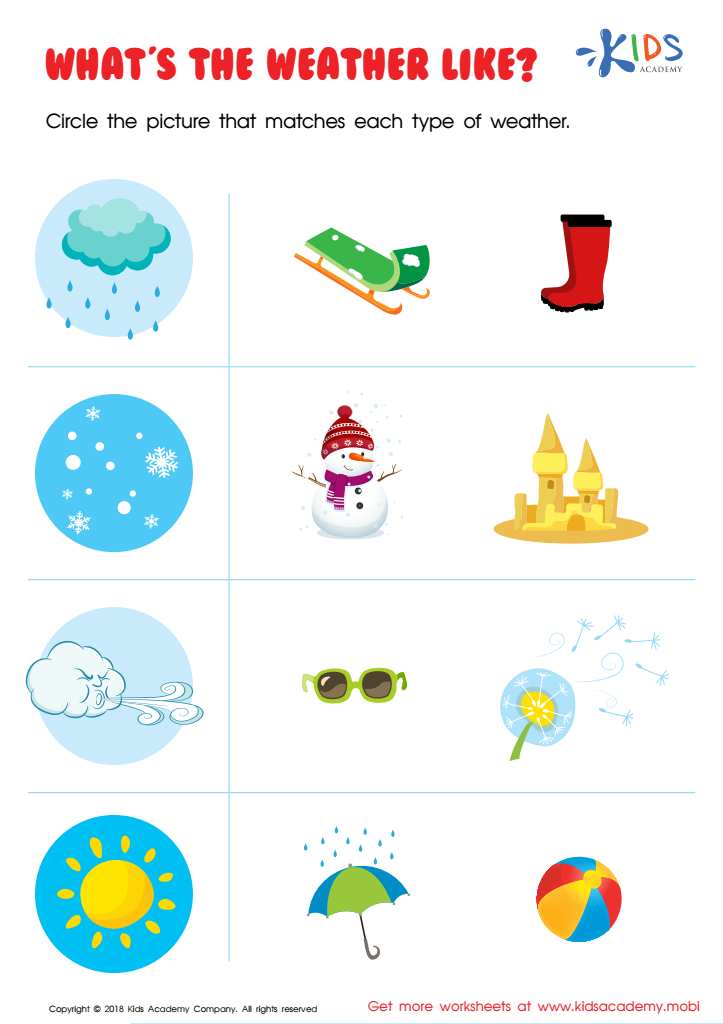
What's the Weather Like? Worksheet


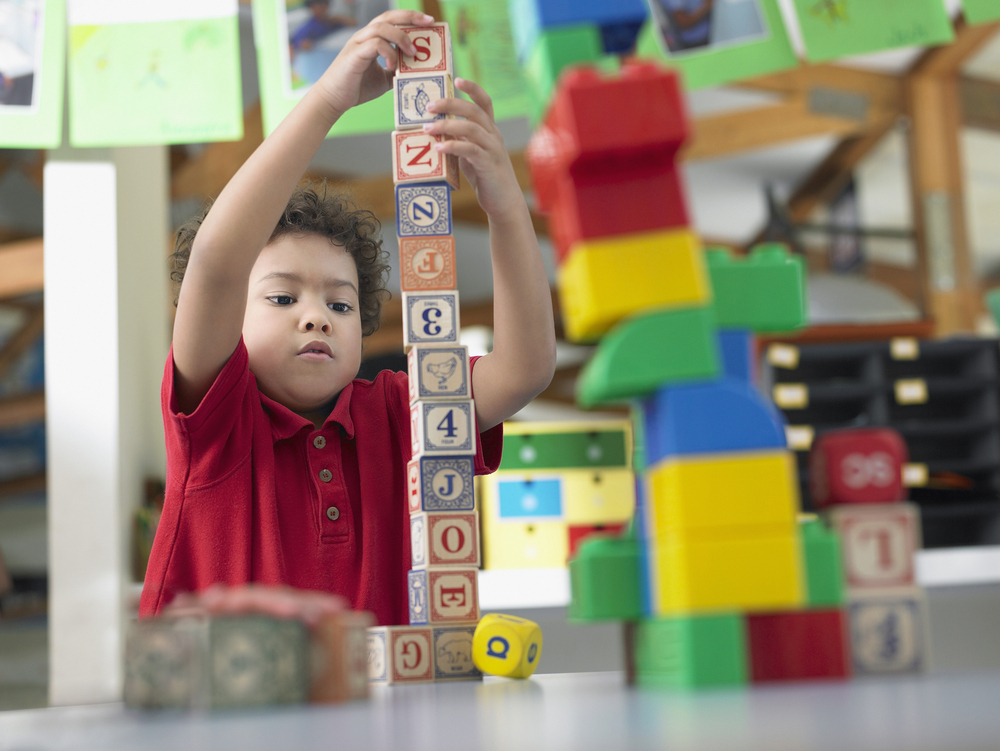





Vocabulary building is crucial for children aged 5-6 as it lays the foundation for their future language development and overall academic success. At this age, kids are impressionable and eager to learn, making it an ideal time to expand their vocabulary through engaging activities like vocabulary building matching. This method not only enhances word recognition but also encourages critical thinking and comprehension skills.
By matching words with visual cues or definitions, children develop the ability to connect concepts, enhancing their learning retention. It also fosters motivation and enthusiasm for language, as interactive activities make learning enjoyable. Additionally, a rich vocabulary improves children’s communication skills, helping them express their thoughts and feelings more clearly, which is vital for social interactions and emotional development.
Furthermore, strengthened vocabulary is correlated with improved reading skills, essential for academic achievement. Parents and teachers play a pivotal role in this process. By incorporating vocabulary building matching into daily learning activities, they can stimulate cognitive progress and make learning a shared experience. Ultimately, investing time in building a child's vocabulary prepares them not only for academic challenges but also for life-long learning and success.








