Fine Motor Skills Numbers up to 100 Worksheets for Ages 5-6
10 filtered results
-
From - To
Enhance your child's fine motor skills while mastering numbers up to 100 with our engaging worksheets designed for ages 5-6. These printable activities blend fun with learning, encouraging children to develop essential skills like tracing, cutting, and coloring. Each worksheet promotes hand-eye coordination and dexterity, laying a strong foundation for future academic success. Designed by educators, these resources cater to young learners, ensuring they enjoy the learning process while becoming more confident in their numerical understanding. Perfect for classroom use or at-home practice, our fine motor skills worksheets make learning numbers both enjoyable and effective! Download now to get started!
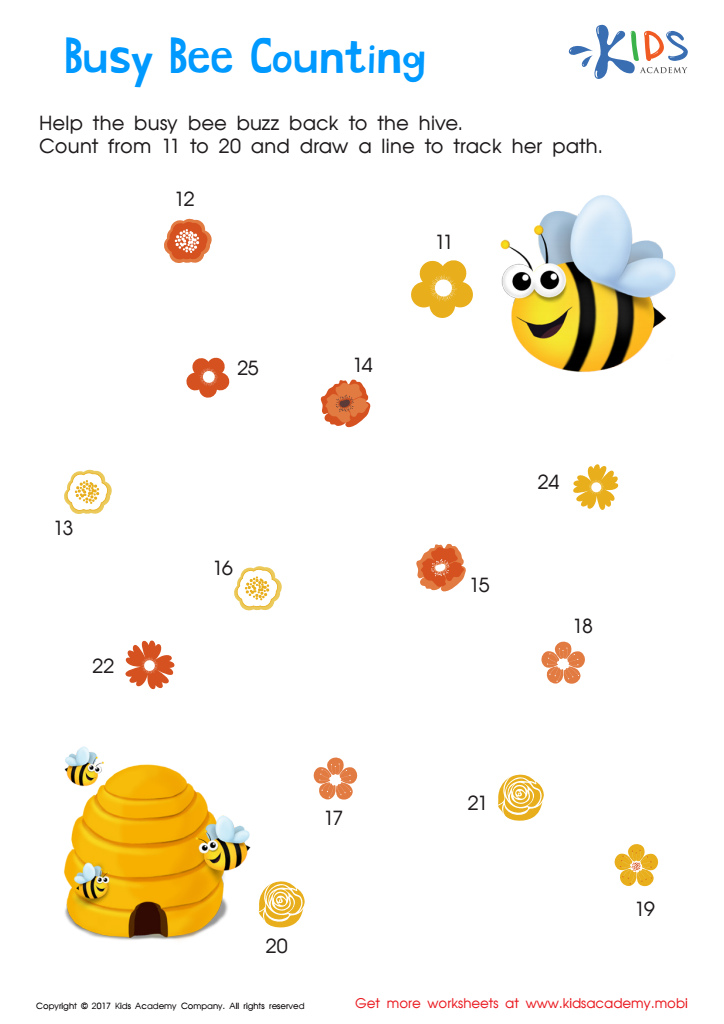
Ordering 11–20: Busy Bee Counting Worksheet
 Assign to My Students
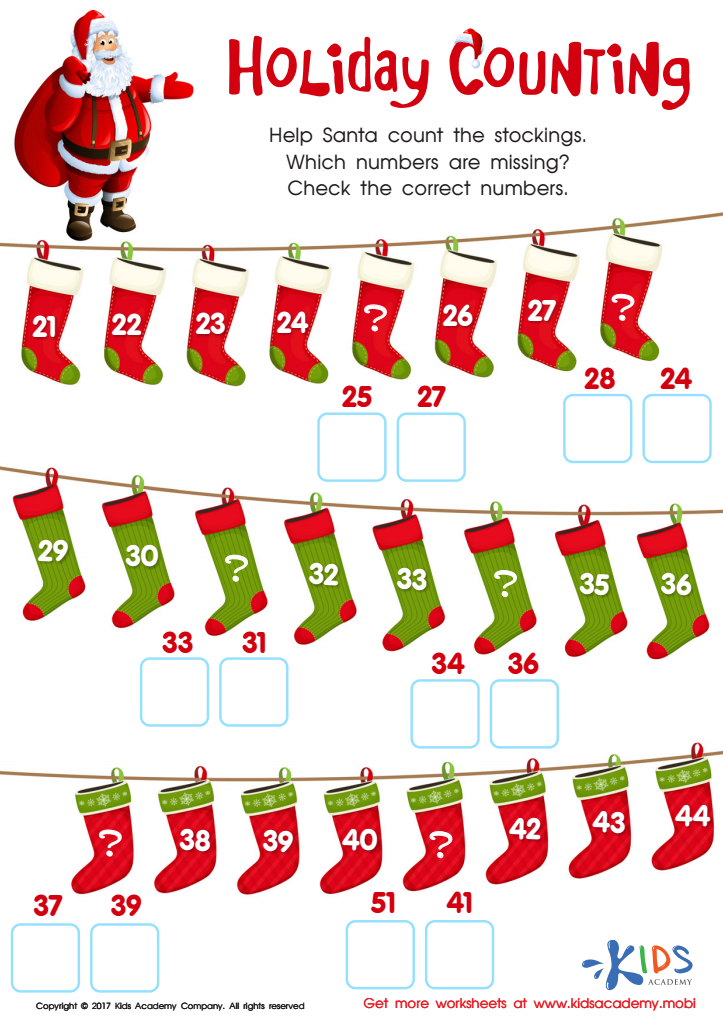
Holiday Counting Worksheet
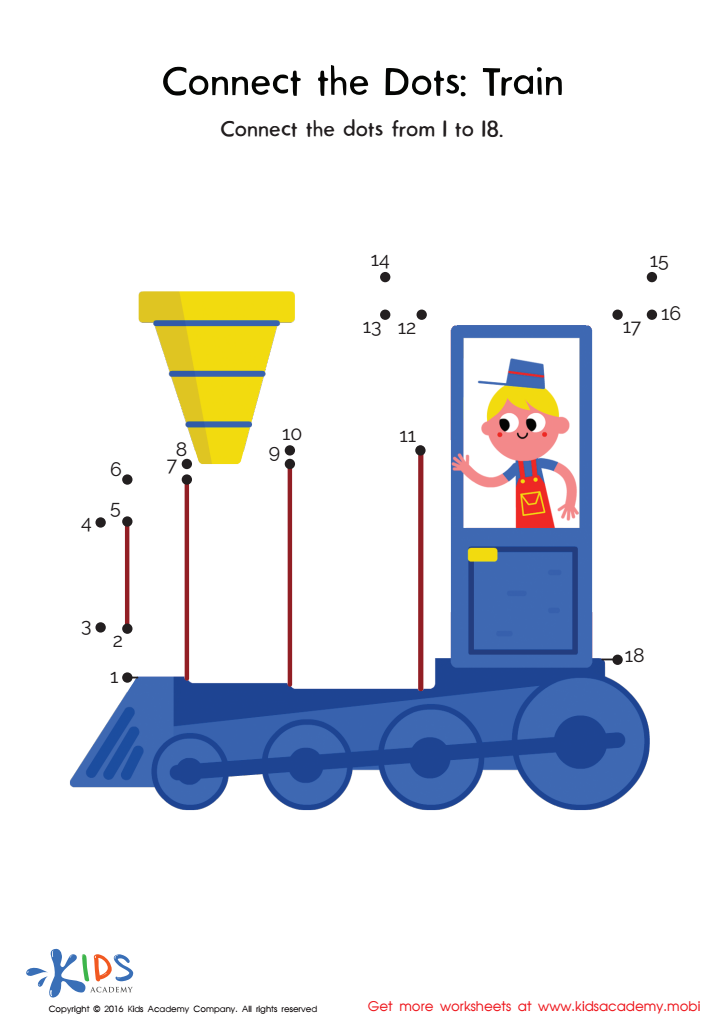
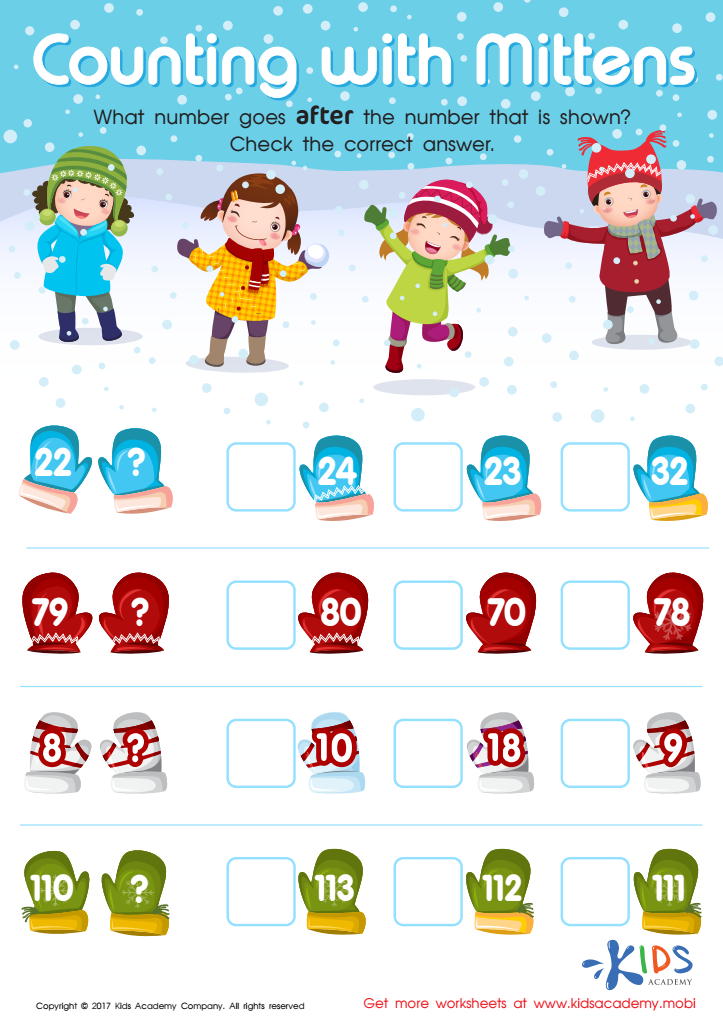
Counting with Mittens Worksheet
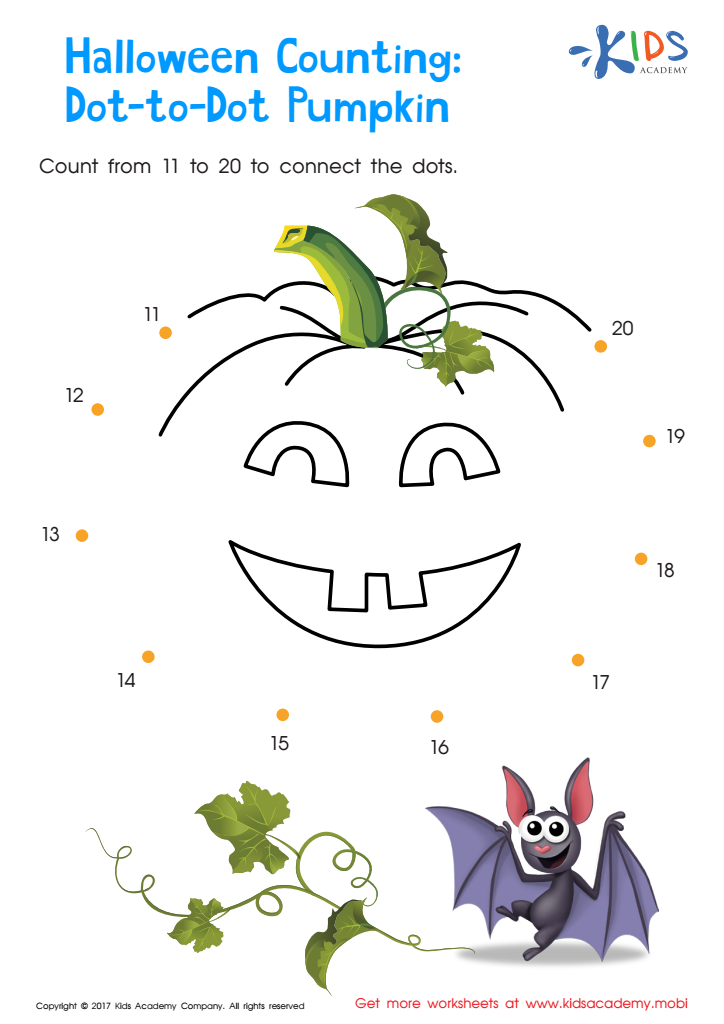
Ordering 11–20: Halloween Counting Worksheet
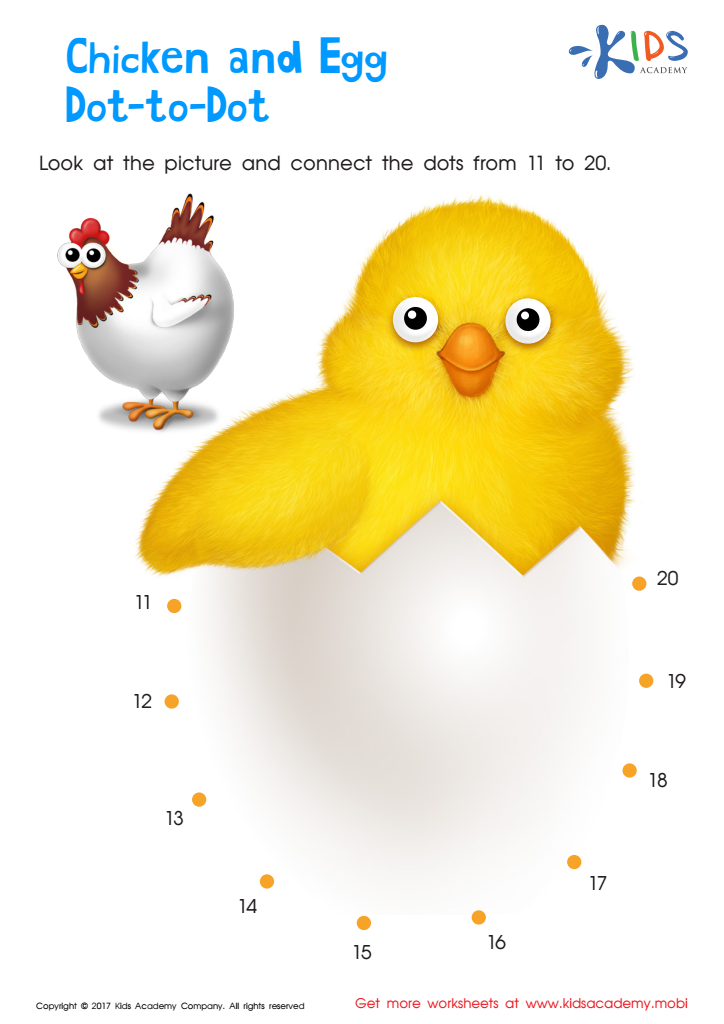
Ordering 11–20: Chicken & Egg Dot–to–dot Worksheet
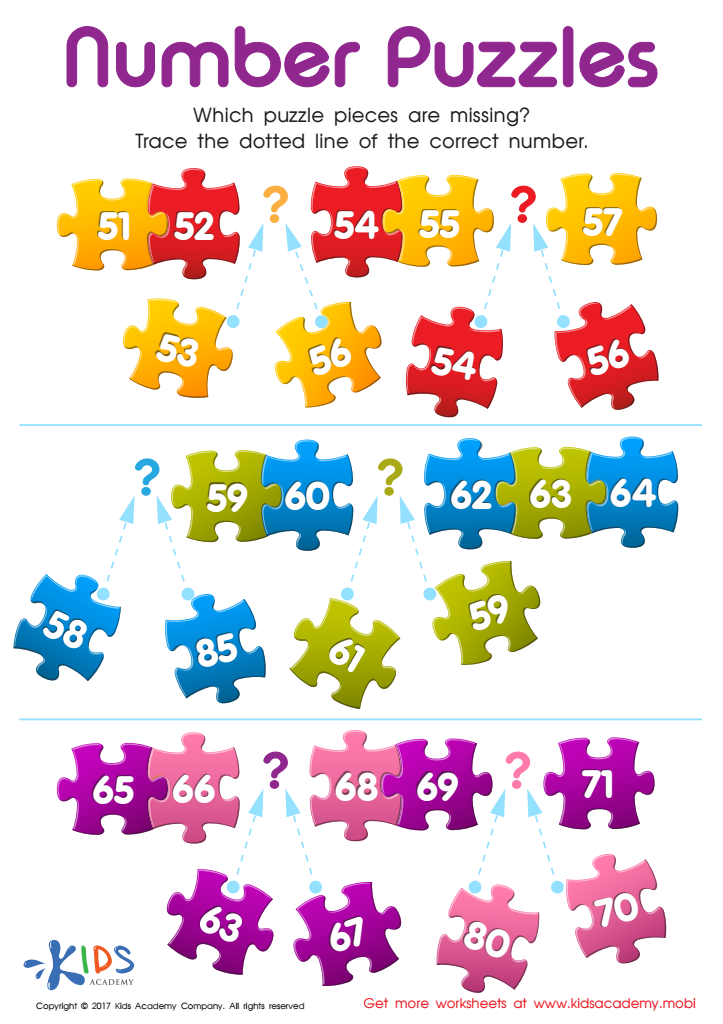
Number Puzzles Worksheet
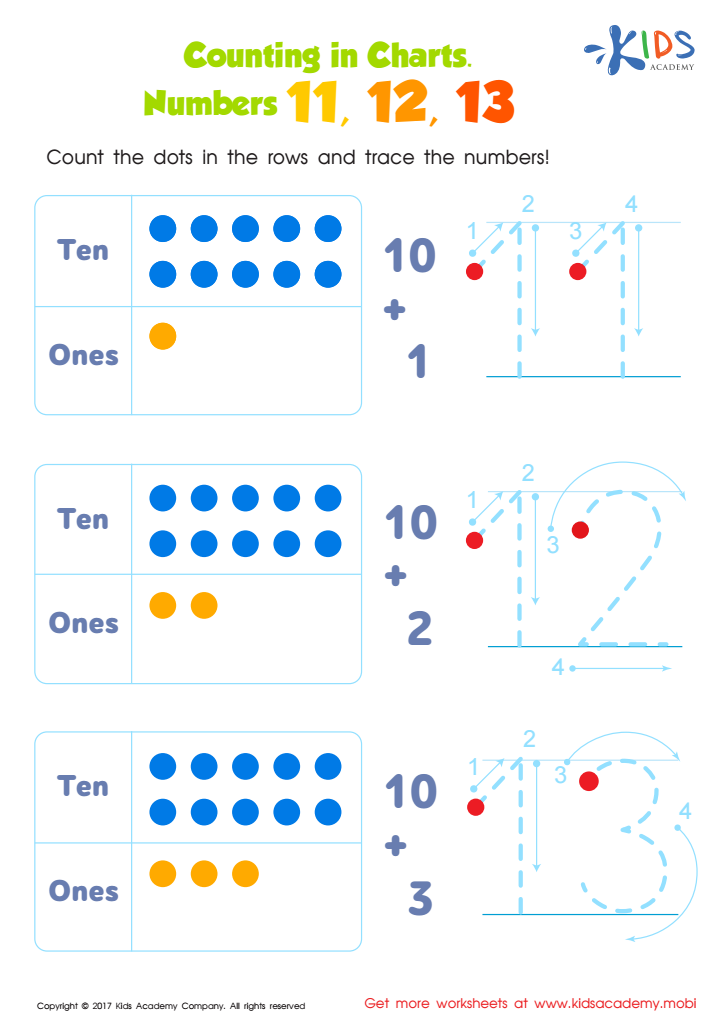
Number Tracing Worksheet For Kindergarten

Ordering 11–20: Dot–to–dot Seashell Printable

Counting on the City Skyline: Dot-to-Dot Worksheet








Fine motor skills are essential for children aged 5-6 as they lay the groundwork for more complex tasks they will encounter in school and daily life. These skills involve the coordination of small muscles, particularly in the hands and fingers, enabling children to perform activities such as coloring, cutting with scissors, and writing. Developing fine motor skills helps enhance a child's hand-eye coordination, dexterity, and overall physical awareness, which are crucial for academic success, especially in literacy and math.
Learning to recognize and manipulate numbers up to 100 requires fine motor skills for activities such as counting objects, drawing numbers, or constructing shapes with blocks. As children practice these skills, they build confidence and independence, promoting a positive attitude toward learning. Furthermore, fine motor development supports cognitive growth, as it encourages problem-solving and critical thinking through hands-on experiences.
Teachers and parents play a significant role in fostering these skills. Engaging children in creative play, structured activities, and everyday tasks—like buttoning clothes or using utensils—can significantly benefit their fine motor development. By prioritizing this foundation now, caregivers can empower children to succeed academically and socially as they progress through their educational journey.








