Number Recognition Numbers up to 100 Worksheets for Ages 5-6
27 filtered results
-
From - To
Introduce your child to the world of numbers with our "Number Recognition Numbers up to 100 Worksheets for Ages 5-6." Designed by education experts, these engaging worksheets help young learners develop essential number recognition skills. From counting and writing to identifying and matching, each activity promotes confidence and proficiency with numbers up to 100. Perfect for early grade students, these fun and interactive worksheets enhance learning through colorful illustrations and interesting exercises. Give your child a solid mathematical foundation while making learning fun with our specially crafted number recognition worksheets!
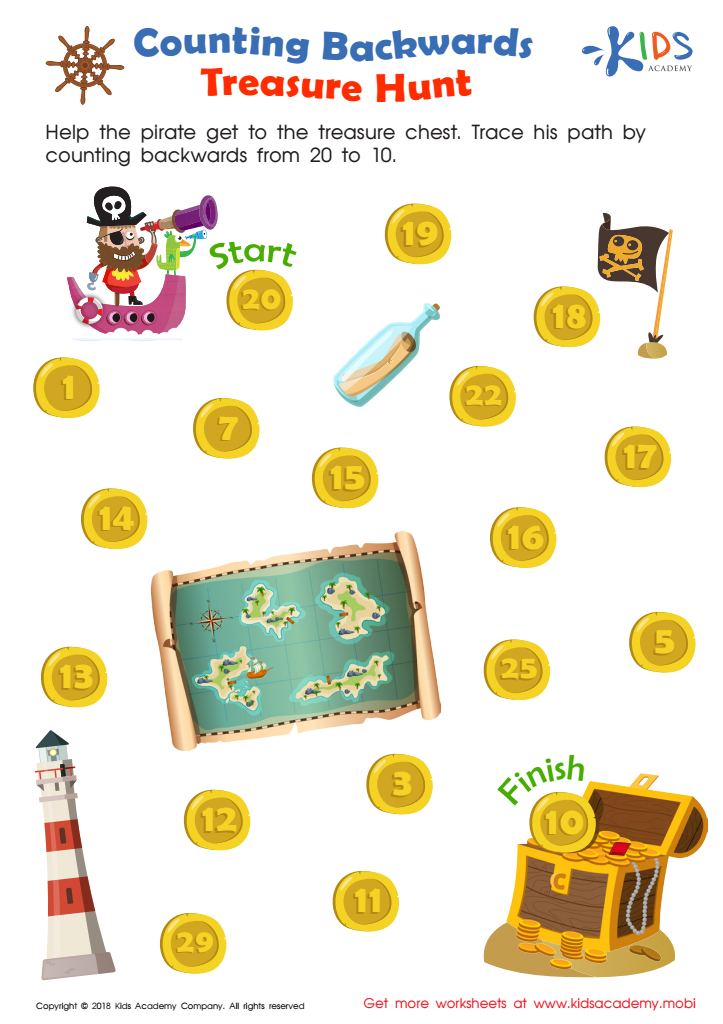
Counting Backwards: Treasure Hunt Worksheet
 Assign to My Students
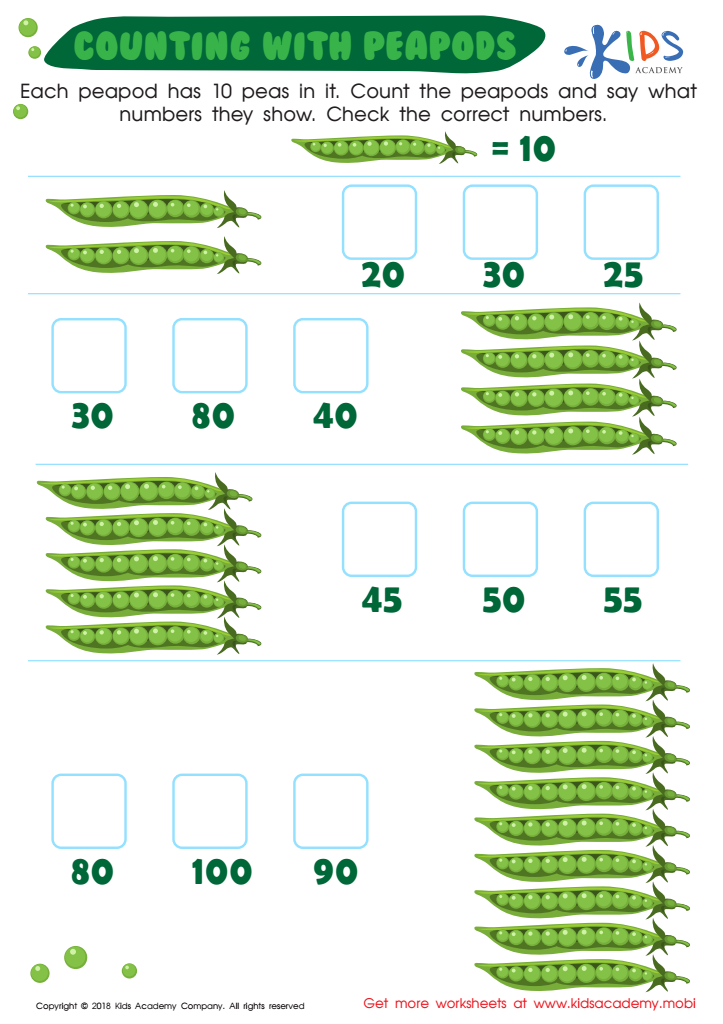
Number Worksheet: Counting With Peapods
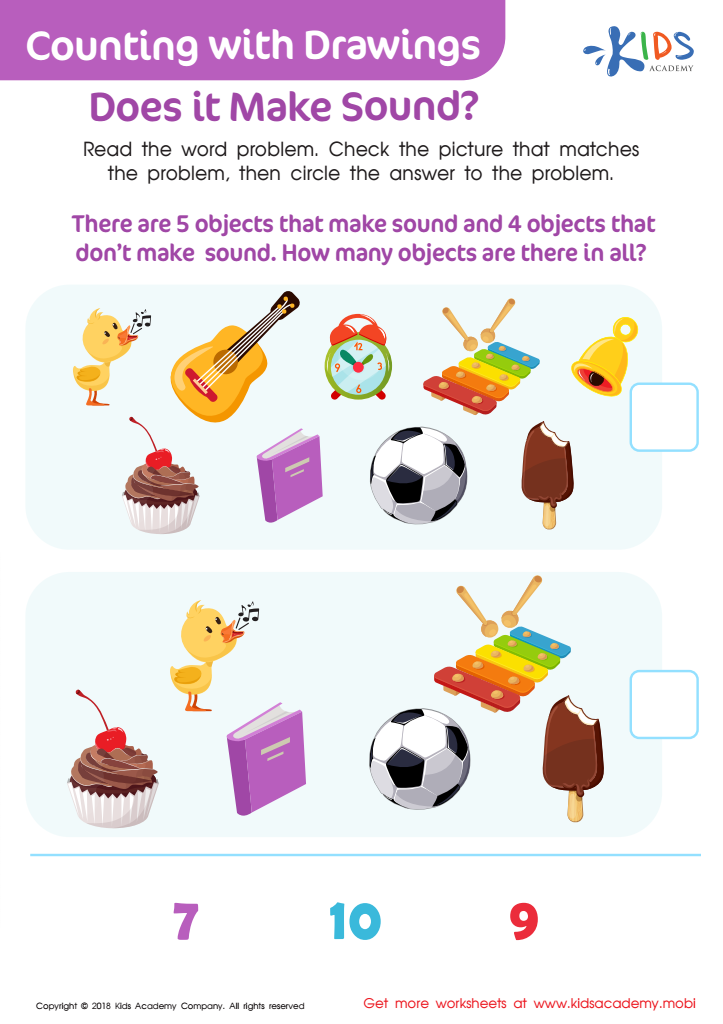
Counting With Drawings. Does It Make Sound? Worksheet
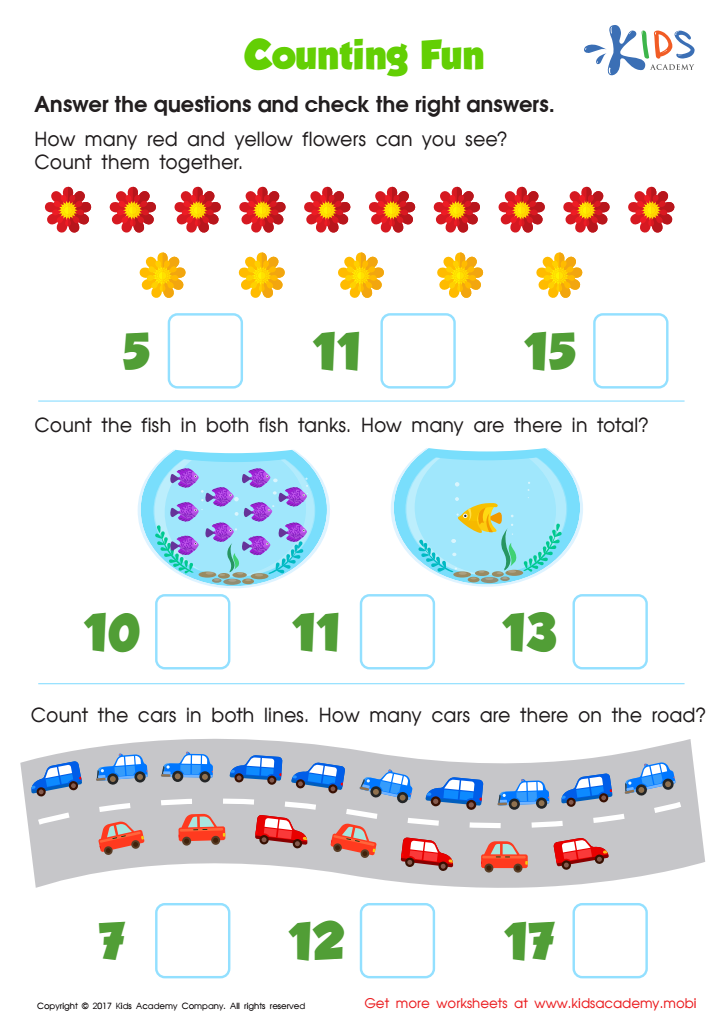
Counting Fun Worksheet
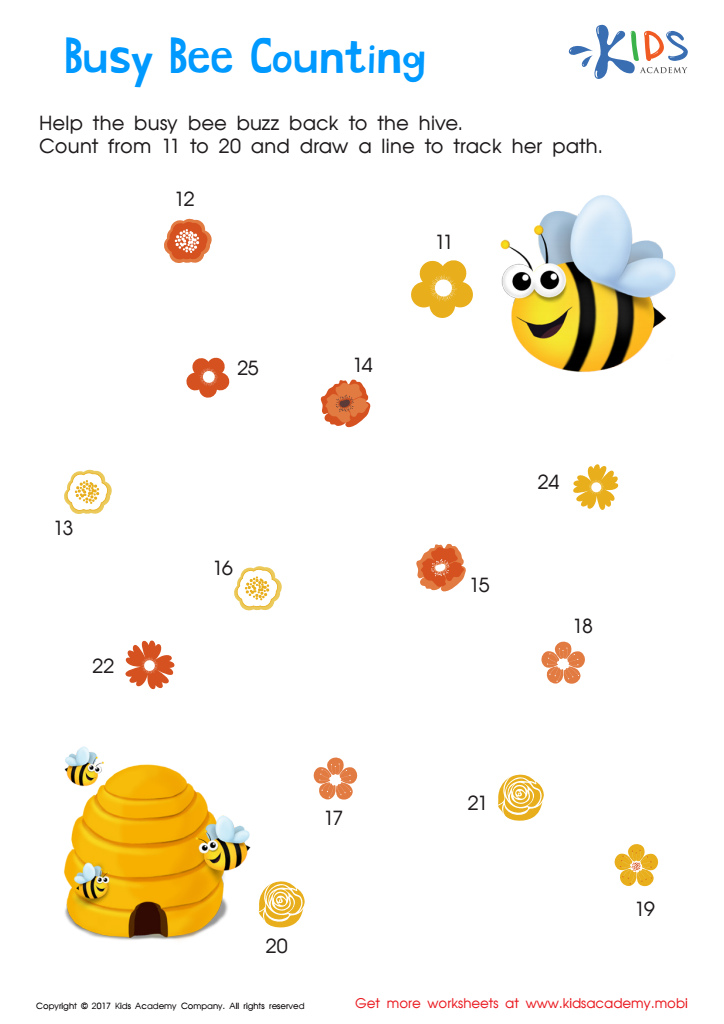
Ordering 11–20: Busy Bee Counting Worksheet
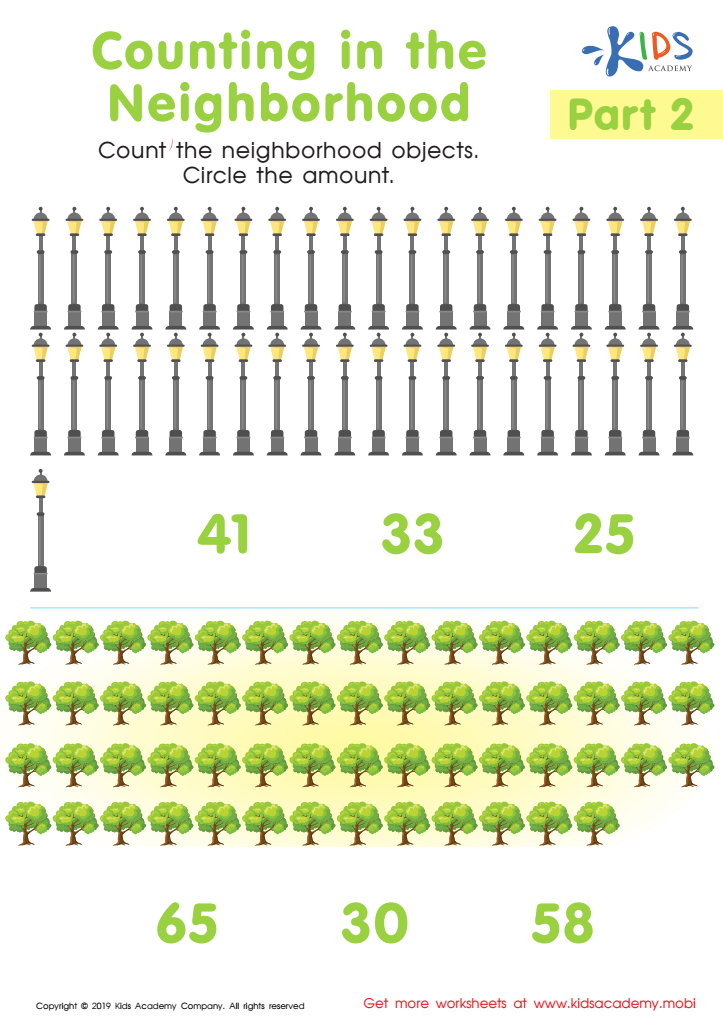
Counting In The Neighborhood Part 2 Worksheet
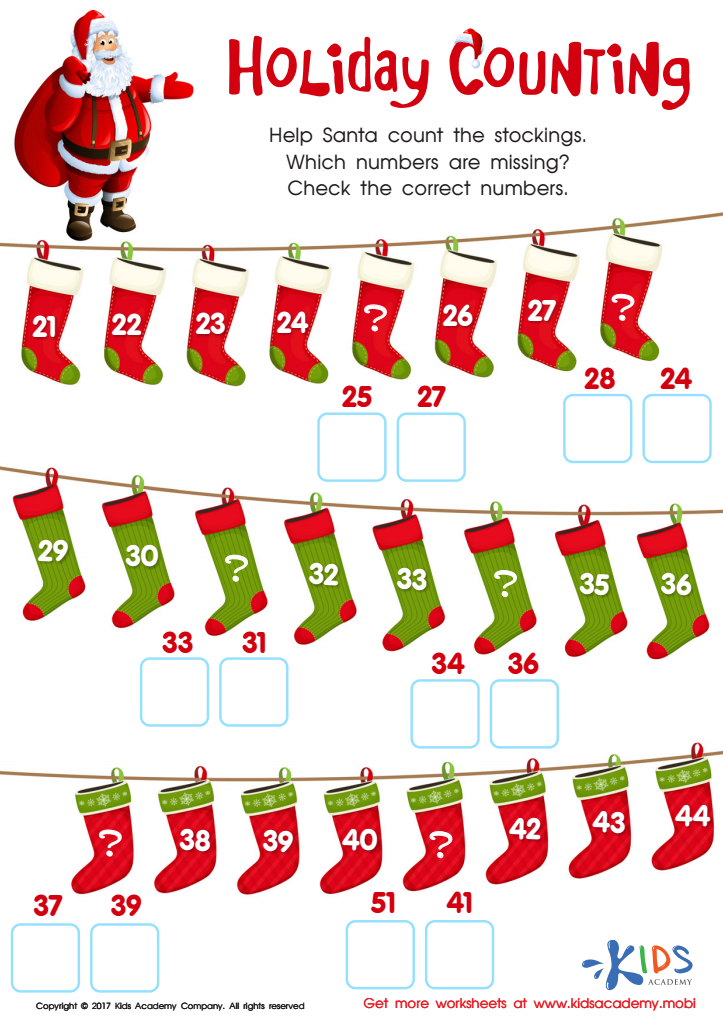
Holiday Counting Worksheet
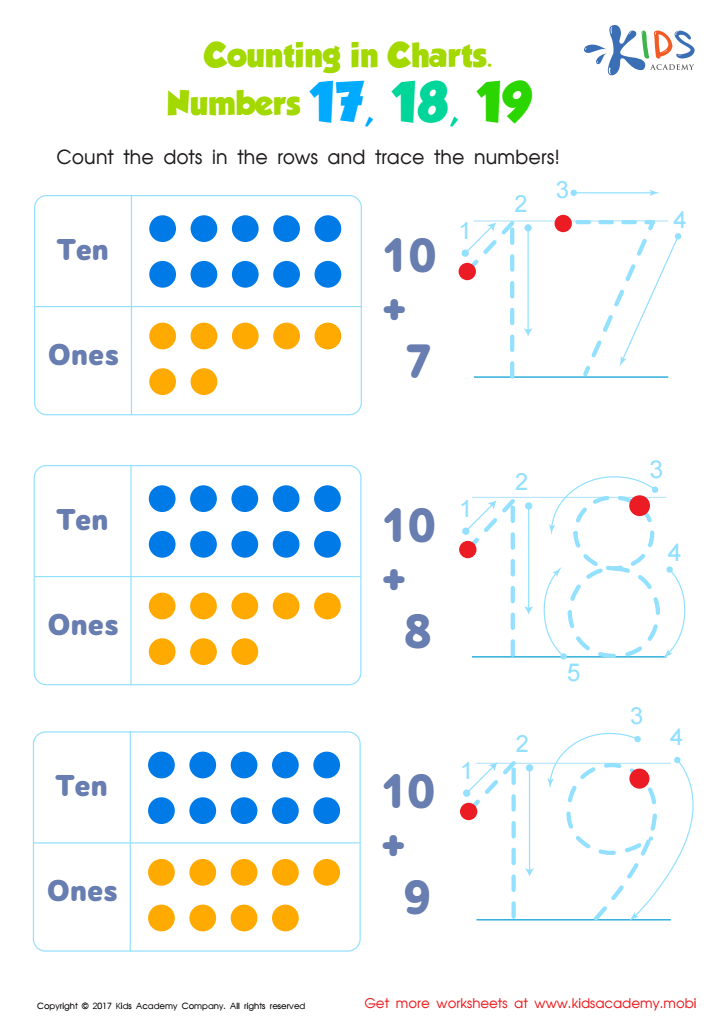
Kindergarten Number Tracing: Counting in Charts Worksheet
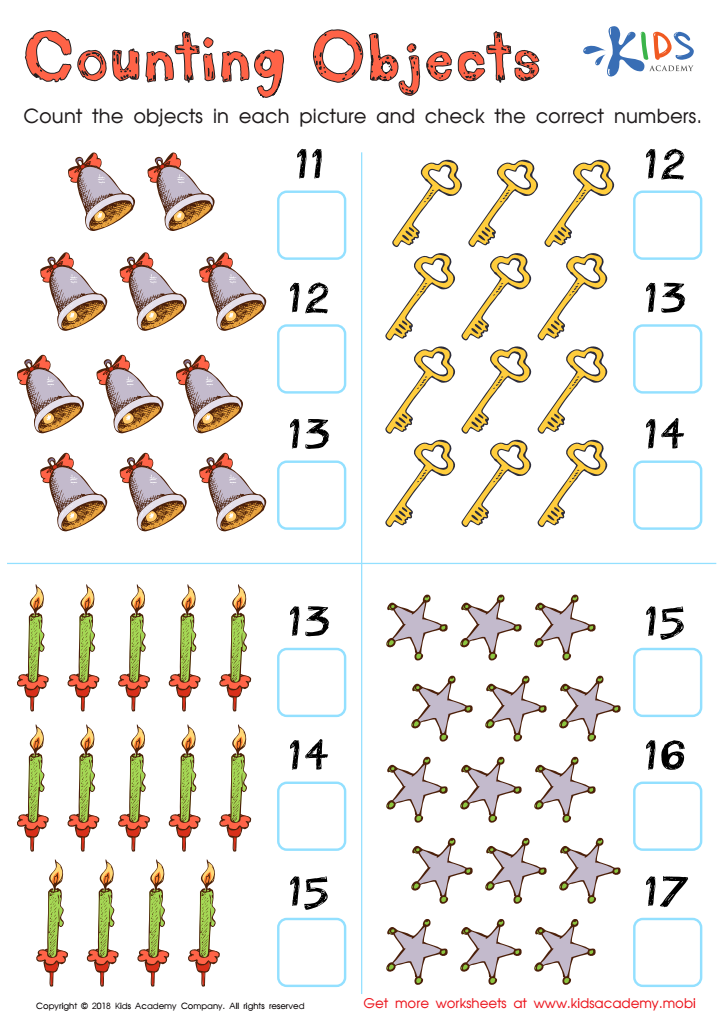
Counting Numbers Worksheet For Kindergarten
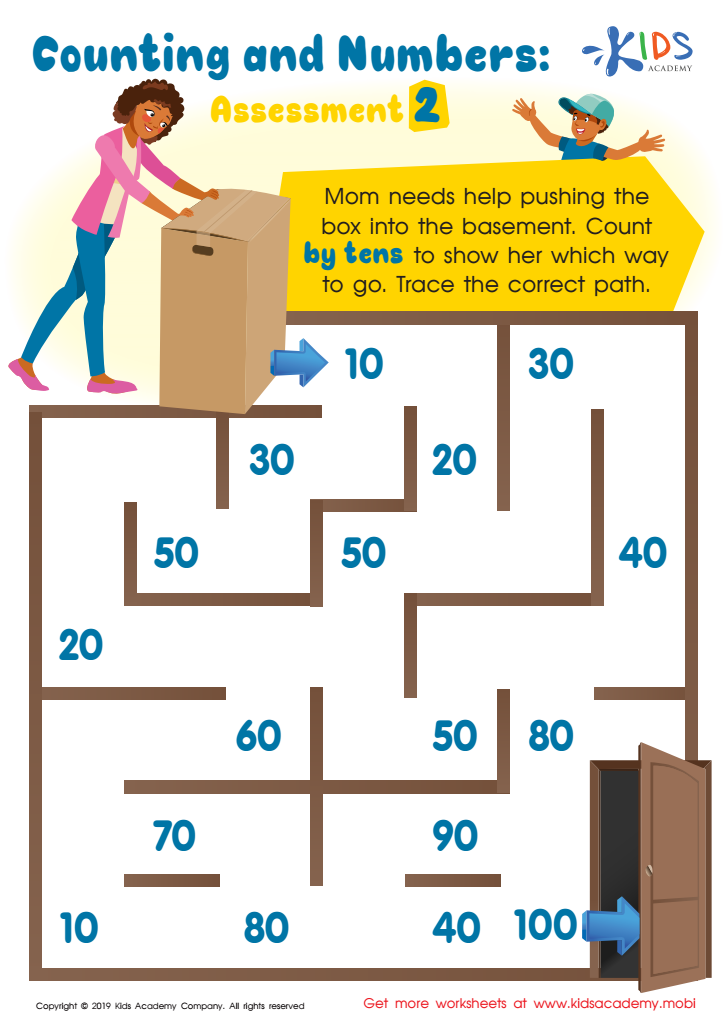
Counting and Numbers: Assessment 2 Worksheet
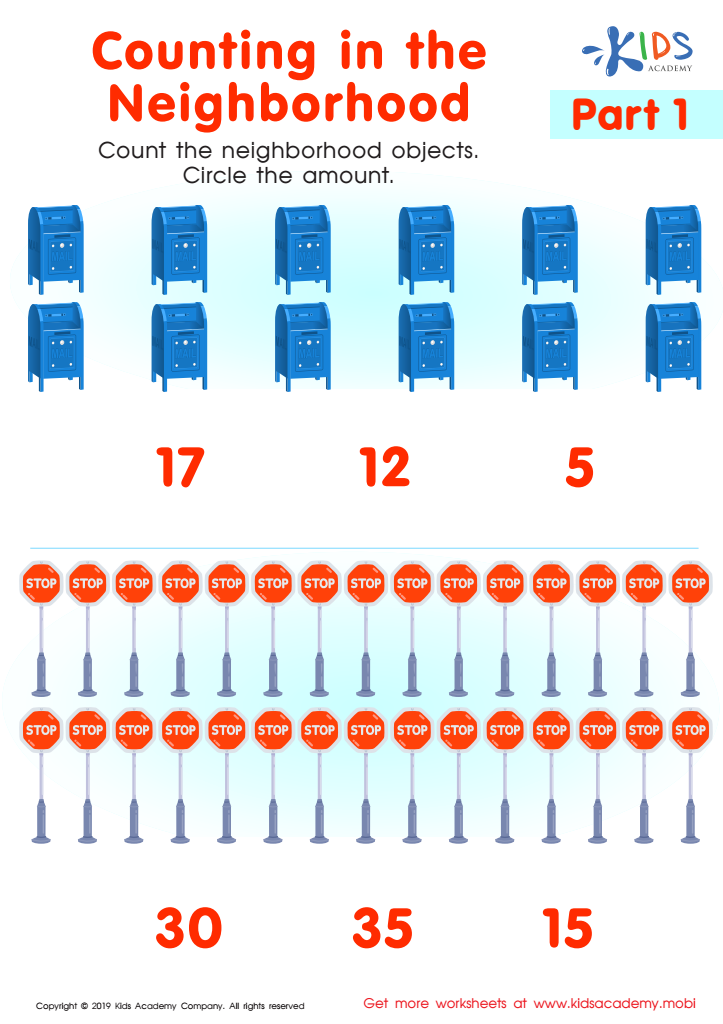
Counting in the Neighborhood Part1 Worksheet
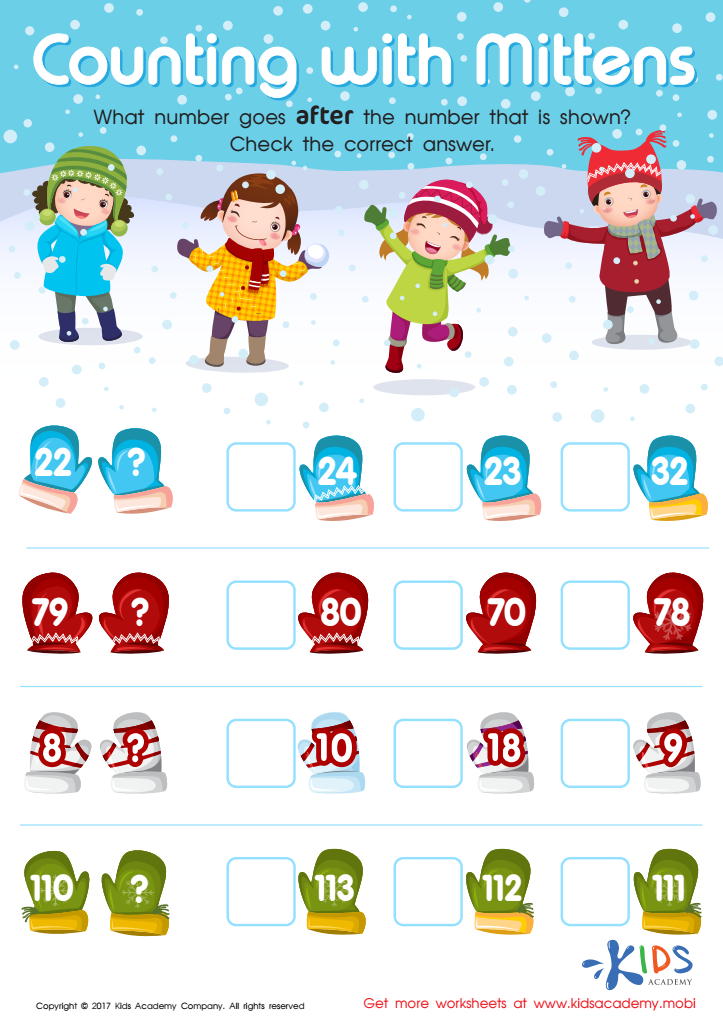
Counting with Mittens Worksheet
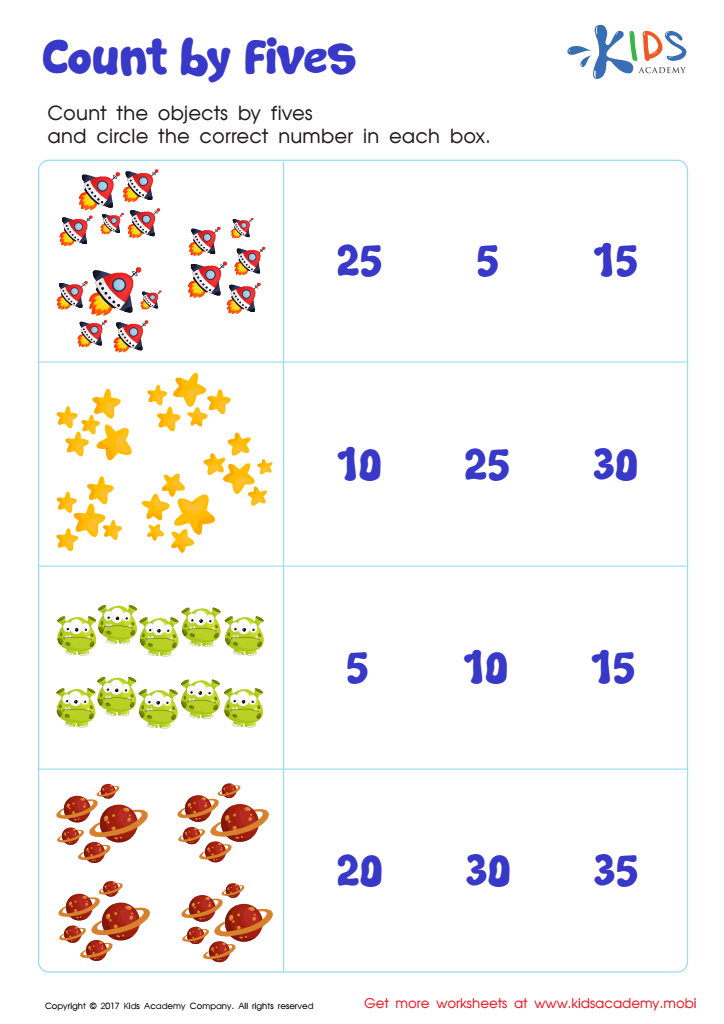
Skip Counting by 5s: Space Math Printable
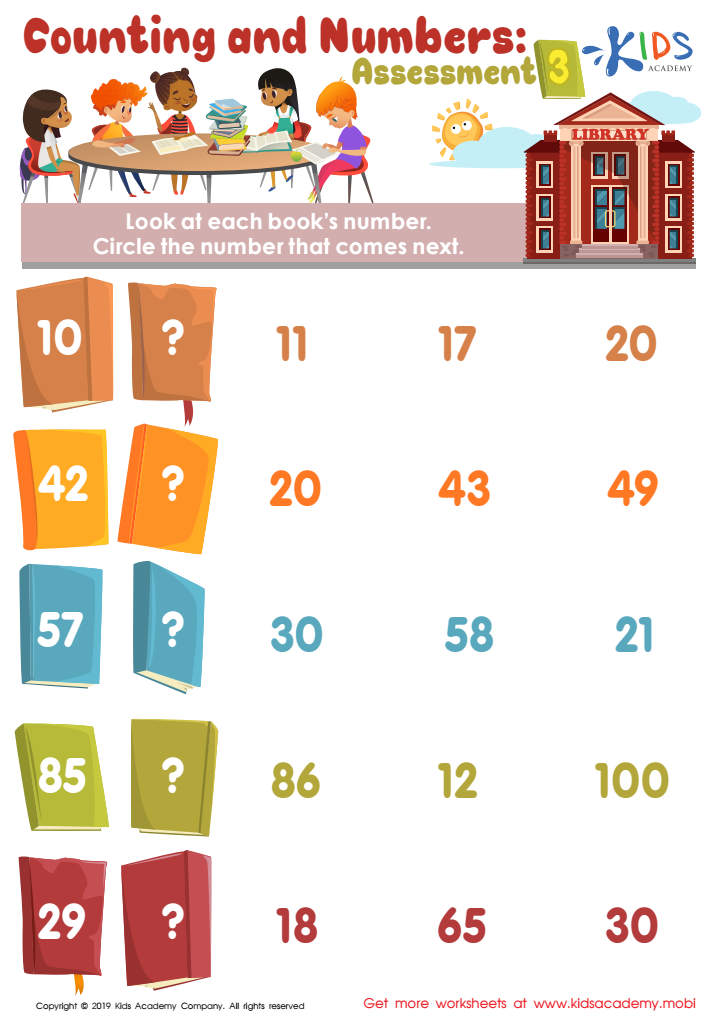
Counting and Numbers: Assessment Worksheet
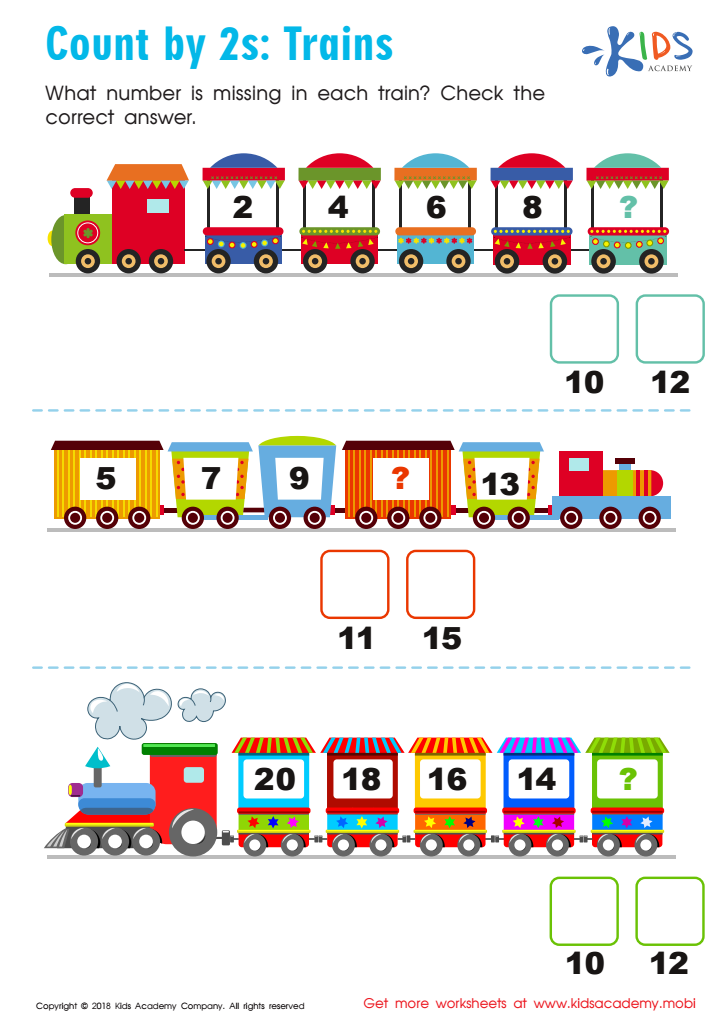
Count by 2's: Trains Worksheet
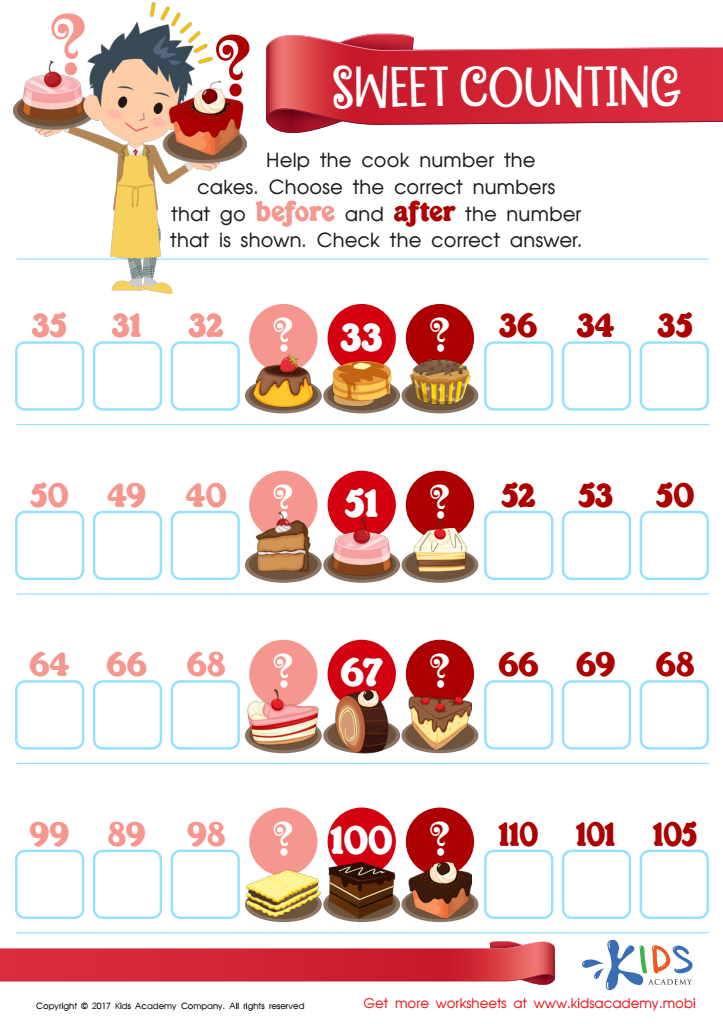
Sweet Counting - Part 1 Worksheet
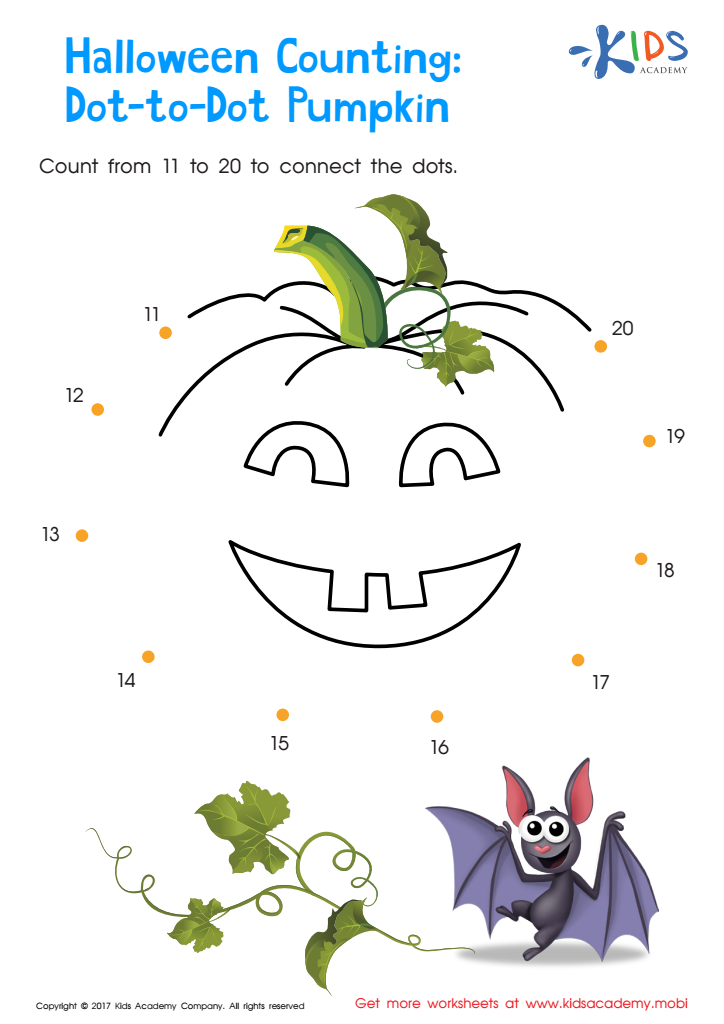
Ordering 11–20: Halloween Counting Worksheet
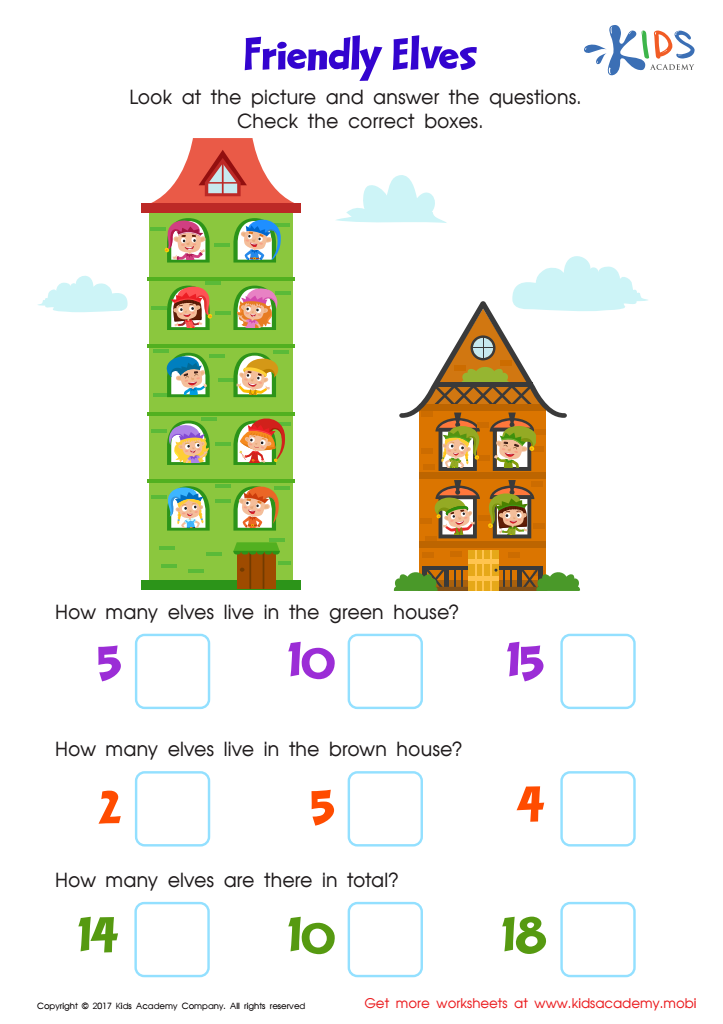
Place Value: Friendly Elves Worksheet
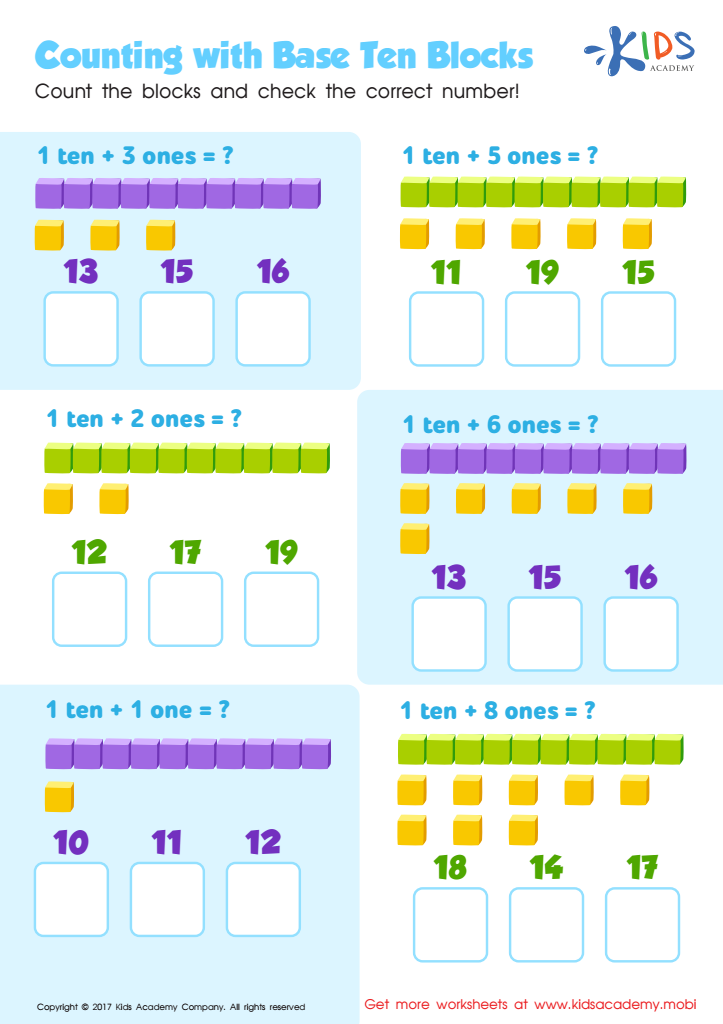
Counting with Base Ten Blocks Worksheet
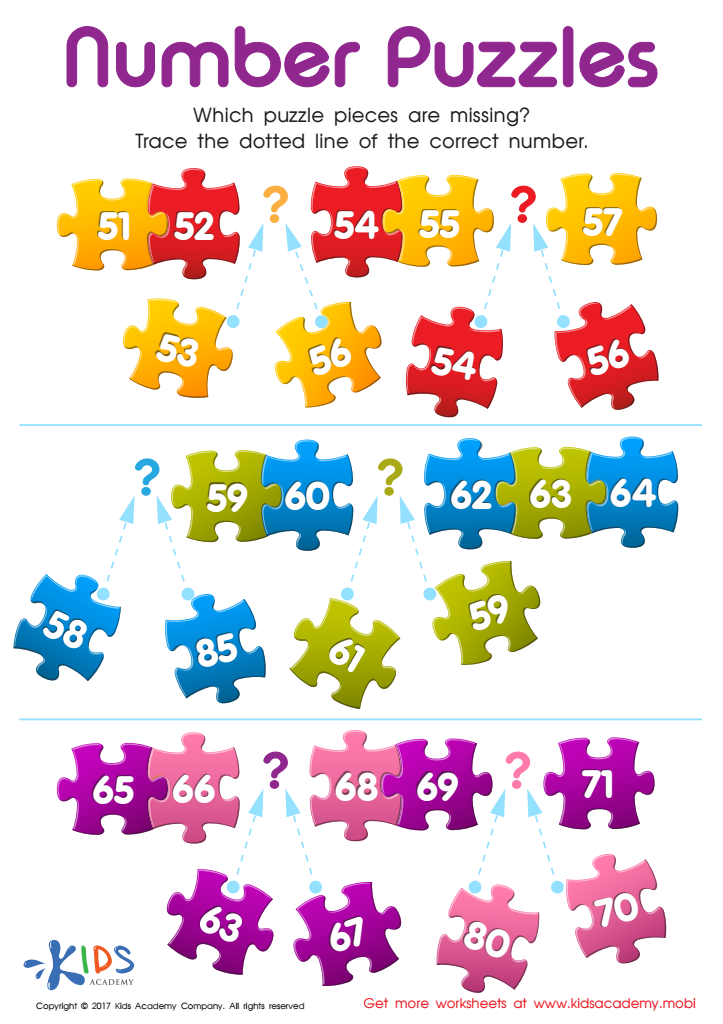
Number Puzzles Worksheet
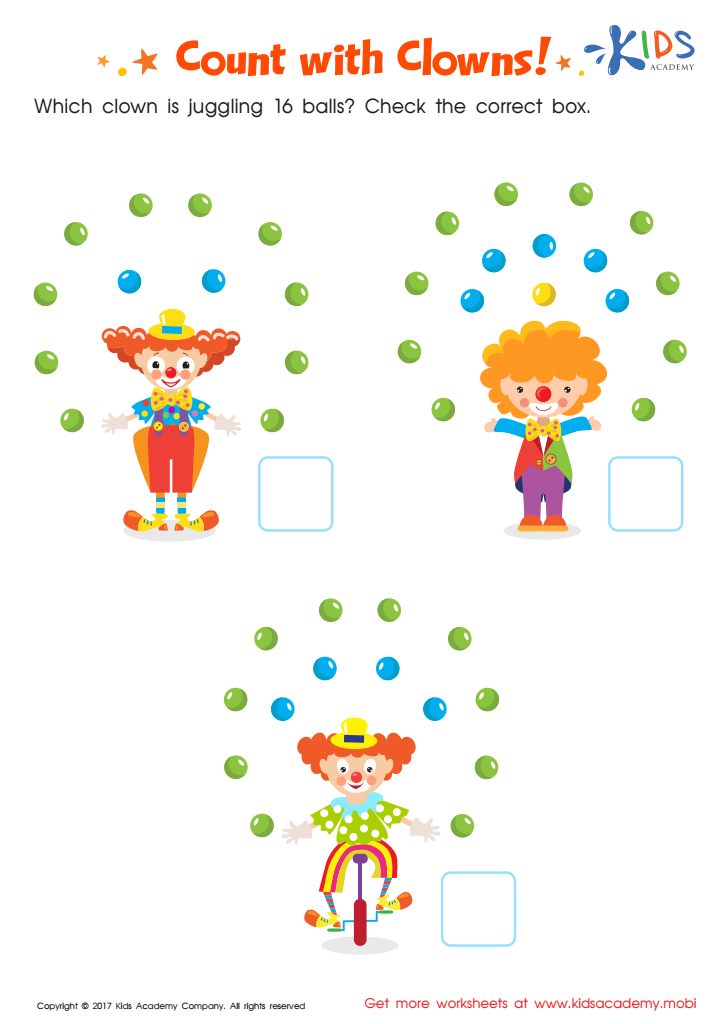
Count with Clowns Worksheet
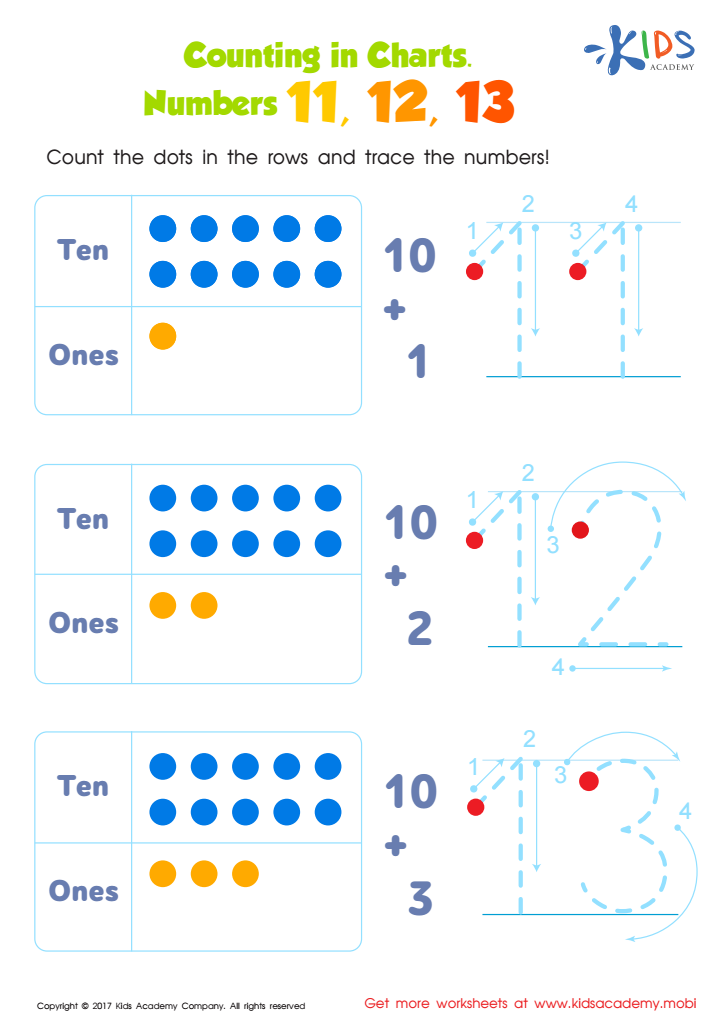
Number Tracing Worksheet For Kindergarten
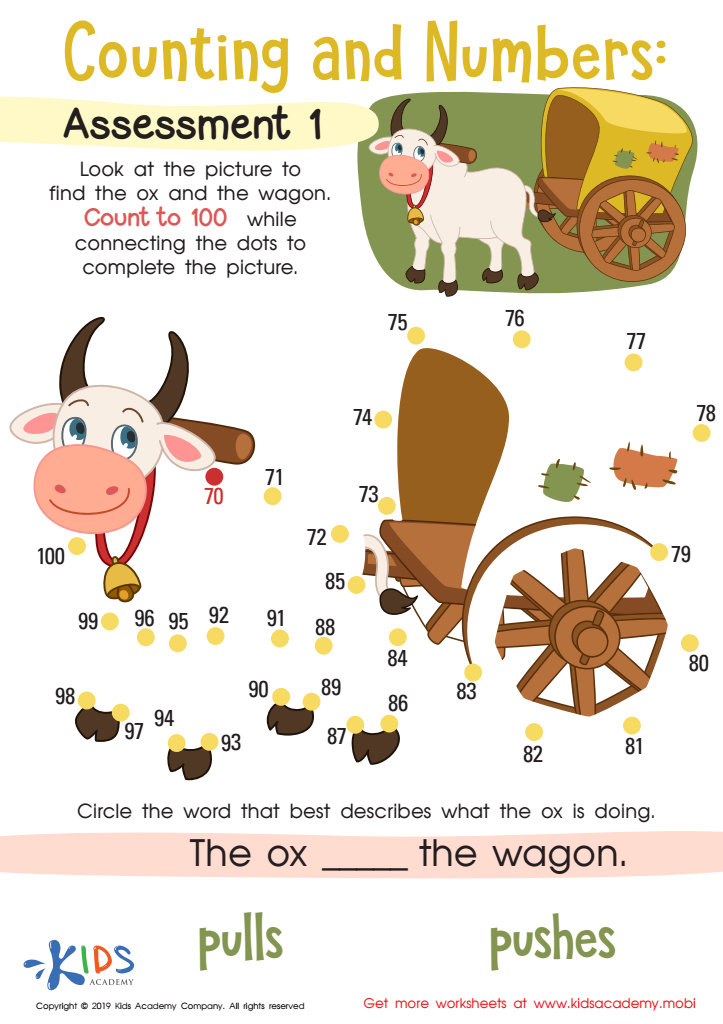
Counting and Numbers: Assessment 1 Worksheet
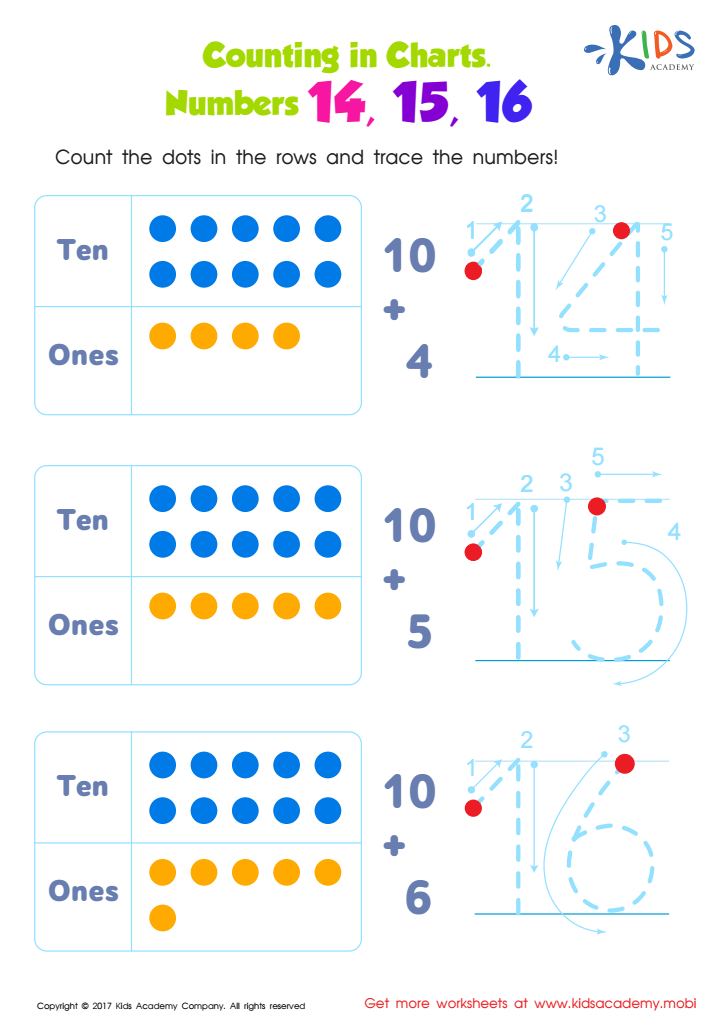
Number Tracing Worksheet


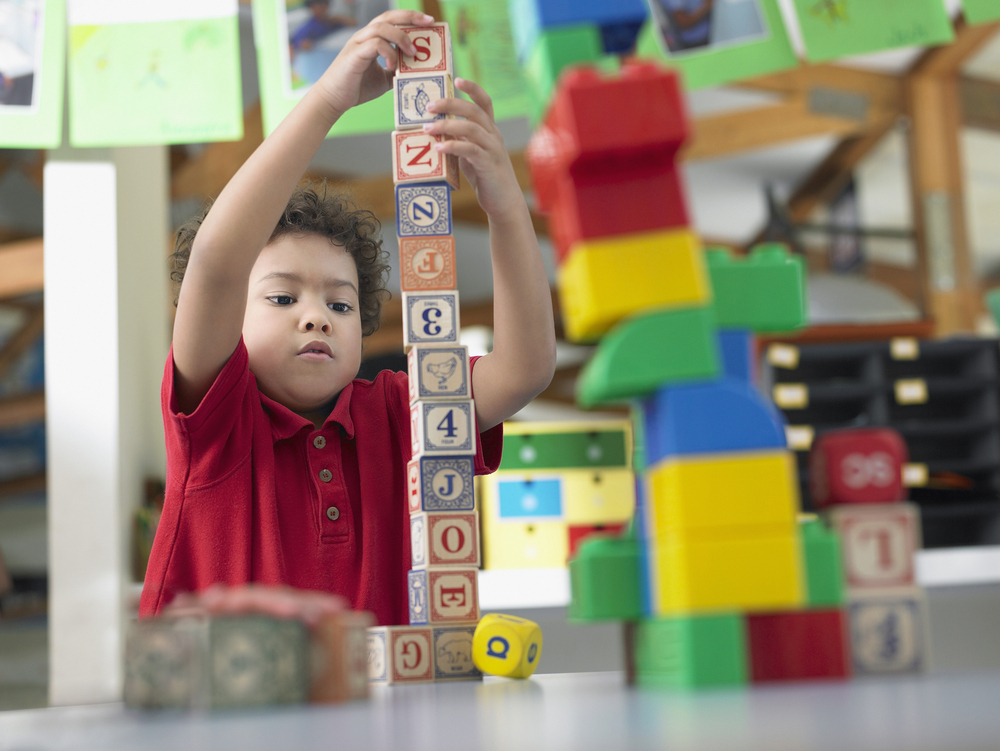





Number recognition up to 100 for children aged 5-6 is a fundamental skill that lays the groundwork for future mathematical learning. At this formative stage, understanding numbers enables children to grasp more complex concepts and perform basic arithmetic operations, crucial for daily activities and academic success.
Firstly, recognizing numbers up to 100 enhances a child's ability to count, compare, and sequence numbers accurately. This skill is not just academic; it's essential in real-world situations like determining quantities or understanding prices at stores. Early proficiency in number recognition fosters confidence in young learners, making them more eager to tackle math-related challenges as they grow.
Secondly, the ability to recognize and manipulate numbers up to 100 supports cognitive development, including pattern recognition and logical thinking. These skills are not only pivotal in math but also in other critical thinking scenarios across various subjects.
Moreover, familiarity with numbers boosts children’s memory and attention span as they learn to associate numerical symbols with quantities. This foundation is vital, considering most educational curriculums build upon these early math skills.
In conclusion, parents and teachers should emphasize number recognition up to 100 as it equips children with essential tools for academic achievement and everyday problem-solving, promoting well-rounded cognitive development and setting the stage for future learning success.