Animal recognition Science Worksheets for Ages 5-6
6 filtered results
-
From - To
Explore our engaging Animal Recognition Science Worksheets designed for children aged 5-6! These interactive worksheets help young learners identify different animals, enhancing their observation skills and curiosity about the animal kingdom. Filled with vibrant illustrations and fun activities, children will enjoy sorting animals, matching them with their habitats, and discovering fascinating facts. Ideal for home or classroom use, these worksheets promote not only scientific understanding but also critical thinking and creativity. Spark your child's love for nature and science with our thoughtfully crafted resources that make learning enjoyable and effective. Dive into the animal world today!
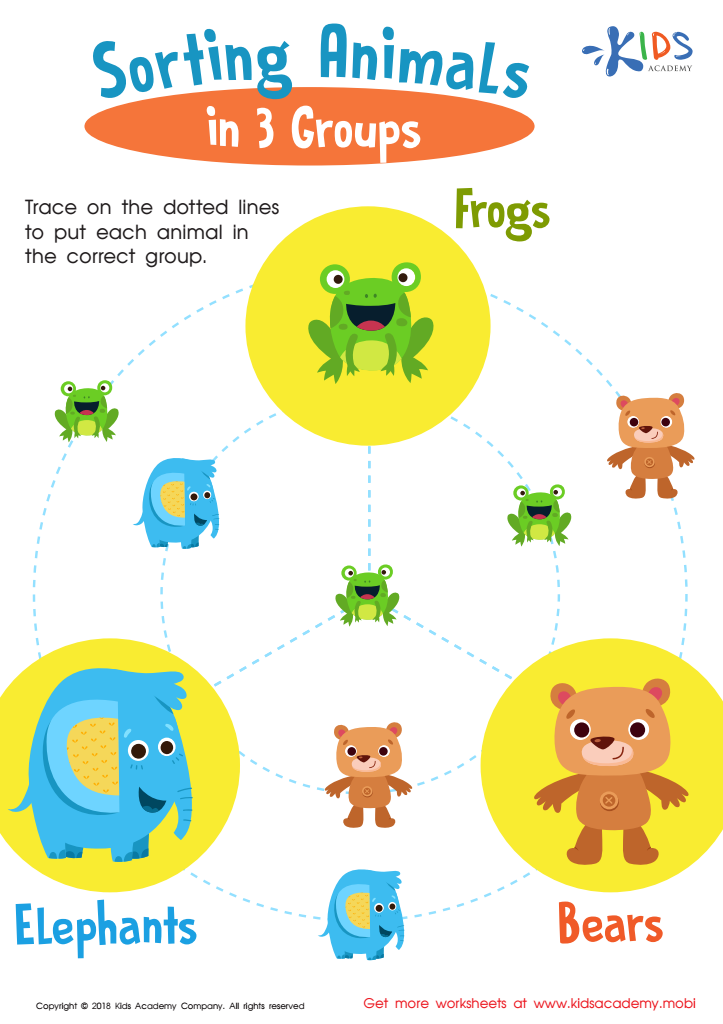
Sorting Animals in 3 Groups Worksheet
 Assign to My Students
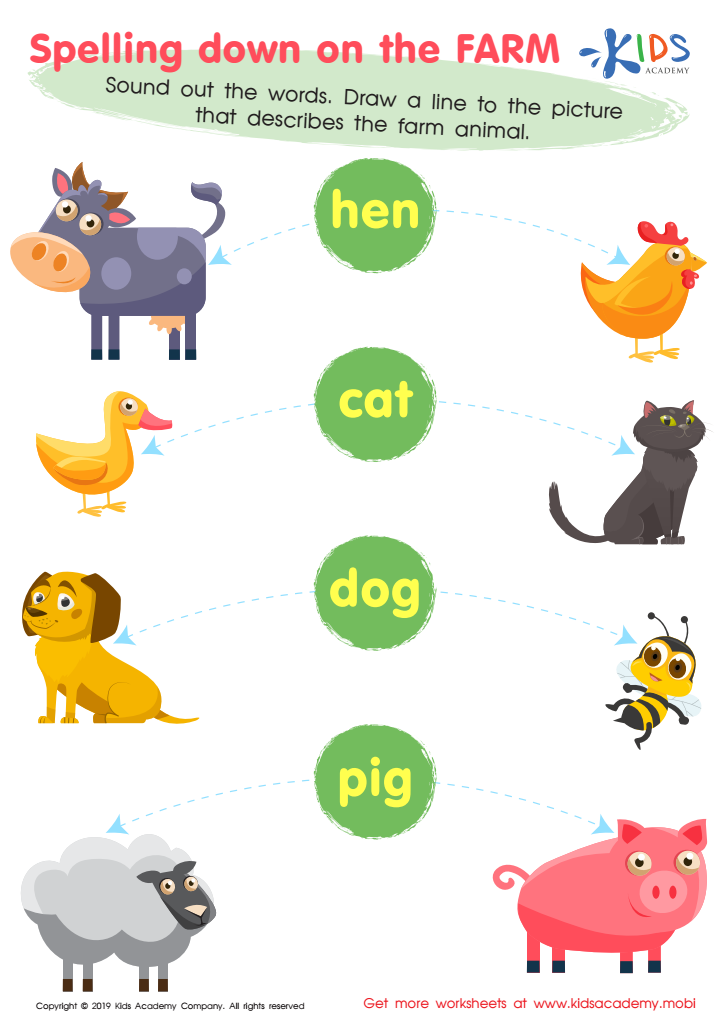
Spelling Down on the Farm Worksheet
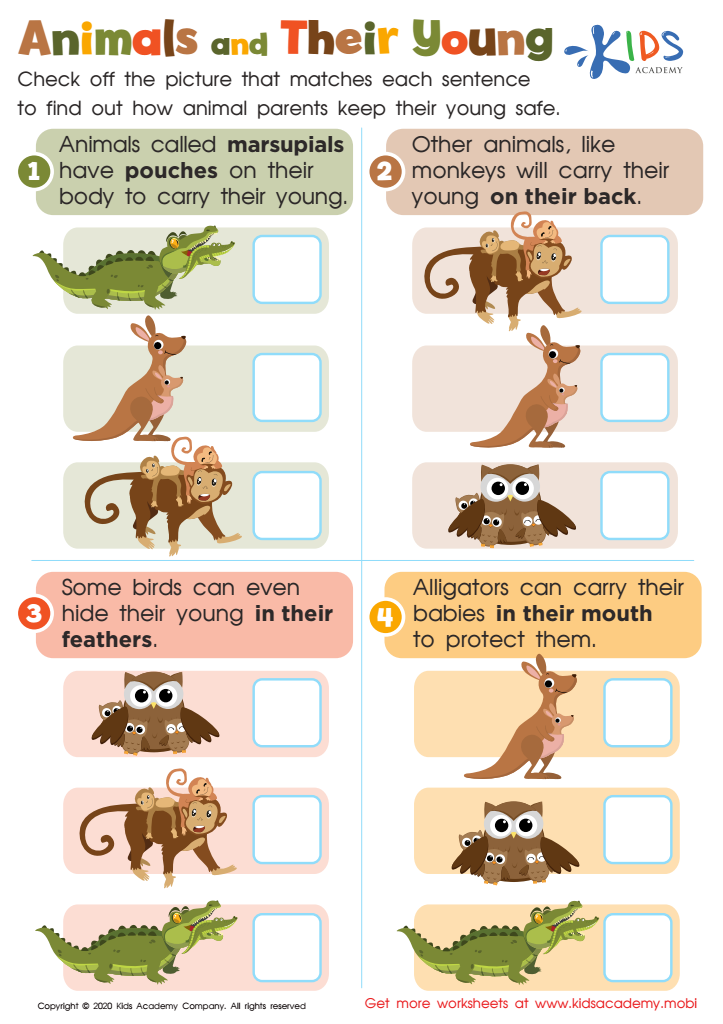
Animals and Their Young Worksheet
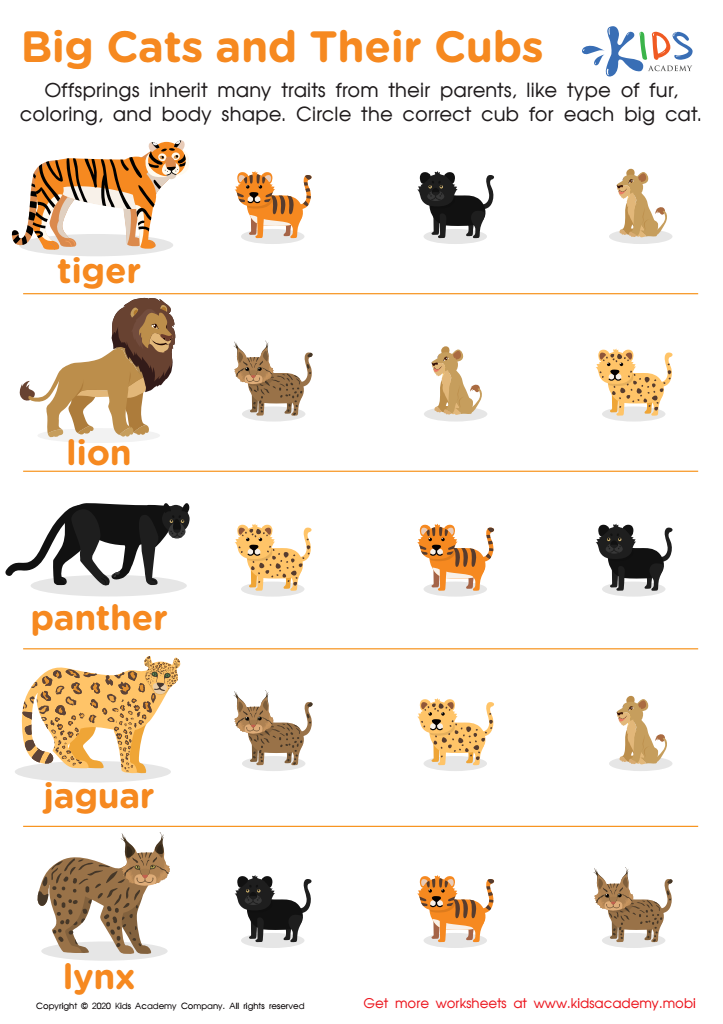
Big Cats and Their Cubs Worksheet
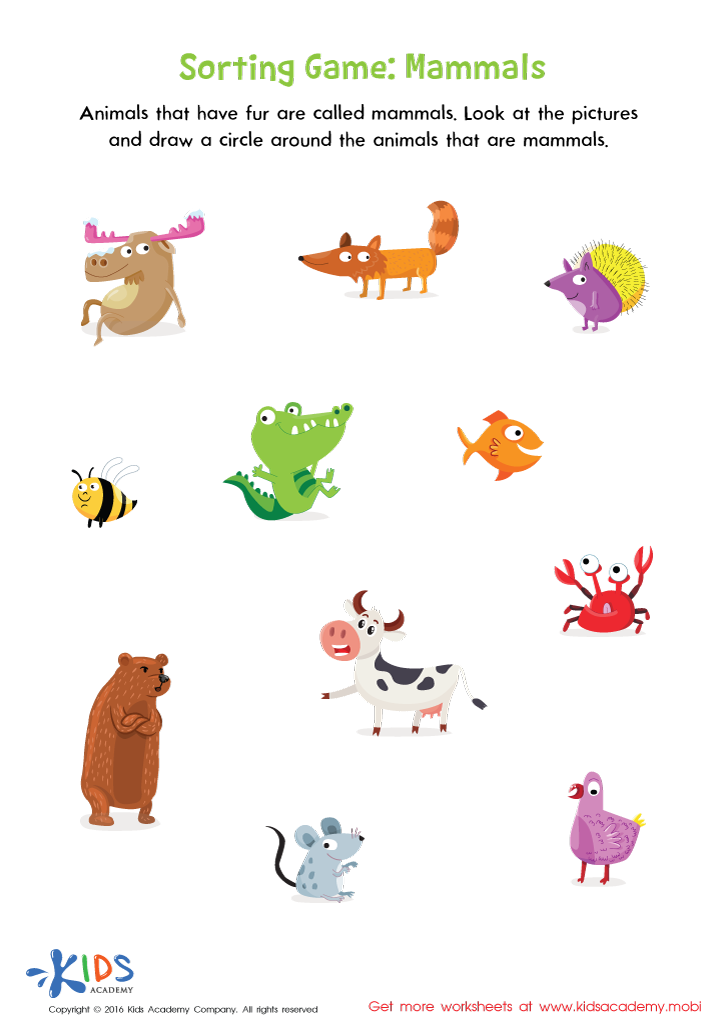
Mammals Sorting Worksheet
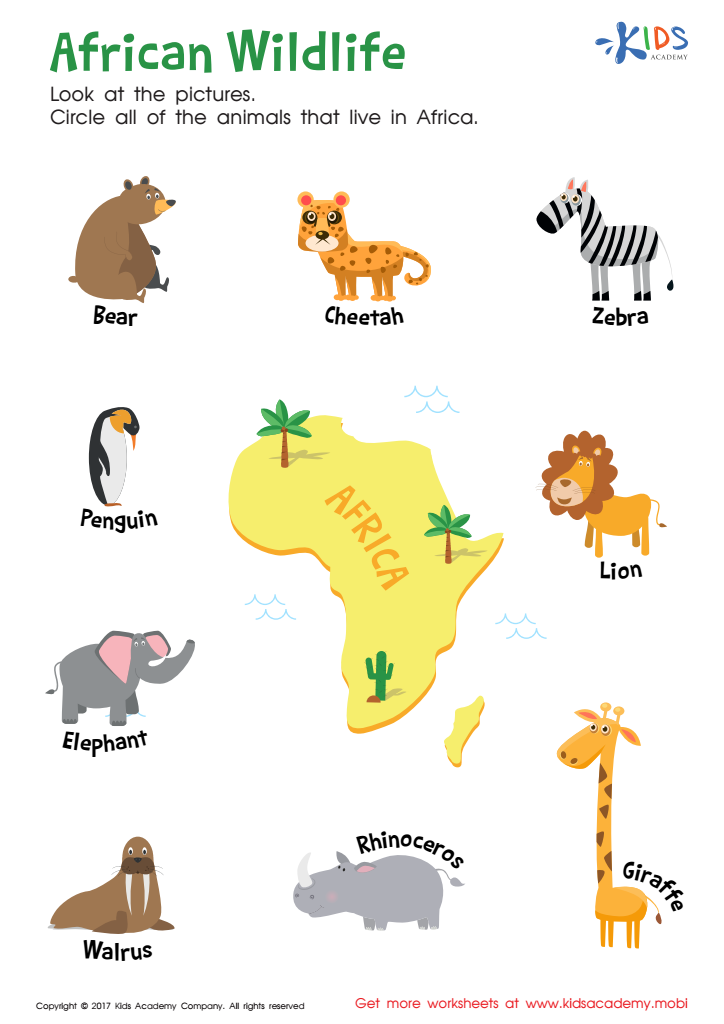







Animal recognition science is a crucial aspect of early childhood education for children ages 5-6, and both parents and teachers should prioritize it for several reasons. First, animal recognition helps foster a child's curiosity and appreciation for the natural world. By learning about different animals, children develop observational skills and a sense of wonder about biodiversity, which lays the groundwork for future environmental stewardship.
Second, understanding various animal characteristics and habitats sparks critical thinking and cognitive development. Children can engage in discussions about where animals live and what they eat, which enhances their vocabulary and language skills.
Third, learning about animals promotes social-emotional development. Through storytelling and creative play, children learn empathy and compassion as they understand that each creature has its own unique behaviors and needs.
Finally, introducing animal recognition aligns with science and literacy standards, making it an essential component of early curriculum. Incorporating interactive activities—like animal-themed books, crafts, and games—can make learning engaging and enjoyable.
In summary, parents and teachers should care about animal recognition science, as it nurtures curiosity, cognitive skills, empathy, and a love for learning in young children vital for their overall development and future academic success.







