Basic Math Skills Science Worksheets for Ages 5-6
5 filtered results
-
From - To
Enhance your child's learning experience with our Basic Math Skills Science Worksheets designed specifically for ages 5-6. These engaging worksheets seamlessly blend foundational math concepts with exciting science themes, helping young learners develop essential skills in a fun and interactive way. From counting and simple addition to measuring and comparing, each activity is tailored to strengthen students' math abilities while also sparking their curiosity about the world around them. Suitable for both classroom and home use, these worksheets support early literacy and numeracy development, providing a solid foundation for future success in school and beyond. Start your child’s learning journey today!
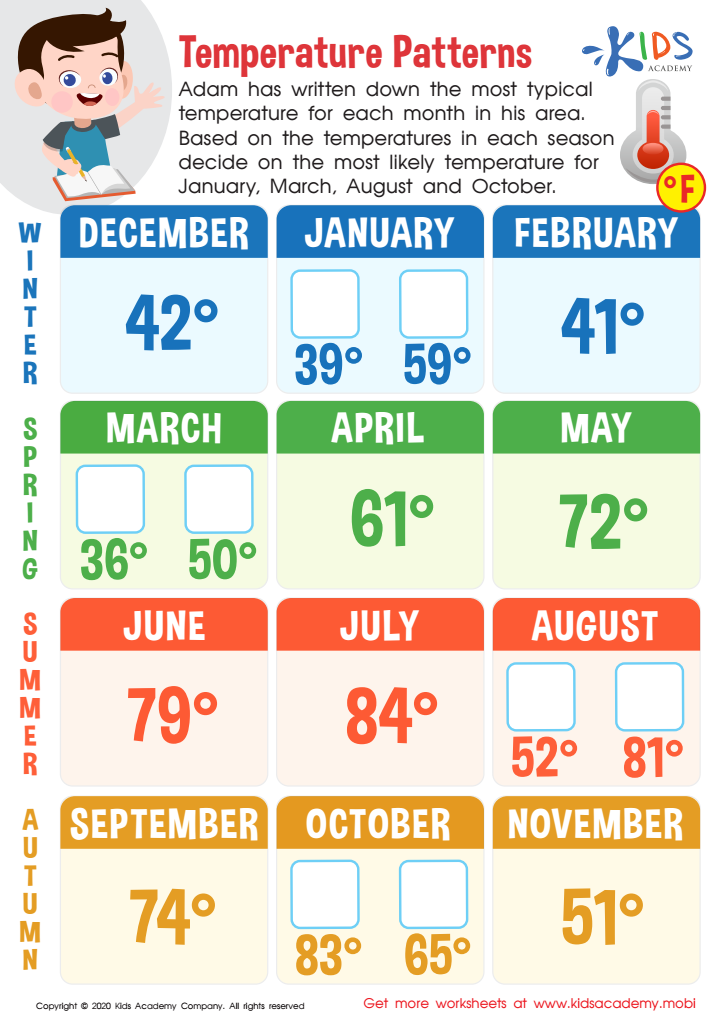
Temperature Patterns Worksheet
 Assign to My Students
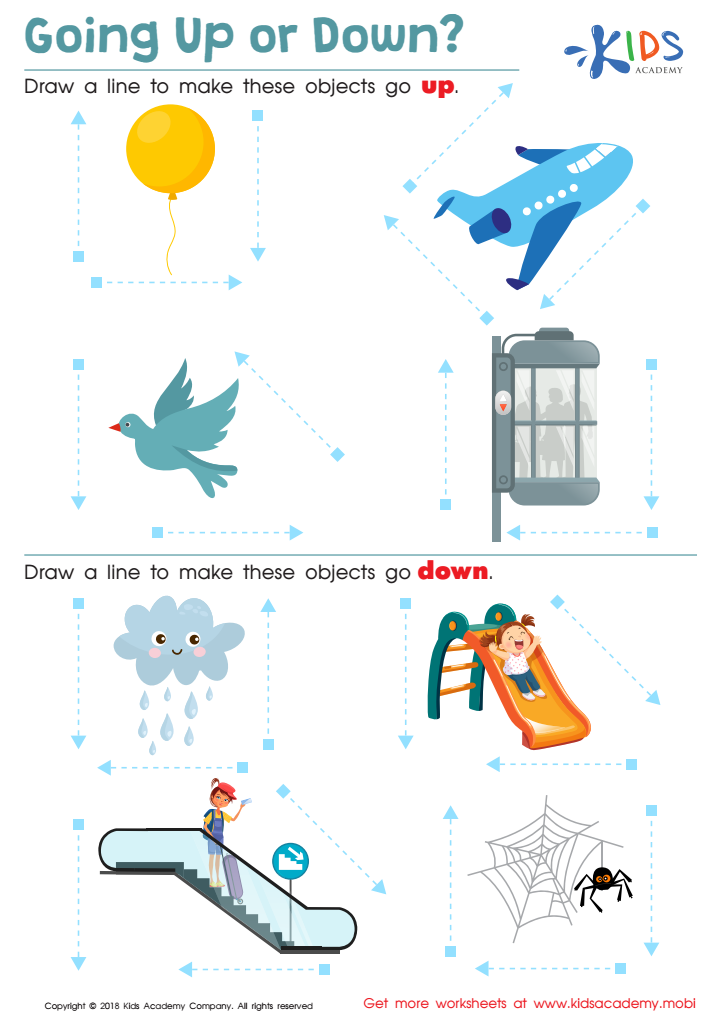
Going up or Down? Worksheet
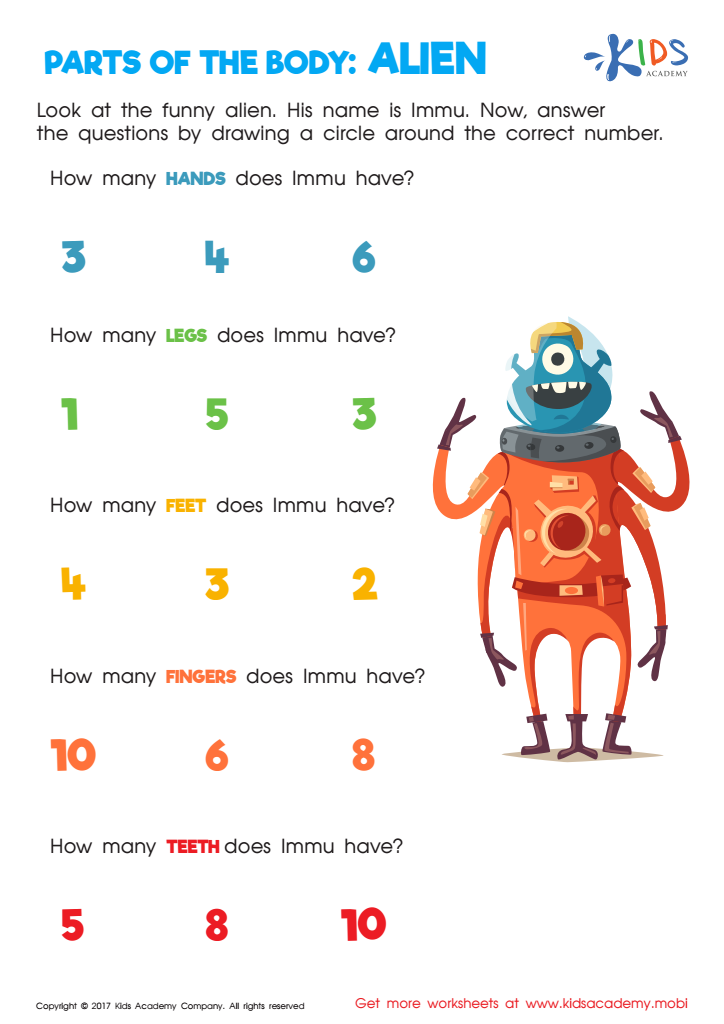
Alien Worksheet
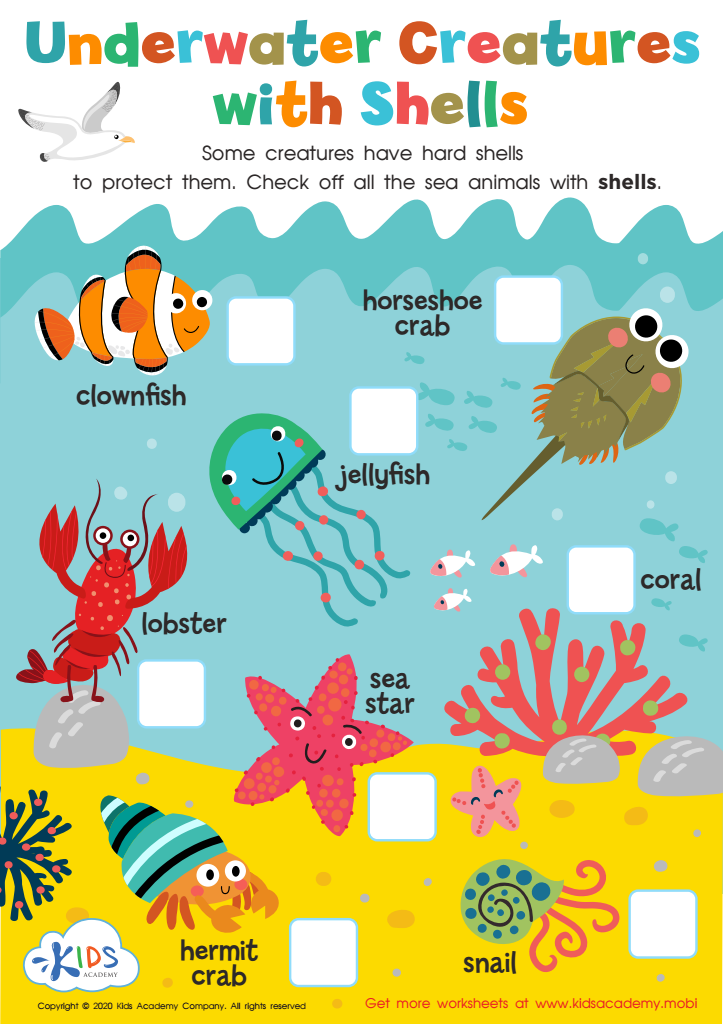
Underwater Creatures with Shells Worksheet
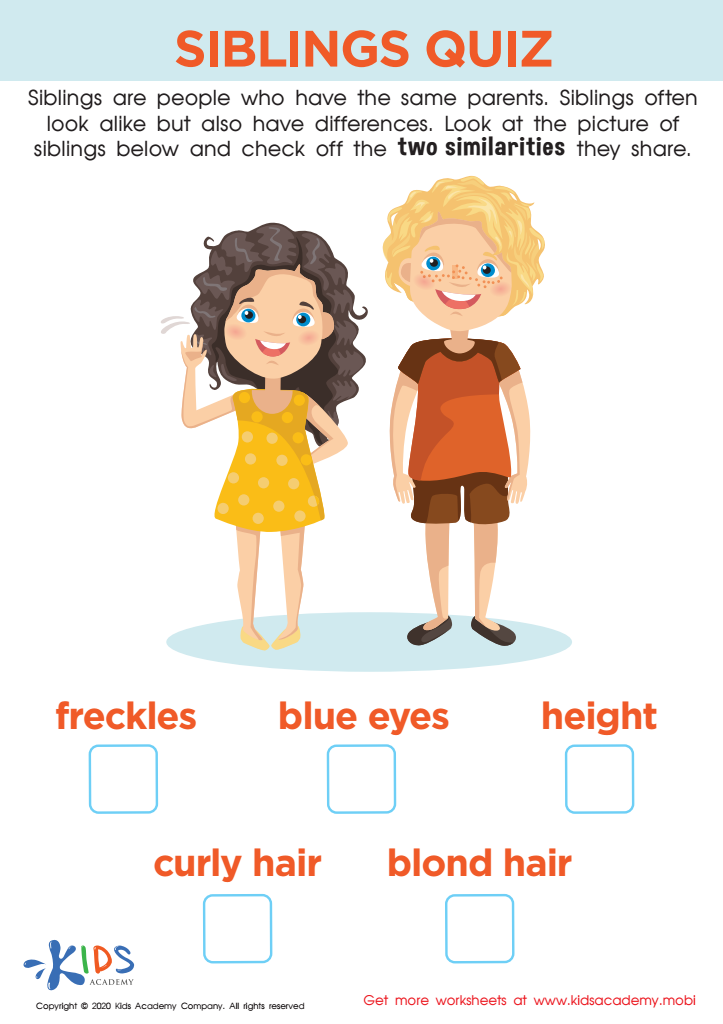
Siblings Quiz Worksheet







Parents and teachers should prioritize Basic Math Skills and Science for children aged 5-6 because these foundational concepts serve as the building blocks for lifelong learning. At this age, children are naturally curious, and introducing them to basic mathematical concepts and scientific inquiry cultivates their inherent curiosity and creativity.
Early mathematics equips children with essential skills such as counting, identification of shapes, and pattern recognition. These skills are crucial for problem-solving and decision-making, serving as a platform for more advanced mathematics in later grades. Similarly, engaging with basic science fosters critical thinking; children learn to ask questions, make observations, and draw conclusions about the world around them, sparking a love for exploration and inquiry.
Moreover, integrating math and science activities into everyday learning encourages cooperative play and social interaction, enhancing communication skills and teamwork. In today’s world, where STEM fields are increasingly emphasized, building a solid foundation in math and science enhances children's academic readiness for future challenges. Ultimately, nurturing these skills at a young age paves the way for academic success, inspires a lifelong love of learning, and prepares children to become informed, capable individuals in a rapidly changing world.







