Color Identification Science Worksheets for Ages 5-6
3 filtered results
-
From - To
Discover exciting Color Identification Science Worksheets crafted for curious minds aged 5-6! Our engaging activities foster essential skills in recognizing and naming colors through fun and interactive exercises. Utilizing vibrant illustrations and diverse challenges, these worksheets help young learners connect scientific concepts with their daily environment. Ideal for both classrooms and at-home learning, our worksheets make color identification an enjoyable adventure. Empower your child’s scientific journey and boost their confidence as they accurately identify hues, shades, and objects by color. Fuel curiosity, enhance cognitive development, and make learning a vibrant experience with our expert-designed printables!
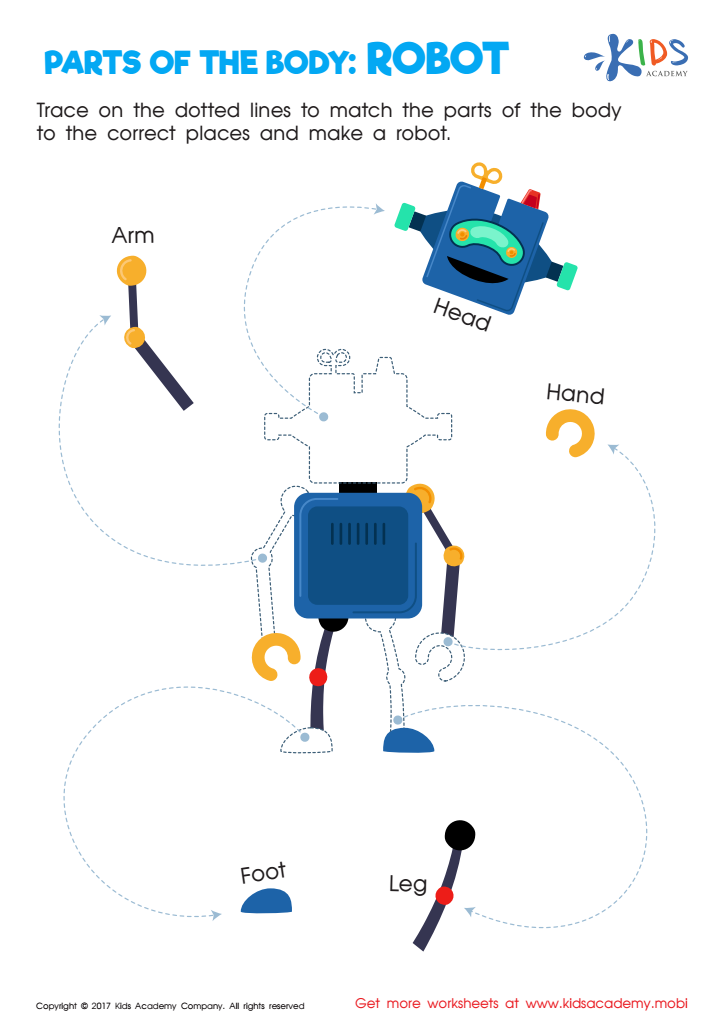
Robot Printable
 Assign to My Students
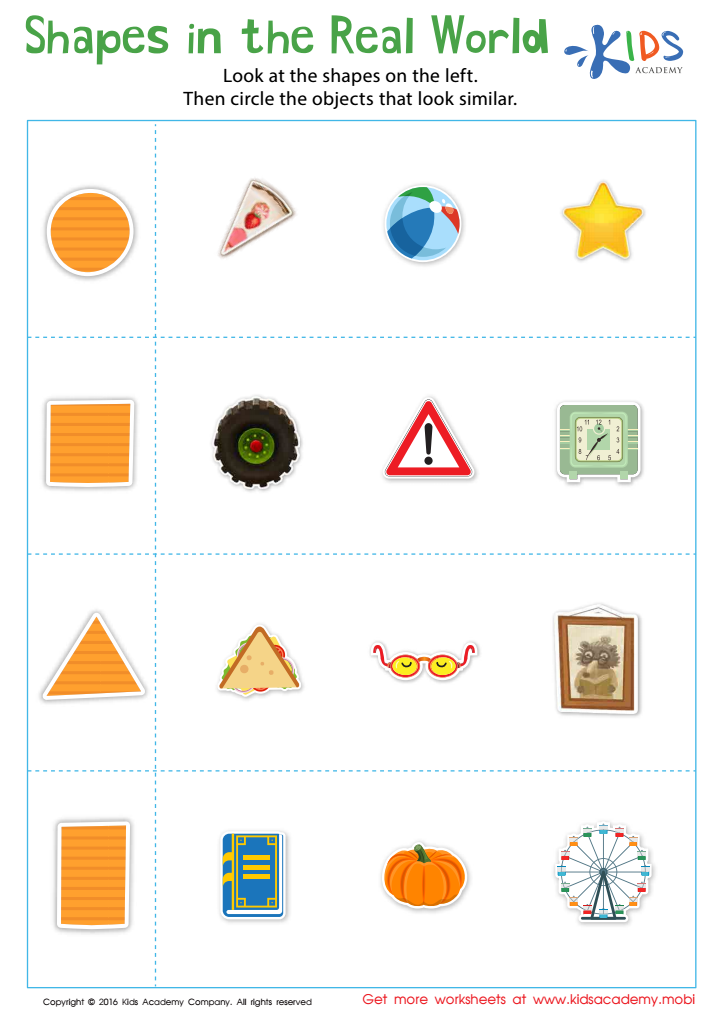
Shapes in the Real World Worksheet
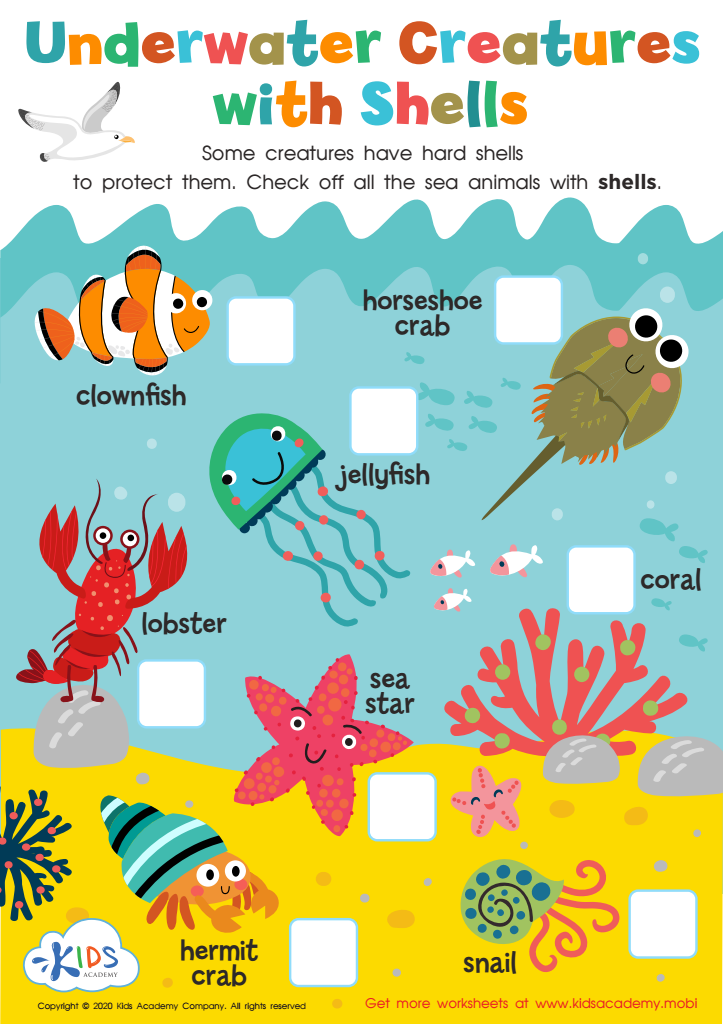
Underwater Creatures with Shells Worksheet







Understanding color identification in young children is pivotal for several developmental reasons. Firstly, color is one of the earliest cognitive links babies make with their environment. Fostering the ability to identify and distinguish colors at ages 5-6 supports language development; when children learn different color names, they are expanding their vocabulary and proofing their memory skills.
Secondly, color recognition plays a crucial role in cognitive and psychological development. Identifying and naming colors aids in enhancing sorting and categorizing skills, fundamental for problem-solving. These skills are foundational for more advanced concepts in math and science.
Moreover, psychologists believe that teaching colors can be beneficial in the socio-emotional domain. Understanding colors helps children to express their emotions. For instance, colors are often used to help children describe feelings (e.g., "feeling blue" for sadness or "seeing red" for anger), aiding emotional literacy from a young age.
From a pragmatic viewpoint, knowing colors also streamlines daily routines. For teachers, color-coded tasks, and resources can aid in classroom management, making the learning environment more organized and efficient.
In summary, color identification is not a trivial milestone but a building block for broader academic learning, emotional expression, and practical life skills. Facilitating this knowledge aids children’s overall development, making it a critical aspect for both parents and teachers.







