Vocabulary enhancement Social Studies Worksheets for Ages 5-6
21 filtered results
-
From - To
Enhance your child's vocabulary with our engaging Social Studies worksheets designed specifically for ages 5-6. These printable resources introduce young learners to essential terms and concepts, making social studies fun and accessible. Each worksheet includes vibrant illustrations and interactive activities that promote understanding of communities, cultures, and historical figures. Encourage curiosity and critical thinking as children explore new vocabulary in context. Ideal for use in the classroom or at home, our worksheets provide a solid foundation for future learning. Foster a love for social studies and language development with these educational tools that spark creativity and imagination in young minds.
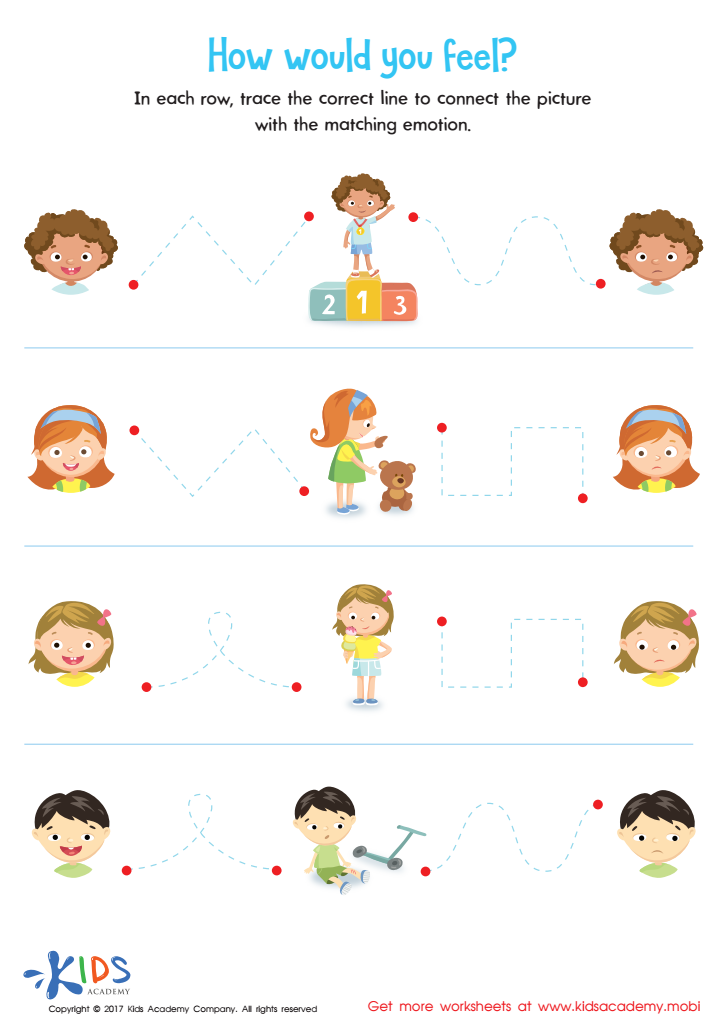
Feelings and Emotions Worksheet
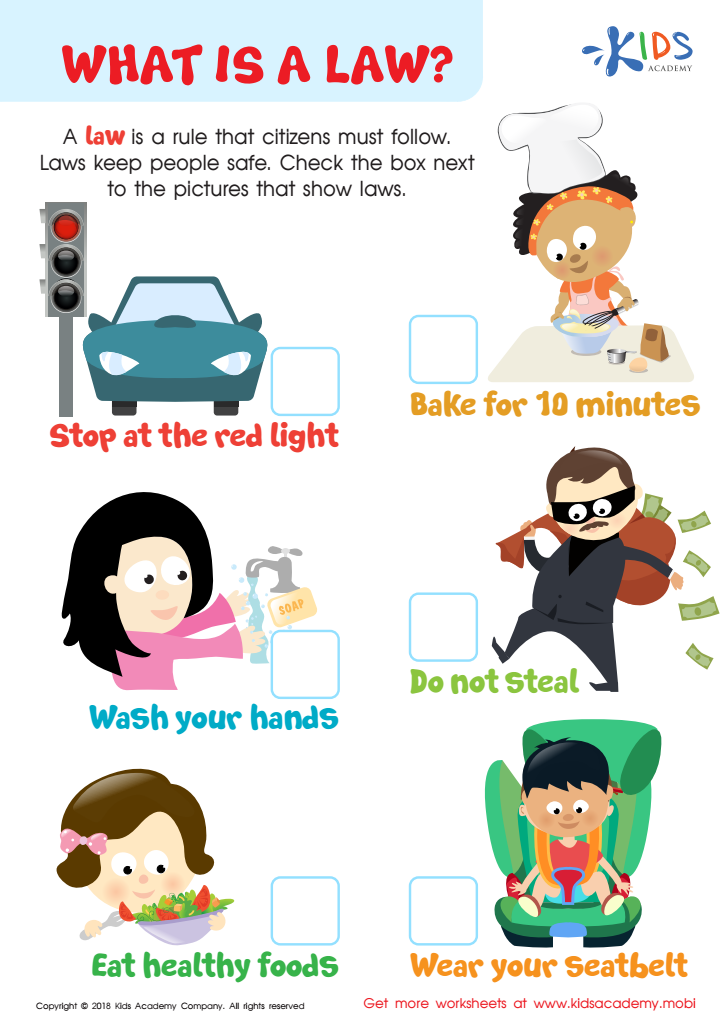
What is a Law? Worksheet
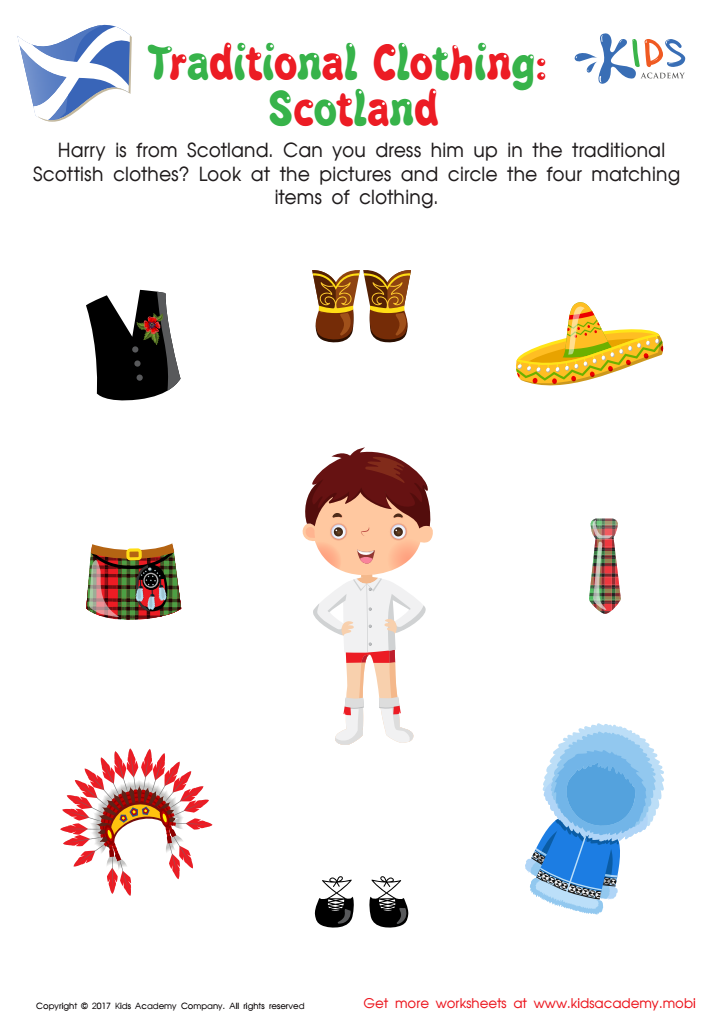
Traditional Clothing in Scotland Worksheet
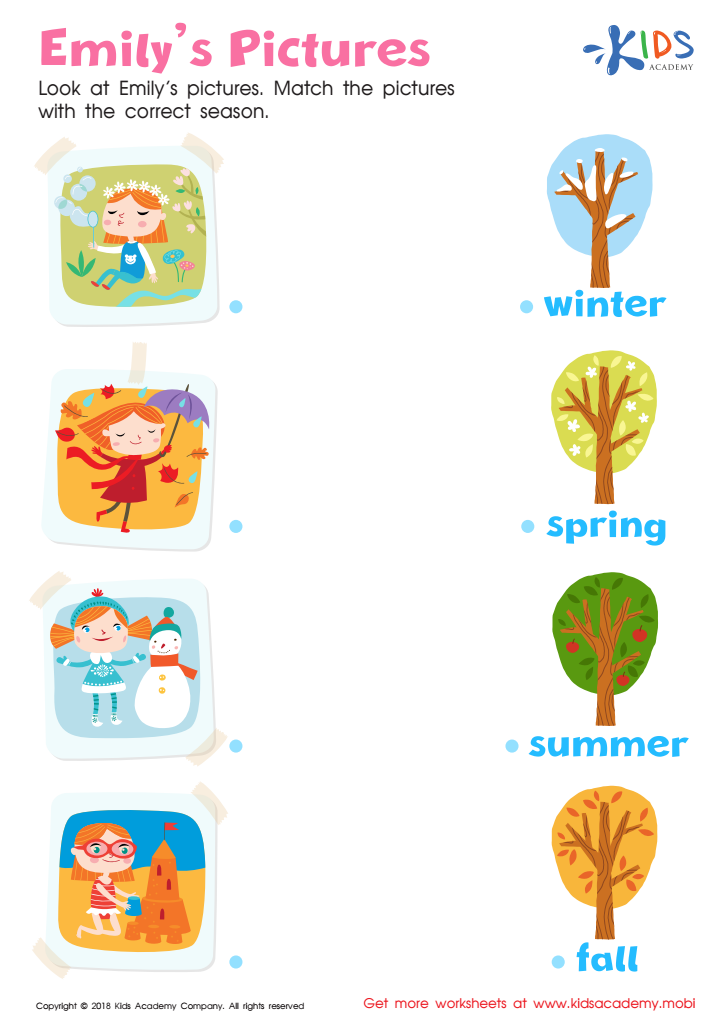
Emily's Pictures Worksheet
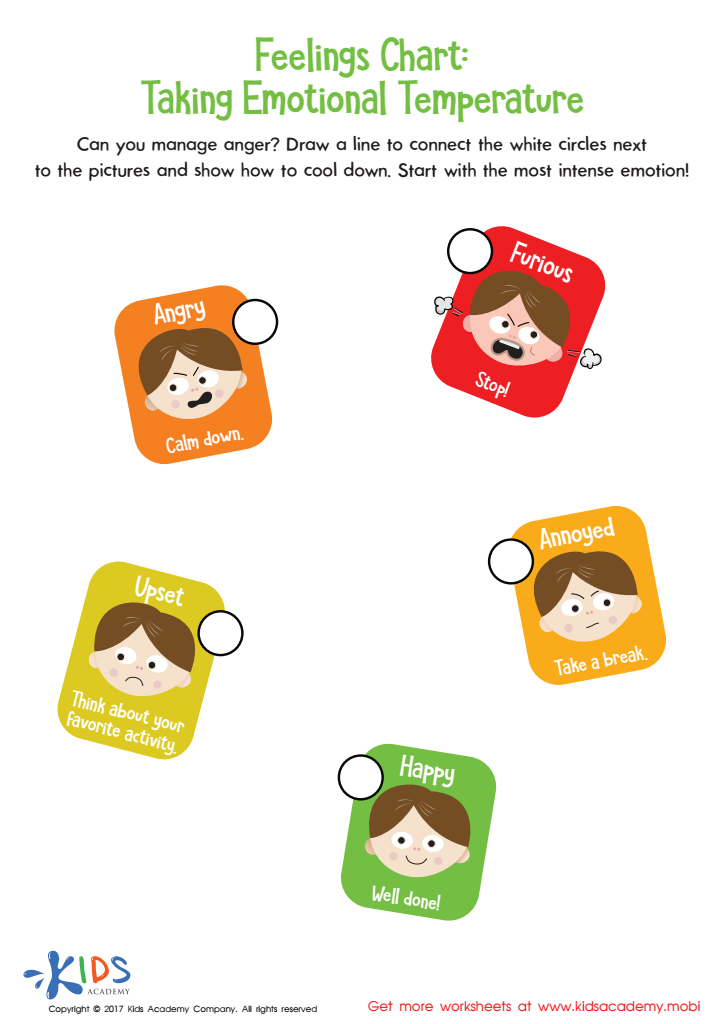
Feelings Chart Worksheet
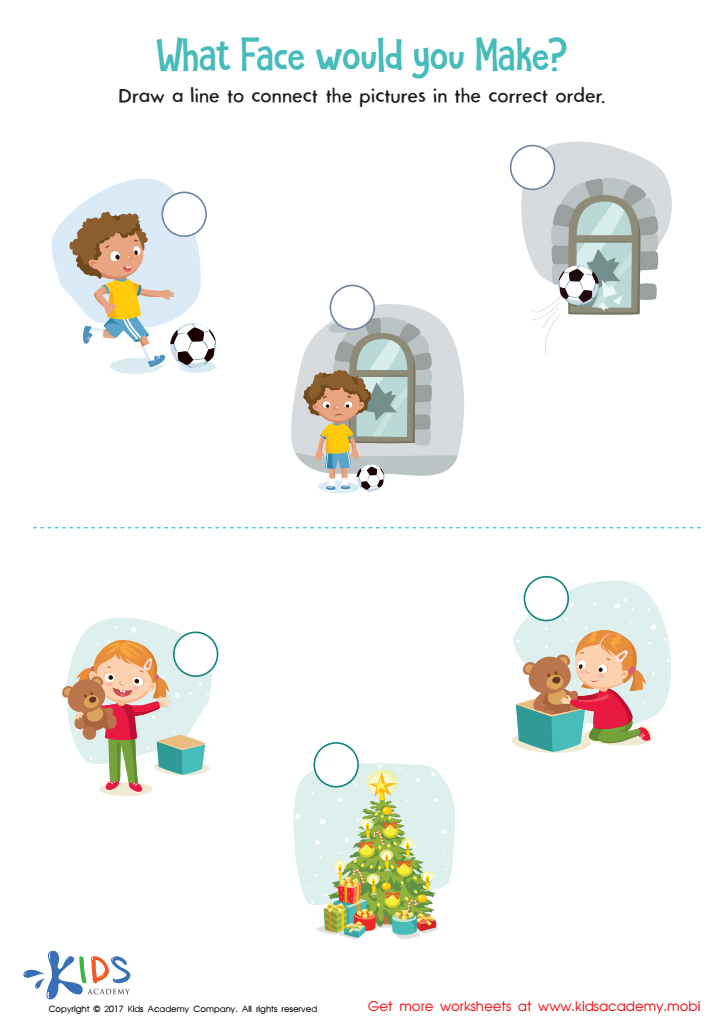
Understanding Emotions Worksheet
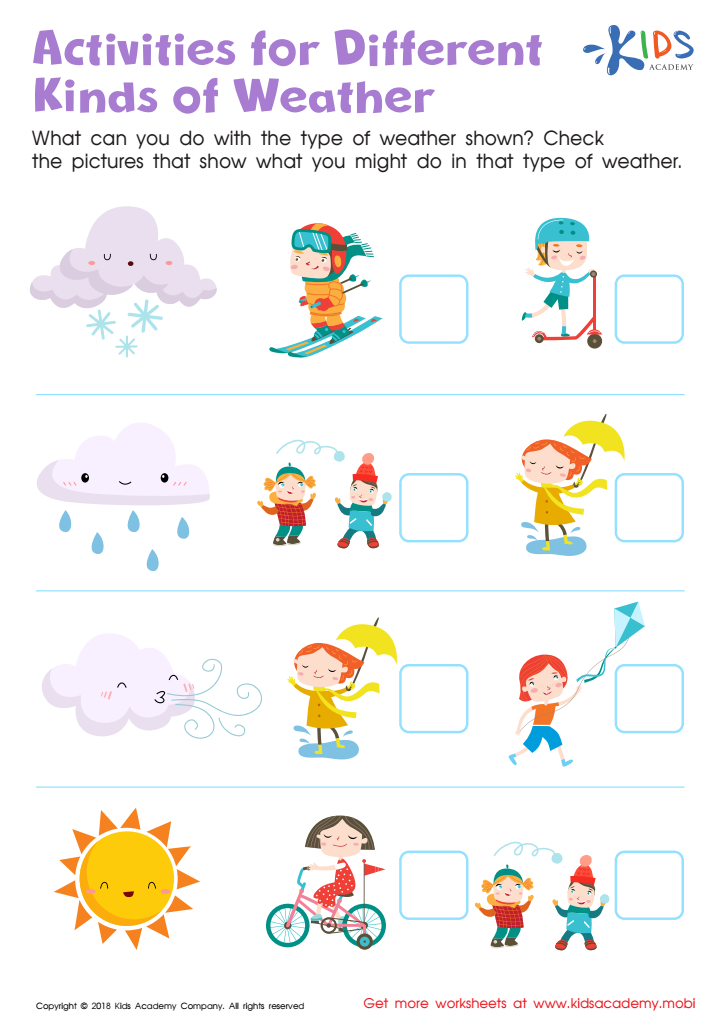
Activities for Different Kinds of Weather Worksheet
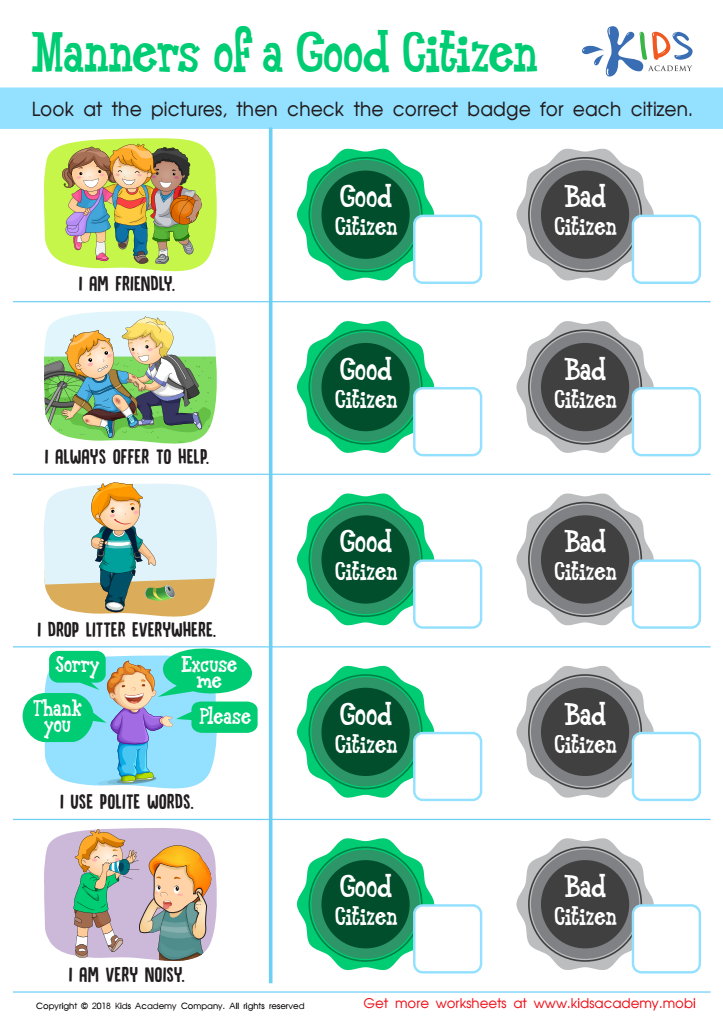
Manners of a Good Citizen Worksheet

Thanksgiving Holiday Printable
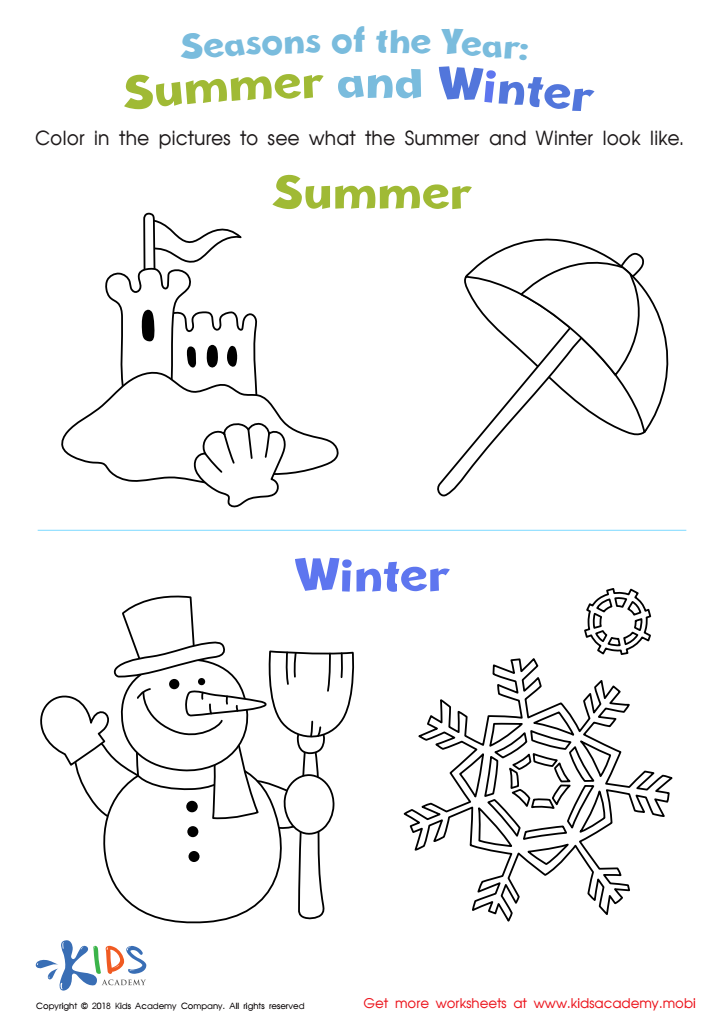
Summer and Winter Worksheet
 Assign to My Students
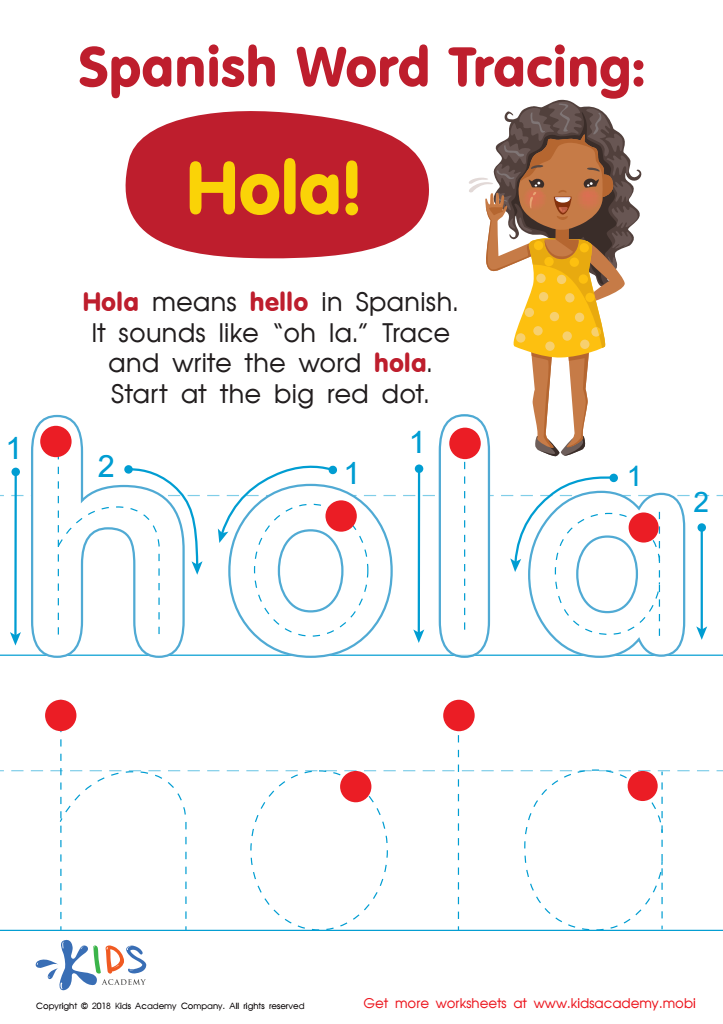
Spanish Word Tracing: Hola Worksheet
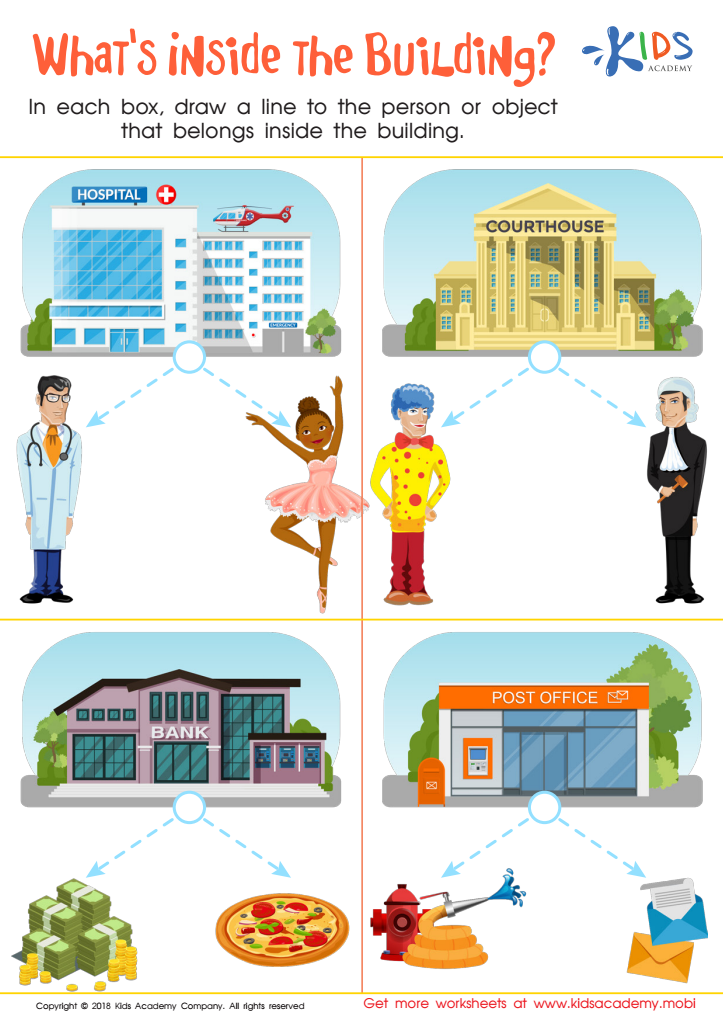
What's Inside the Building? Worksheet
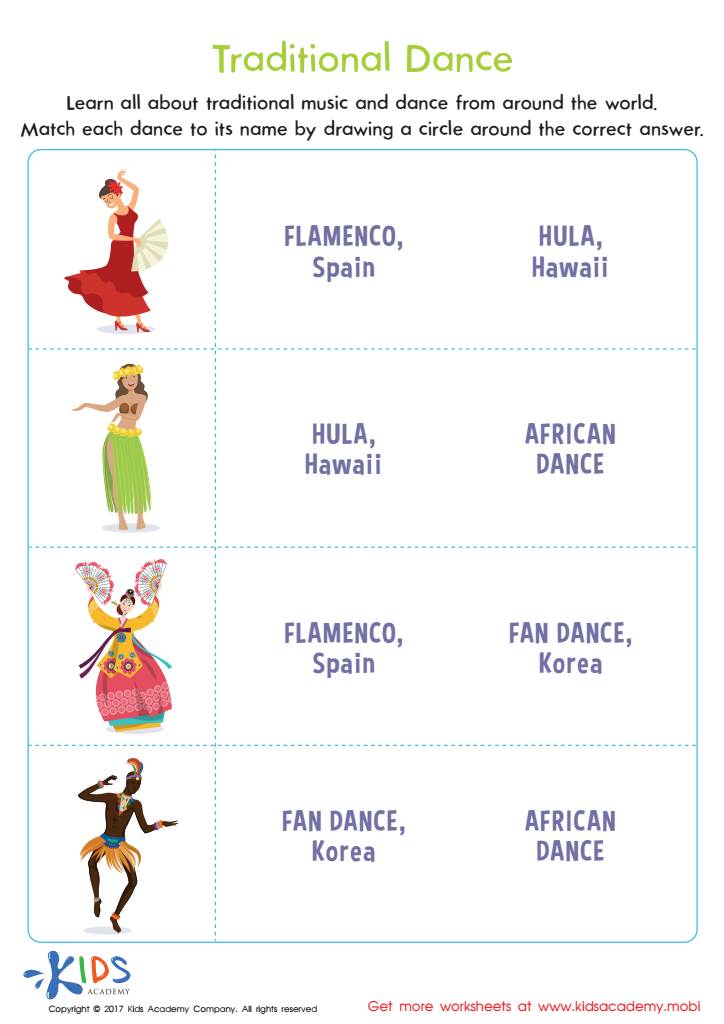
Traditional Dance Printable
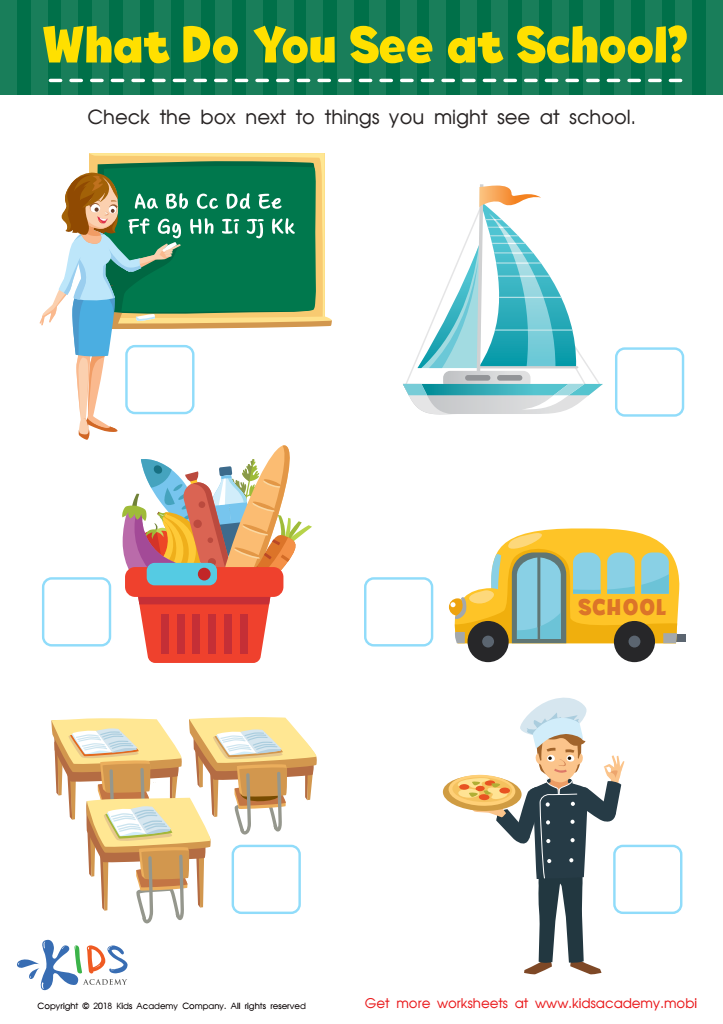
What Do you See at School? Worksheet
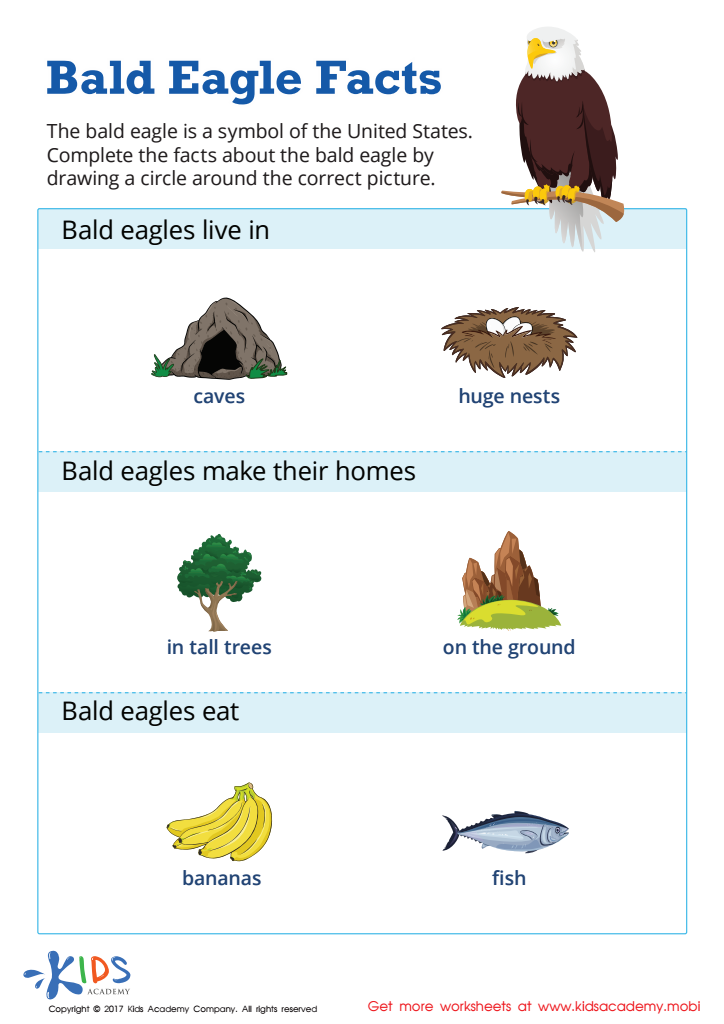
Bald Eagle Facts Worksheet
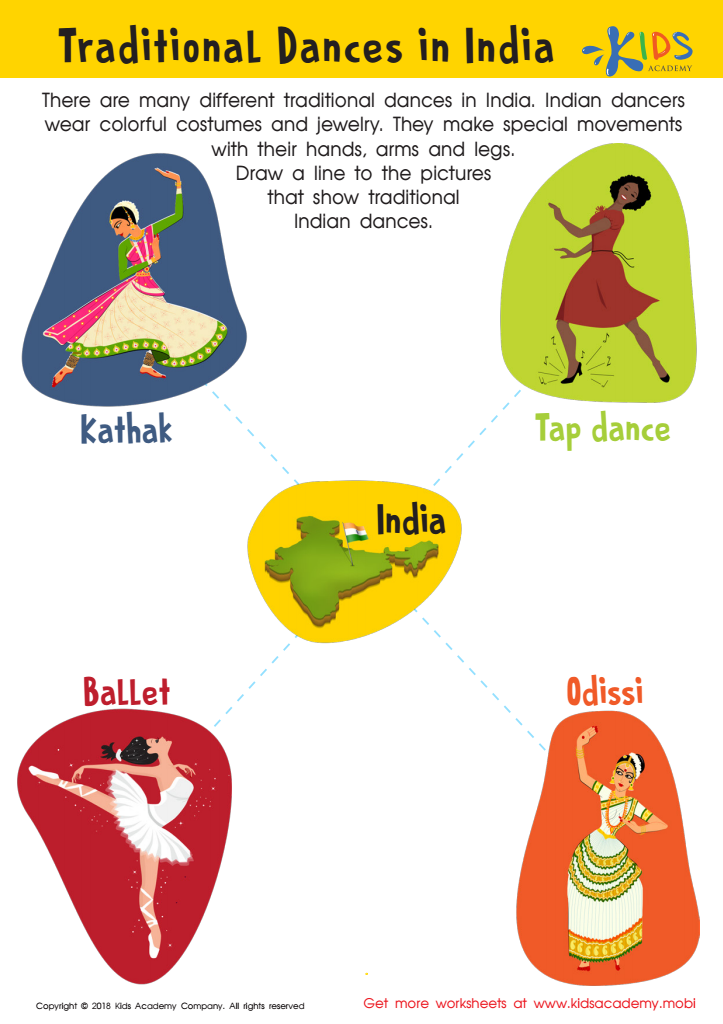
Traditional Dances in India Worksheet
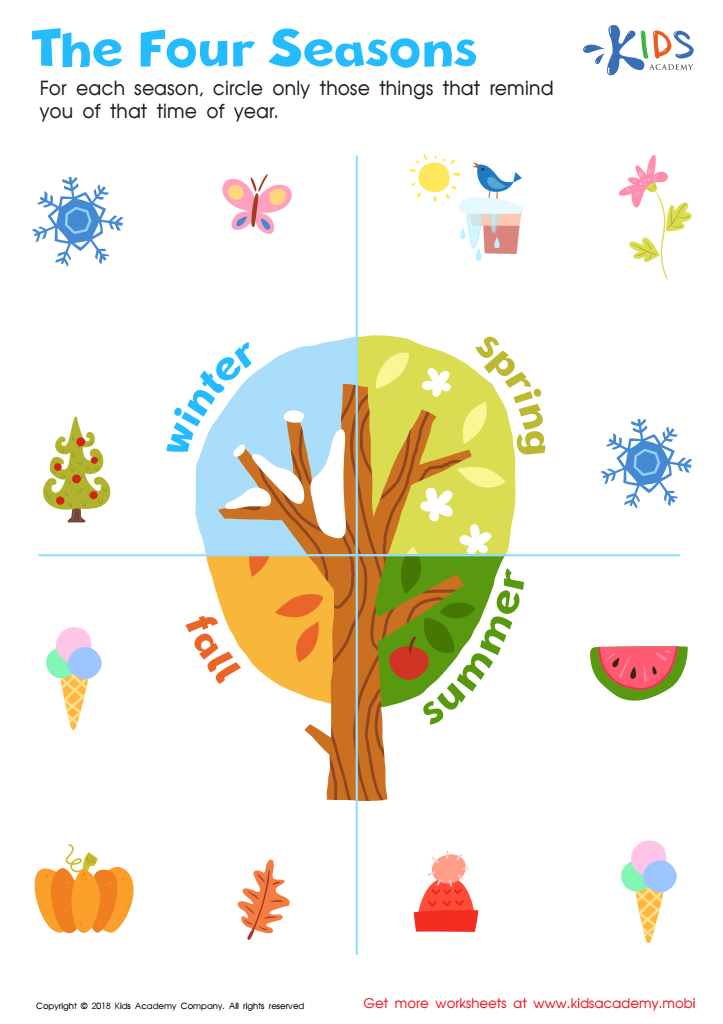
The Four Seasons Worksheet
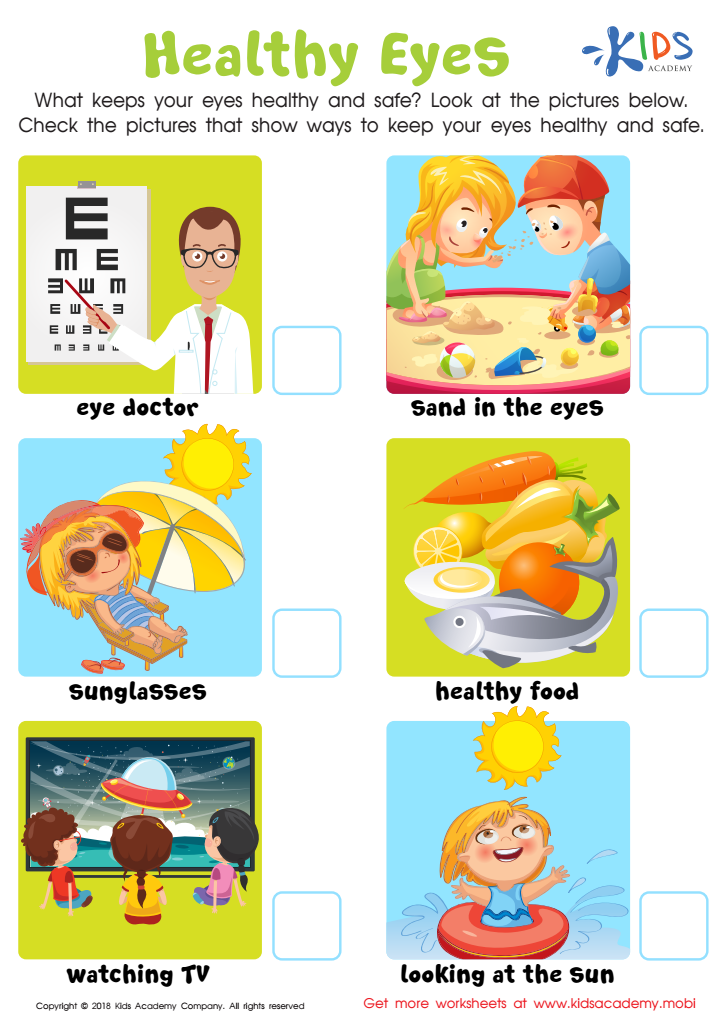
Healthy Eyes Worksheet
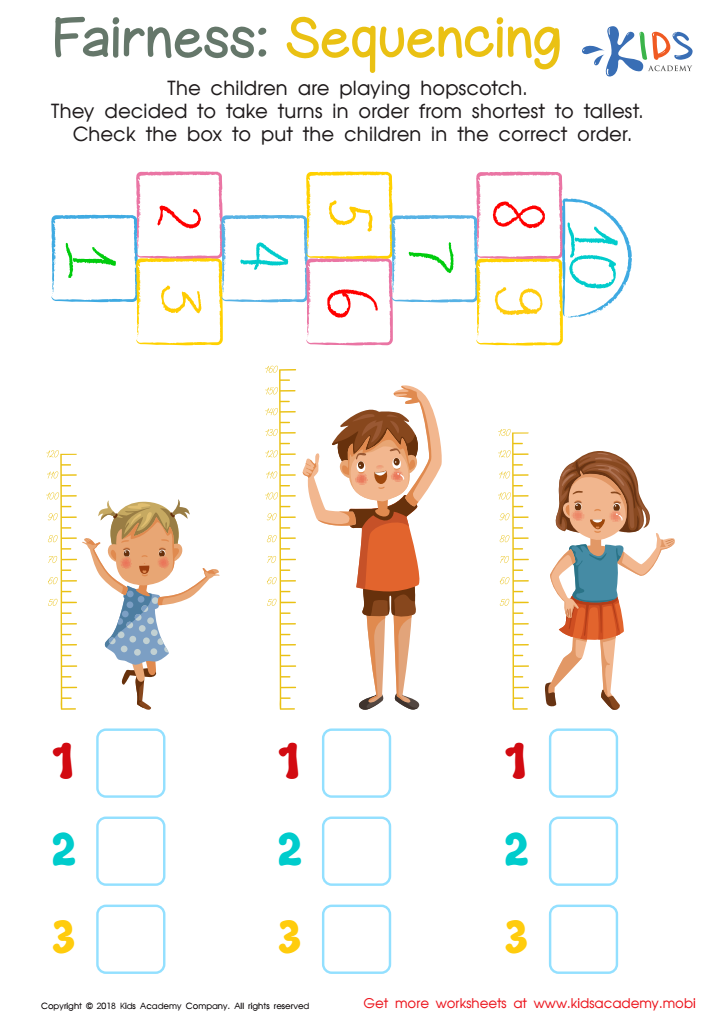
Fairness: Sequencing Worksheet
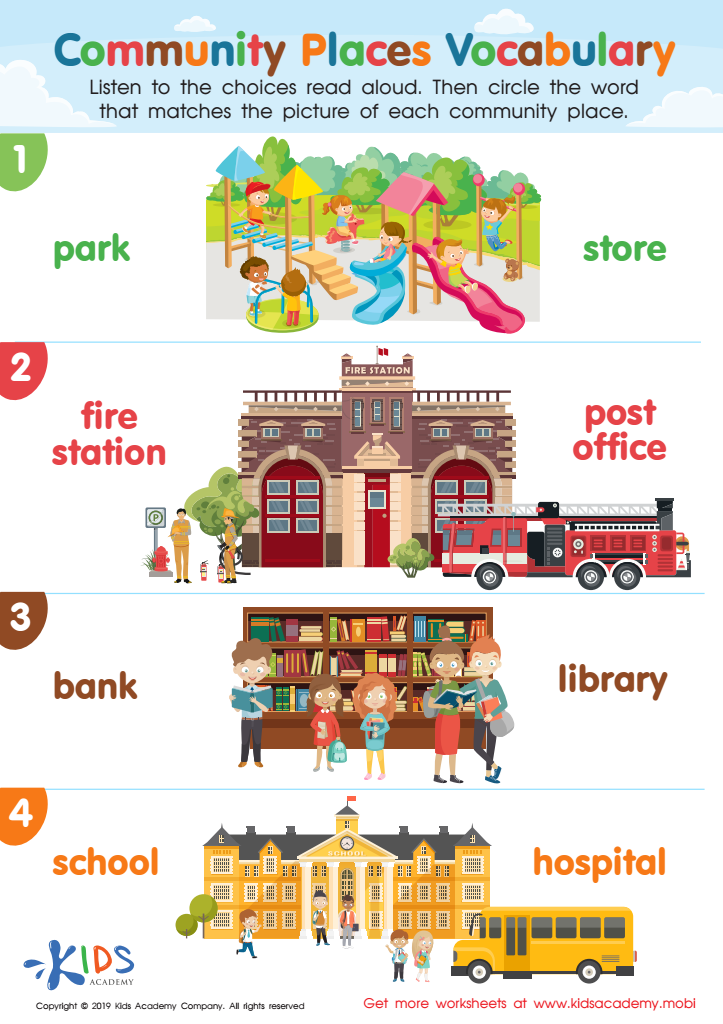
Community Places Vocabulary Worksheet
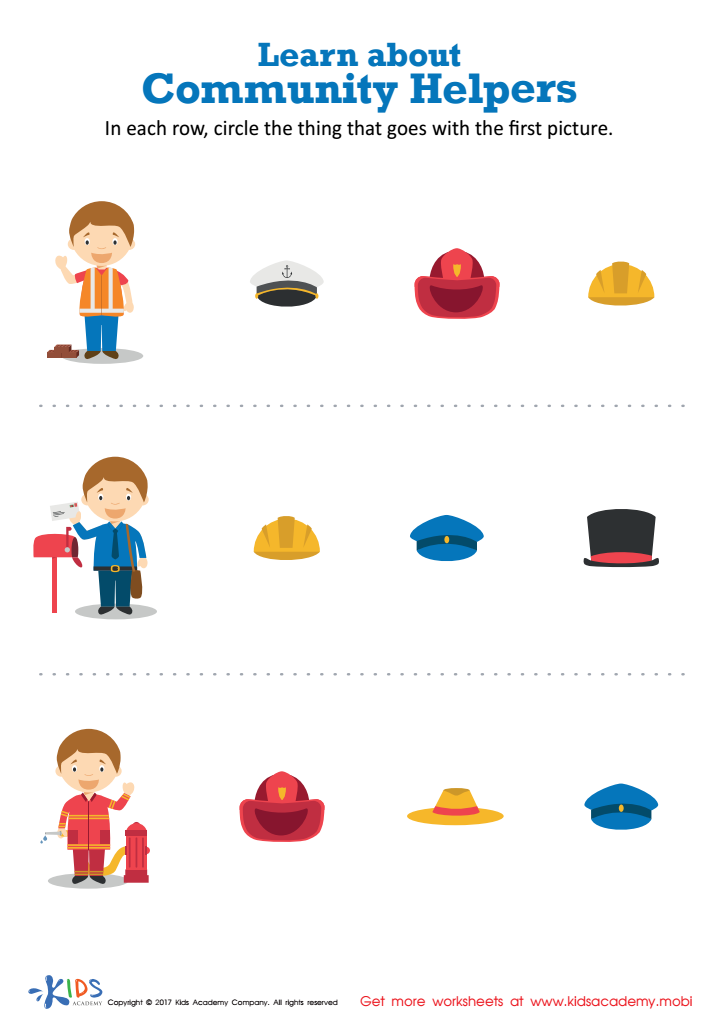
Learn about Community Helpers Printable








Vocabulary enhancement in Social Studies for children aged 5-6 is crucial for their overall development and understanding of the world. At this formative age, children are developing foundational language skills that directly impact their ability to comprehend broader concepts, including social structures, history, and geography.
Firstly, a rich vocabulary allows young learners to express their thoughts and feelings more effectively. Improved language skills enable them to engage in discussions about their communities, cultures, and traditions, fostering a sense of belonging and awareness.
Moreover, vocabulary exposure in Social Studies provides a contextual framework for understanding complex ideas. For instance, terms like "community," "environment," or "history" empower children to grasp the basic functions and relationships within different societies and cultures.
Parents and teachers should care about this enhancement because it facilitates critical thinking skills. Engaging activities that integrate vocabulary learning with exploration and discussion offer children the chance to think deeply about their world, promoting curiosity and a desire to learn.
In summary, encouraging vocabulary development in Social Studies not only supports academic success but also cultivates informed, empathetic future citizens who understand and appreciate the diversity of human experiences.








