Alphabet Recognition Letter Recognition Worksheets for Ages 5-7 - Page 2
45 filtered results
-
From - To
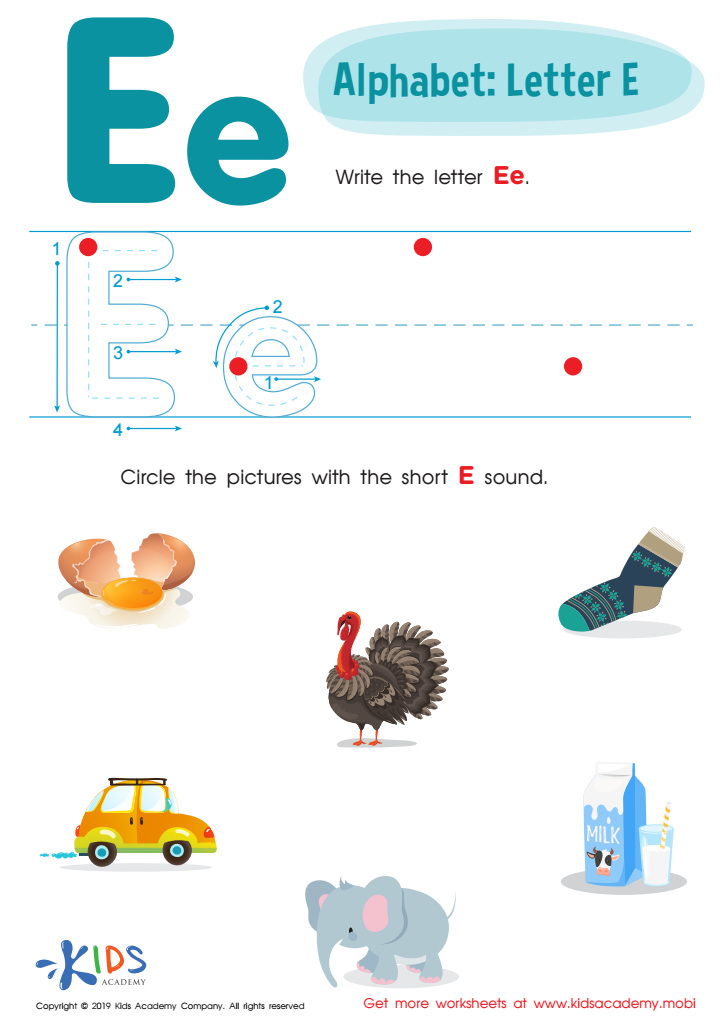
Letter E Tracing Worksheet
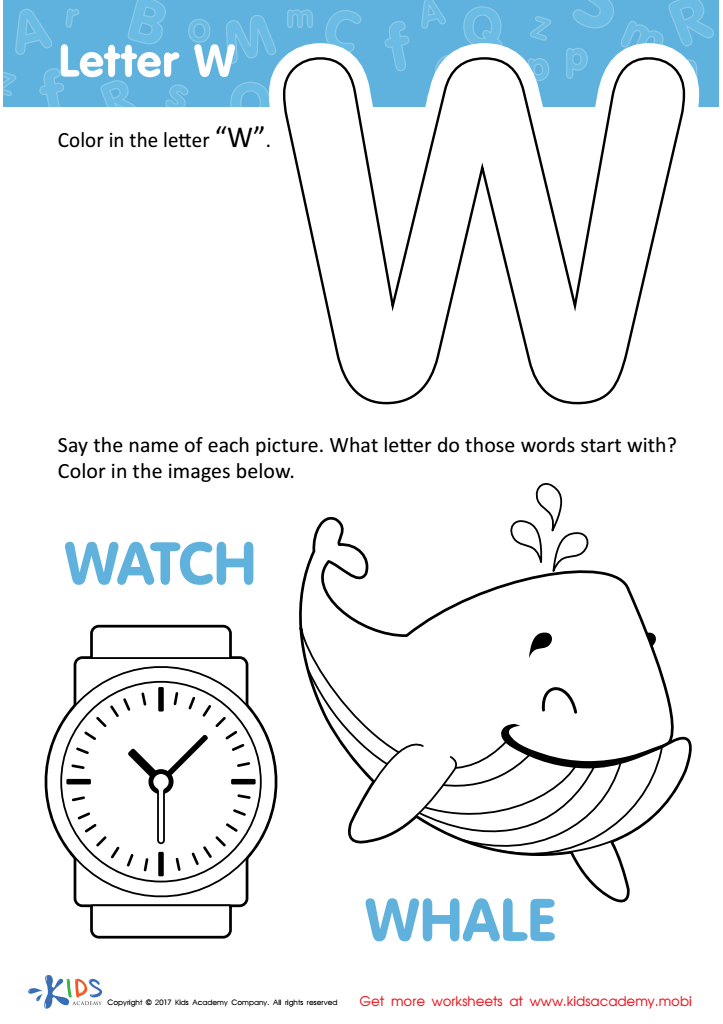
Letter W Coloring Sheet
 Assign to My Students
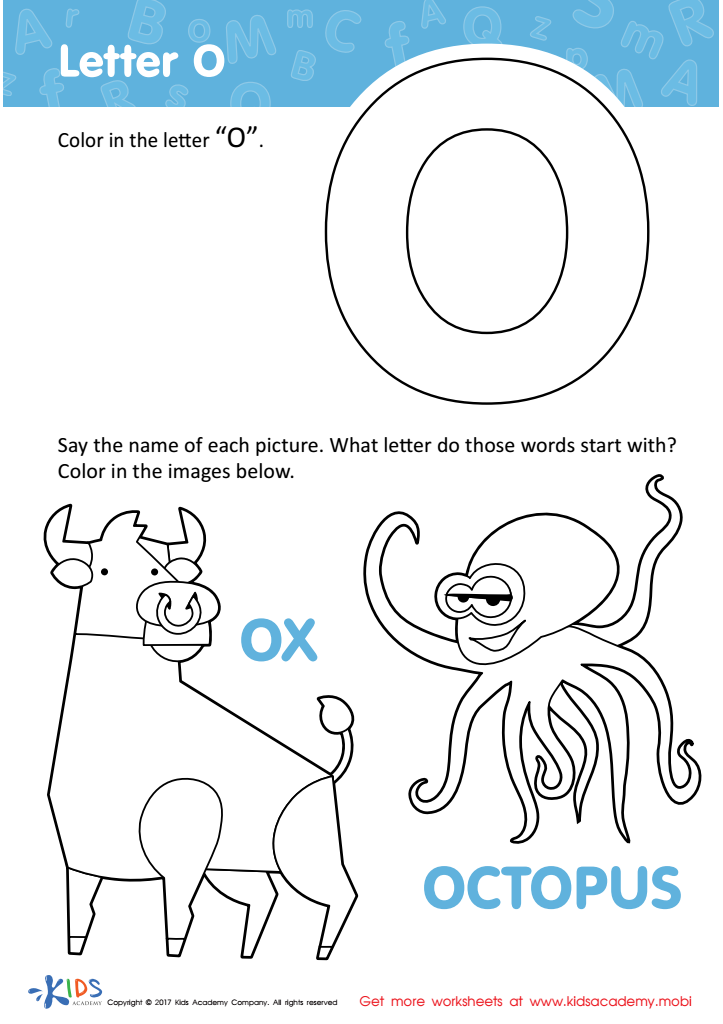
Letter O Coloring Sheet
Assign to My Students
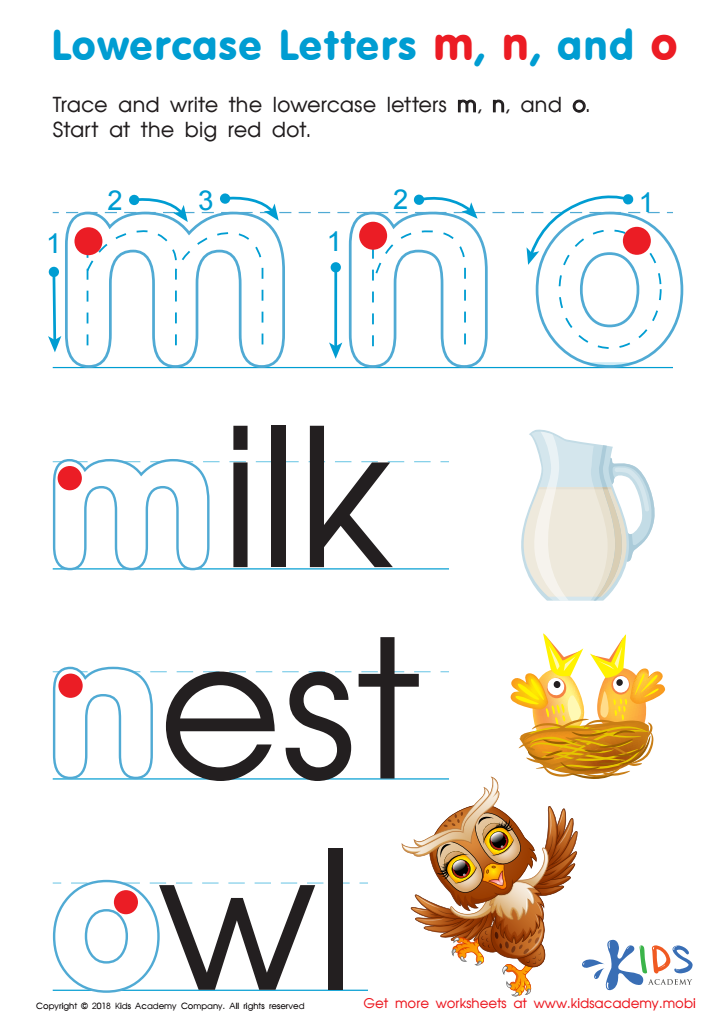
Lowercase Letters m n o Worksheet
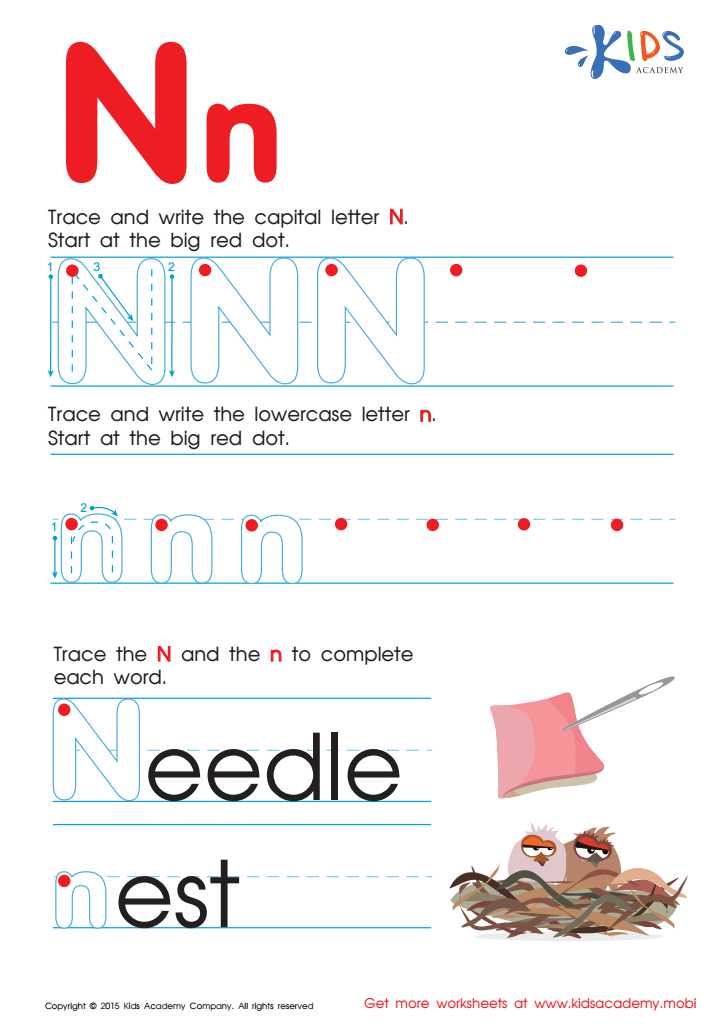
Letter N Tracing Page
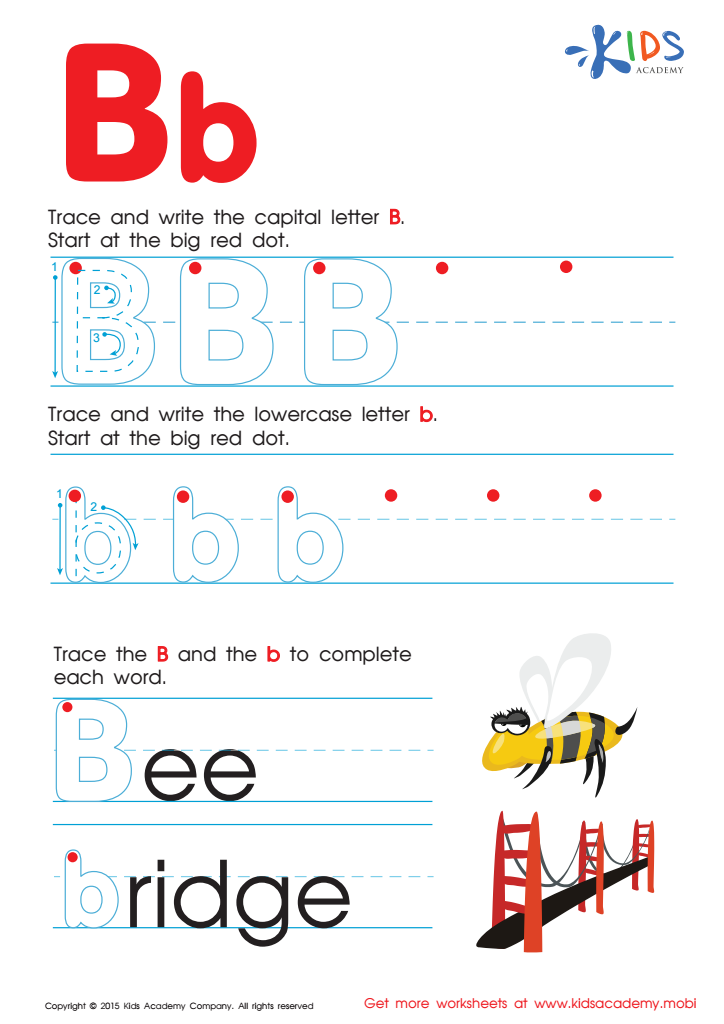
Letter B Tracing Page
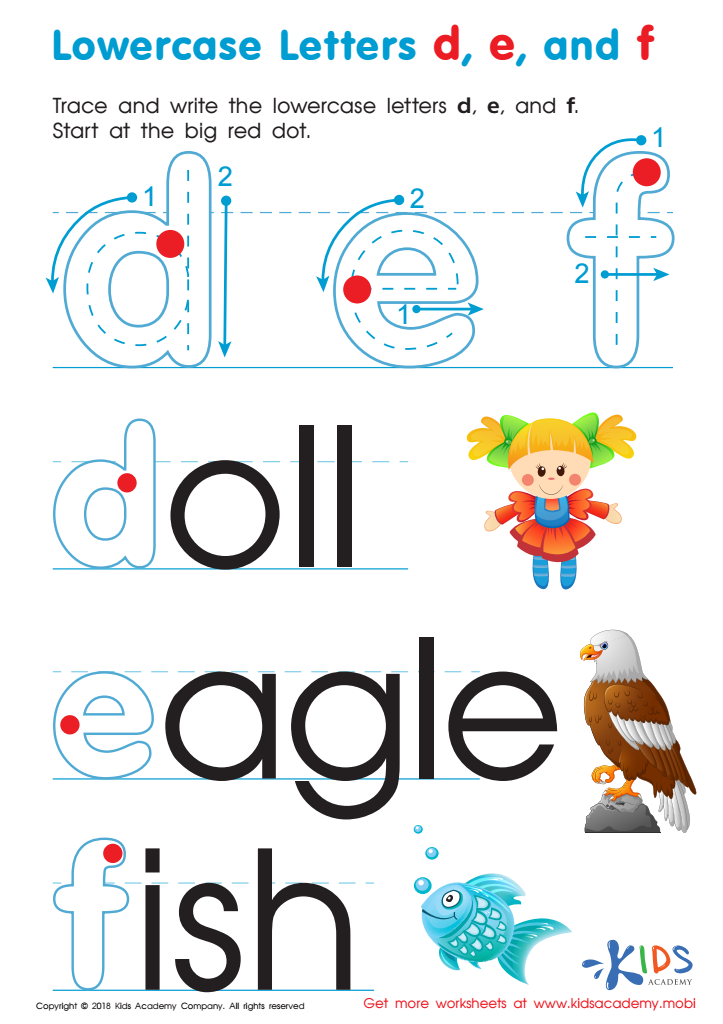
Lowercase Letters d e f Worksheet
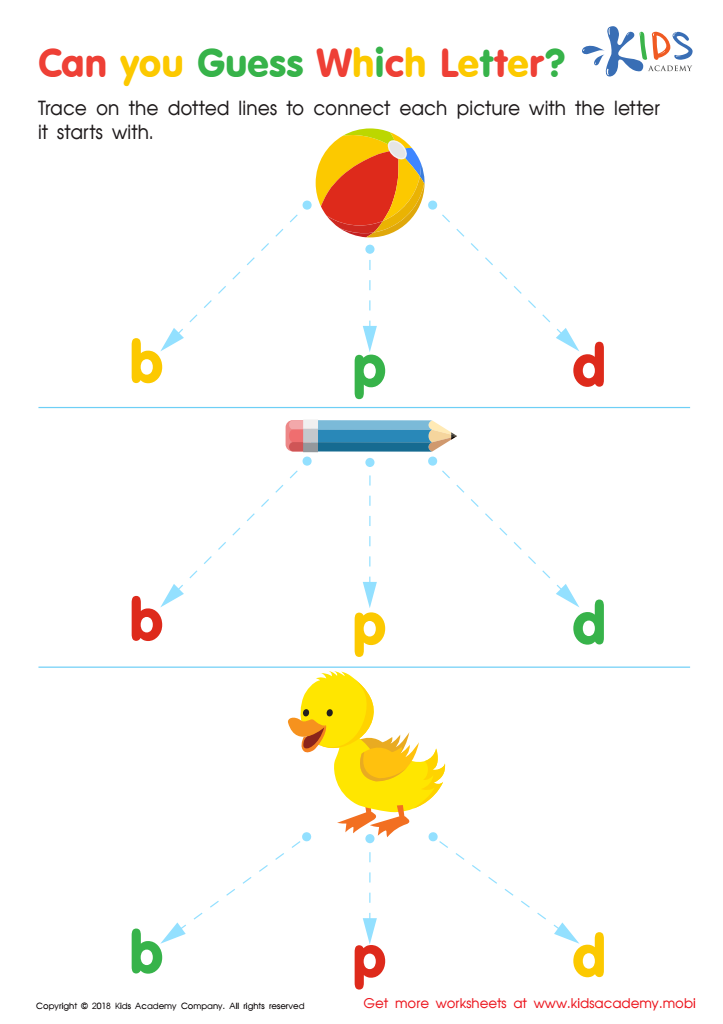
Can you Guess Which Letter? Worksheet
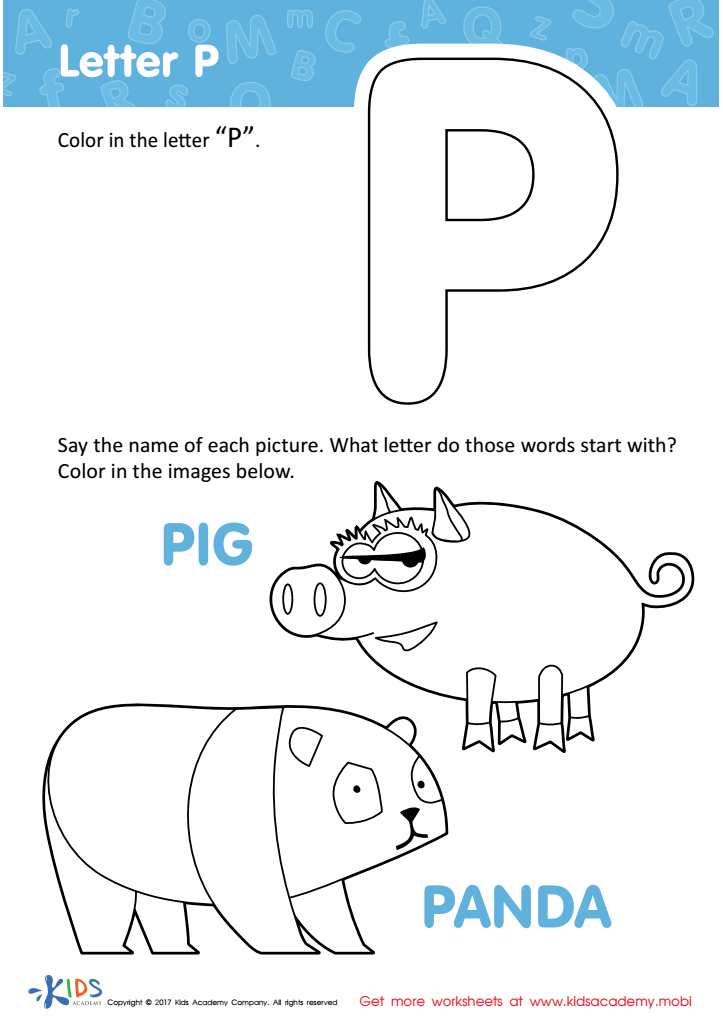
Letter P Coloring Sheet
Assign to My Students
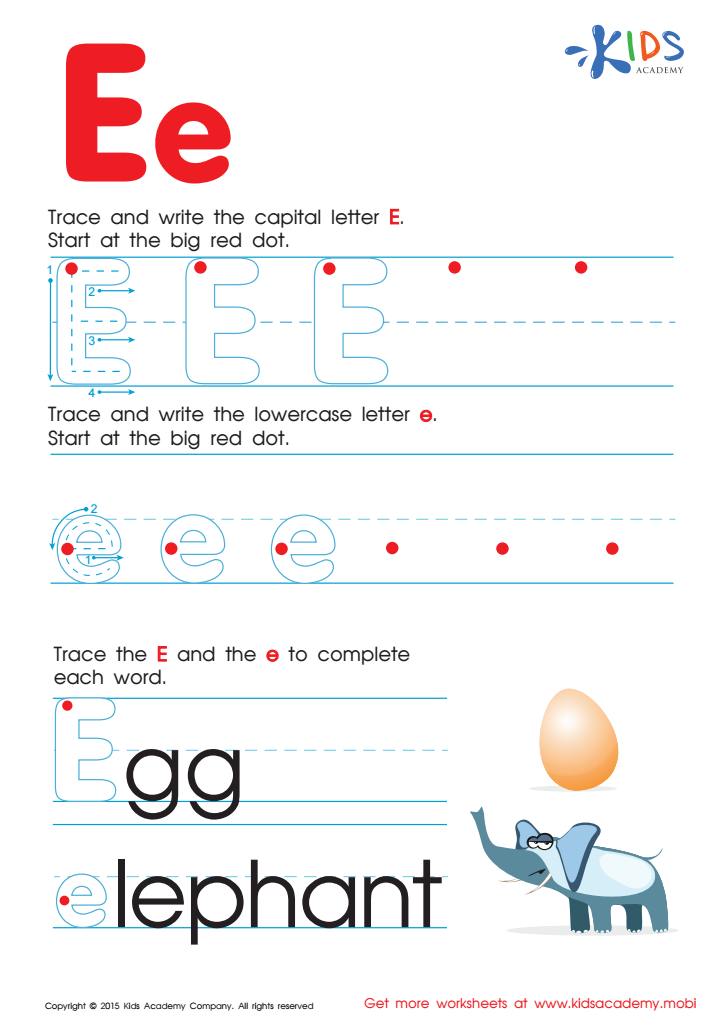
Letter E Tracing Page
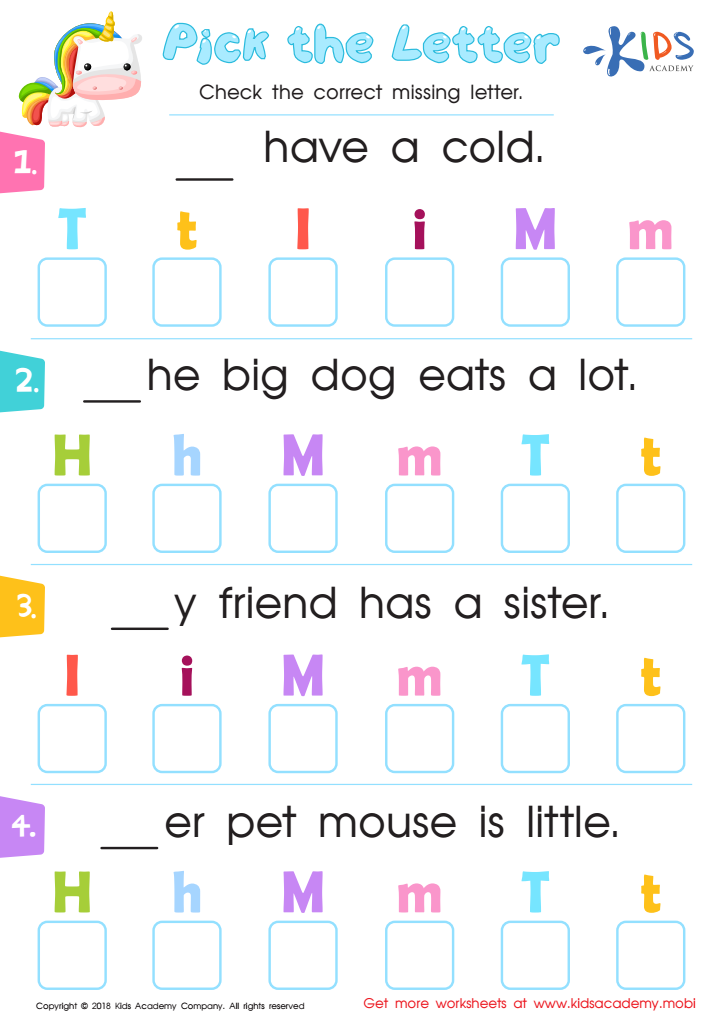
Pick the Letter Worksheet
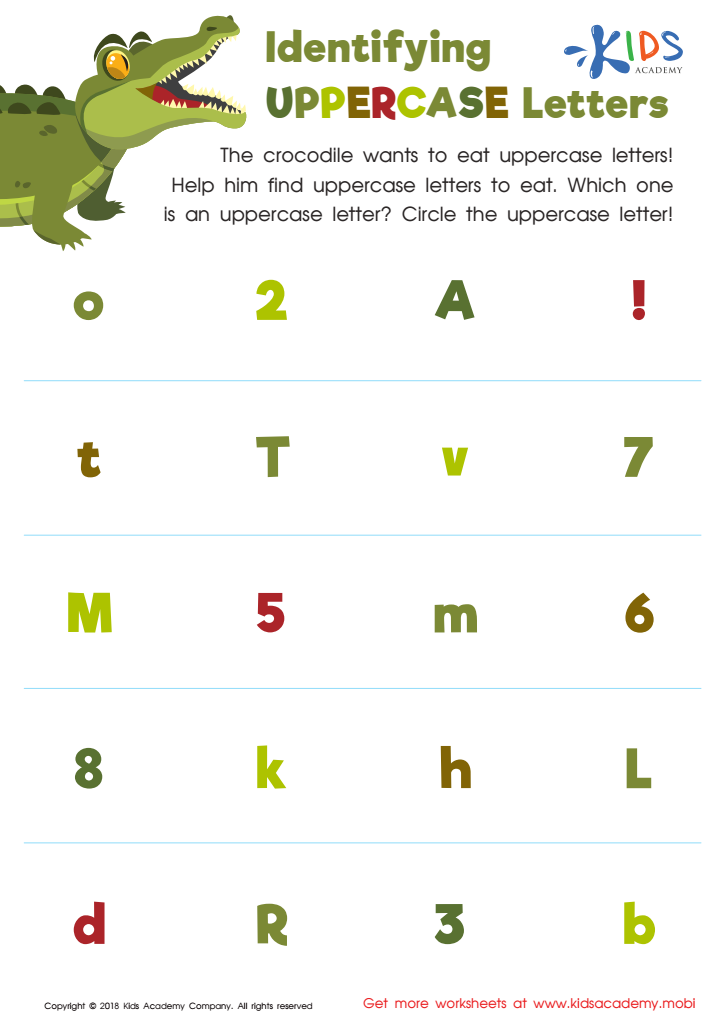
Identifying Uppercase Letters Worksheet
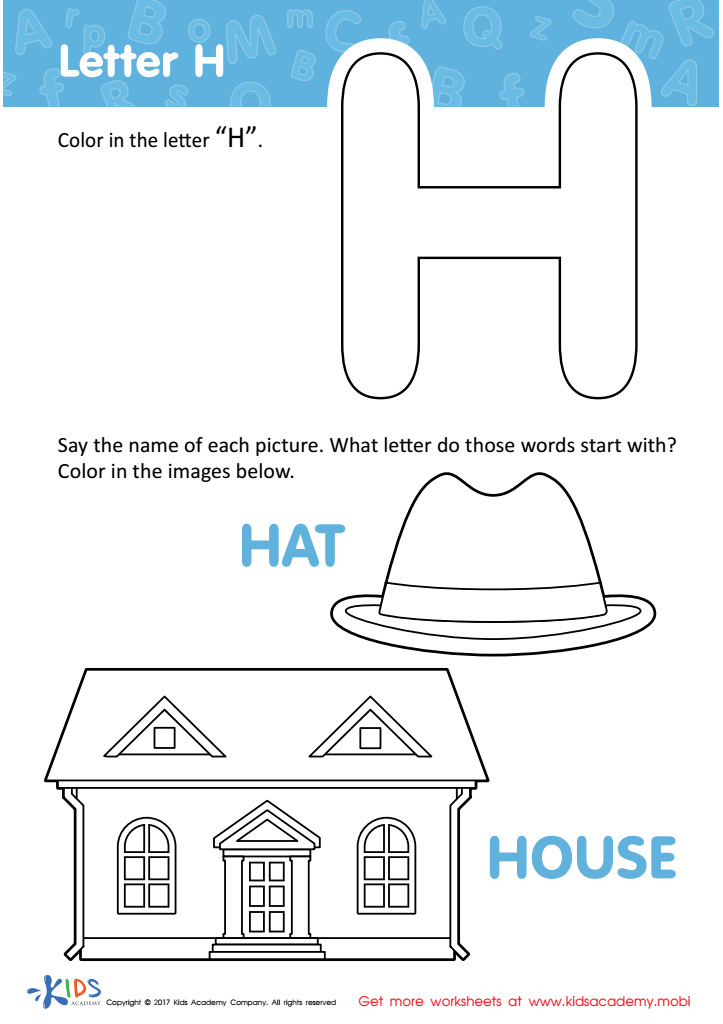
Letter H Coloring Sheet
Assign to My Students
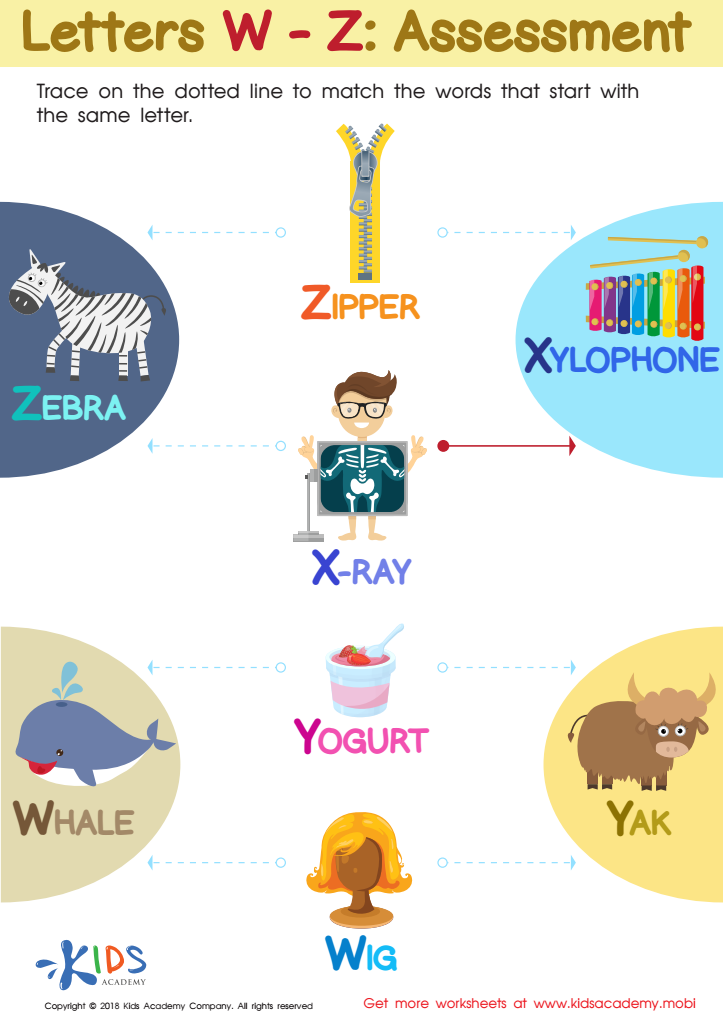
Letters W–Z Tracing Worksheet
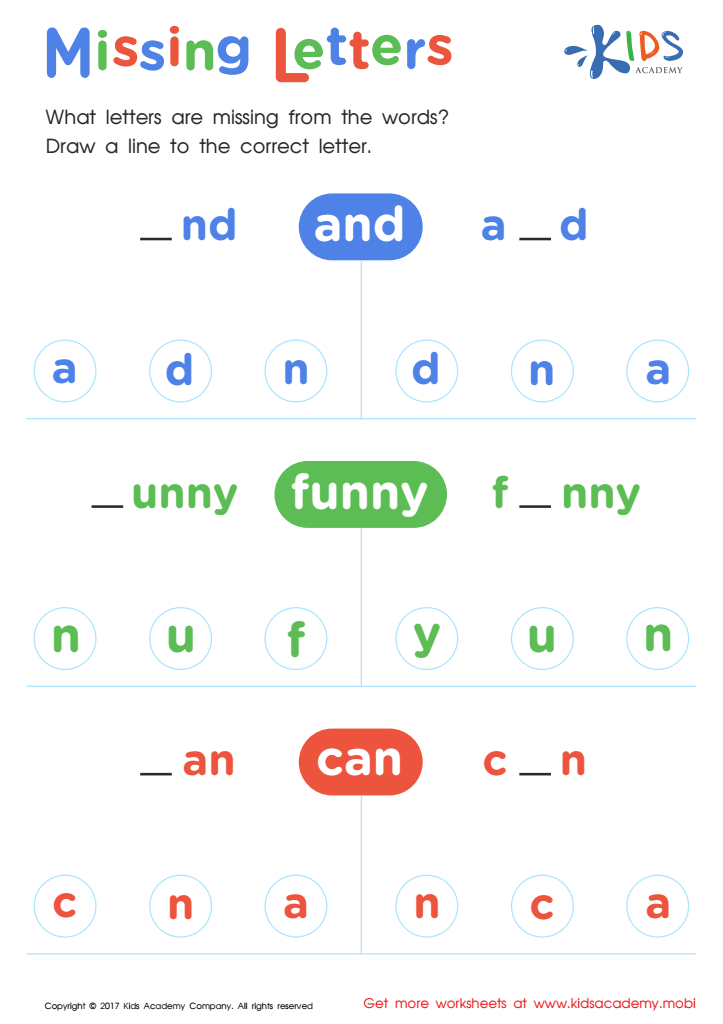
Missing Letters Worksheet
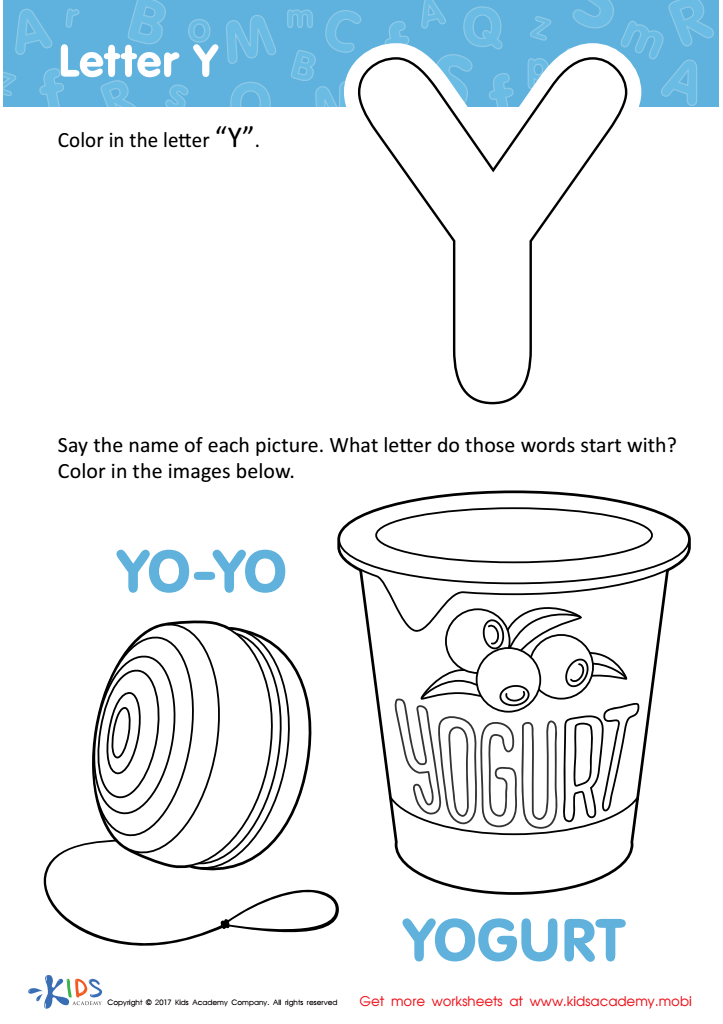
Letter Y Coloring Sheet
Assign to My Students
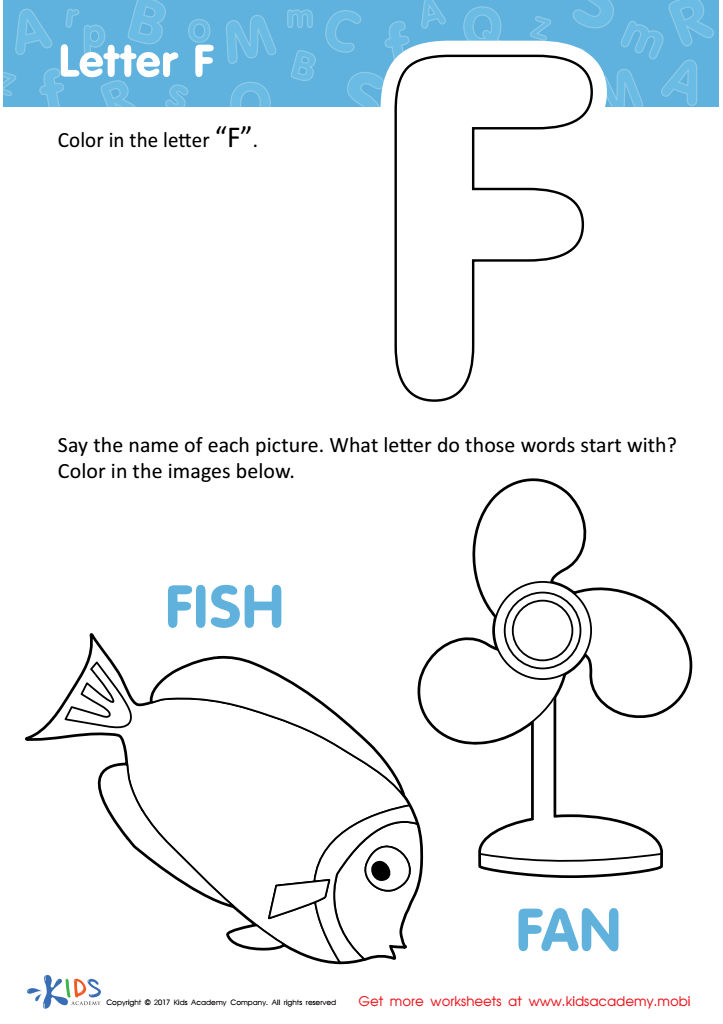
Letter F Coloring Sheet
Assign to My Students
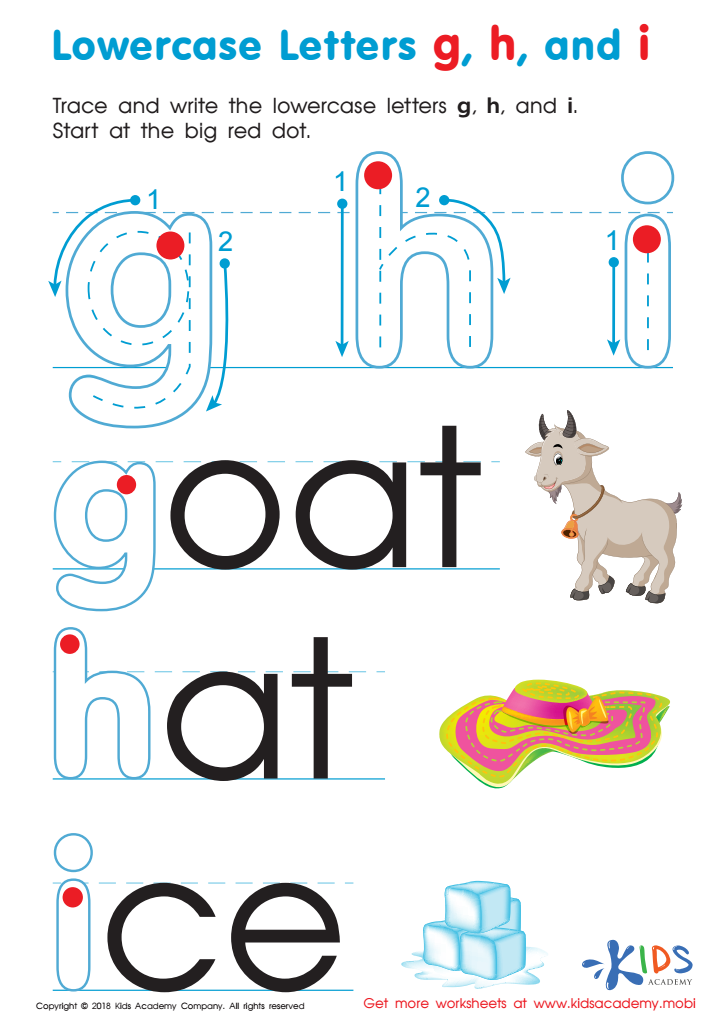
Lowercase Letters g h i Worksheet
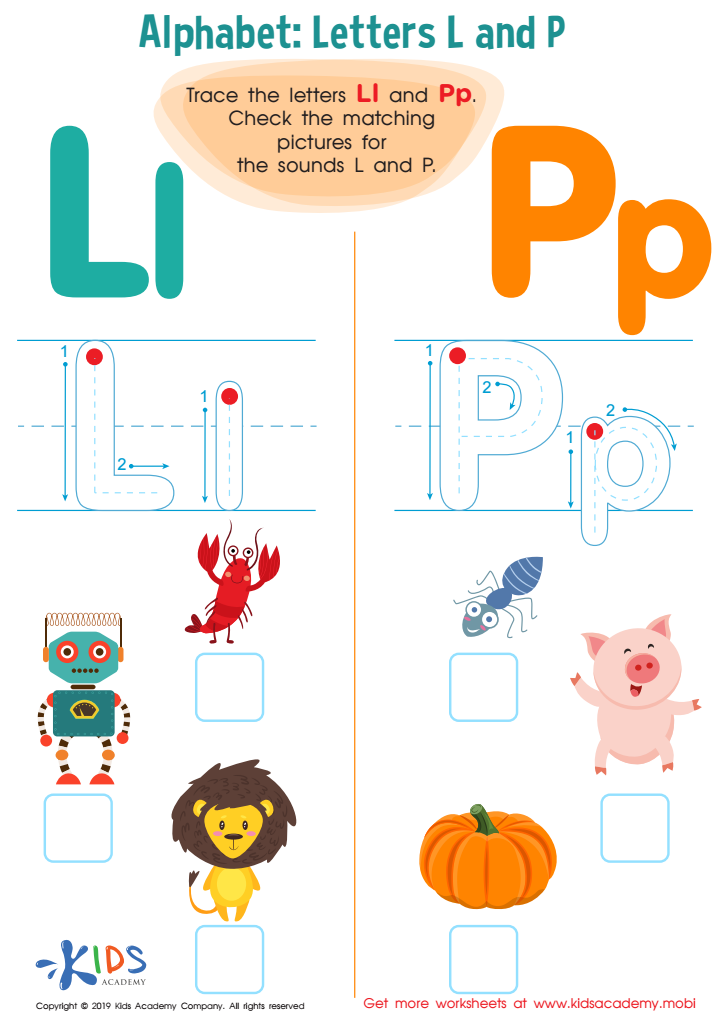
Letter L and P Tracing Worksheet
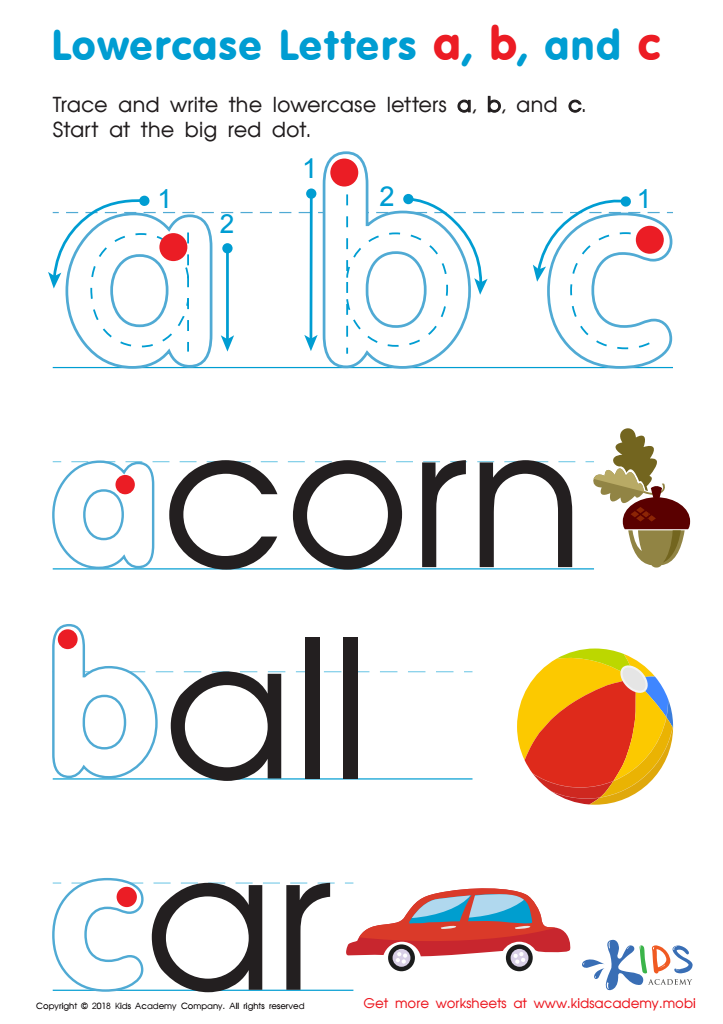
Lowercase Letters a b c Worksheet
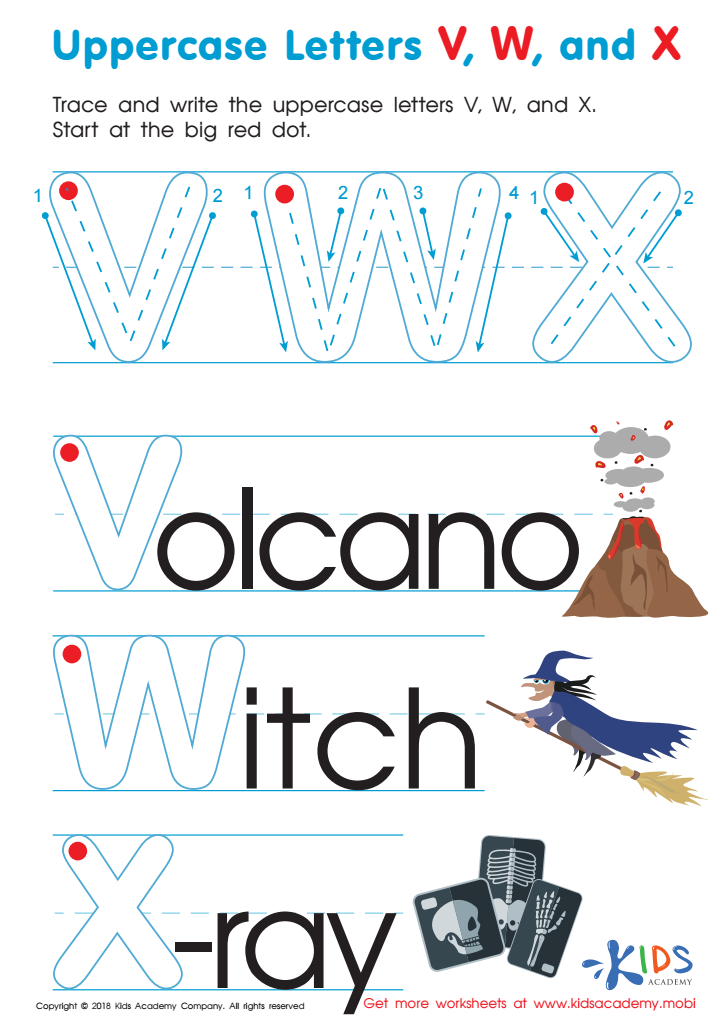
Uppercase Letters V, W, and X Worksheet








Alphabet recognition, or letter recognition, is a critical skill for children aged 5-7, serving as the foundation for literacy and overall academic success. Parents and teachers should prioritize this skill because it directly impacts children's reading and writing abilities, which are vital for effective communication and learning.
At this age, children are eager to explore language, and recognizing letters allows them to decipher words, understand phonics, and develop spelling skills. By developing letter recognition, children learn to connect sounds with symbols, laying the groundwork for word formation and reading fluency.
Additionally, strong alphabet recognition enhances children's confidence and motivation in learning. When they can identify letters, they feel more empowered to read independently and express themselves through writing. This foundational skill can also foster a love for reading, as children become excited to decode stories and engage with books.
In a broader context, letter recognition skills are linked to future academic achievement, as literacy is foundational across all subjects. When parents and teachers work collaboratively to support these skills, they nurture critical thinkers and active learners, paving the way for lifelong learning success. Therefore, recognizing the importance of alphabet recognition is pivotal in early education.







