Phonics practice Phonics Worksheets for Ages 5-7
17 filtered results
-
From - To
Elevate your child's reading skills with our engaging Phonics Practice Worksheets, specially designed for kids ages 5-7. These fun, educational worksheets help beginners master the relationship between letters and sounds, essential for early reading success. Through interactive activities, children will enjoy matching sounds to words, identifying beginning and ending sounds, and much more. Our expertly crafted worksheets are aligned with key elements of phonics and make learning enjoyable and effective. Give your young learner the tools they need to confidently progress in their reading journey. Visit us online to explore our extensive collection of Phonics Practice Worksheets.
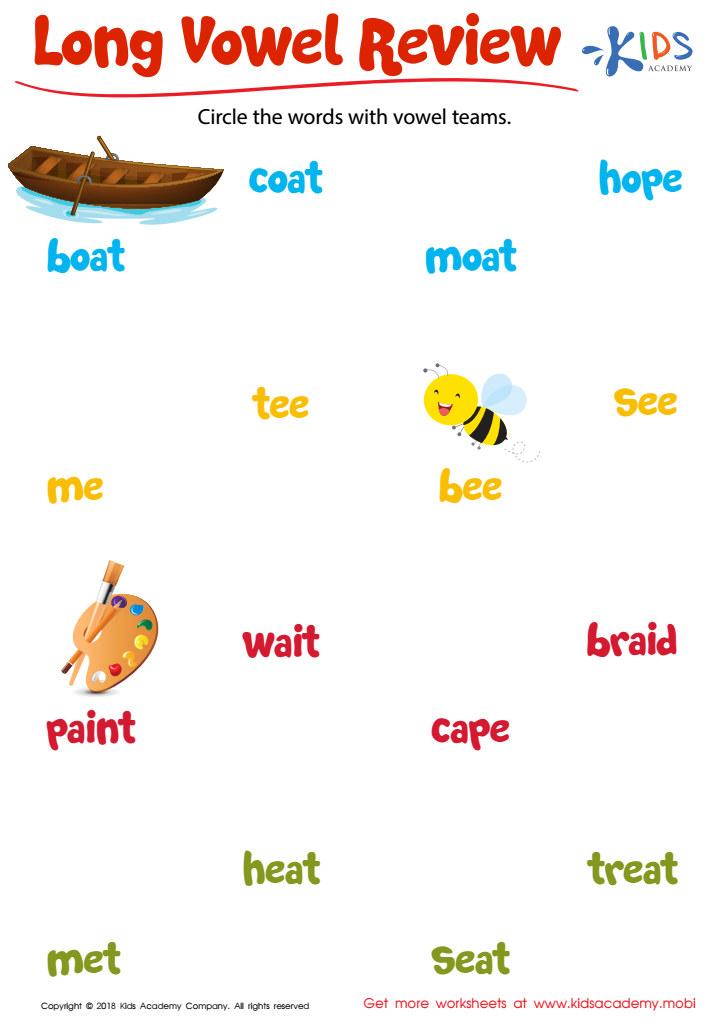
Long Vowel Review Worksheet
 Assign to My Students
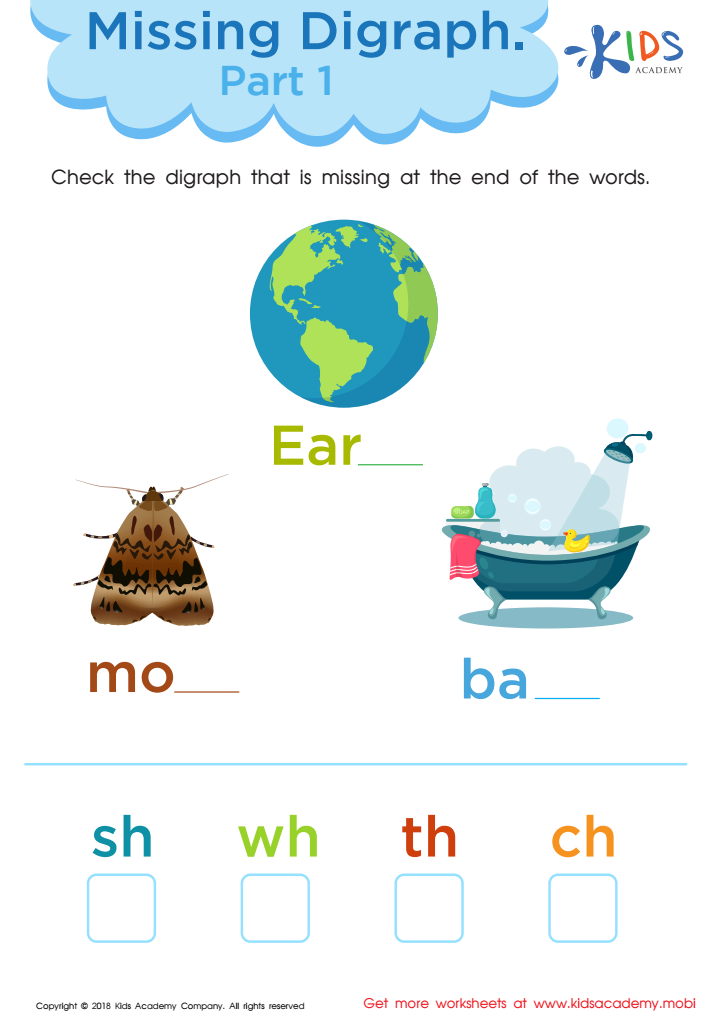
Missing Digraph: Part 1 Worksheet
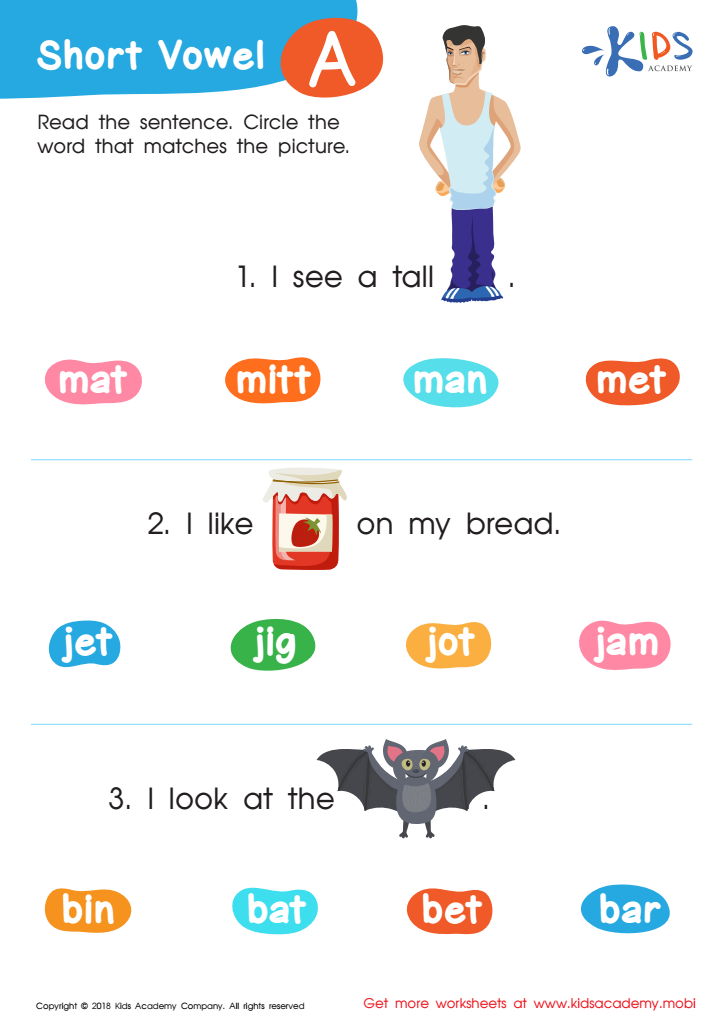
Short Vowel /a/ Worksheet
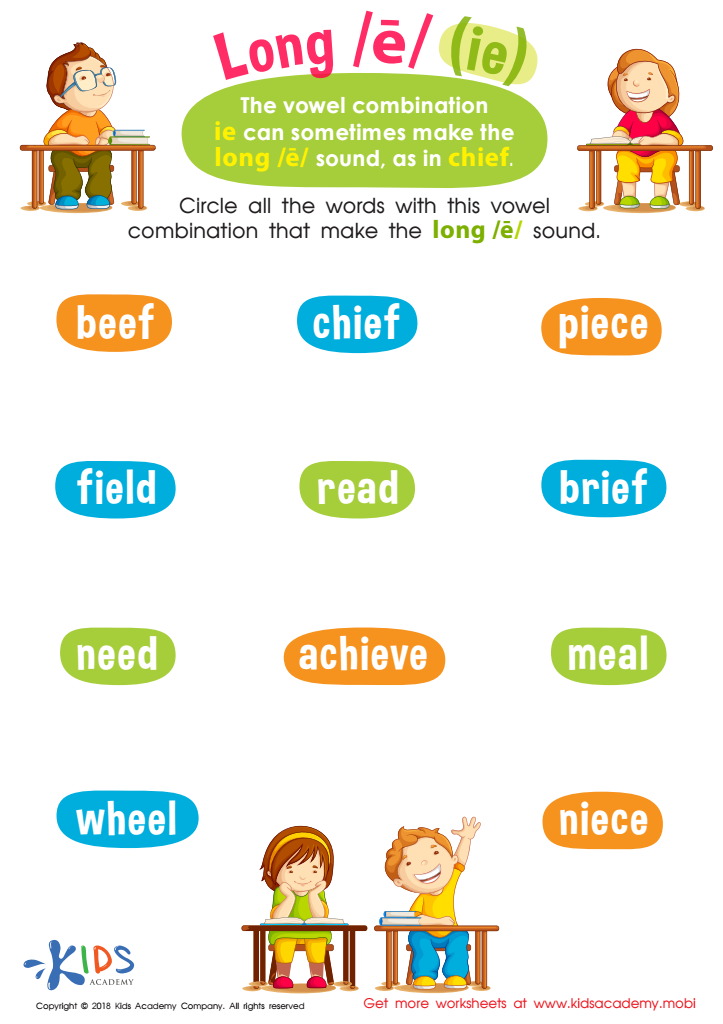
Reading: Long E and IE Worksheet
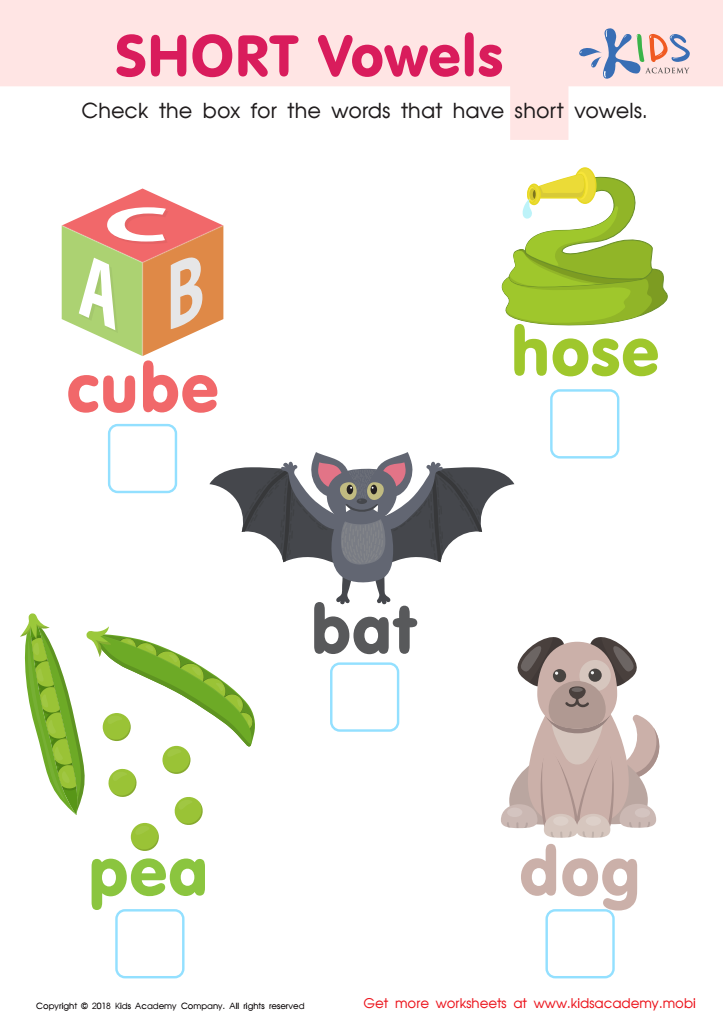
short vowels Worksheet
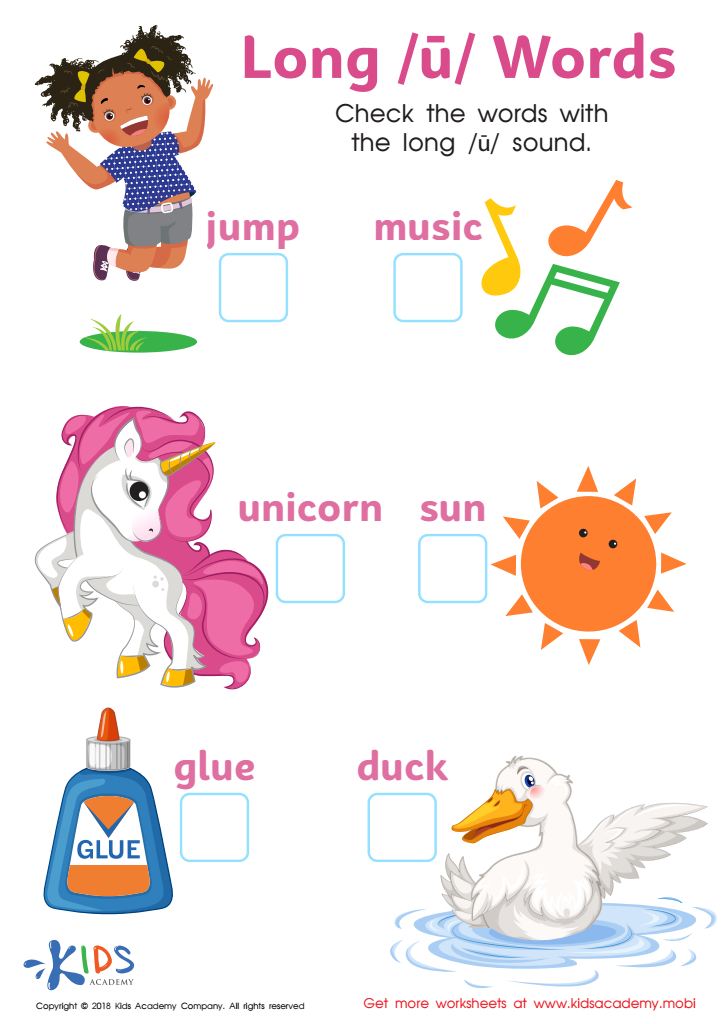
Long U Words Reading Worksheet
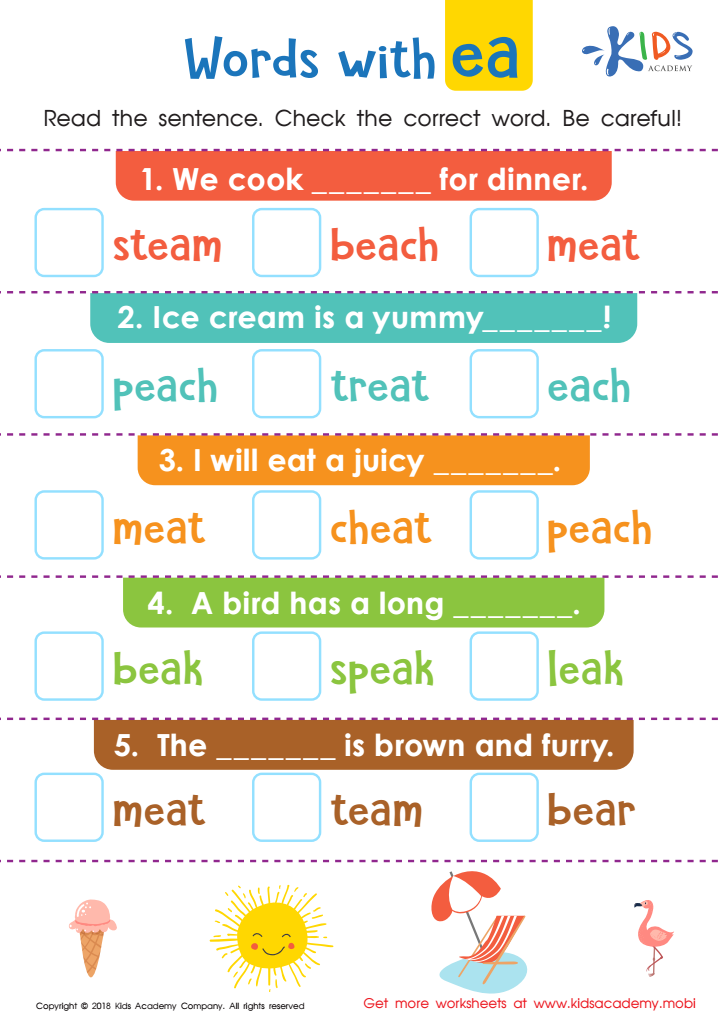
Words with ea Worksheet
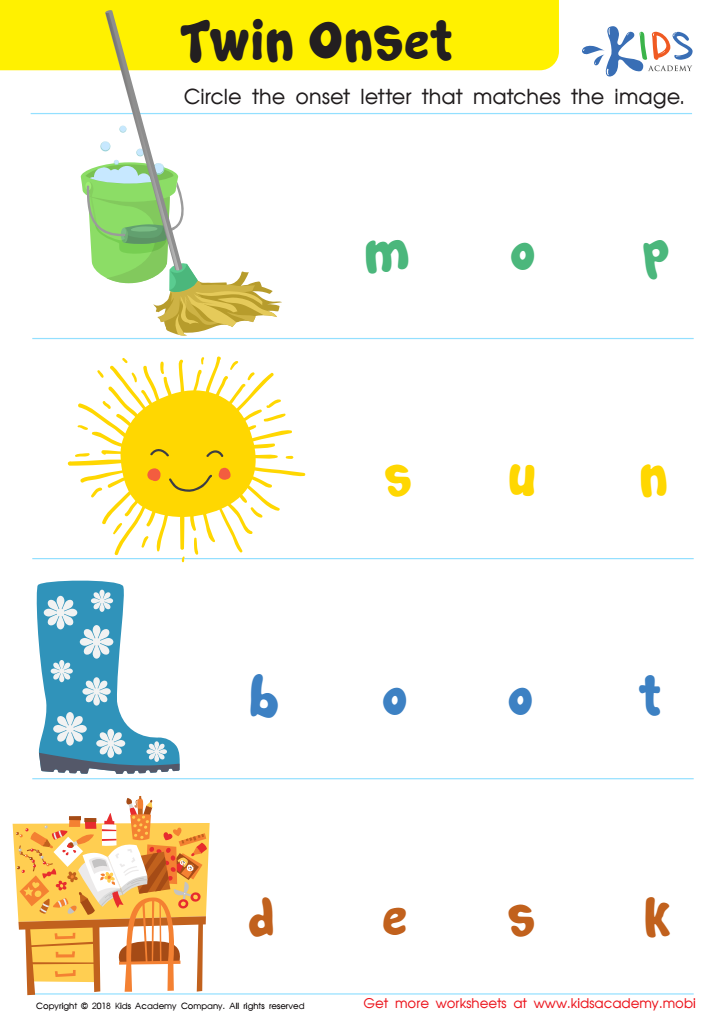
Twin Onset Worksheet
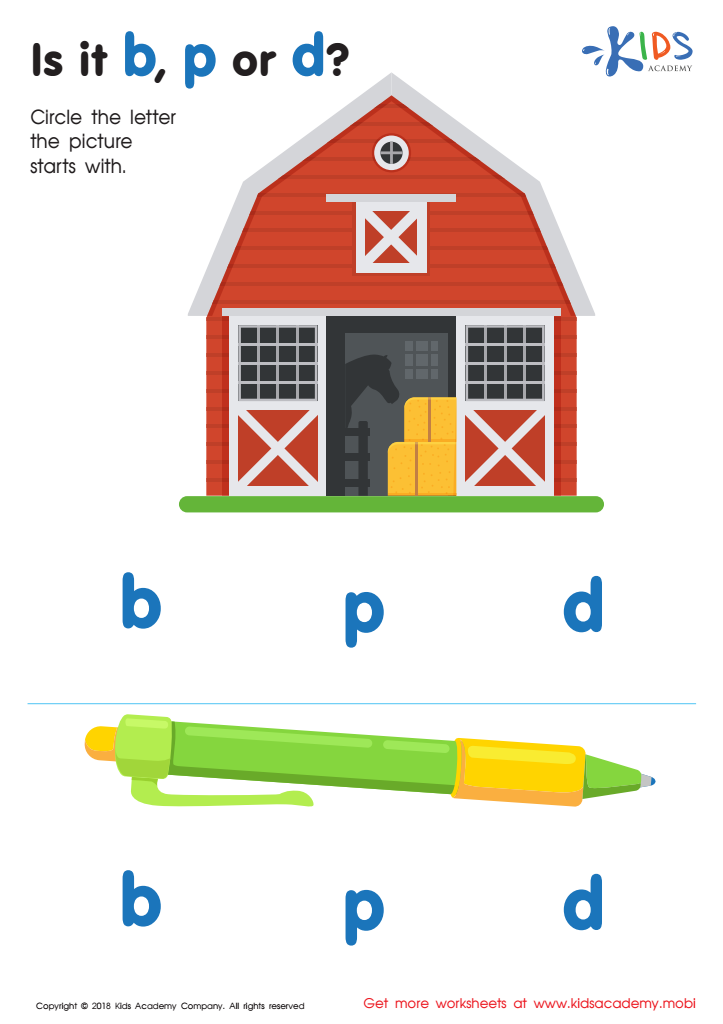
Is it b, p or d? Worksheet
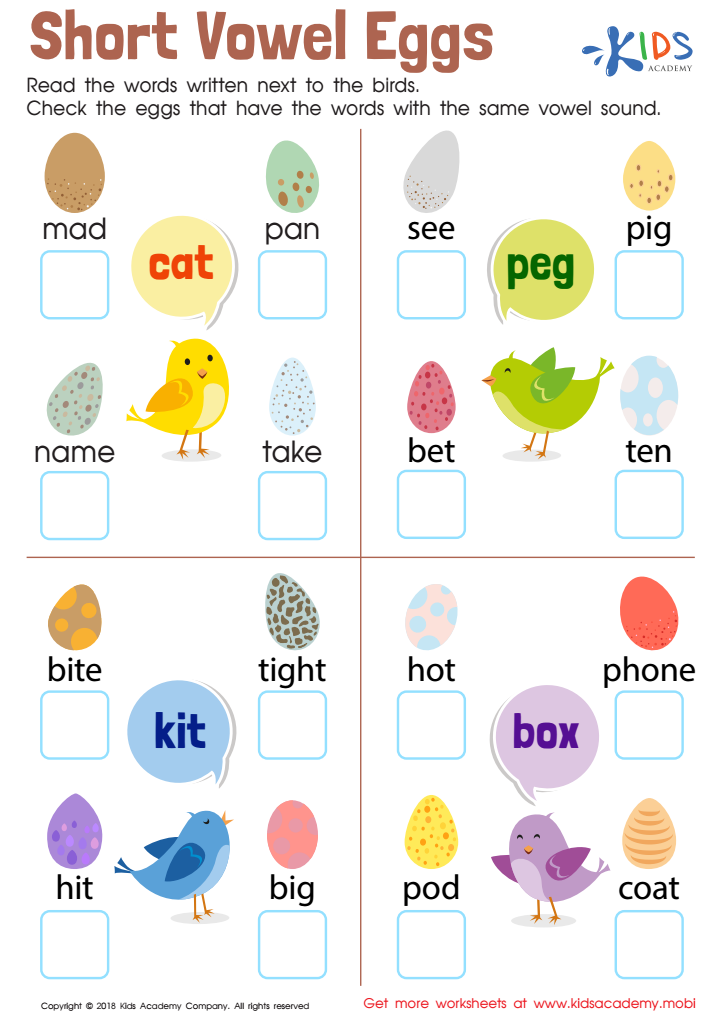
Short Vowel Eggs Worksheet
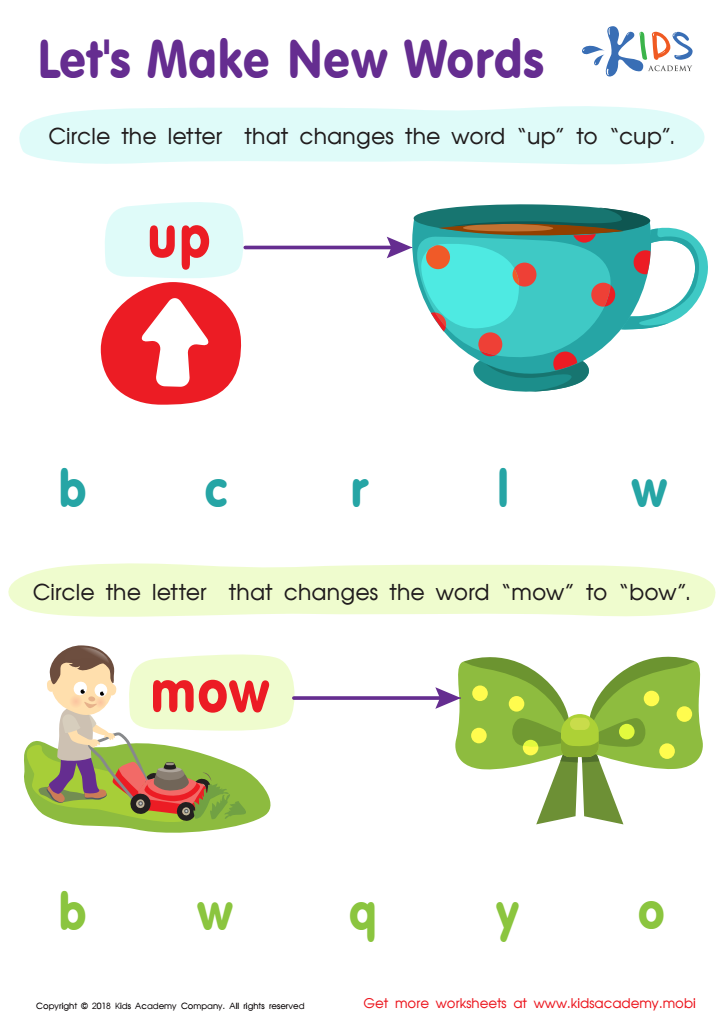
Let's Make New Words Worksheet
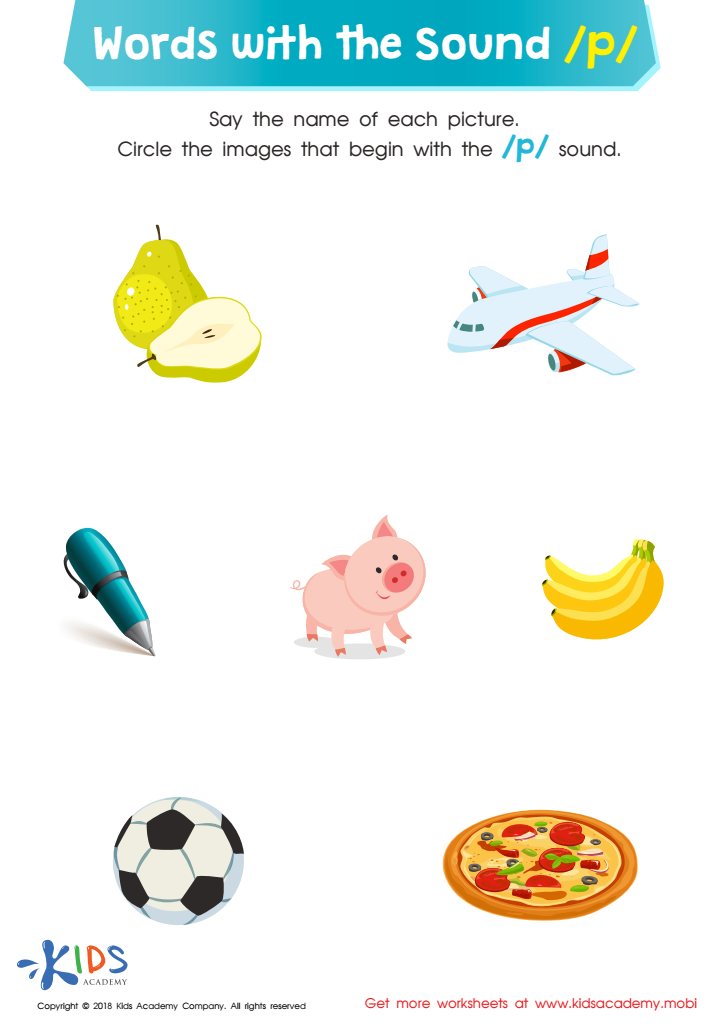
Words with sound p Reading Worksheet
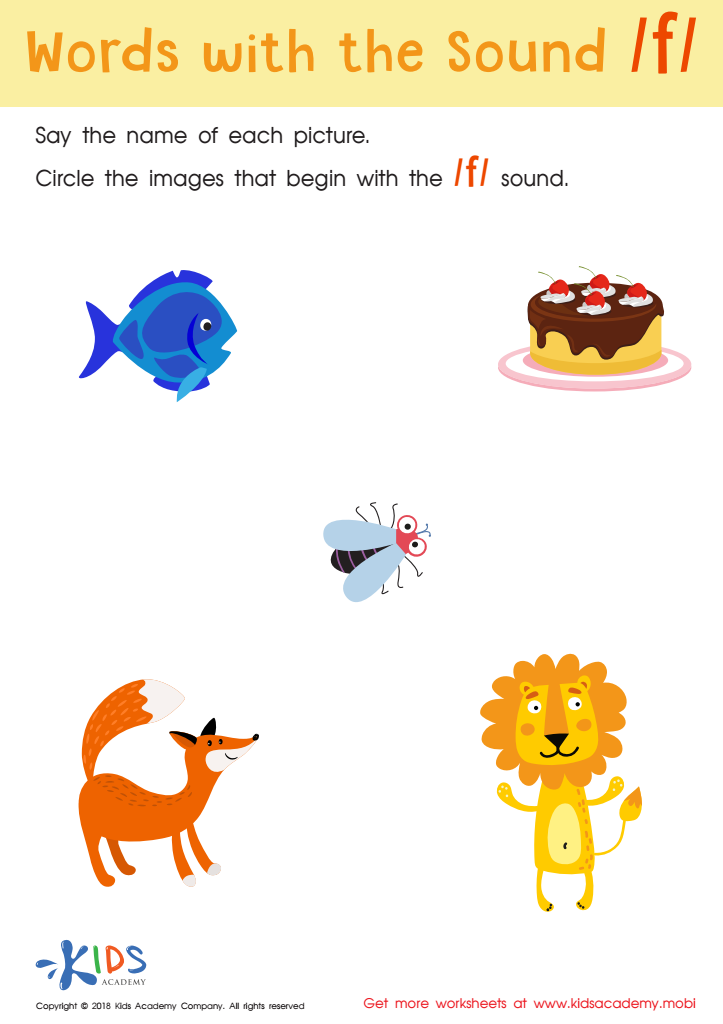
Words with sound f Reading Worksheet
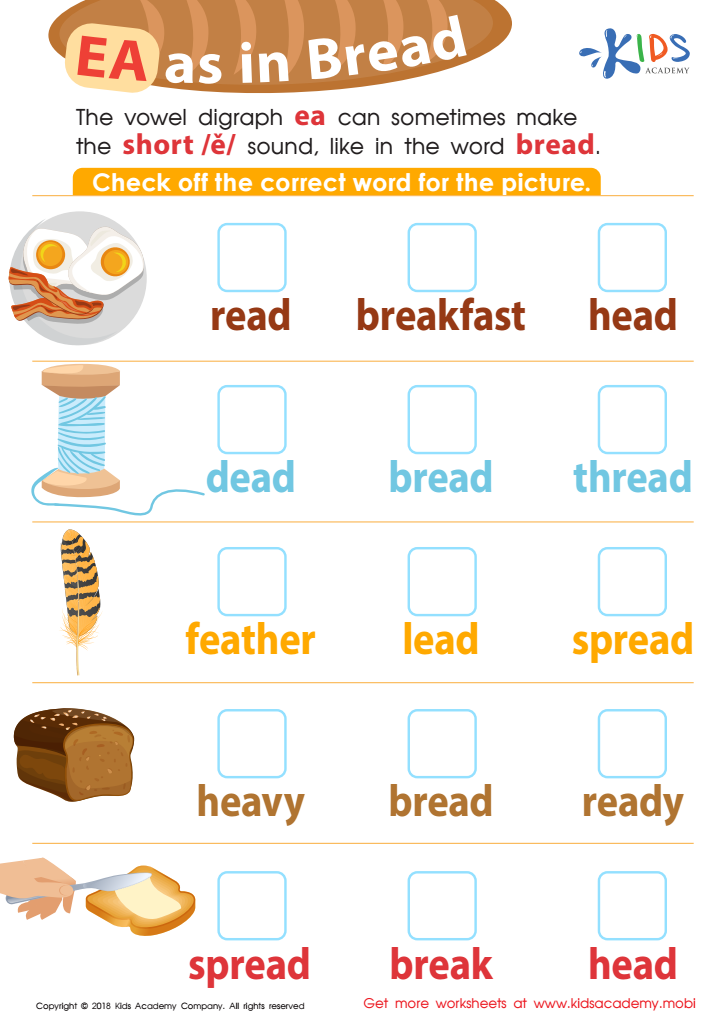
Reading: EA as in Bread Worksheet
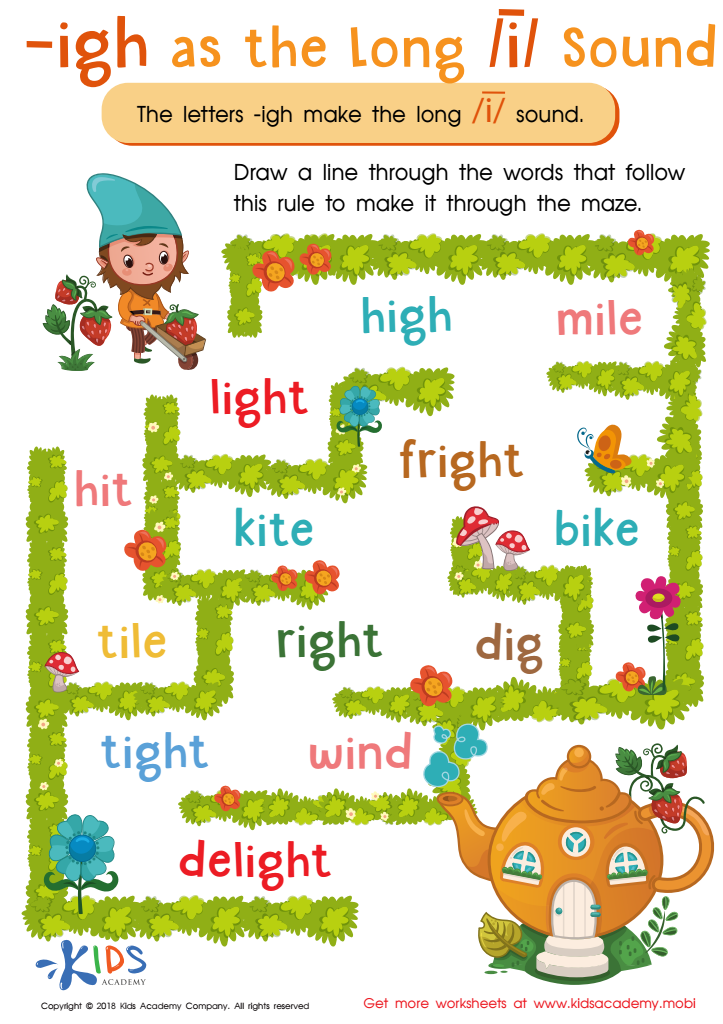
Reading: IGH as Long I Worksheet
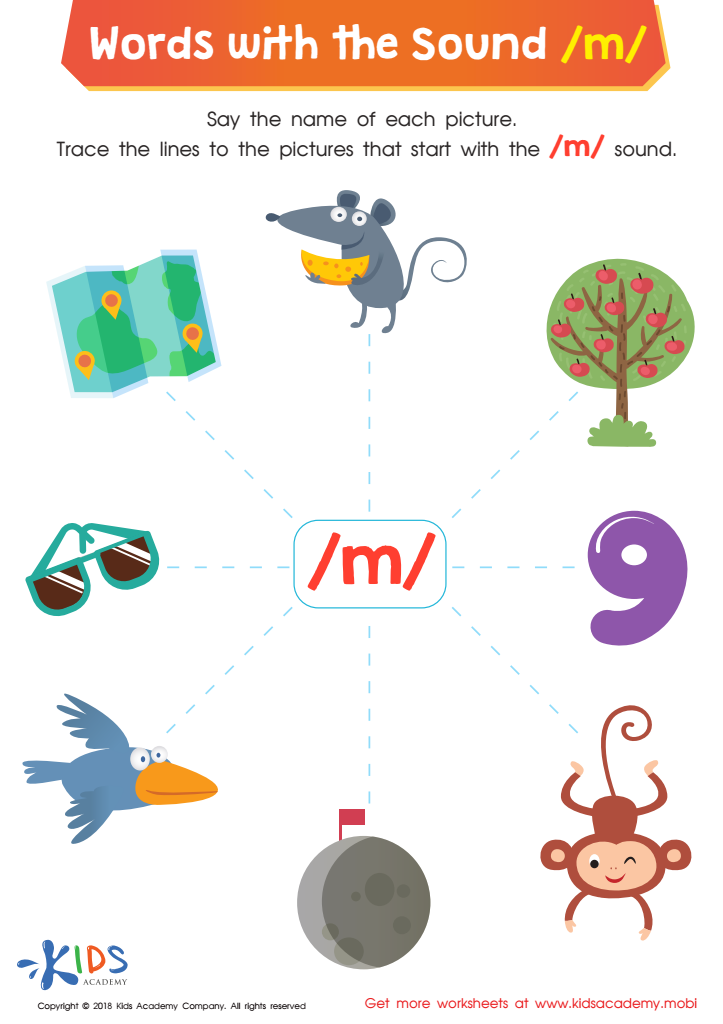
Words with Sound M Reading Worksheet
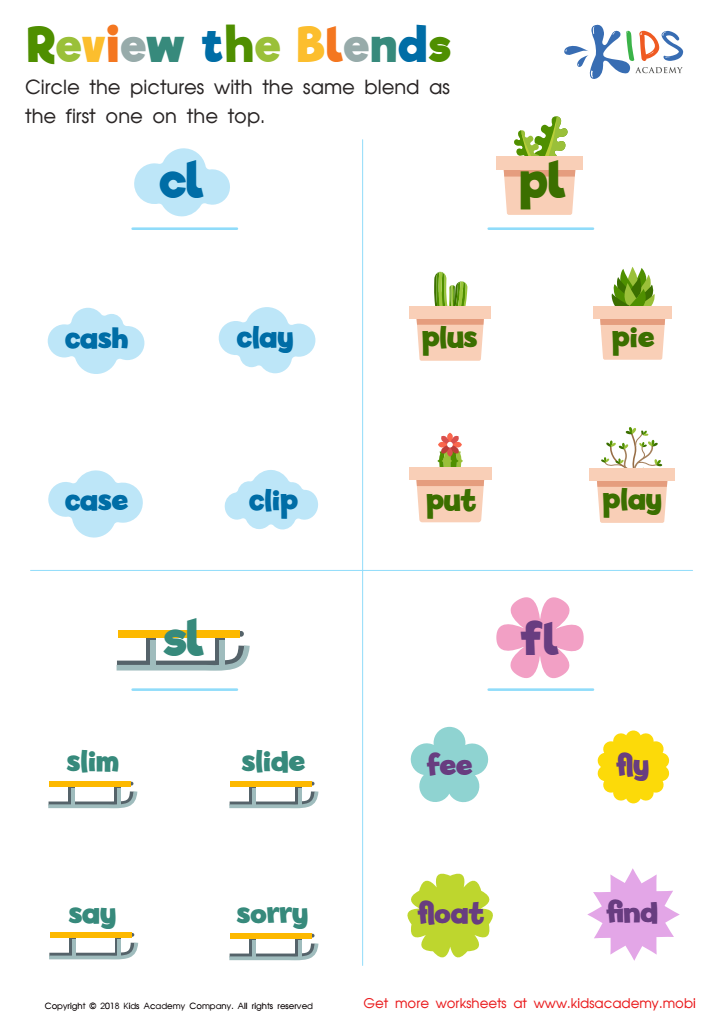
Review the Blends Worksheet








Phonics practice is critical for children aged 5-7 because it forms the foundation of reading and writing skills. Phonics teaches children the relationship between letters and sounds, enabling them to decode new words when reading and also to spell words correctly. During these formative years, children's brains are highly receptive to language acquisition, making it the ideal time to introduce systematic phonics exercises.
For parents and teachers, focusing on phonics enhances children's literacy confidence. It allows them to tackle unfamiliar words, fostering independence and an enthusiasm for reading. This is essential not only for language arts but for subjects across the curriculum, as reading is the key to learning in general. Proficiency in phonics is also closely linked to later academic success, affecting everything from comprehension skills to critical thinking abilities.
Moreover, engaging in phonics practice can make reading a less daunting and more enjoyable task for children. Using fun, interactive, and varied phonics activities, parents and teachers can create a strong educational foundation while keeping children motivated. Additionally, early phonics education has been shown to help close achievement gaps, ensuring every child has the opportunity to reach their full potential. Investing time in phonics should be a priority for anyone invested in the early educational development of children.







