Fine Motor Skills Tracing Letters Worksheets for Ages 5-7 - Page 2
35 filtered results
-
From - To
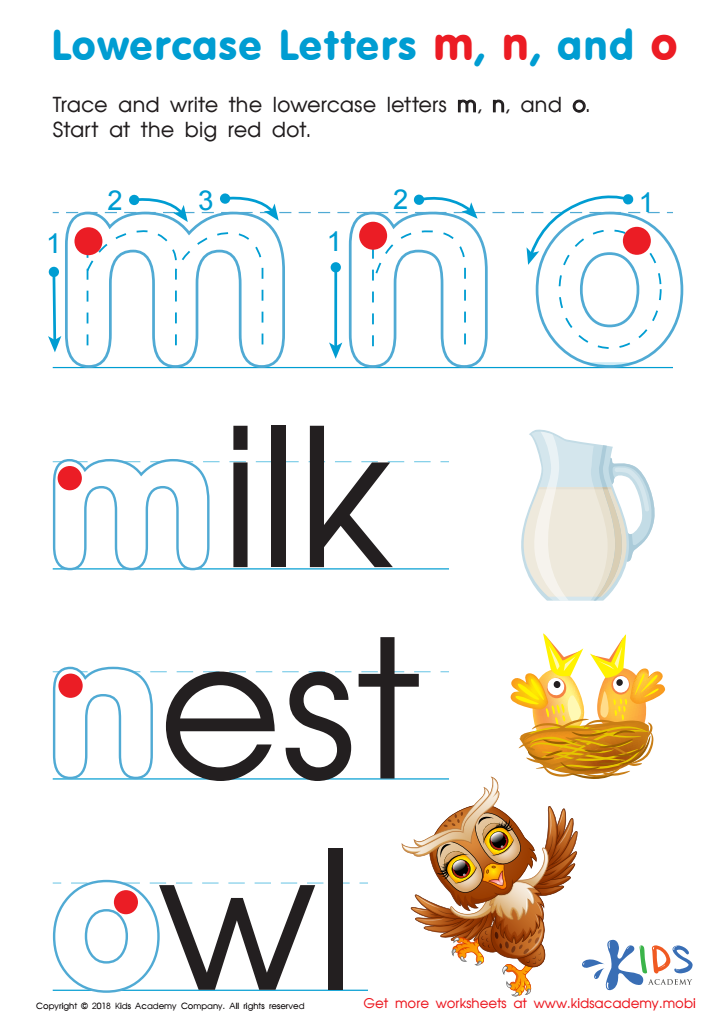
Lowercase Letters m n o Worksheet
 Assign to My Students
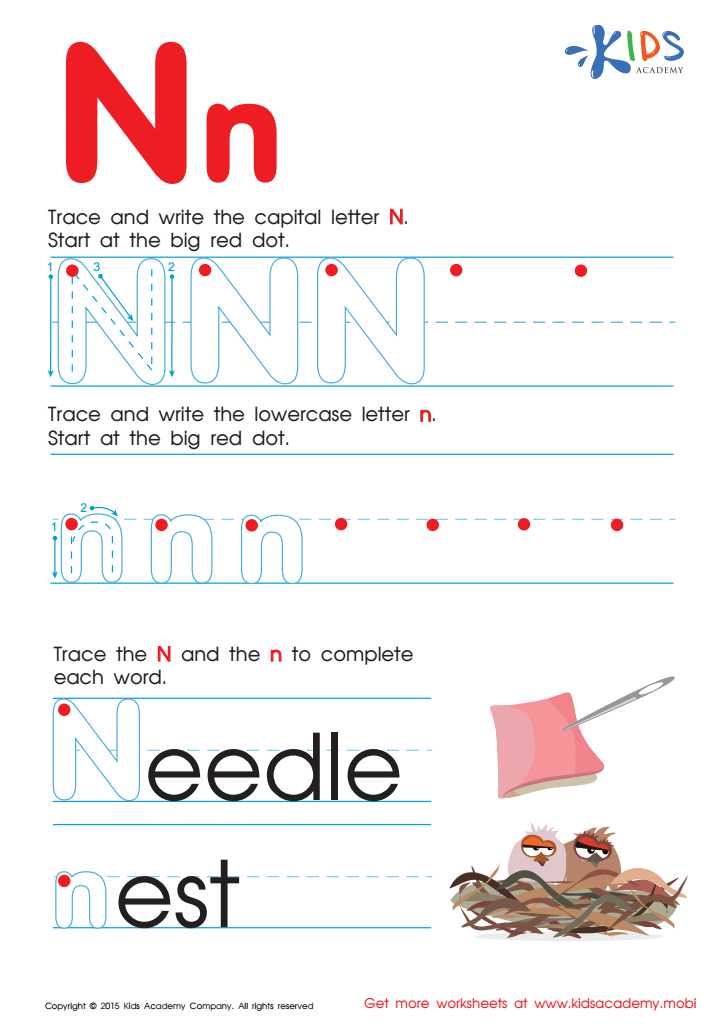
Letter N Tracing Page
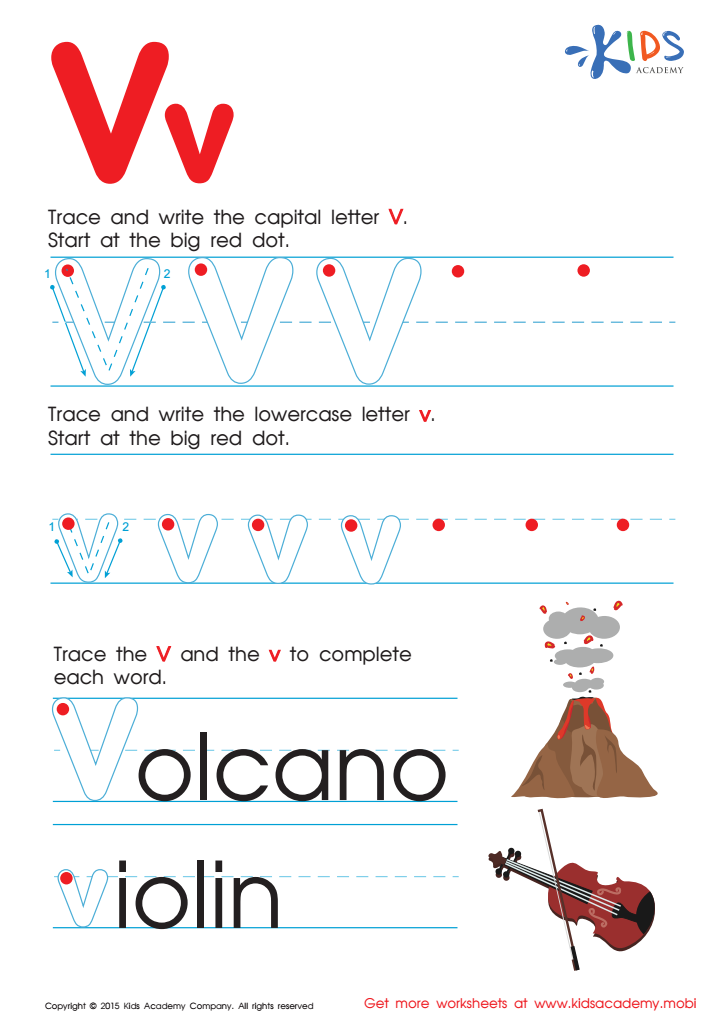
Letter V Tracing Page
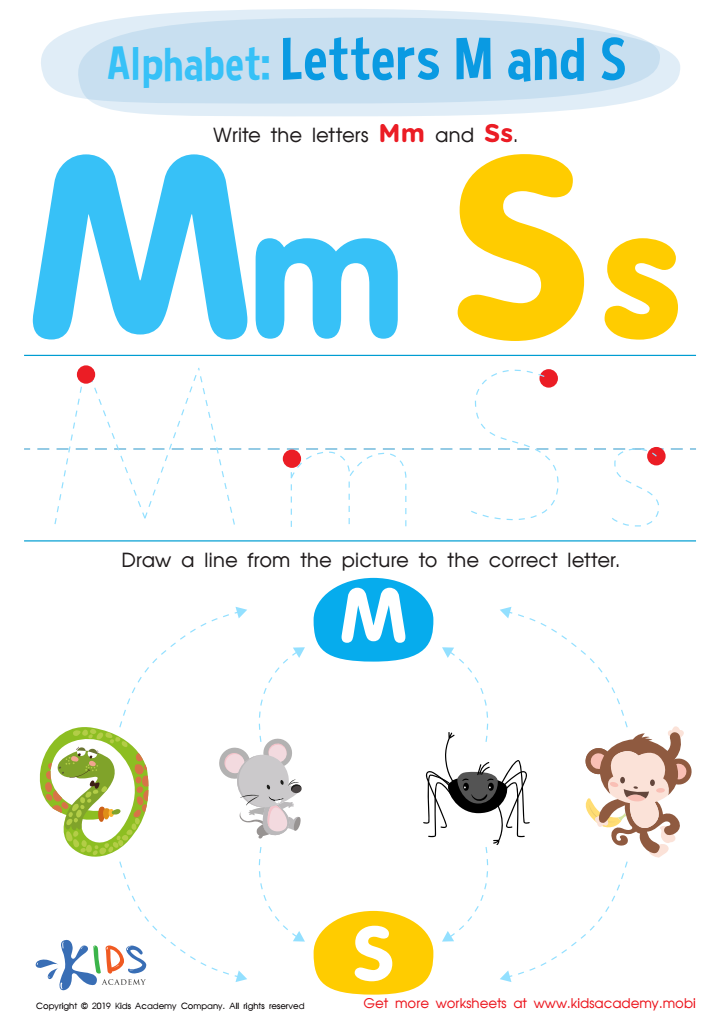
Letters M and S Tracing Worksheet
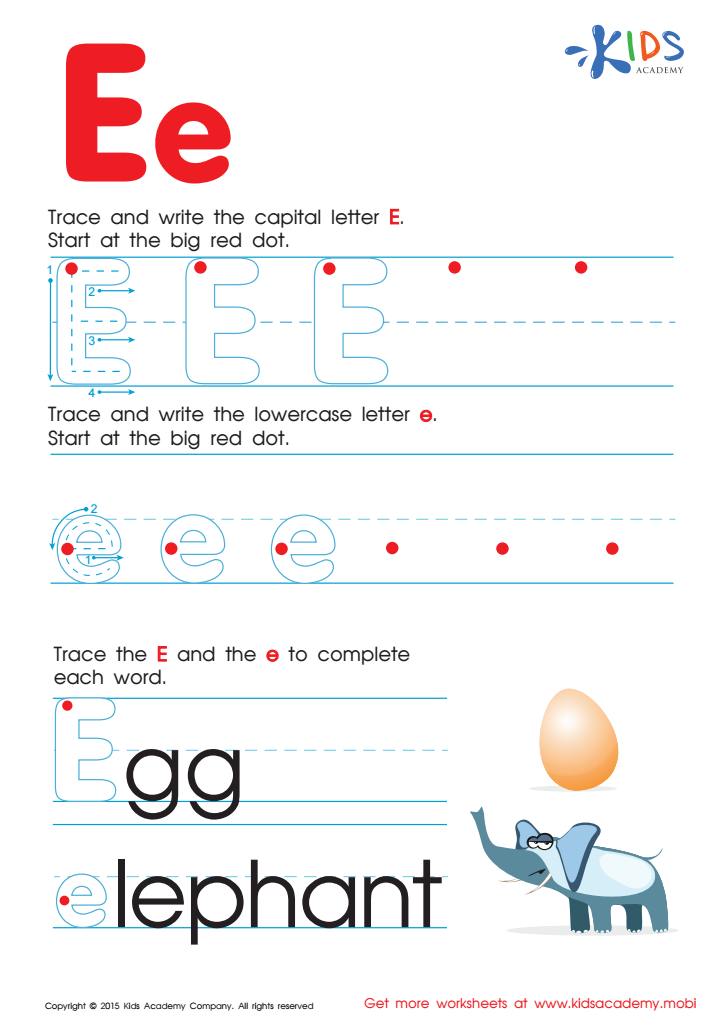
Letter E Tracing Page
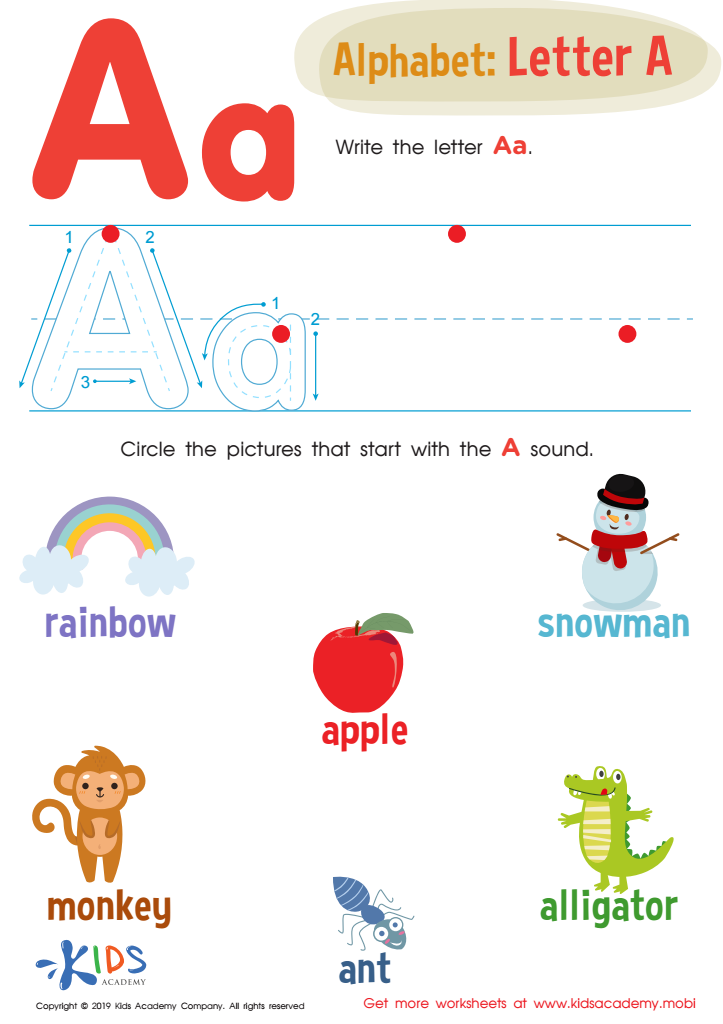
Letter A Tracing Worksheet
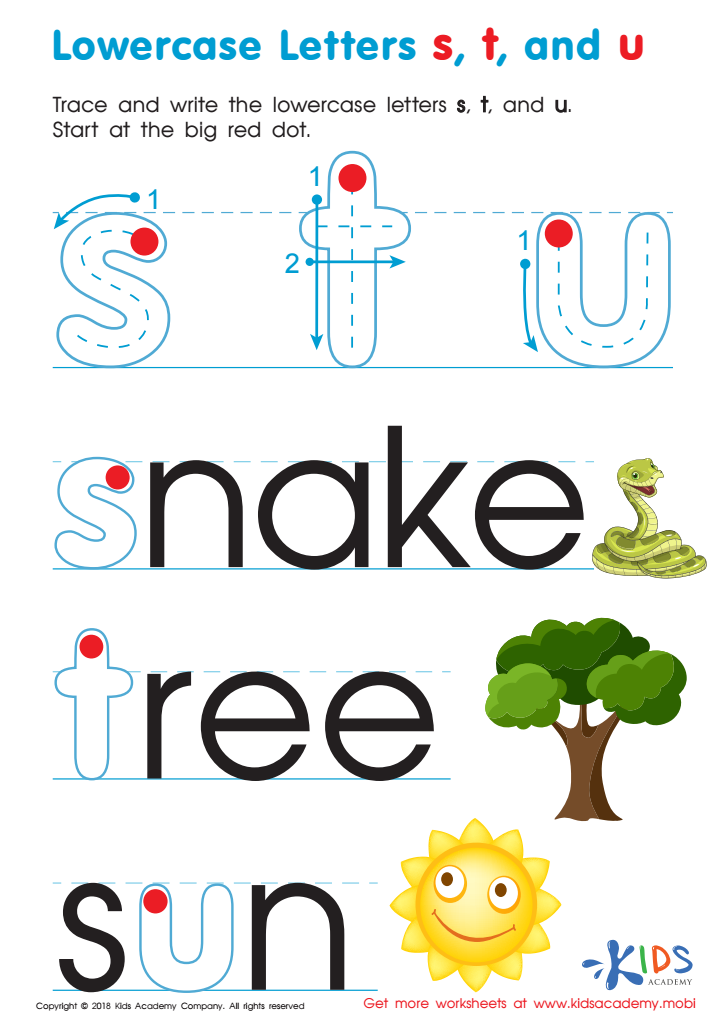
Lowercase Letters s t u Worksheet
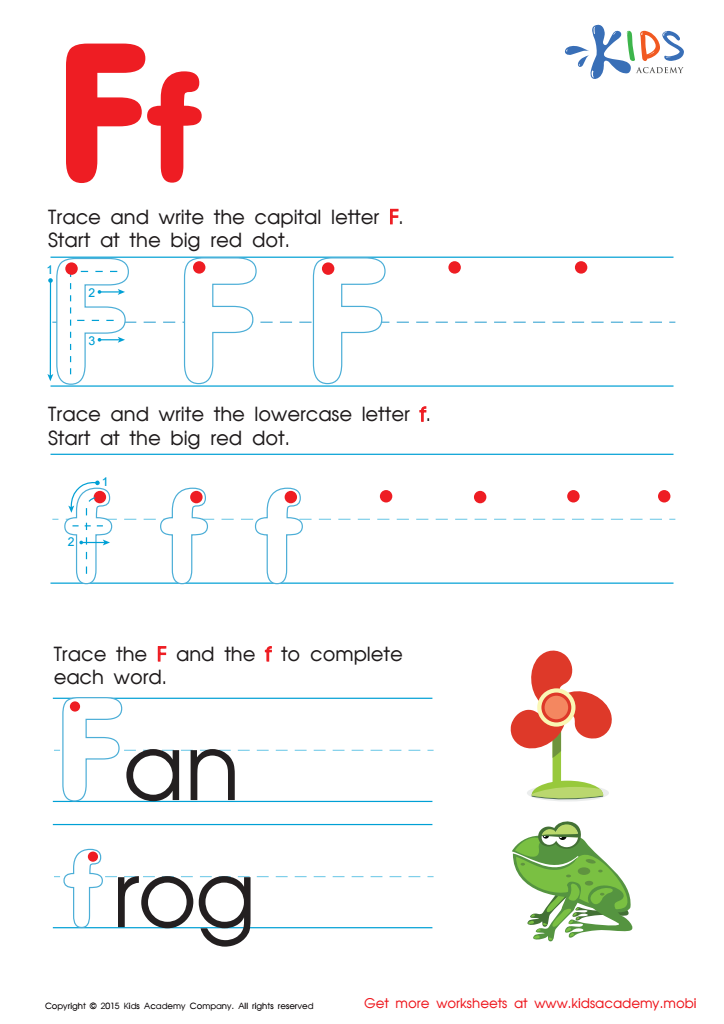
Letter F Tracing Page
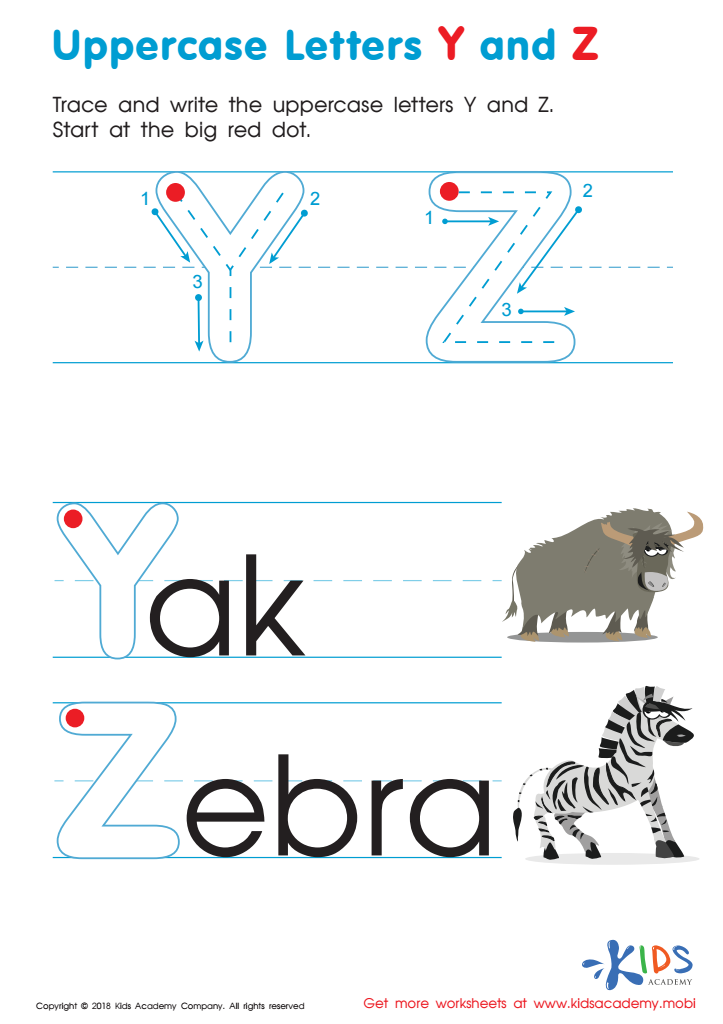
Uppercase Letters Y Z Worksheet
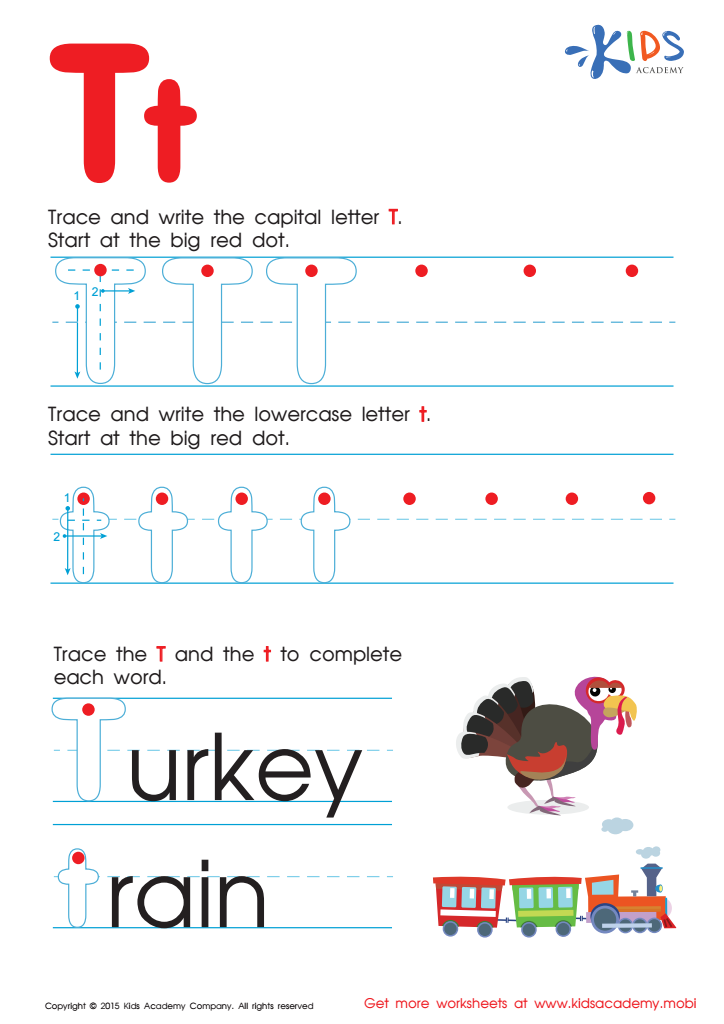
Letter T Tracing Page
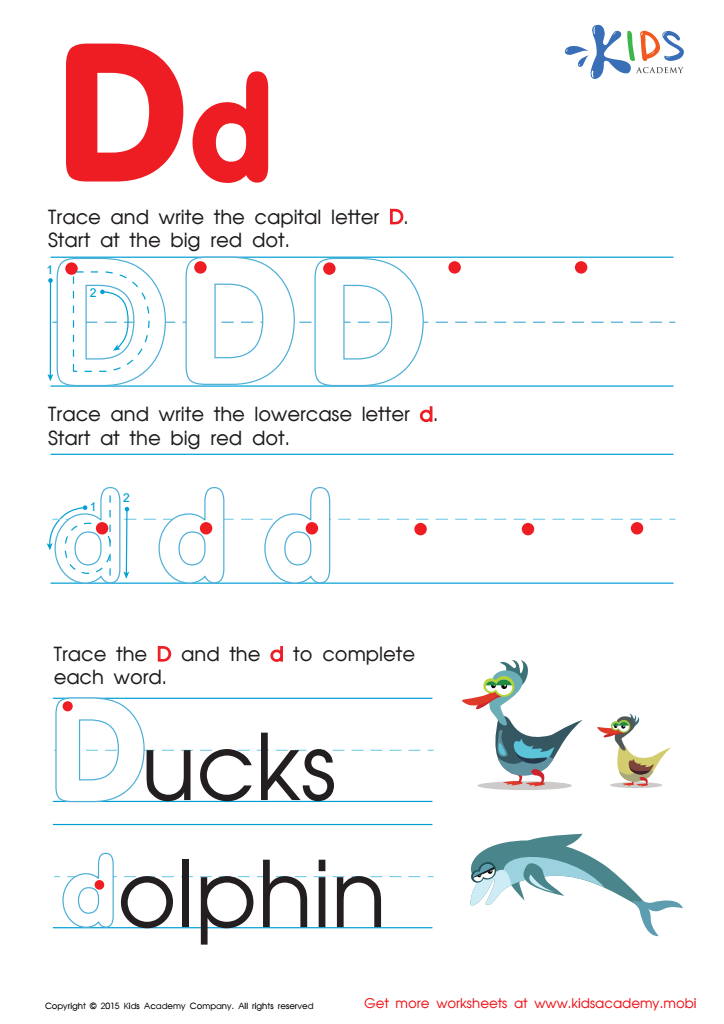
Letter D Tracing Page








Fine motor skills tracing letters for children ages 5-7 is crucial to their developmental growth and academic success. These skills involve the coordination of small muscles in the hands and fingers, which are essential for tasks such as writing, cutting, and buttoning clothes. Engaging in activities like tracing letters significantly enhances hand-eye coordination, dexterity, and control.
When children trace letters, they not only learn the shapes and forms of letters but also improve their ability to hold and maneuver a pencil, a foundational skill for writing. This early writing practice builds muscle memory, making it easier for children to advance to writing independently. Moreover, tracing letters integrates visual and motor skills, reinforcing their understanding of letter formation, which is vital for reading and literacy development.
From an educational standpoint, early success in writing fosters confidence and a positive attitude toward learning. When children can write with ease, they are more likely to engage actively in literacy activities, which are pivotal for academic achievement in later years. By prioritizing fine motor skills through tracing, parents and teachers are setting the stage for improved concentration, cognitive processing, and overall school readiness, ensuring children are well-prepared for future educational challenges.








