Alphabet Recognition Worksheets for Ages 5-7 - Page 2
72 filtered results
-
From - To
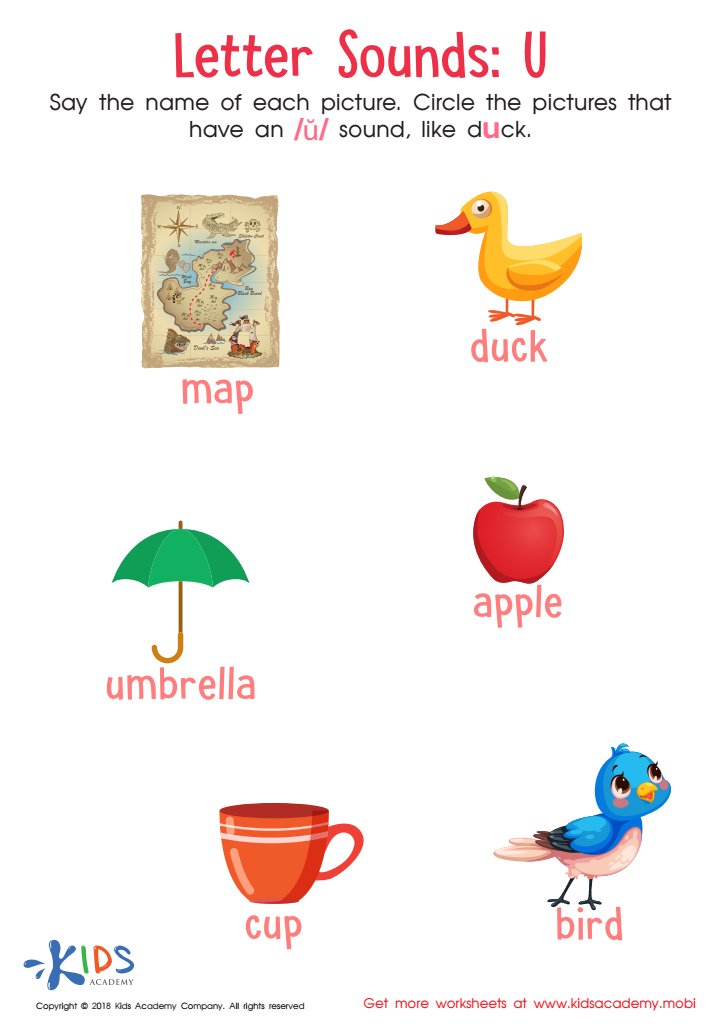
Letter U Sounds Worksheet
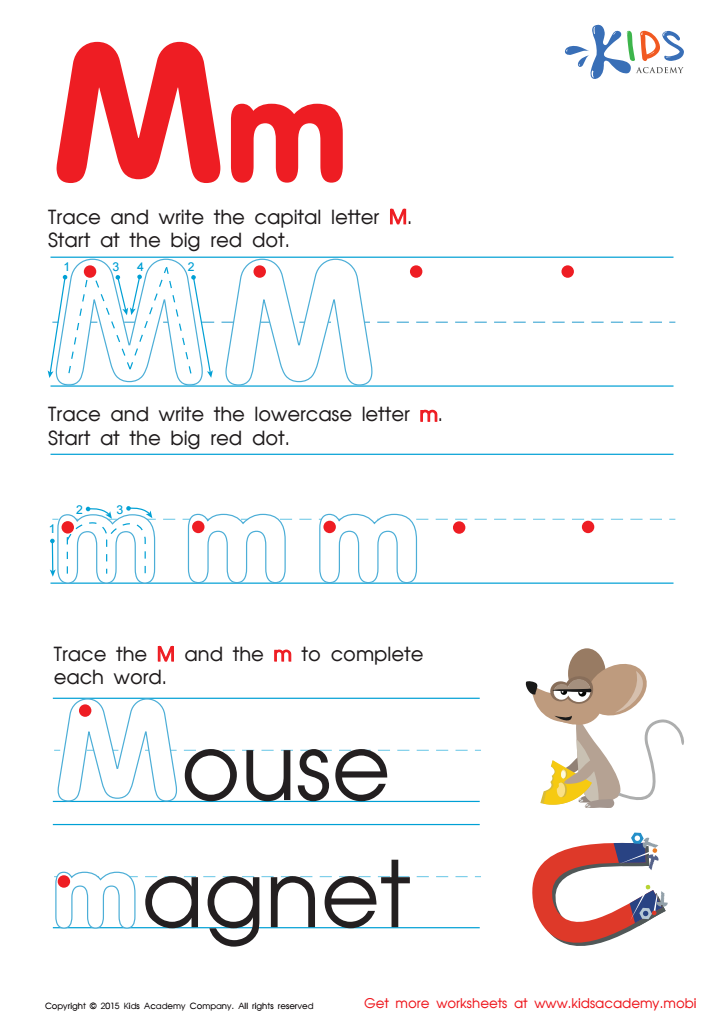
Letter M Tracing Page
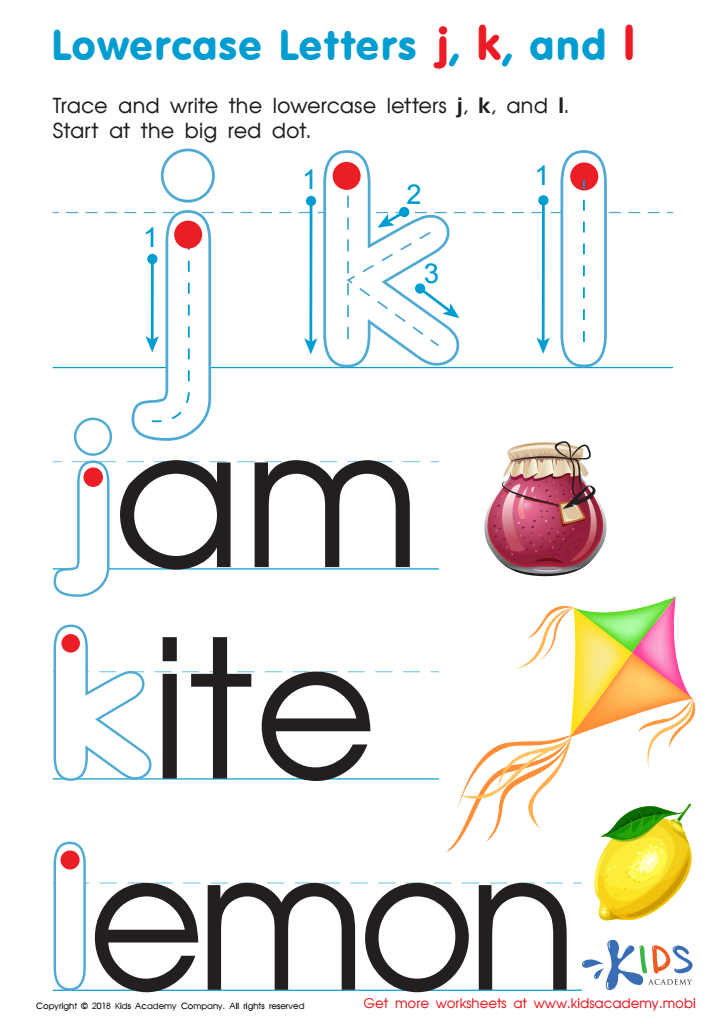
Lowercase Letters j k l Worksheet
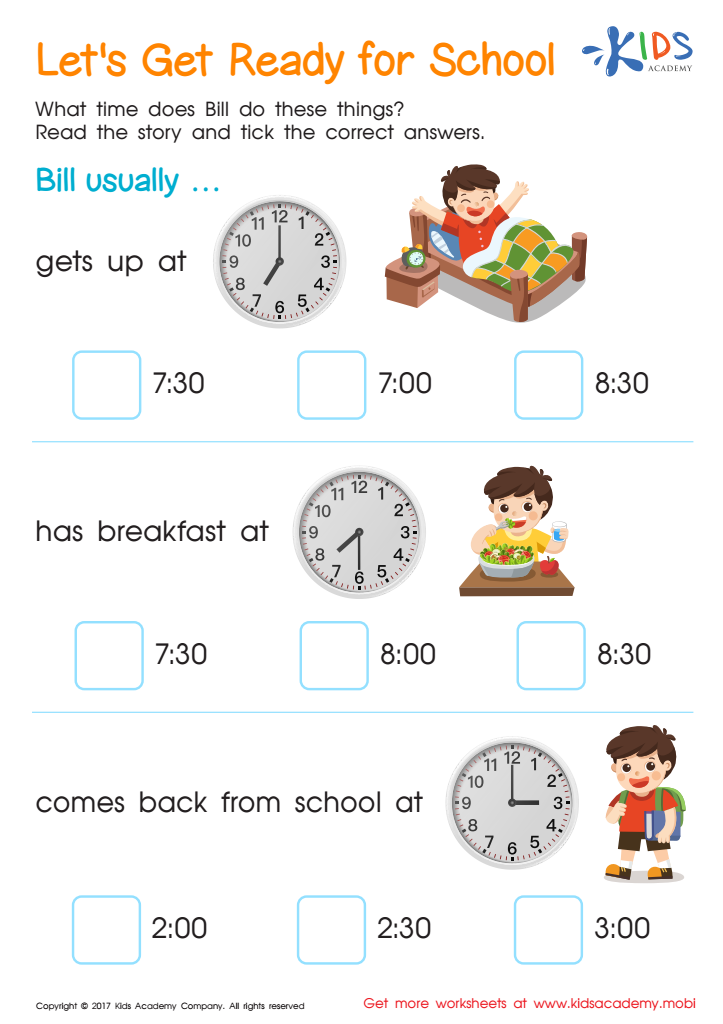
Lets Get Ready For School Time Printable
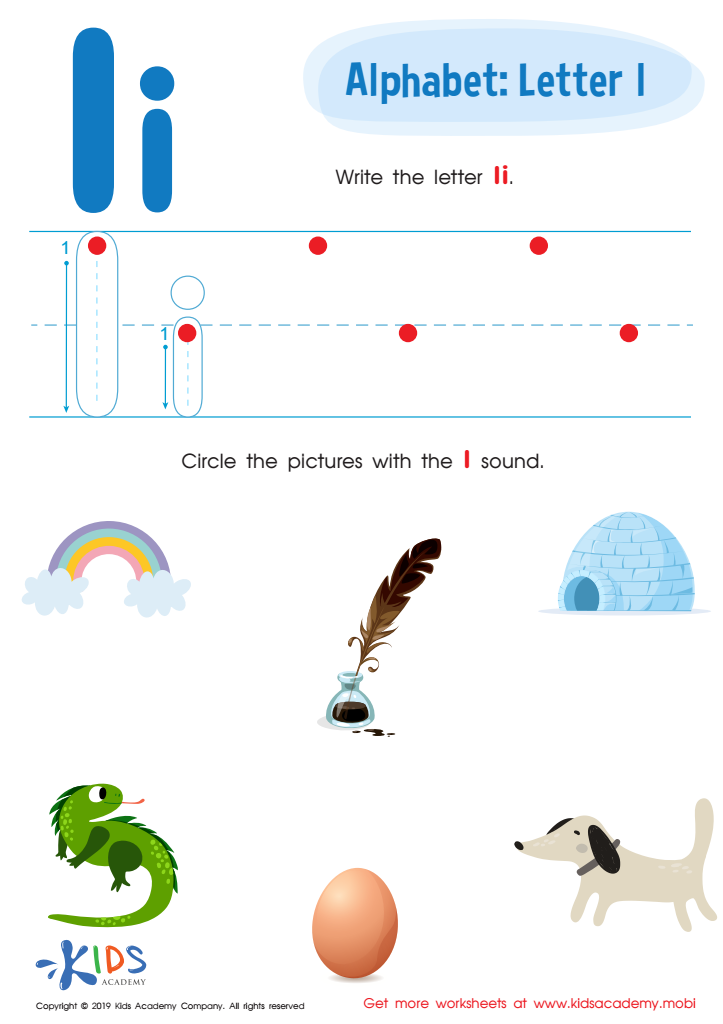
Letter I Tracing Worksheet
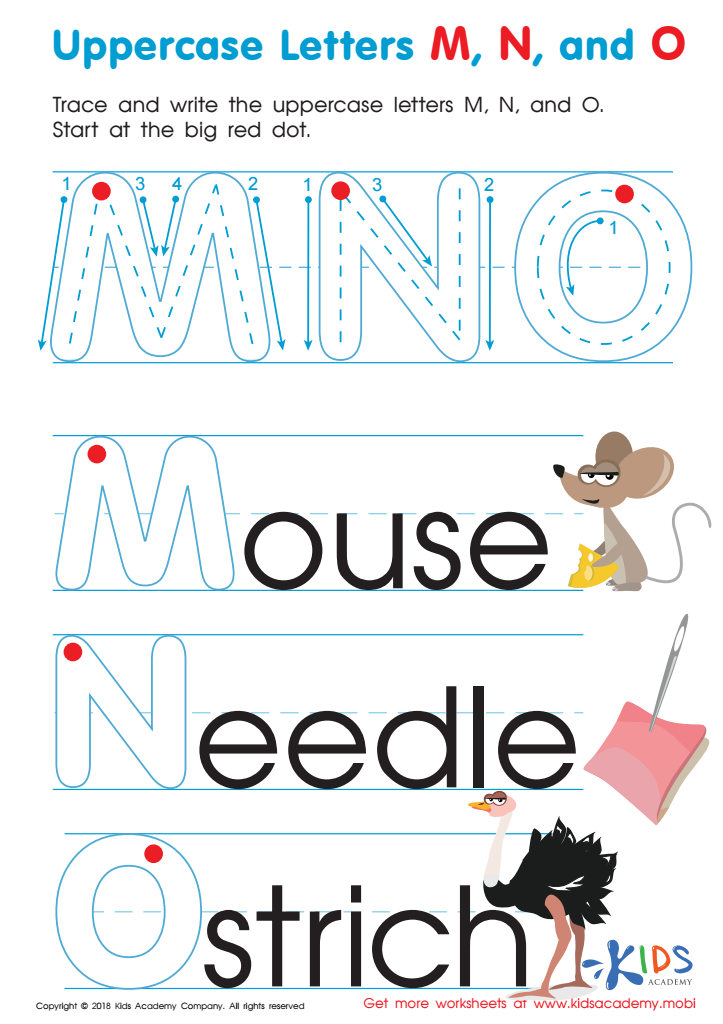
Uppercase Letters M, N, and O Worksheet
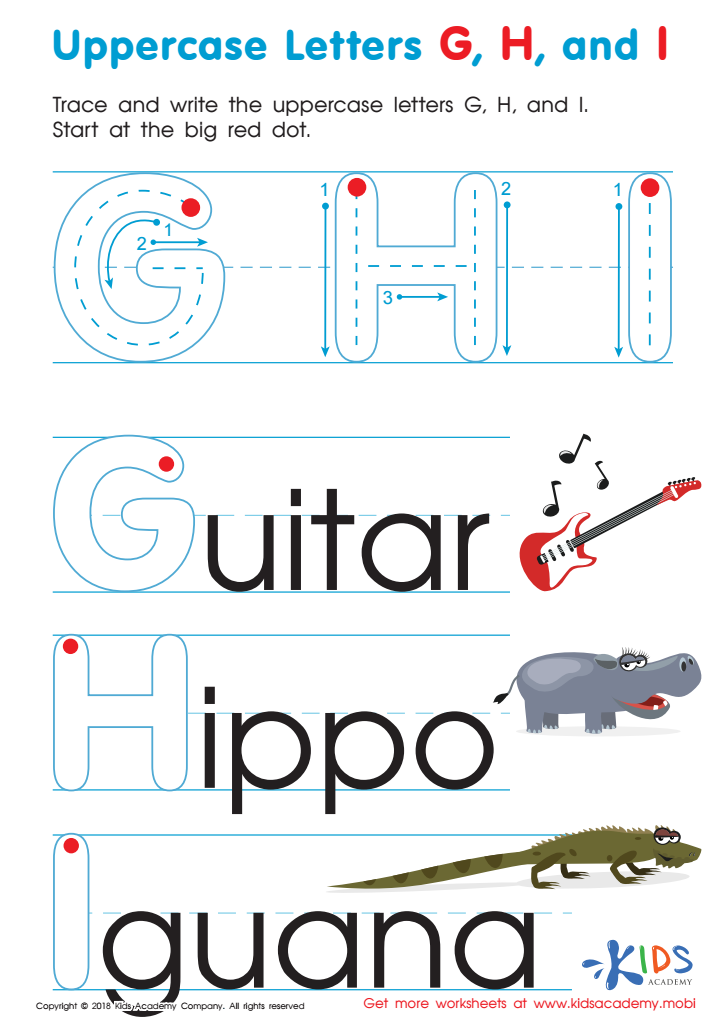
Uppercase Letters G, H, and I Worksheet
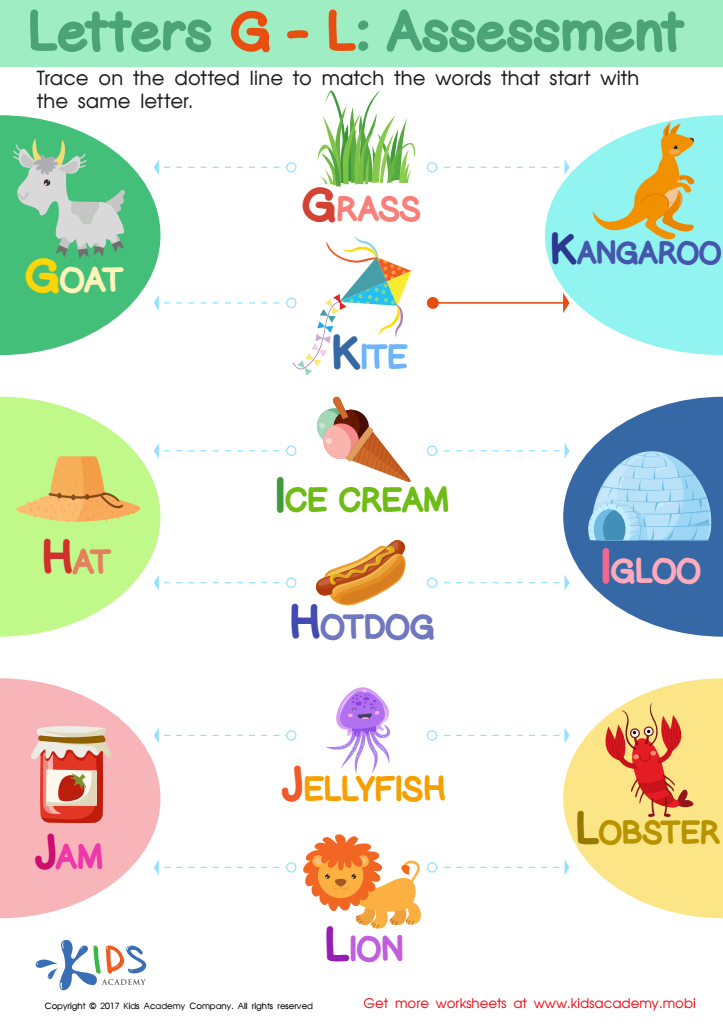
Letters G-L Worksheet
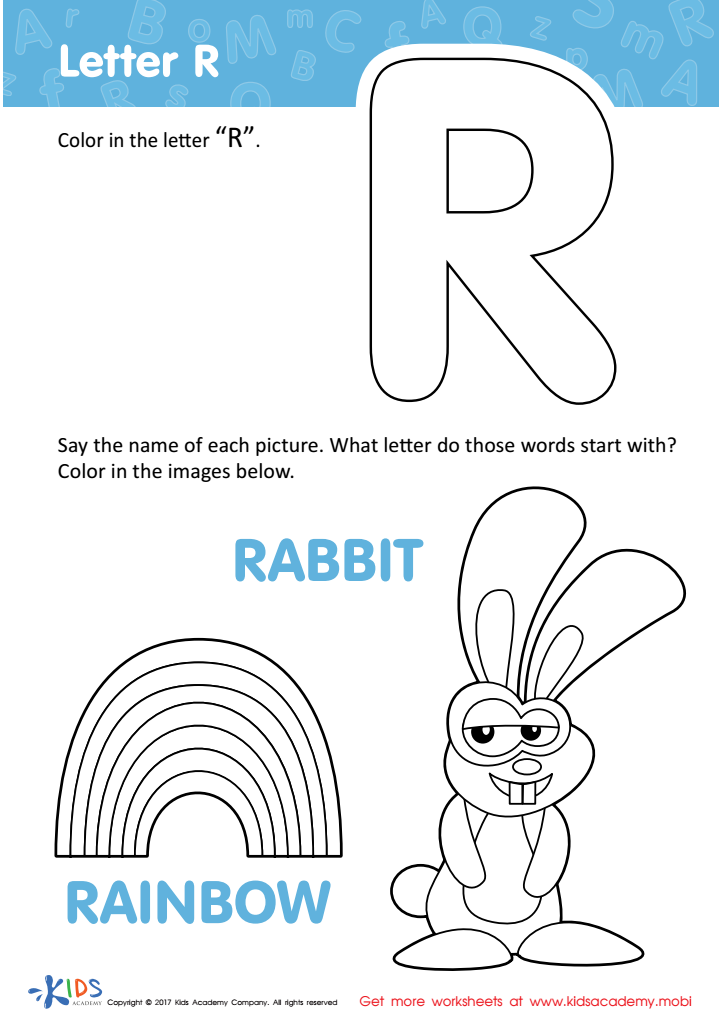
Letter R Coloring Sheet
 Assign to My Students
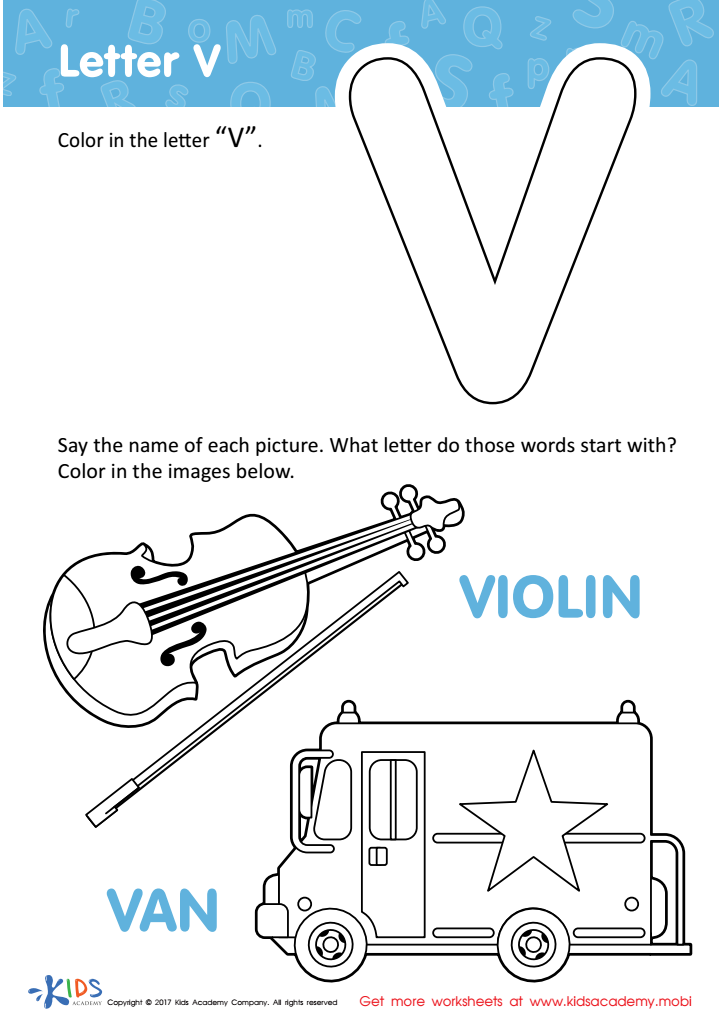
Letter V Coloring Sheet
Assign to My Students
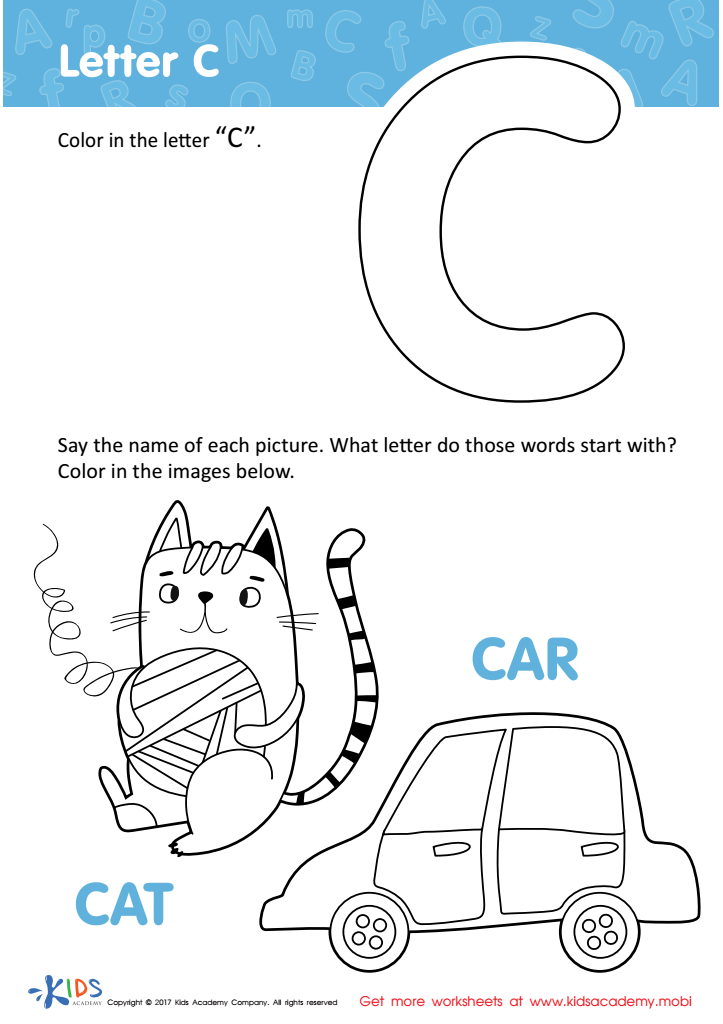
Letter C Coloring Sheet
Assign to My Students
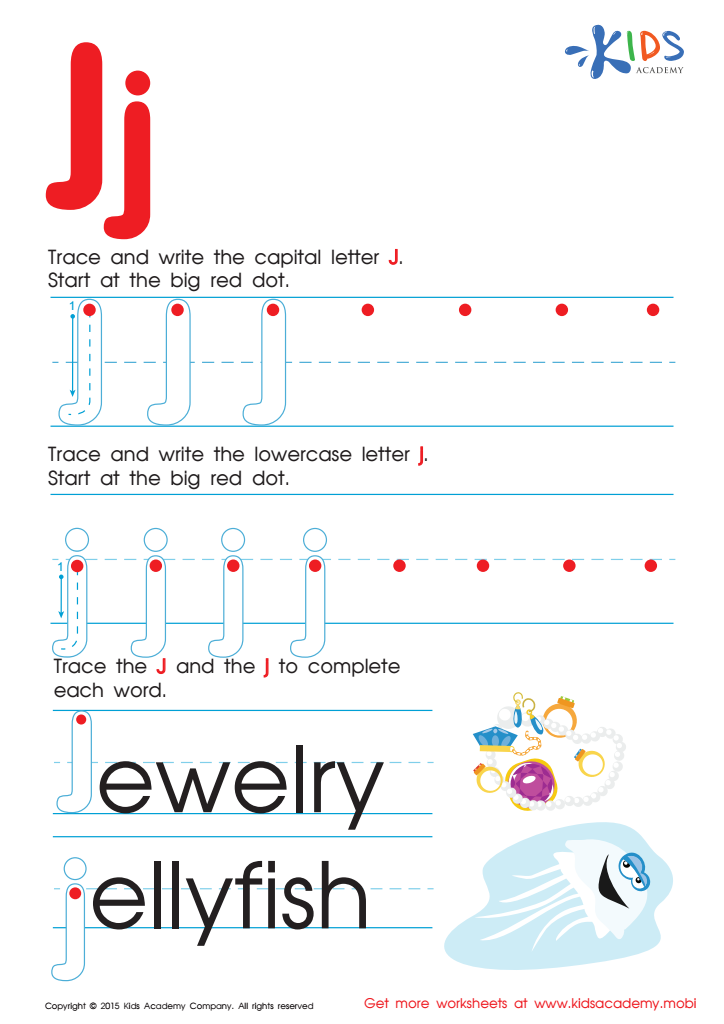
Letter J Tracing Page
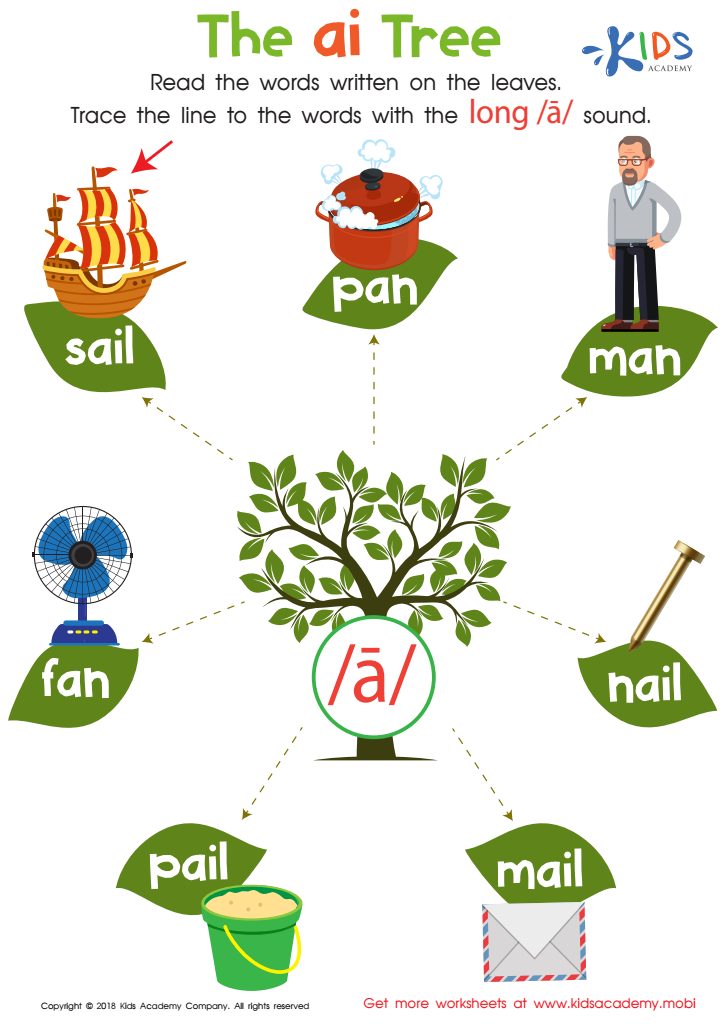
The AI Tree Worksheet
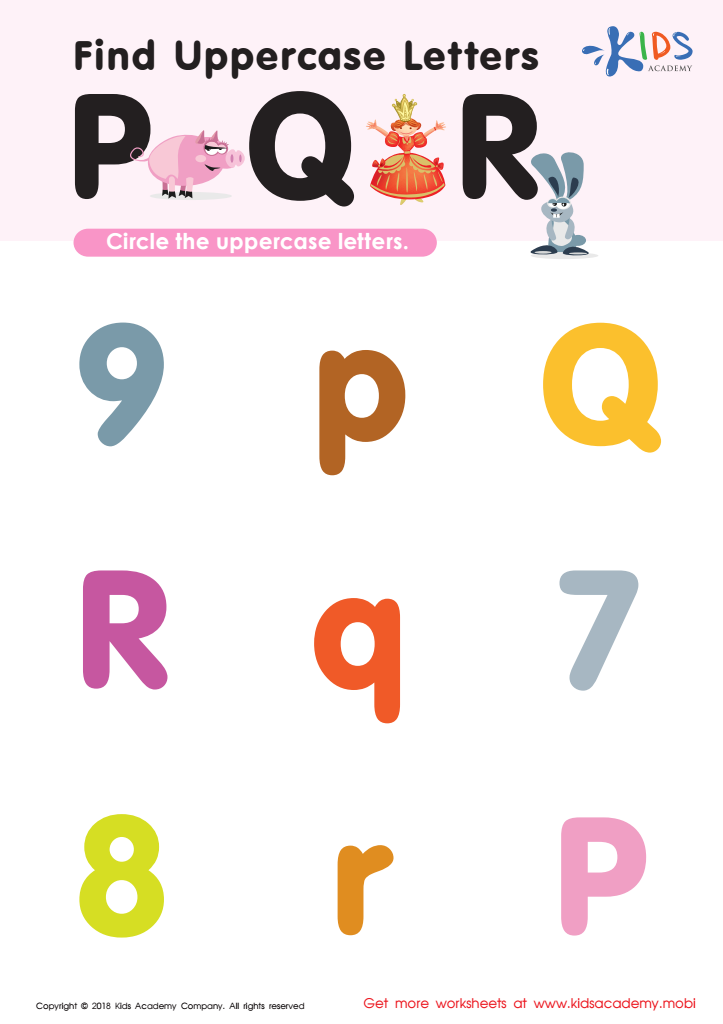
Find Uppercase Letters P, Q, and R Worksheet
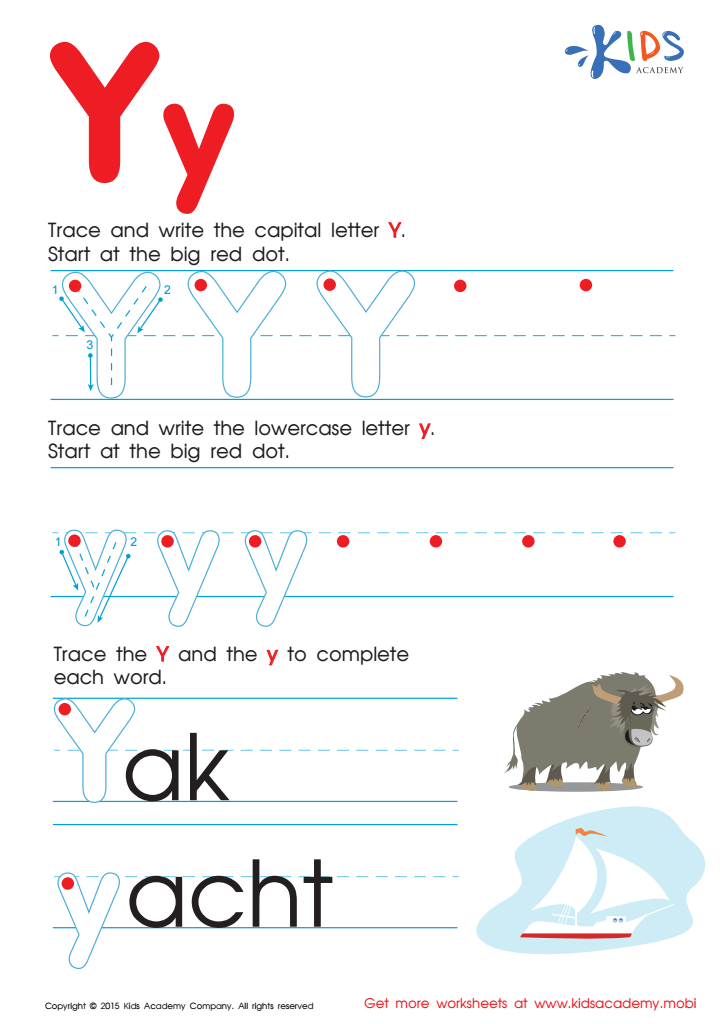
Letter Y Tracing Page
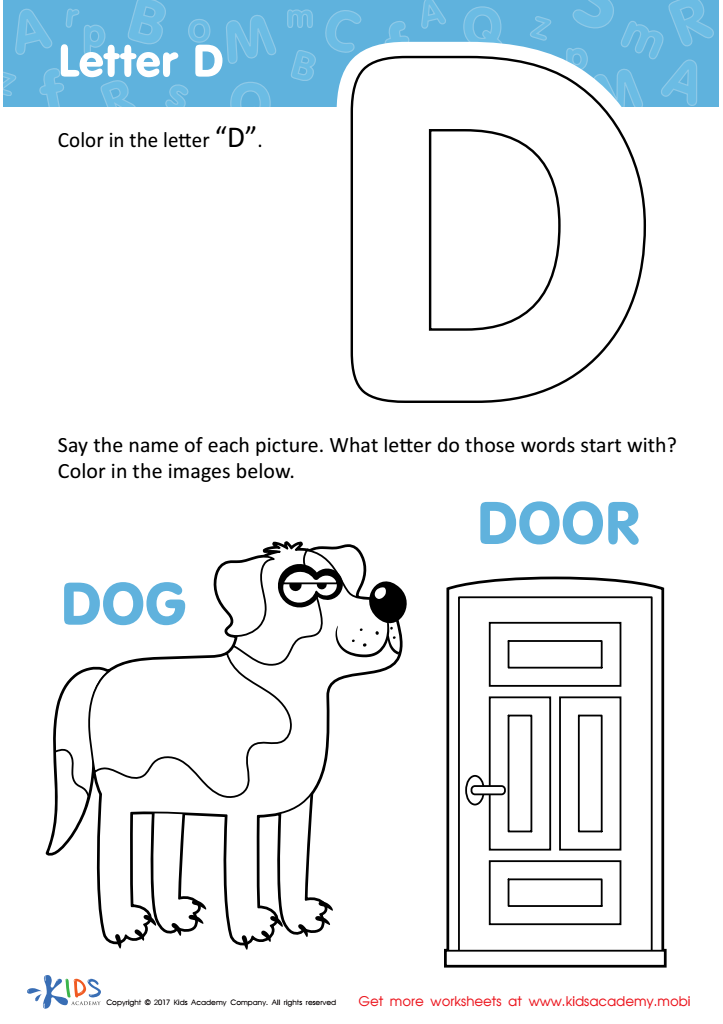
Letter D Coloring Sheet
Assign to My Students
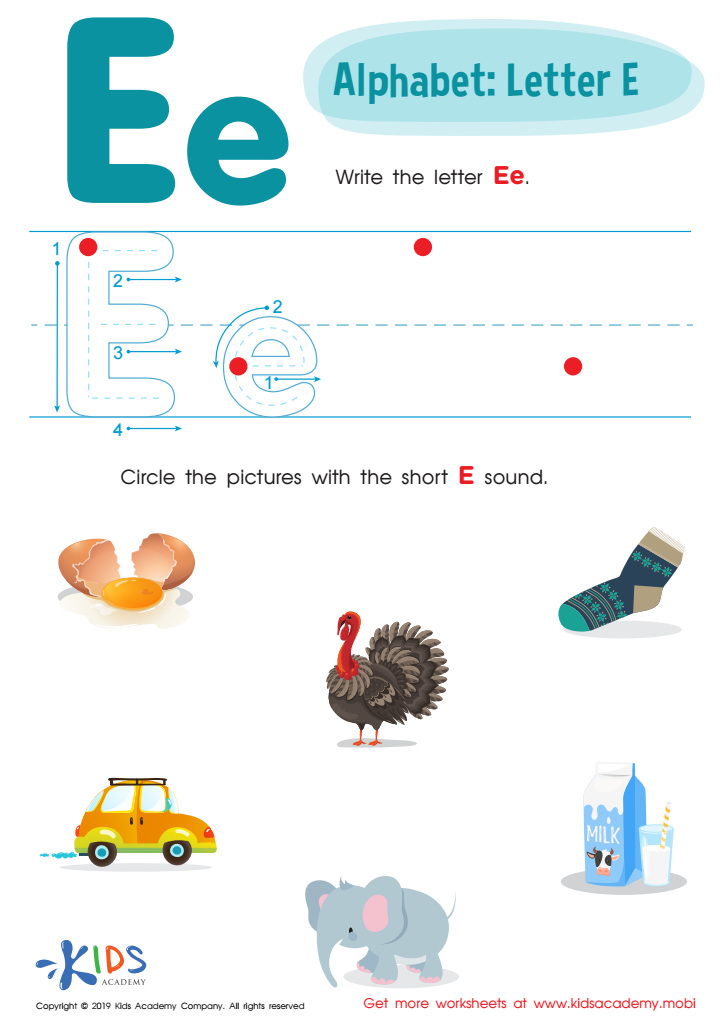
Letter E Tracing Worksheet
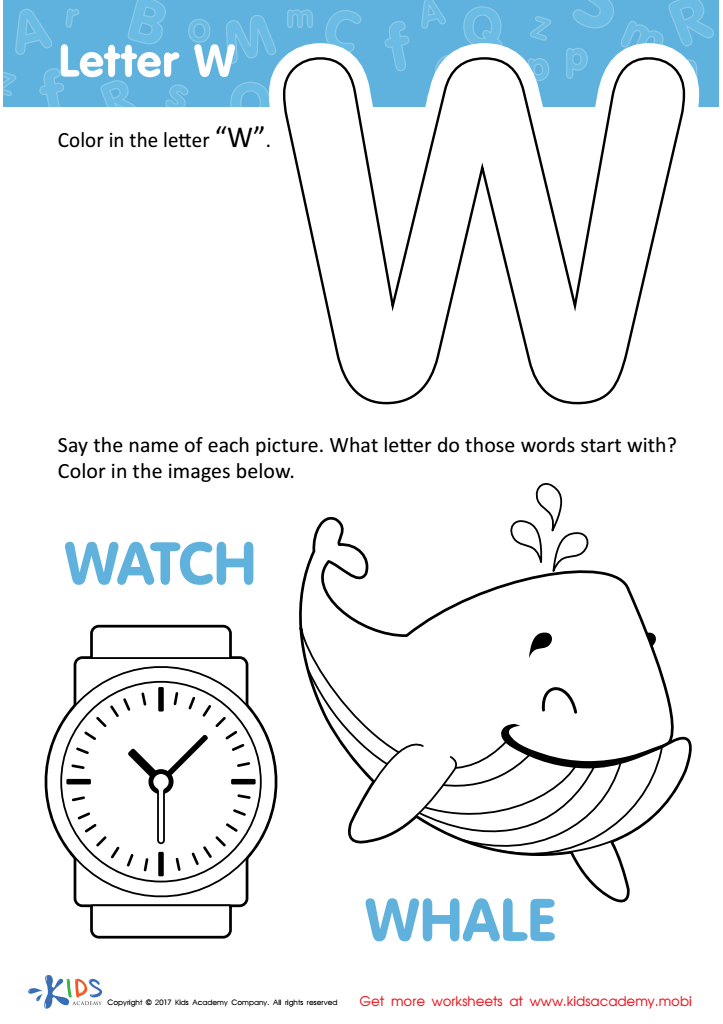
Letter W Coloring Sheet
Assign to My Students
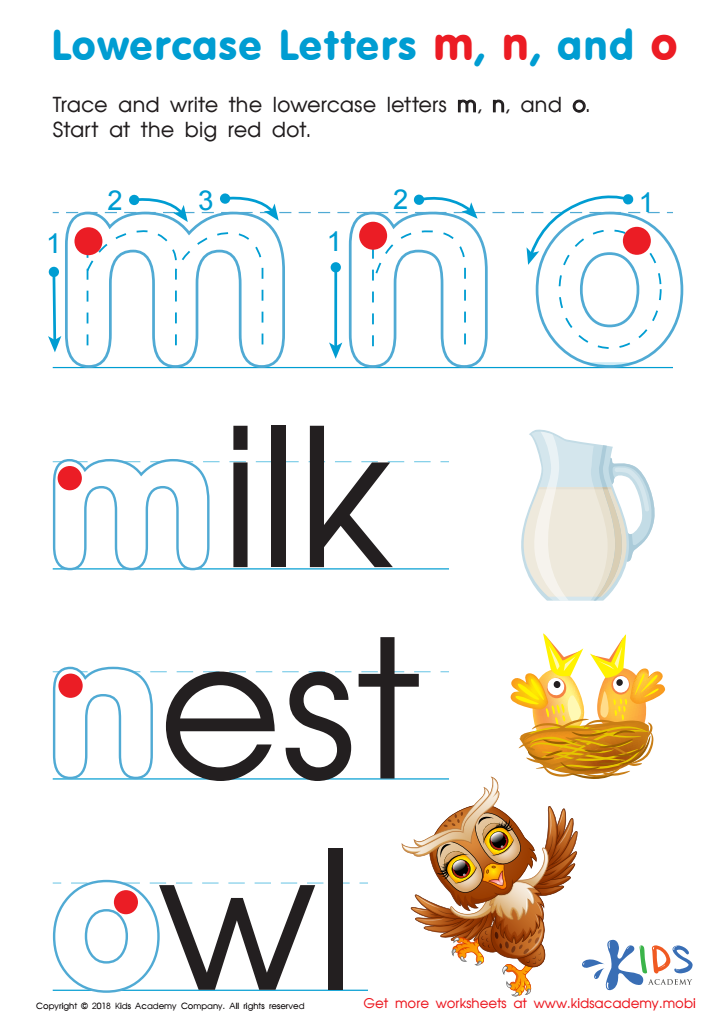
Lowercase Letters m n o Worksheet
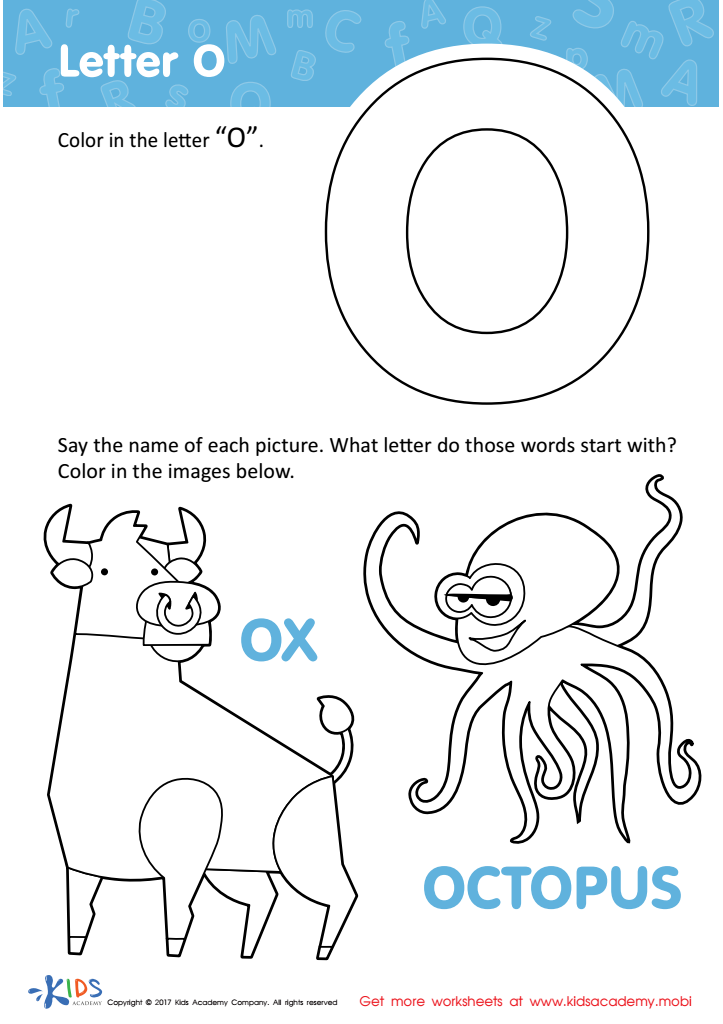
Letter O Coloring Sheet
Assign to My Students
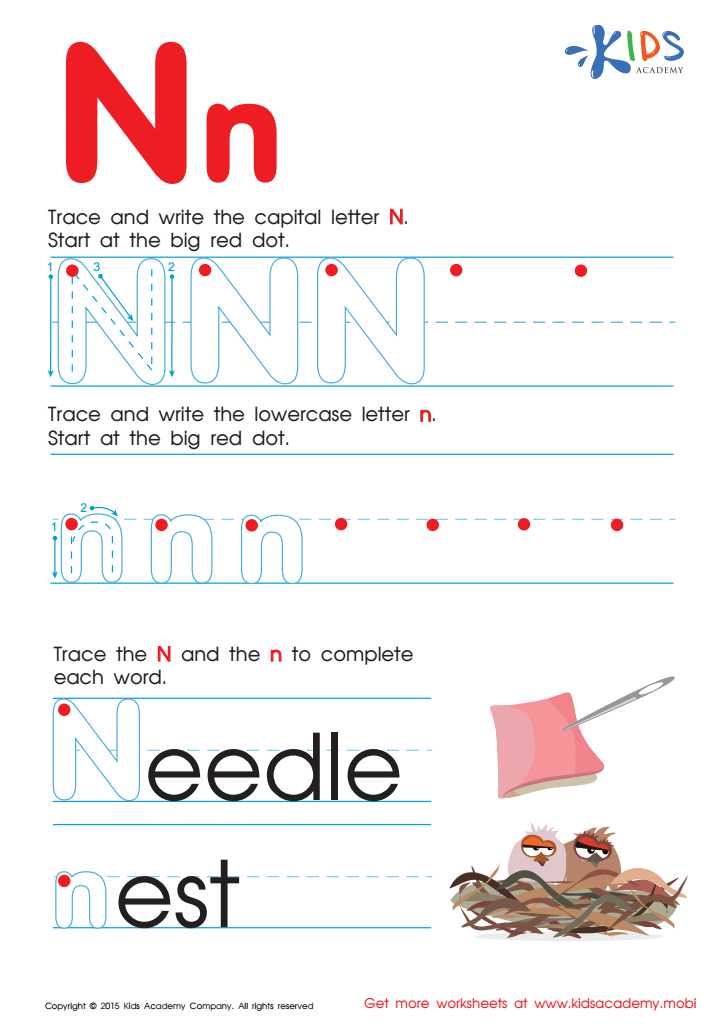
Letter N Tracing Page
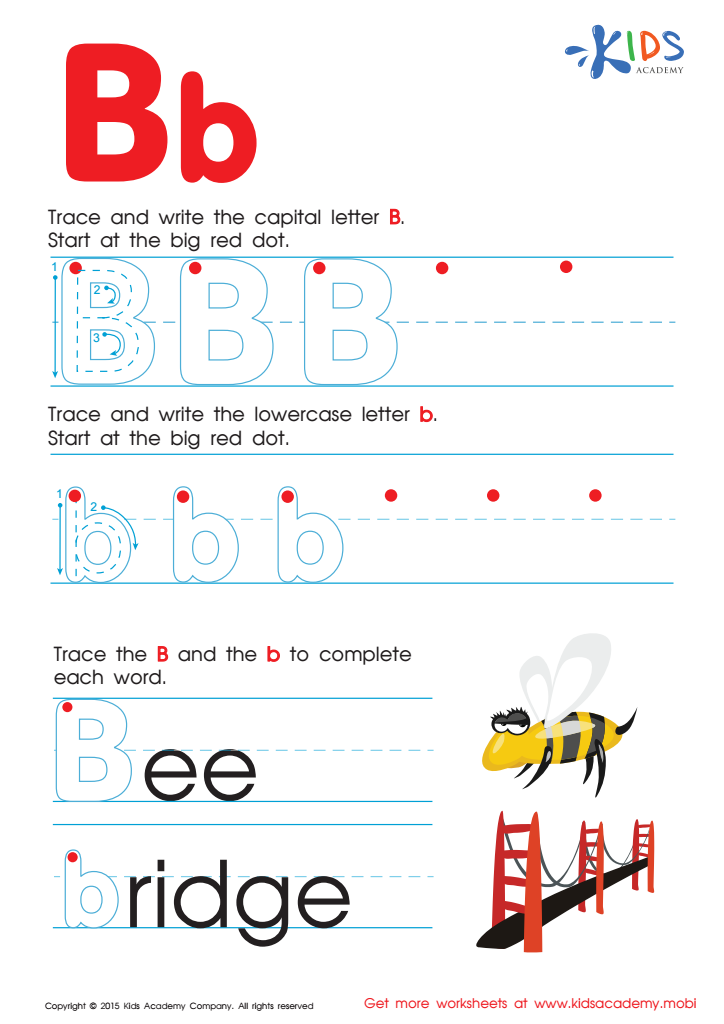
Letter B Tracing Page
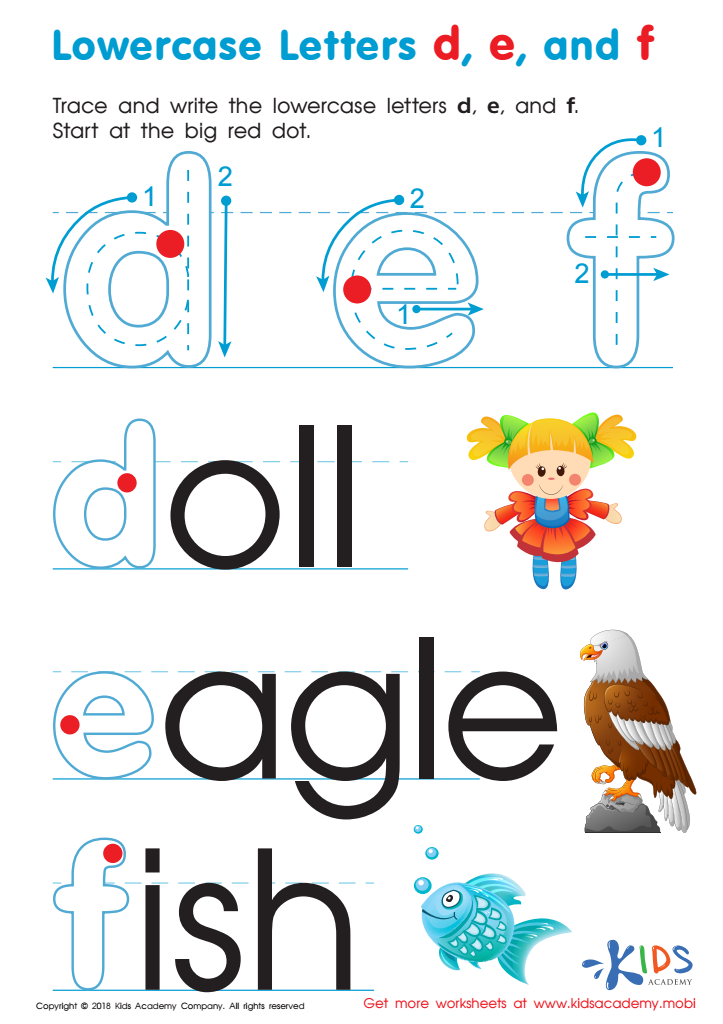
Lowercase Letters d e f Worksheet








Alphabet recognition is a crucial foundational skill for children ages 5 to 7, playing a vital role in their literacy development. Parents and teachers should care about this skill for several reasons.
First, recognizing letters helps children understand that letters represent sounds, forming the backbone of reading and writing. Mastery of the alphabet enables children to decode words, enhancing their reading fluency and comprehension, which are crucial for academic success.
Second, alphabet recognition fosters confidence in young learners. When children can identify letters, they feel more assured in engaging with texts, participating in discussions, and expressing their thoughts through writing. This sense of competence encourages a lifelong love for reading and learning.
Additionally, developing letter recognition aids in vocabulary expansion. As children read more, they encounter new words, which strengthens their language skills and cognitive development.
Furthermore, alphabet recognition supports social and emotional growth. When parents and teachers actively engage with children in learning letters—through games, songs, and interactive activities—they promote bonding and nurture a positive attitude toward education.
Ultimately, by prioritizing alphabet recognition, parents and teachers equip children with essential skills that pave the way for academic success, effective communication, and personal growth.








