Boost critical thinking Worksheets for Ages 5-7
5 filtered results
-
From - To
Unlock your child's potential with our "Boost Critical Thinking Worksheets for Ages 5-7." Designed to enhance cognitive skills, these interactive worksheets engage young minds through fun and challenging activities. By focusing on problem-solving, decision-making, and reasoning, these resources encourage children to think independently. The worksheets feature exciting exercises tailored to various learning styles, ensuring an enjoyable experience that promotes intellectual growth. Perfect for home or classroom use, these worksheets not only foster critical thinking but also ignite creativity and curiosity. Explore our collection to empower your child’s learning journey and set a strong foundation for future academic success!

 Assign to My Students

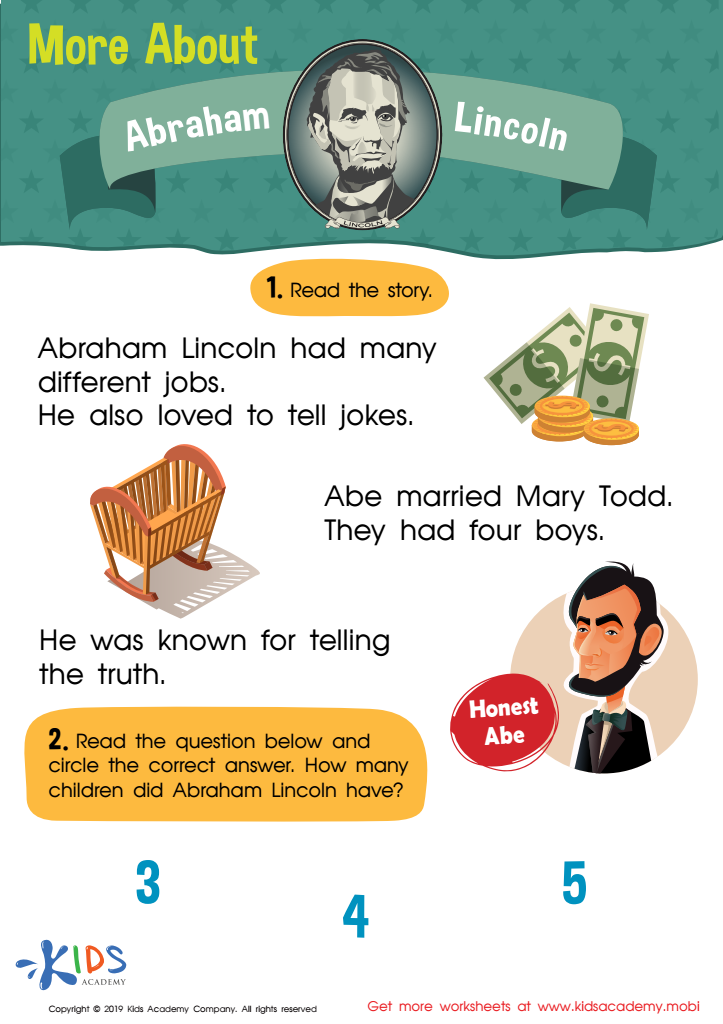
More About Abraham Lincoln Worksheet




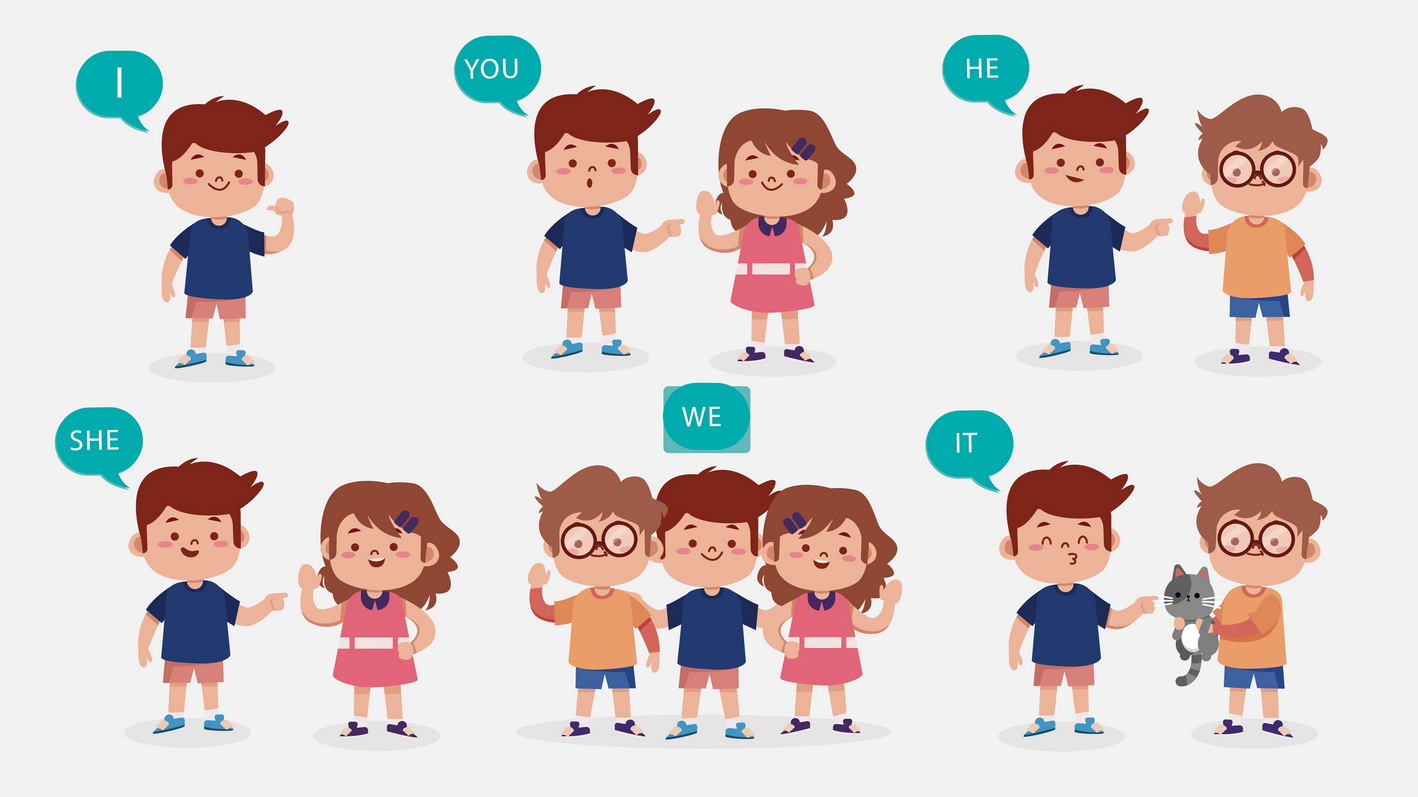


Boosting critical thinking skills in children aged 5-7 is essential for their holistic development and future success. At this stage, children are beginning to navigate the world more independently and are naturally curious. Encouraging critical thinking helps them develop the ability to analyze, evaluate, and apply information effectively, laying a strong foundation for problem-solving.
When parents or teachers nurture critical thinking, they empower children to ask questions, consider different perspectives, and develop reasoning skills. These abilities will enhance children's creativity, resilience, and adaptability. For example, when faced with challenges in school or at home, critical thinkers are more likely to devise innovative solutions rather than feel overwhelmed.
Moreover, fostering critical thinking encourages children to engage actively with their learning. They become more effective learners, retain information better, and are capable of transferring skills across subjects. This competence also enhances their social interactions, as they learn to articulate their thoughts clearly and respect diverse viewpoints.
In a fast-paced, information-rich world, critical thinking enables children to navigate complexities and make informed decisions. By prioritizing the development of these essential skills, parents and teachers are actively preparing children for future challenges and opportunities, ensuring they grow into capable, well-rounded individuals.








