Color Identification Worksheets for Ages 5-7 - Page 3
72 filtered results
-
From - To
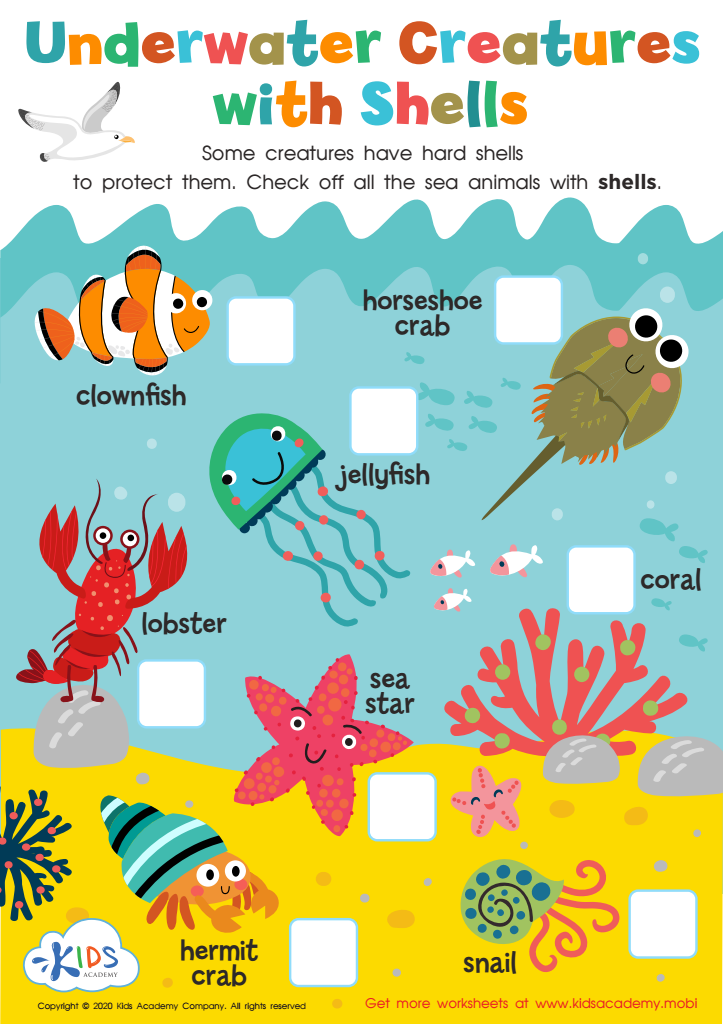
Underwater Creatures with Shells Worksheet
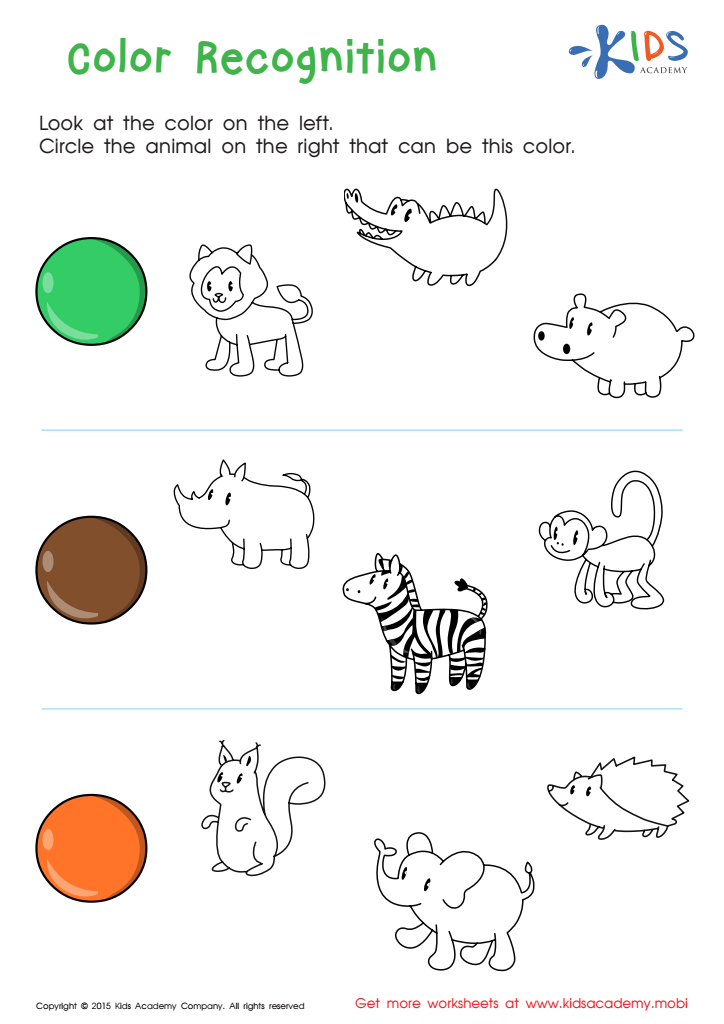
First Words: Color Recognition Worksheet
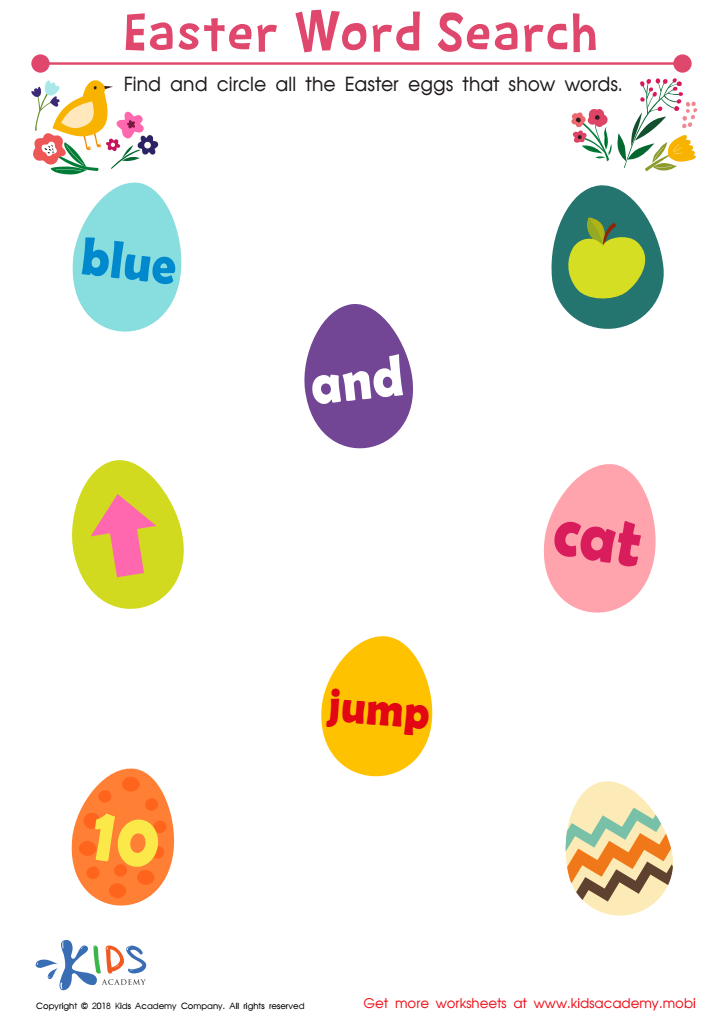
Easter Word Search Worksheet
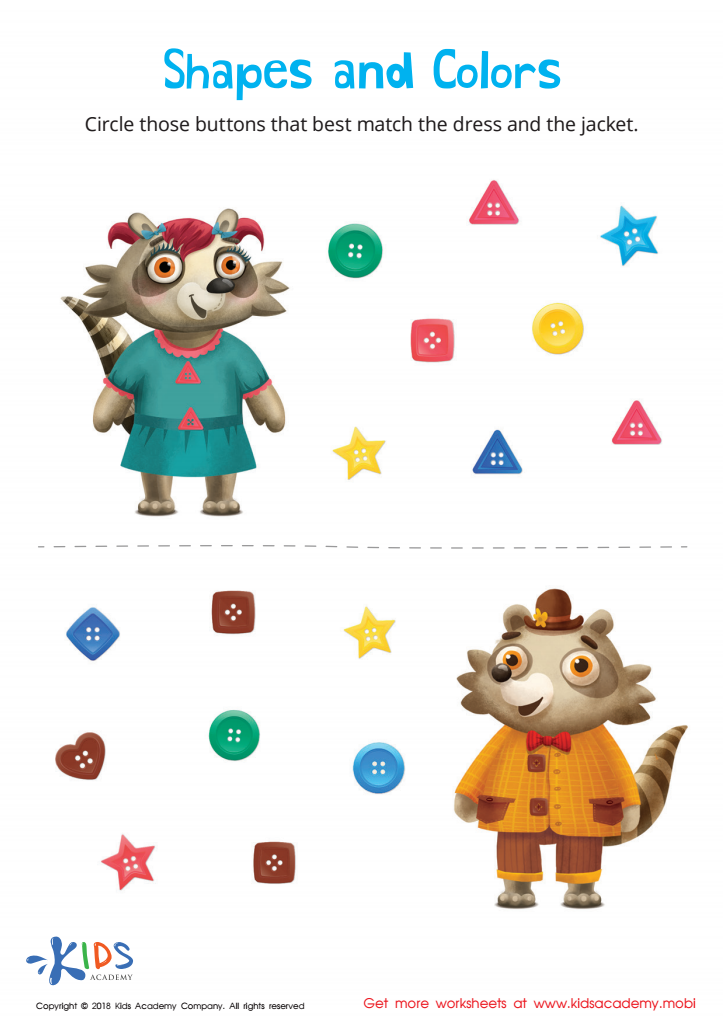
Shapes and Colors Worksheet
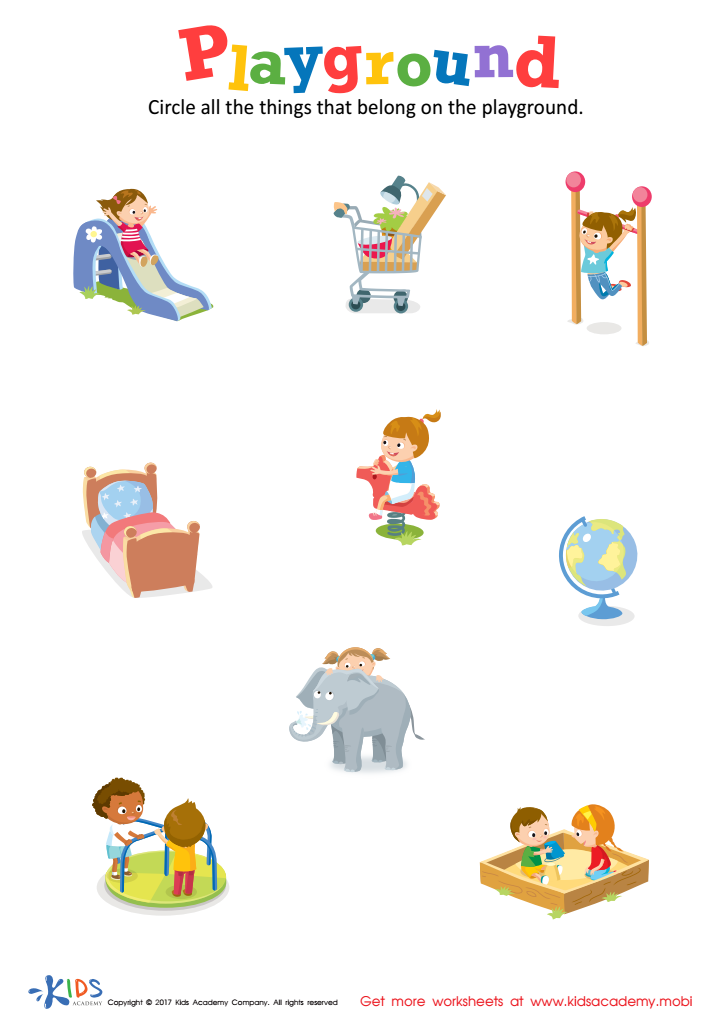
Playground Worksheet
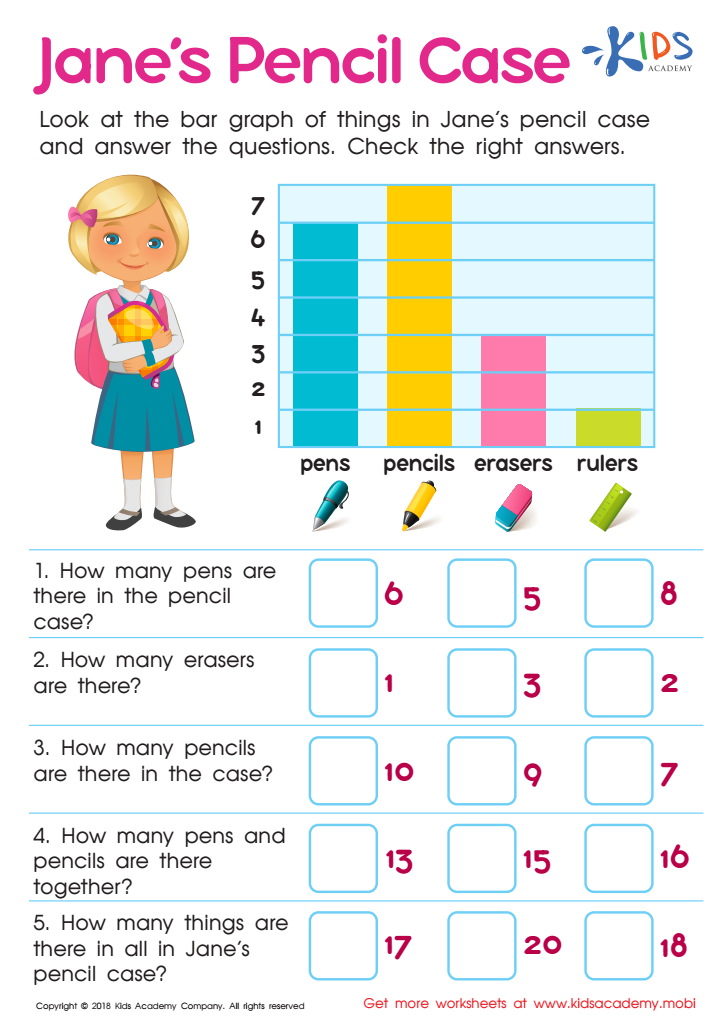
Jane's Pencil Case Worksheet
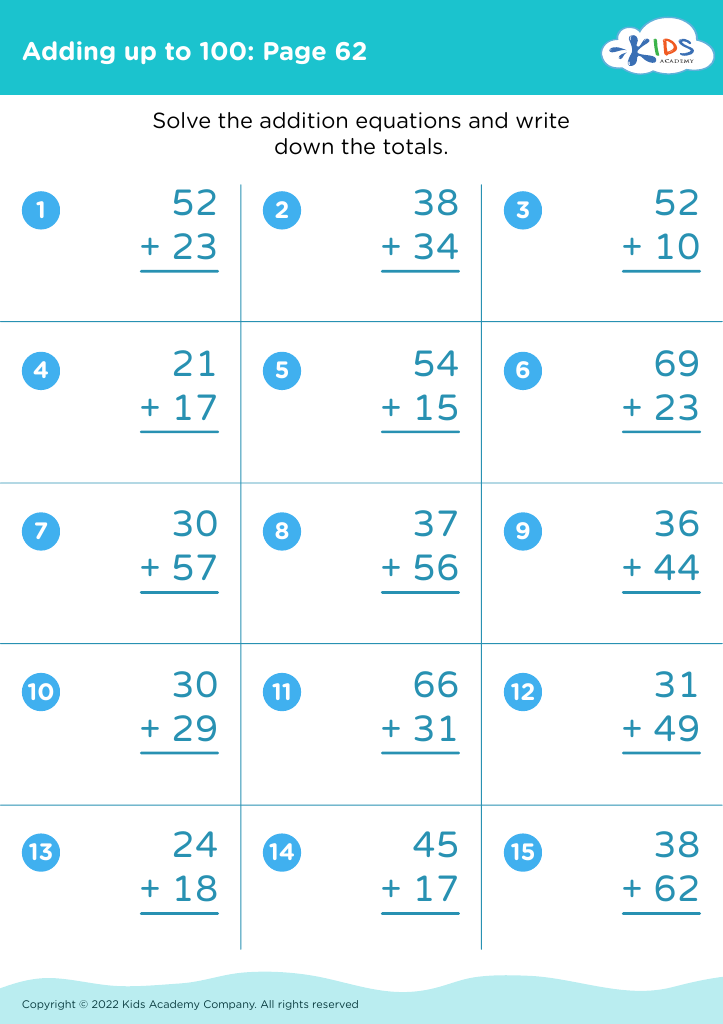
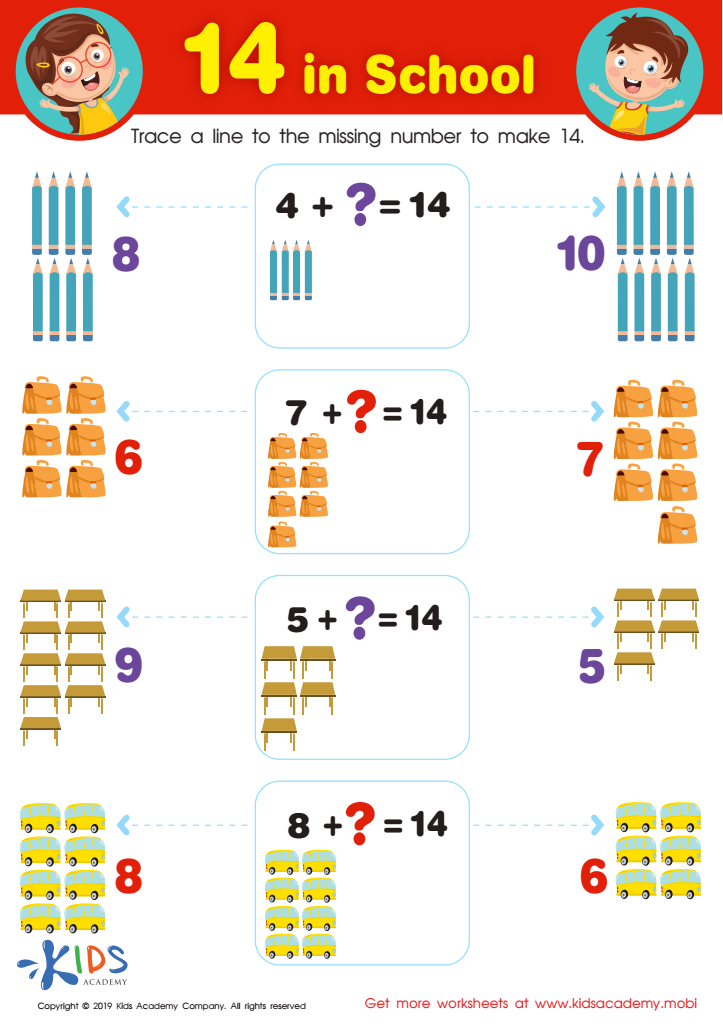
14 in School Worksheet

Christmas: Christmas Tree Printable
 Assign to My Students
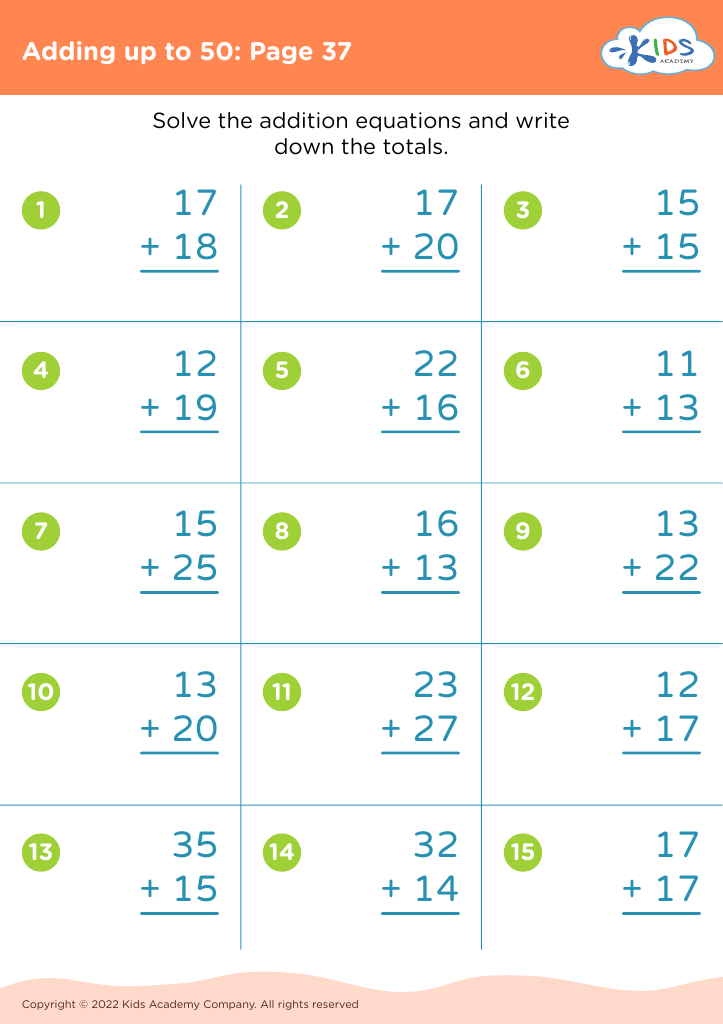
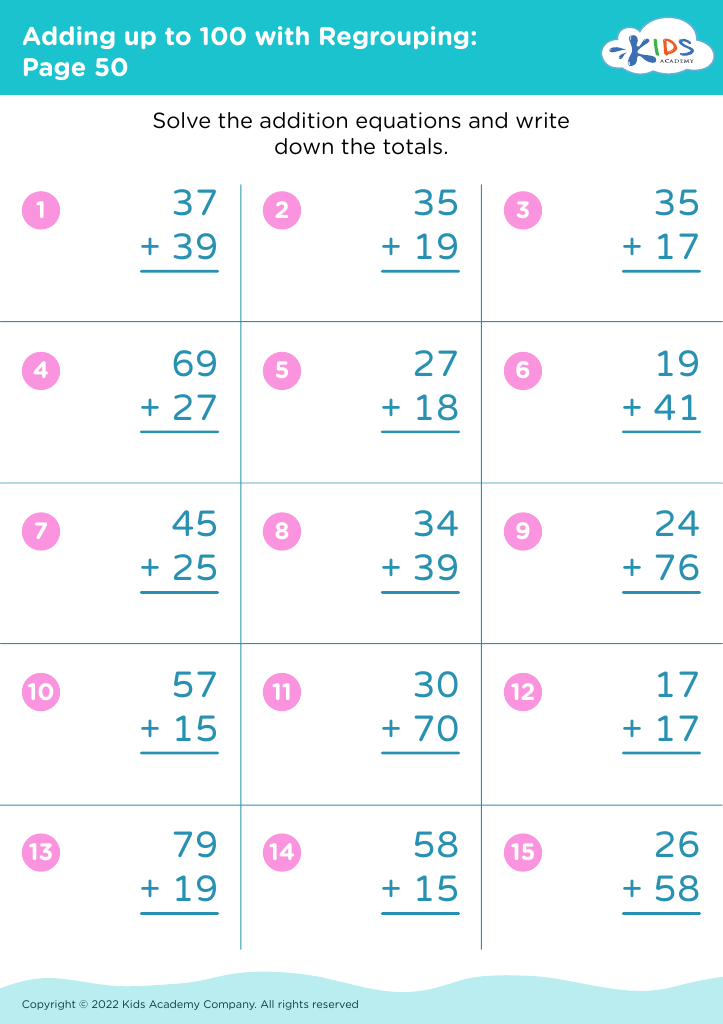
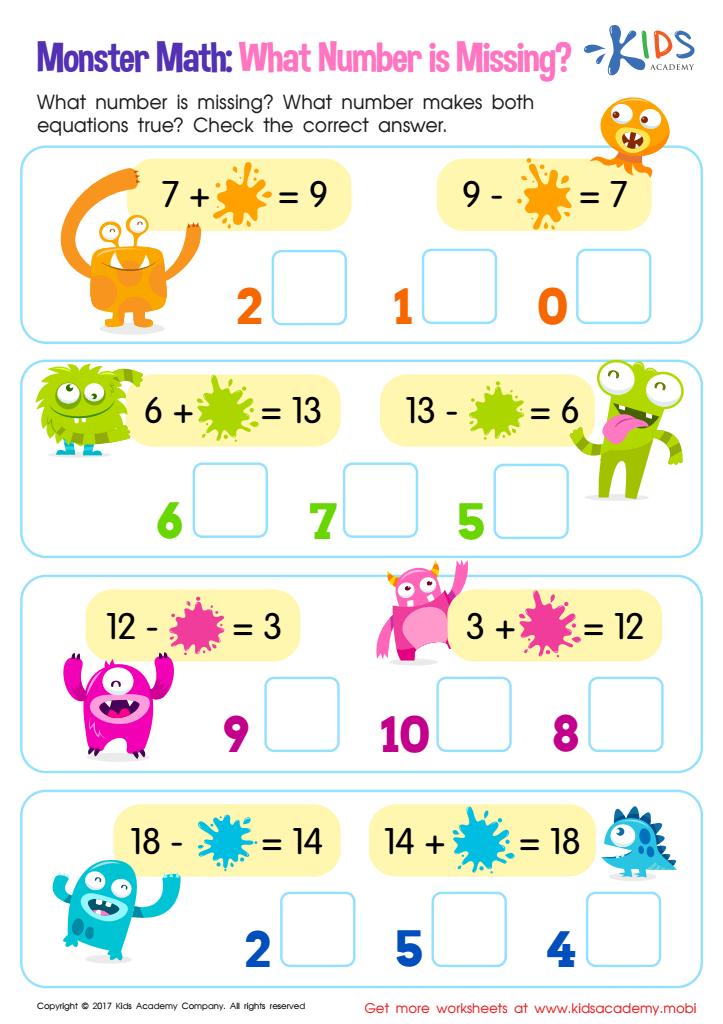
Missing Number: Monster Math Worksheet
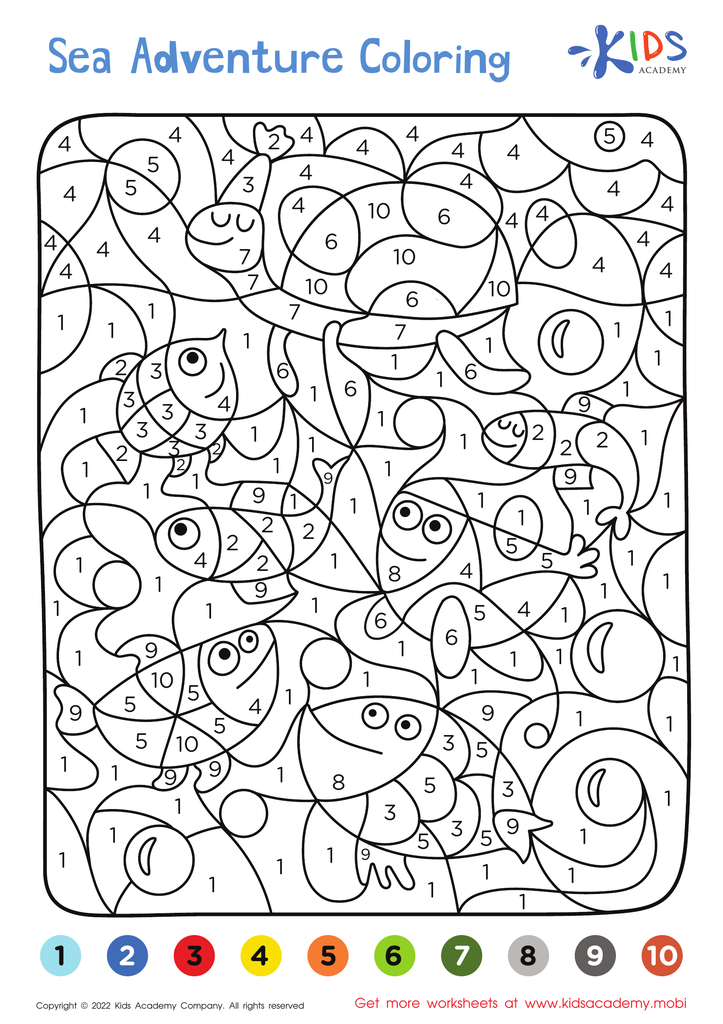
Sea Adventure – Coloring by Numbers
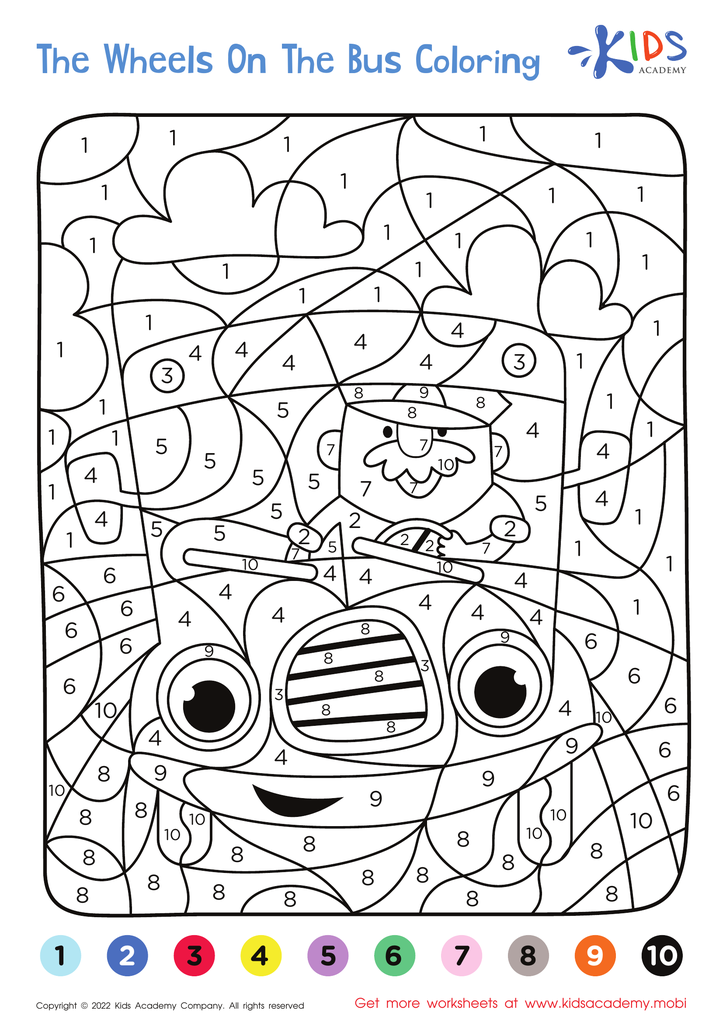
Wheels on the Bus – Coloring by Numbers
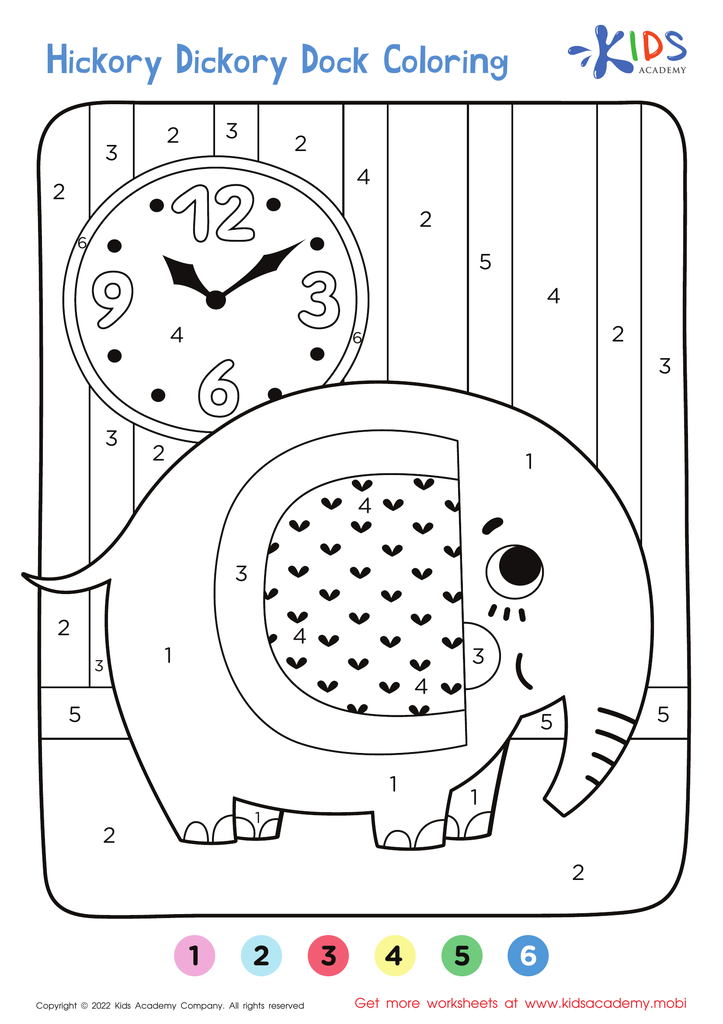
Hickory Dickory Dock – Coloring by Numbers
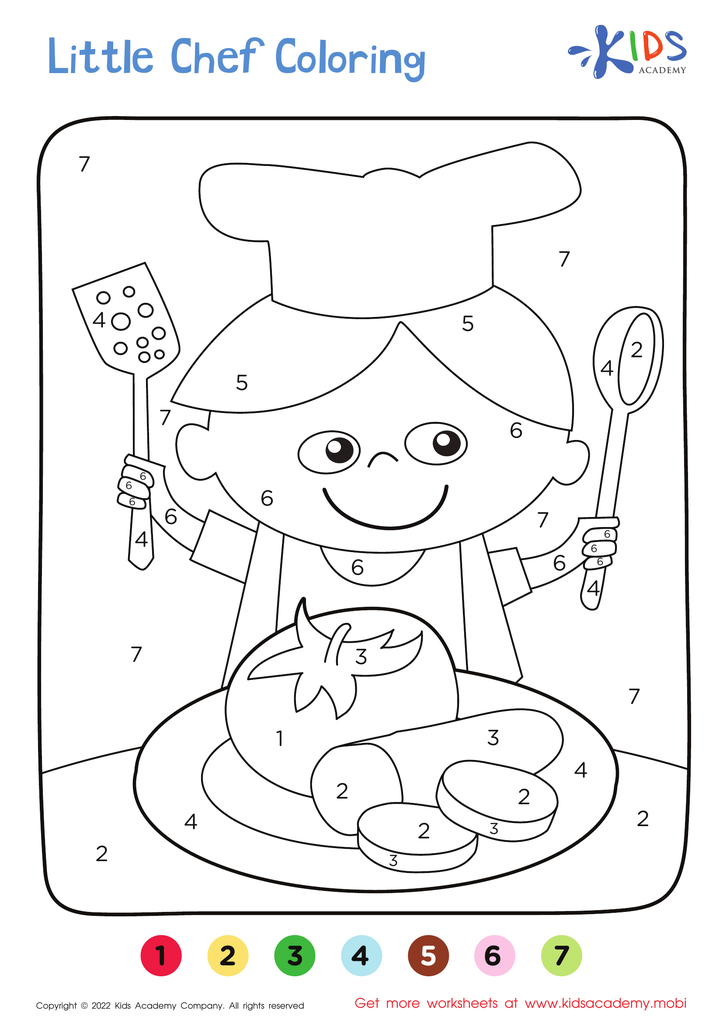
Little Chef – Coloring by Numbers
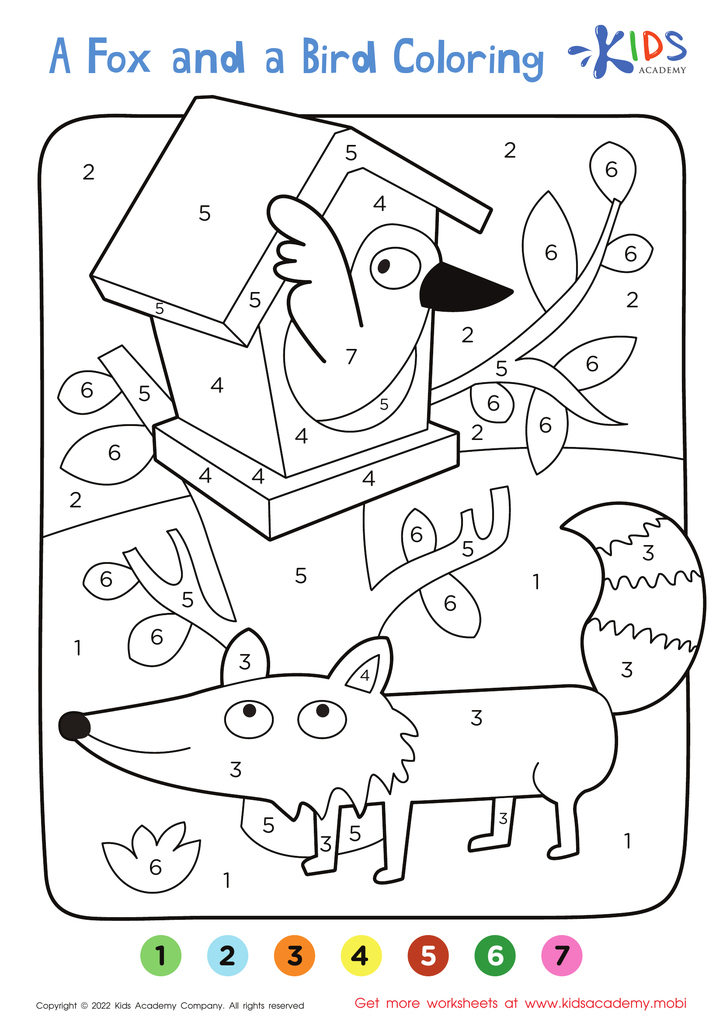
A Fox and a Bird – Coloring by Numbers
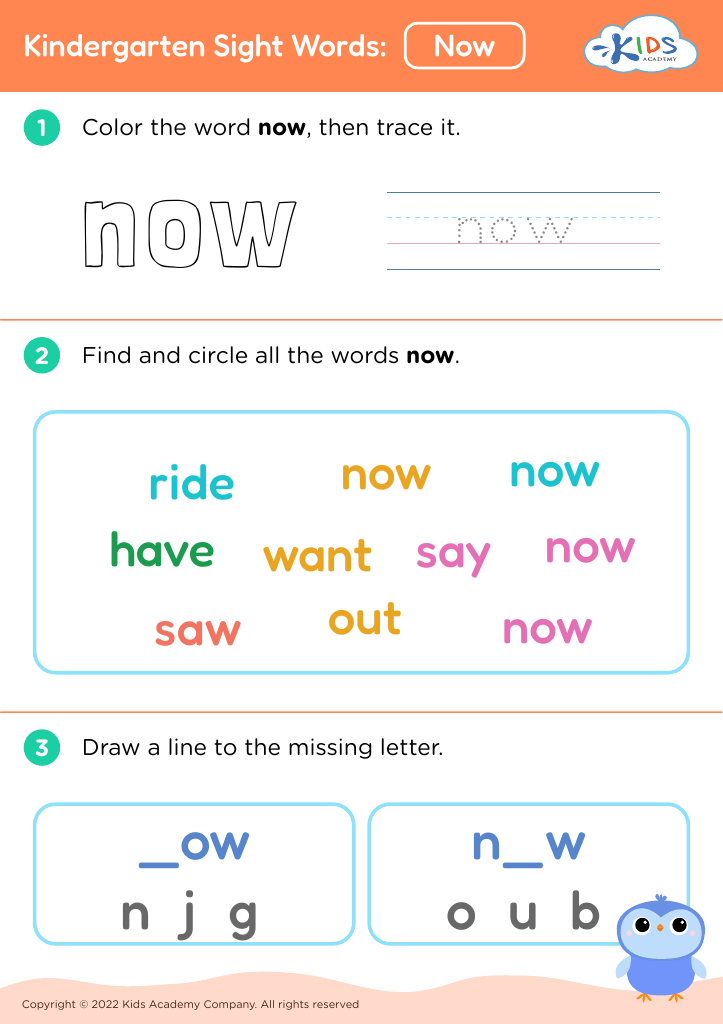
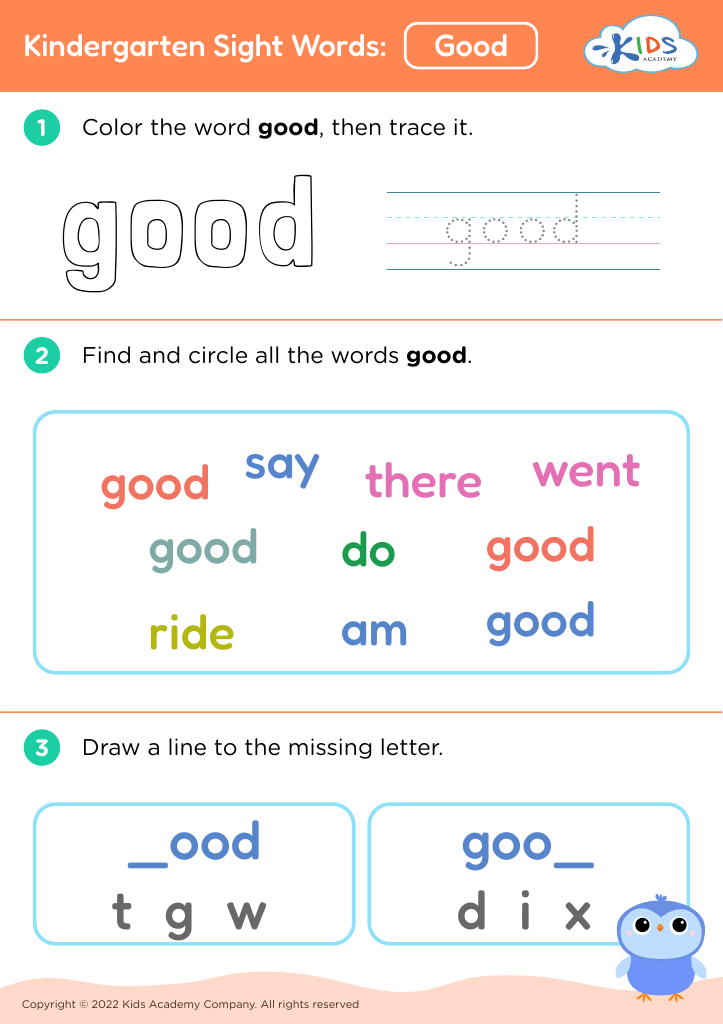
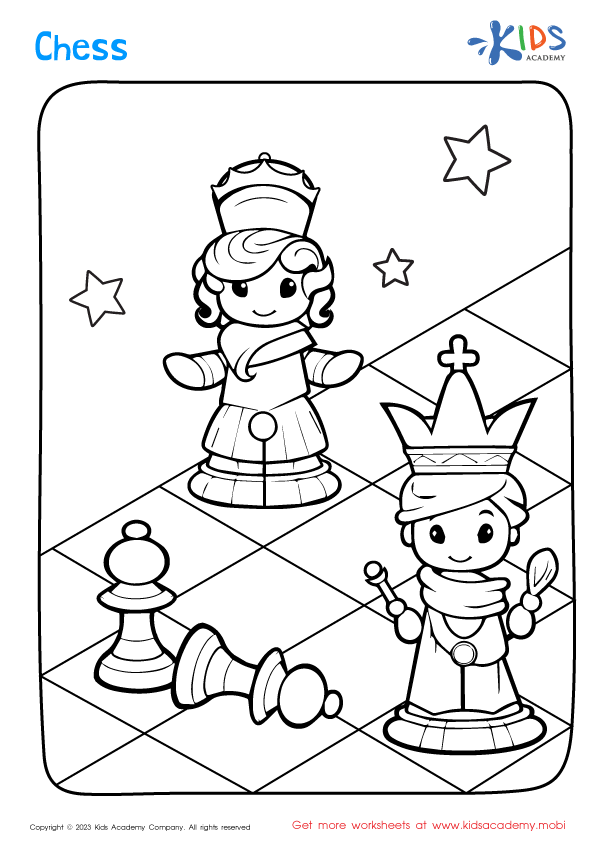







Color identification is fundamental in early childhood development, particularly for children aged 5-7. At this age, children are not only exploring their environment but also boosting their cognitive and visual skills. Understanding colors plays a crucial role in sensory development, enhancing their ability to differentiate and categorize objects, which is essential for problem-solving and critical thinking.
Moreover, color identification is pivotal in language development. It enriches vocabulary as children learn names and nuances of various colors. This vocabulary expansion aids in effective communication, empowering children to engage more fully in conversations about their surroundings.
In educational settings, early mastery of colors aids in artistic expression, allowing children to explore creativity through drawing and painting. By understanding colors, children can also engage in more structured educational activities like sorting games, which foster organizational skills and encourage collaborative play.
For parents and teachers, supporting color identification can enhance learning experiences, increase self-confidence, and cultivate a love for learning. With many skills tied to understanding colors, investing time and resources in this area can significantly impact a child’s overall educational journey and well-being. Fostering color recognition, therefore, should be a priority among educators and caregivers alike.








