Discover engaging "Comparing Fractions Worksheets" designed specifically for children aged 5-7. These interactive printable resources help young learners develop essential math skills by introducing basic concepts of fractions in a fun and imaginative way. Designed with vibrant visuals and child-friendly layouts, our worksheets encourage kids to compare, identify, and operate with fractions in an enjoyable manner. Perfect for home or classroom use, these activities promote critical thinking and enhance foundational math abilities. Help your child build confidence in their math journey today with our easy-to-understand worksheets that make learning about fractions not only educational but exciting!
Check out this FREE "Comparing Fractions" Trial Lesson for age 5-7!

T

Favorites
With answer key
Interactive
  • 5-7
  • Comparing Fractions
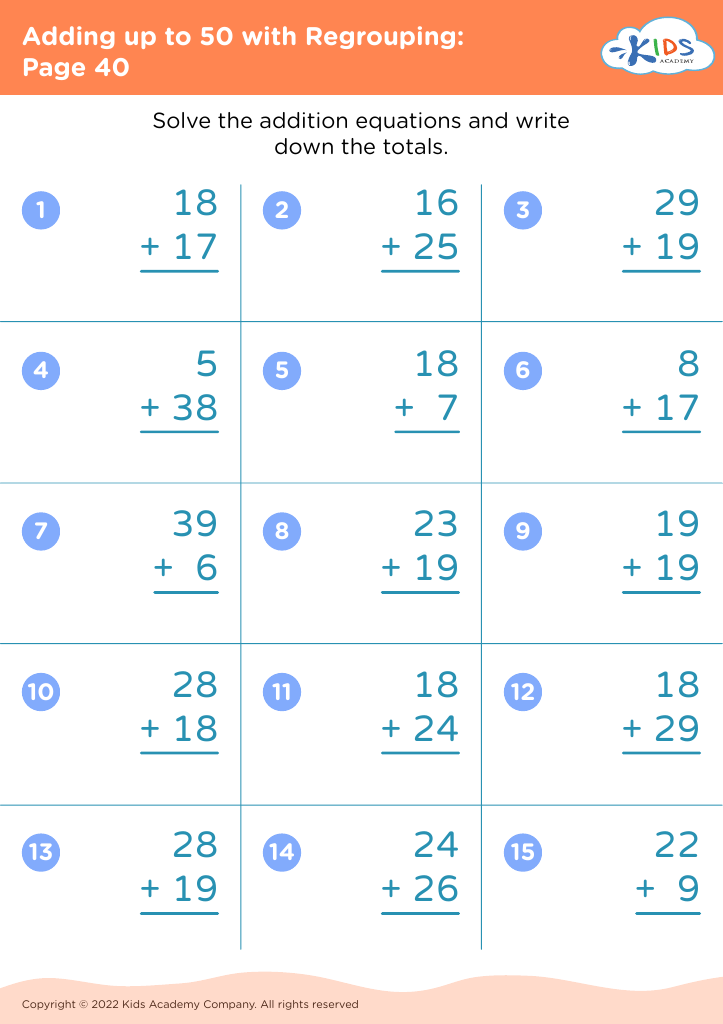
Adding up to 50 with Regrouping: Page 40
Worksheet
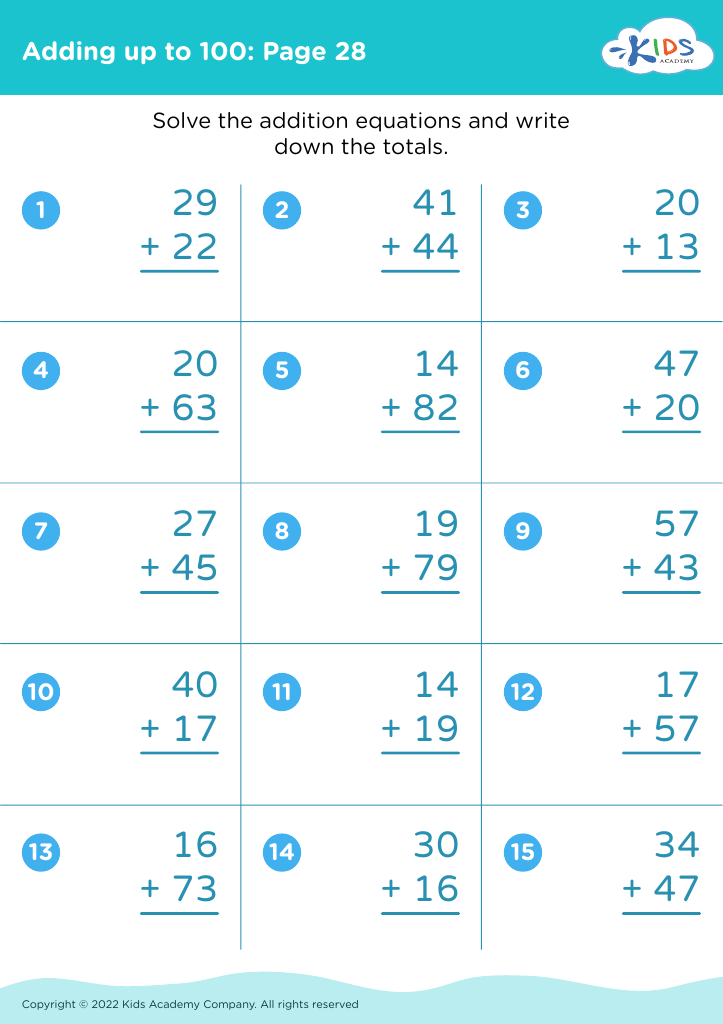
Adding up to 100: Page 28

Adding up to 100: Page 28

Adding up to 100: Page 28
Worksheet
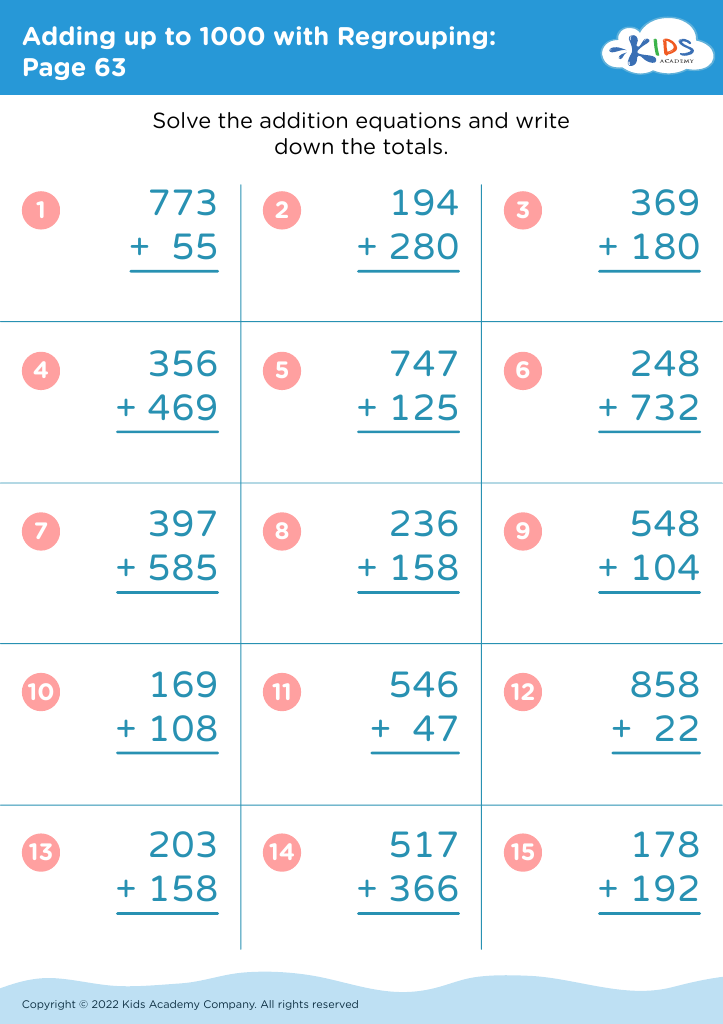
Adding up to 1000 with Regrouping: Page 63
Worksheet
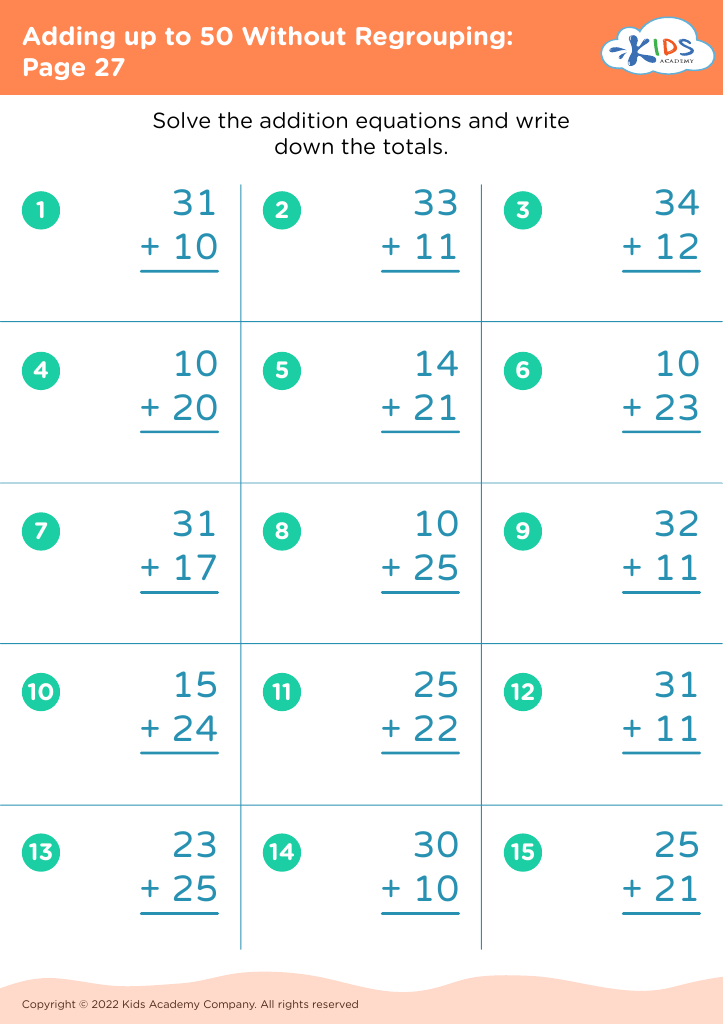
Adding up to 50 Without Regrouping: Page 27
Worksheet
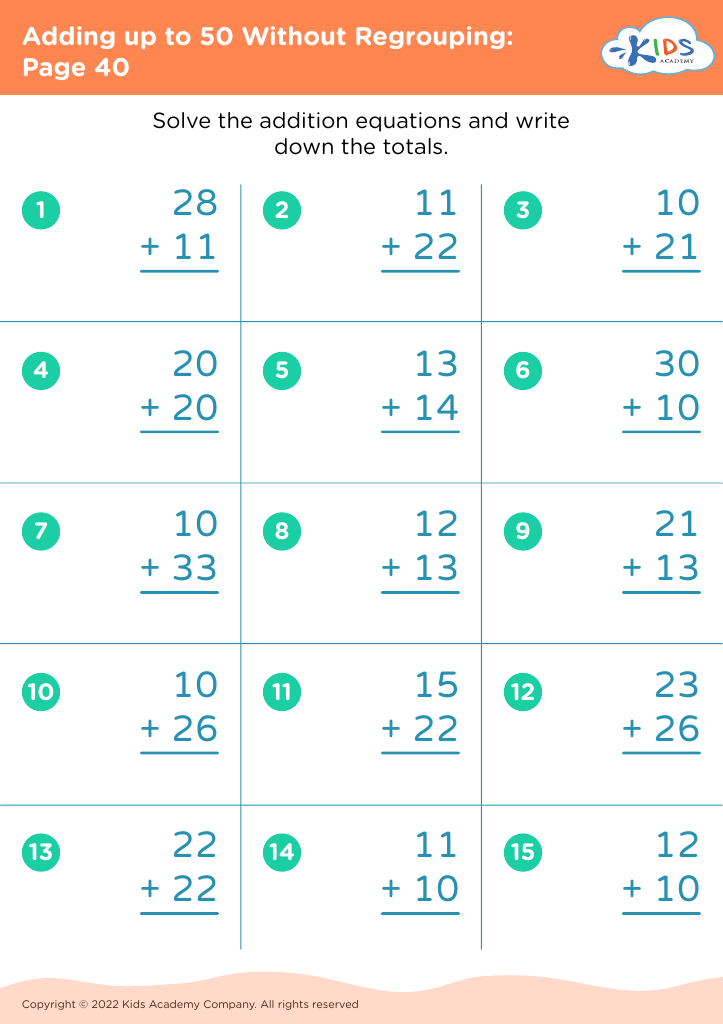
Adding up to 50 Without Regrouping: Page 40
Worksheet
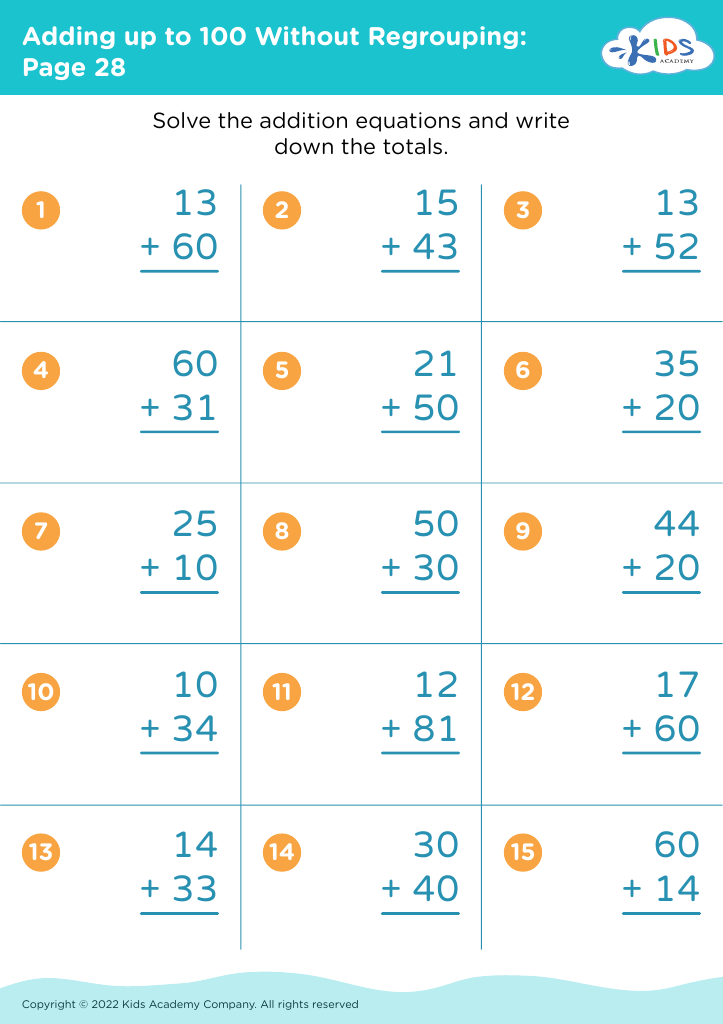
Adding up to 100 Without Regrouping: Page 28
Worksheet
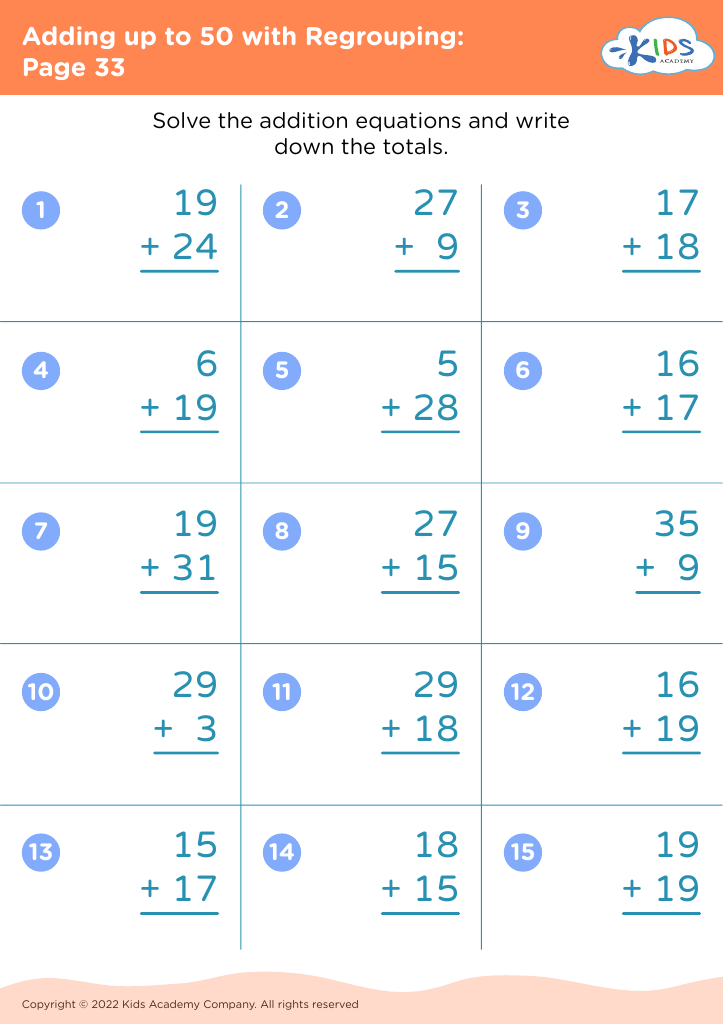
Adding up to 50 with Regrouping: Page 33
Worksheet
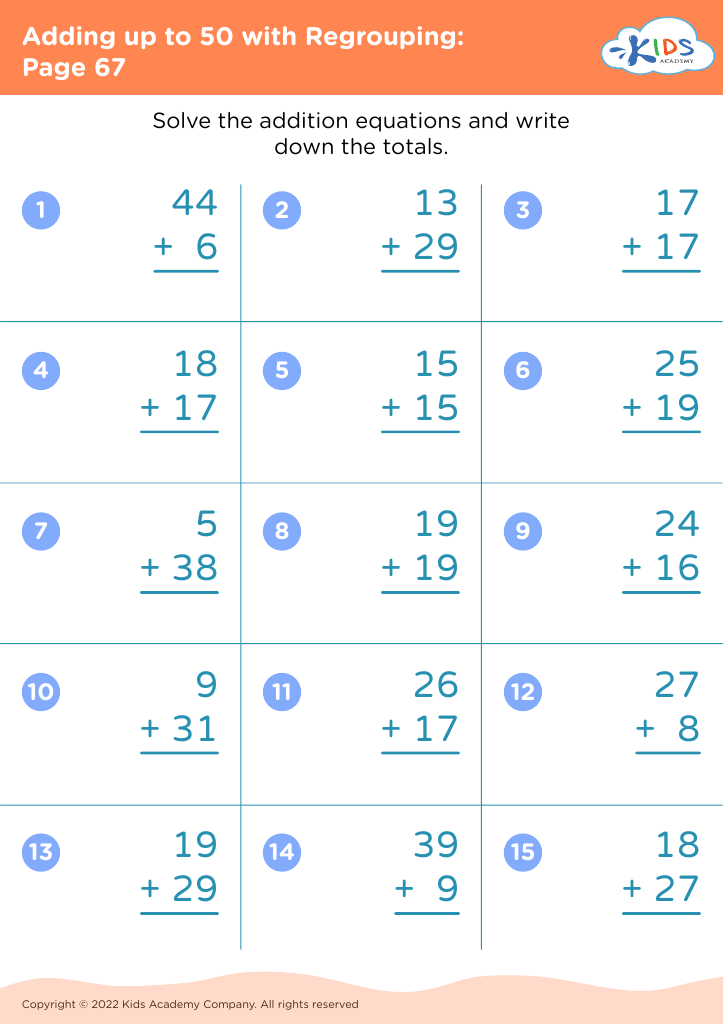
Adding up to 50 with Regrouping: Page 67
Worksheet
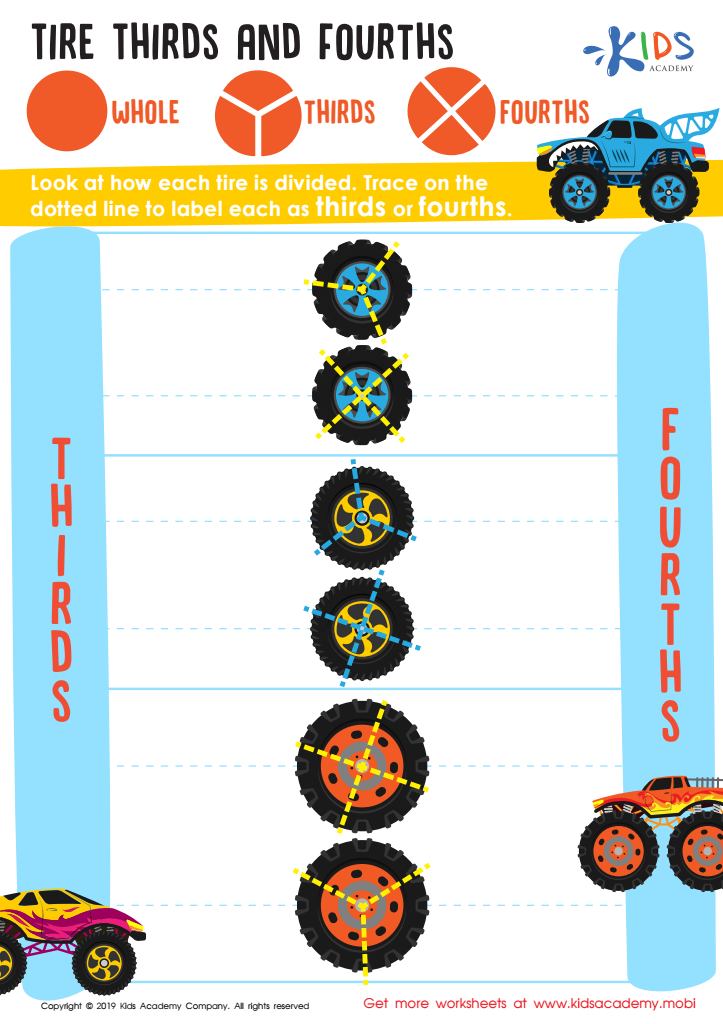
Tire Thirds and Fourths Worksheet

Tire Thirds and Fourths Worksheet

Learning geometry is key in your child's education. Have them identify and name shapes cut into 2, 3 and 4 parts. Test their knowledge with this worksheet - trace the dotted line to label each as third or fourth. Encourage them to keep learning!
Tire Thirds and Fourths Worksheet
Worksheet
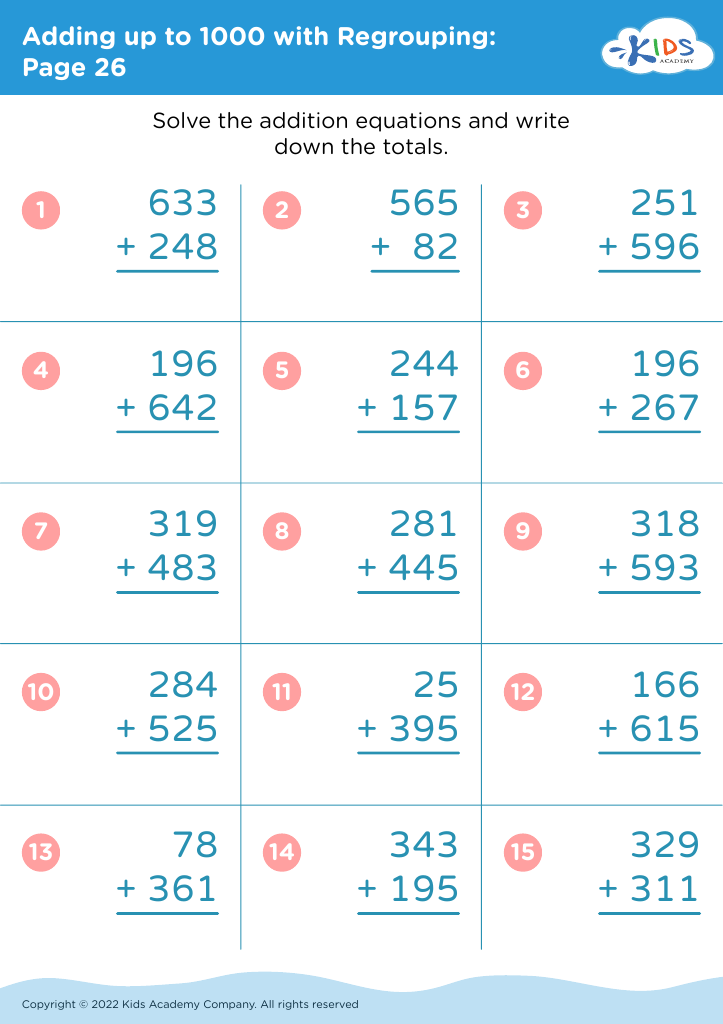
Adding up to 1000 with Regrouping: Page 26
Worksheet
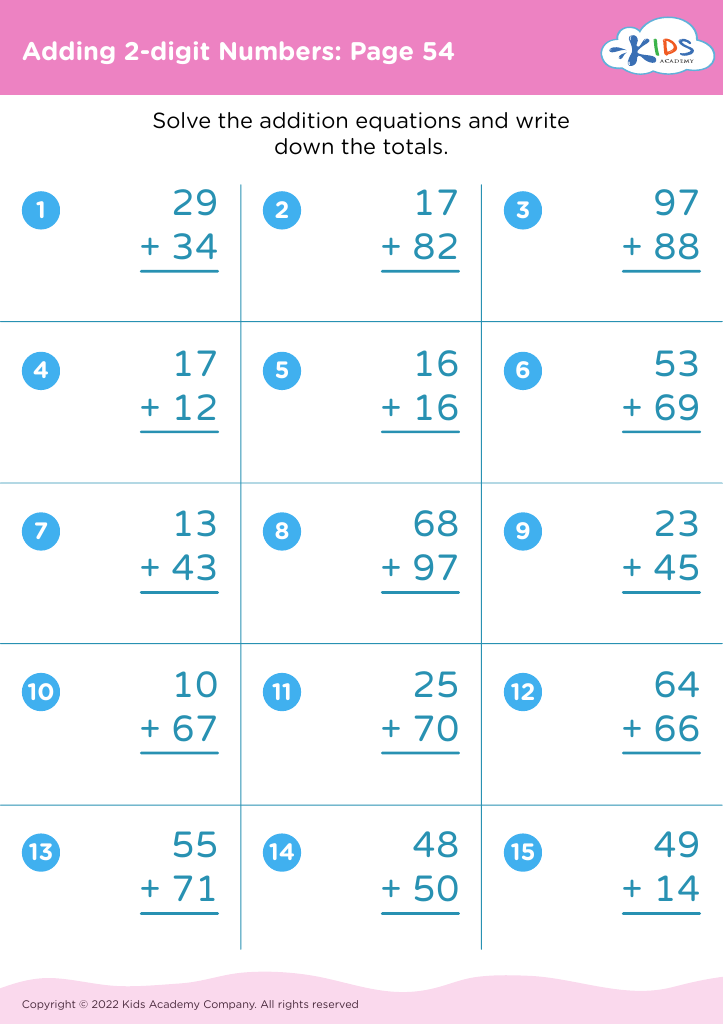
Adding 2-digit Numbers: Page 54

Adding 2-digit Numbers: Page 54

Adding 2-digit Numbers: Page 54
Worksheet
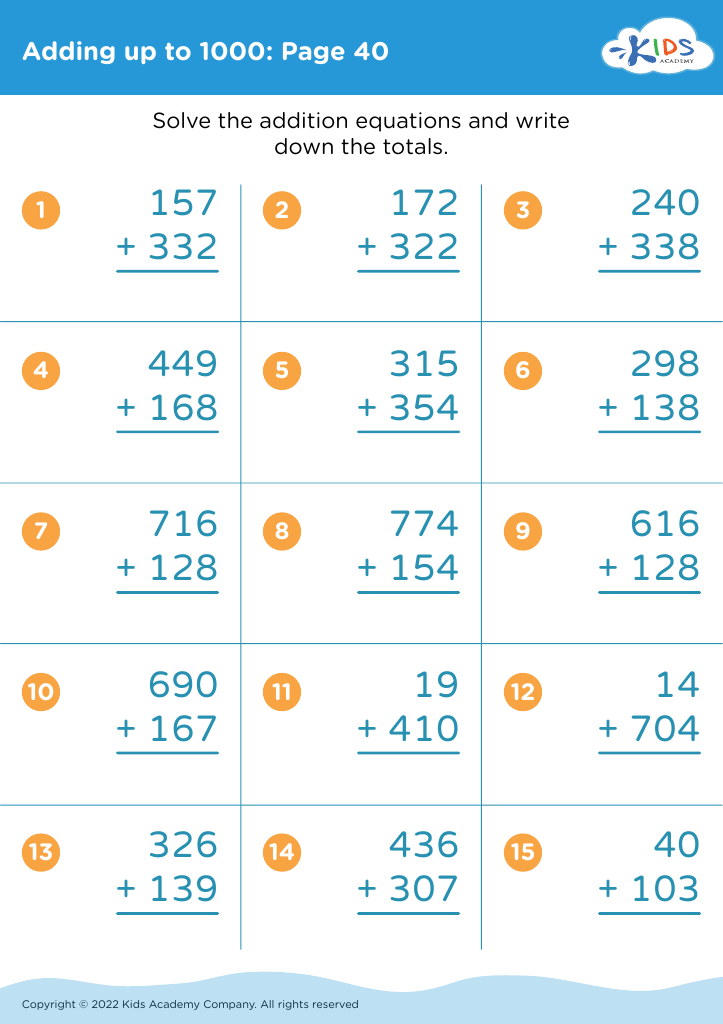
Adding up to 1000: Page 40

Adding up to 1000: Page 40

Adding up to 1000: Page 40
Worksheet
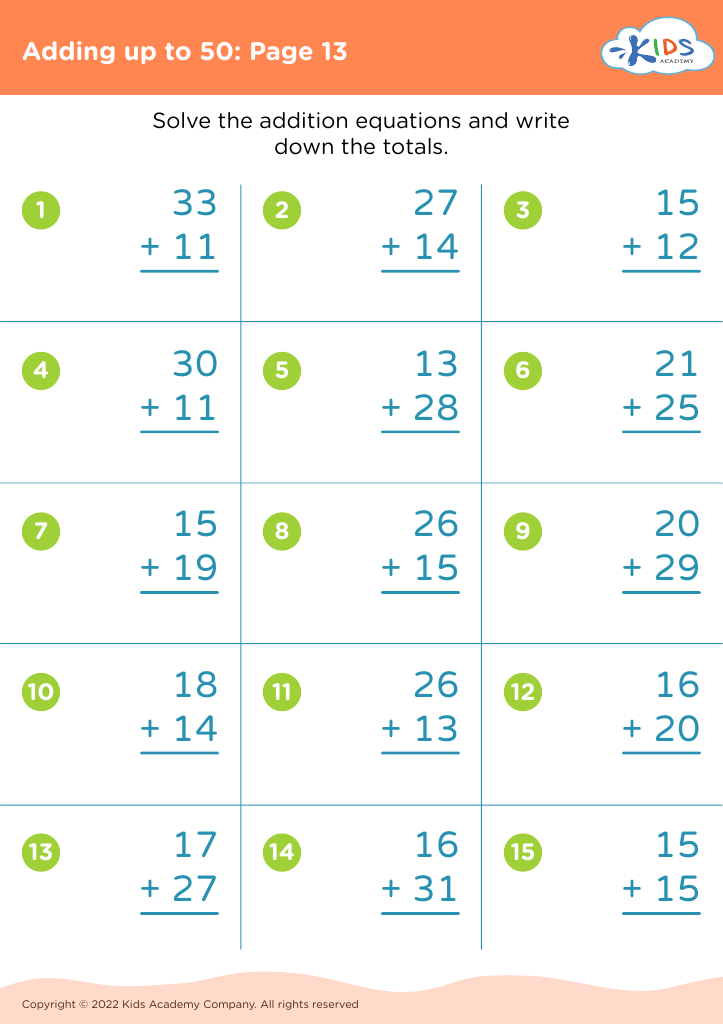
Adding up to 50: Page 13

Adding up to 50: Page 13

Adding up to 50: Page 13
Worksheet
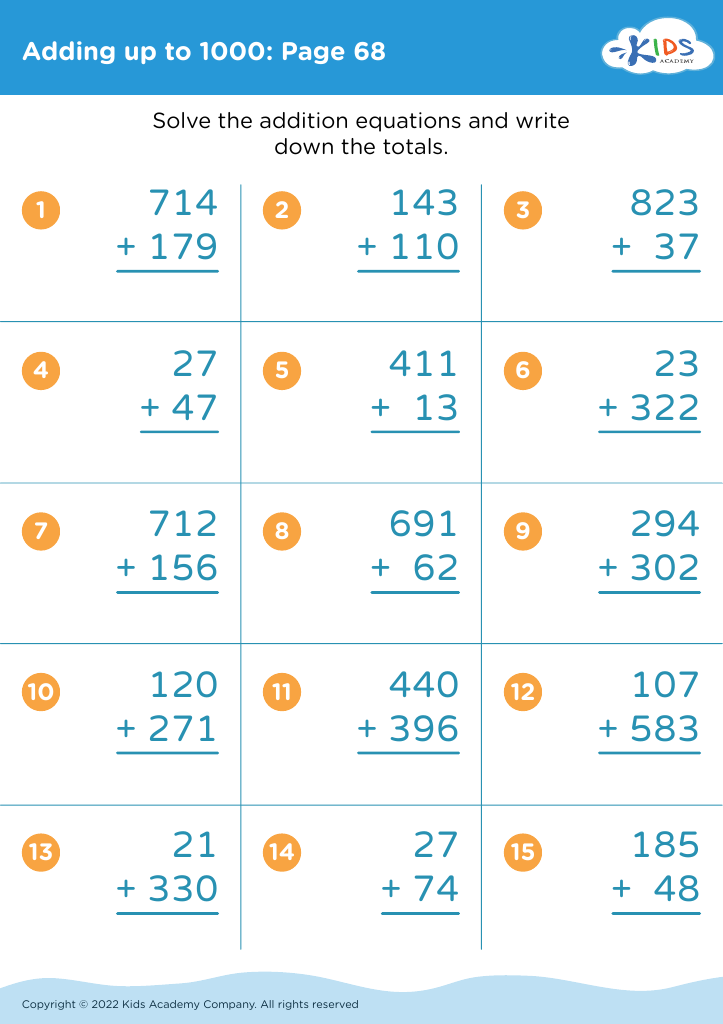
Adding up to 1000: Page 68

Adding up to 1000: Page 68

Adding up to 1000: Page 68
Worksheet
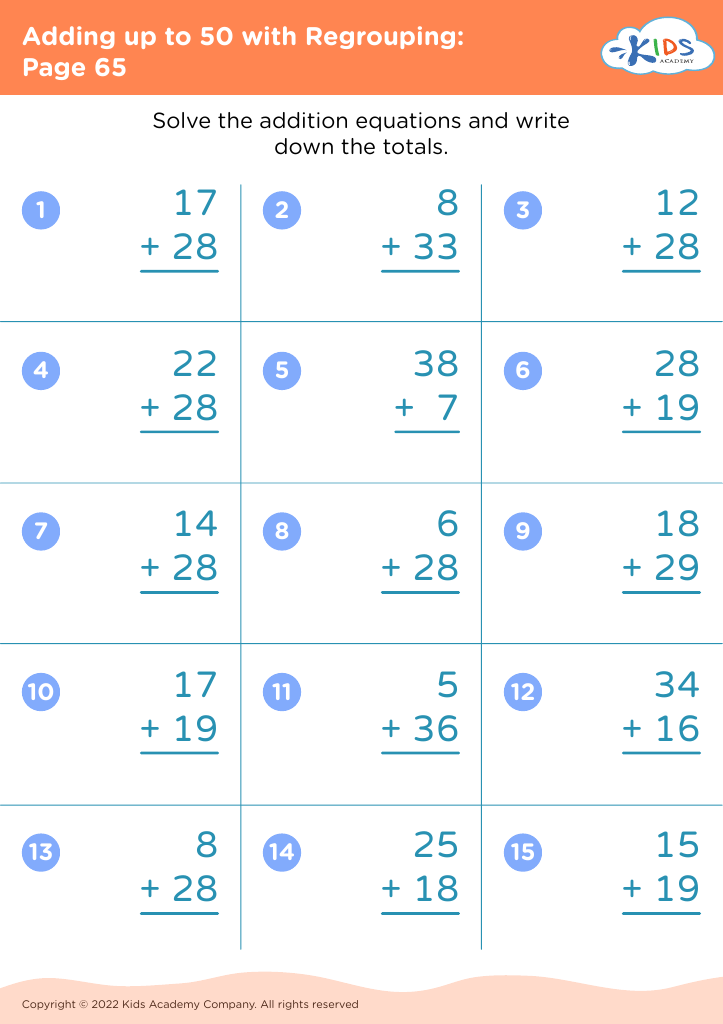
Adding up to 50 with Regrouping: Page 65
Worksheet
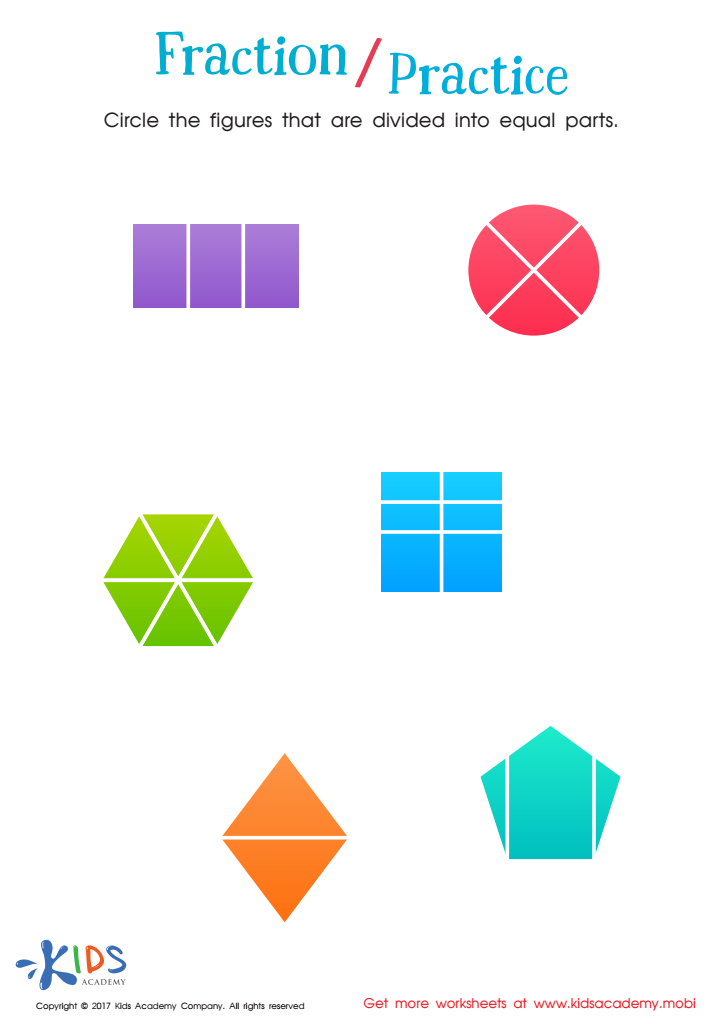
Fraction Practice Printable

Fractions: Shapes Worksheet

Get your printable now. Kids learn math differently today than you did in school; understanding concepts rather than memorizing facts. Help your child understand fractions with this printable worksheet. It'll help your child recognize parts of a whole, identify equal parts and build a foundation for numeracy. A better understanding sets kids up for math success! Get your printable now.
Fractions: Shapes Worksheet
Worksheet
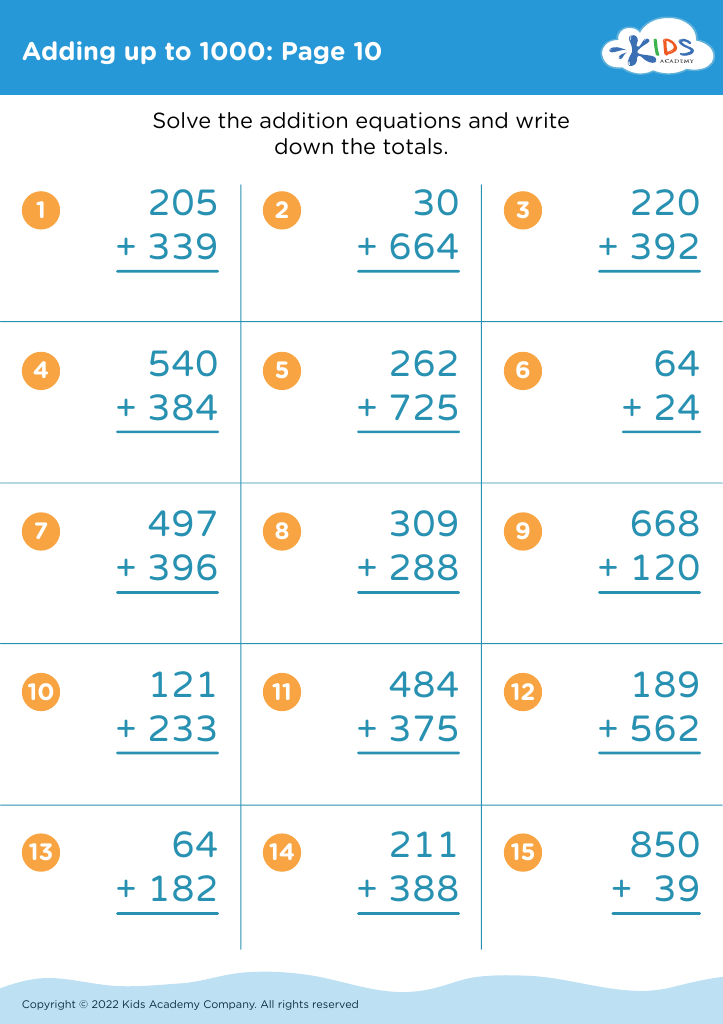
Adding up to 1000: Page 10

Adding up to 1000: Page 10

Adding up to 1000: Page 10
Worksheet
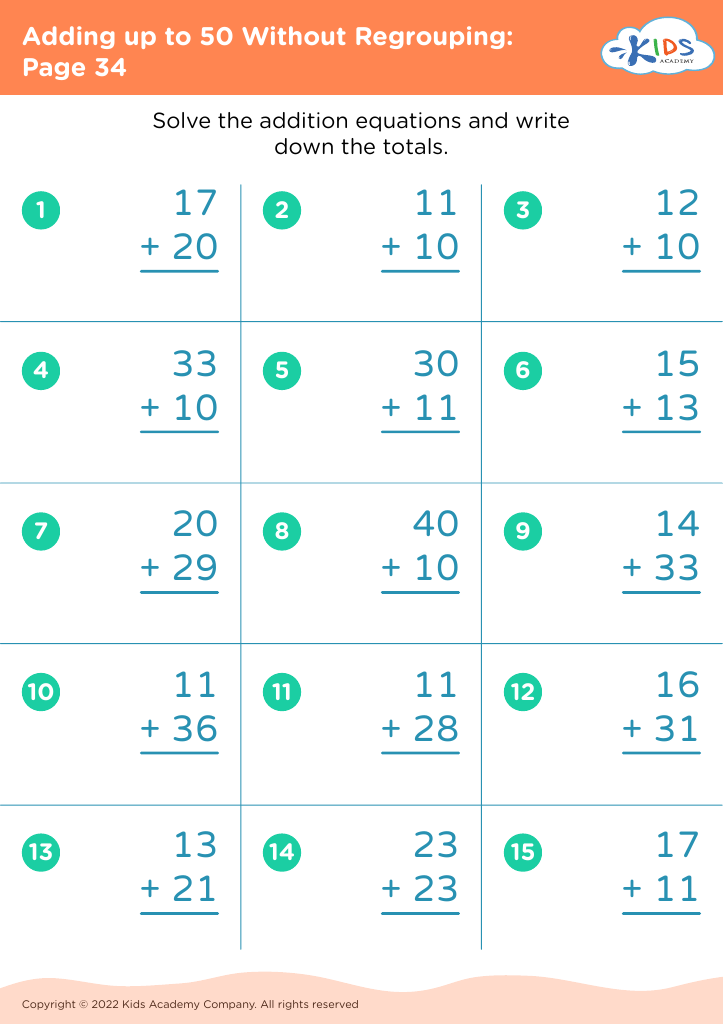
Adding up to 50 Without Regrouping: Page 34
Worksheet
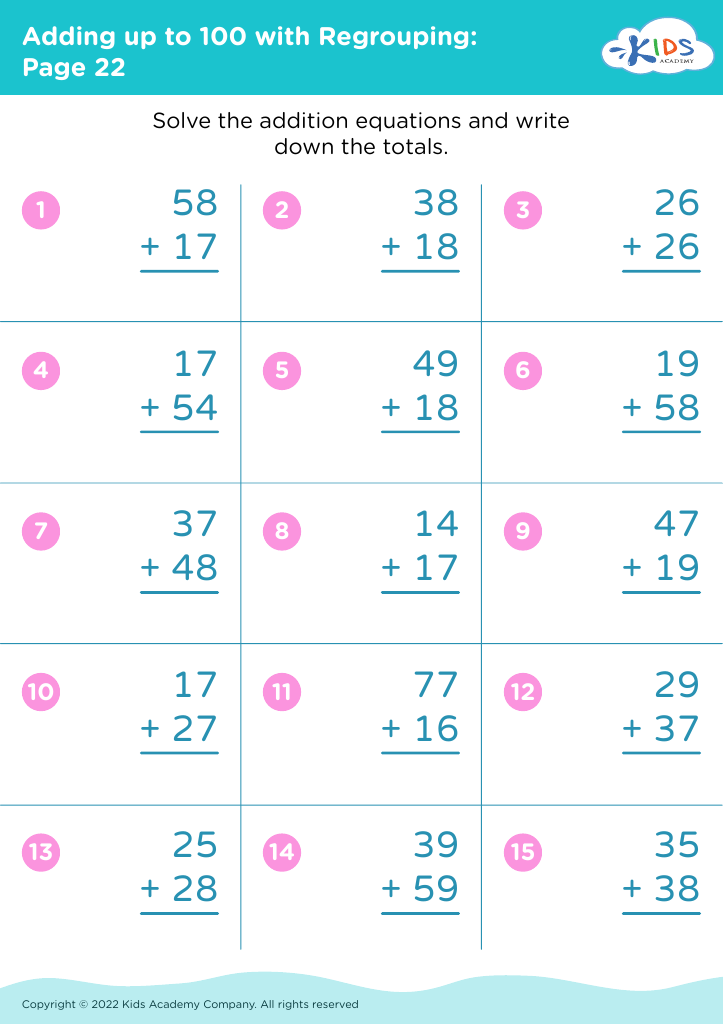
Adding up to 100 with Regrouping: Page 22
Worksheet
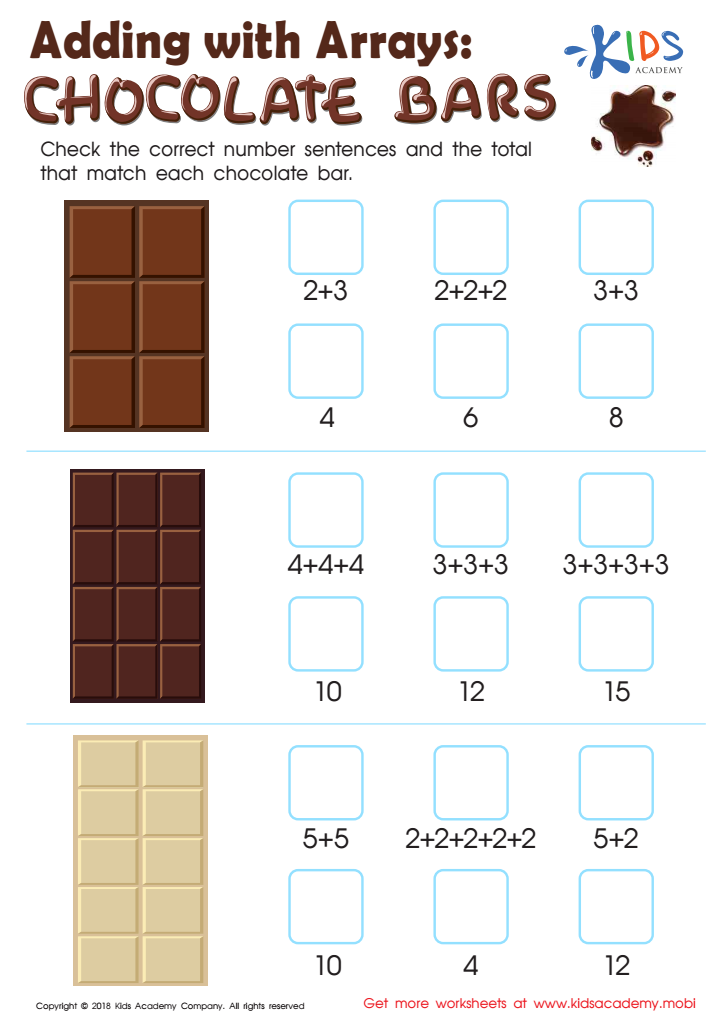
Adding with Arrays: Chocolate Bars Worksheet
Adding with Arrays: Chocolate Bars Worksheet
Kids love chocolates! Gauge how enthused your kids get when you mention them. This worksheet is a fun exercise about chocolates - get your kids to check the correct number sentences and totals for each chocolate bar. Reward their hard work with some chocolates - extra incentive for a job well done!
Adding with Arrays: Chocolate Bars Worksheet
Worksheet
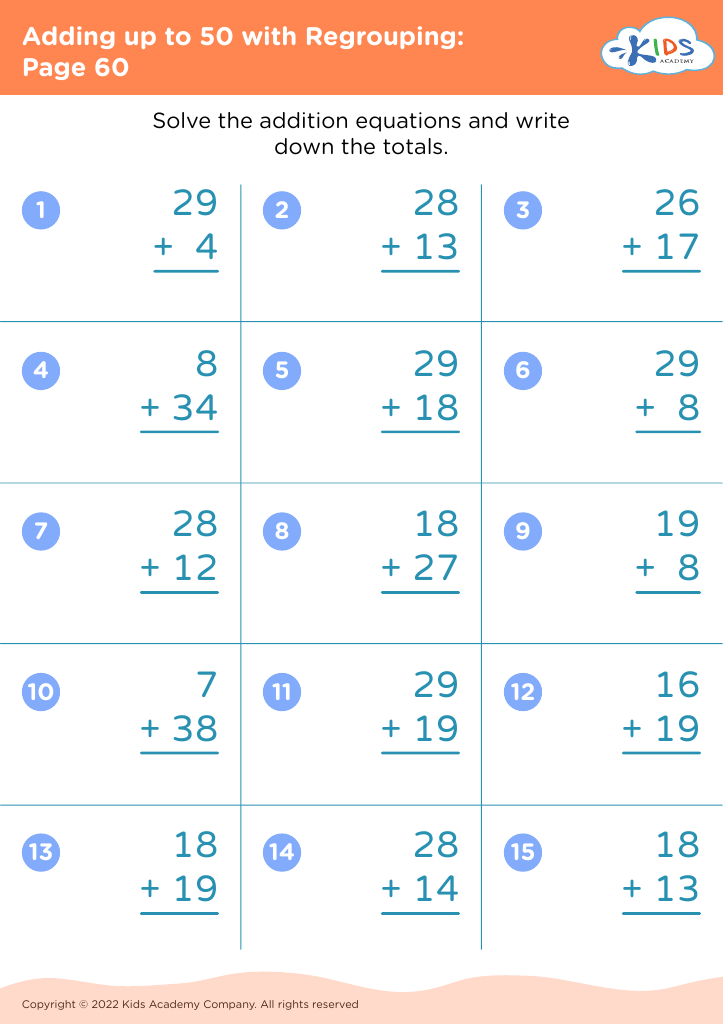
Adding up to 50 with Regrouping: Page 60
Worksheet
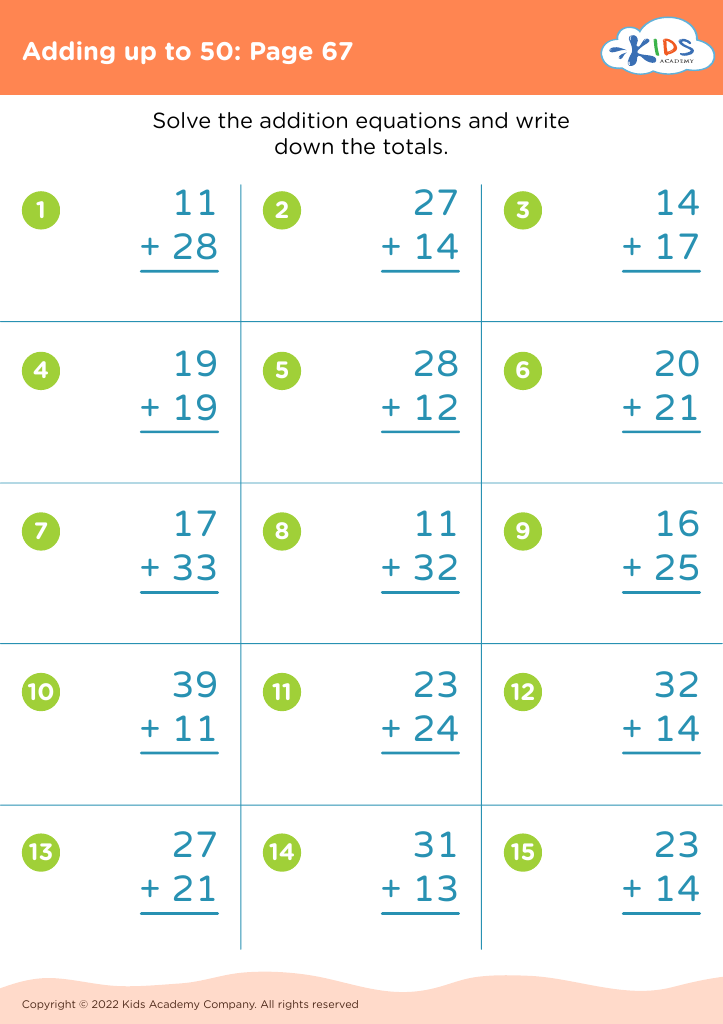
Adding up to 50: Page 67

Adding up to 50: Page 67

Adding up to 50: Page 67
Worksheet
Bubbling Over Worksheet


Bubbling Over Worksheet

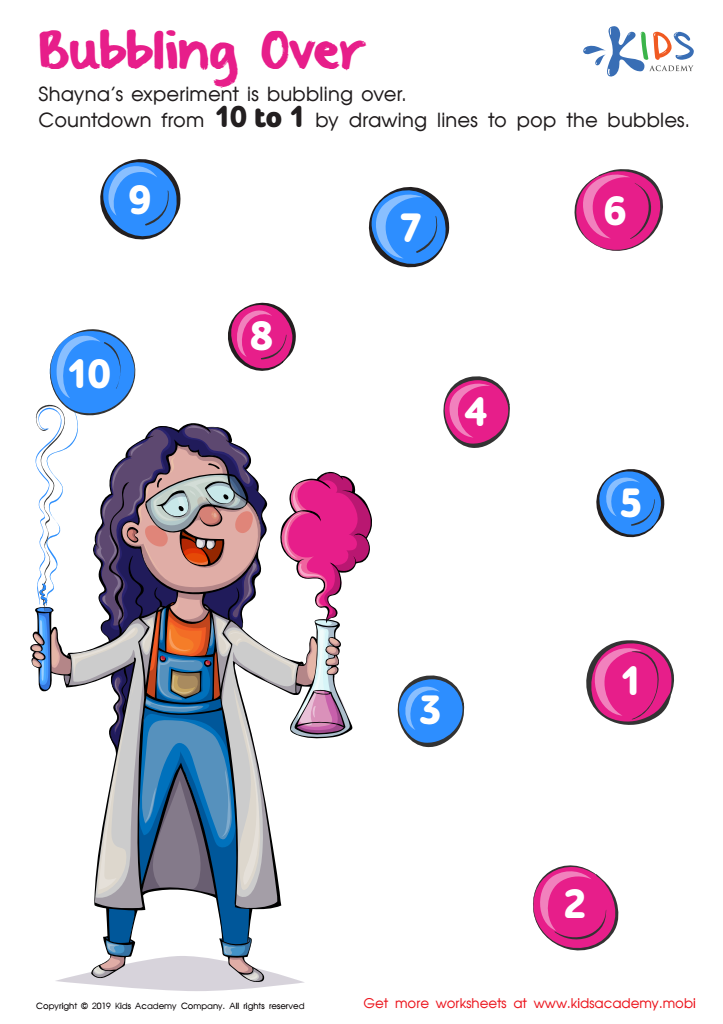
Students love science experiments at the lab! They get to practice their counting skills while creating a masterpiece or an unexpected catastrophe! Ask them to count down from 10 to 1 by drawing lines to 'pop' the bubbles coming out of Shayna's experiment in the worksheet.
Bubbling Over Worksheet
Worksheet
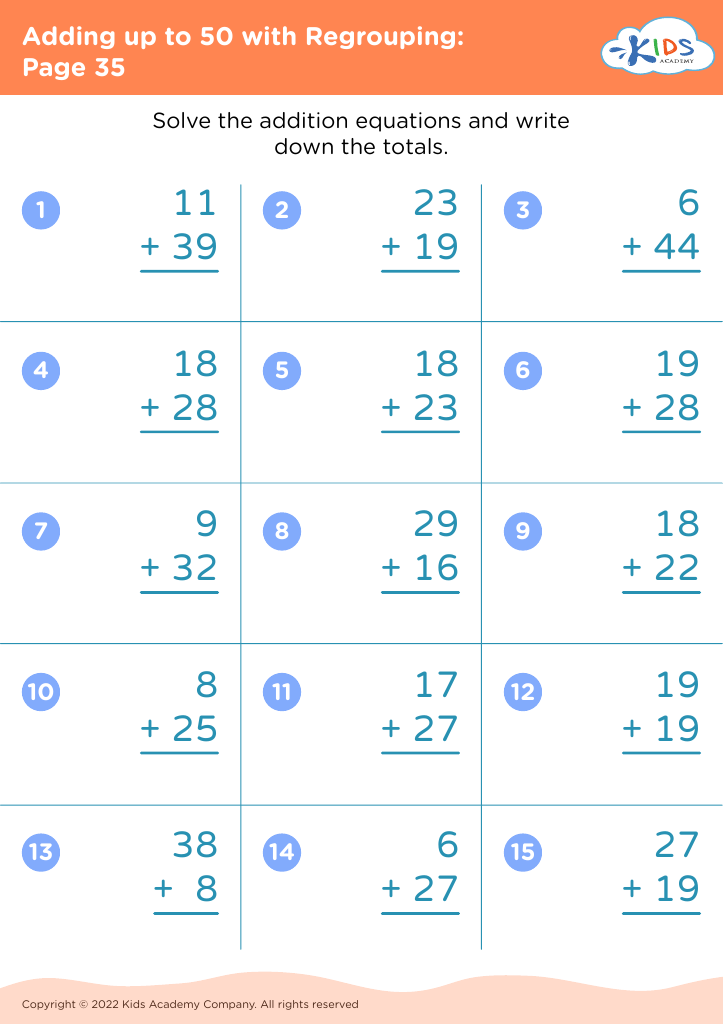
Adding up to 50 with Regrouping: Page 35
Worksheet


Parents and teachers should prioritize teaching children ages 5-7 about comparing fractions because it establishes foundational math skills essential for future learning. At this age, children begin to develop their numeric understanding, and comparing fractions engages early critical thinking and problem-solving abilities. This skill also fosters a deeper comprehension of part-whole relationships, which is crucial in everyday life activities, such as cooking or sharing food.

Furthermore, learning to compare fractions helps children strengthen their understanding of numeric properties, as they explore concepts like equivalence, greater than, less than, and the importance of whole units. Using visual aids like pie charts or fraction bars makes these abstract concepts more tangible, enhancing their learning experience.

Moreover, grasping fractions at an early stage supports their transition into more complex mathematical concepts, including addition, subtraction, and even early algebra, as they progress in their educational journey. It encourages a positive relationship with math, reducing anxiety and fostering confidence. As future problem solvers, these skills can help children navigate various situations in academics and daily life, making them valuable not just in math class, but in fostering logical reasoning that extends beyond the classroom. Investing in these early skills is an investment in their overall educational growth.