
Increase vocabulary knowledge Worksheets for Ages 5-7
4 filtered results
Difficulty Level
Grade
Age
-
From - To
Subject
Activity
Standards
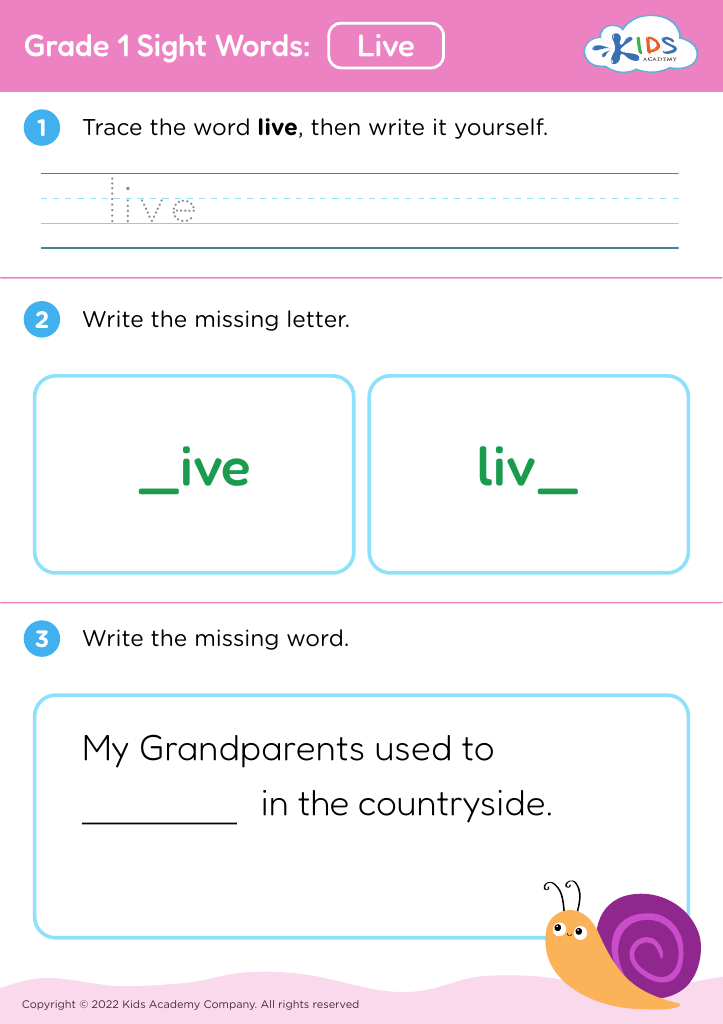
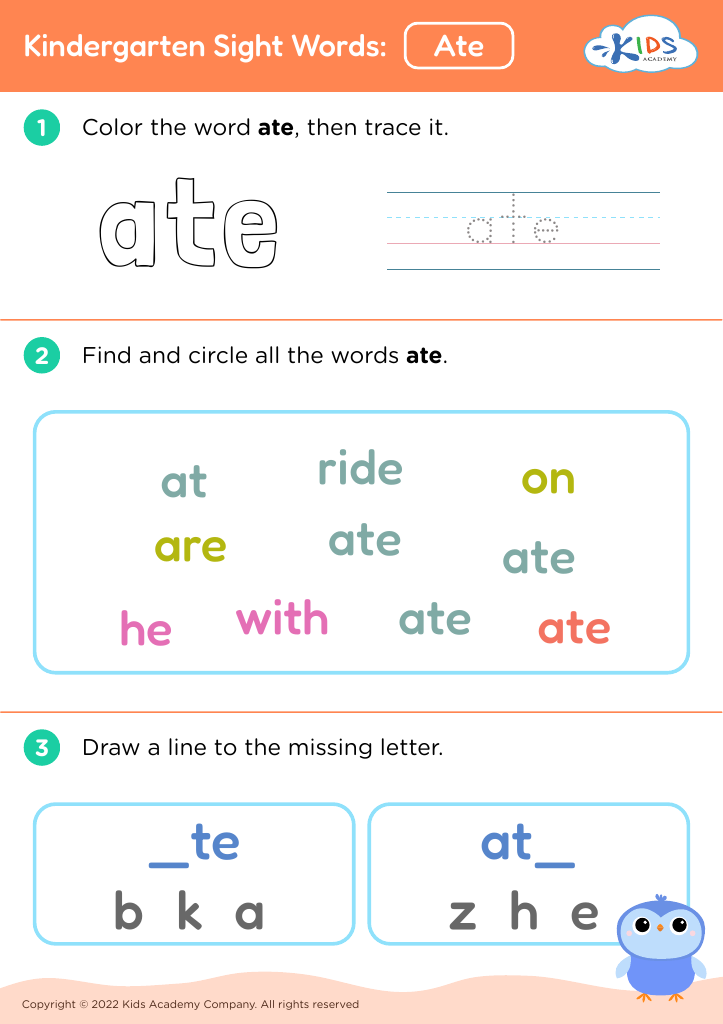
Unlock your child's potential with our "Increase Vocabulary Knowledge Worksheets" designed for ages 5-7! These engaging and colorful worksheets are specifically crafted to enhance vocabulary skills in young learners. Our activities promote word recognition, comprehension, and usage, helping children to express themselves more confidently in both oral and written forms. With a variety of fun exercises, including matching, fill-in-the-blanks, and word searches, kids will enjoy the interactive learning experience while building their vocabulary foundation. Inspire a love for words and boost literacy skills from an early age with these effective and enjoyable worksheets! Perfect for home or classroom use.
Favorites
With answer key
Interactive
Join Kids Academy for Free
Who is primarily going to use this learning content?







Increasing vocabulary knowledge in children aged 5 to 7 is crucial for several reasons. At this age, children's brains are rapidly developing, making it the perfect time for them to absorb new words and concepts. Vocabulary enhances not just language skills but also cognitive and social development. A robust vocabulary allows children to express their thoughts and feelings more accurately, fostering communication skills and self-confidence.
Moreover, vocabulary is foundational for academic success. Early readers with a rich vocabulary can comprehend stories and texts better, leading to improved literacy and overall academic performance. It also helps them engage fully in discussions during classroom interactions, promoting critical thinking and participation.
Additionally, strong vocabulary knowledge contributes to social skills. Children who can articulate their ideas are more likely to make friends and collaborate effectively with peers. Parents and teachers play a critical role in this development. By engaging children in discussions, reading a variety of books, and introducing new words in everyday conversations, they can nurture a love of language and learning.
In summary, focusing on vocabulary growth is essential for healthy intellectual, academic, and social development during these formative years. Investing in vocabulary education now will benefit children throughout their lives.








