Logical thinking development Worksheets for Ages 5-7
21 filtered results
-
From - To
Stimulate your child's intellect with our "Logical Thinking Development Worksheets for Ages 5-7." Designed to ignite curiosity and promote critical thinking, these engaging activities help young learners strengthen problem-solving skills. With colorful patterns, puzzles, and sequencing exercises, children will enjoy a fun, educational experience that builds a solid foundation for future learning. Our expertly crafted worksheets focus on boosting cognitive abilities while keeping kids entertained. Perfect for both classroom and home use, these printables are an excellent resource for parents and educators striving to prepare their students for academic success. Unlock your child's potential today with our dynamic learning tools!
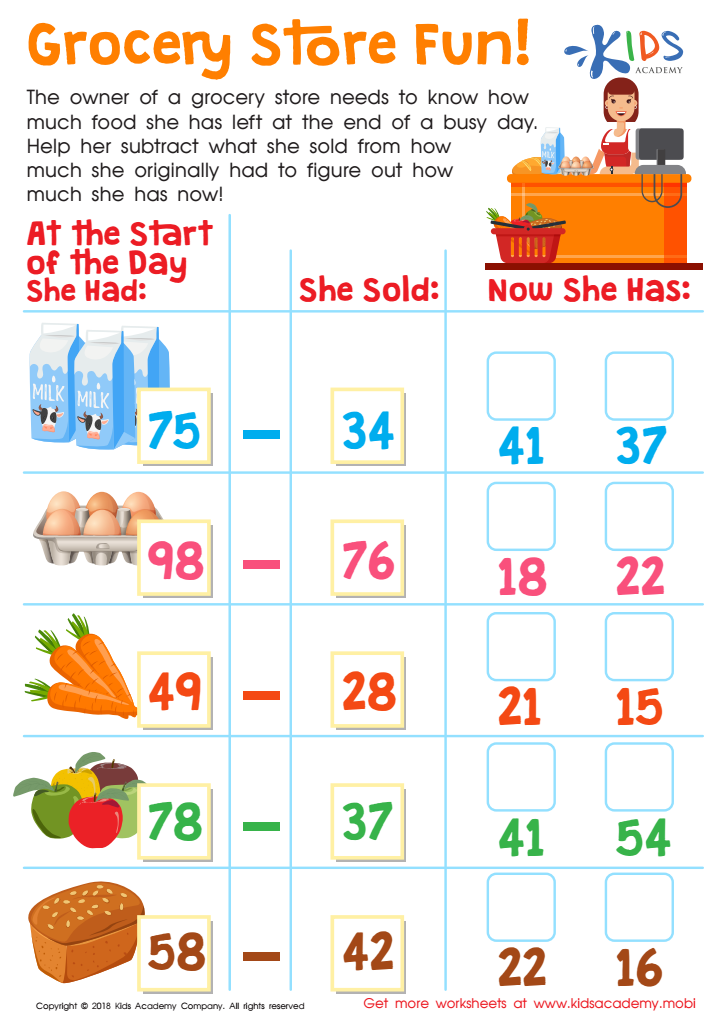
Grocery Store Fun! Worksheet
 Assign to My Students
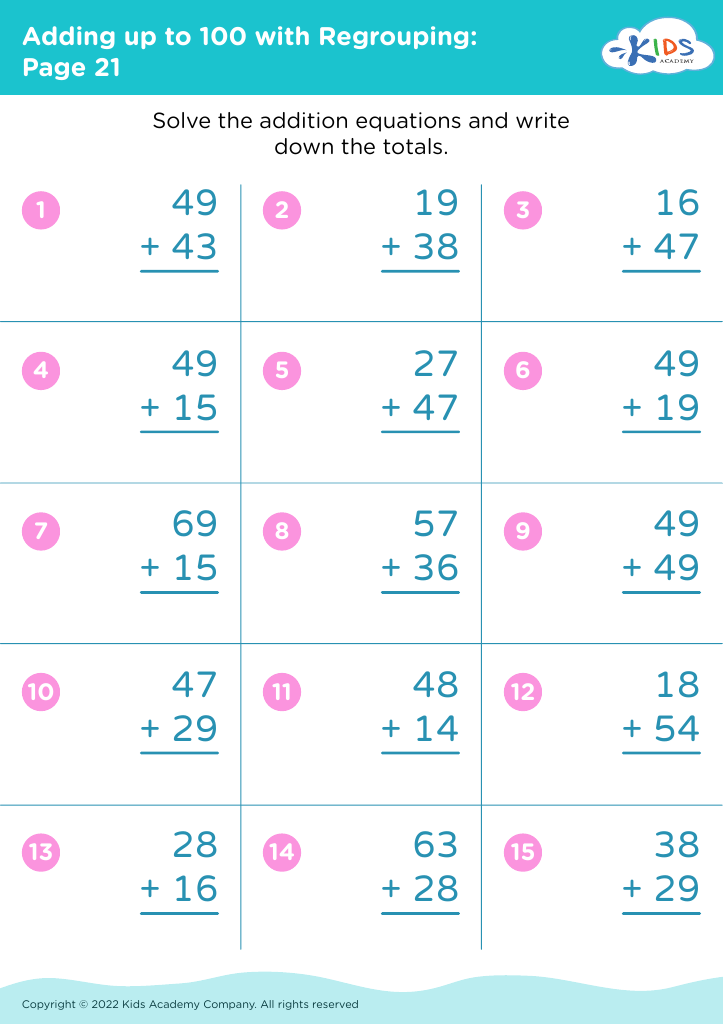
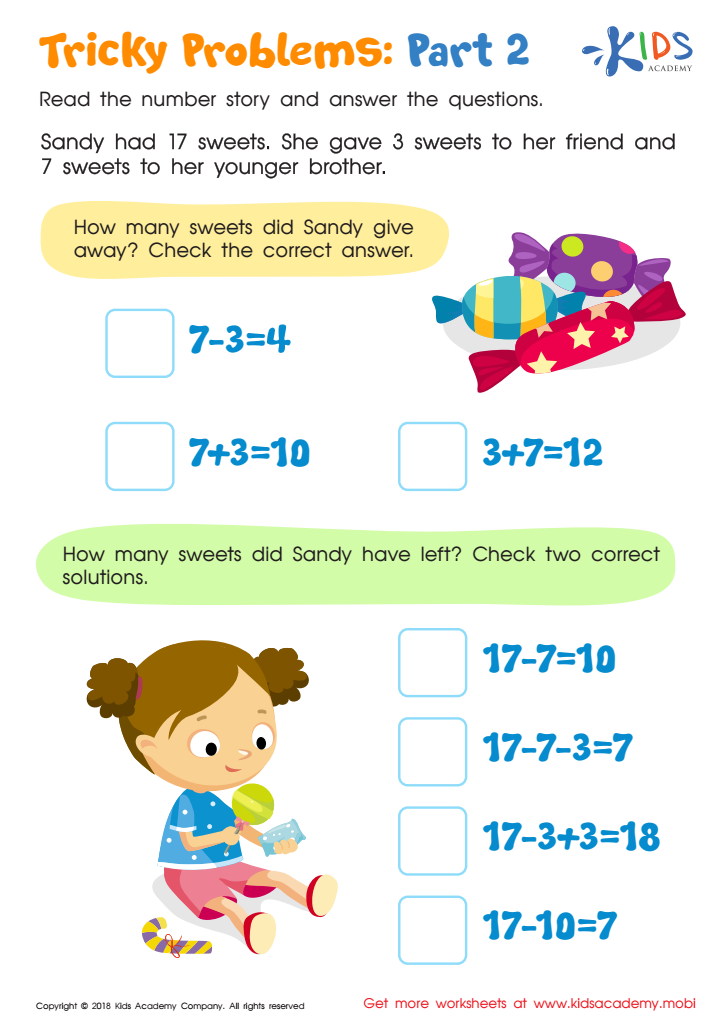
Tricky Problems Worksheet: Part 2

Match the Word Problems Worksheet
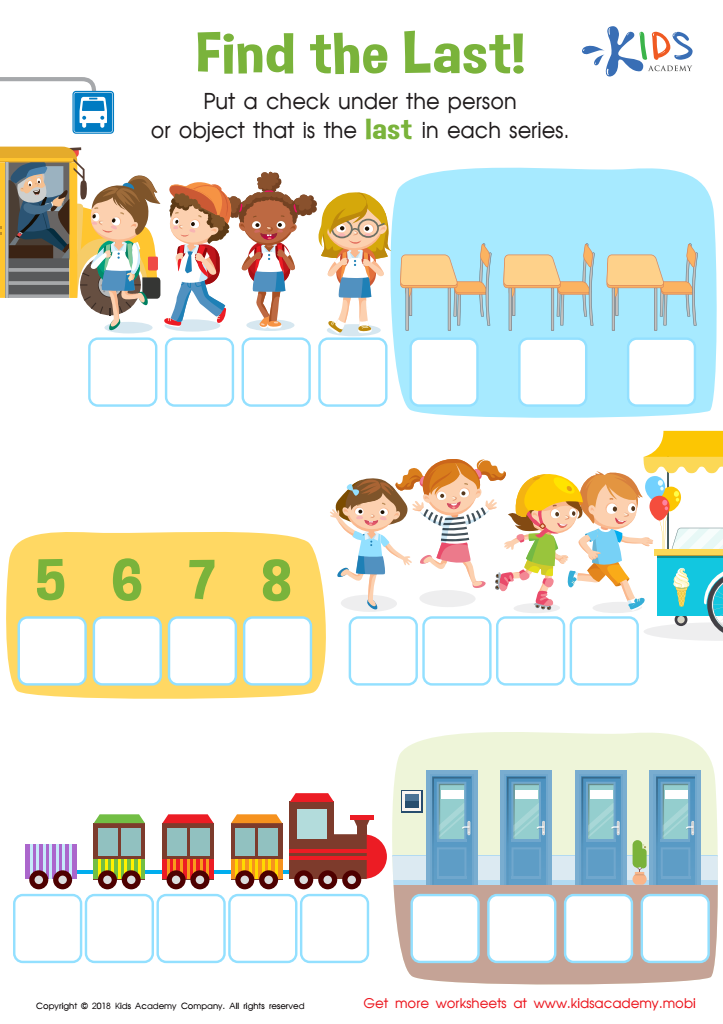
Find the Last! Worksheet
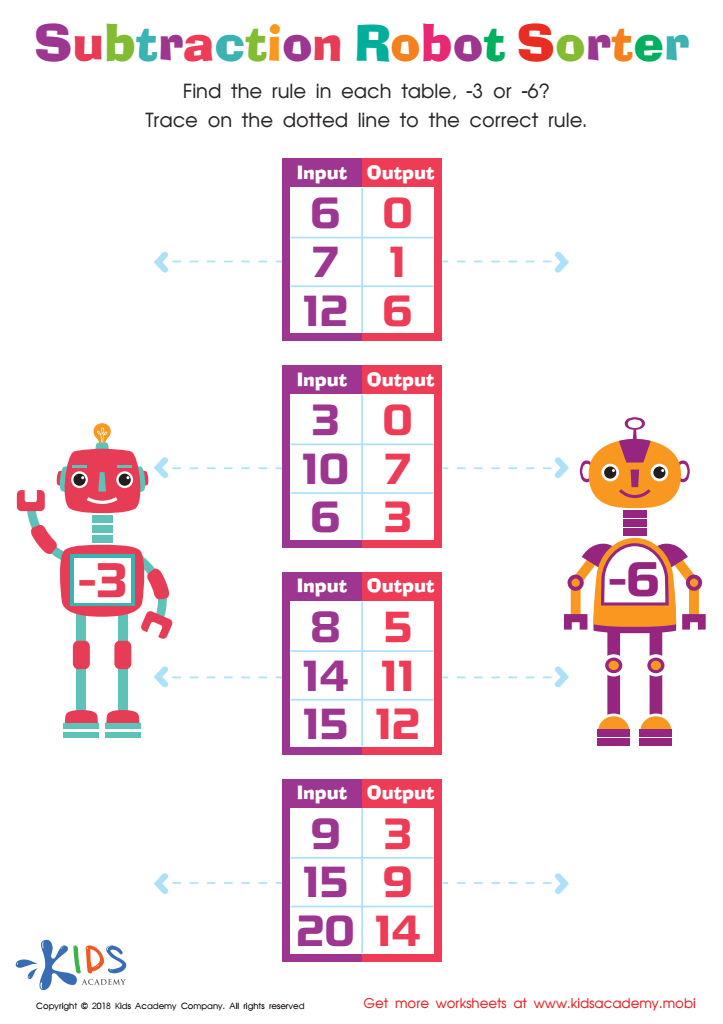
Subtraction Robot Sorter Worksheet

Which Direction Will it Go? Worksheet
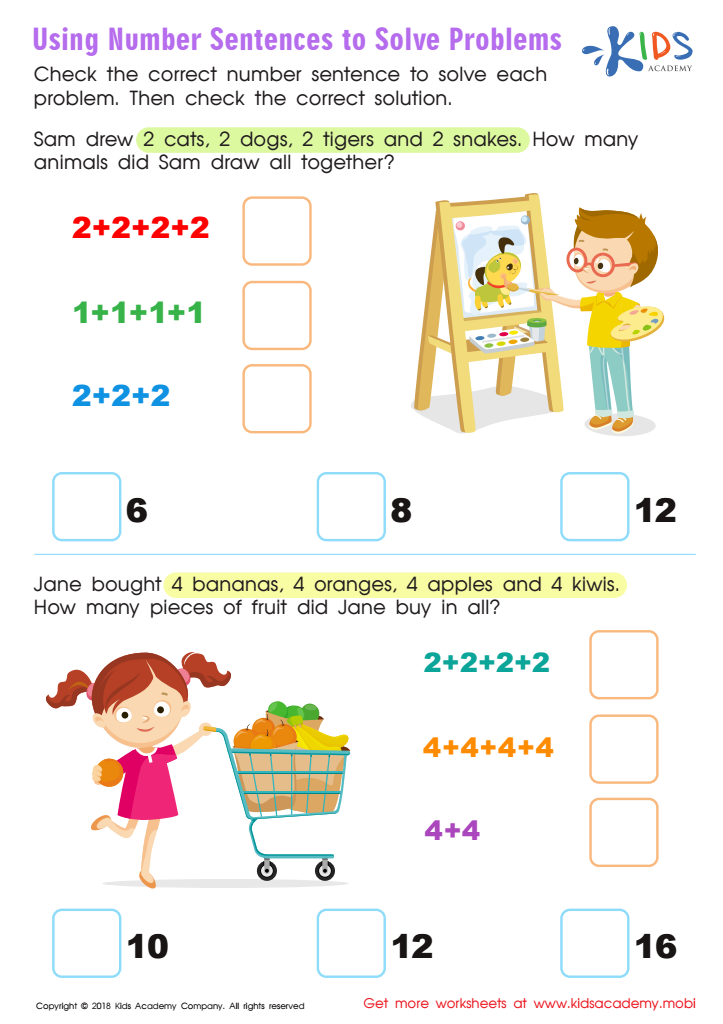
Using Number Sentences to Solve Problems Worksheet

Comparing Solutions Worksheet
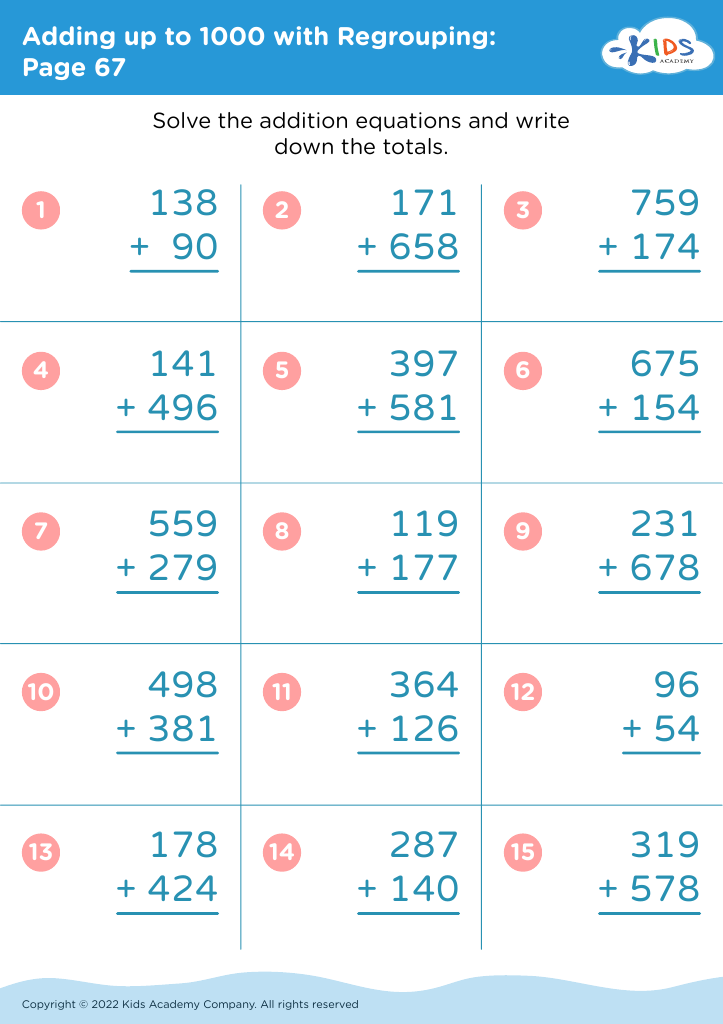

Beaver Pond: Comparing Solutions Worksheet
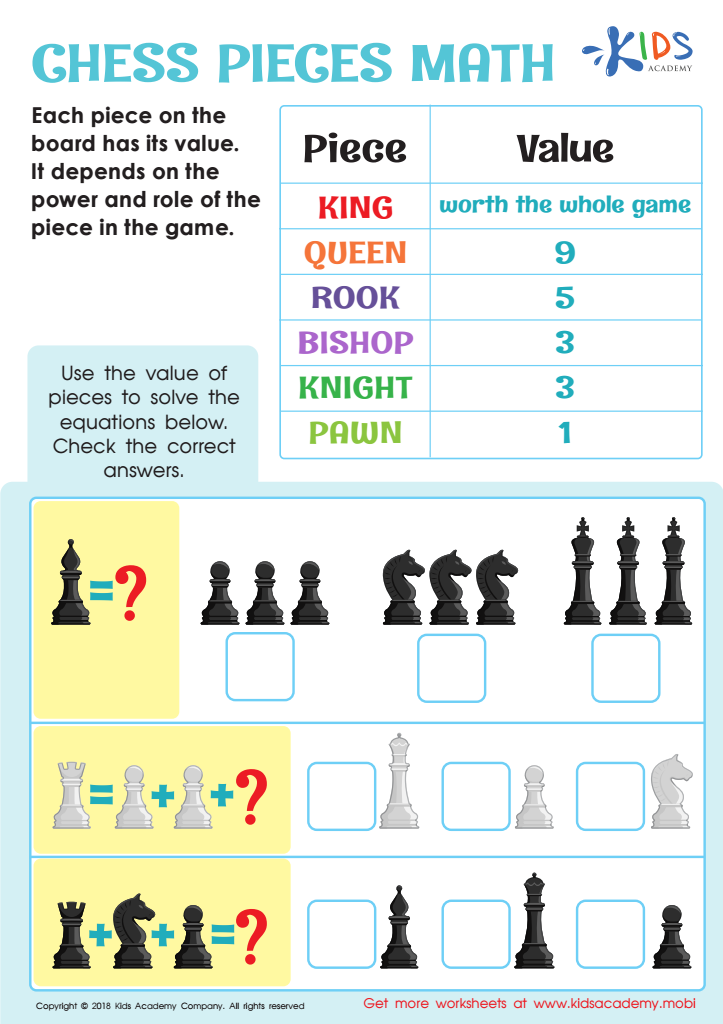
Chess Pieces Math Worksheet
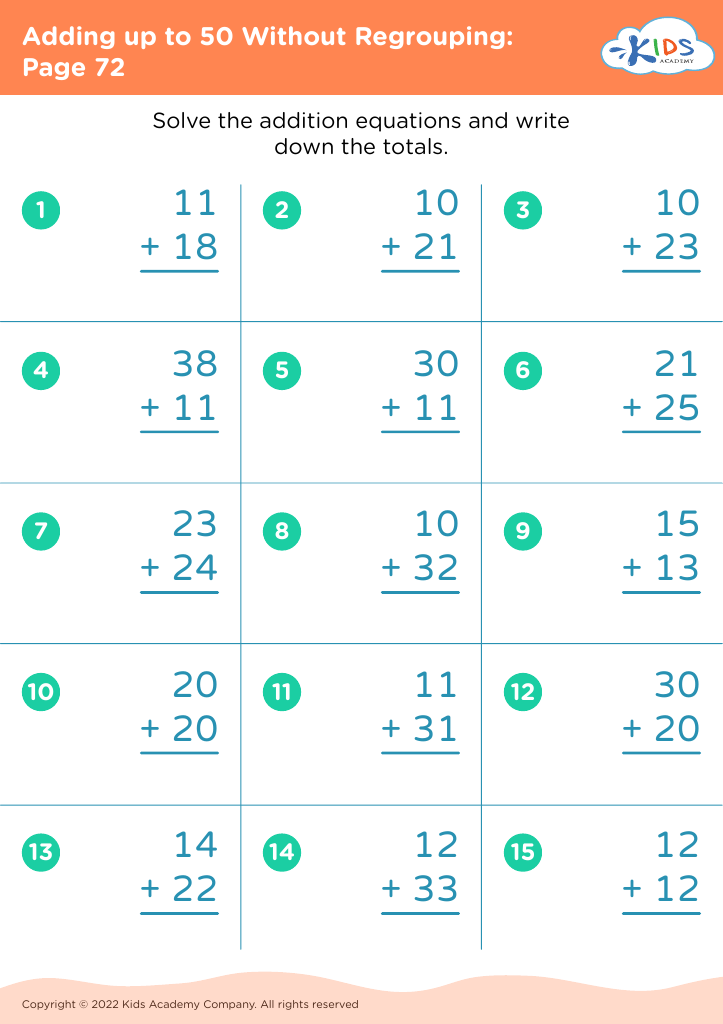

Math Puzzle Worksheet
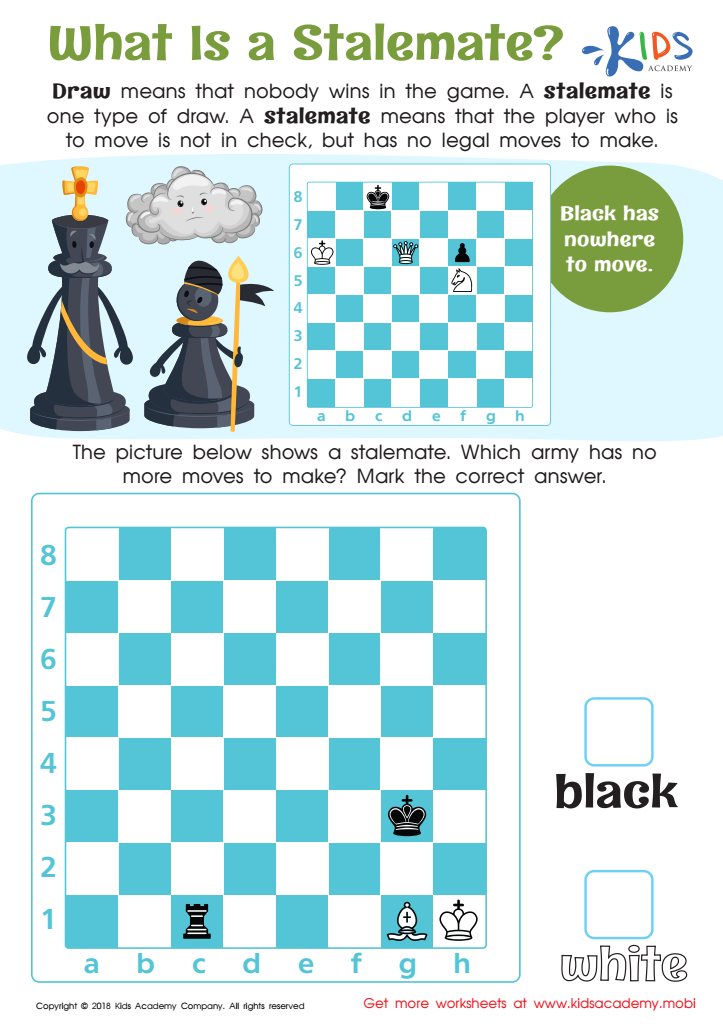
What Is a Stalemate? Worksheet
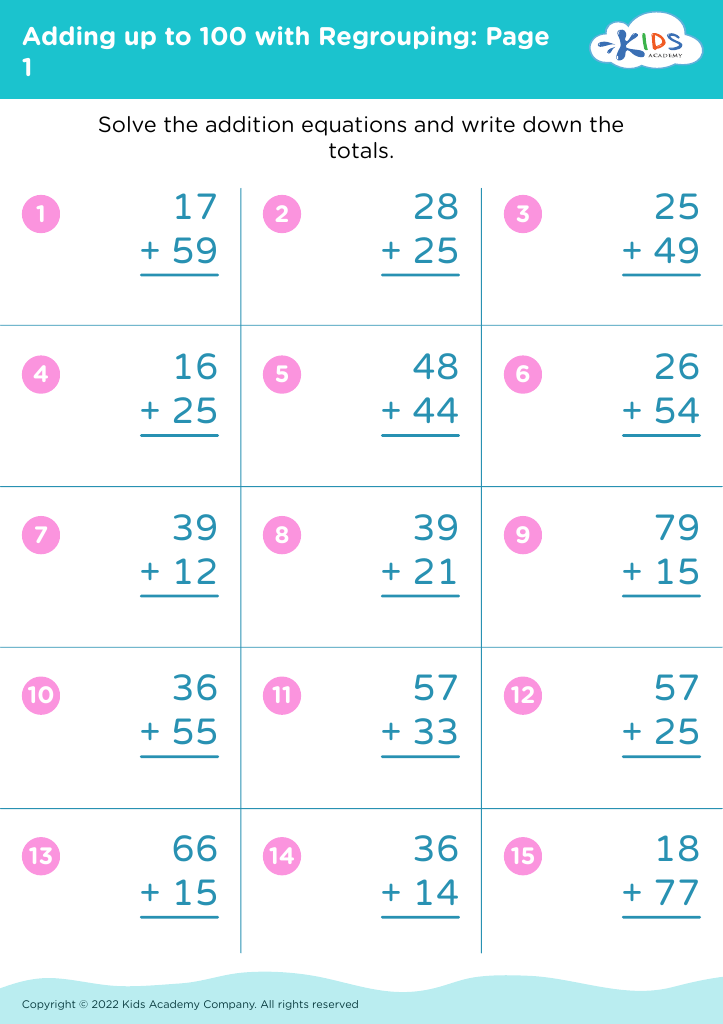
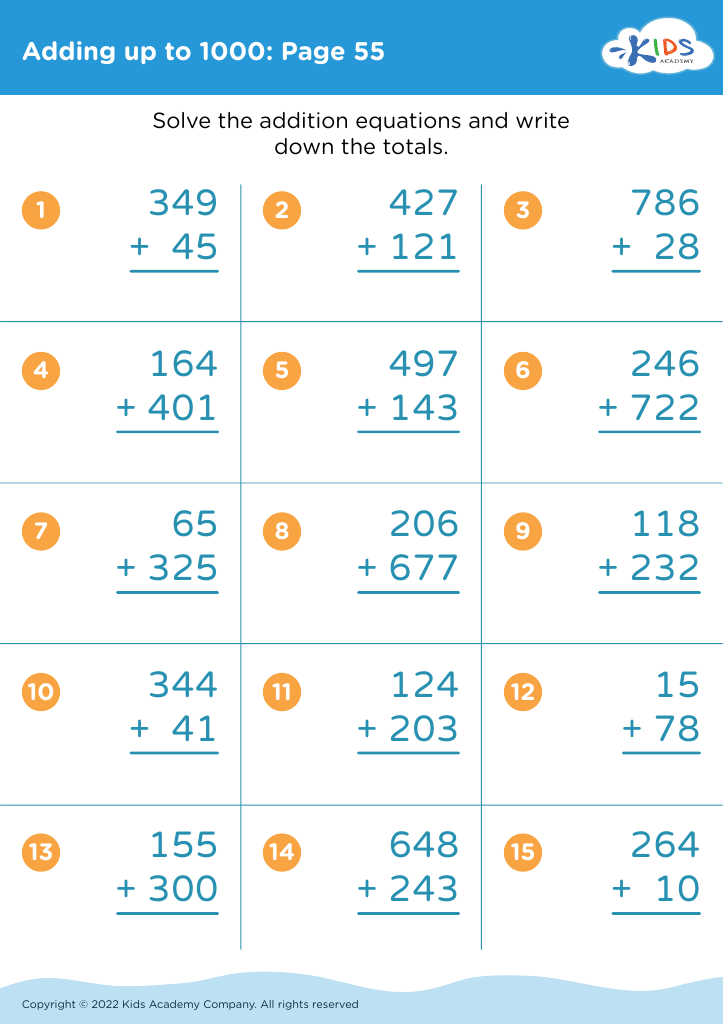
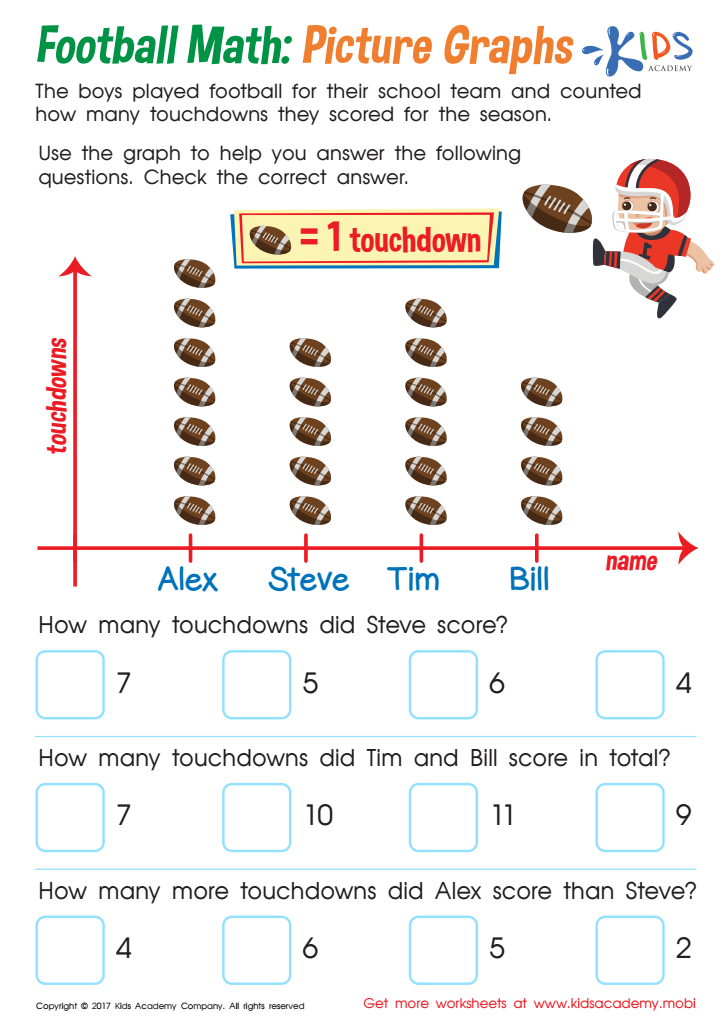
Football Math Worksheet
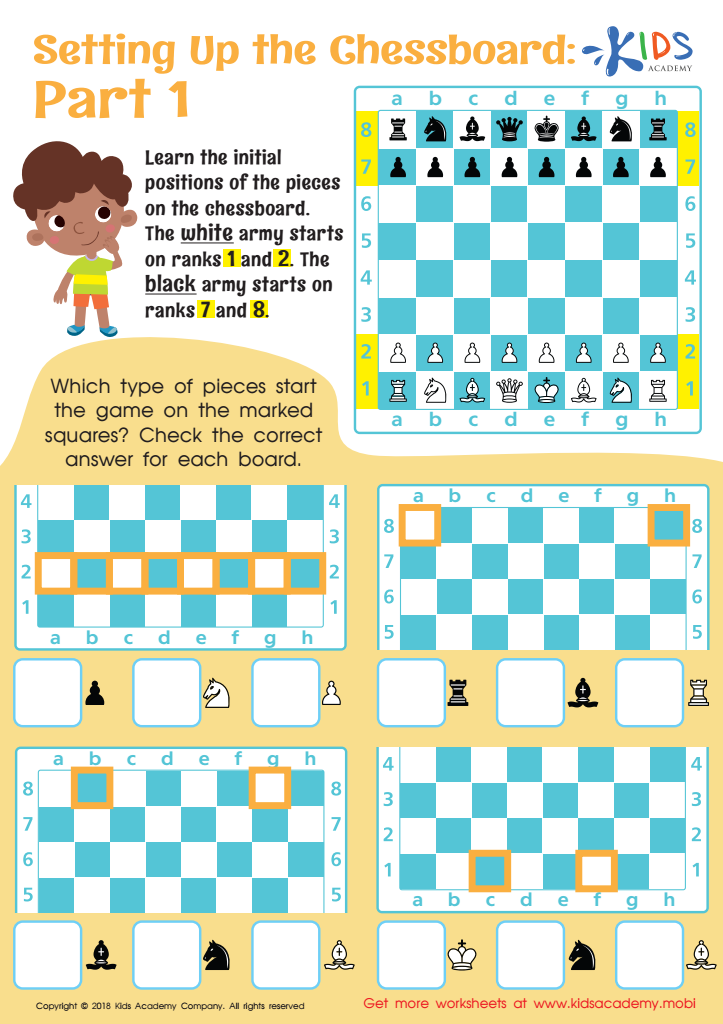
Setting up the Chessboard: Part 1 Worksheet
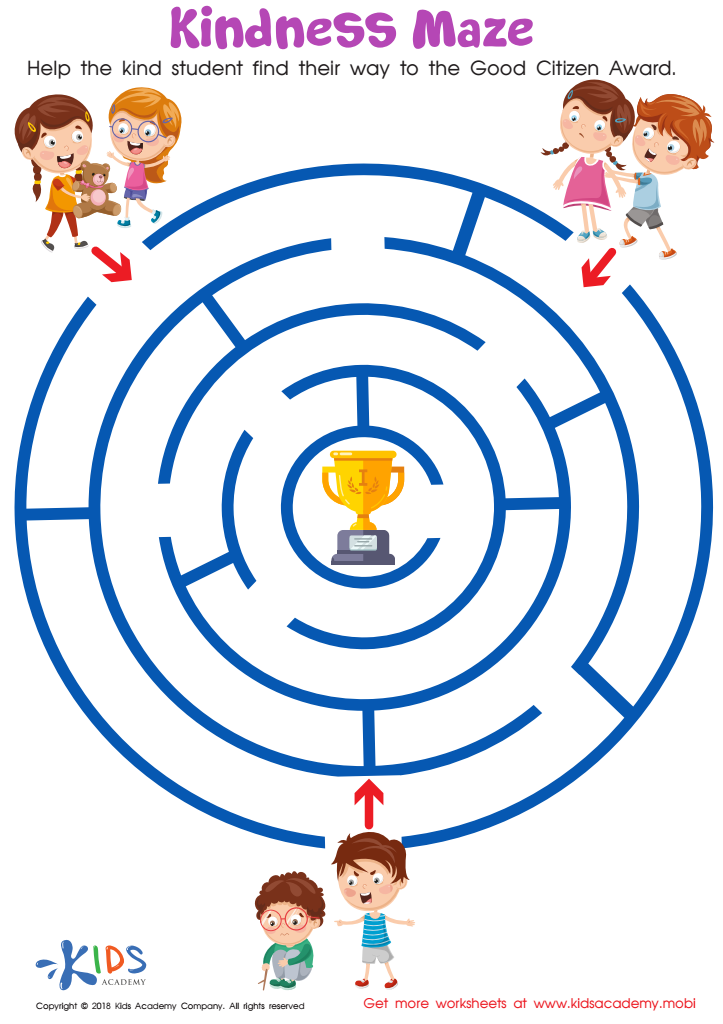
Kindness Maze Worksheet
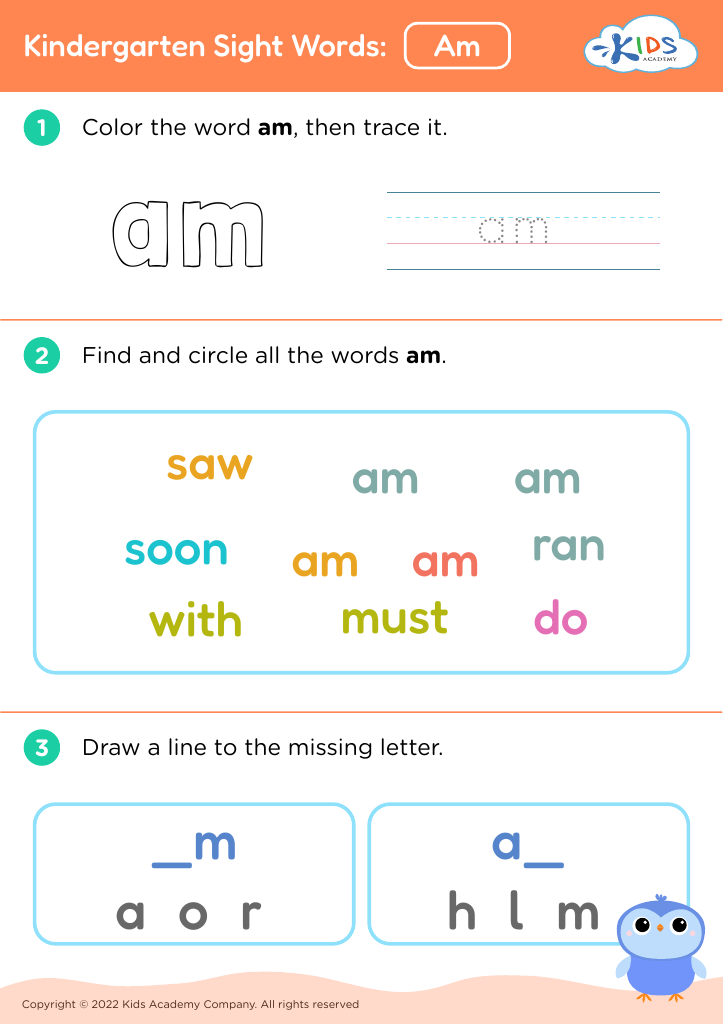








Logical thinking development is crucial for children ages 5-7, as it forms the foundation for future learning and problem-solving abilities. During these formative years, kids start to understand patterns, cause and effect, sequencing, and classification—skills that are pivotal in academic subjects like math, science, and reading comprehension. By nurturing logical thinking, parents and teachers help children develop the ability to make sense of the world around them, interpret information accurately, and draw reasoned conclusions.
At this age, children are naturally curious and their brains are highly receptive, making it an ideal time to introduce simple logic puzzles, games, and activities that stimulate cognitive growth. Encouraging logical thinking aids in the development of critical thinking skills, which are essential for making informed decisions and solving complex problems later in life.
Furthermore, enhancing a child's logical thinking abilities can improve their social development. It equips them with the skills to negotiate, understand others’ perspectives, and resolve conflicts effectively. As these children grow, they will find themselves better equipped to handle more challenging academic tasks and social situations, laying a strong foundation for lifelong learning and success. Therefore, parents and teachers should prioritize activities and teaching methods that support logical thinking during this critical developmental stage.








