Problem-Solving Skills Worksheets for Ages 5-7 - Page 14
367 filtered results
-
From - To
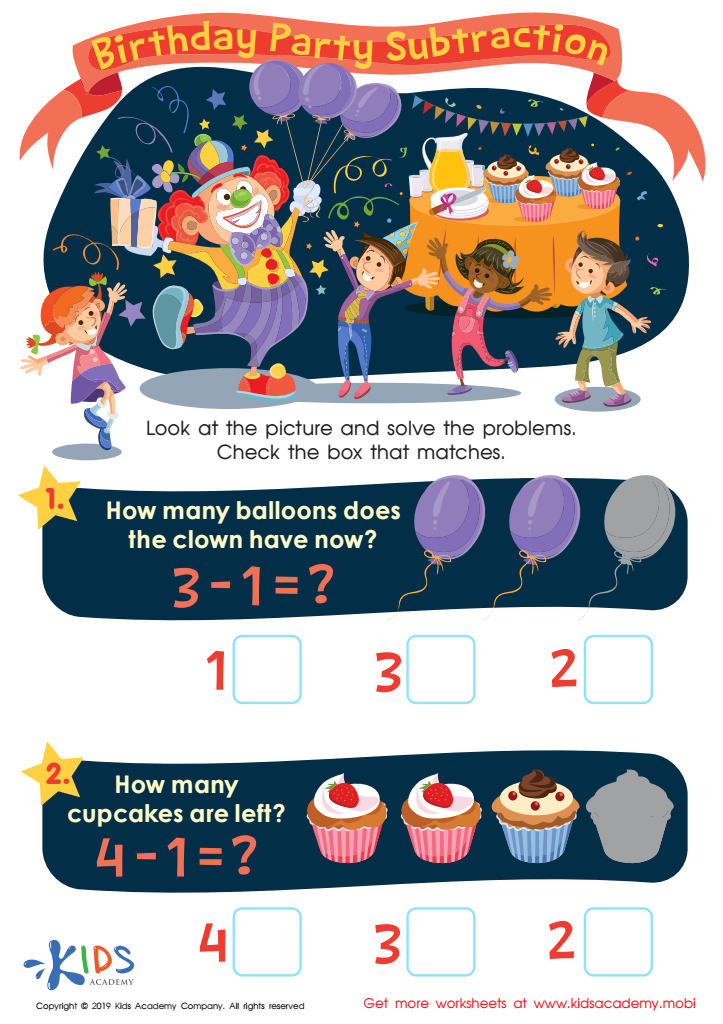
Birthday Party Subtraction Worksheet
 Assign to My Students
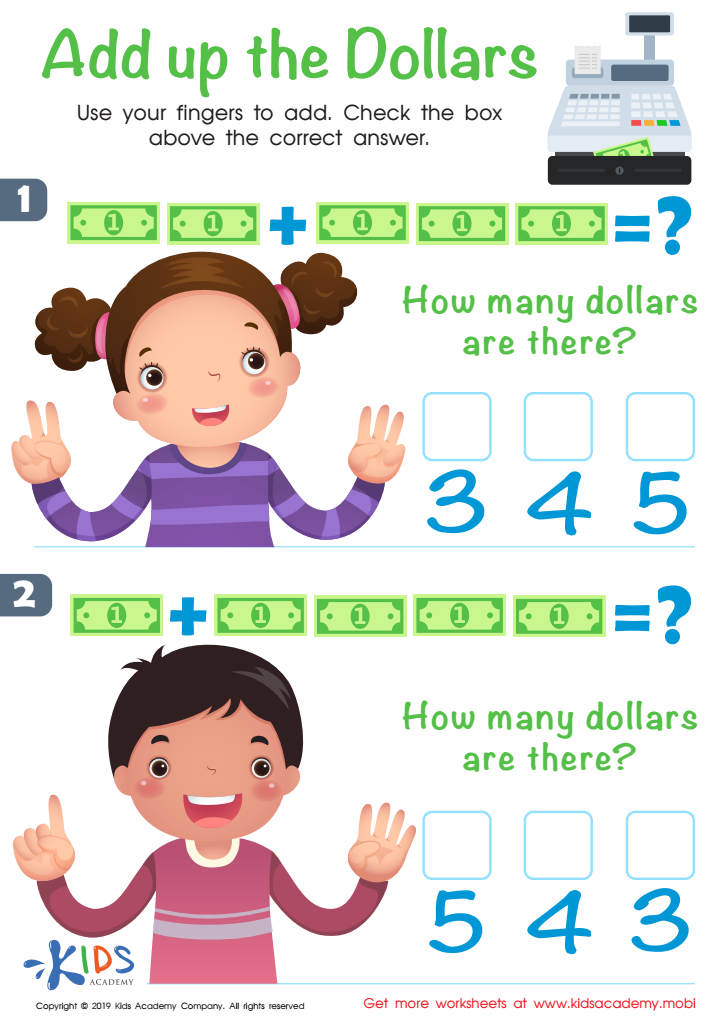
Add up the Dollars Worksheet
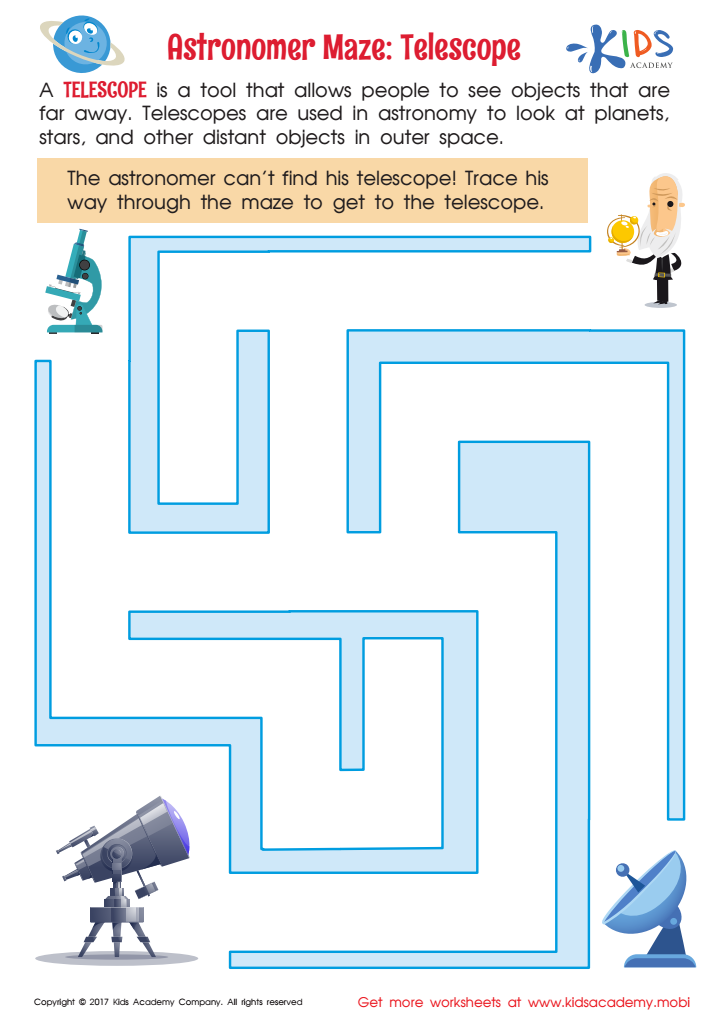
Astronomer Maze: Telescope Worksheet
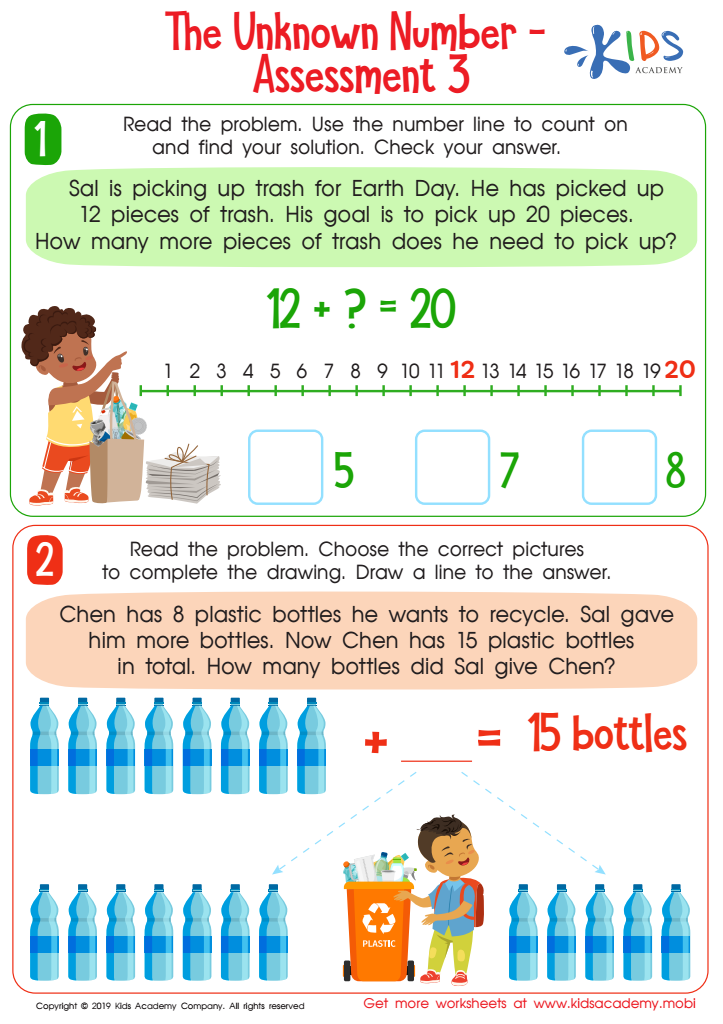
The Unknown Number - Assessment 3 Worksheet
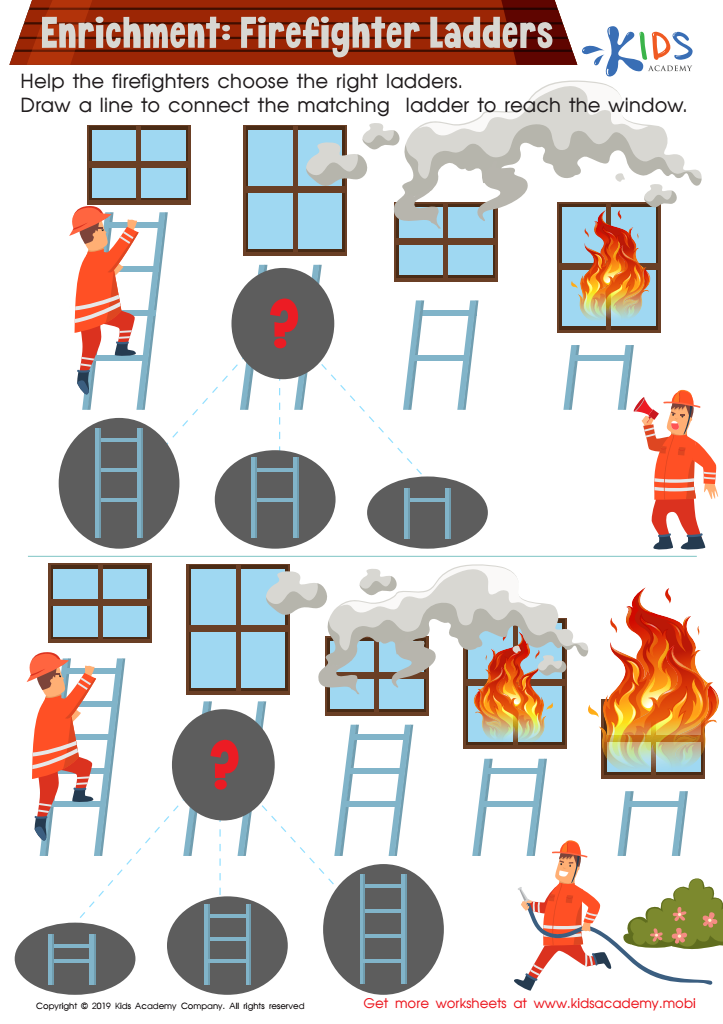
Enrichment: Firefighter Ladders Worksheet
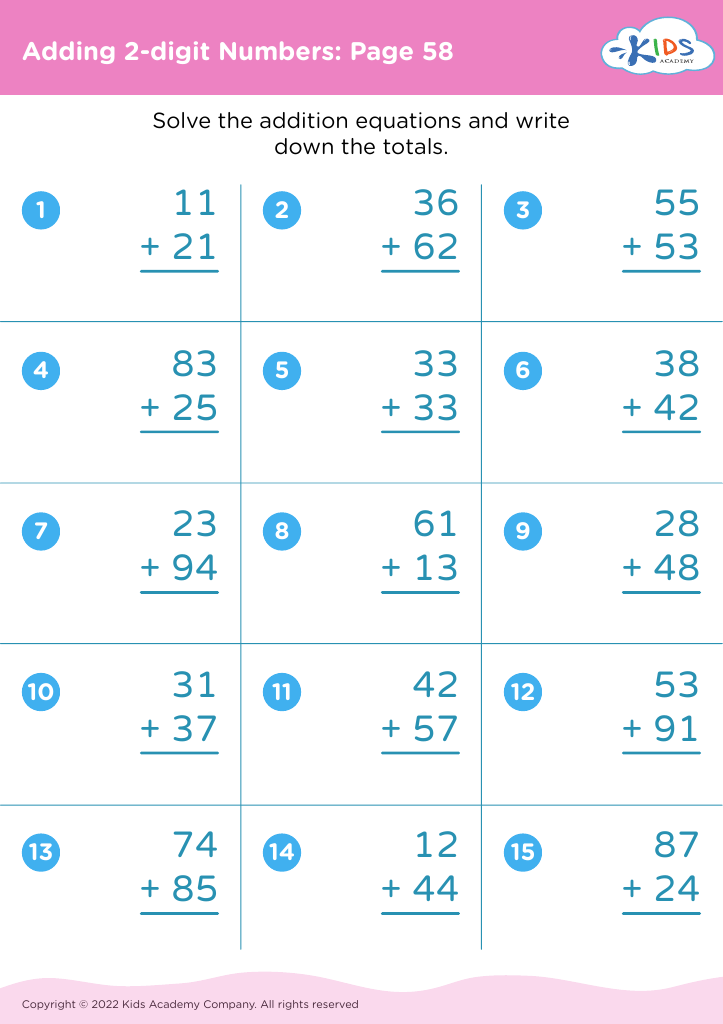
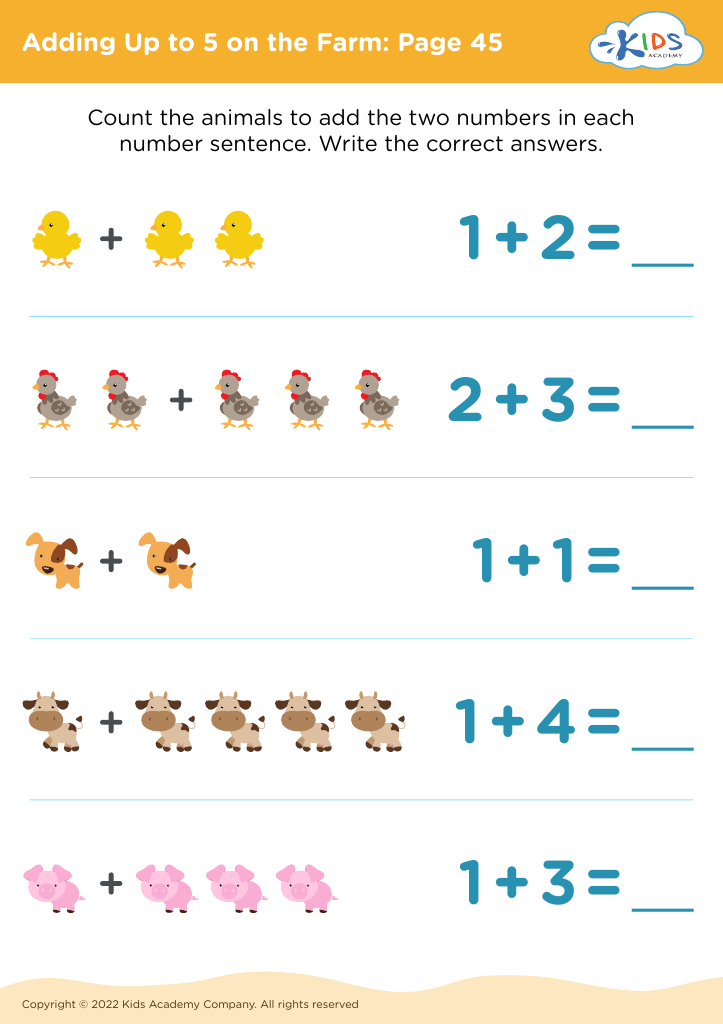
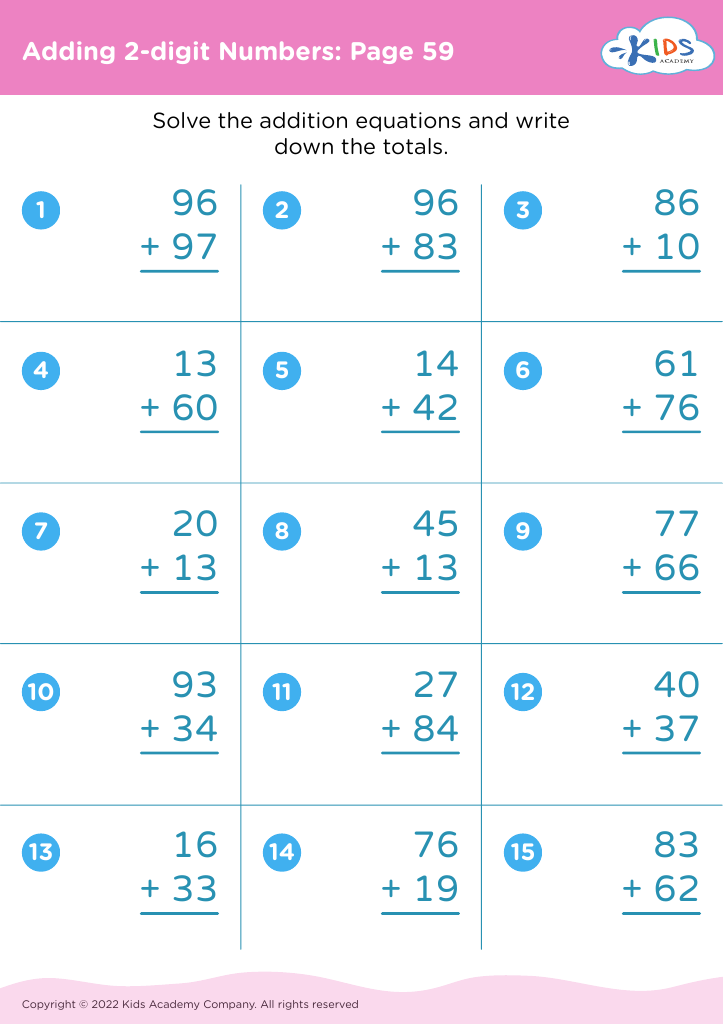
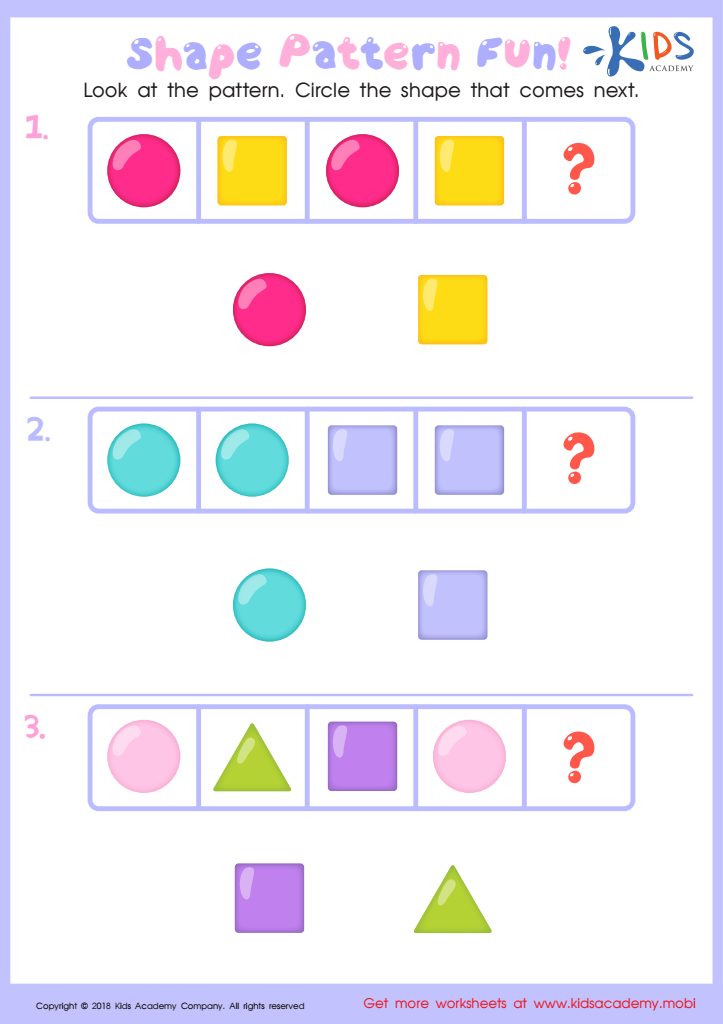
Shape Pattern Fun Worksheet
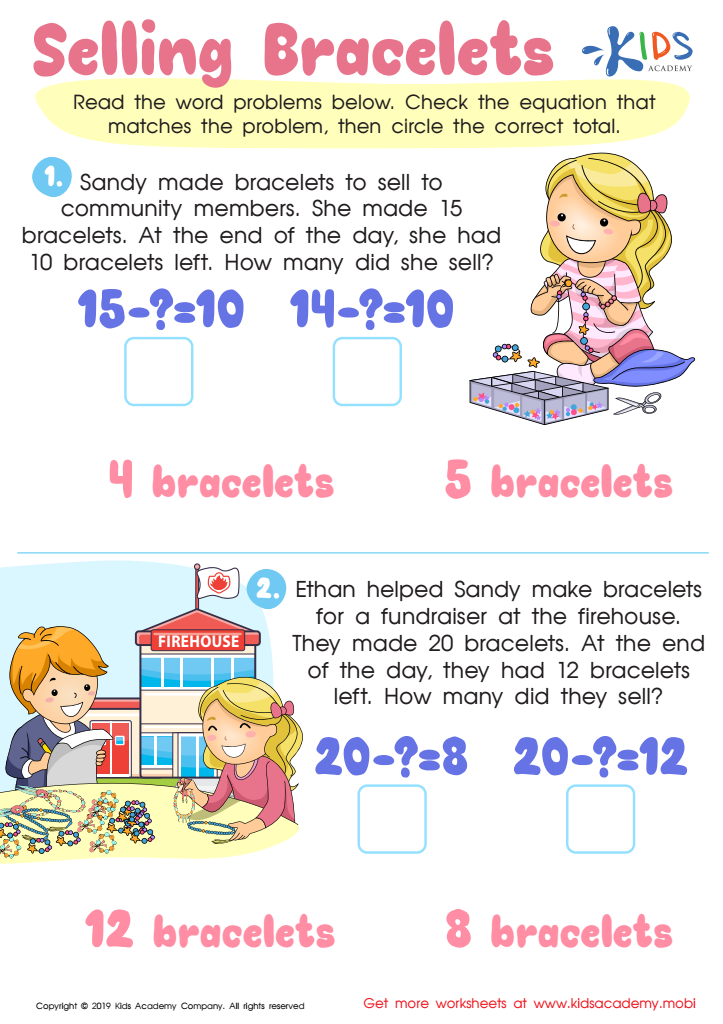
Selling the Bracelets Worksheet
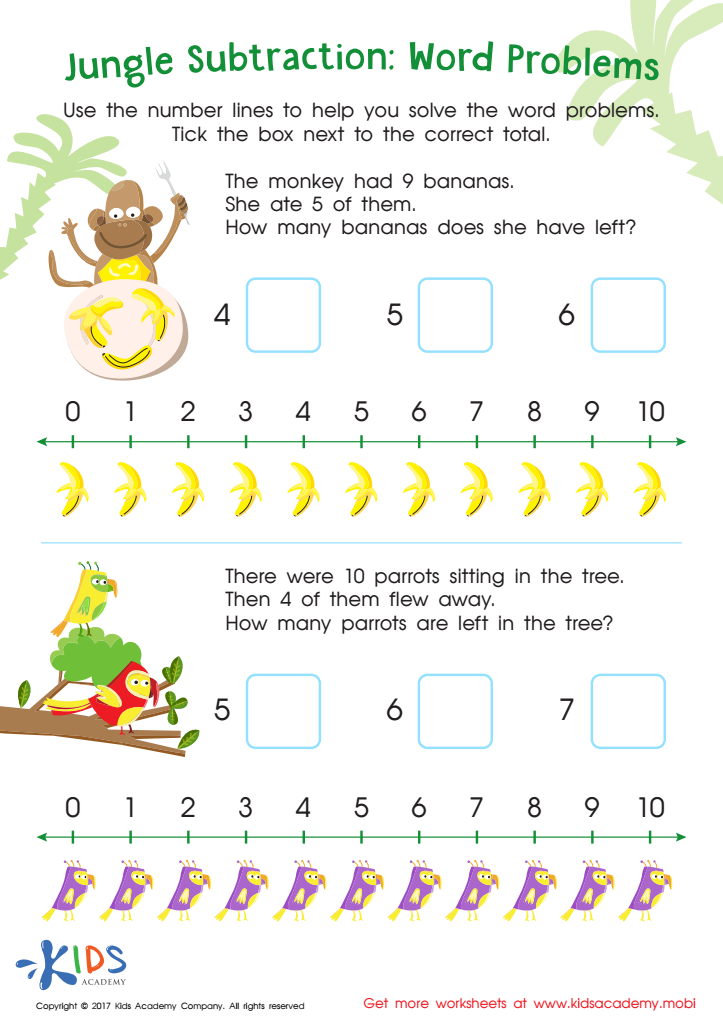
Jungle Subtraction Word Problems Substraction Worksheet
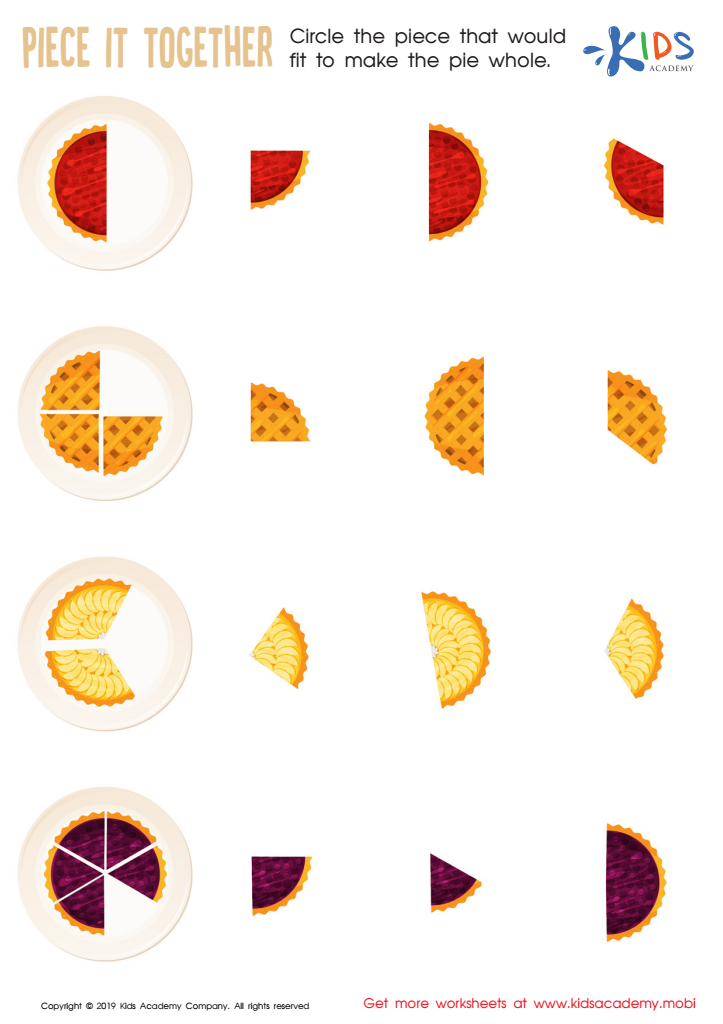
Piece it together Worksheet
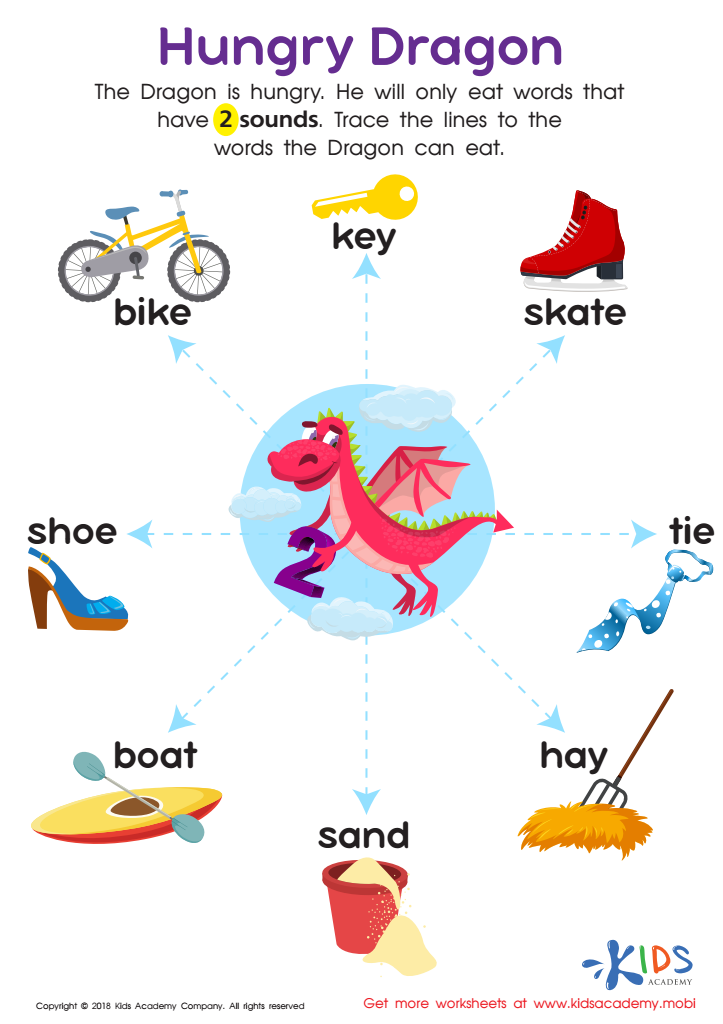
Hungry Dragon Worksheet
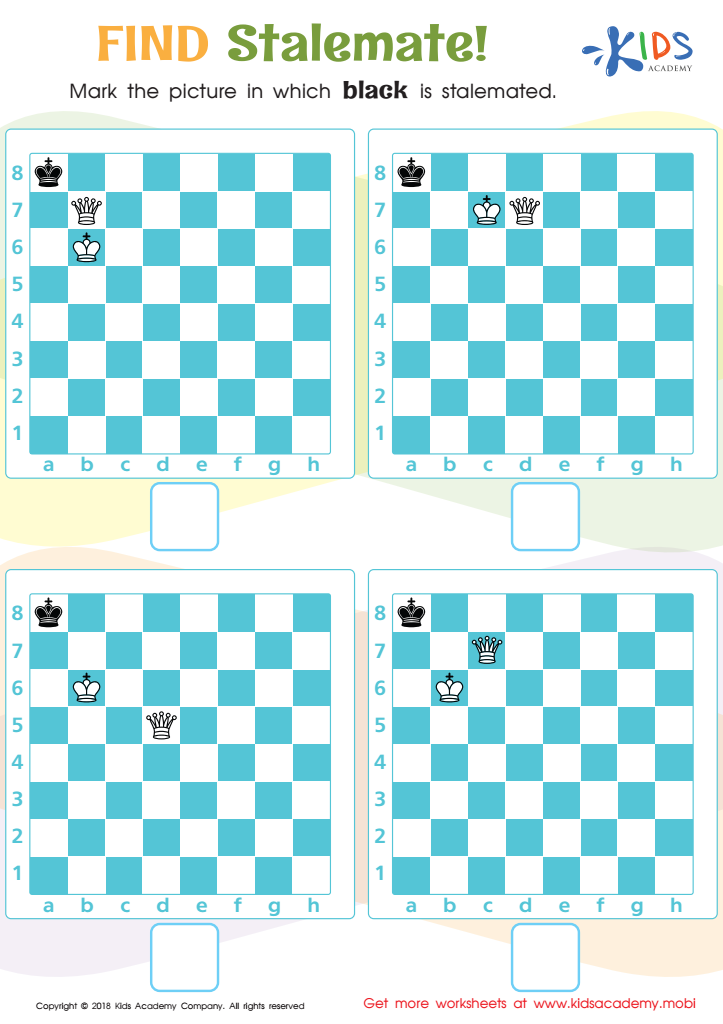
Find Stalemate! Worksheet
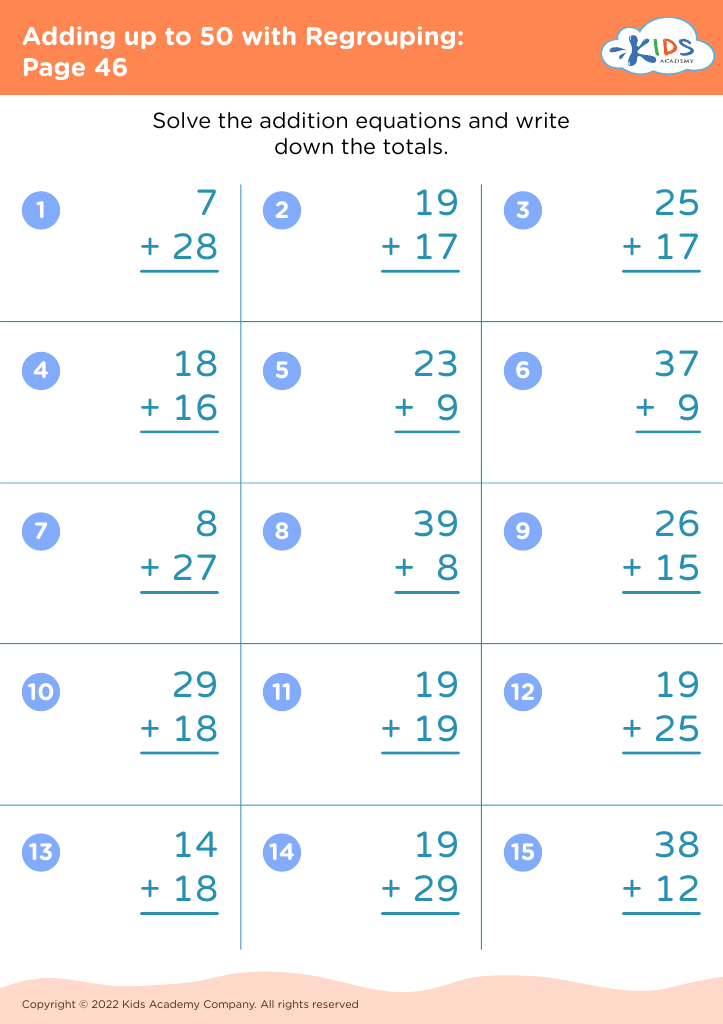
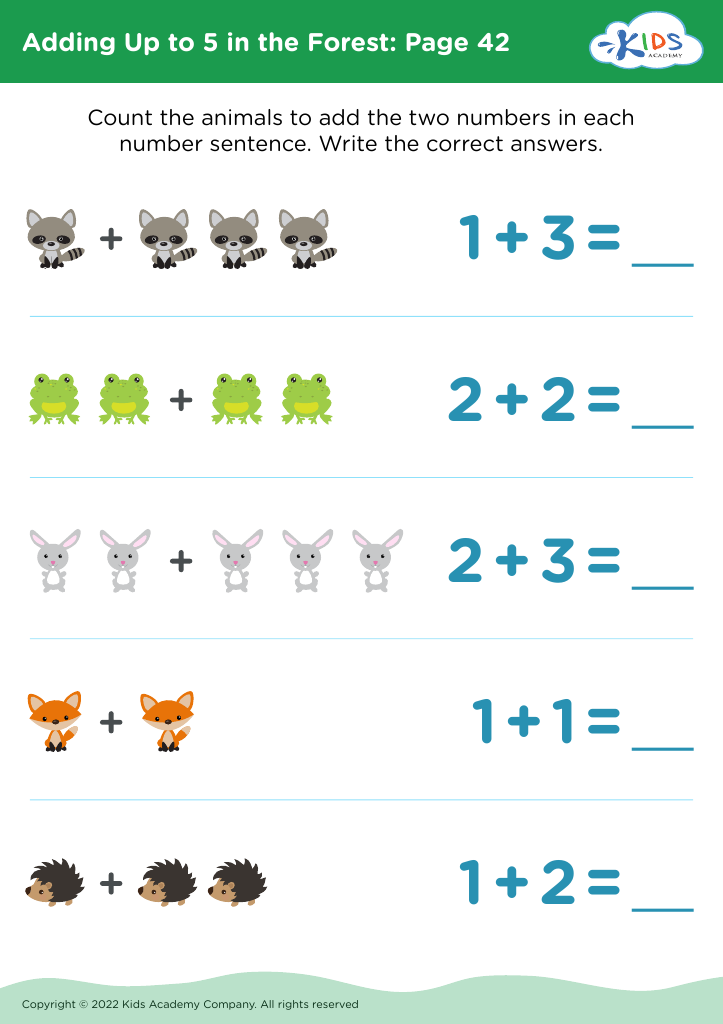
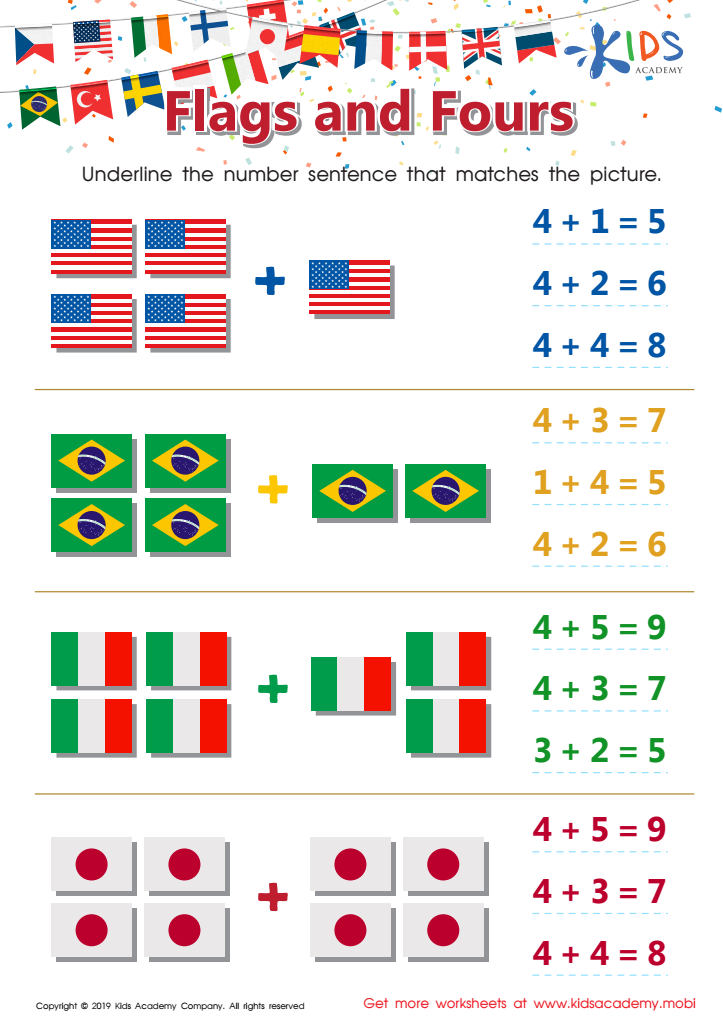
Flags and Fours Worksheet
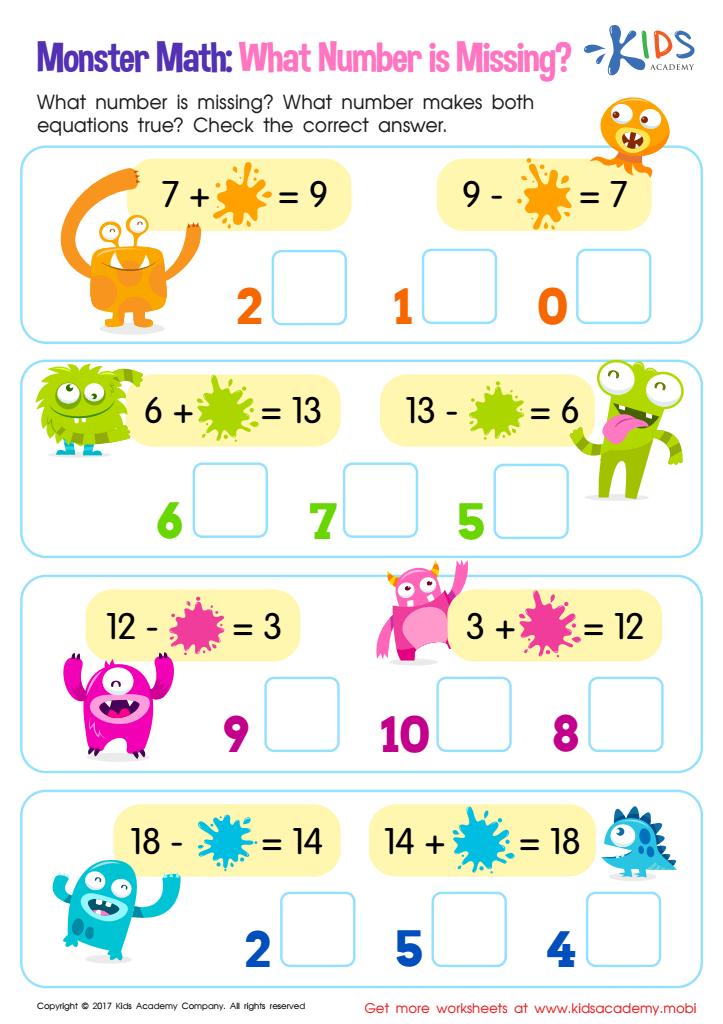
Missing Number: Monster Math Worksheet




.jpg)

Problem-solving skills are vital for children ages 5-7 as they lay the foundation for critical thinking and adaptability in life's challenges. At this developmental stage, children are naturally curious and eager to explore, but they also encounter various obstacles, whether in academics or social interactions. By fostering problem-solving skills, parents and teachers can help children learn to approach problems methodically, break them down into manageable parts, and weigh different solutions effectively.
Strong problem-solving abilities promote cognitive development, encouraging children to think independently and build resilience. They learn to face challenges with confidence and persistence, which can lead to improved decision-making. Moreover, problem-solving extends beyond academics; it is essential for collaboration and understanding different perspectives in social settings, thus enhancing emotional intelligence.
Additionally, these skills help children care for their own needs, such as finding ways to resolve conflicts amicably or independently overcoming everyday hurdles. By nurturing problem-solving skills early, adults prepare children for future complexities in life, school, and work. Ultimately, cultivating these abilities can significantly impact a child’s self-esteem, fostering lifelong learners who embrace challenges as opportunities for growth.








