Shape identification Worksheets for Ages 5-7 - Page 2
40 filtered results
-
From - To
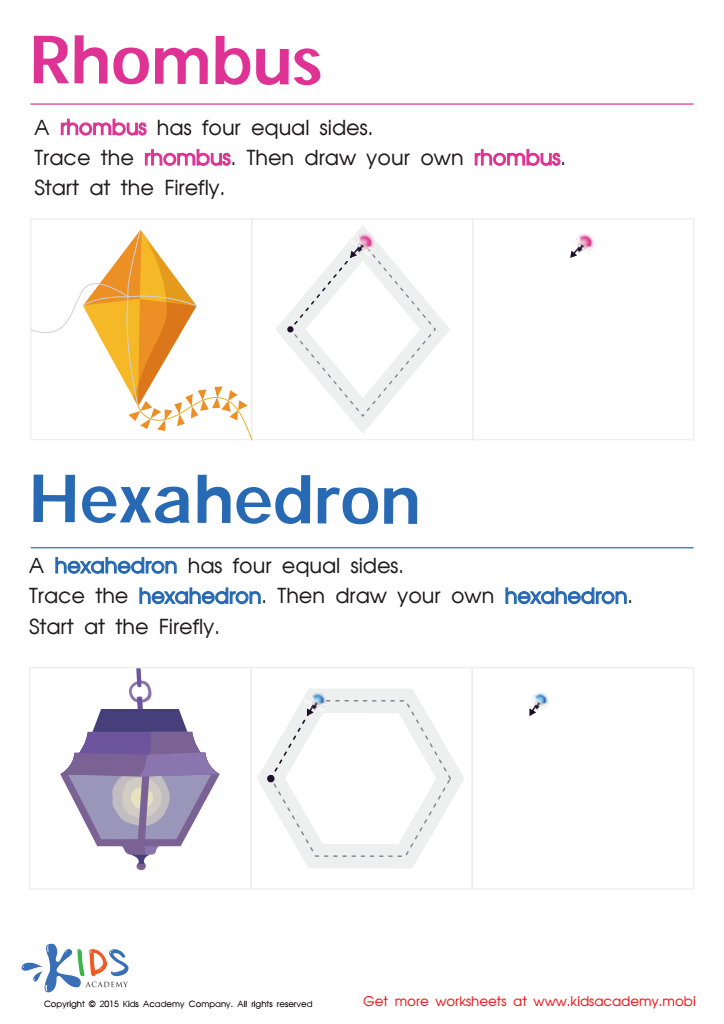
Draw a Rhombus And a Hexahedron Printable
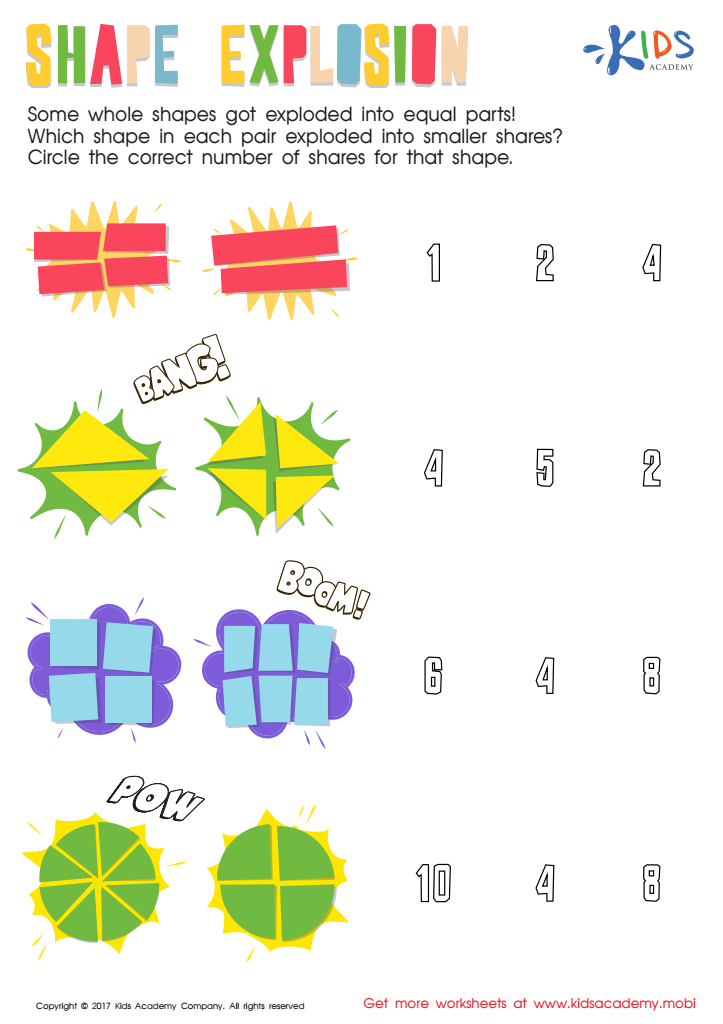
Shape Explosion Worksheet
Number 2 Printable
 Assign to My Students
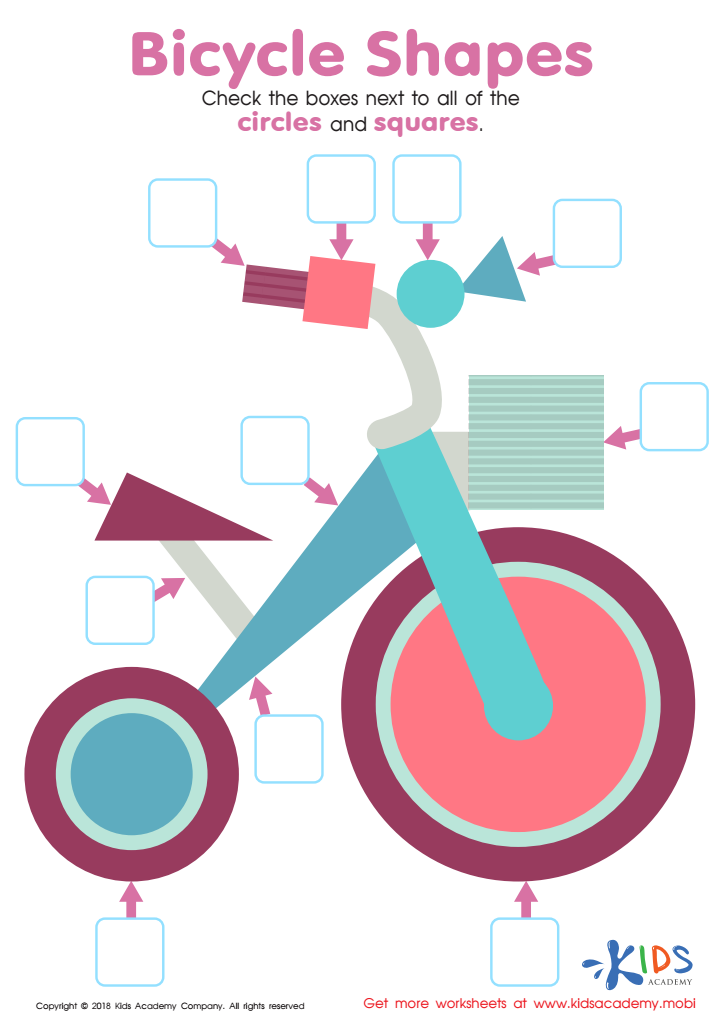
Bicycle Shapes Worksheet
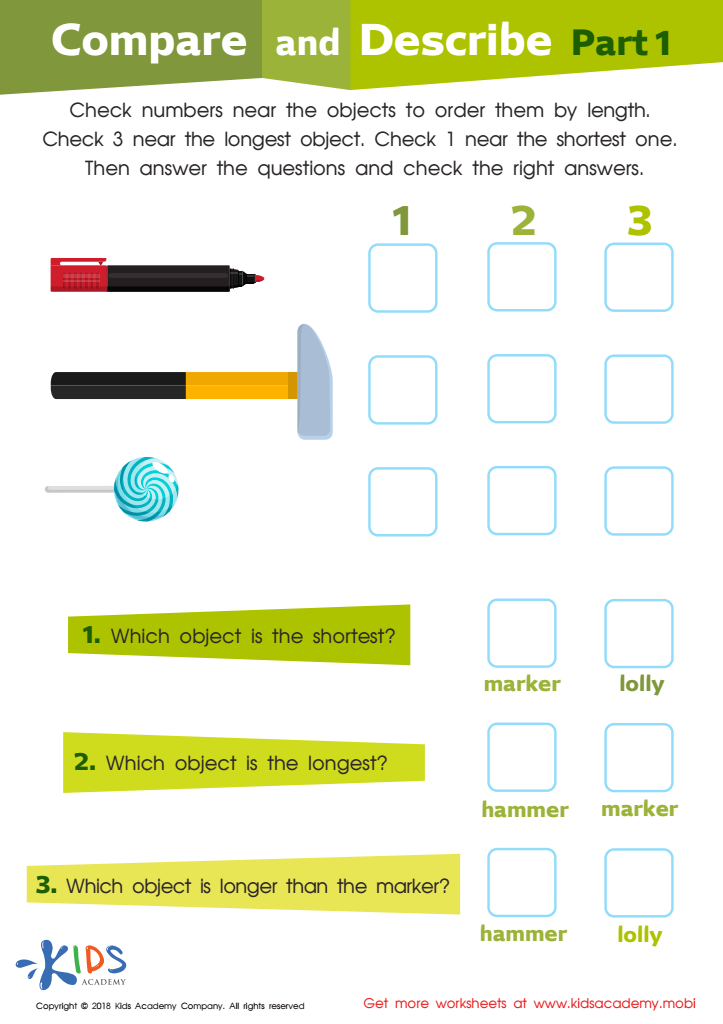
Compare and Describe: Part 1 Worksheet
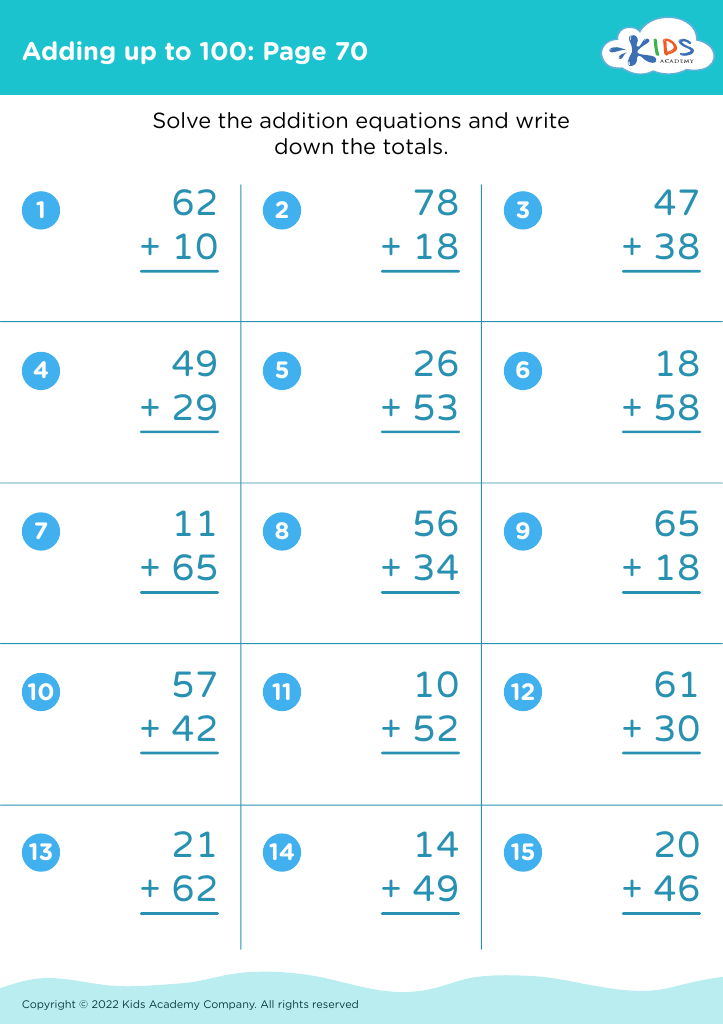
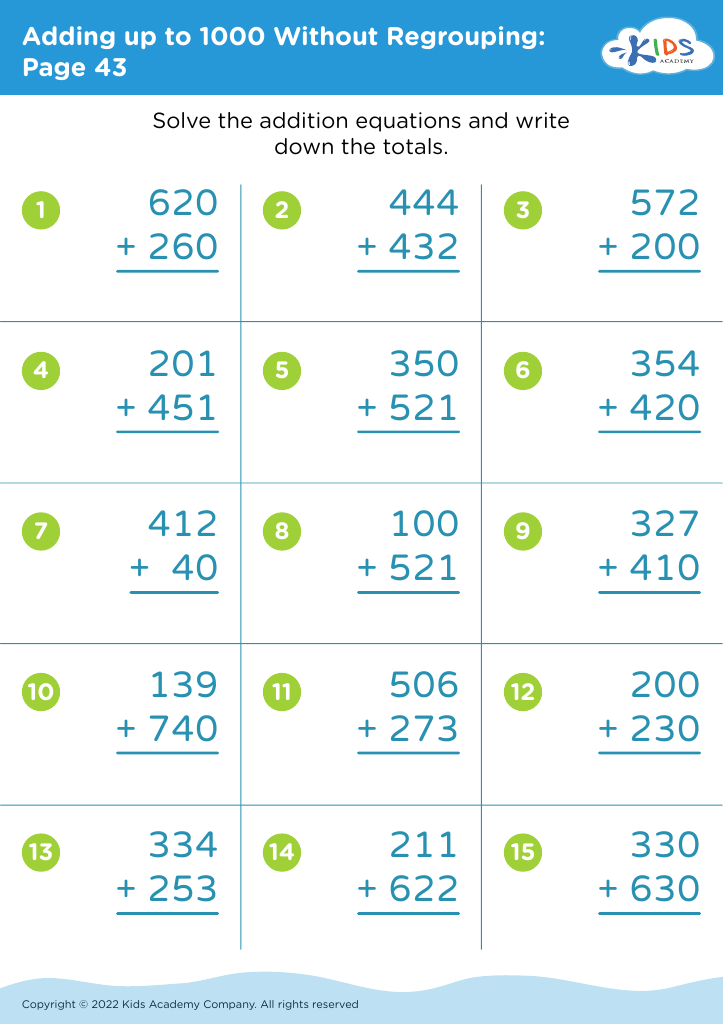
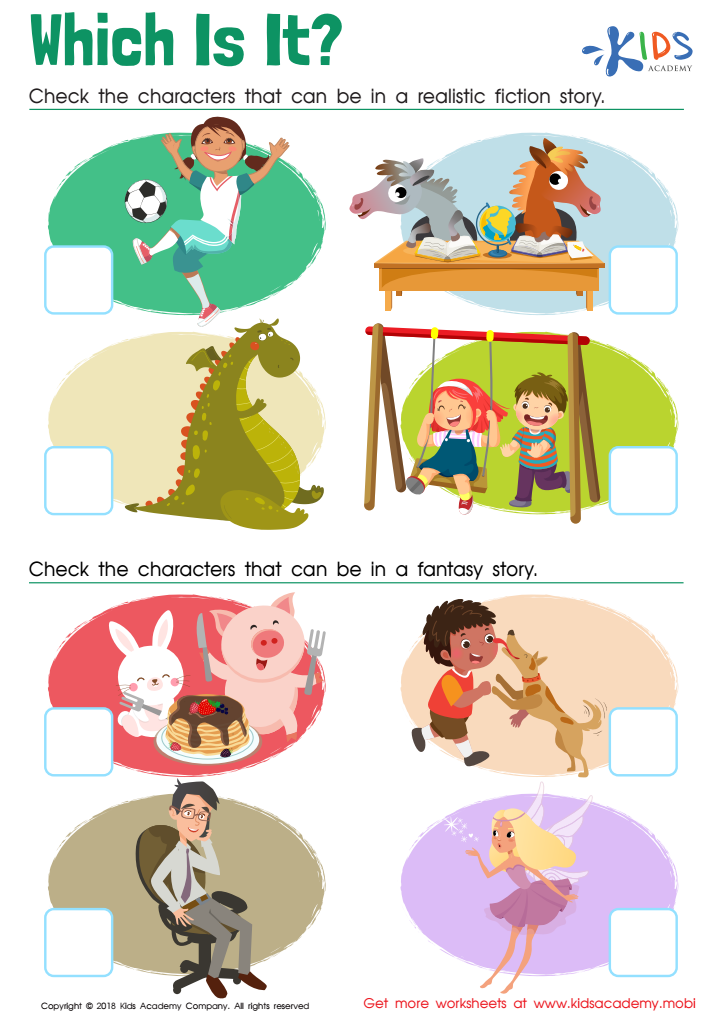
Which Is It? Worksheet
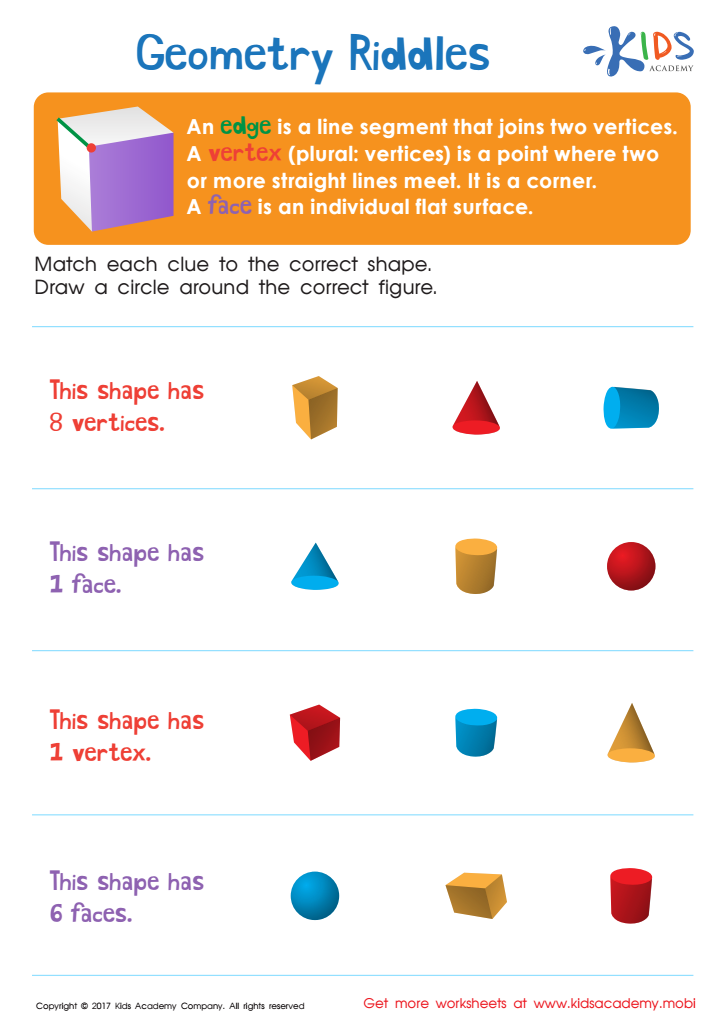
Geometry Riddles Printable
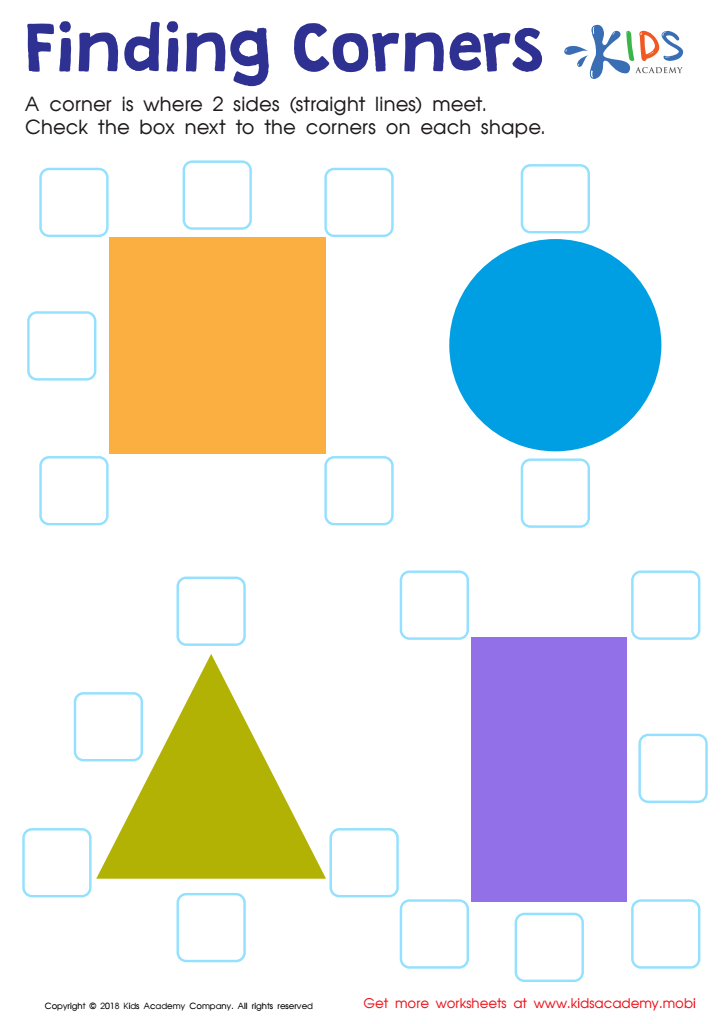
Finding Corners Worksheet
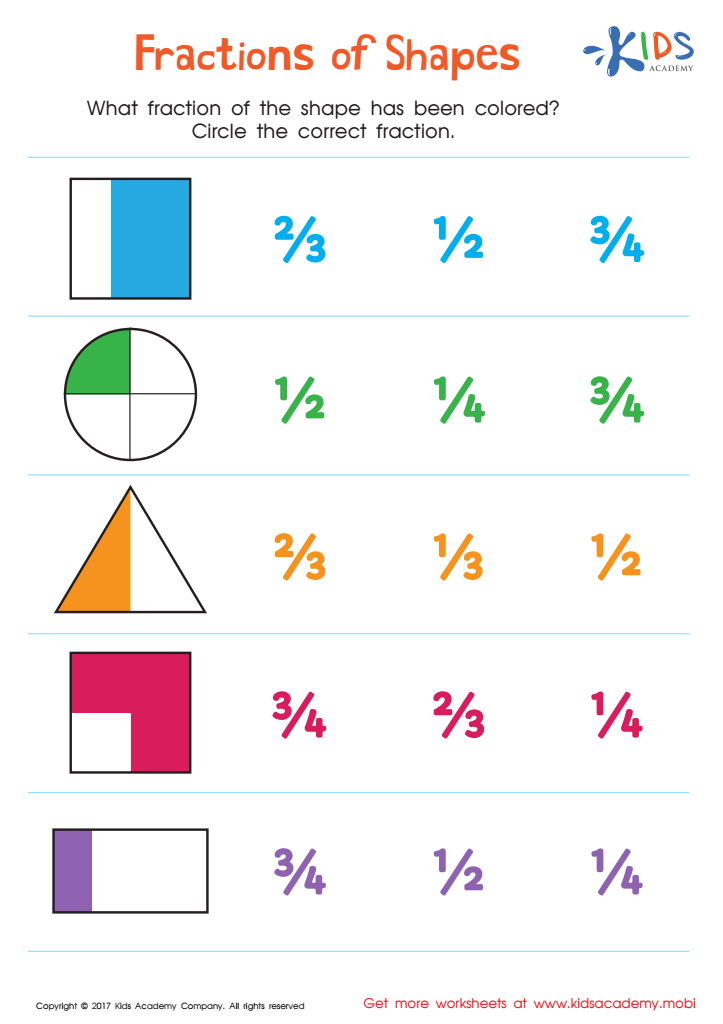
Fractions of Shapes: Math Concept Worksheet
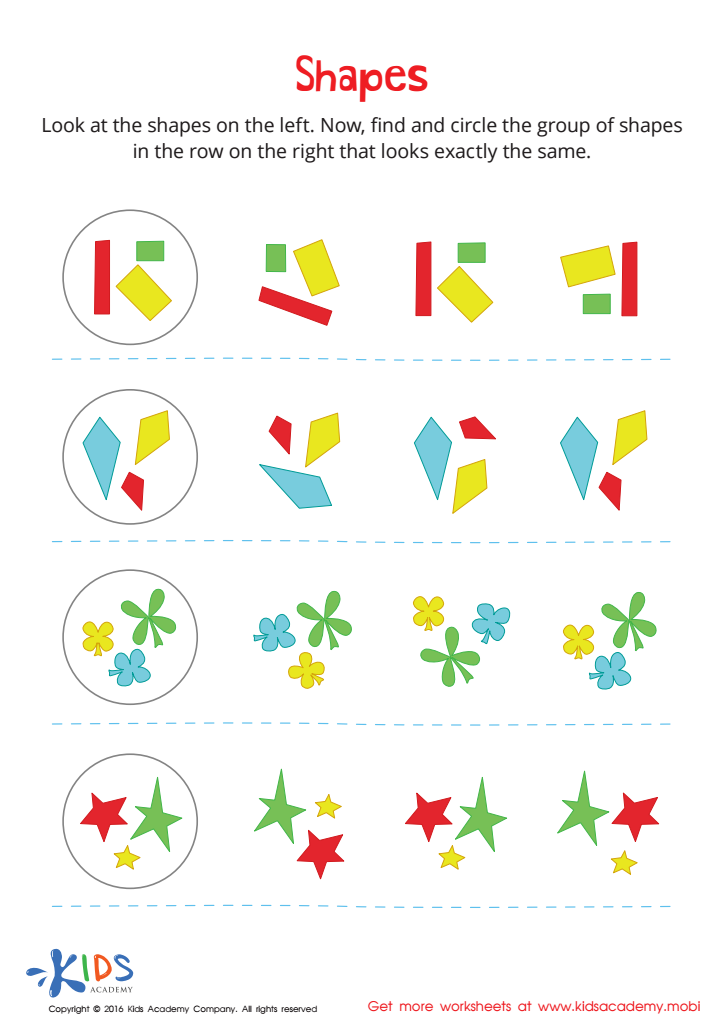
Shapes Worksheet
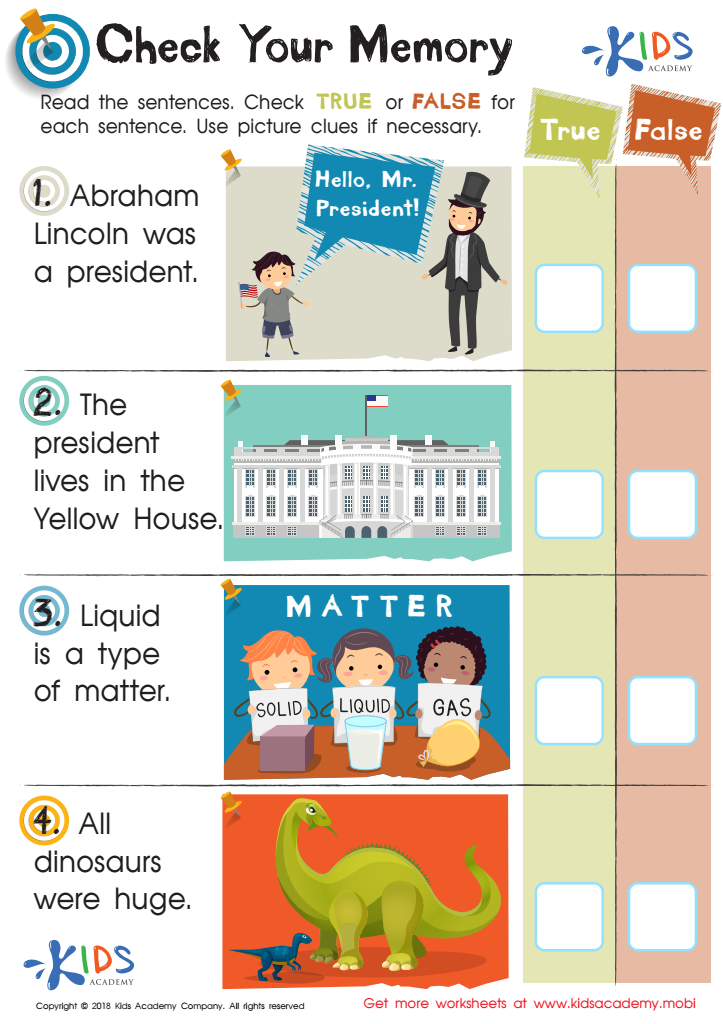
Check Memory Worksheet








Shape identification is crucial for children ages 5-7 as it lays the foundation for essential mathematical and cognitive skills. During these formative years, children are naturally curious about their environment, and recognizing shapes helps them make sense of the world around them. Understanding basic shapes—such as circles, squares, triangles, and rectangles—promotes spatial awareness, which is vital for tasks including reading maps, constructing objects, and even navigating digital environments.
Furthermore, shape identification strengthens problem-solving capabilities. As children categorize and differentiate shapes, they develop critical thinking and analytical skills. These building blocks of geometry not only prepare them for more complex mathematical concepts but also enhance their ability to observe, describe, and engage with their surroundings.
Moreover, shape identification supports other areas of learning. It improves fine motor skills through activities involving shapes such as drawing, cutting, and molding. It also enriches language skills, as children learn to articulate their observations about different shapes.
In essence, fostering shape recognition in early education creates a well-rounded base for future learning across various disciplines, paving the way for confident learners equipped with skills applicable beyond the classroom.








