Spatial awareness Worksheets for Ages 5-7 - Page 2
53 filtered results
-
From - To
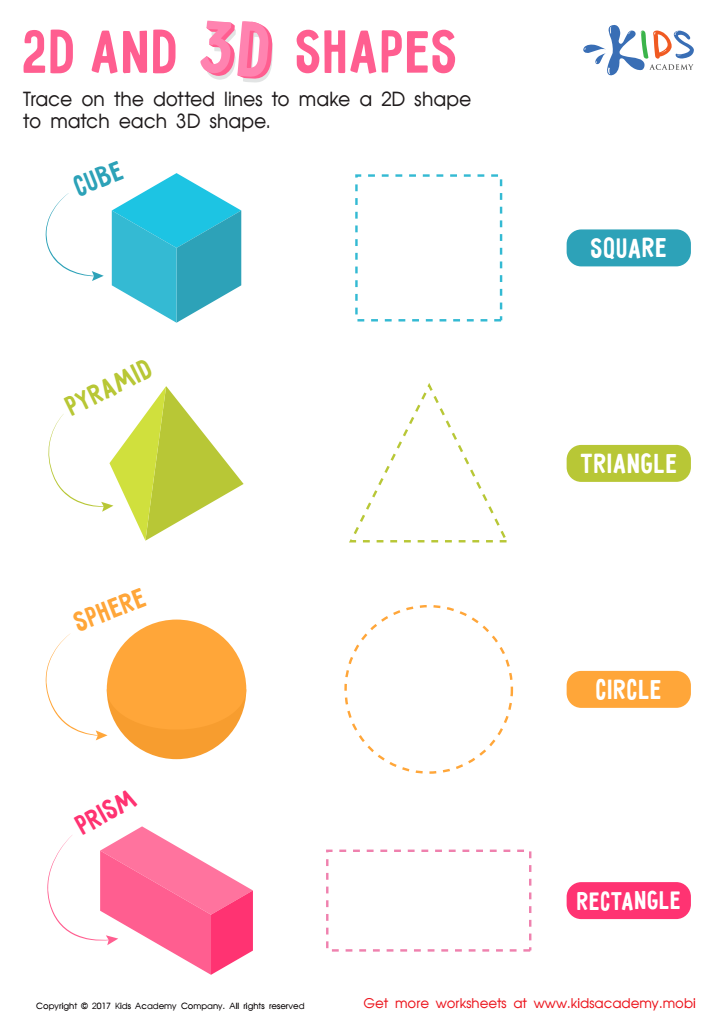
2D and 3D Shapes Worksheet
 Assign to My Students
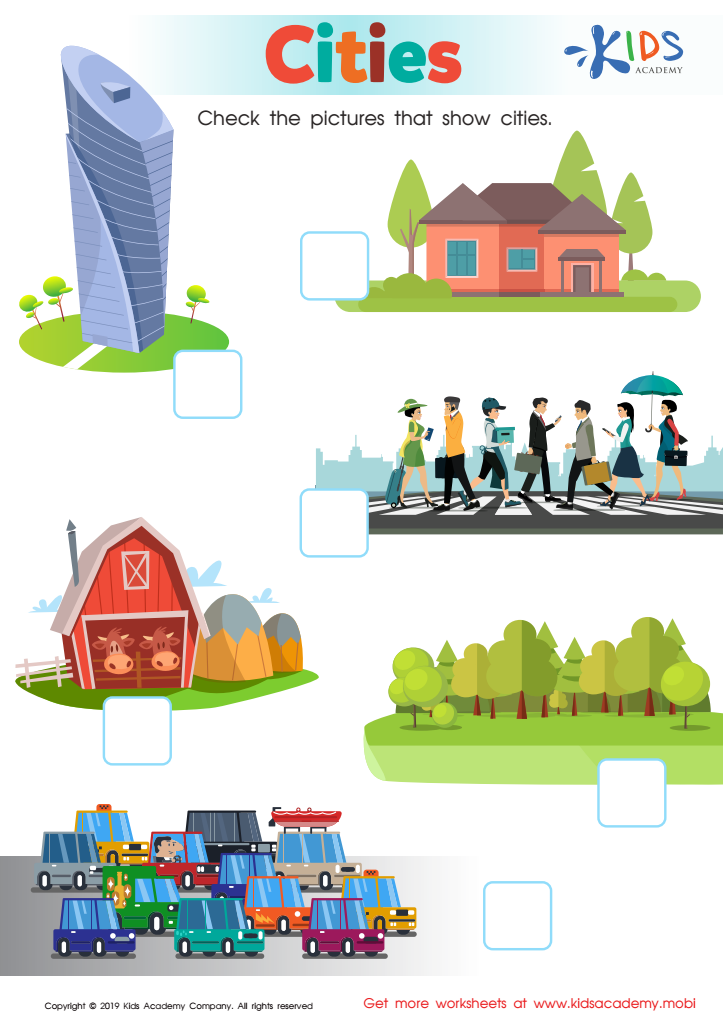
Cities Worksheet
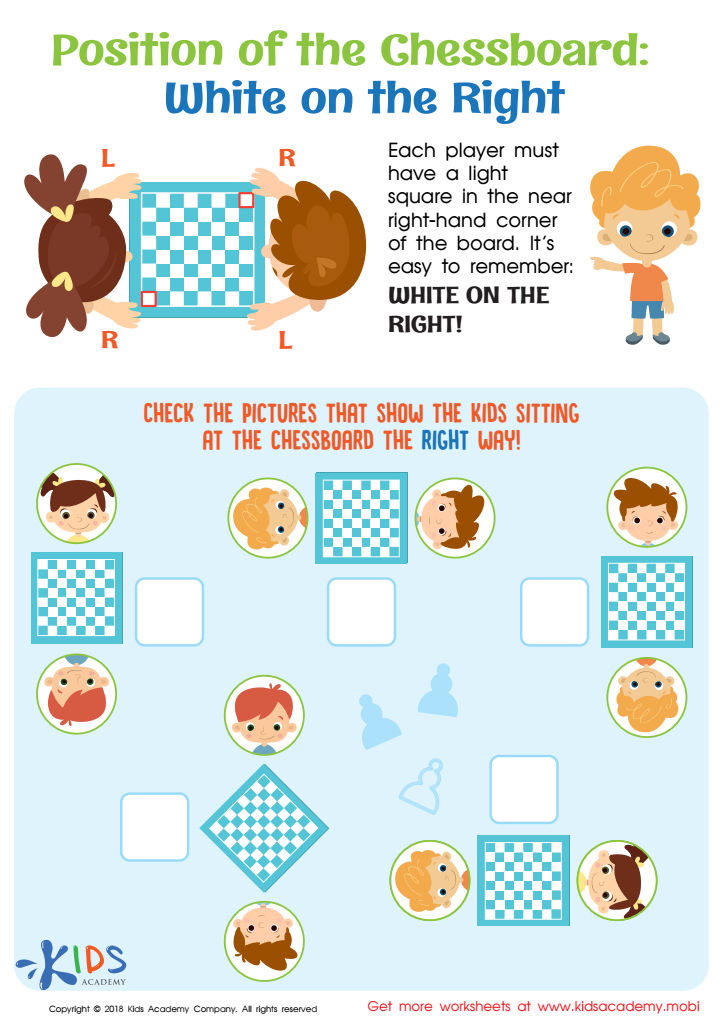
Position of the Chessboard: White on the Right Worksheet
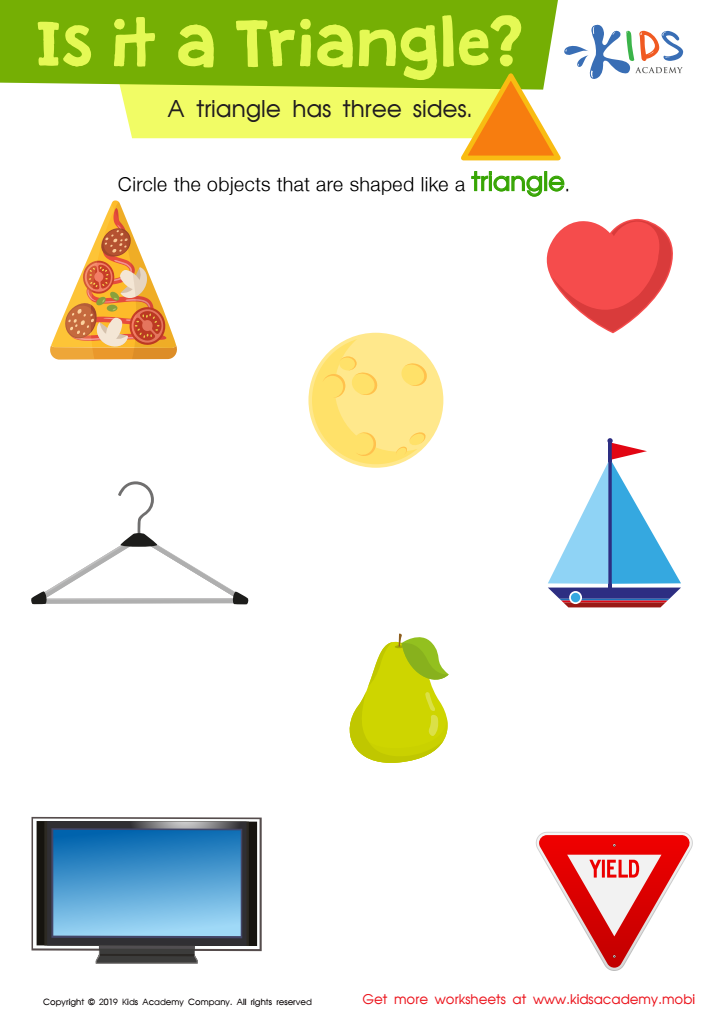
Is It a Triangle? Worksheet
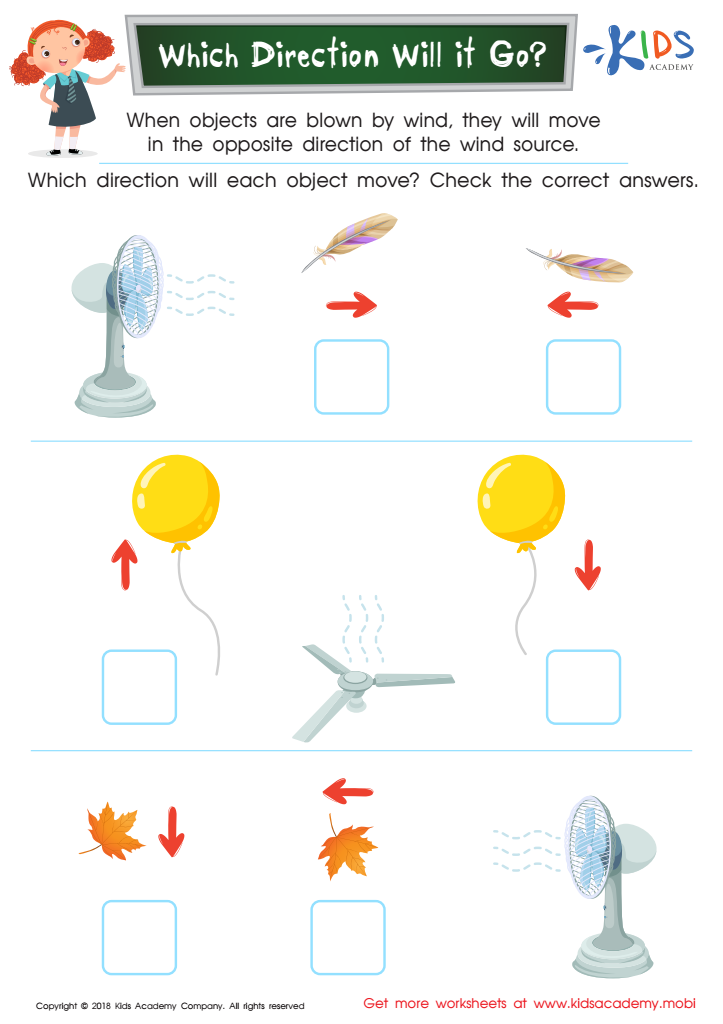
Which Direction Will it Go? Worksheet
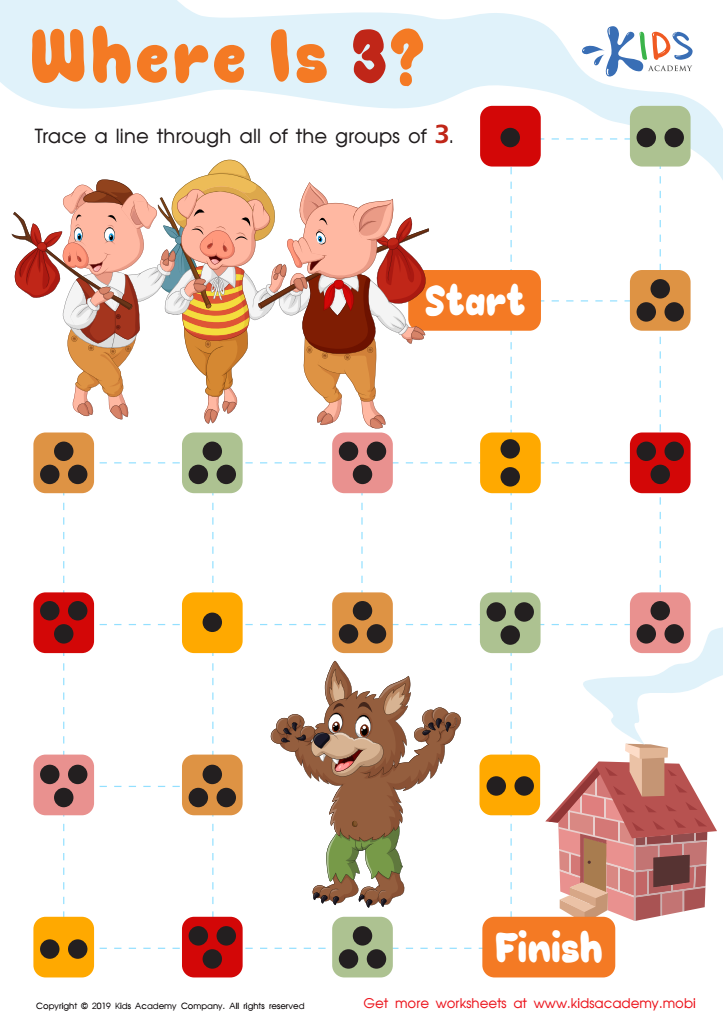
Where Is 3? Worksheet
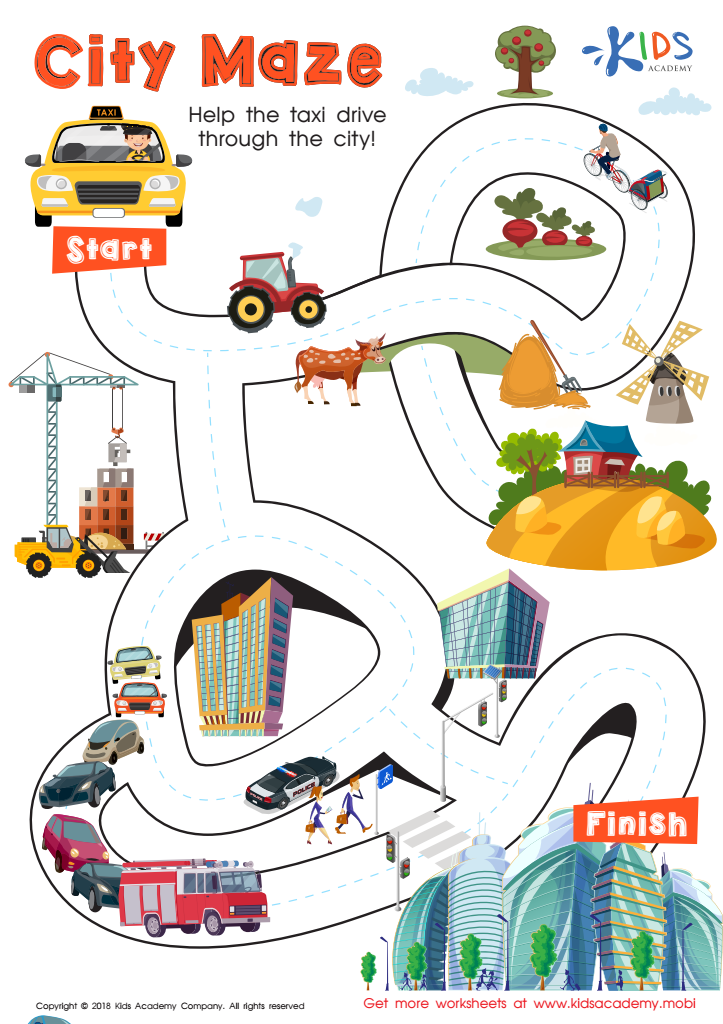
City Maze Worksheet
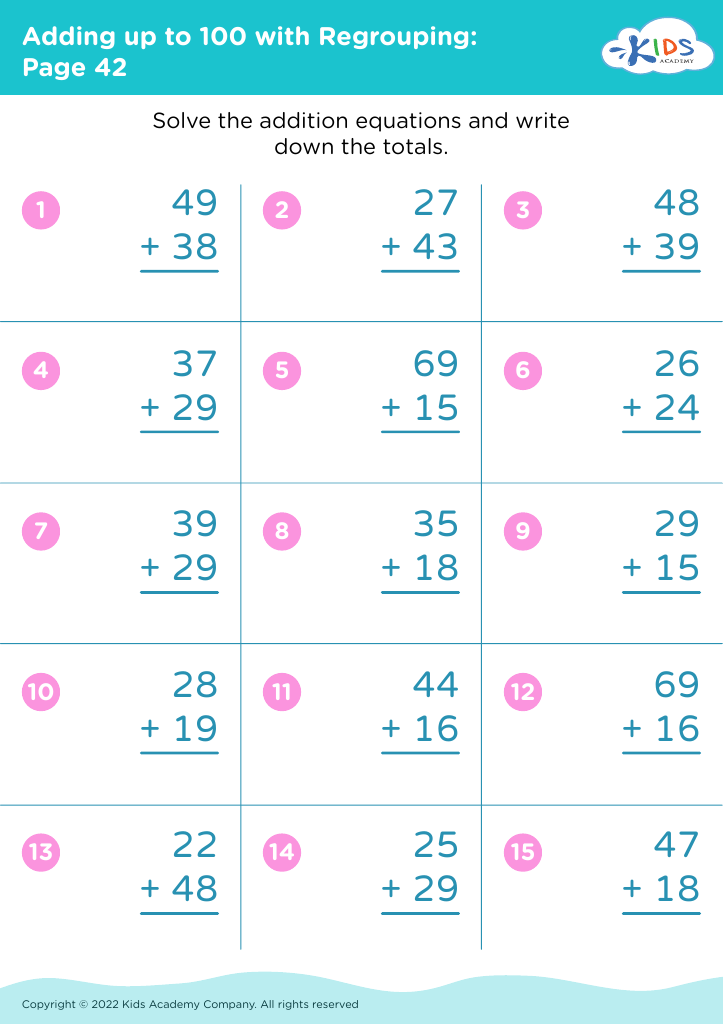
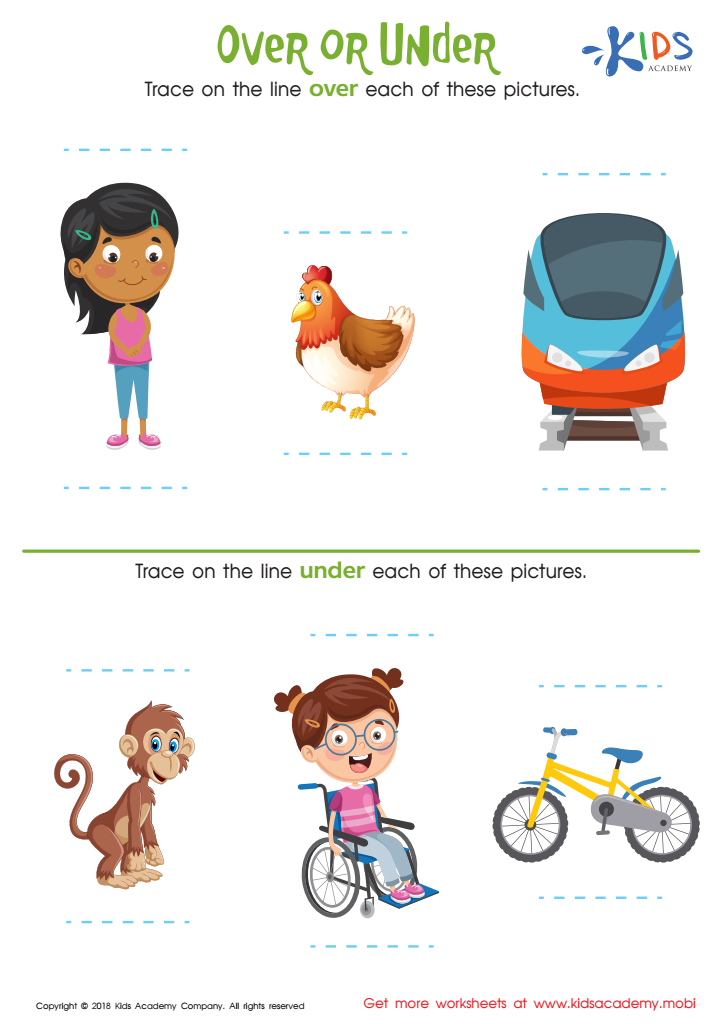
Over or Under Worksheet
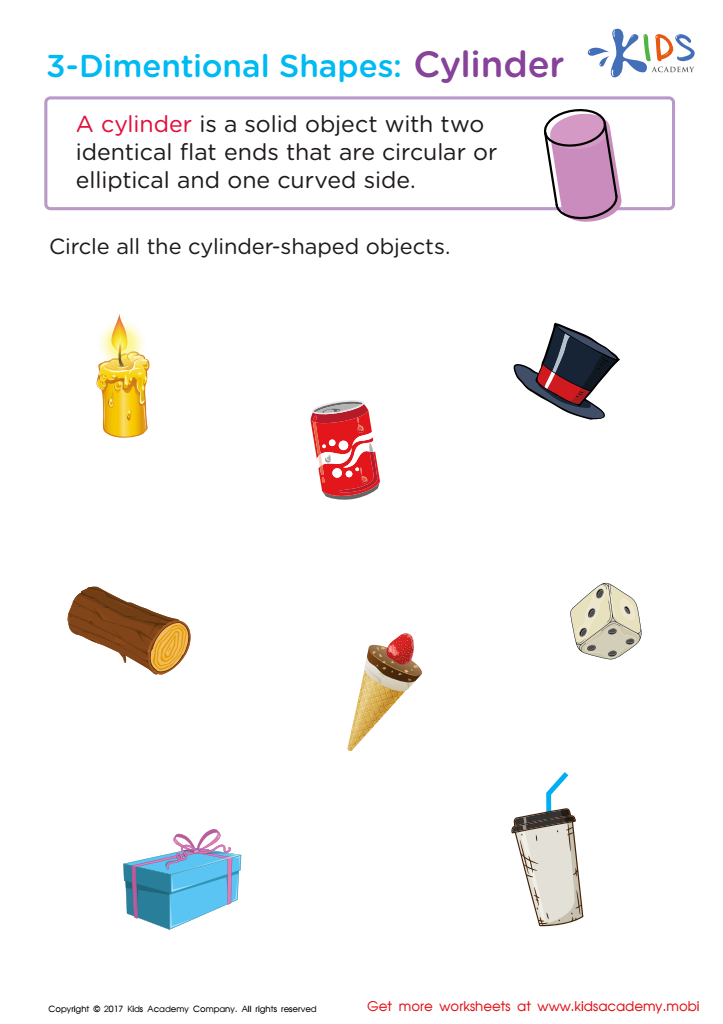
Three–Dimensional Shapes: Cylinder Worksheet
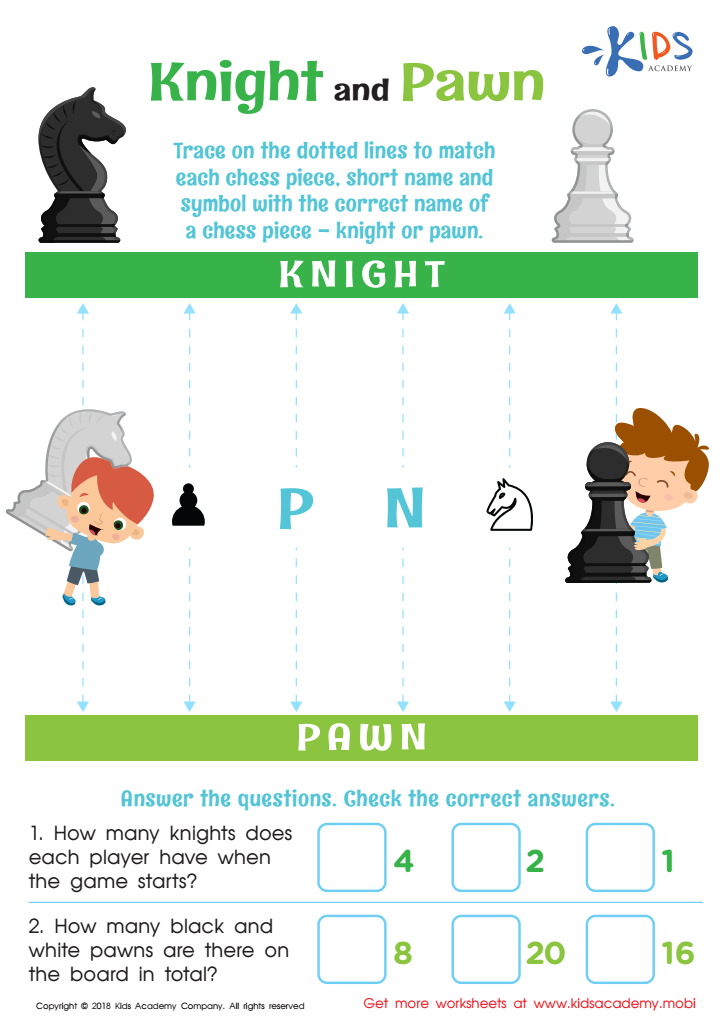
Knight and Pawn Worksheet
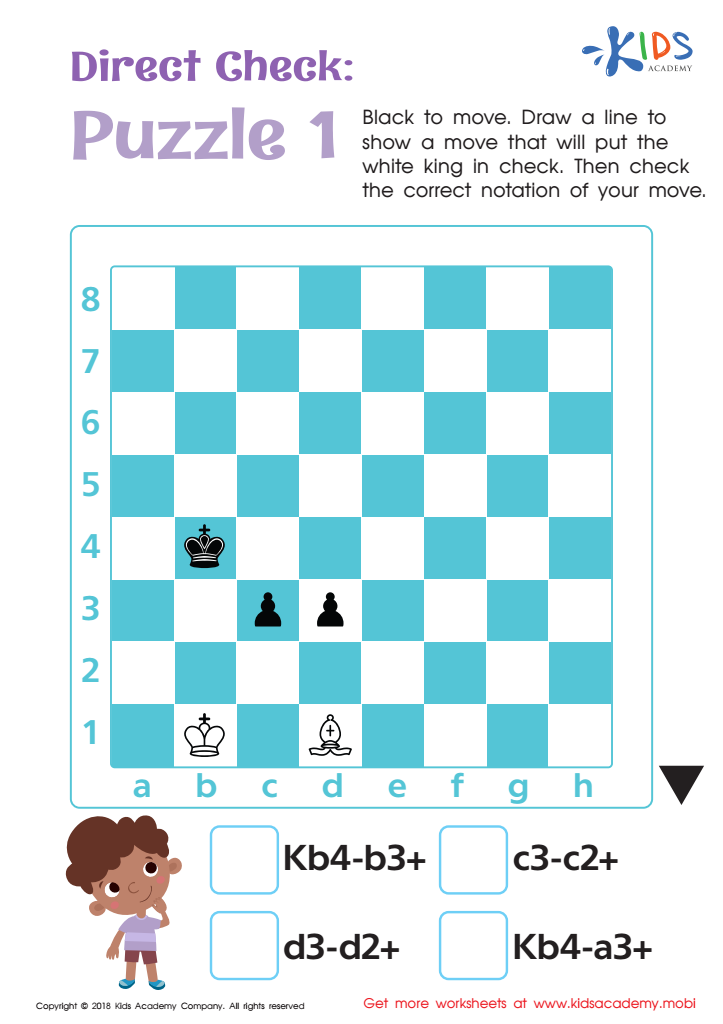
Direct Check: Puzzle 1 Worksheet
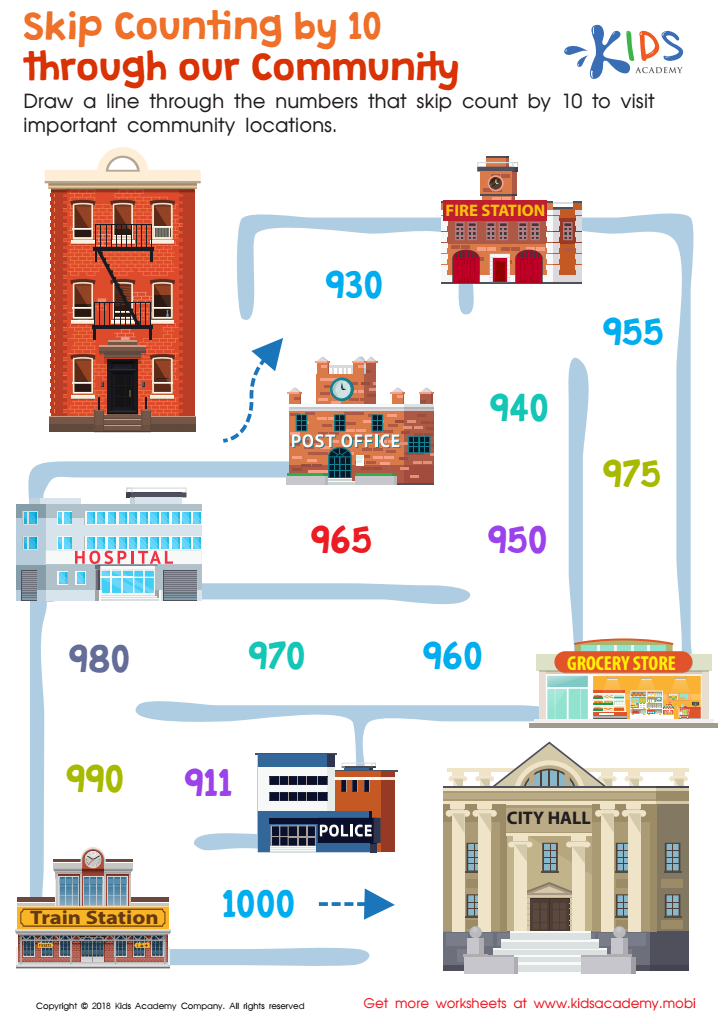
Skip Counting by 10 Through Our Community Worksheet
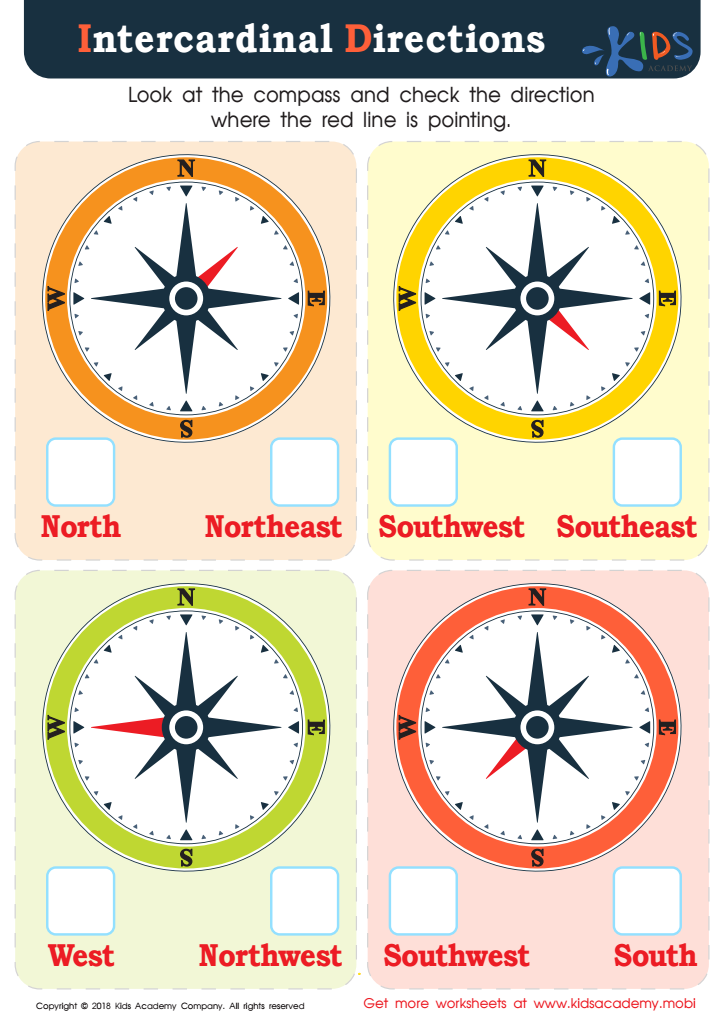
Intercardinal Directions Worksheet
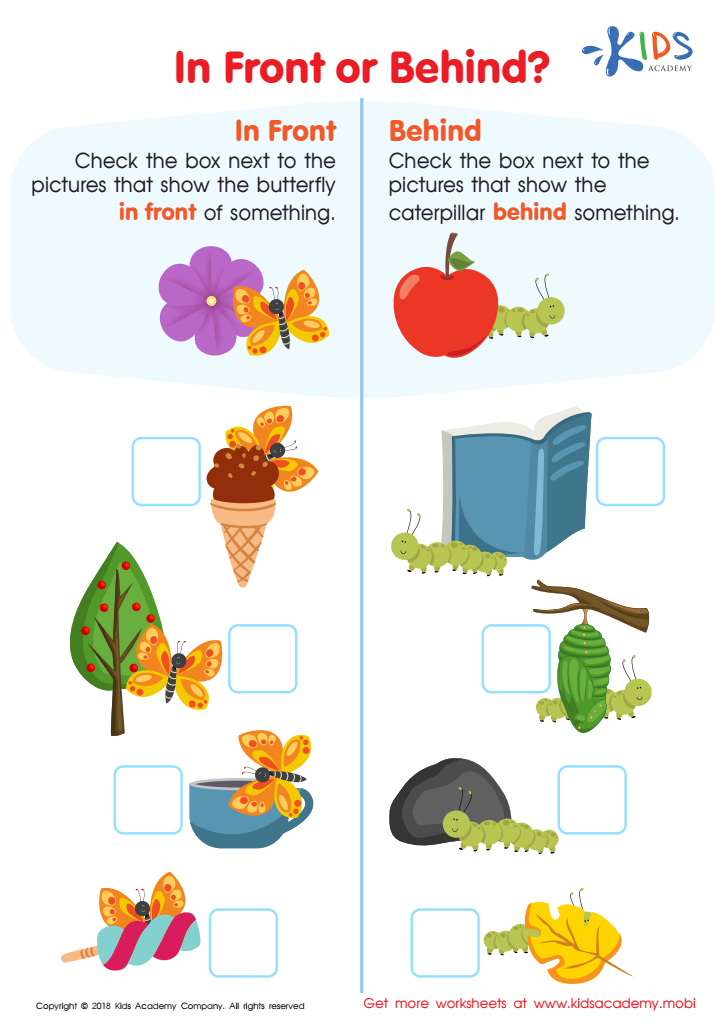
In Front or Behind Worksheet
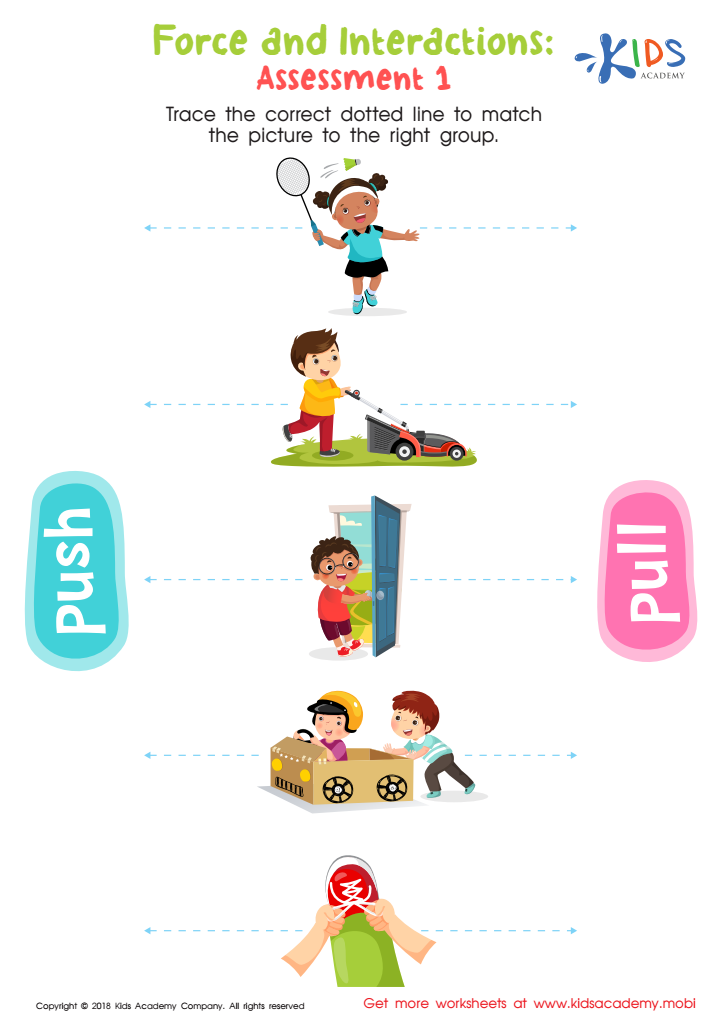
Force and Interactions: Assessment 2 Worksheet
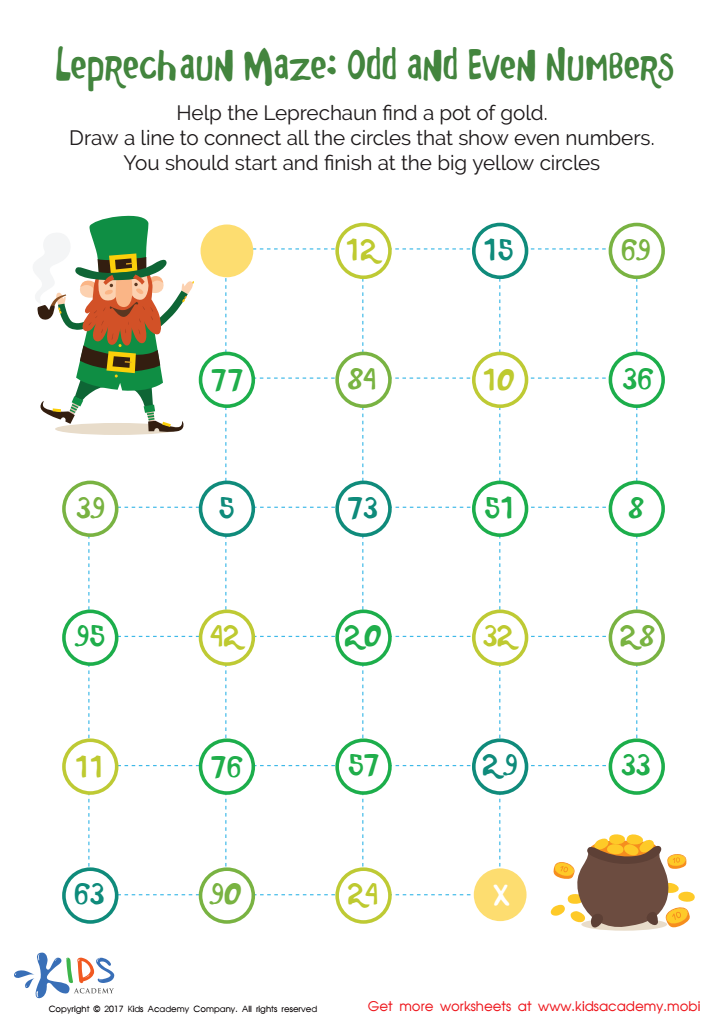
Leprechaun Maze Printable
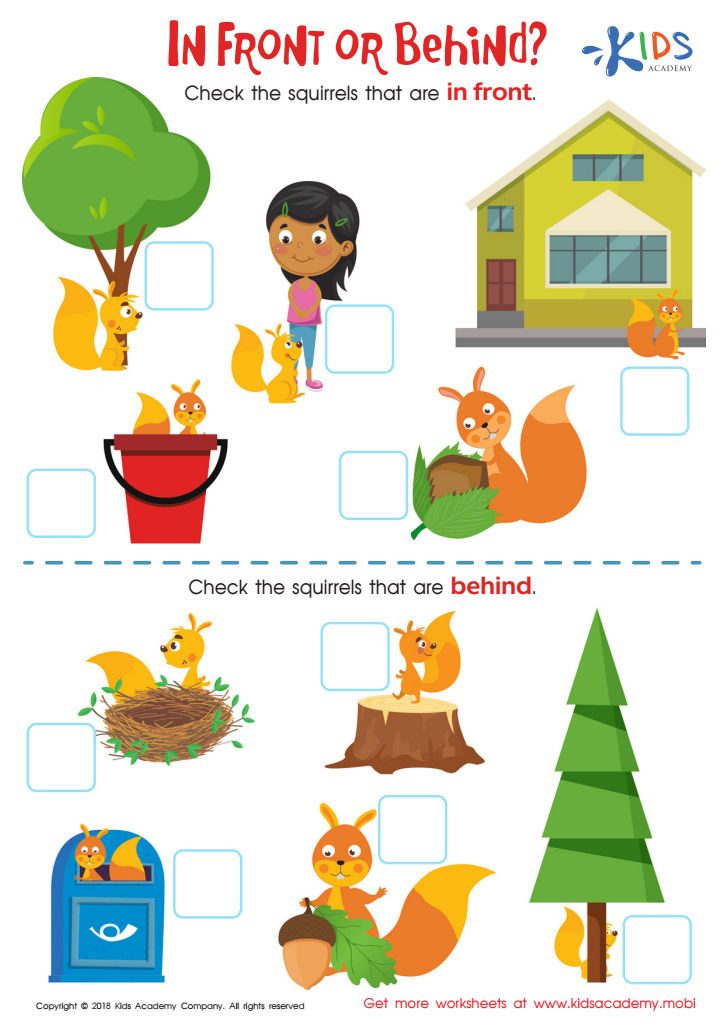
In Front or Behind: Part 2 Worksheet
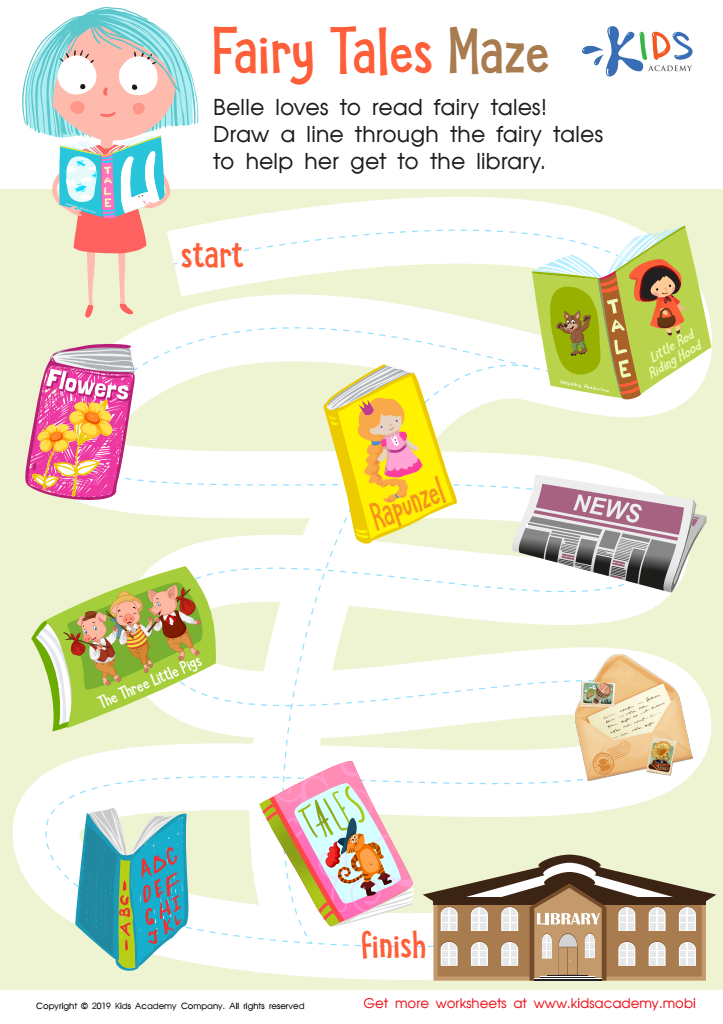
Fairy Tales Maze Worksheet
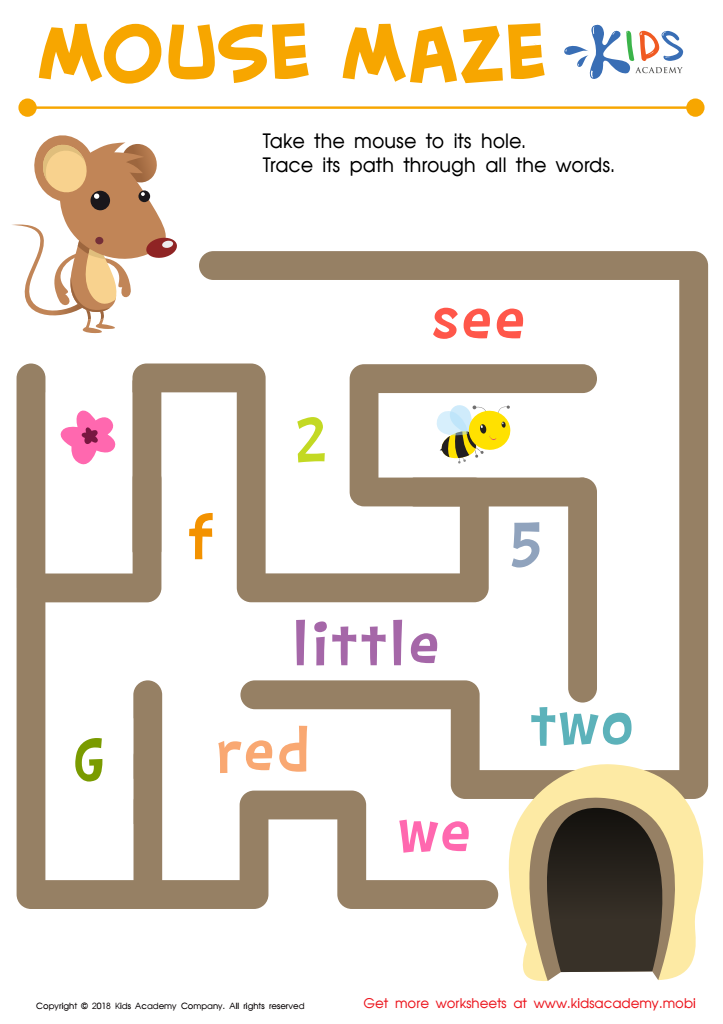
Find Words Mouse Maze Worksheet
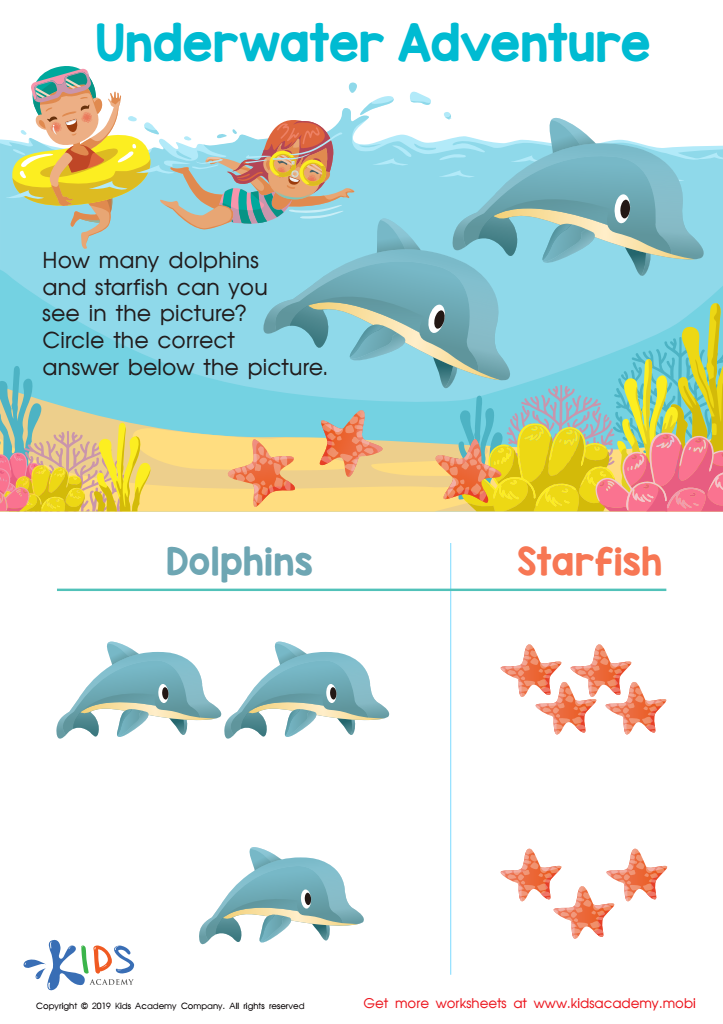
Underwater Adventure Worksheet
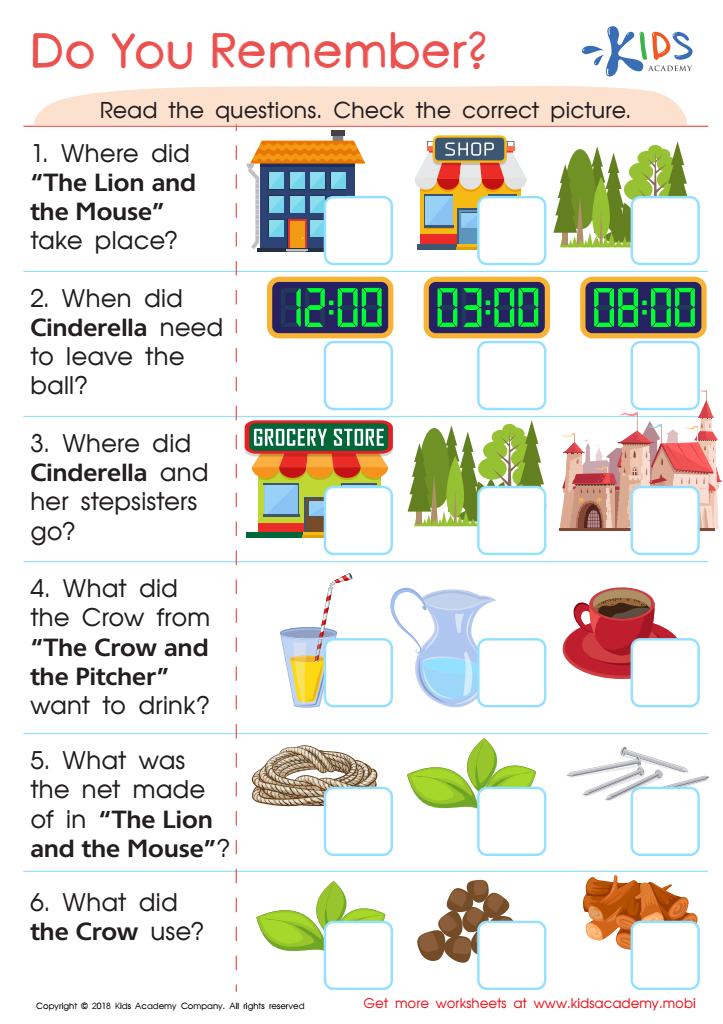
Do You Remember? Worksheet




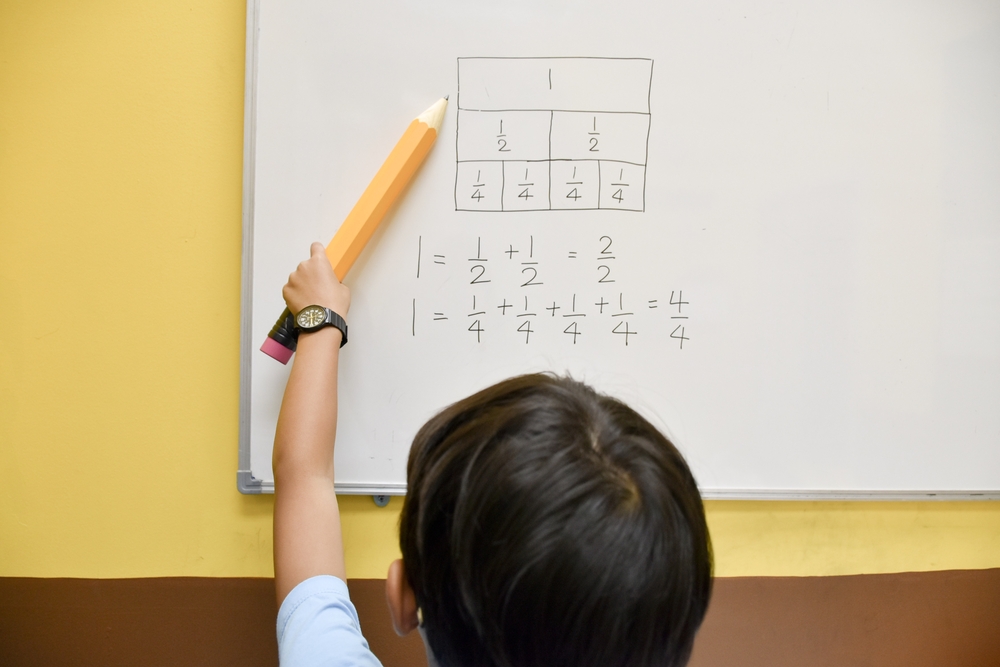
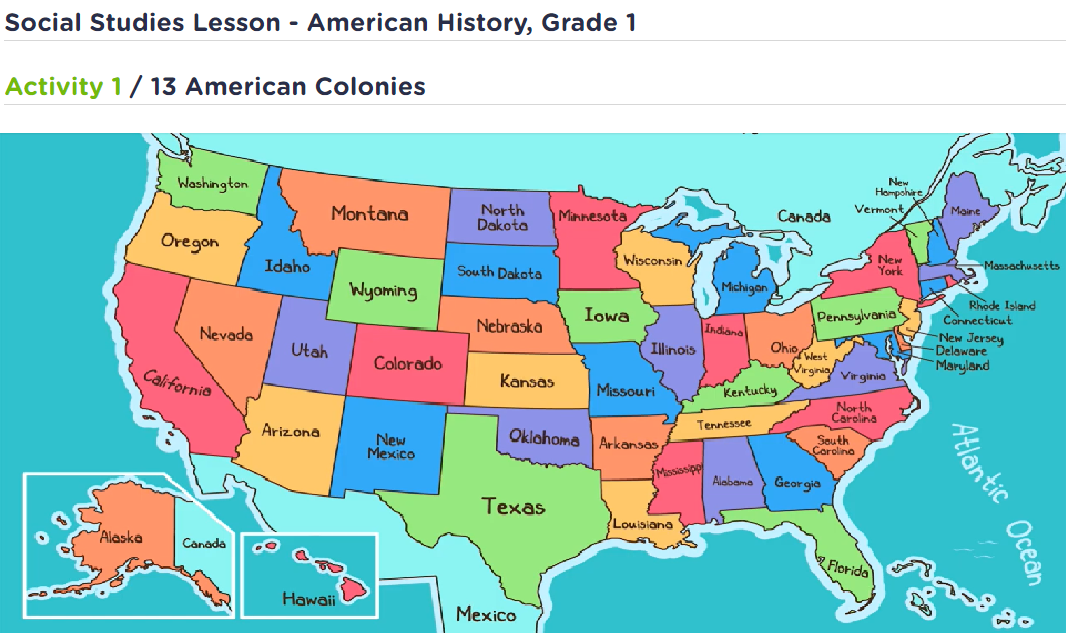

Spatial awareness is a crucial foundational skill for children aged 5-7, influencing their overall development and learning. At this stage, children are beginning to understand and navigate the world around them, making spatial awareness essential for a variety of everyday tasks and academic concepts.
Firstly, spatial awareness aids in cognitive development. It helps children grasp important mathematical concepts like geometry by understanding shapes, sizes, and their relationships to one another. This lays the groundwork for more complex mathematical reasoning in the future.
Moreover, good spatial skills enhance problem-solving abilities. Children learn to visualize different scenarios, allowing them to tackle puzzles and challenges more effectively. These skills are also linked to reading and writing, as children align letters and words on a page.
In everyday life, spatial awareness contributes to physical coordination, helping children develop balance and motor skills through activities like jumping, climbing, or ball games. This is vital for their physical health and confidence.
Ultimately, parents and teachers play a crucial role in nurturing these skills through play and structured activities. Encouraging exploration and interaction with the environment fosters spatial awareness, setting the stage for lifelong learning and success.








