Spatial reasoning Worksheets for Ages 5-7
11 filtered results
-
From - To
Unlock your child's potential with our engaging Spatial Reasoning Worksheets for ages 5-7! These specially designed activities help young learners develop critical visual-spatial skills by encouraging activities such as shape recognition, patterning, and 3D reasoning. Through colorful and interactive exercises, children will explore concepts like symmetry, rotation, and sequencing, all while having fun. These worksheets foster essential skills to support their math and problem-solving abilities. Suitable for both home and classroom use, our resource allows parents and educators to track progress and ensure a solid foundation for future learning. Start your child's journey into spatial understanding today!
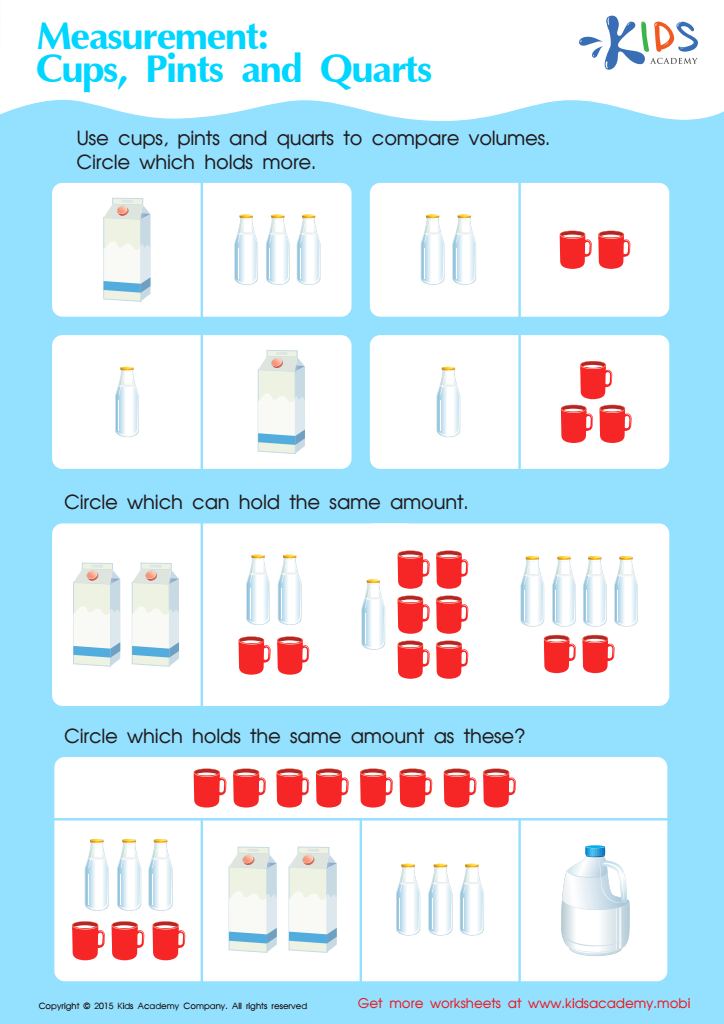
Measurement: Compare Volumes Worksheet
 Assign to My Students
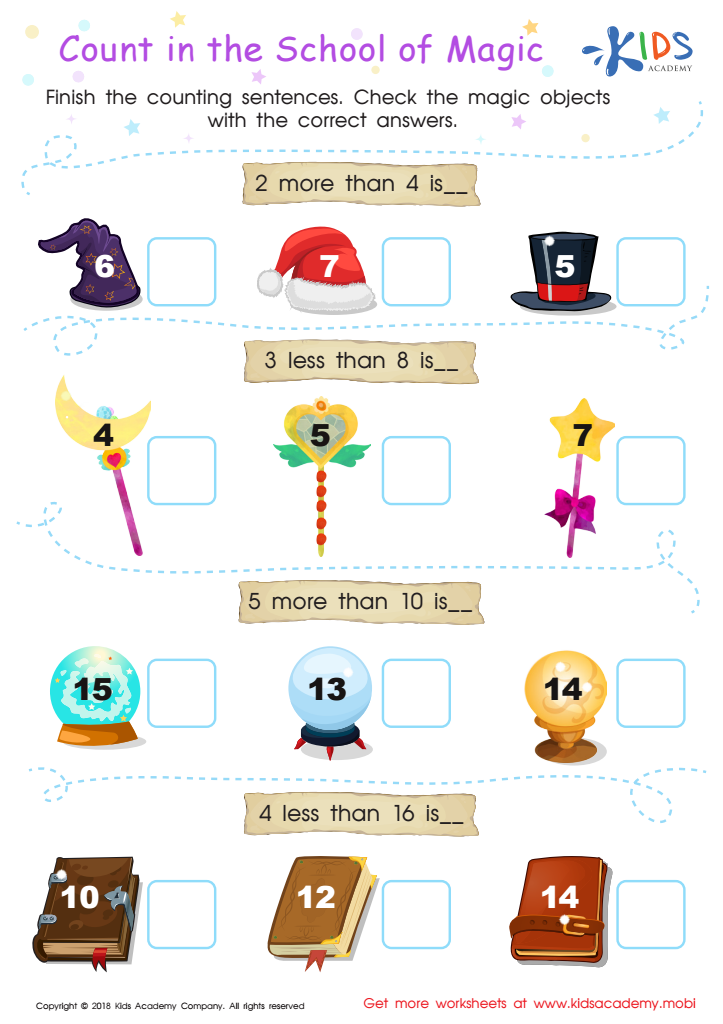
Count in the School of Magic Worksheet
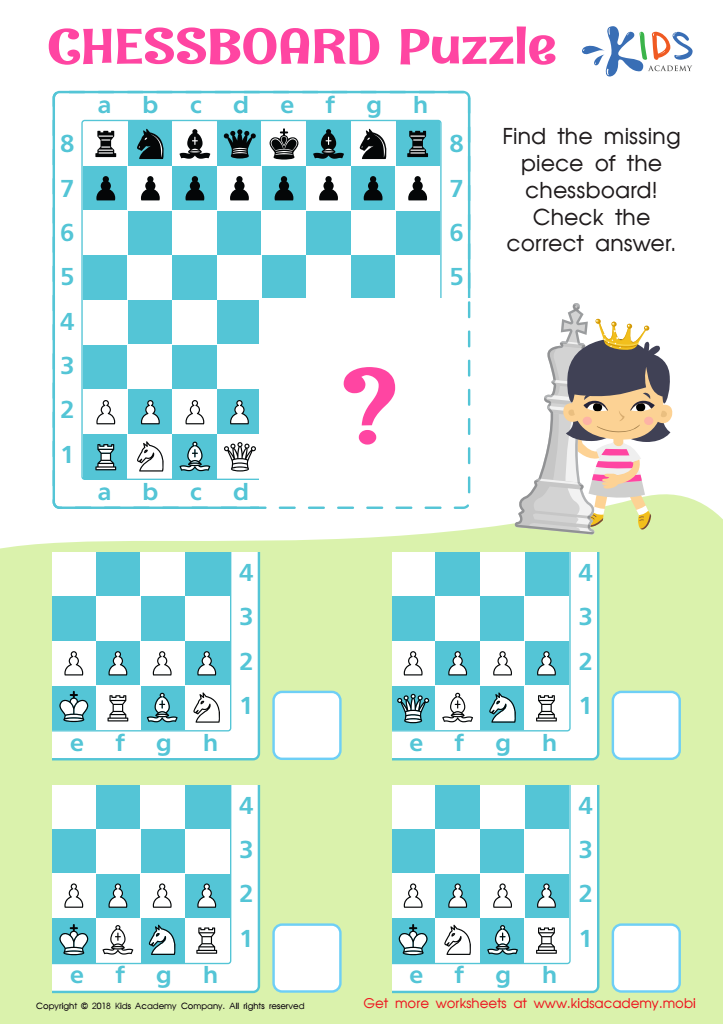
Chessboard Puzzle Worksheet
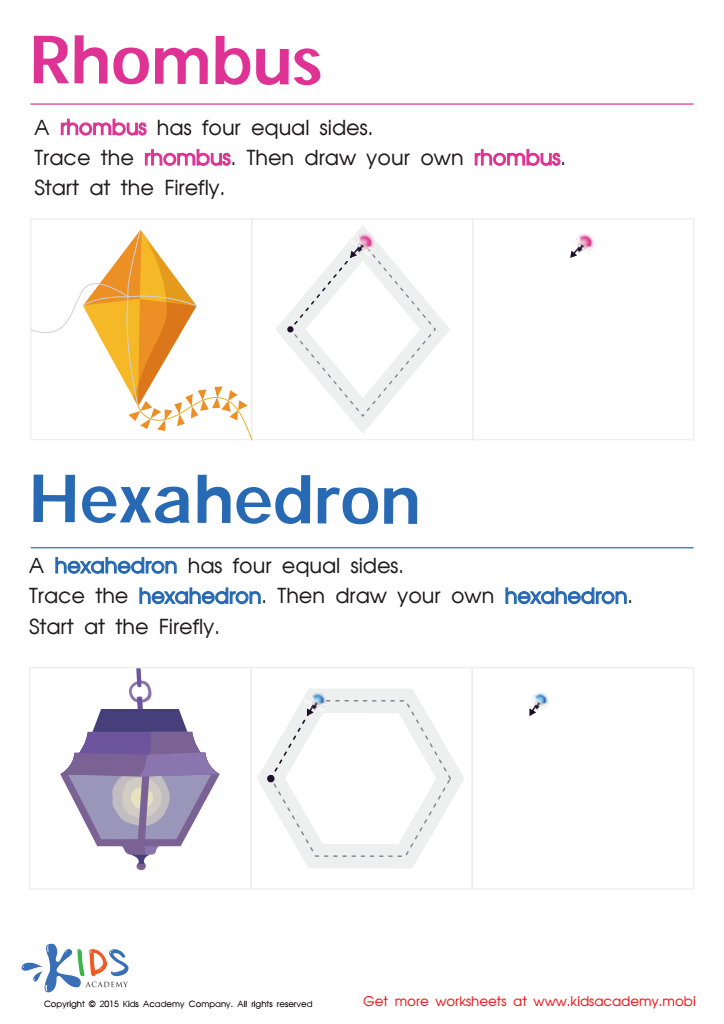
Draw a Rhombus And a Hexahedron Printable
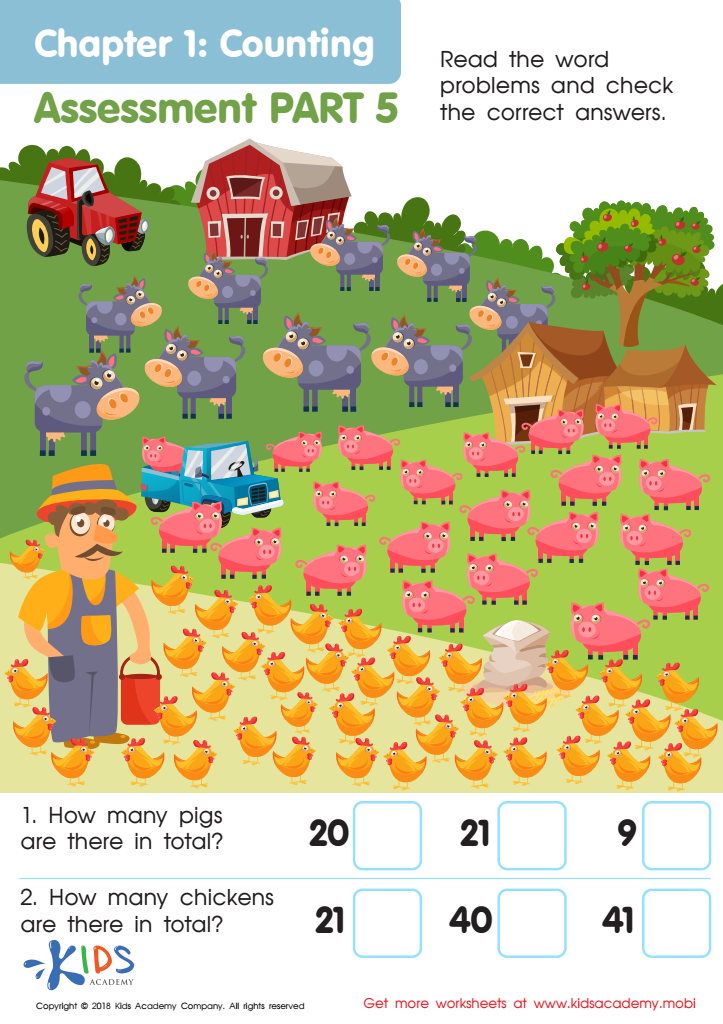
Counting: Assessment 5 Worksheet
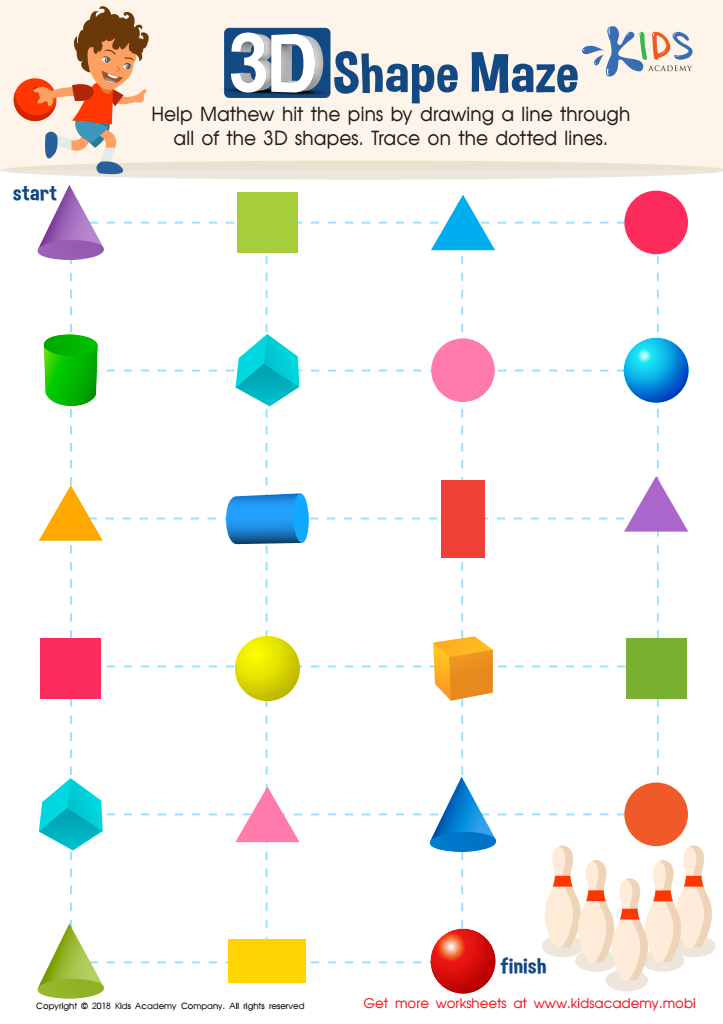
Shapes Maze Geometry Worksheet
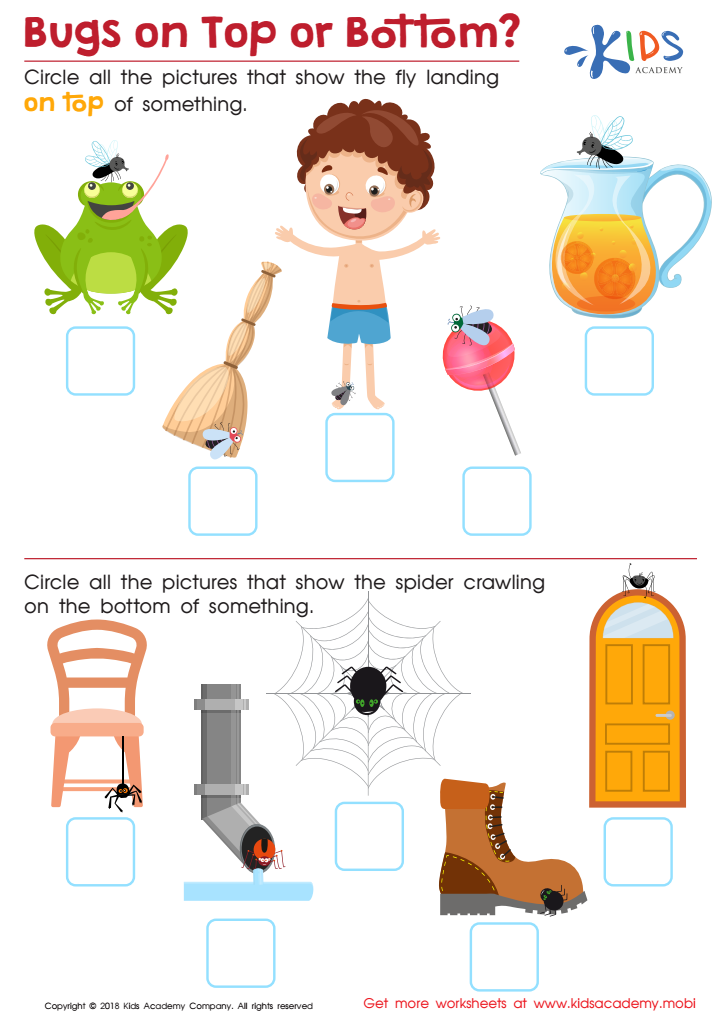
Bugs on Top or Bottom? Worksheet
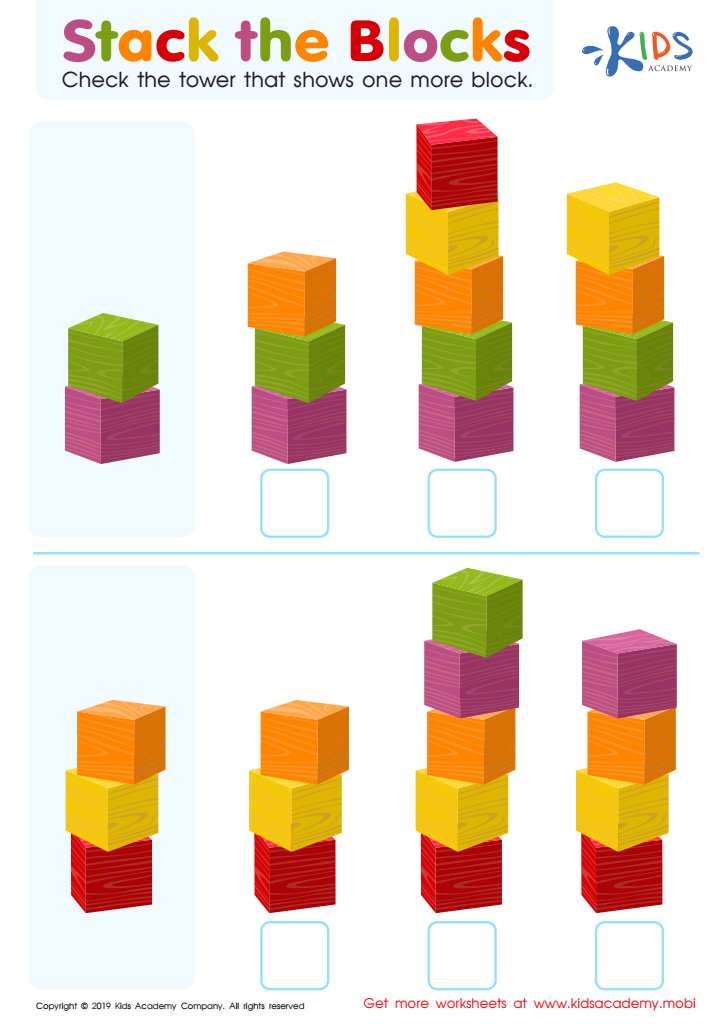
Stack the Blocks Worksheet
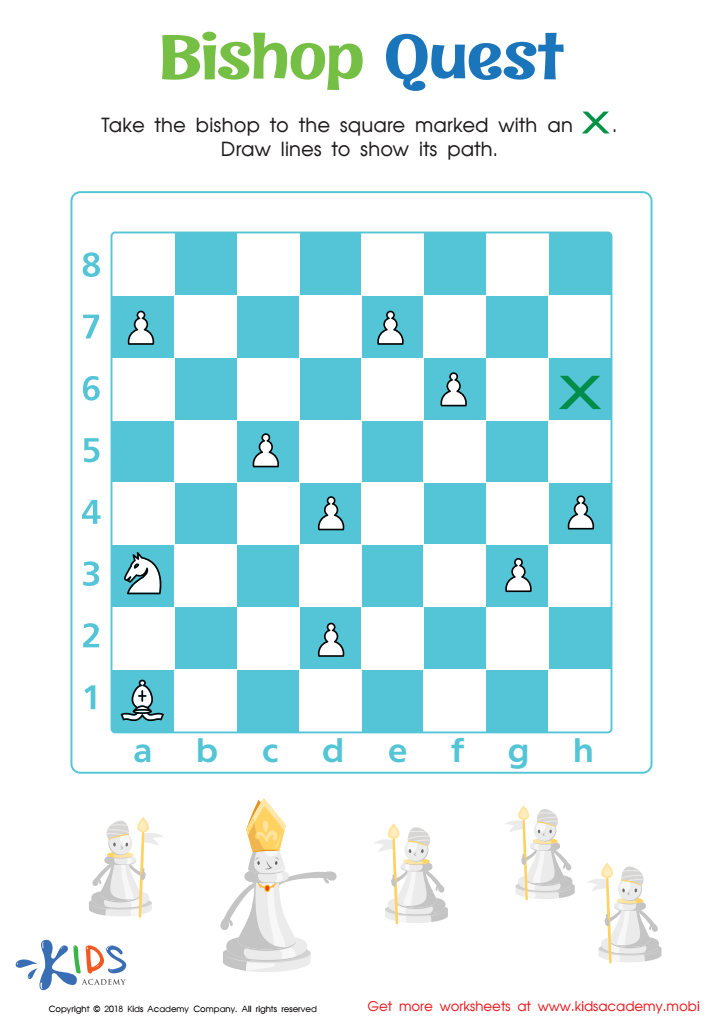
Bishop Quest Worksheet
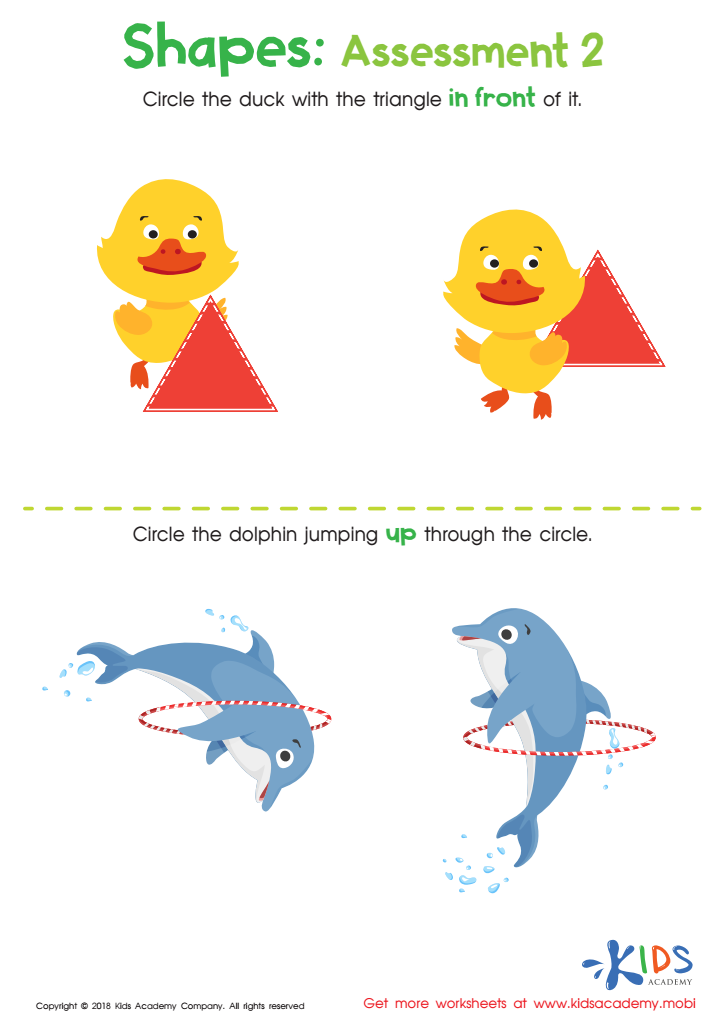
Geometry – Assessment 2 Worksheet







Spatial reasoning is a crucial cognitive skill that significantly impacts children's academic and everyday experiences, particularly between the ages of 5-7. At this developmental stage, children are making strides in understanding their world, and spatial reasoning helps them comprehend shapes, sizes, and spatial relationships. It fosters skills in mathematics, particularly geometry, as well as enables children to grasp more complex concepts later on.
Parents and teachers should care about spatial reasoning because it lays the foundation for critical problem-solving abilities. Activities that enhance these skills, such as building with blocks, solving puzzles, or engaging in drawing and mapping exercises, encourage children to visualize and manipulate objects in their minds. This is essential not only in math and science but also enhances literacy by improving storytelling and comprehension skills through visual imagery.
Furthermore, spatial reasoning supports creativity and innovation. The future job market increasingly values skills such as design and engineering, where spatial awareness is vital. By prioritizing activities that develop spatial reasoning, parents and teachers equip children with a vital toolkit for both academic success and lifelong learning. Thus, investing in these skills now pays dividends for a child's future opportunities and overall cognitive development.








