Subtraction practice Worksheets for Ages 5-7 - Page 4
95 filtered results
-
From - To
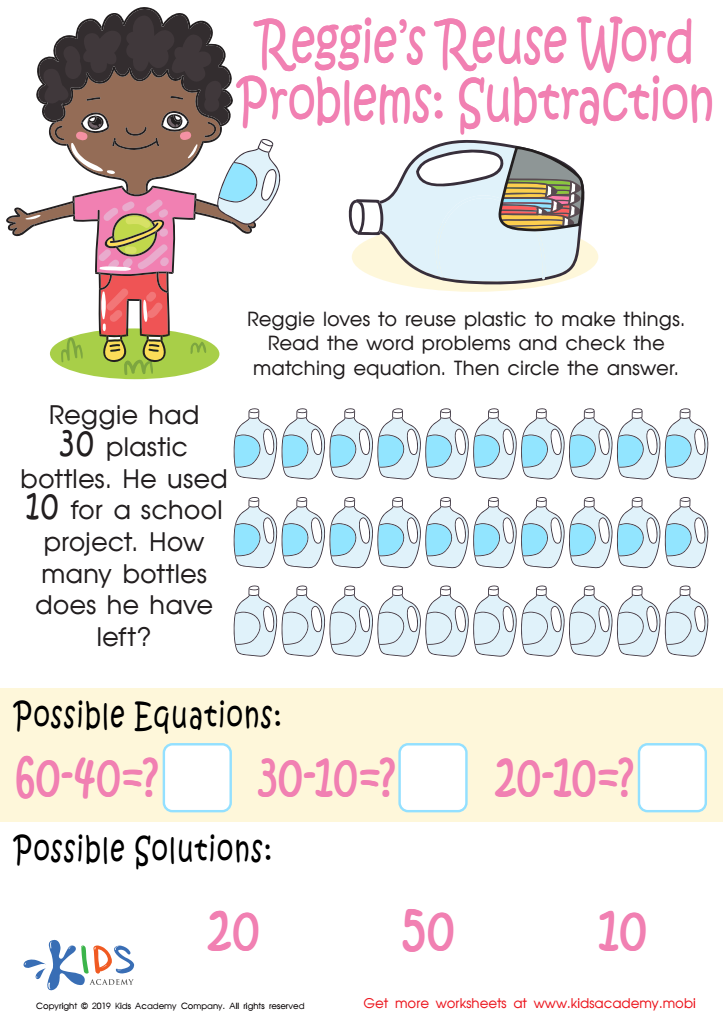
Reggie's Reuse Word Problems: Subtraction Worksheet
 Assign to My Students
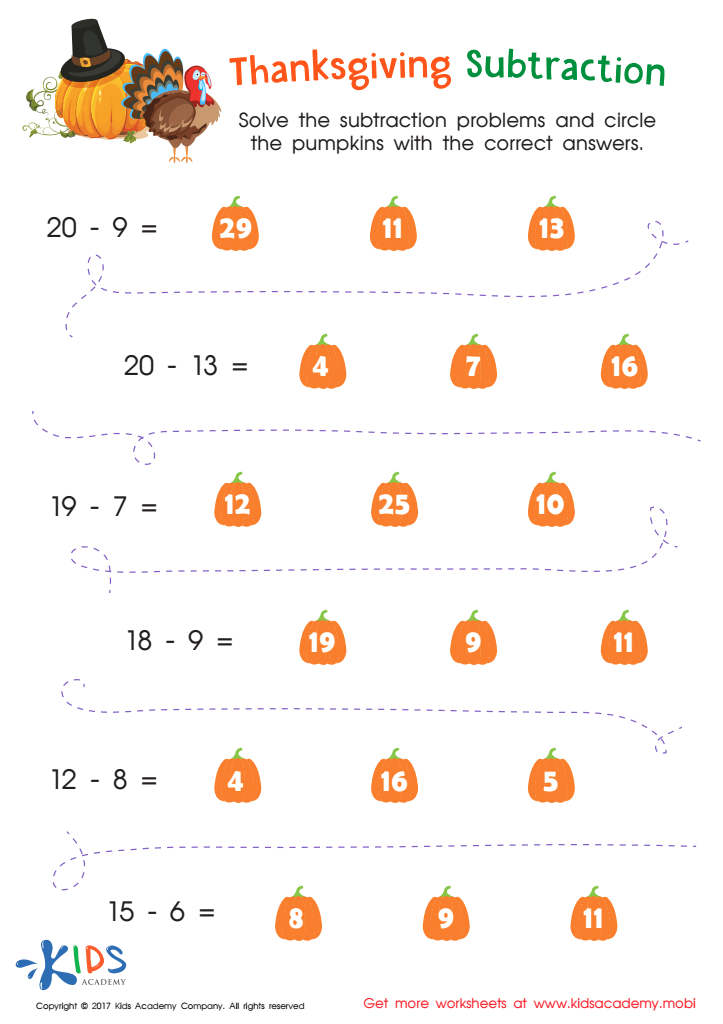
Thanksgiving Subtraction Substraction Worksheet
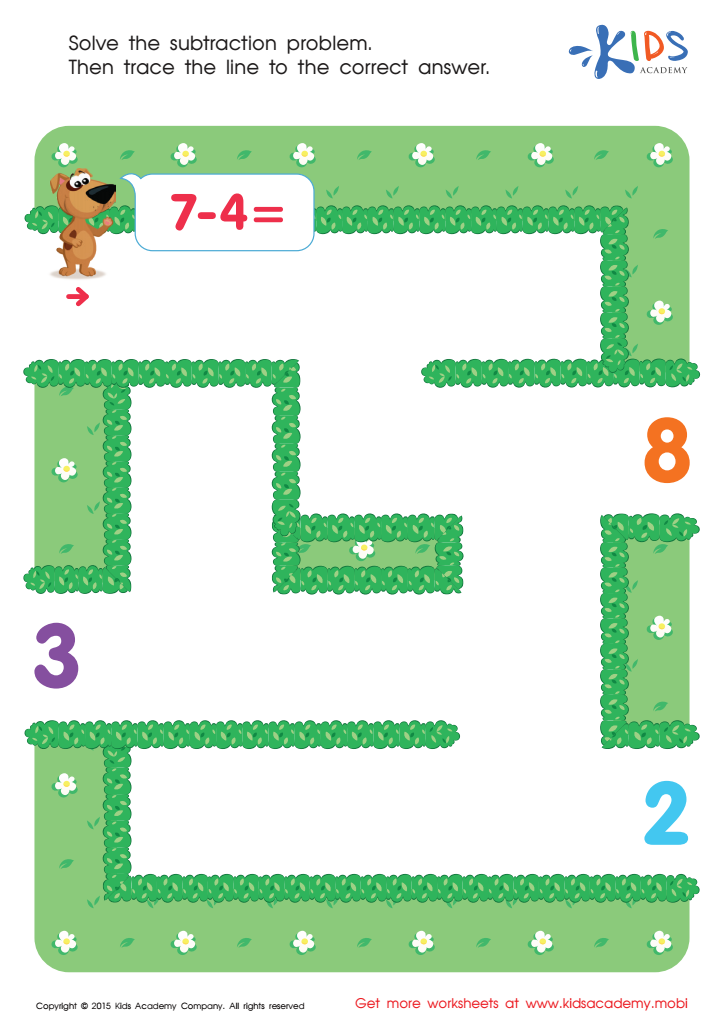
Subtraction Seven Minus Four Worksheet
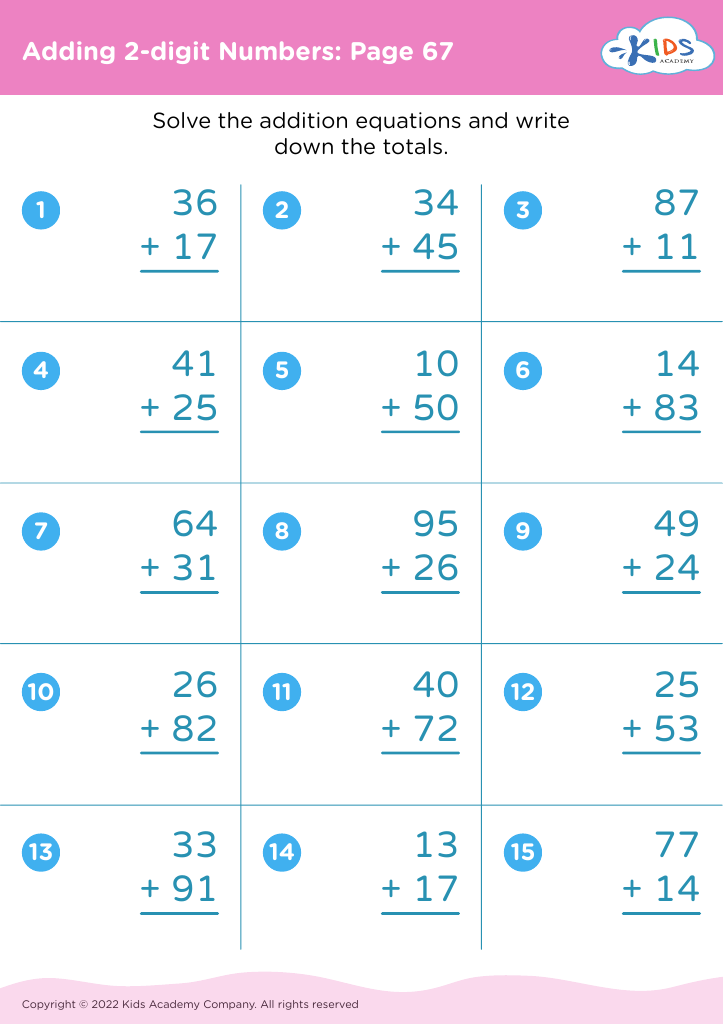
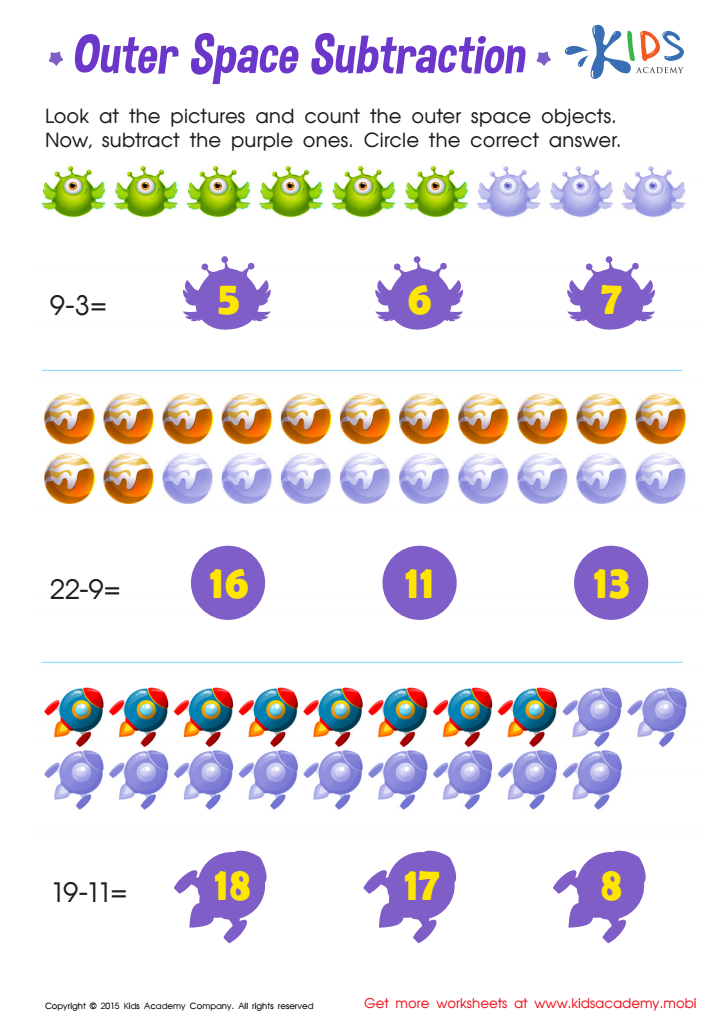
Outer Space Substraction Worksheet
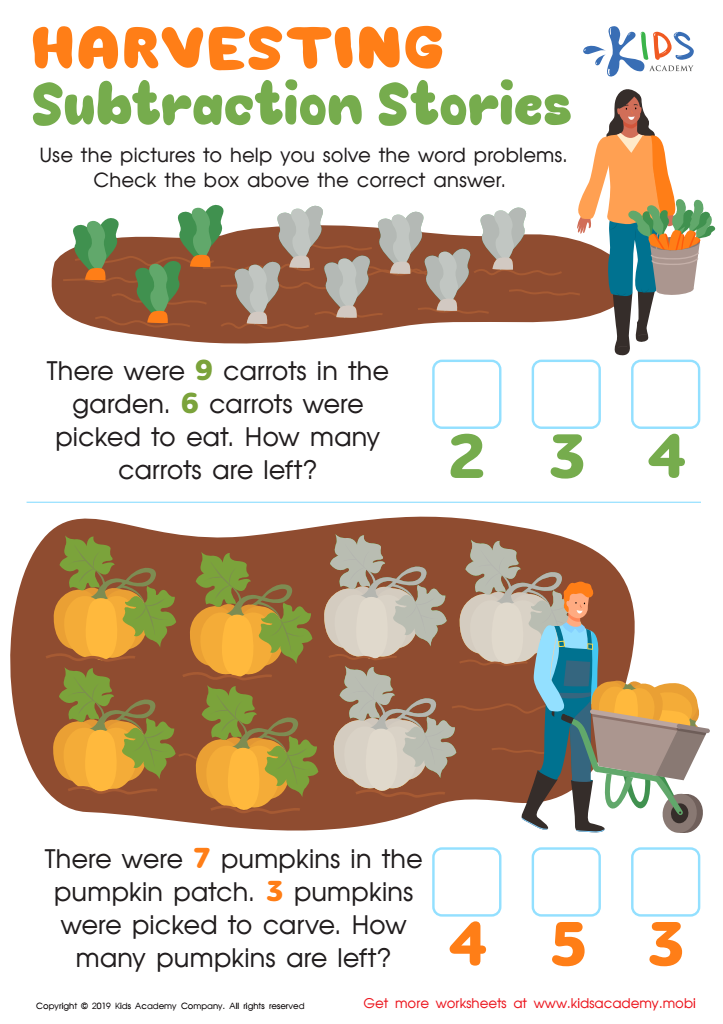
Harvesting Subtraction Stories Worksheet
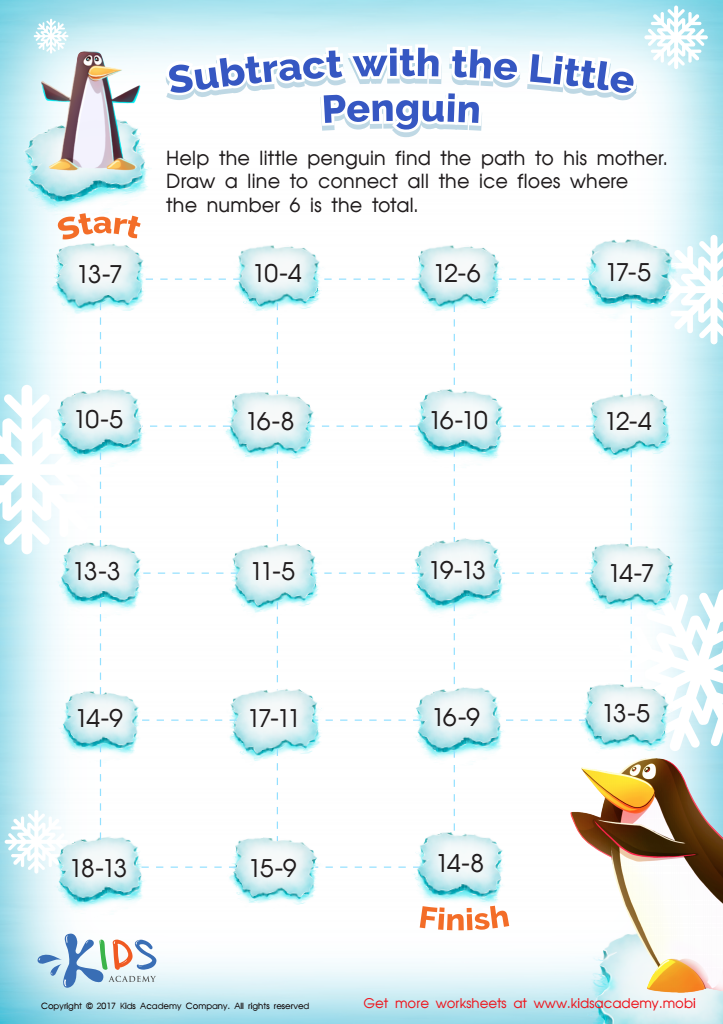
Subtract With The Little Penguin Substraction Worksheet

Ten in the Bed Worksheet
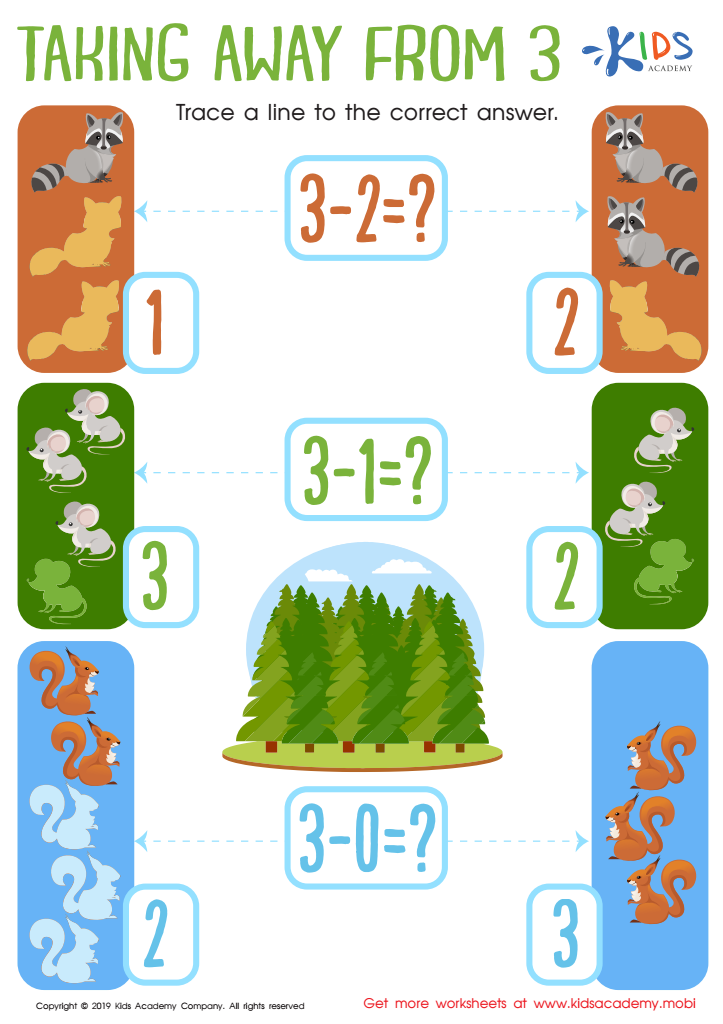
Taking Away From 3 Worksheet
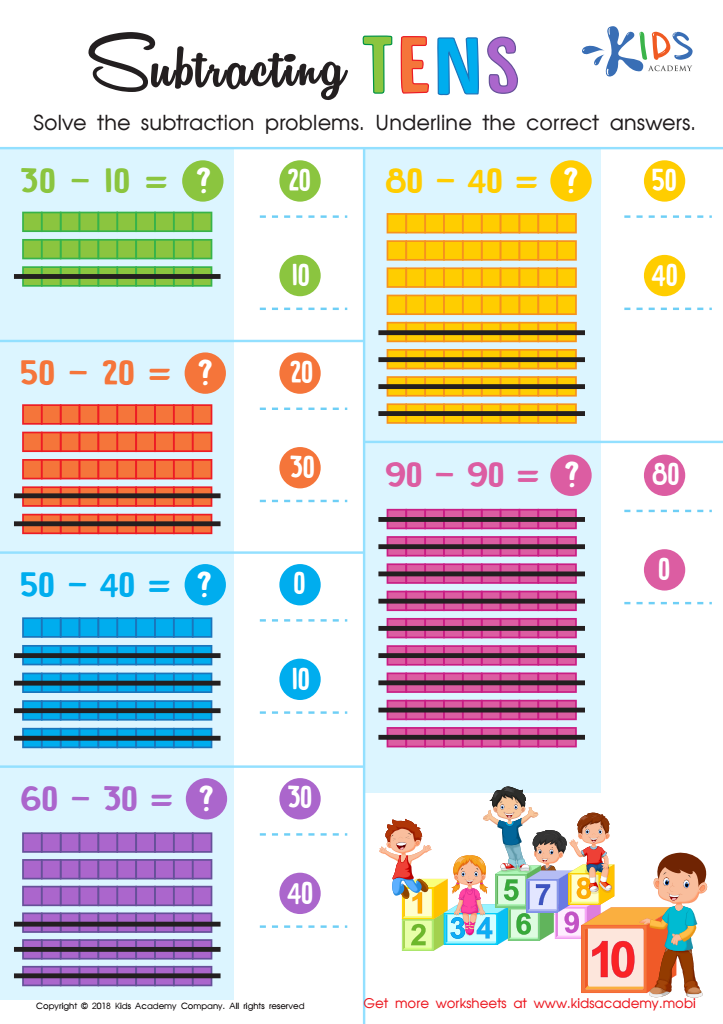
Subtracting Tens Worksheet
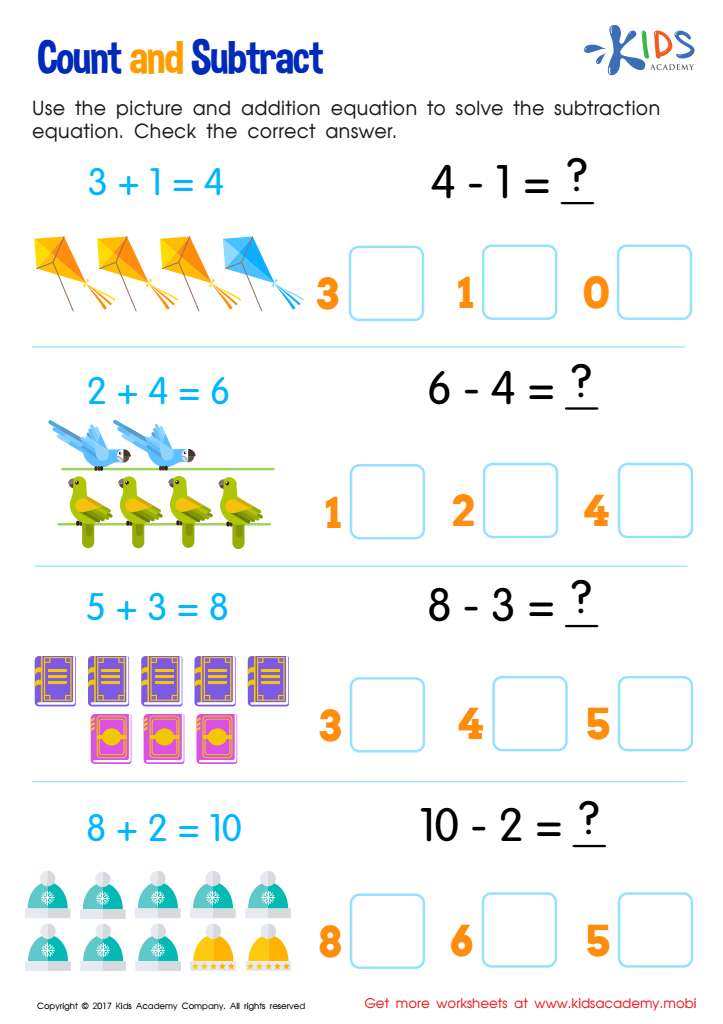
Count and Subtract Worksheet
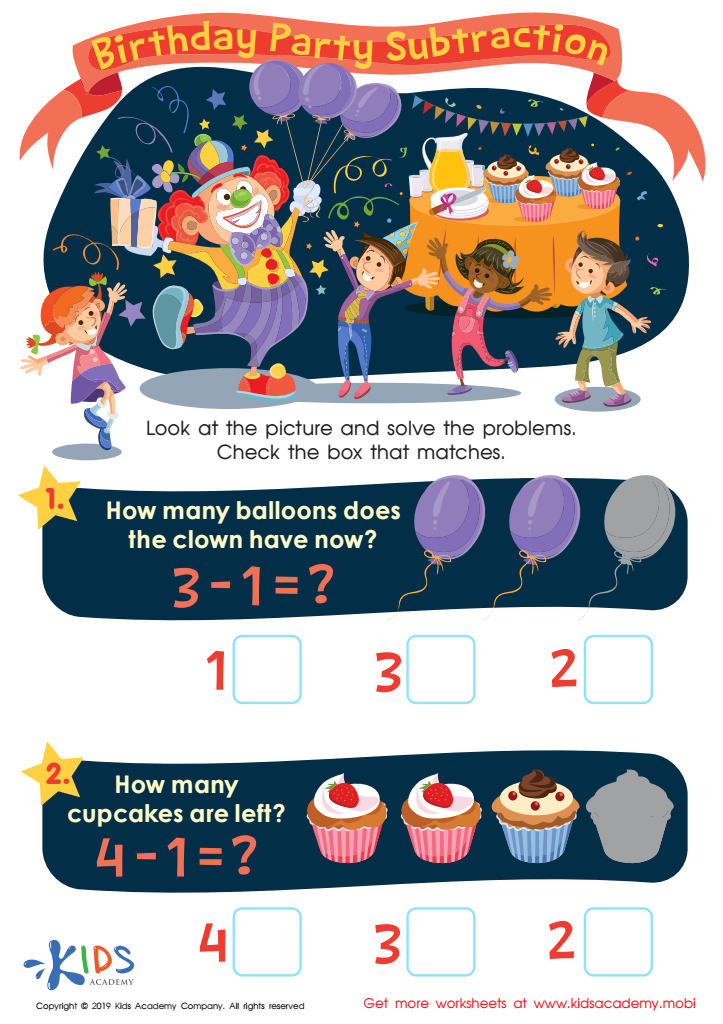
Birthday Party Subtraction Worksheet
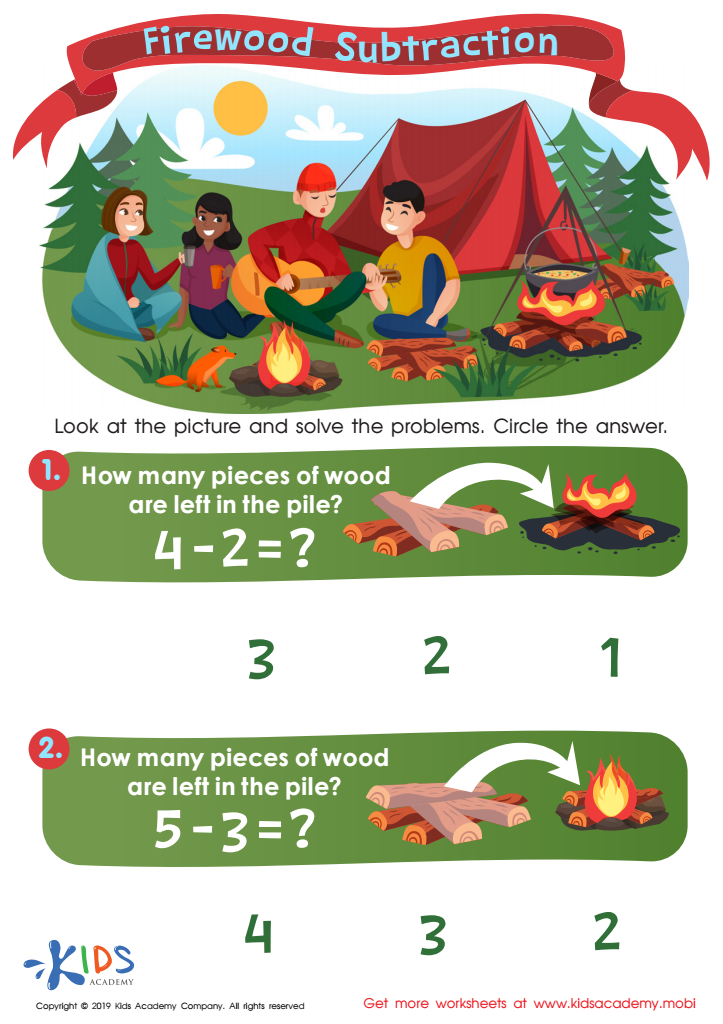
Firewood Subtraction Worksheet
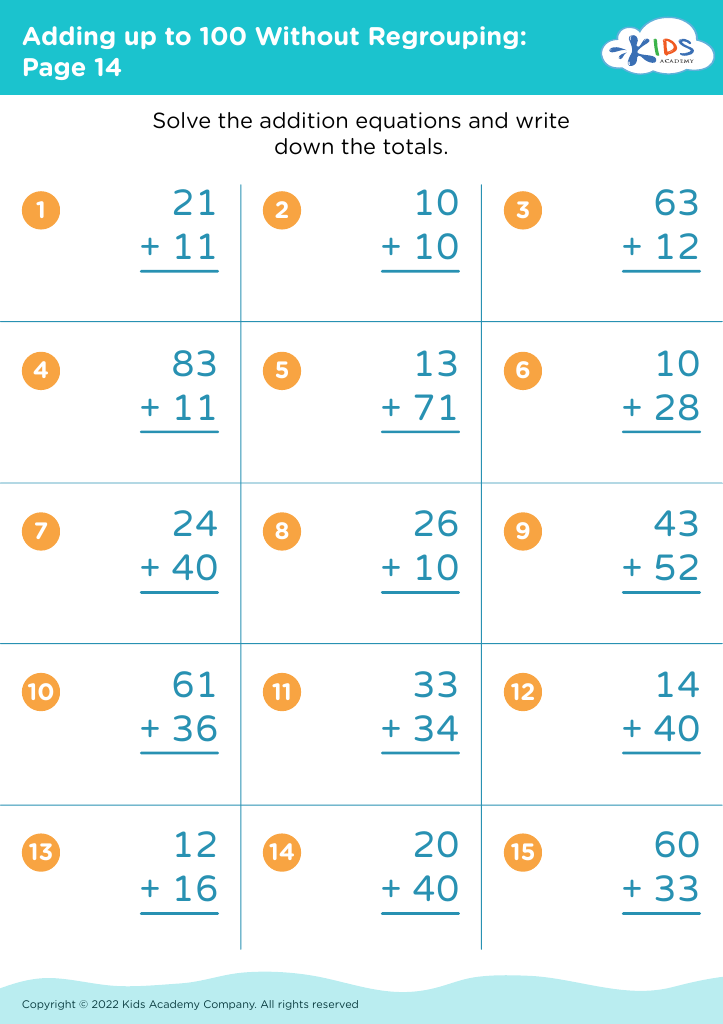
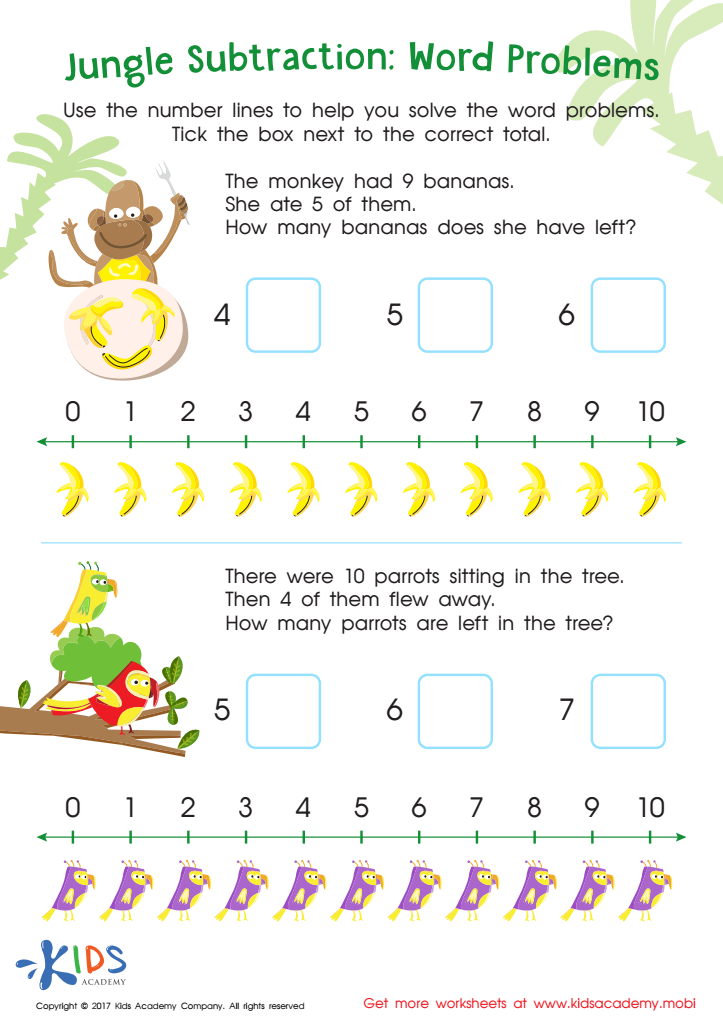
Jungle Subtraction Word Problems Substraction Worksheet
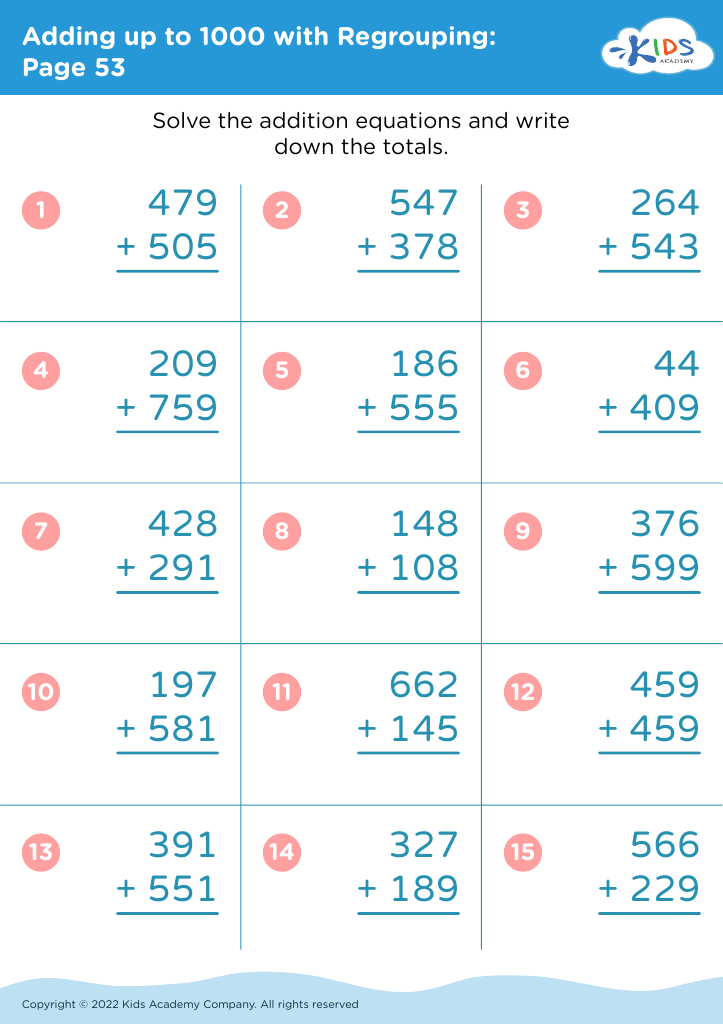
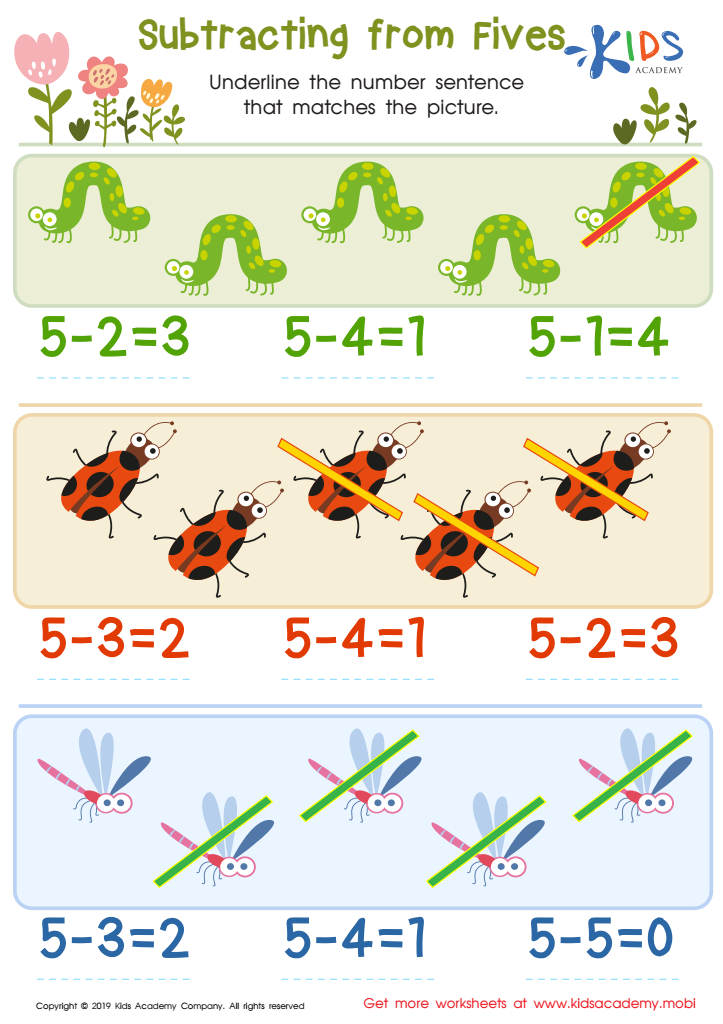
Subtracting From Fives Worksheet








Subtraction practice is essential for children aged 5-7 because it builds foundational math skills critical for future learning and everyday life. At this early stage, children are developing their number sense and their ability to understand and manipulate numbers. Mastering subtraction helps reinforce the concept that numbers represent quantities, which can be broken down and recombined.
Firstly, subtraction is not an isolated skill; it's part of basic arithmetic, which includes addition, multiplication, and division. Early success in subtraction paves the way for complex problem-solving and reasoning required in later grades.
Secondly, consistent practice improves mental math abilities, promoting quick reasoning. This agility in thinking is beneficial beyond math, enhancing cognitive skills like memory, attention, and logical thinking.
Moreover, engaging in subtraction exercises helps children gain confidence in their capabilities, reducing math anxiety. This foundational confidence is vital because a positive attitude towards math impacts their willingness to tackle new and challenging concepts.
From a practical perspective, subtraction is a life skill used in everyday activities, like counting money, measuring ingredients for recipes, or managing time. Ensuring children practice subtraction prepares them for these real-life situations.
In conclusion, parents and teachers should place a significant emphasis on subtraction practice for children aged 5-7 to foster a robust mathematical foundation, encourage cognitive development, build confidence, and prepare them for practical tasks.








