Visual perception Worksheets for Ages 5-7 - Page 3
63 filtered results
-
From - To
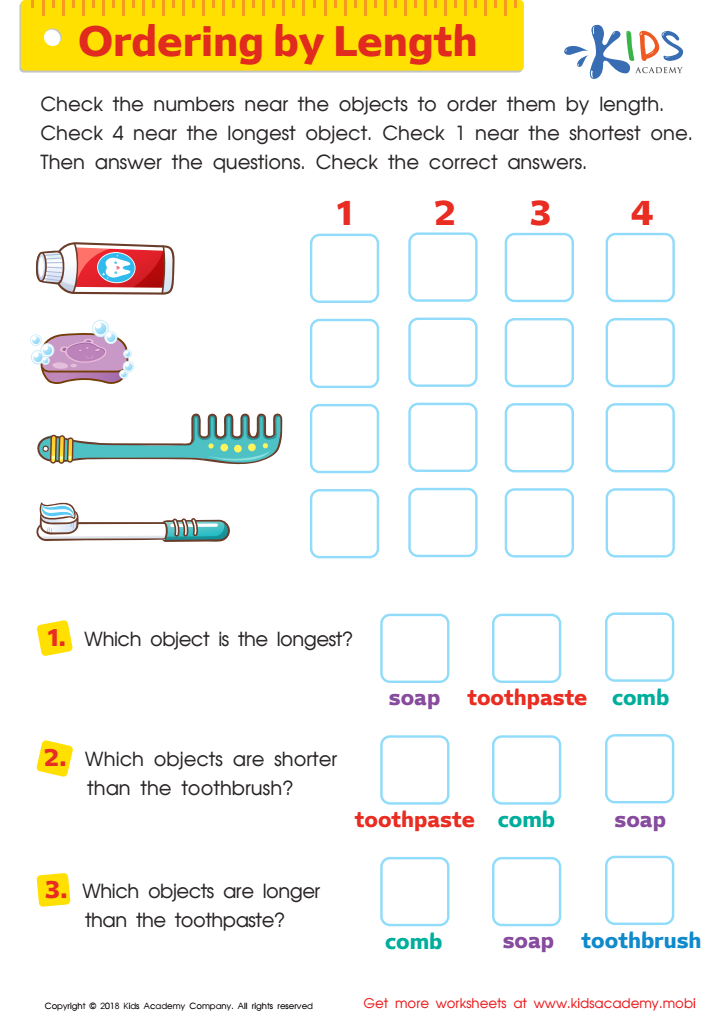
Ordering by Length Worksheet
 Assign to My Students
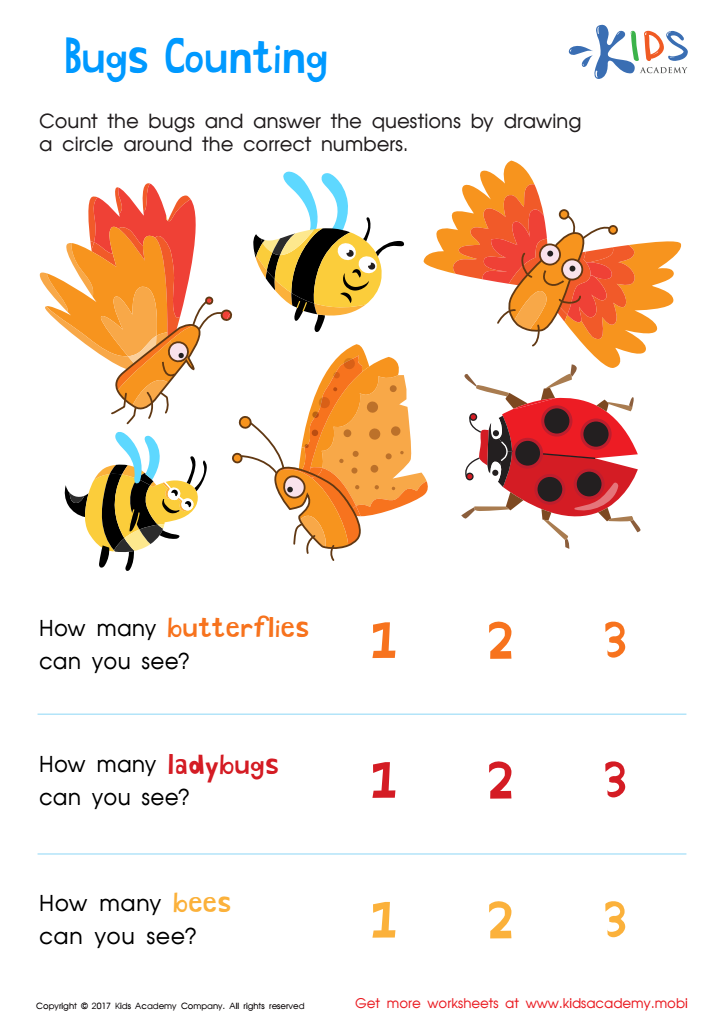
Bugs Counting Worksheet
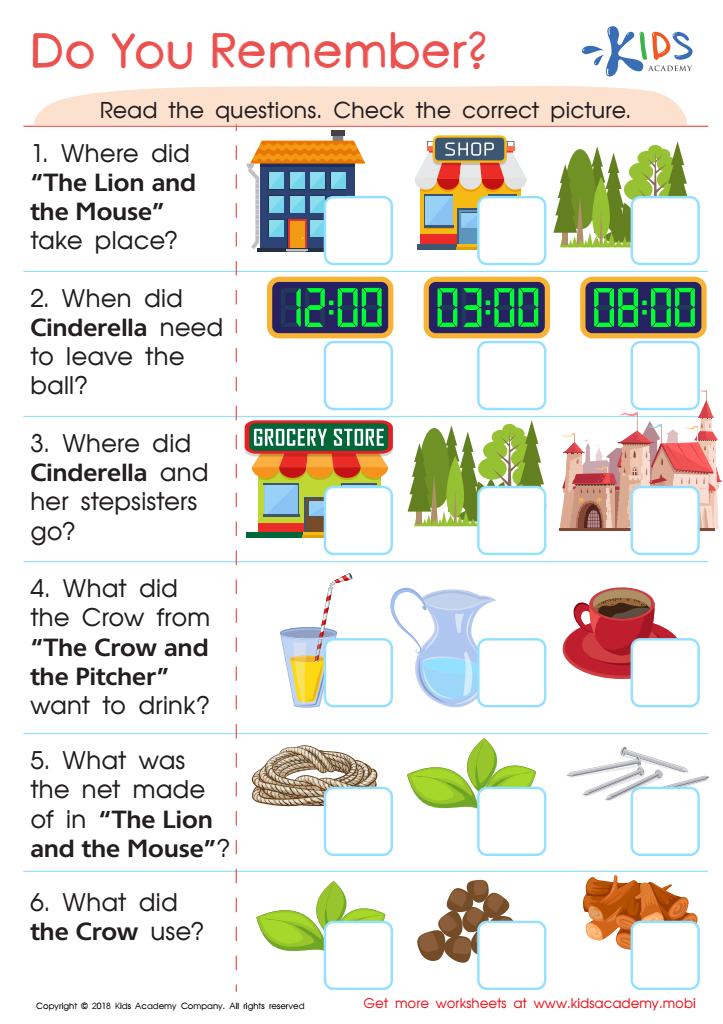
Do You Remember? Worksheet
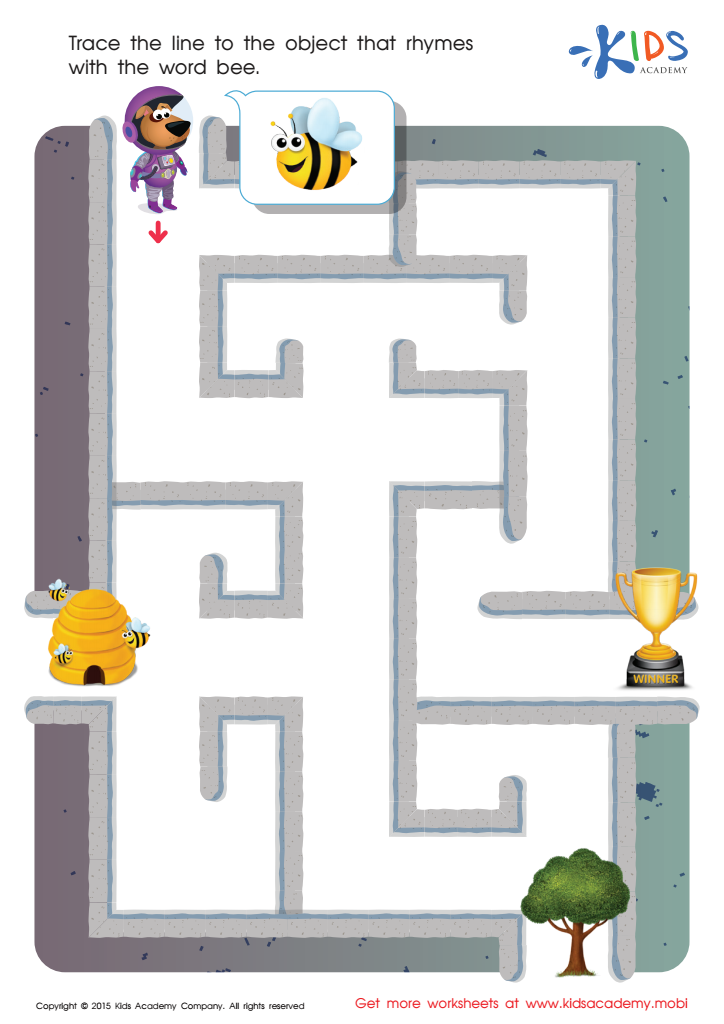
Bee Rhyming Words Worksheet
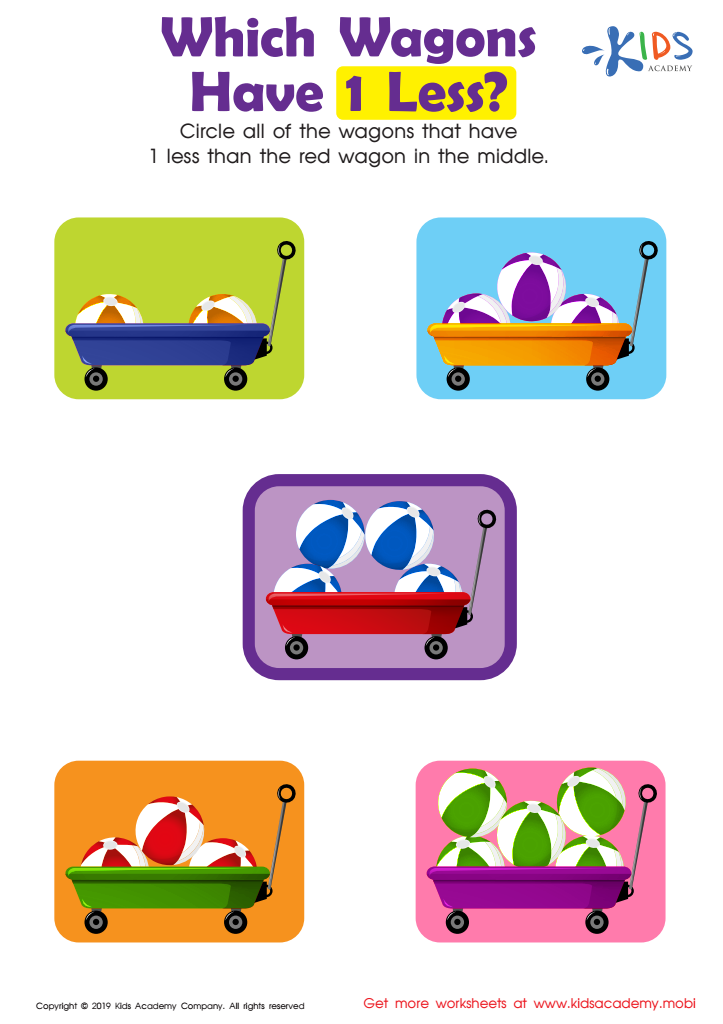
Which Wagons Have 1 Less? Worksheet
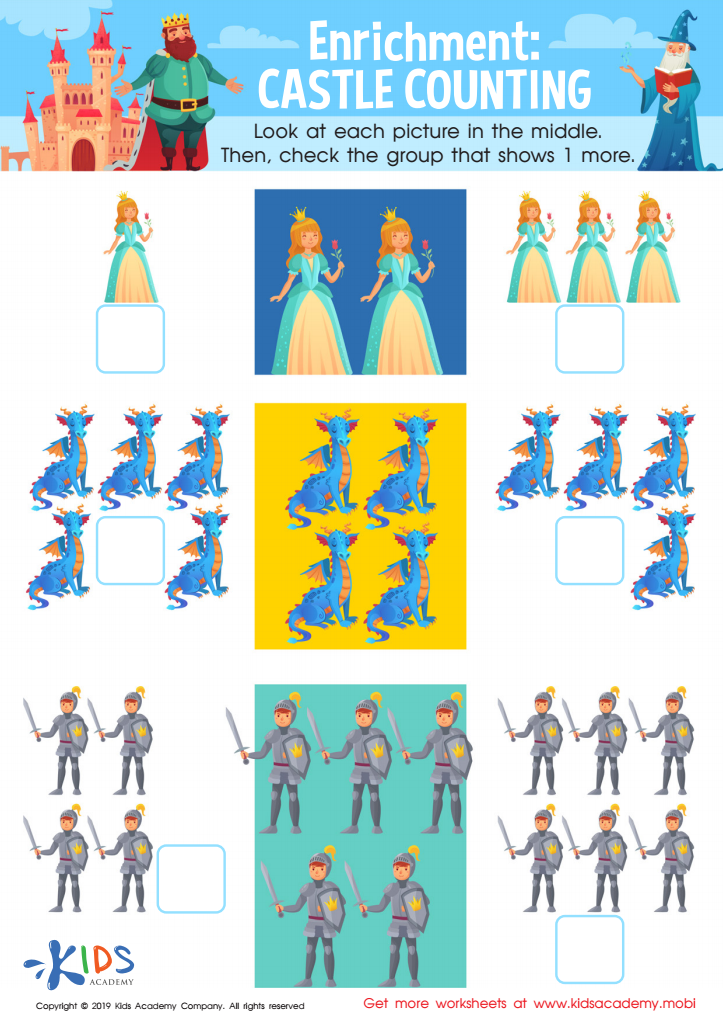
Enrichment: Castle Counting Worksheet
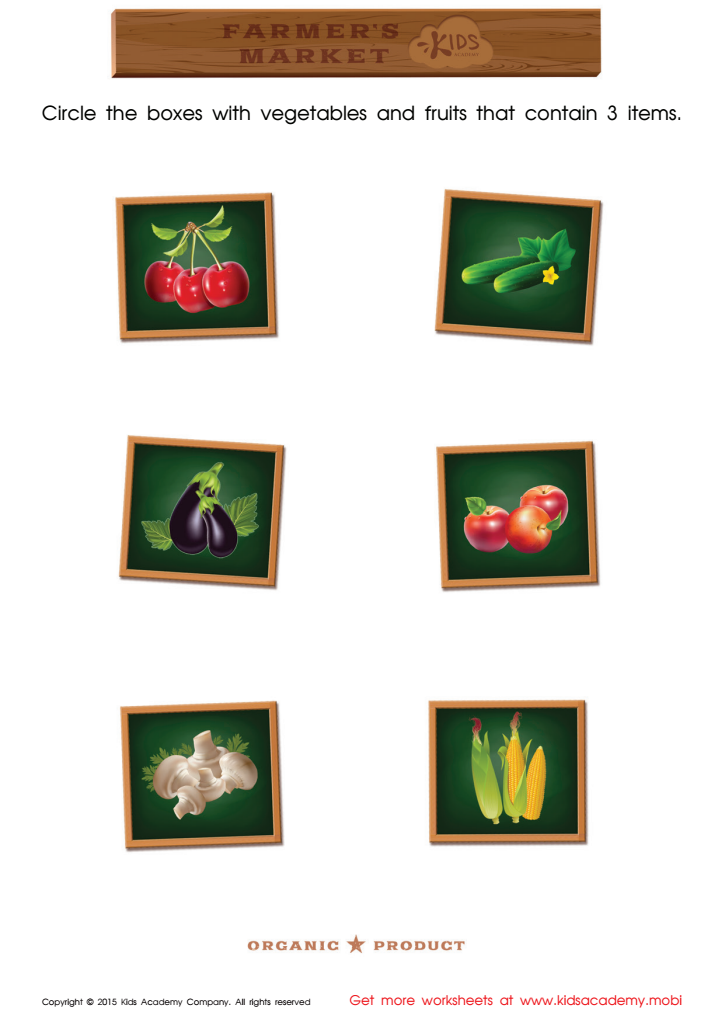
Count and Match Vegetables 1 – 5 Math Worksheet
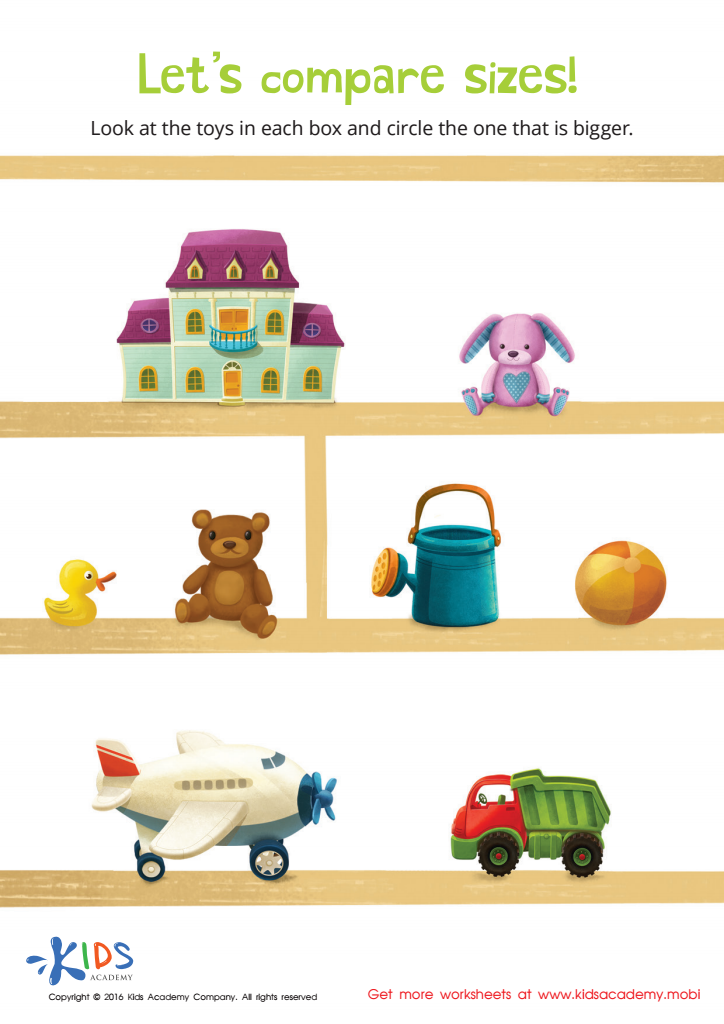
Classifying by Size Sorting Worksheet
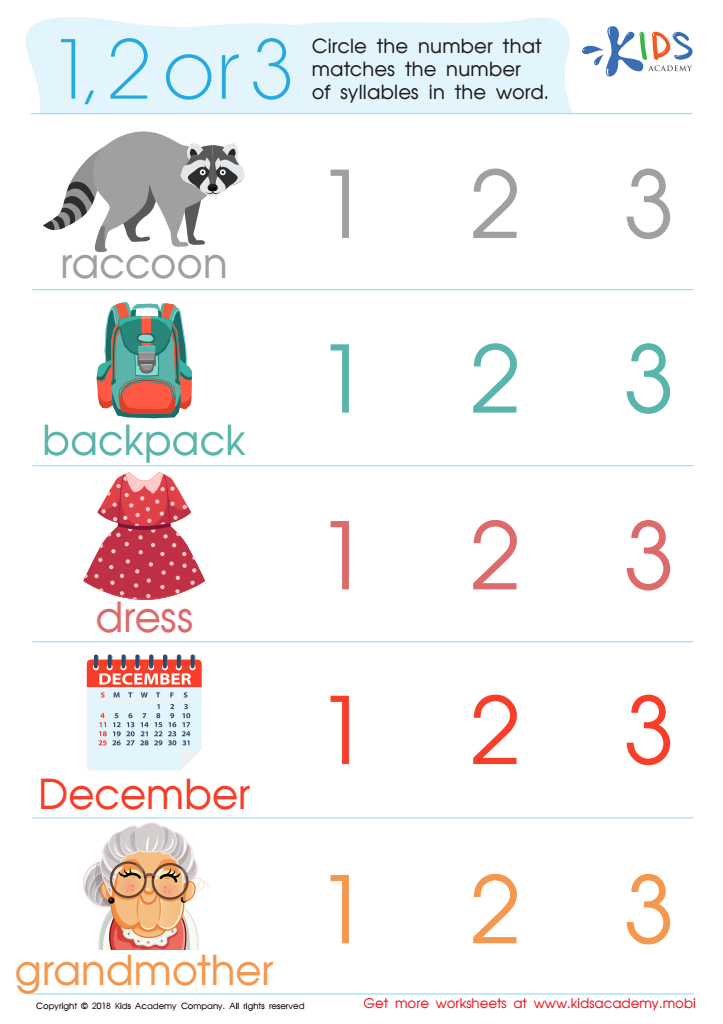
1, 2 or 3? Worksheet
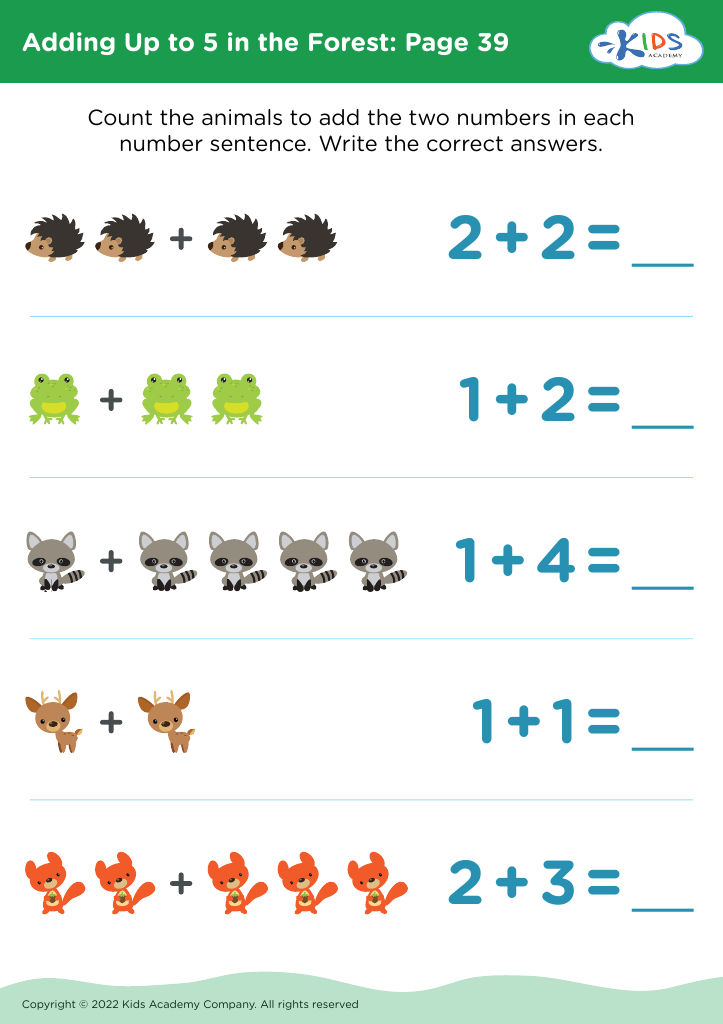
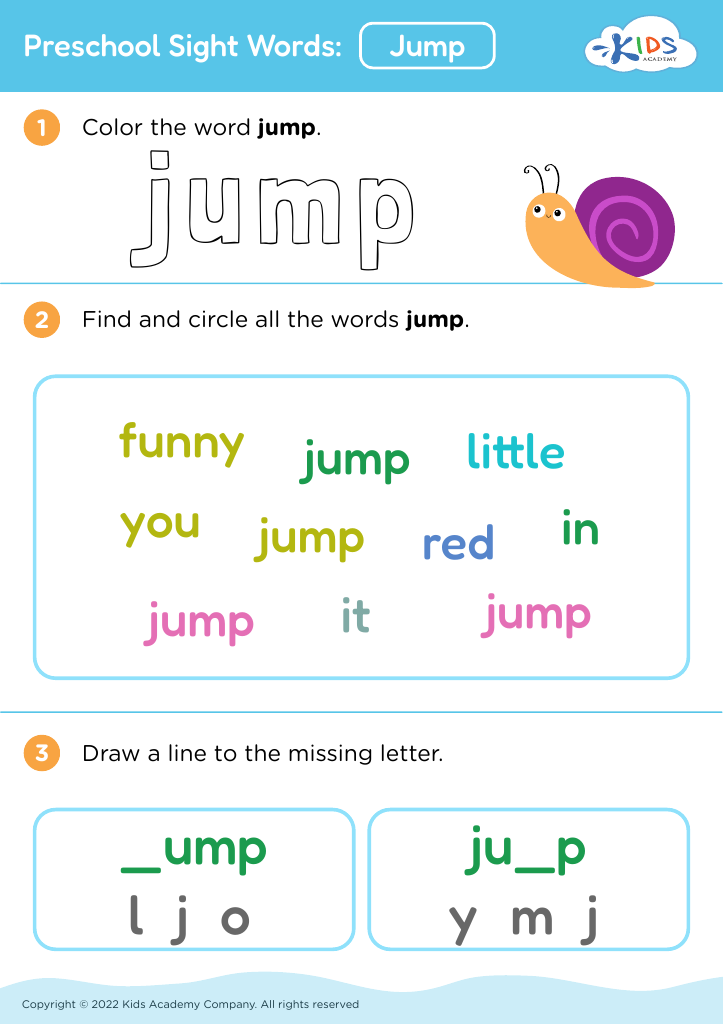
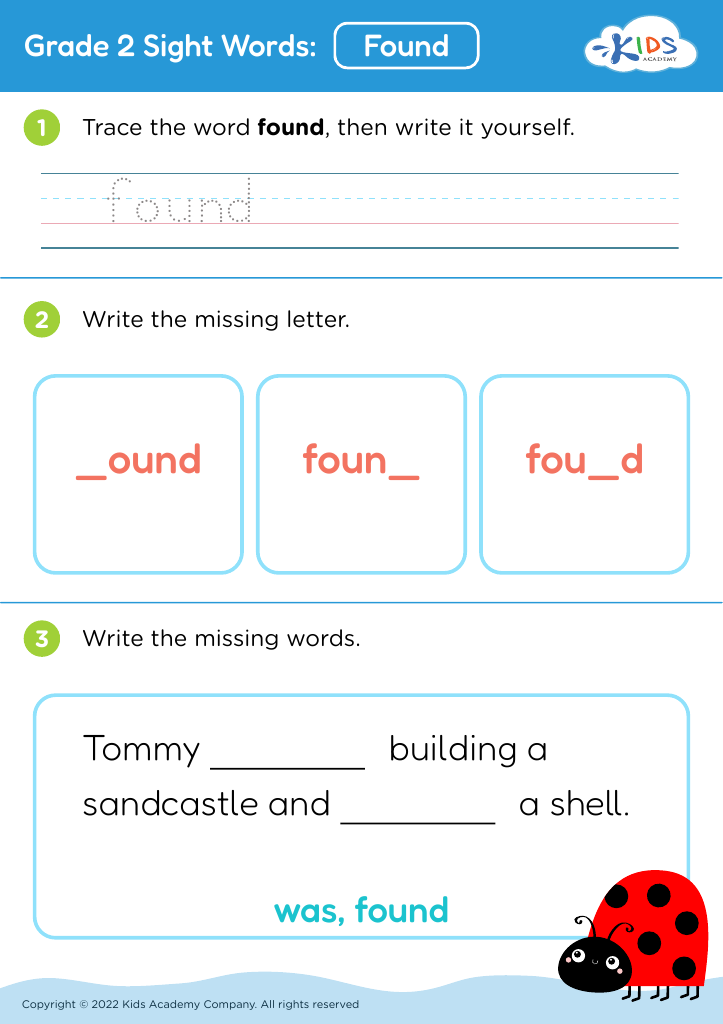







Visual perception is a crucial aspect of early childhood development, particularly for children aged 5-7. At this stage, children are solidifying foundational skills that influence how they learn, interact, and comprehend the world around them. Good visual perception skills help children accurately identify, interpret, and understand visual information, which is essential for literacy, numeracy, and overall learning success.
Parents and teachers should be attentive to visual perception because it directly impacts academic performance. Children with strong visual perception skills can better recognize letters and numbers, discern shapes and patterns, and follow directions, all of which are vital for effective learning. Conversely, difficulties in visual perception can lead to struggles in reading and math, affecting self-esteem and motivation to learn.
Moreover, improving visual perception contributes to fine motor skills crucial in daily tasks like writing and self-care routines. Early identification and support can foster these skills through engaging activities like puzzles, drawing, and sorting games. Investing in visual perception enhances children's classroom experiences and sets a foundation for lifelong learning and independence, making it imperative for parents and teachers to prioritize this aspect of development.








