Discover our engaging Fraction Simplification Addition and Subtraction Worksheets designed specifically for children aged 5 to 7. These interactive resources introduce young learners to the essential concept of fractions while making math fun! Each worksheet provides clear instructions, colorful visuals, and relatable examples that encourage students to practice adding and subtracting fractions. Our worksheets foster critical thinking skills and help build a solid foundation in mathematics. Perfect for classroom or at-home learning, these activities are ideal for strengthening understanding of fractions in a playful, supportive way. Start your child's journey to math mastery today with our enjoyable and educational worksheets!
Check out this FREE Trial Lesson on Addition & Subtraction for age 5-7!

Lesson 1- Partitioning Shapes

Favorites
With answer key
Interactive
  • 5-7
  • Fraction simplification
  • Addition & Subtraction
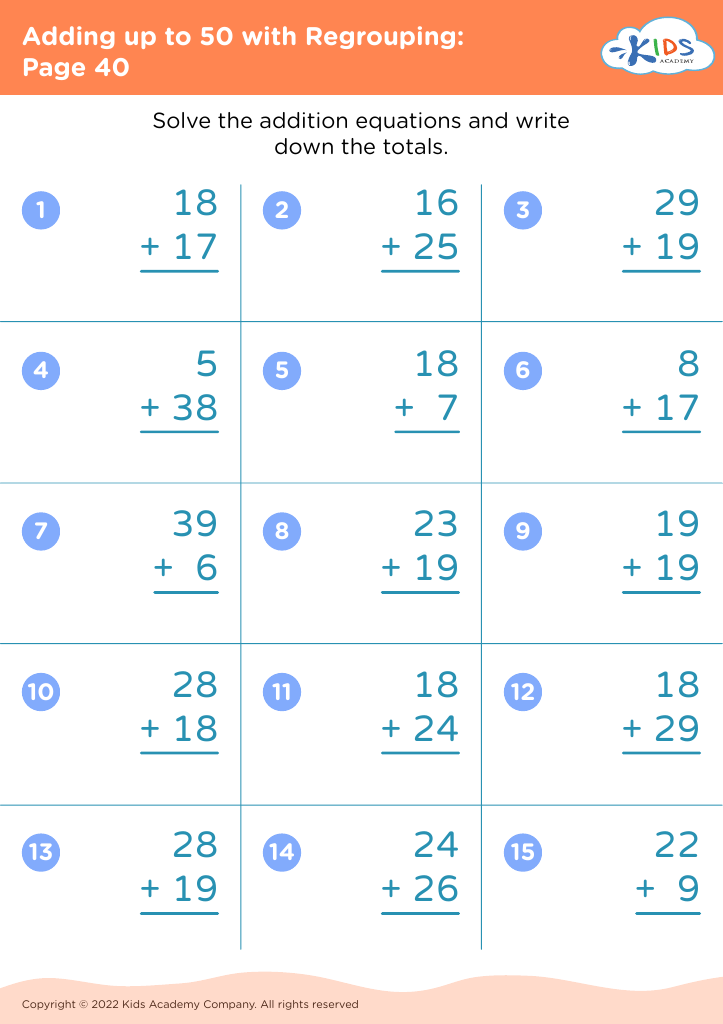
Adding up to 50 with Regrouping: Page 40
Worksheet
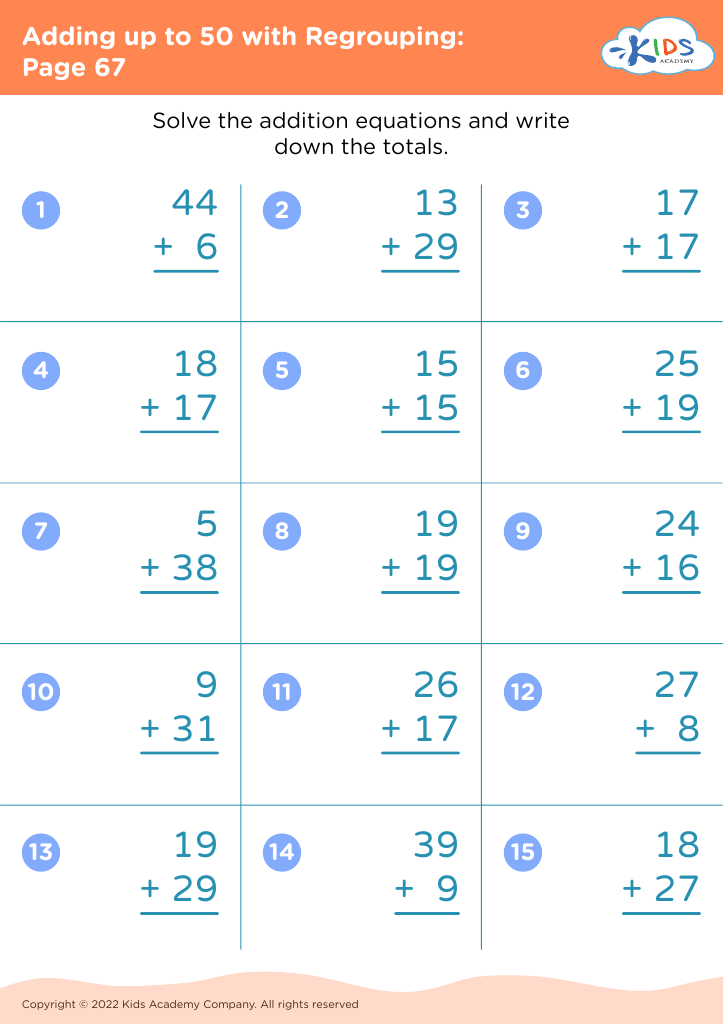
Adding up to 50 with Regrouping: Page 67
Worksheet
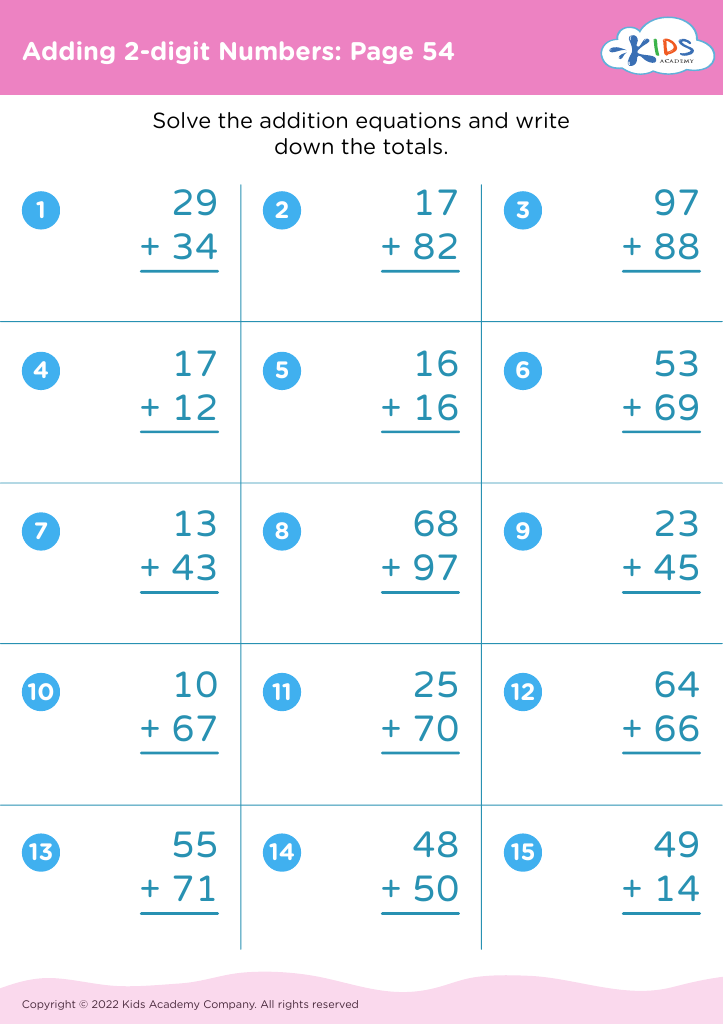
Adding 2-digit Numbers: Page 54

Adding 2-digit Numbers: Page 54

Adding 2-digit Numbers: Page 54
Worksheet
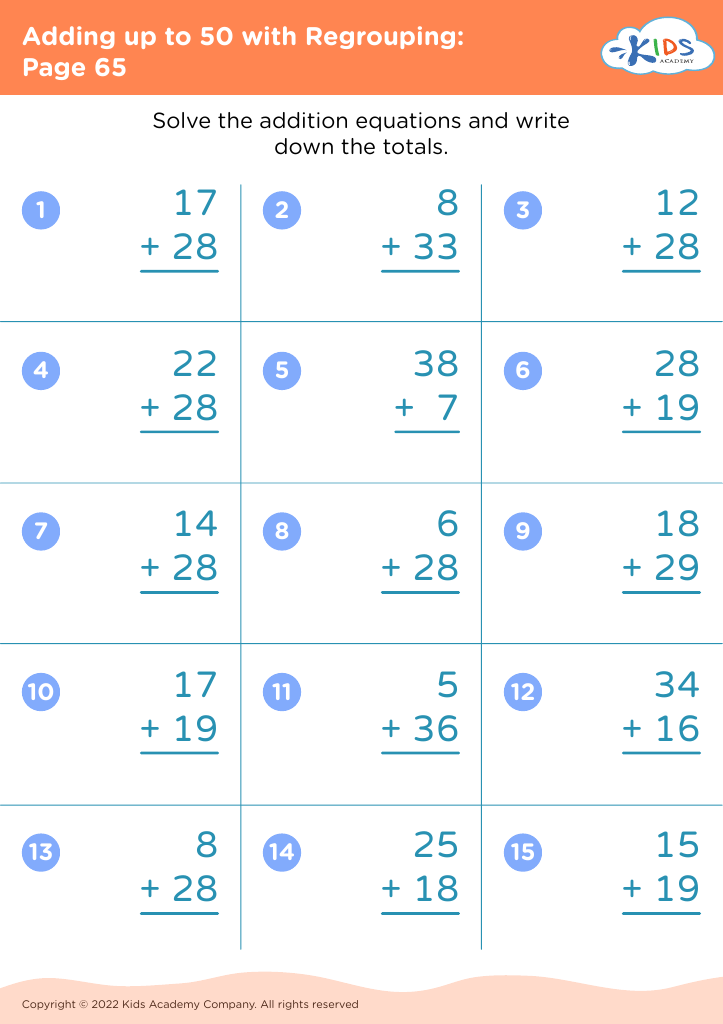
Adding up to 50 with Regrouping: Page 65
Worksheet
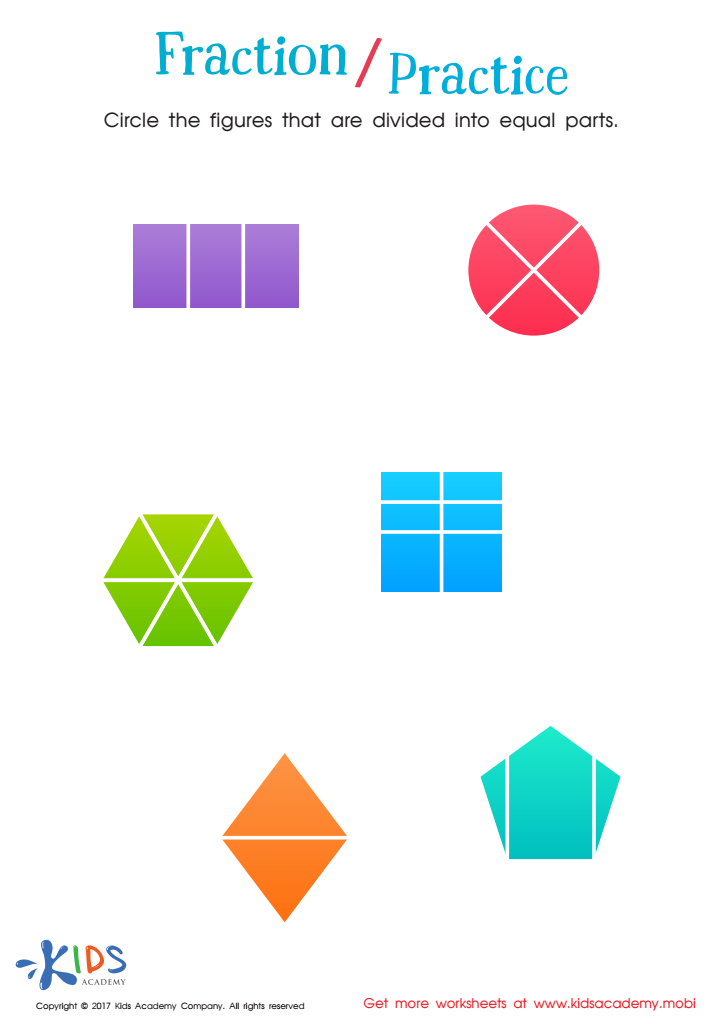
Fraction Practice Printable

Fractions: Shapes Worksheet

Get your printable now. Kids learn math differently today than you did in school; understanding concepts rather than memorizing facts. Help your child understand fractions with this printable worksheet. It'll help your child recognize parts of a whole, identify equal parts and build a foundation for numeracy. A better understanding sets kids up for math success! Get your printable now.
Fractions: Shapes Worksheet
Worksheet
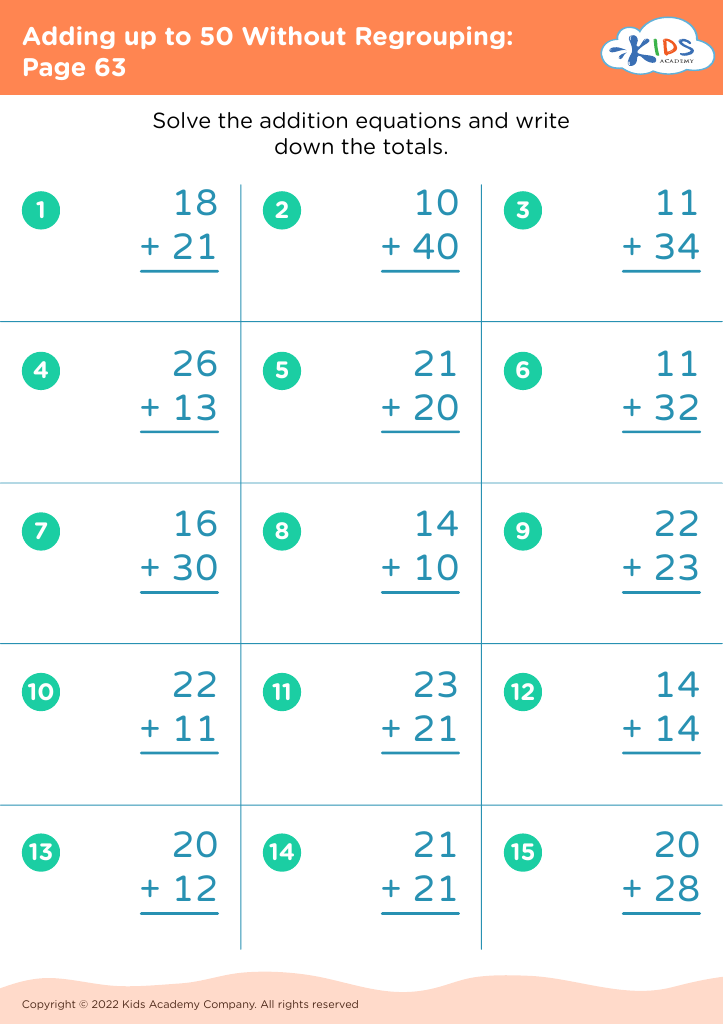
Adding up to 50 Without Regrouping: Page 63
Worksheet
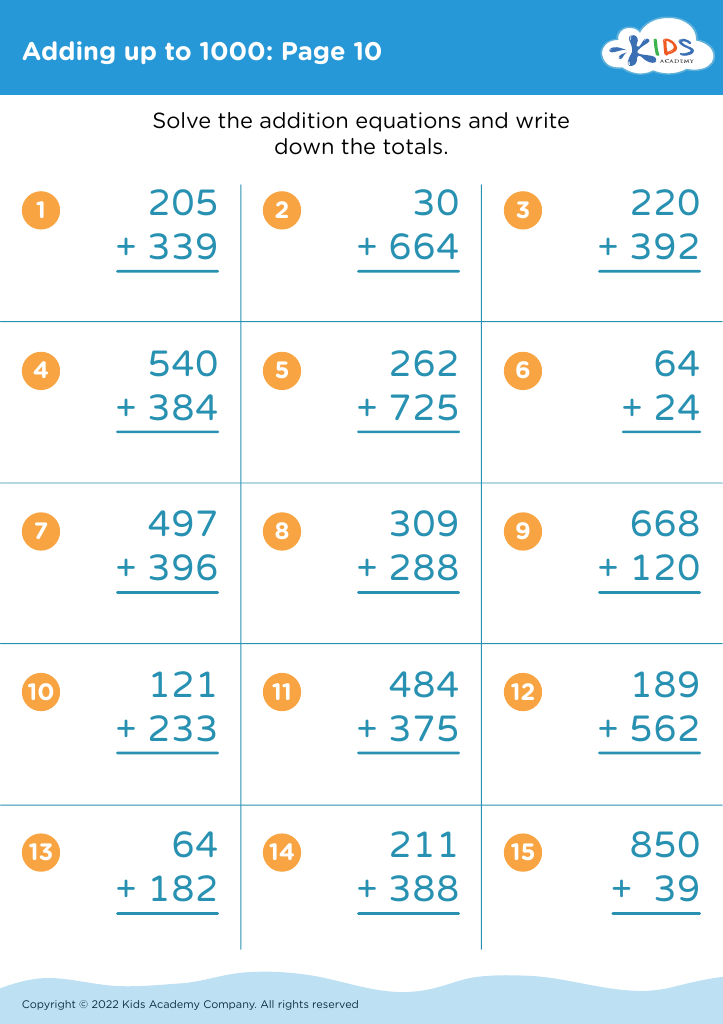
Adding up to 1000: Page 10

Adding up to 1000: Page 10

Adding up to 1000: Page 10
Worksheet
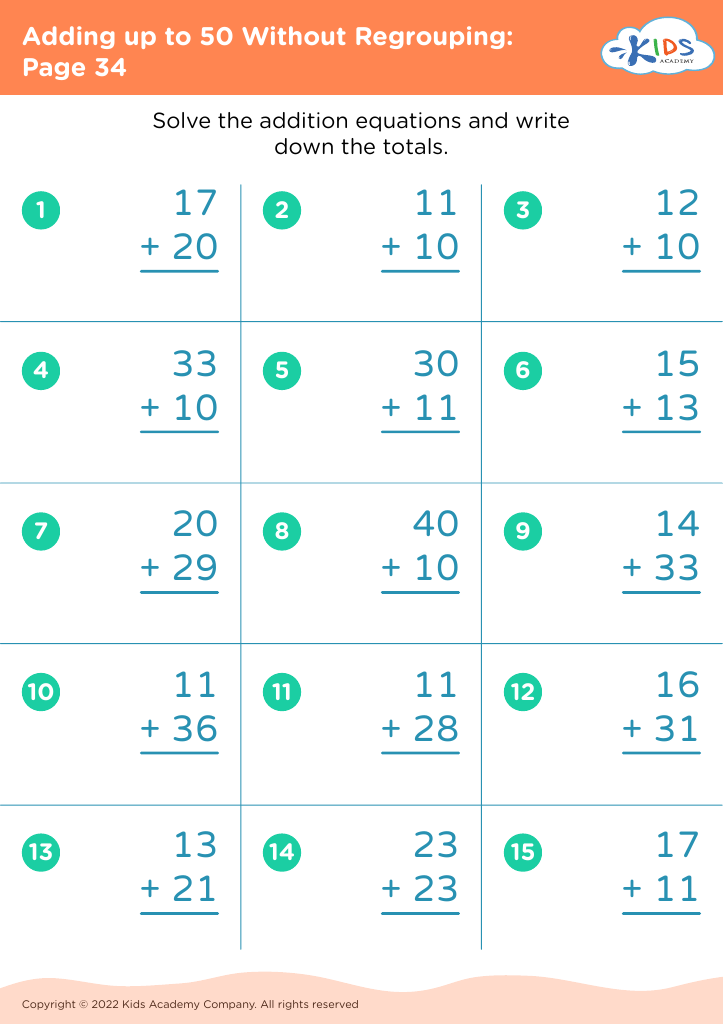
Adding up to 50 Without Regrouping: Page 34
Worksheet
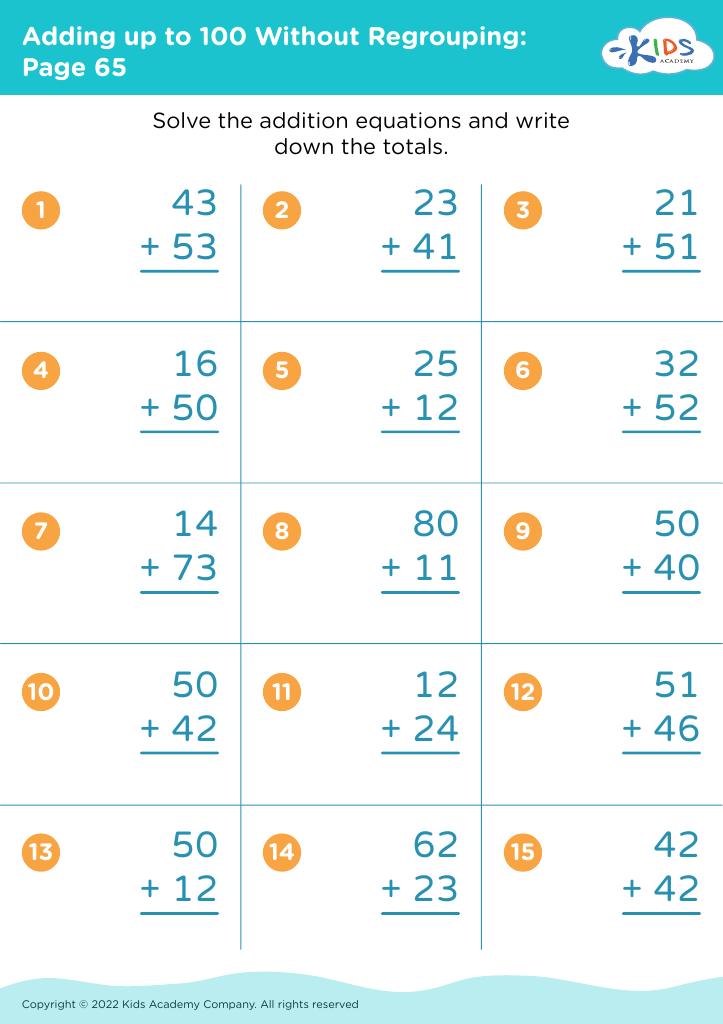
Adding up to 100 Without Regrouping: Page 65
Worksheet
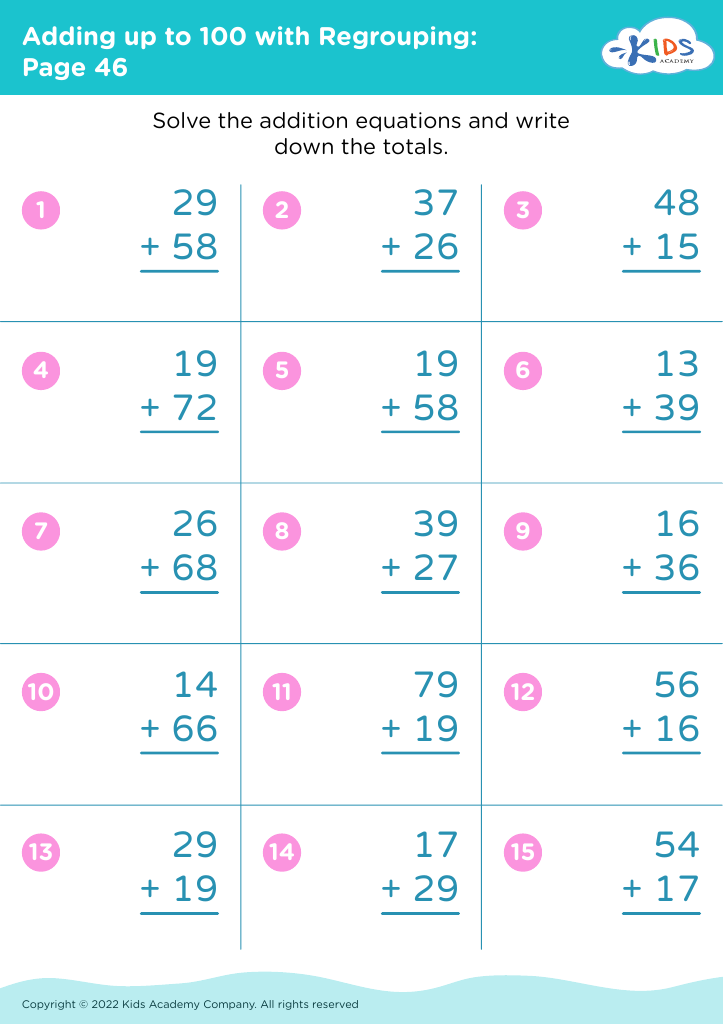
Adding up to 100 with Regrouping: Page 46
Worksheet
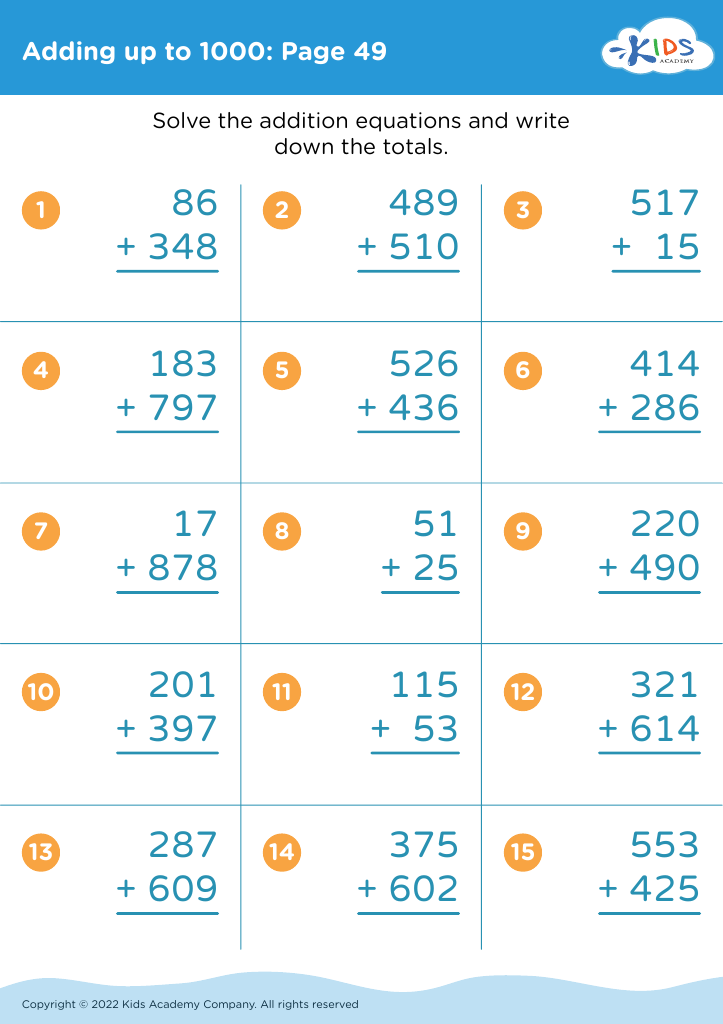
Adding up to 1000: Page 49

Adding up to 1000: Page 49

Adding up to 1000: Page 49
Worksheet
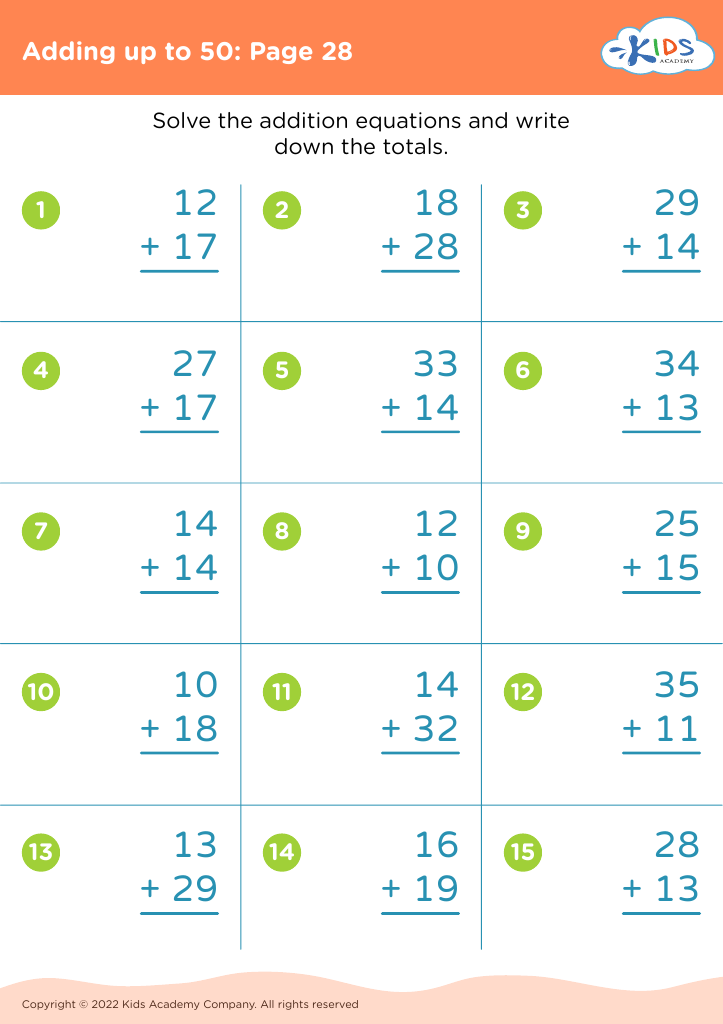
Adding up to 50: Page 28

Adding up to 50: Page 28

Adding up to 50: Page 28
Worksheet
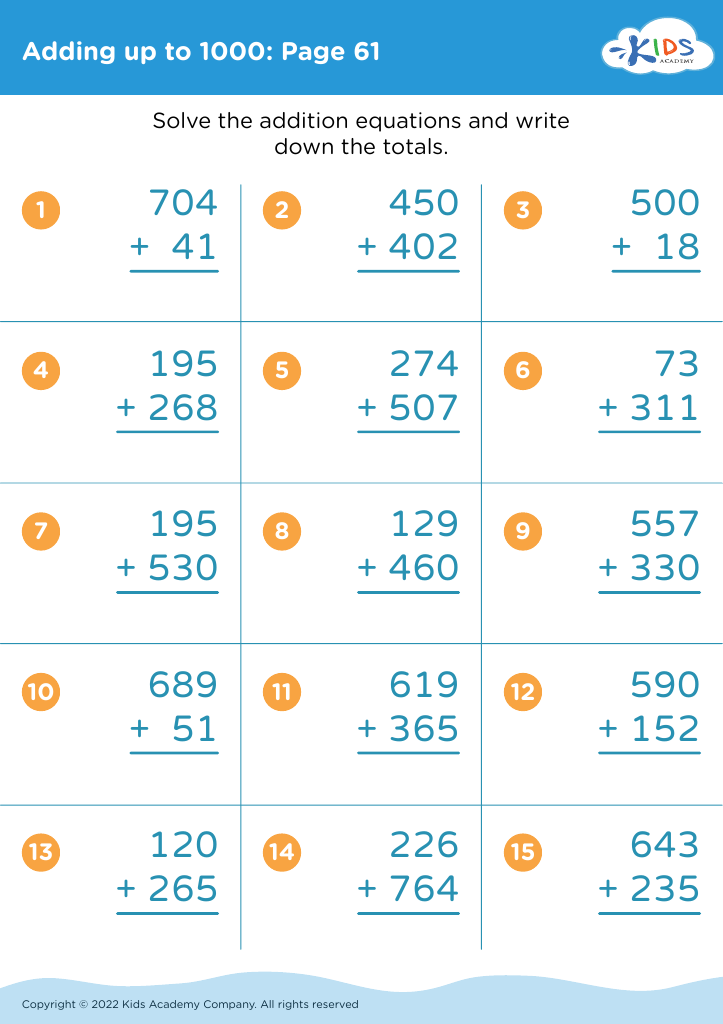
Adding up to 1000: Page 61

Adding up to 1000: Page 61

Adding up to 1000: Page 61
Worksheet
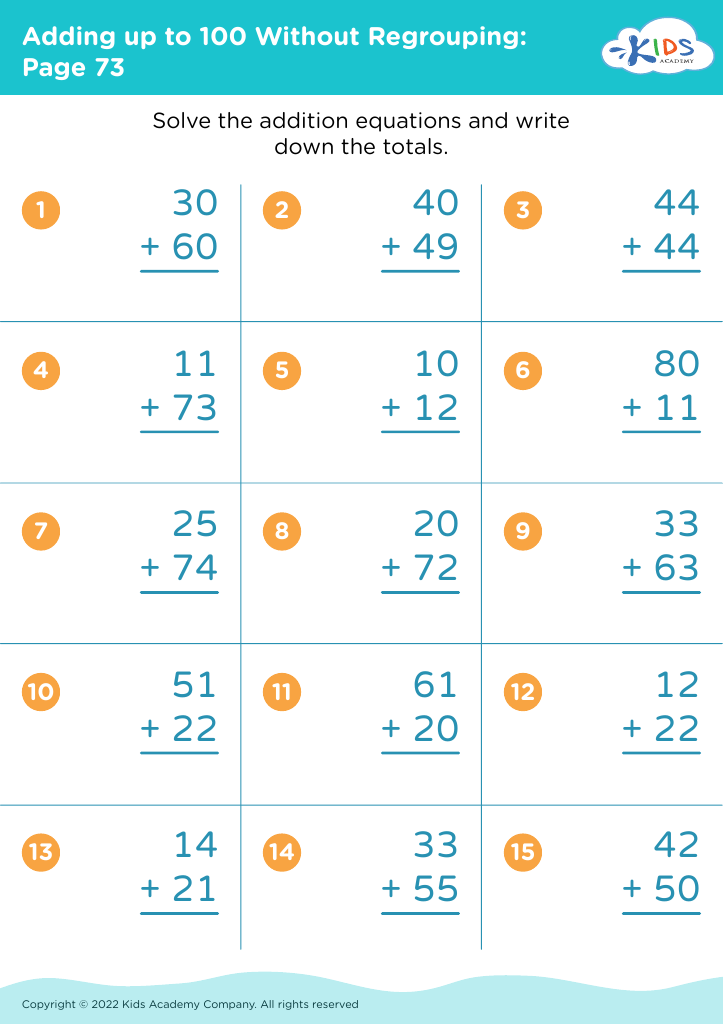
Adding up to 100 Without Regrouping: Page 73
Worksheet
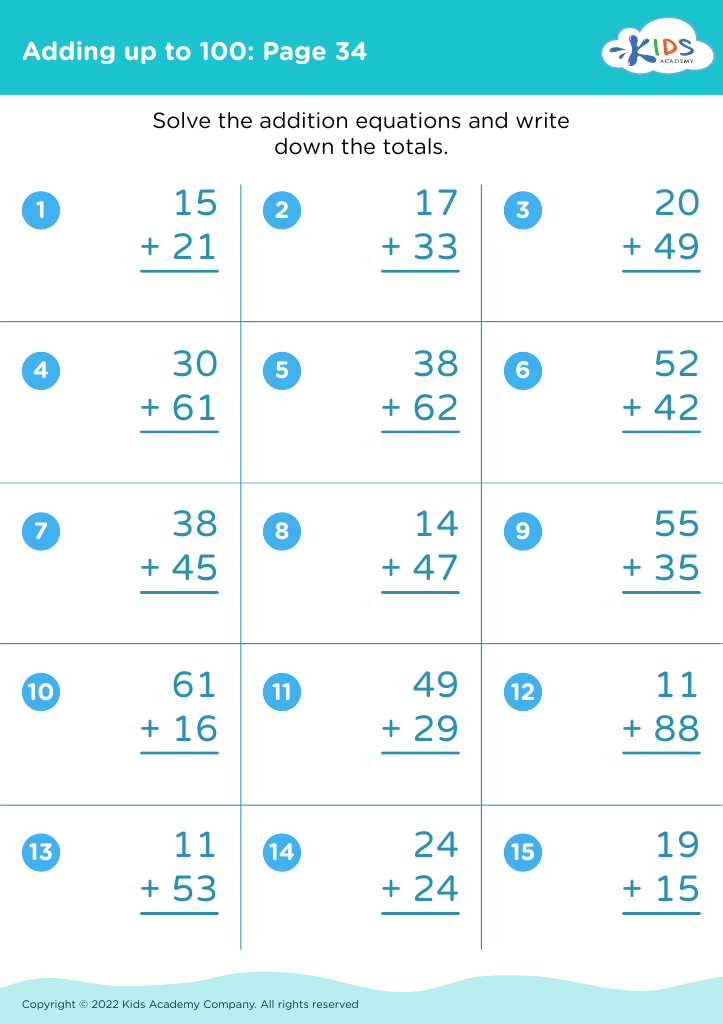
Adding up to 100: Page 34

Adding up to 100: Page 34

Adding up to 100: Page 34
Worksheet
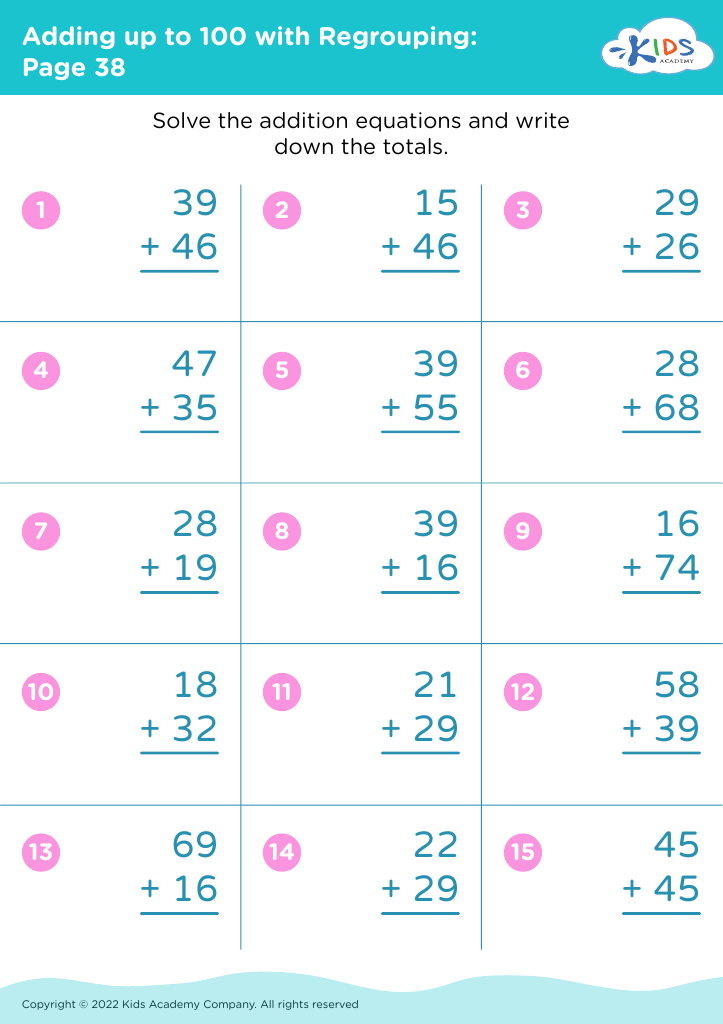
Adding up to 100 with Regrouping: Page 38
Worksheet
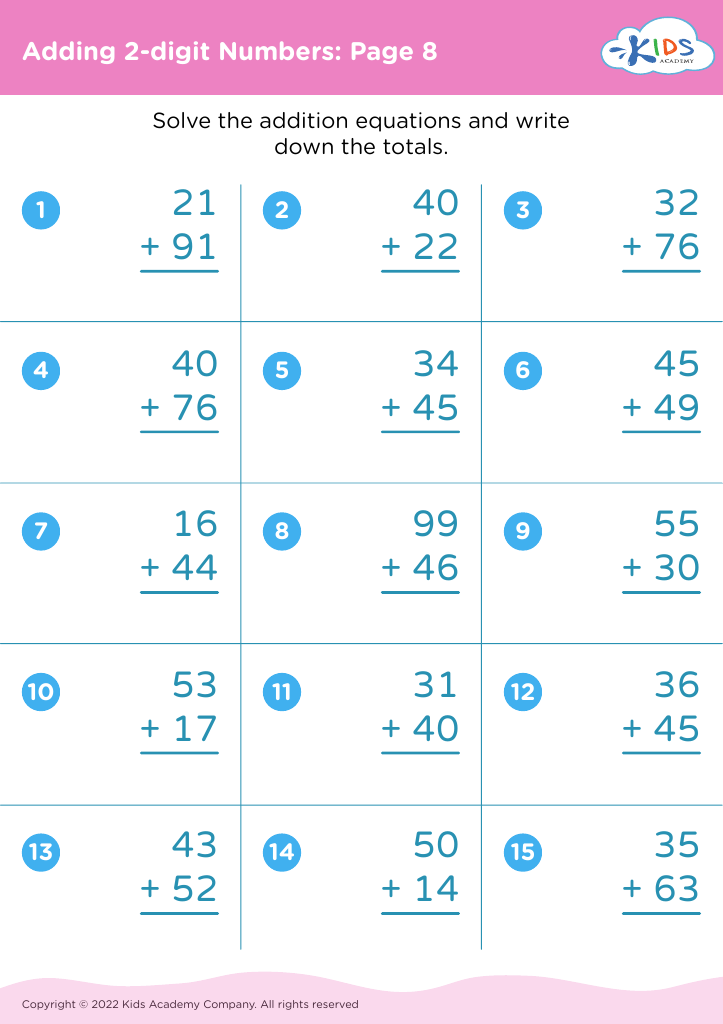
Adding 2-digit Numbers: Page 8

Adding 2-digit Numbers: Page 8

Adding 2-digit Numbers: Page 8
Worksheet
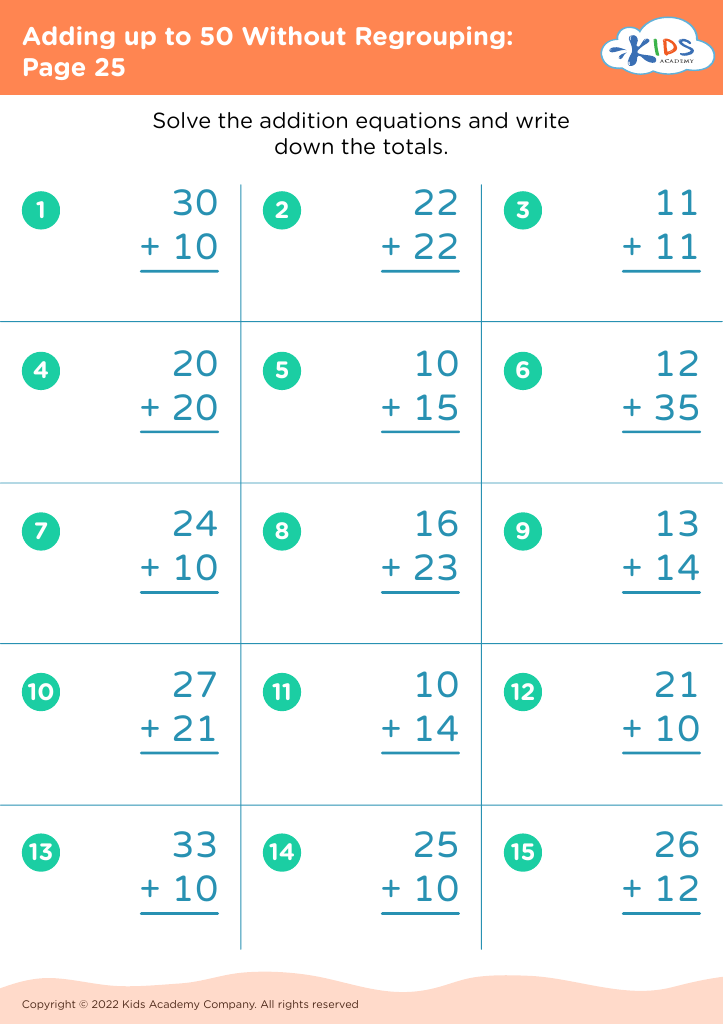
Adding up to 50 Without Regrouping: Page 25
Worksheet
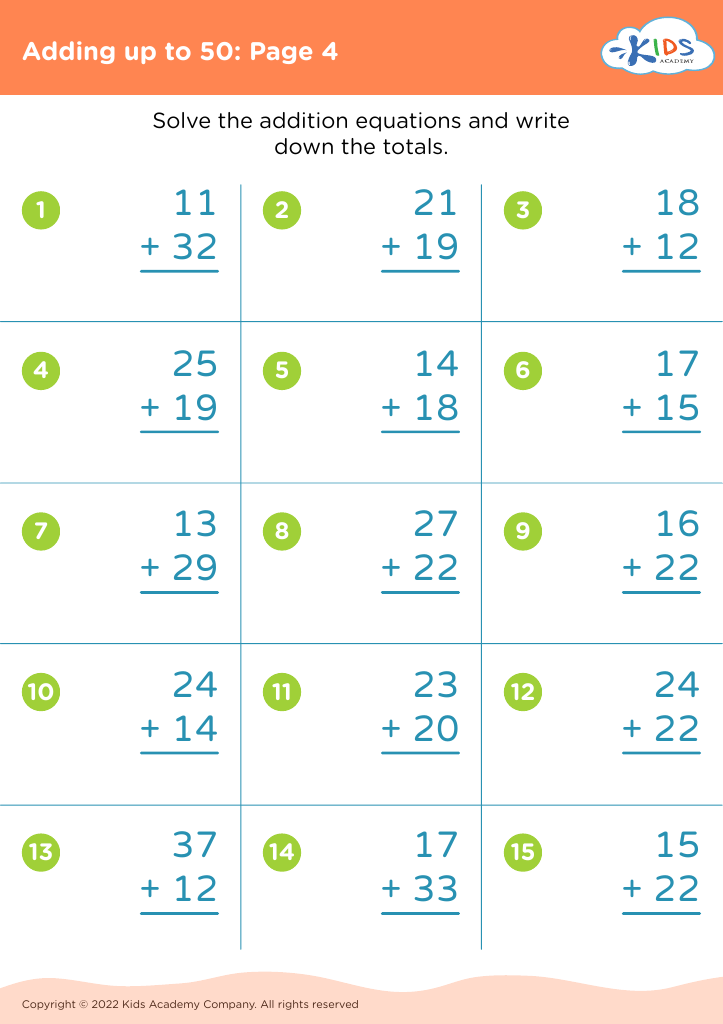
Adding up to 50: Page 4

Adding up to 50: Page 4

Adding up to 50: Page 4
Worksheet
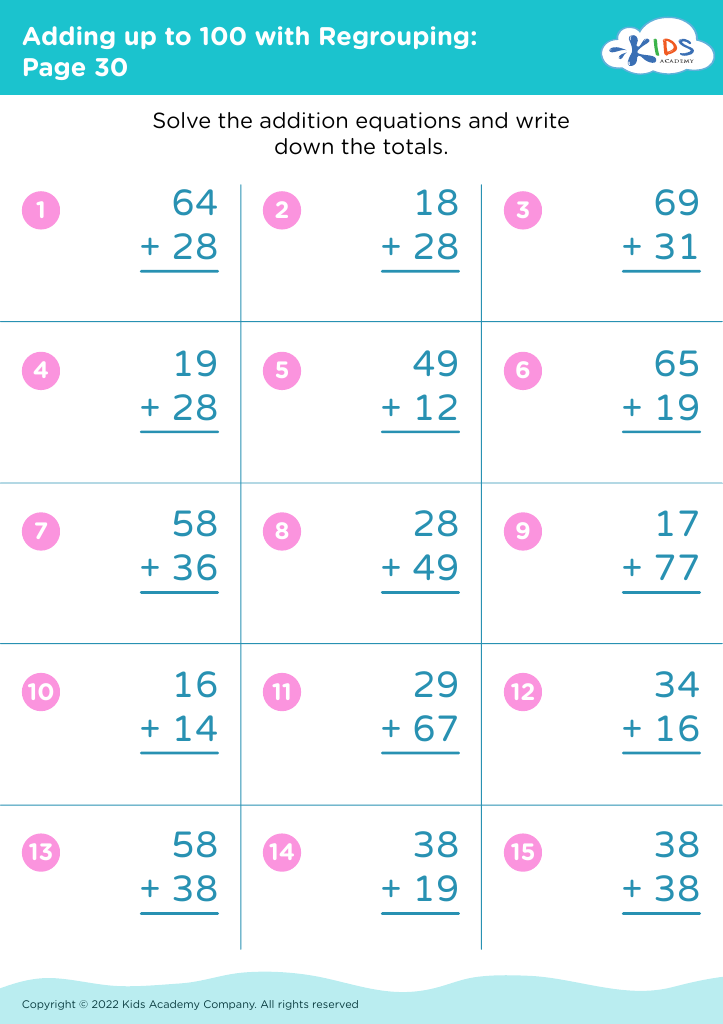
Adding up to 100 with Regrouping: Page 30
Worksheet
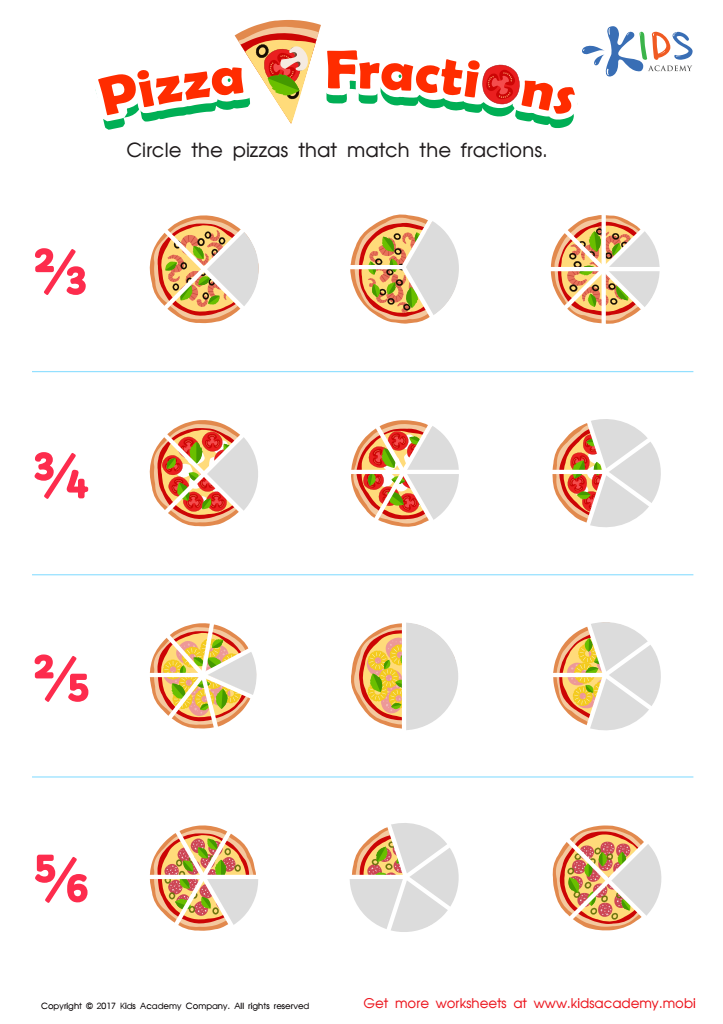
Pizza Fraction Printable

Fractions: Pizza Printable
Fractions can be tricky for kids, but this pizza fractions printable can help! Kids can understand fractions by seeing them, as they use one of their favorite foods. It helps them grasp the concept and gain a deeper understanding of what fractions represent. Extend their learning by quizzing them when you order pizza next time.
Fractions: Pizza Printable
Worksheet
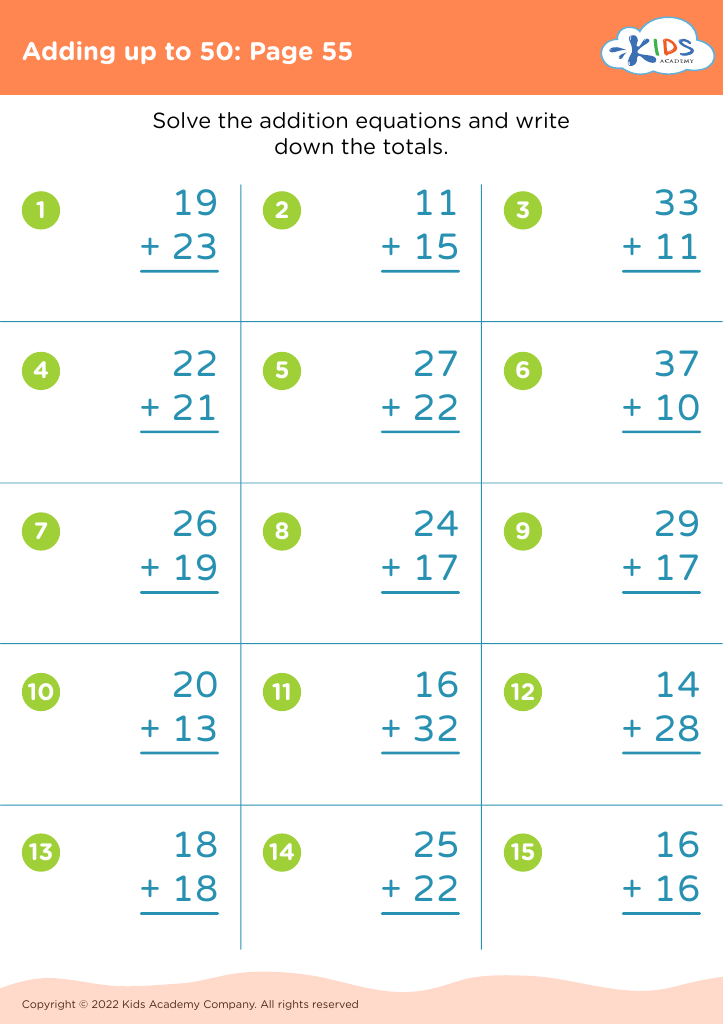
Adding up to 50: Page 55

Adding up to 50: Page 55

Adding up to 50: Page 55
Worksheet
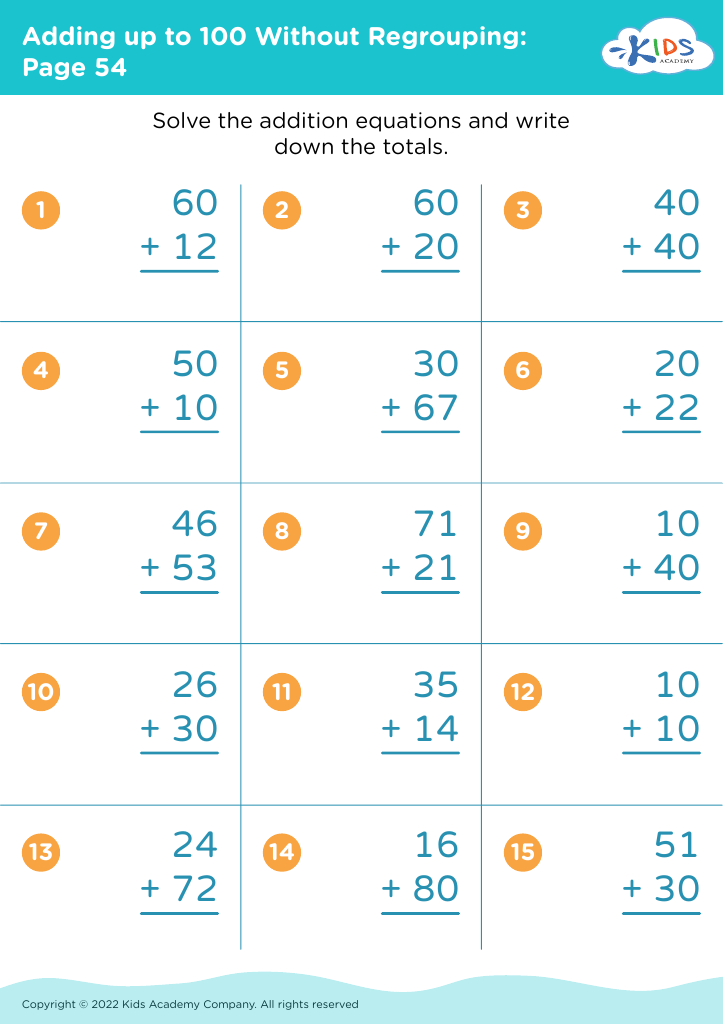
Adding up to 100 Without Regrouping: Page 54
Worksheet
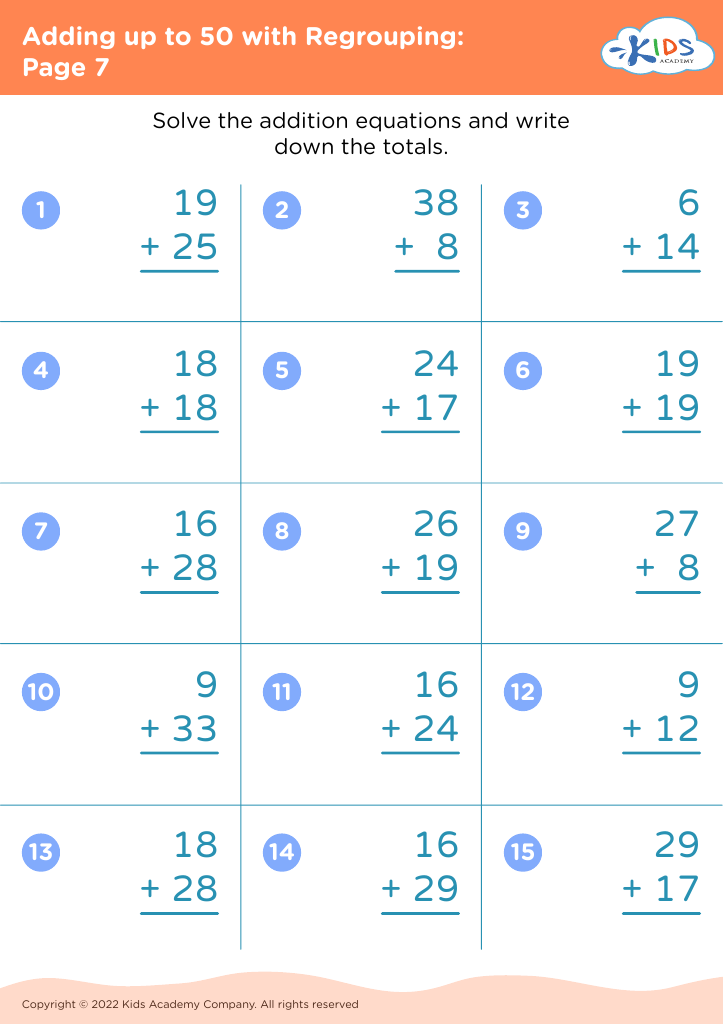
Adding up to 50 with Regrouping: Page 7
Worksheet


Parents and teachers should care about fraction simplification, addition, and subtraction for children aged 5-7 because these foundational skills set the stage for later mathematical understanding. At this age, children are developing their number sense, and introducing them to fractions helps them understand parts of a whole, which is a critical concept in mathematics.

Early exposure to fraction simplification allows children to grasp the idea of equivalence—recognizing that different fractions can represent the same quantity. This skill fosters analytical thinking and prepares students for more complex mathematical concepts in future years. Furthermore, incorporating addition and subtraction with fractions strengthens their arithmetic skills, enhancing their overall confidence in math.

Engaging with fractions encourages practical applications, like cooking or sharing food, making learning relatable and enjoyable. Activities that involve visual aids, such as pie charts or fraction bars, can spark interest and appeal to young learners. Additionally, mastering these concepts promotes a positive attitude toward math, helping to combat common math anxiety early on. By prioritizing fraction simplification, addition, and subtraction, adults—not only enhance crucial academic skills, but also nurture curious, confident, and competent learners who can tackle future challenges in mathematics.