Color Identification Addition Worksheets for Ages 5-7
24 filtered results
-
From - To
Discover our fun and educational Color Identification Addition Worksheets, perfect for children aged 5-7! These vibrant, engaging worksheets are designed to help young learners develop foundational math skills and improve their understanding of colors. By combining the excitement of coloring with basic addition practice, kids can boost their problem-solving abilities while having loads of fun. Ideal for classroom activities or home practice, these worksheets will captivate early learners and make mastering math a colorful adventure. Download now to inspire your child's love for learning through creative, effective practice with our Color Identification Addition Worksheets!
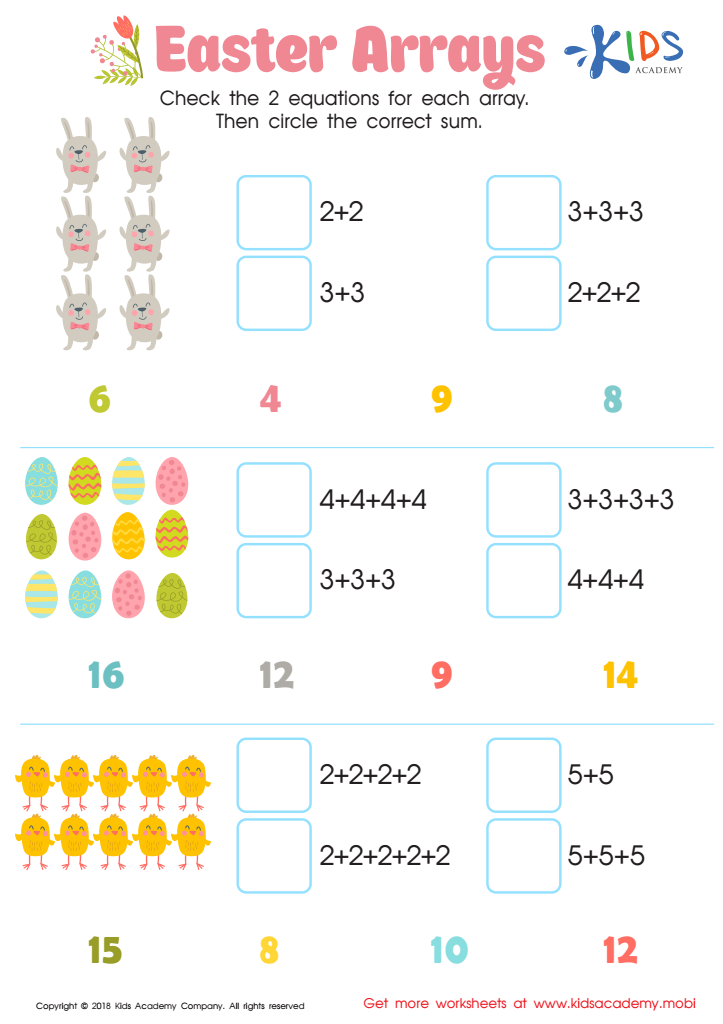
Easter Arrays Worksheet
 Assign to My Students
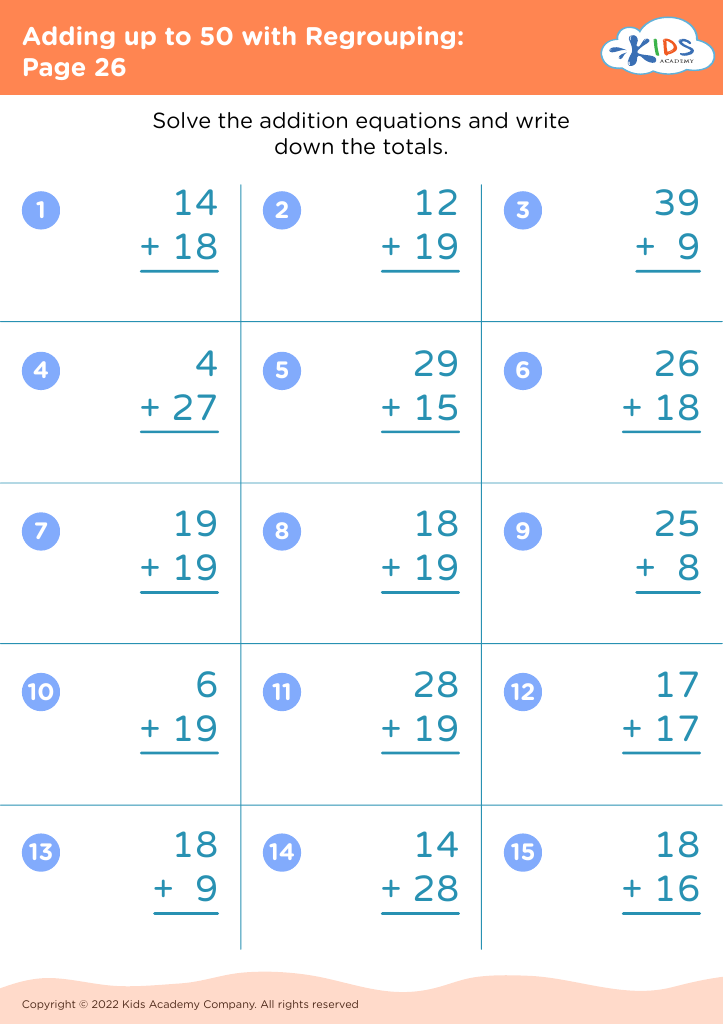
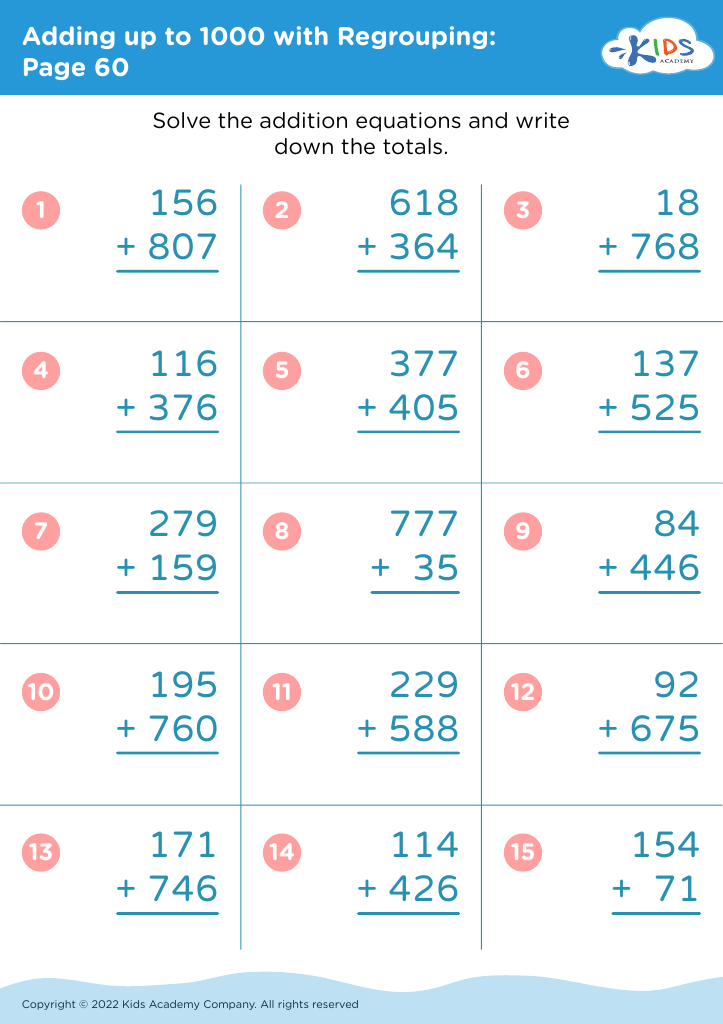
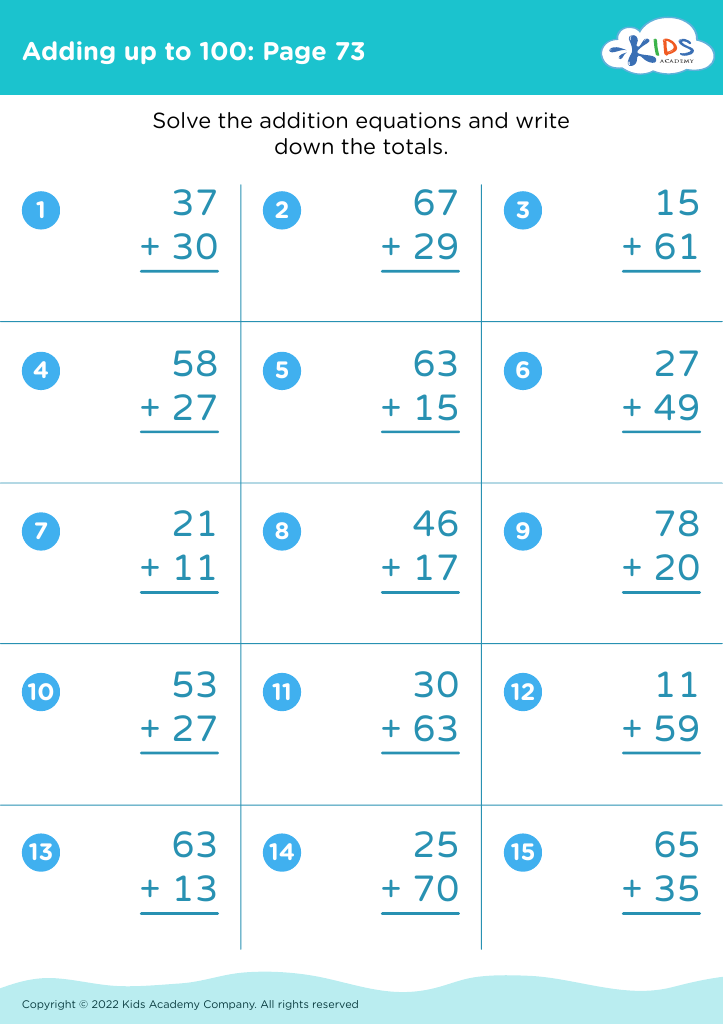
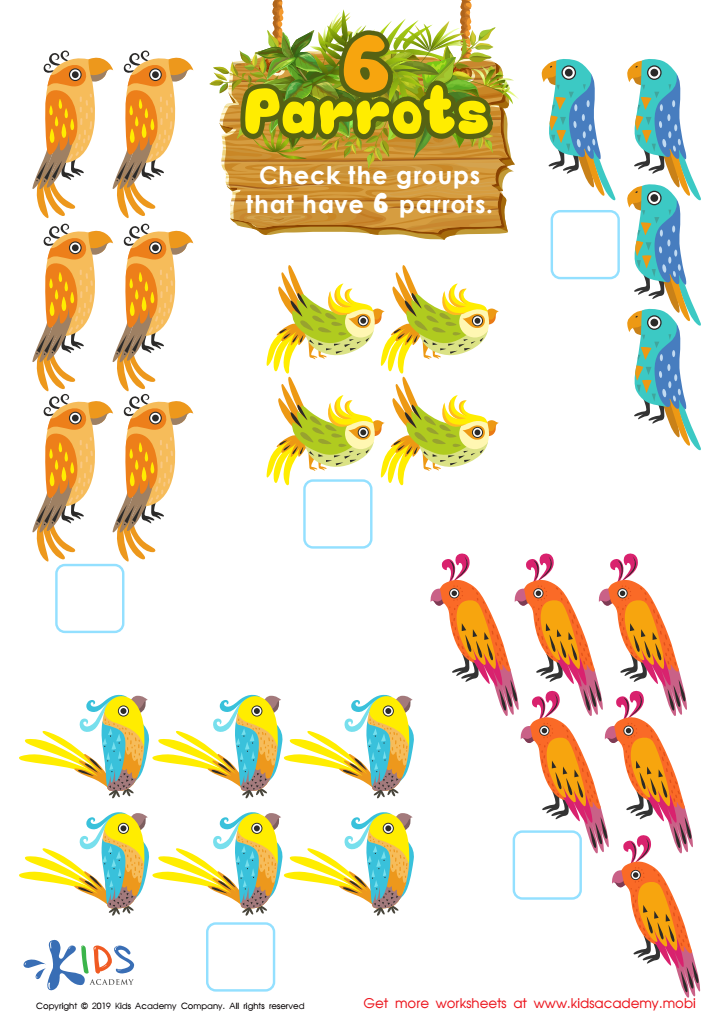
6 Parrots Worksheet
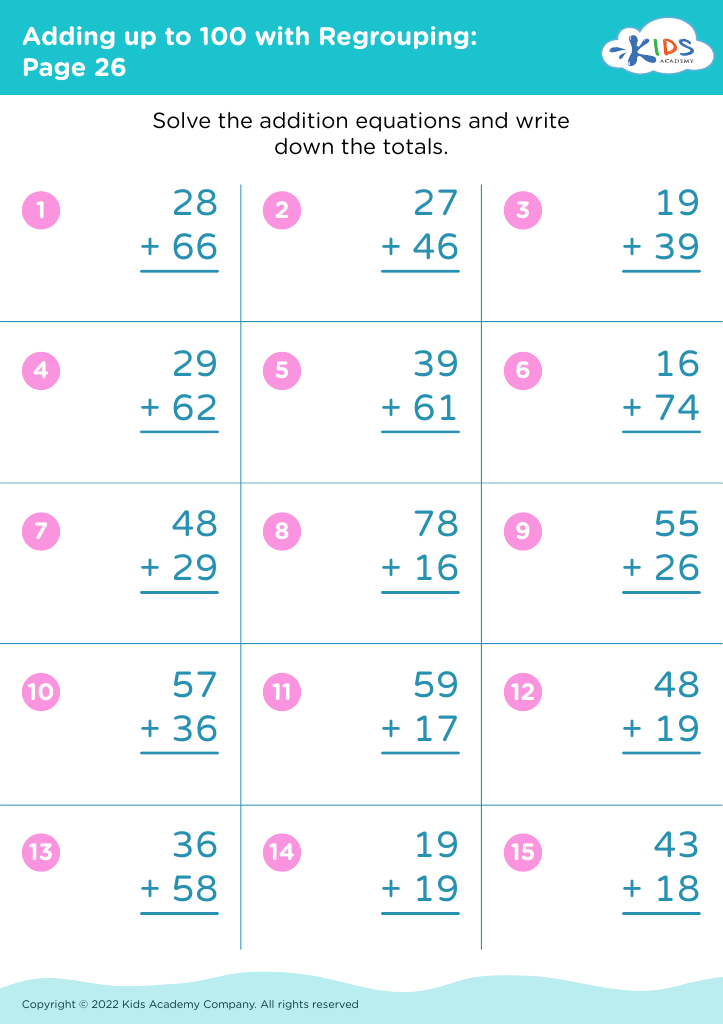
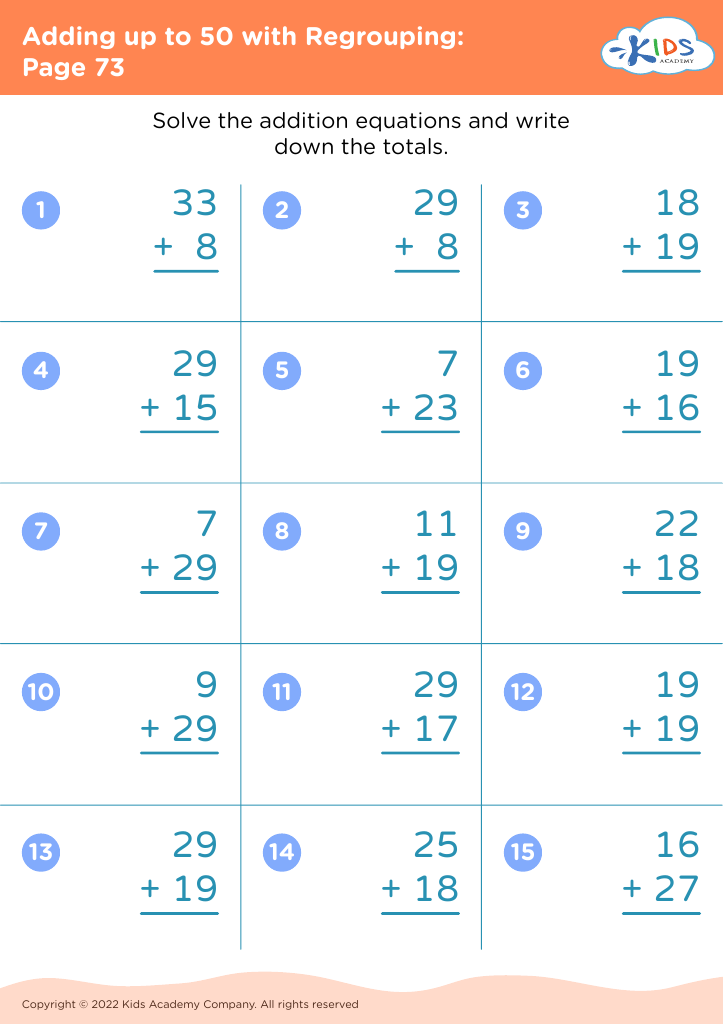
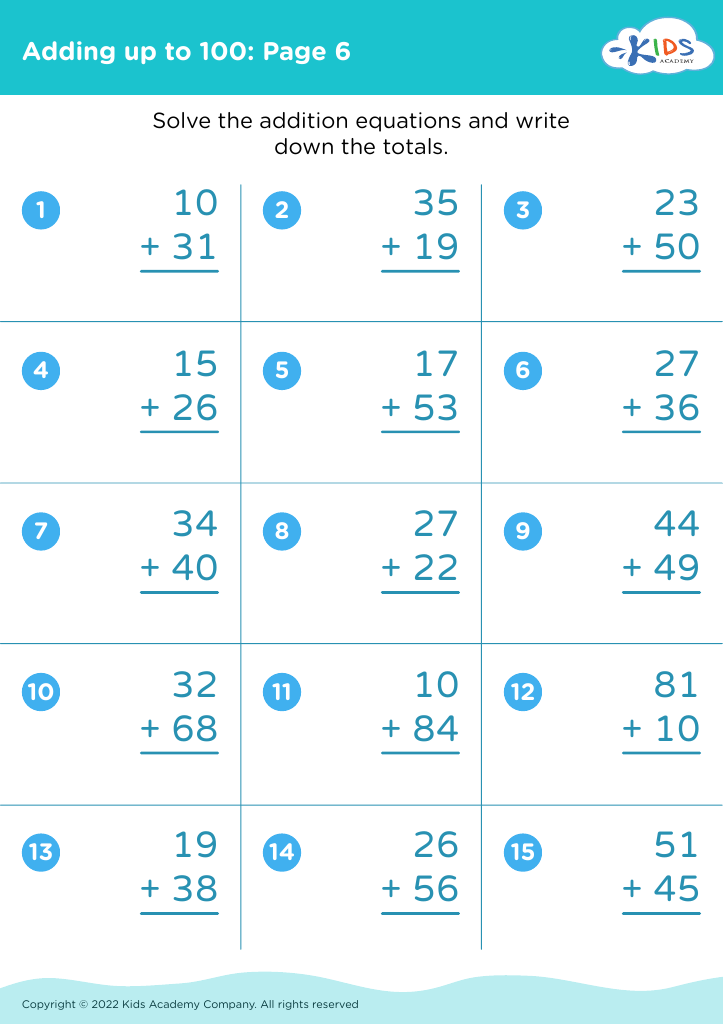
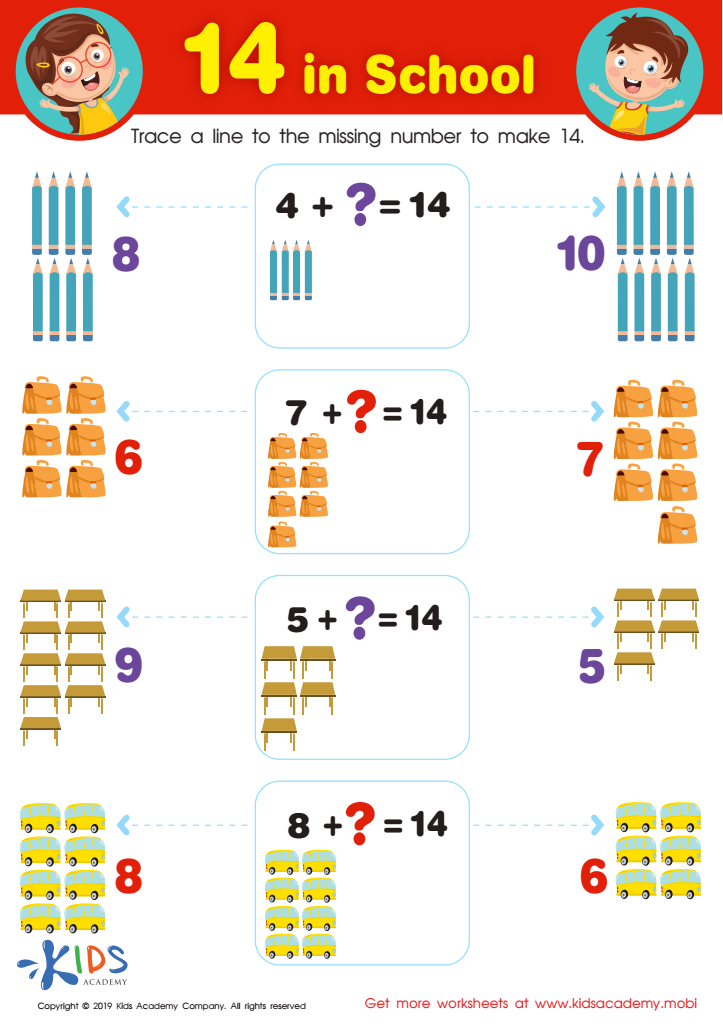
14 in School Worksheet








Color Identification Addition is an invaluable educational tool for children ages 5-7 because it seamlessly integrates two foundational skills: color recognition and basic math. At this age, children are rapidly developing cognitive abilities, and combining these subjects fosters multifaceted learning.
From a cognitive perspective, young children learn best through visual and interactive activities. The colorful elements in these exercises immediately capture children's attention and engage their natural curiosity. This engaging approach promotes active participation and enhances memory retention, making learning more effective and fun.
Moreover, color identification is fundamental for children’s day-to-day understanding of the world. It supports the development of descriptive language and strengthens observational skills. Meanwhile, addition is a critical early math skill necessary for countless future academic and real-life scenarios.
Encouraging children to practice Color Identification Addition allows them to practice these skills in tandem, reinforcing both their mathematical reasoning and their ability to categorize and differentiate based on color. This dual focus increases cognitive flexibility and can make the introduction to more advanced subjects smoother.
Parents and teachers who integrate Color Identification Addition into their routine help build a strong, enjoyable foundation in math and color skills. This support develops well-rounded learners who are better prepared for more complex concepts in later years.








