Filters

21 filtered results

Clear all filters
Favorites
With answer key
Interactive

21 filtered results

Difficulty Level

Grade


Discover our engaging Recognizing Patterns Addition Worksheets designed for children aged 5-7! These worksheets provide a fun and interactive way to help young learners understand the concept of addition through identifying patterns. Ideal for developing critical thinking and problem-solving skills, our worksheets feature colorful illustrations and creative exercises that captivate young minds. Children will explore number patterns, enhancing their addition knowledge while building confidence in their math abilities. Perfect for classroom activities, homeschooling, or extra practice at home, our resources are tailored to meet educational standards while making learning enjoyable. Unlock your child's potential in math today with our pattern recognition worksheets!
Check out this FREE Trial Lesson on Addition for age 5-7!

Exactly the Same, or Not

Favorites
With answer key
Interactive
  • 5-7
  • Recognizing Patterns
  • Addition
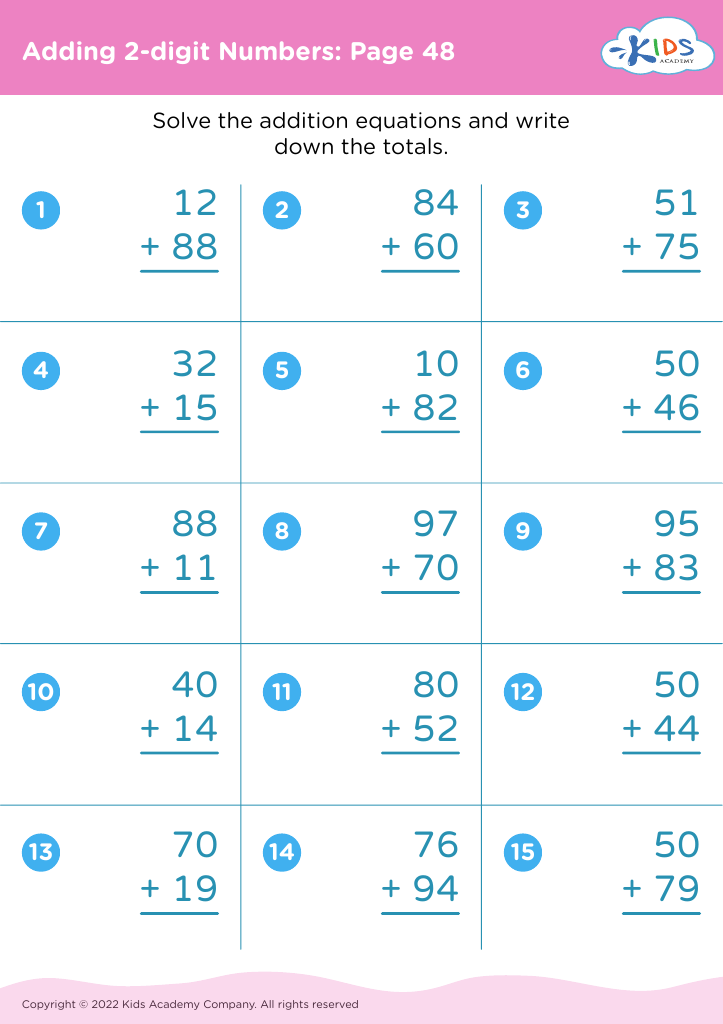
Adding 2-digit Numbers: Page 48

Adding 2-digit Numbers: Page 48

Adding 2-digit Numbers: Page 48
Worksheet
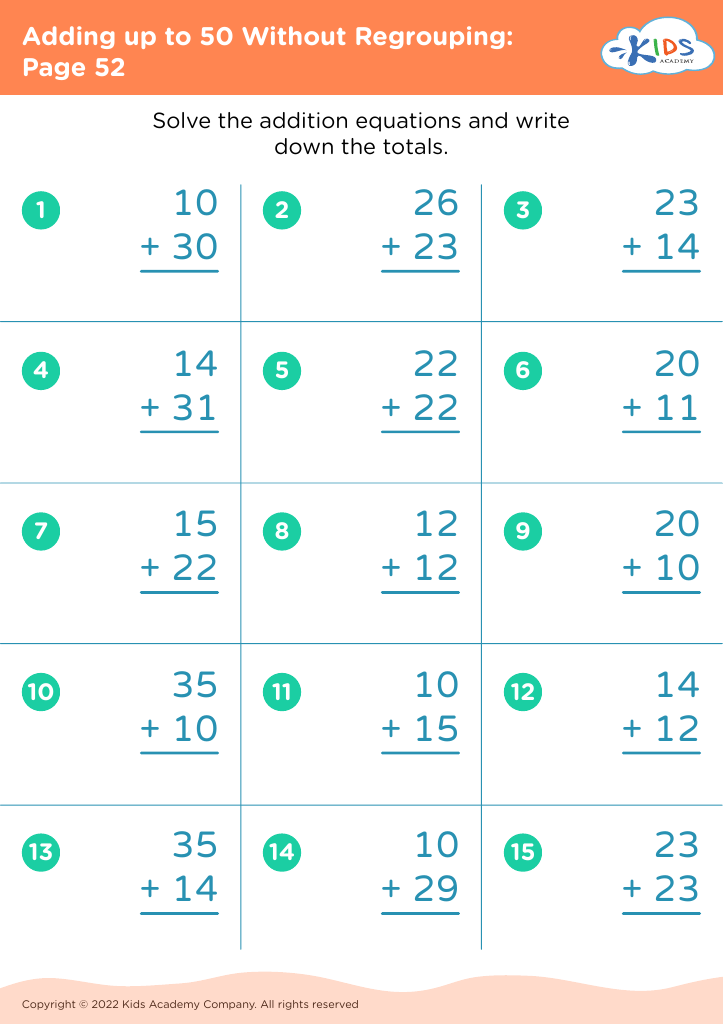
Adding up to 50 Without Regrouping: Page 52
Worksheet
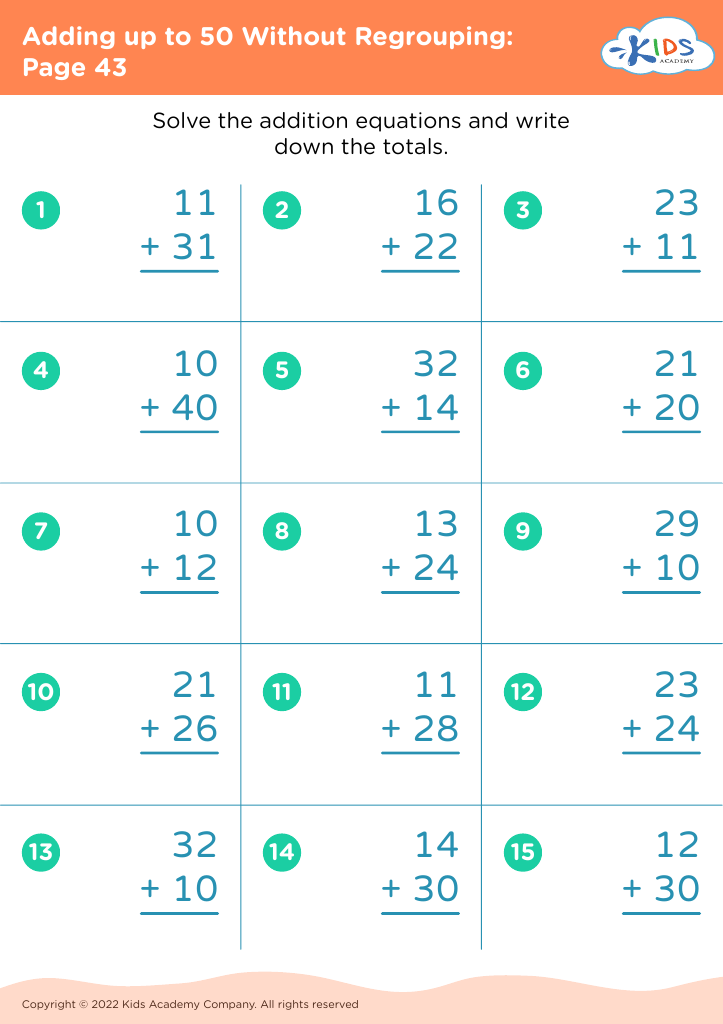
Adding up to 50 Without Regrouping: Page 43
Worksheet
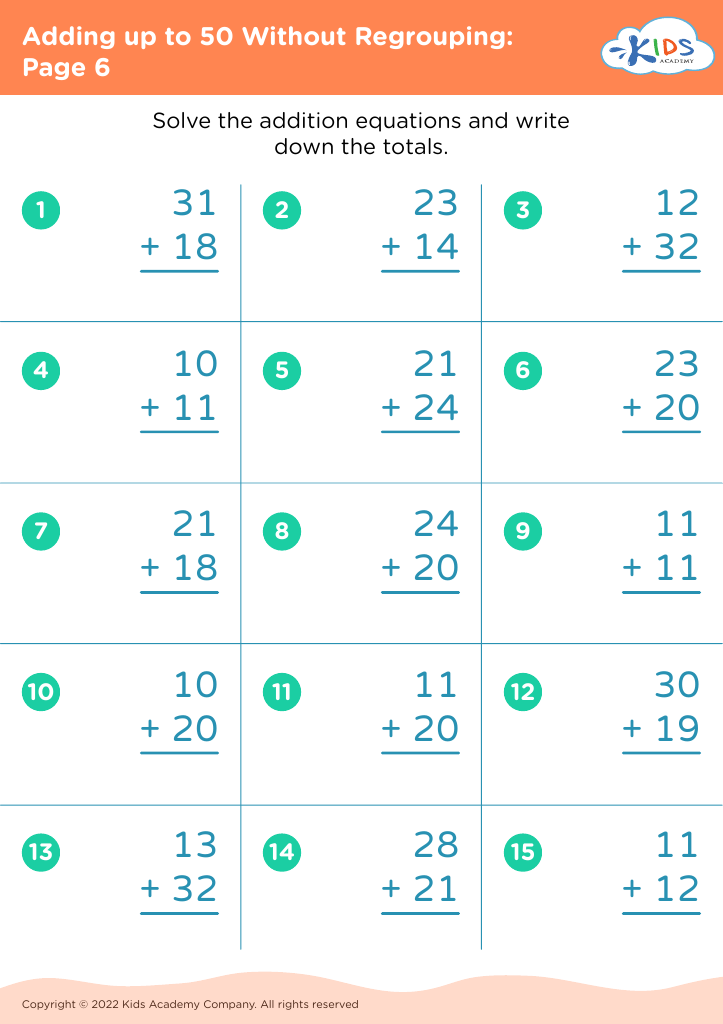
Adding up to 50 Without Regrouping: Page 6
Worksheet
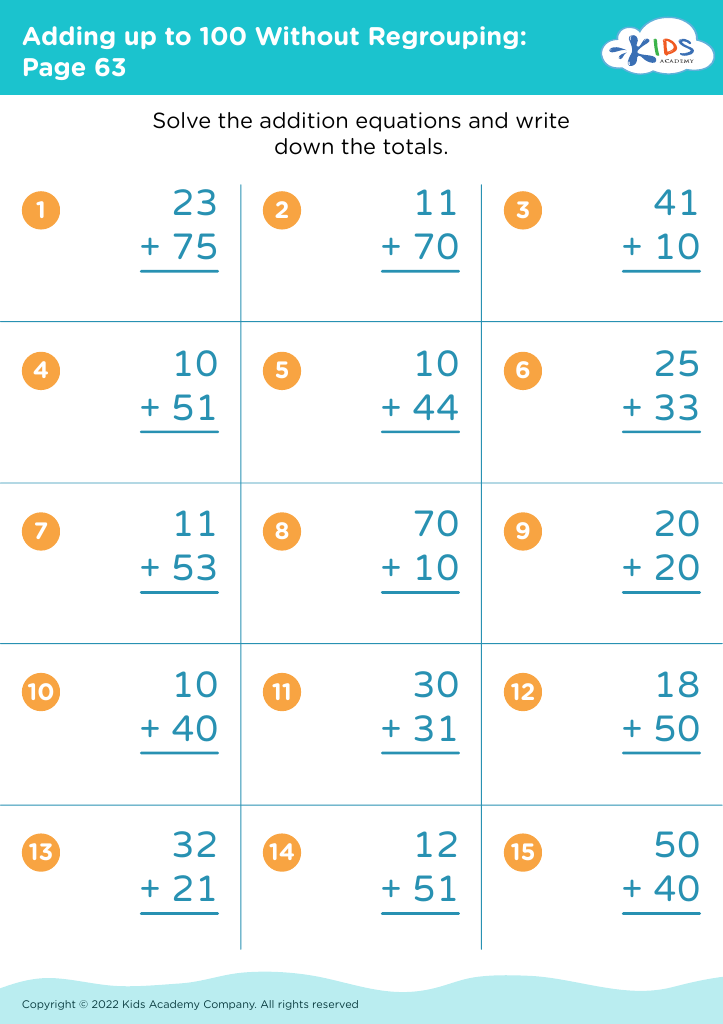
Adding up to 100 Without Regrouping: Page 63
Worksheet
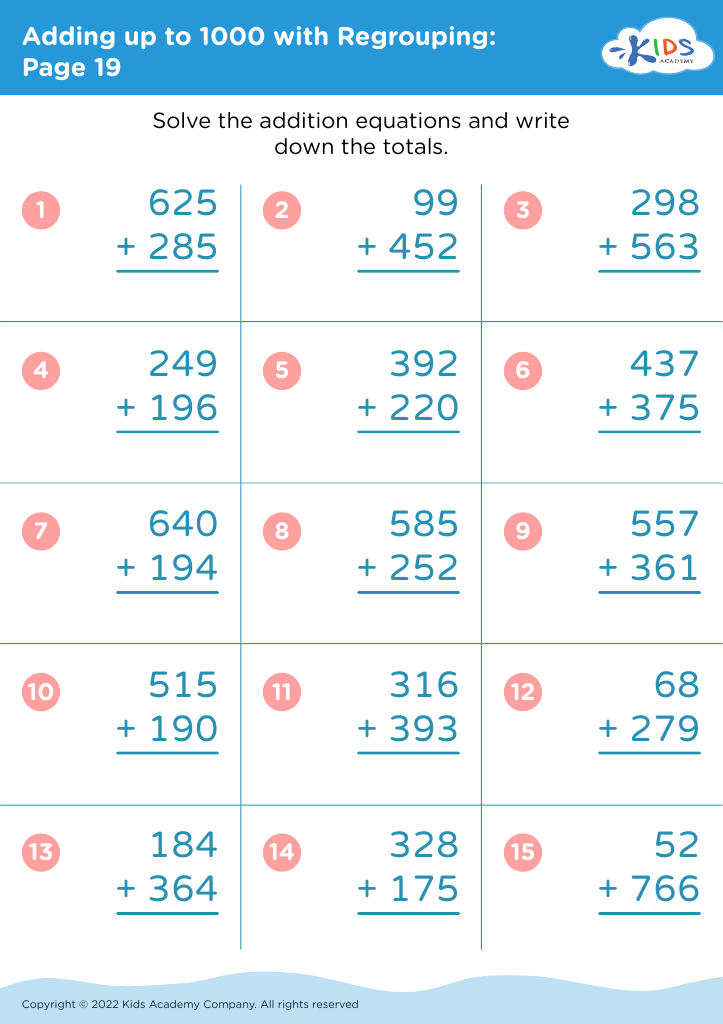
Adding up to 1000 with Regrouping: Page 19
Worksheet
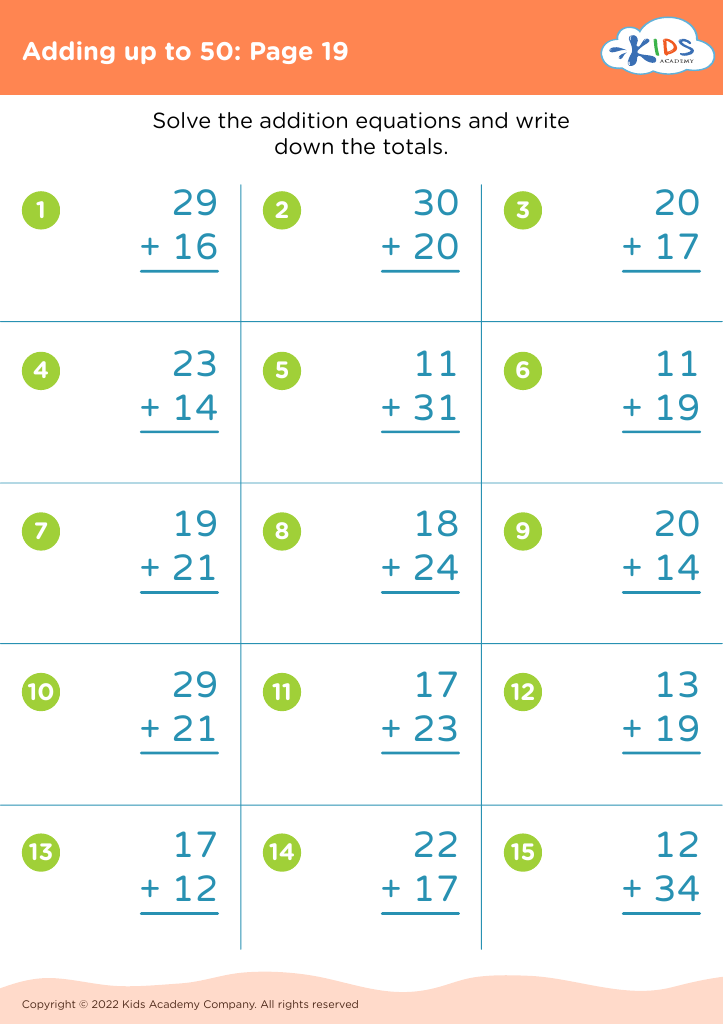
Adding up to 50: Page 19

Adding up to 50: Page 19

Adding up to 50: Page 19
Worksheet
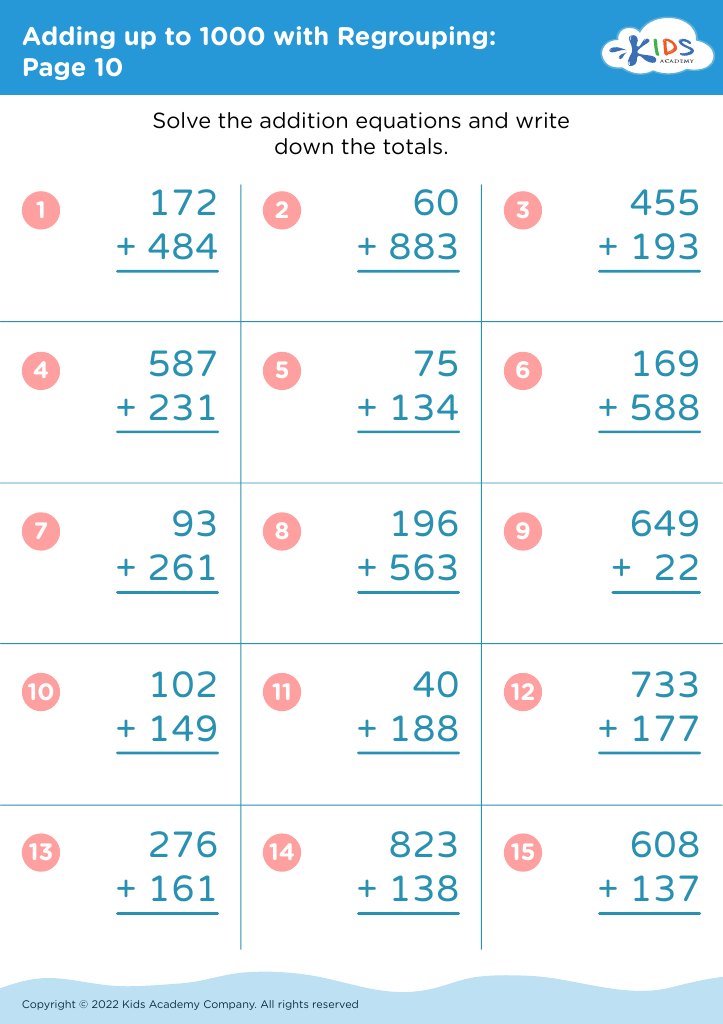
Adding up to 1000 with Regrouping: Page 10
Worksheet
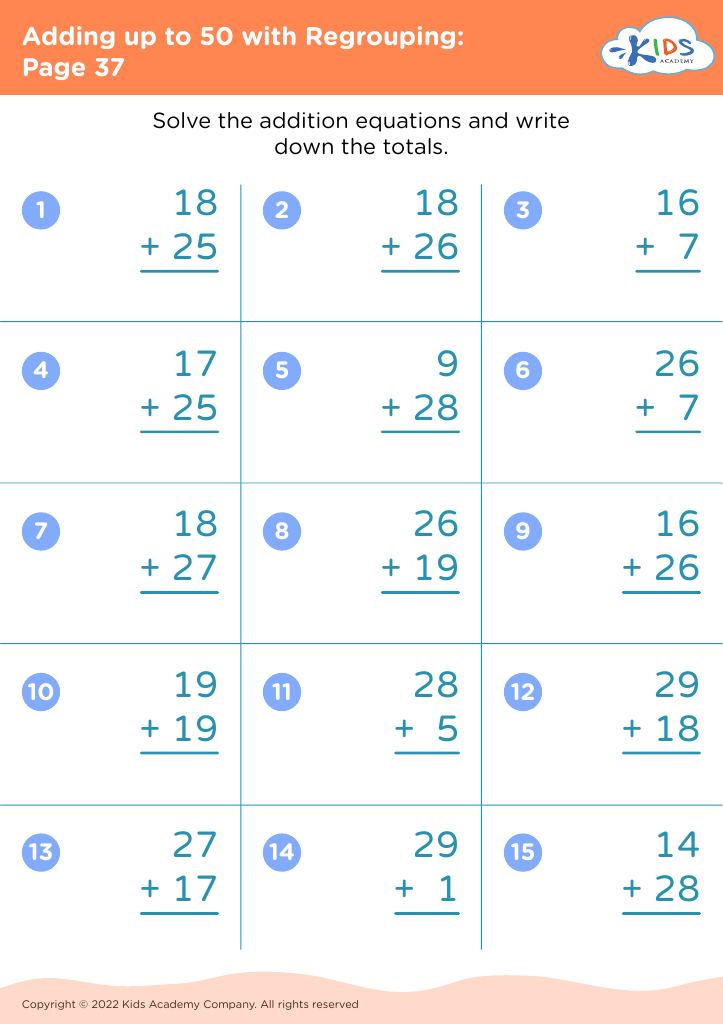
Adding up to 50 with Regrouping: Page 37
Worksheet
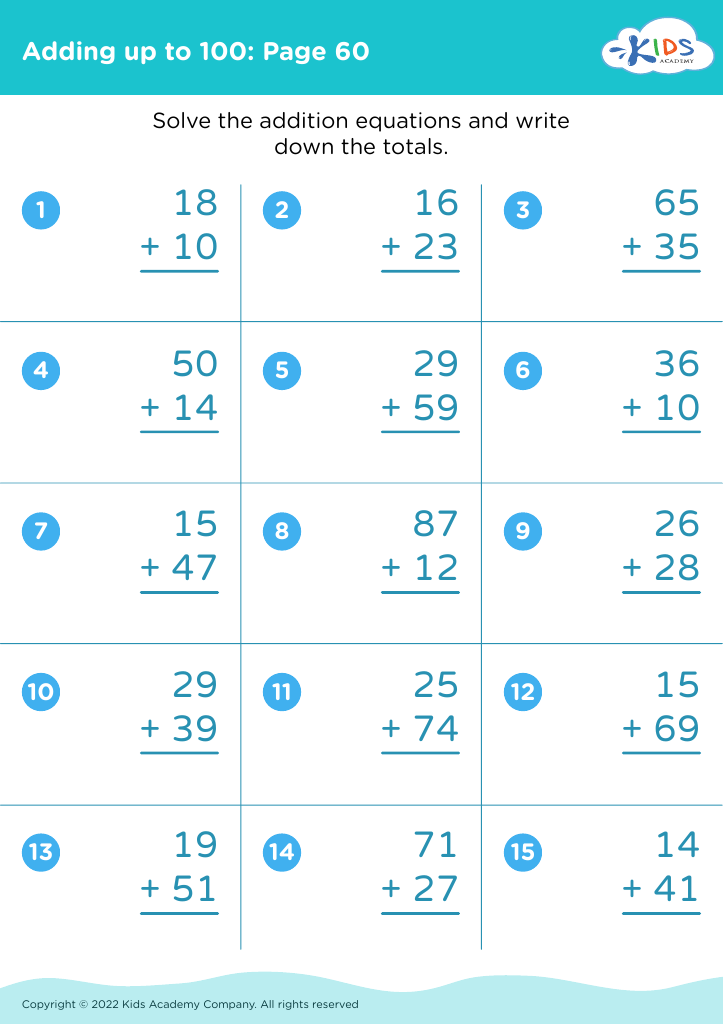
Adding up to 100: Page 60

Adding up to 100: Page 60

Adding up to 100: Page 60
Worksheet
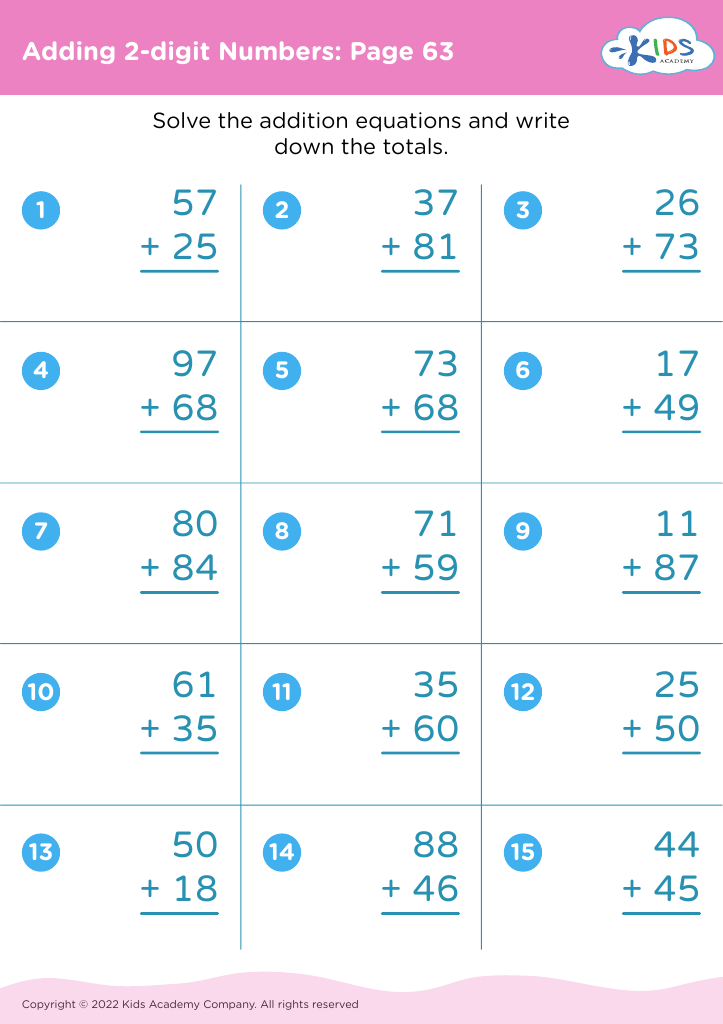
Adding 2-digit Numbers: Page 63

Adding 2-digit Numbers: Page 63

Adding 2-digit Numbers: Page 63
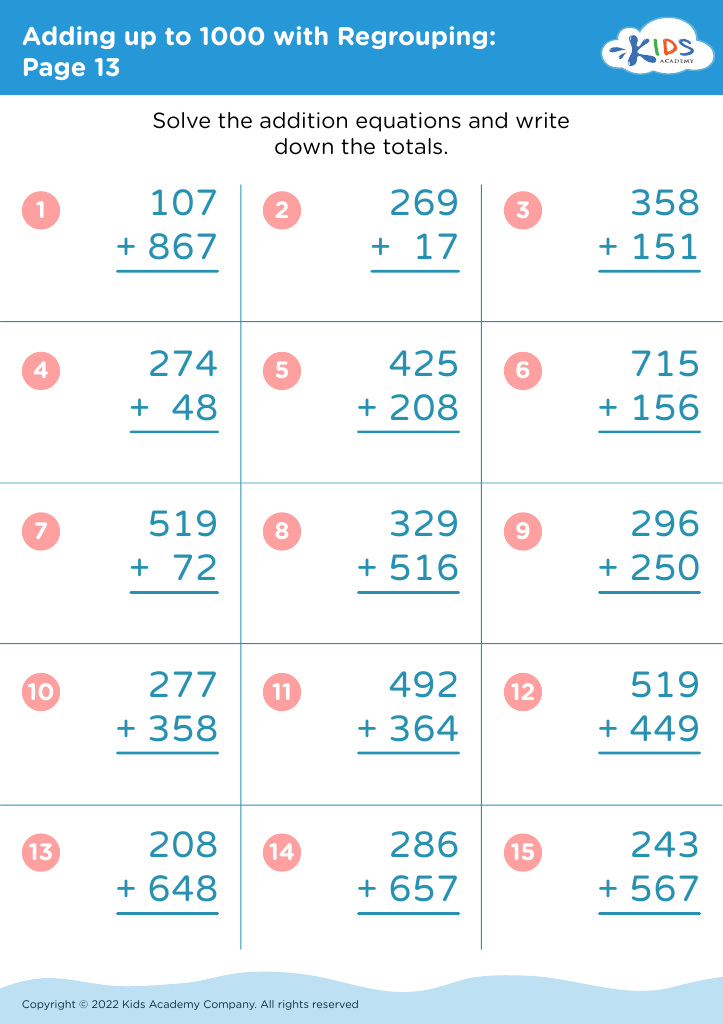
Worksheet
Adding up to 1000 with Regrouping: Page 13
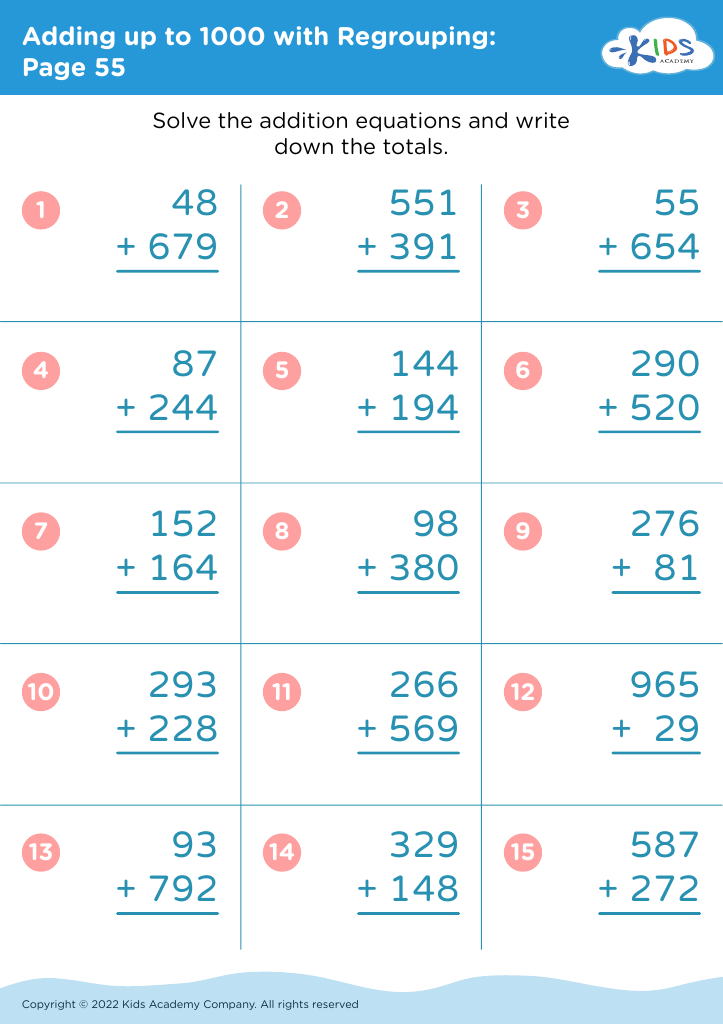
Worksheet
Adding up to 1000 with Regrouping: Page 55
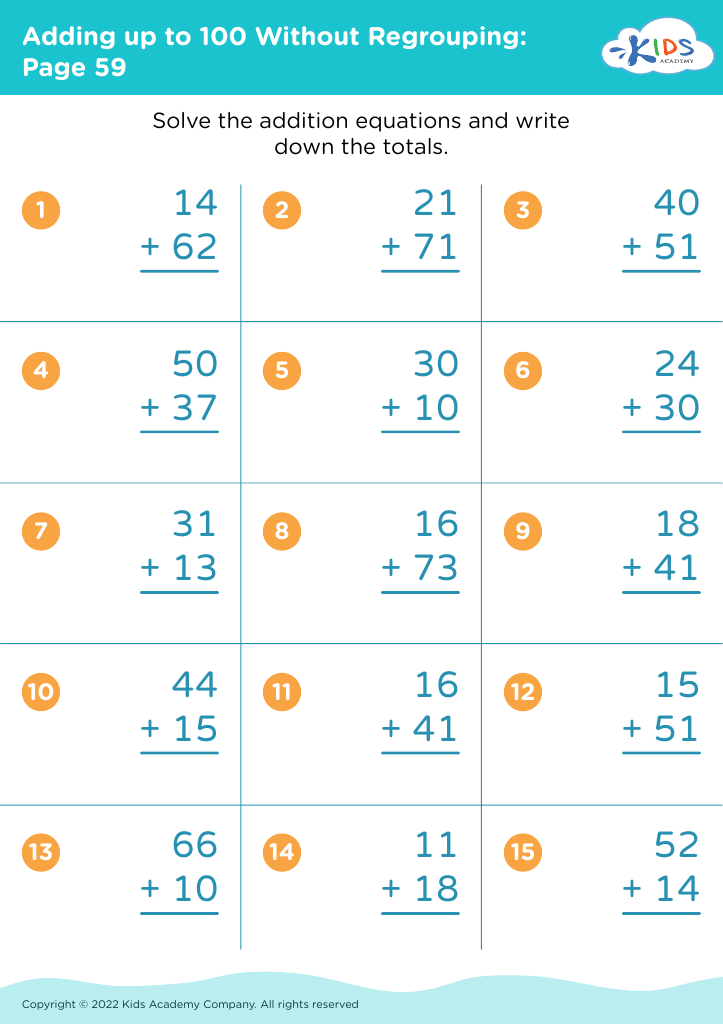
Worksheet
Adding up to 100 Without Regrouping: Page 59
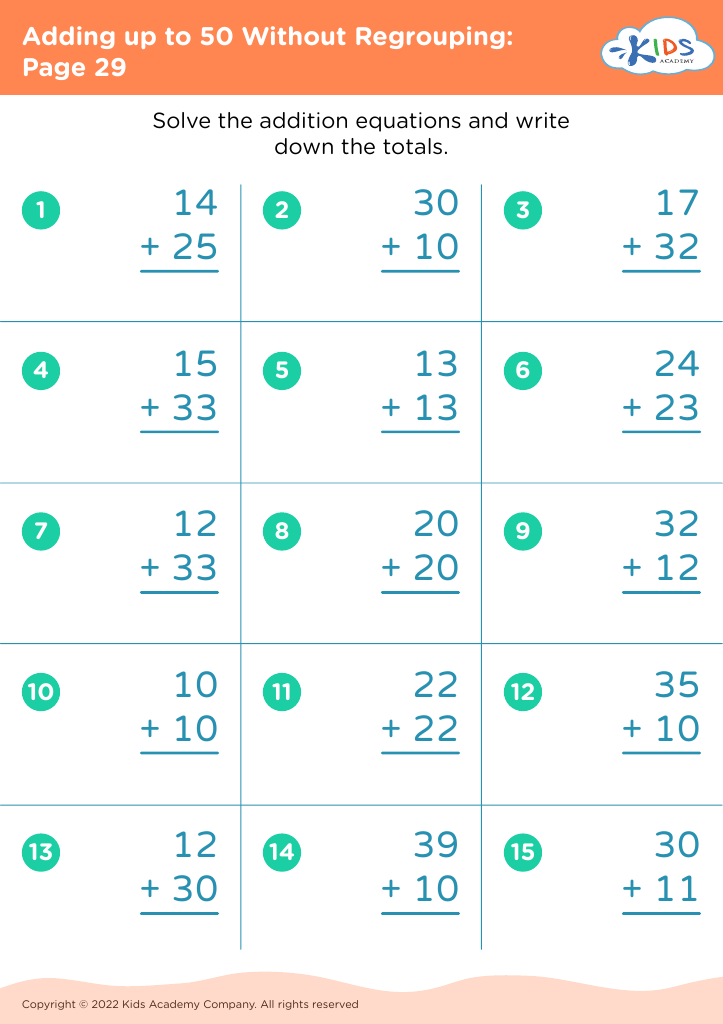
Worksheet
Adding up to 50 Without Regrouping: Page 29
Worksheet
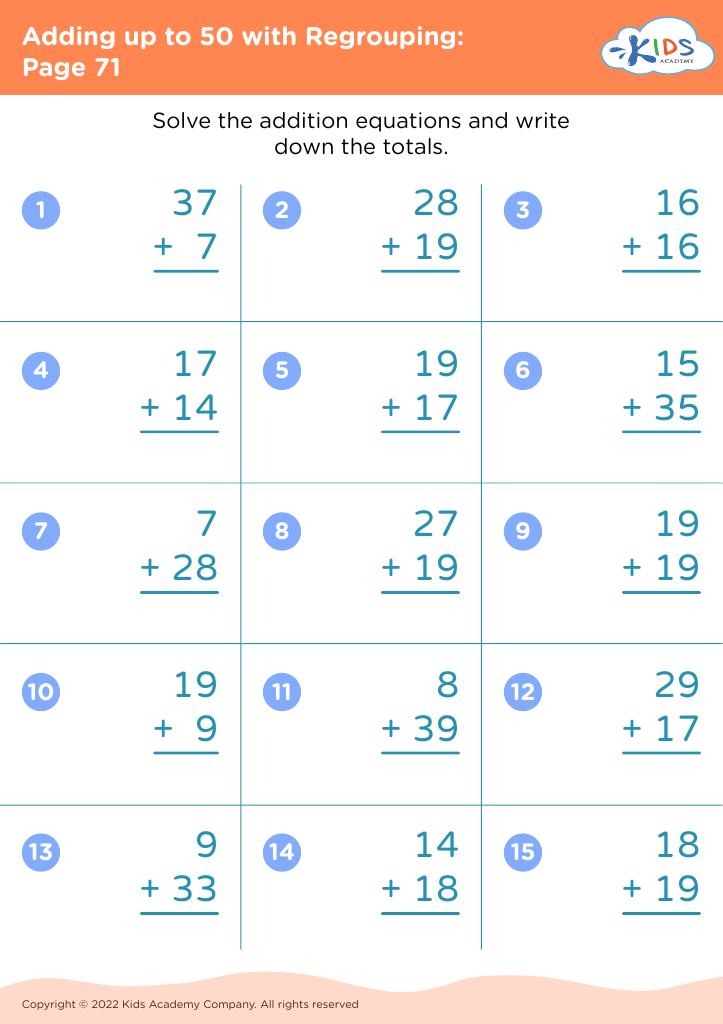
Adding up to 50 with Regrouping: Page 71
Worksheet
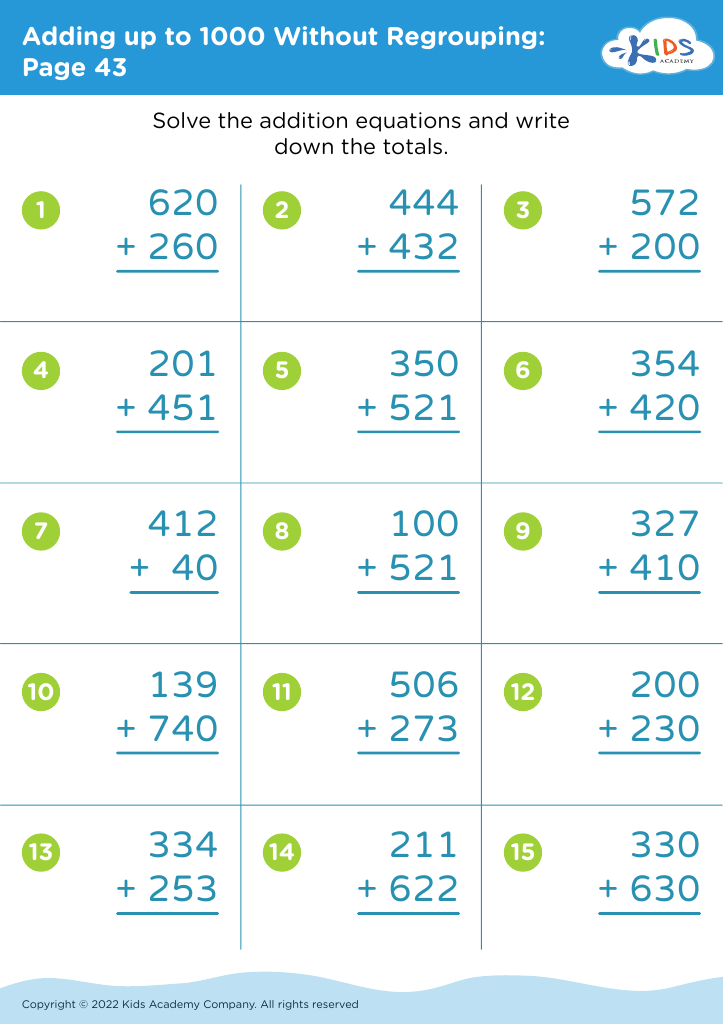
Adding up to 1000 Without Regrouping: Page 43
Worksheet
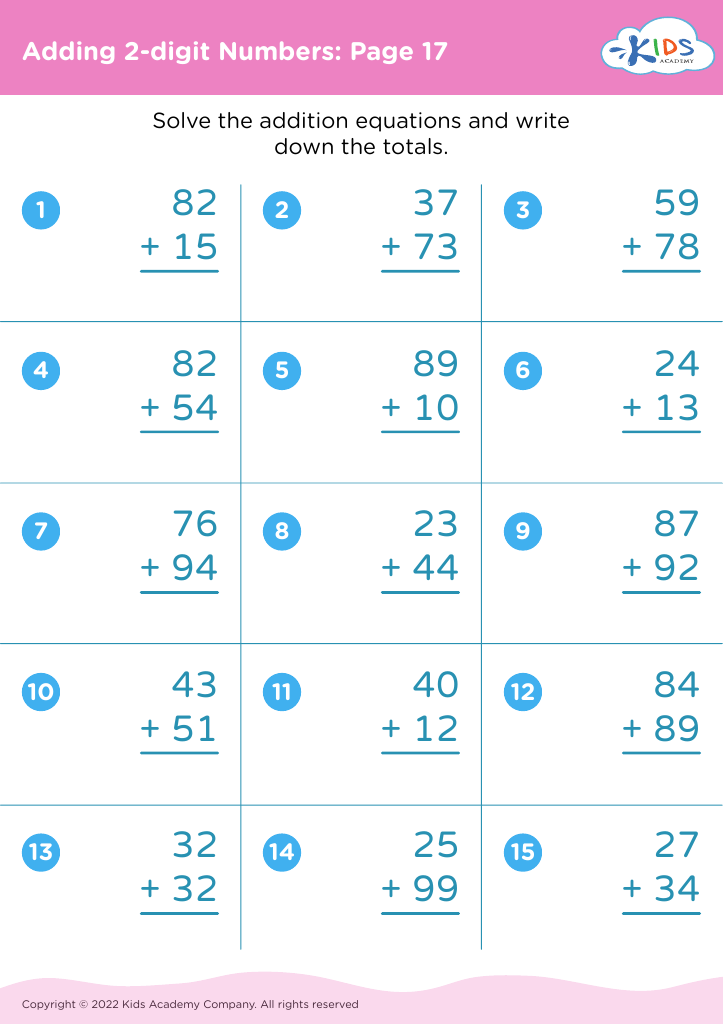
Adding 2-digit Numbers: Page 17

Adding 2-digit Numbers: Page 17

Adding 2-digit Numbers: Page 17
Worksheet
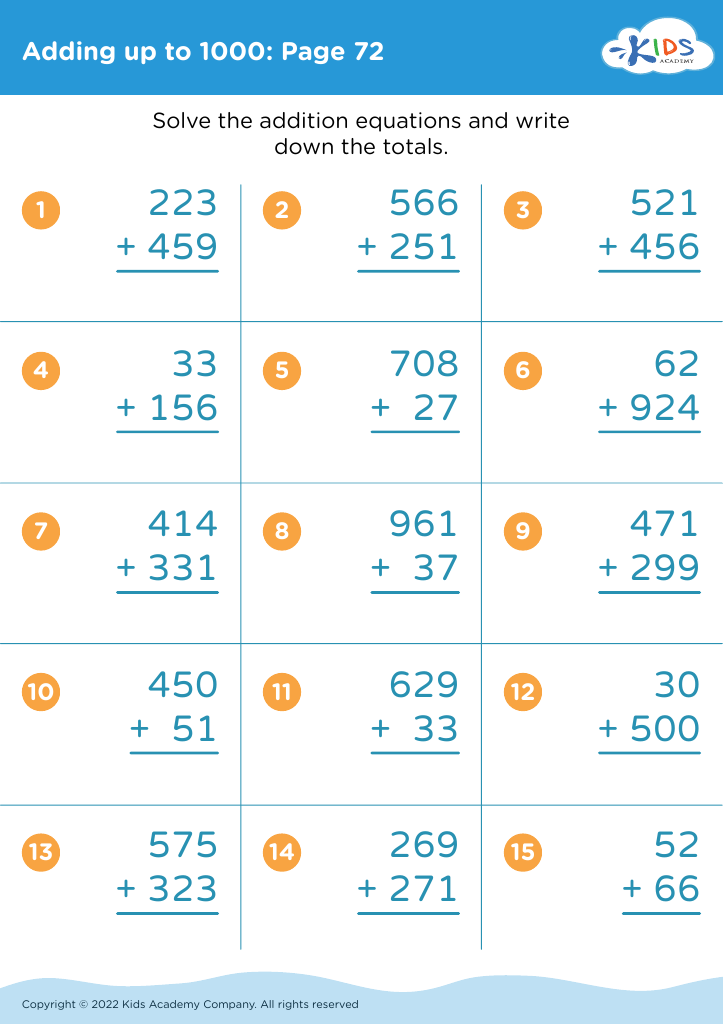
Adding up to 1000: Page 72

Adding up to 1000: Page 72

Adding up to 1000: Page 72
Worksheet
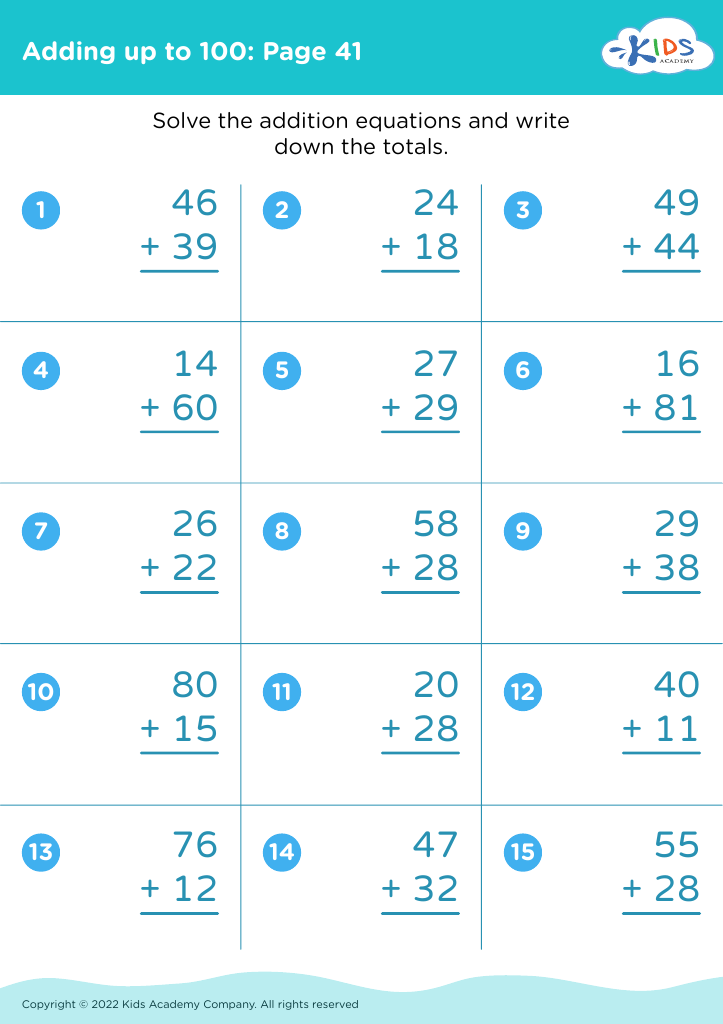
Adding up to 100: Page 41

Adding up to 100: Page 41

Adding up to 100: Page 41
Worksheet
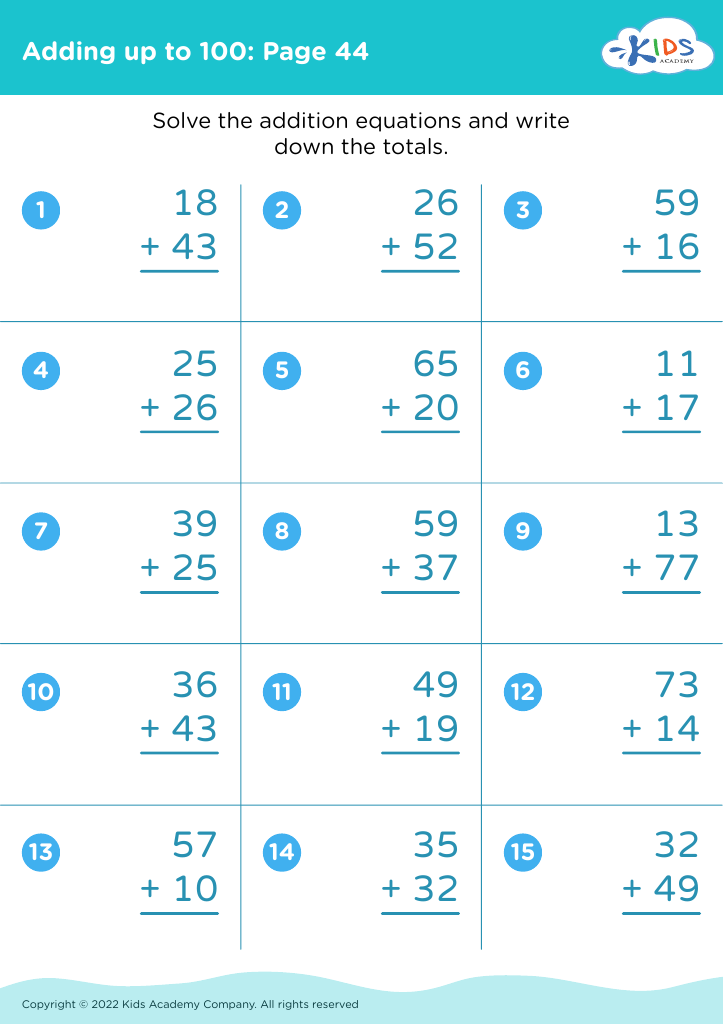
Adding up to 100: Page 44

Adding up to 100: Page 44

Adding up to 100: Page 44
Worksheet


Recognizing patterns in addition is a foundational skill for children ages 5-7, essential for developing their mathematical understanding. For parents and teachers, cultivating this skill is crucial as it enhances cognitive abilities, promotes critical thinking, and supports problem-solving skills. When children learn to recognize patterns—whether numerical, visual, or in various mathematical processes—they build a framework that makes complex concepts more approachable.

Understanding patterns helps children make connections between numbers, reinforcing their ability to perform basic addition. It improves their number sense, fostering confidence and fluency in math-related tasks. Moreover, the ability to spot patterns is not limited to arithmetic; it translates into other areas, including science and language development, enriching overall learning experiences.

Engaging in pattern recognition encourages collaboration, as children learn to discuss and share strategies with peers, enhancing social skills. It also fosters a growth mindset, as they discover that mistakes are part of the learning process. Ultimately, reinforcing pattern recognition prepares young learners for more advanced mathematical concepts, setting a strong foundation for their future education. By prioritizing this skill, parents and teachers play a pivotal role in nurturing a child’s enthusiasm for learning and academic success.