Visual Learning Addition Worksheets for Ages 5-7 - Page 2
88 filtered results
-
From - To







.jpg)
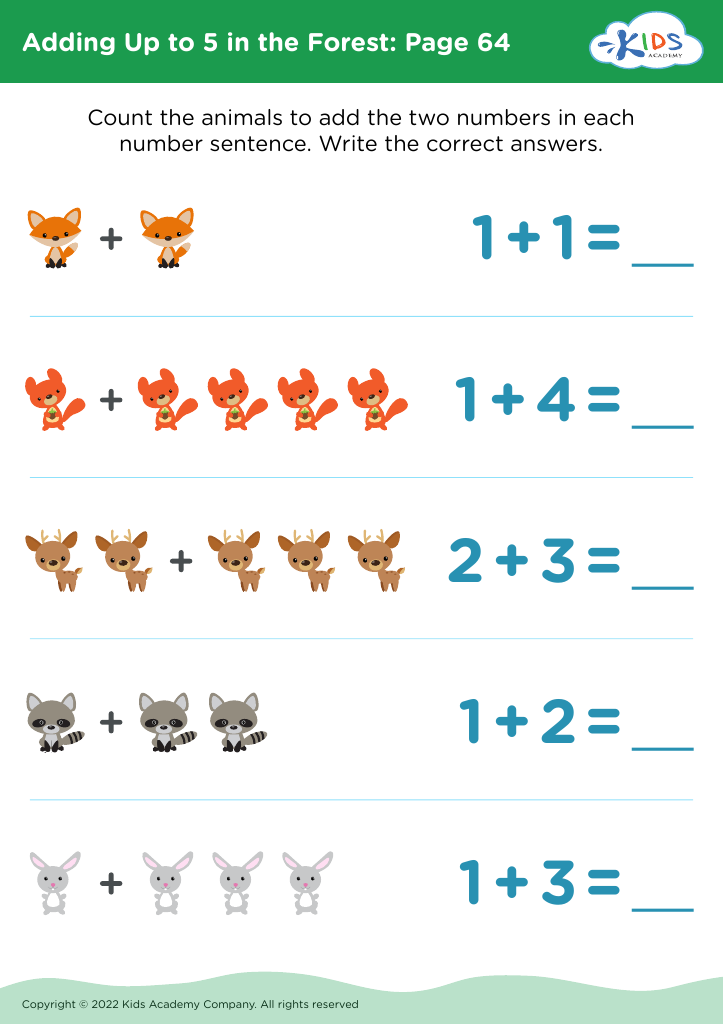
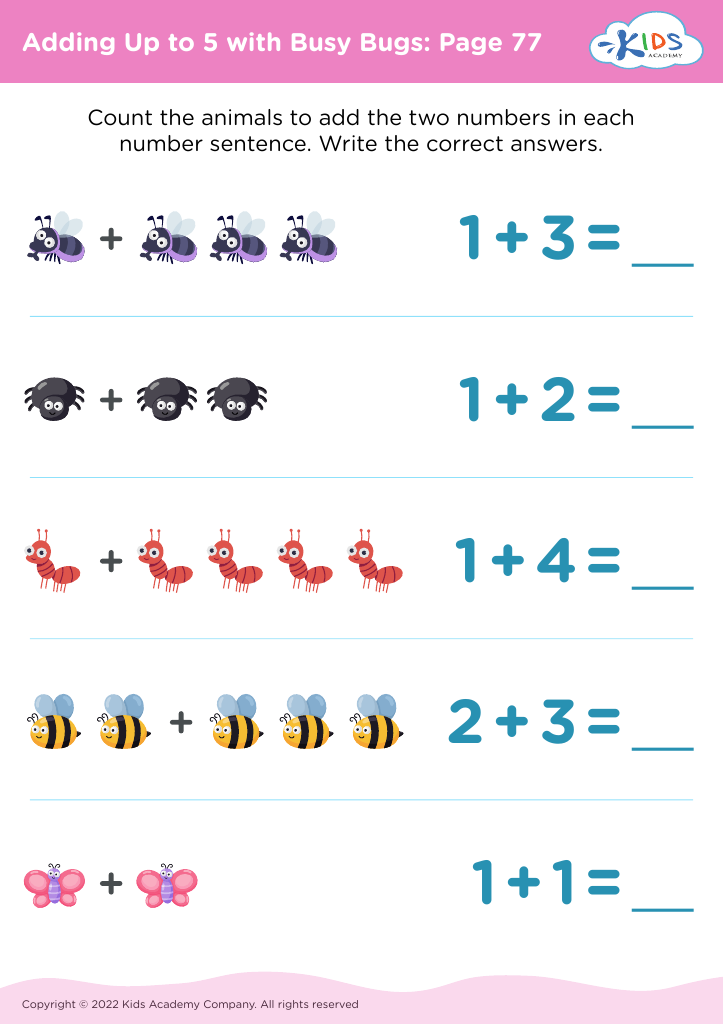
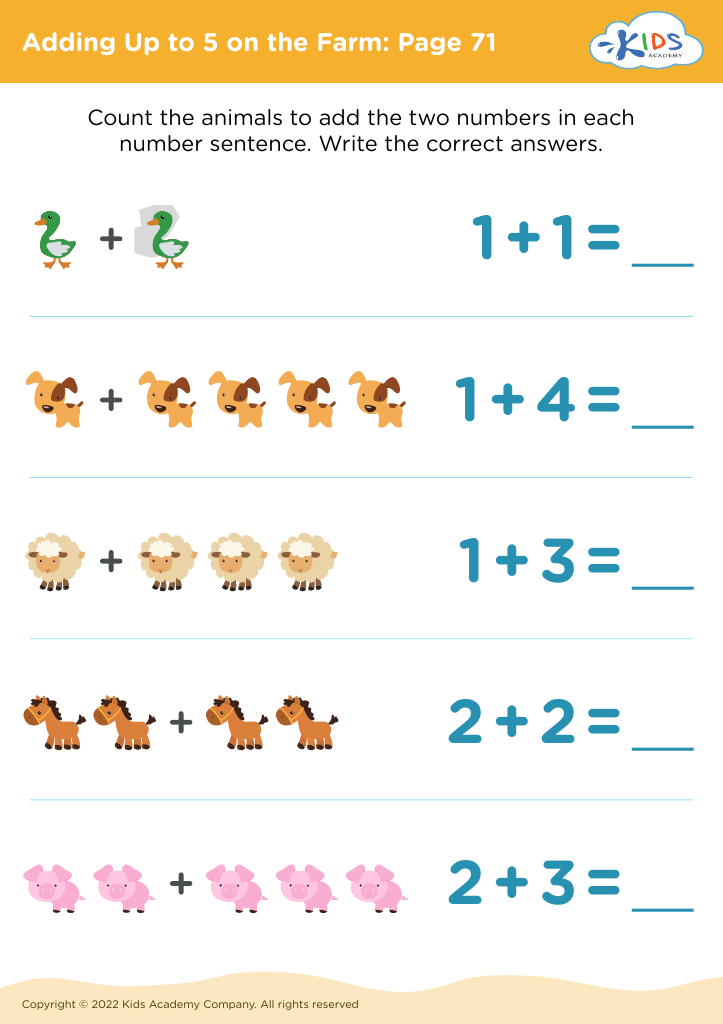
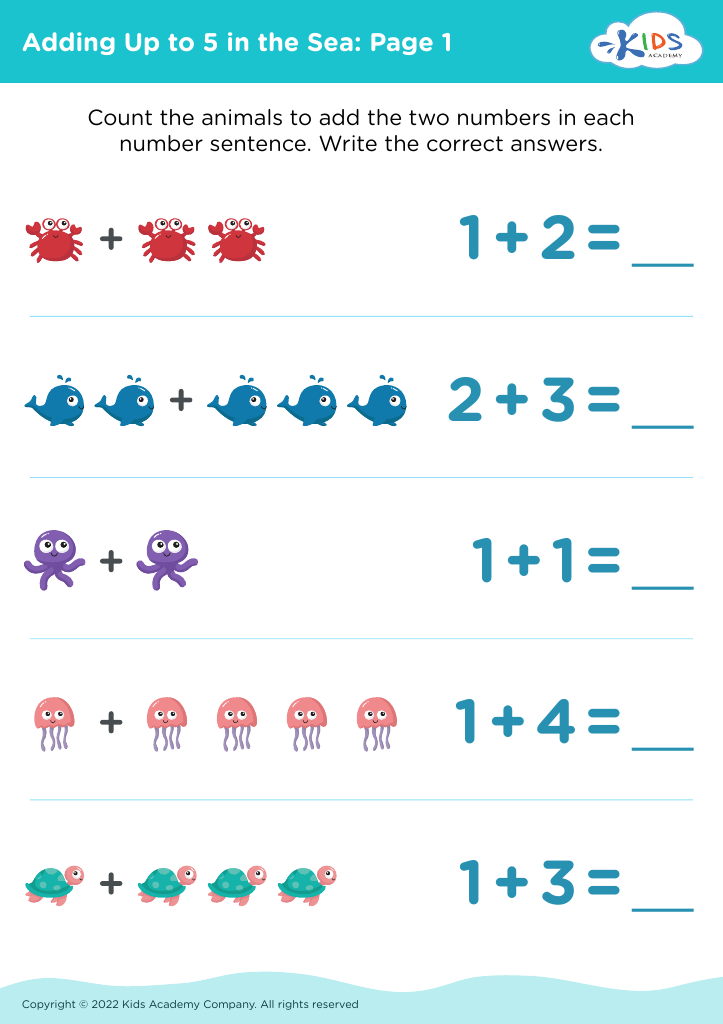
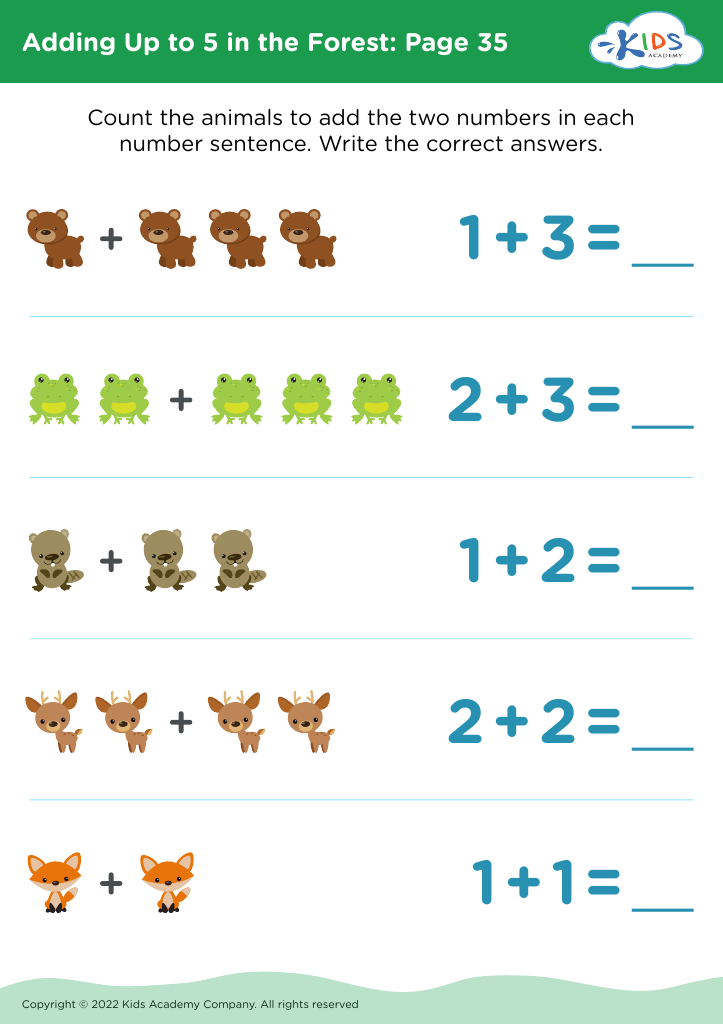
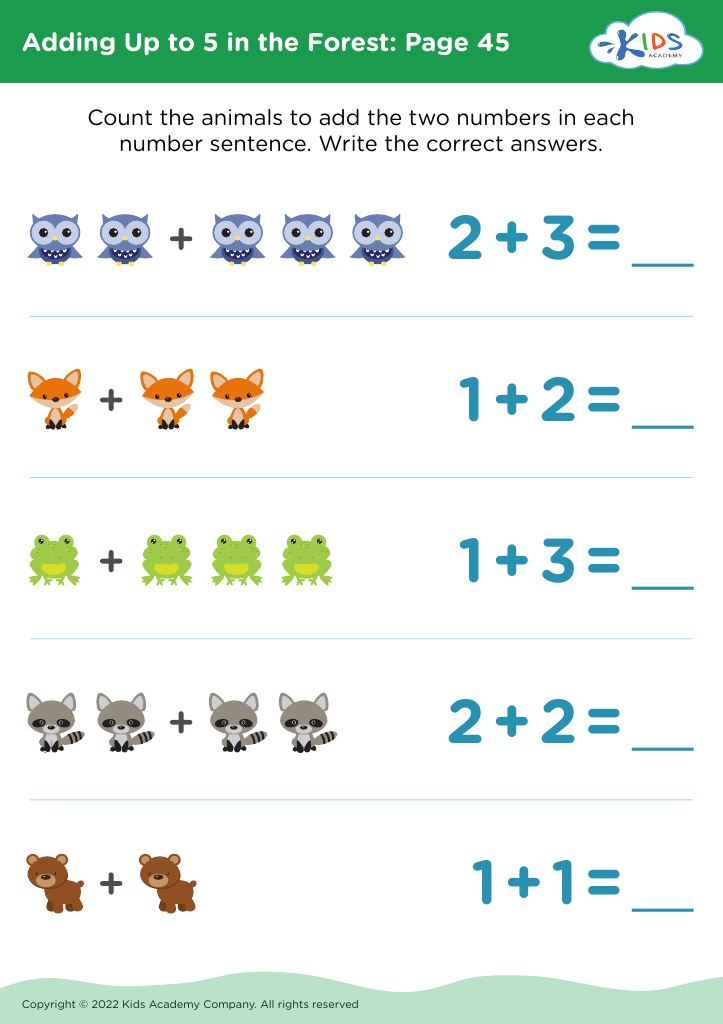
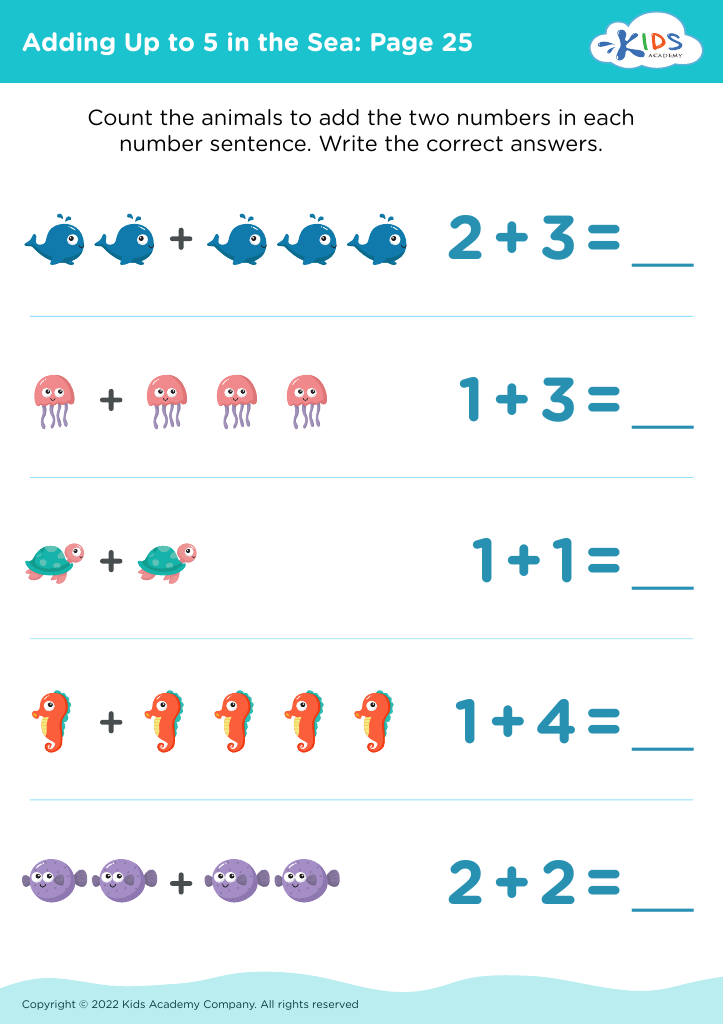
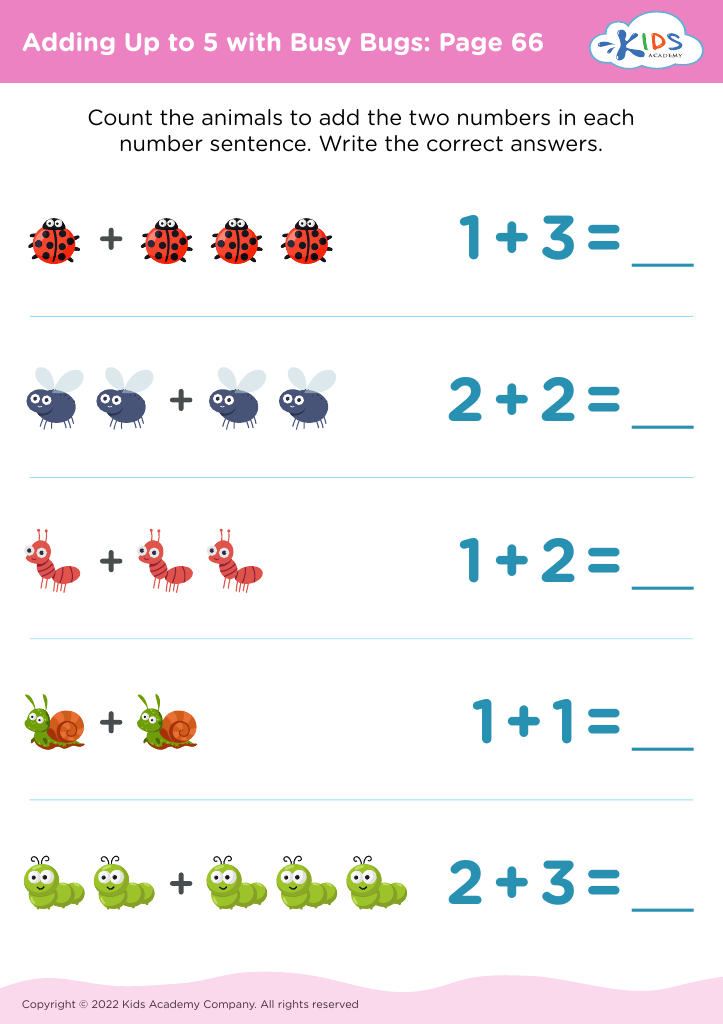
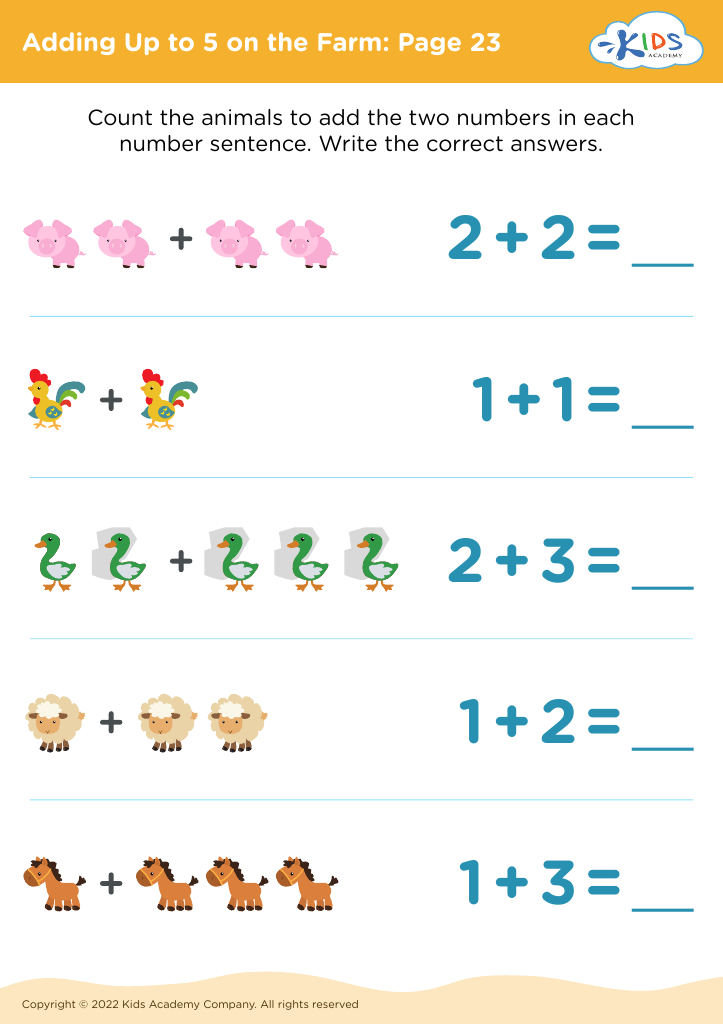
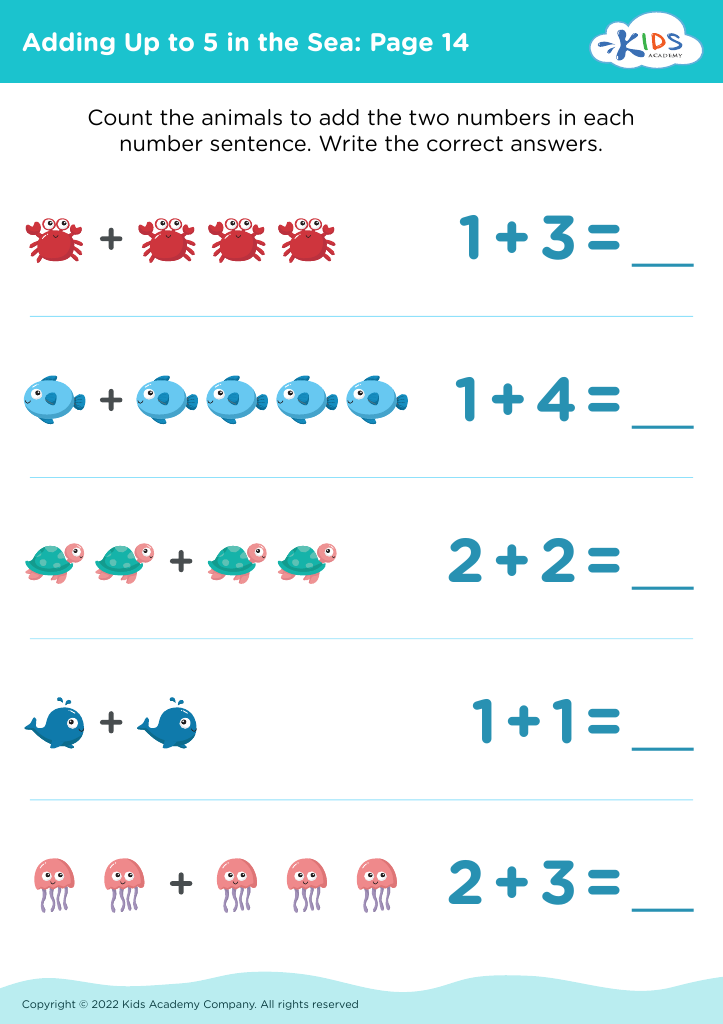
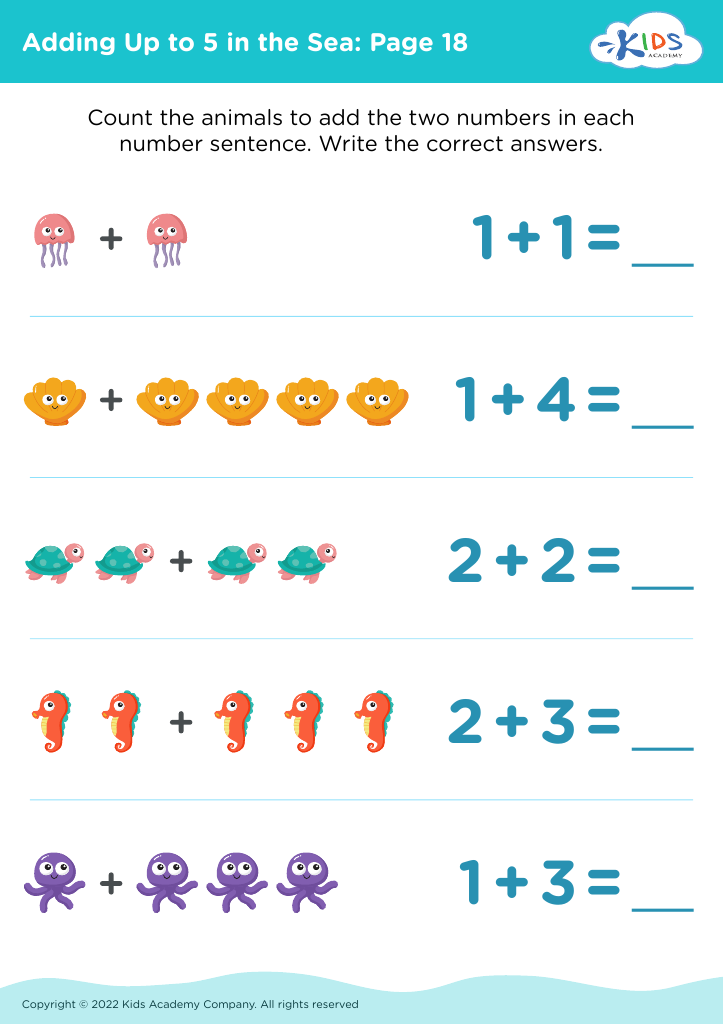
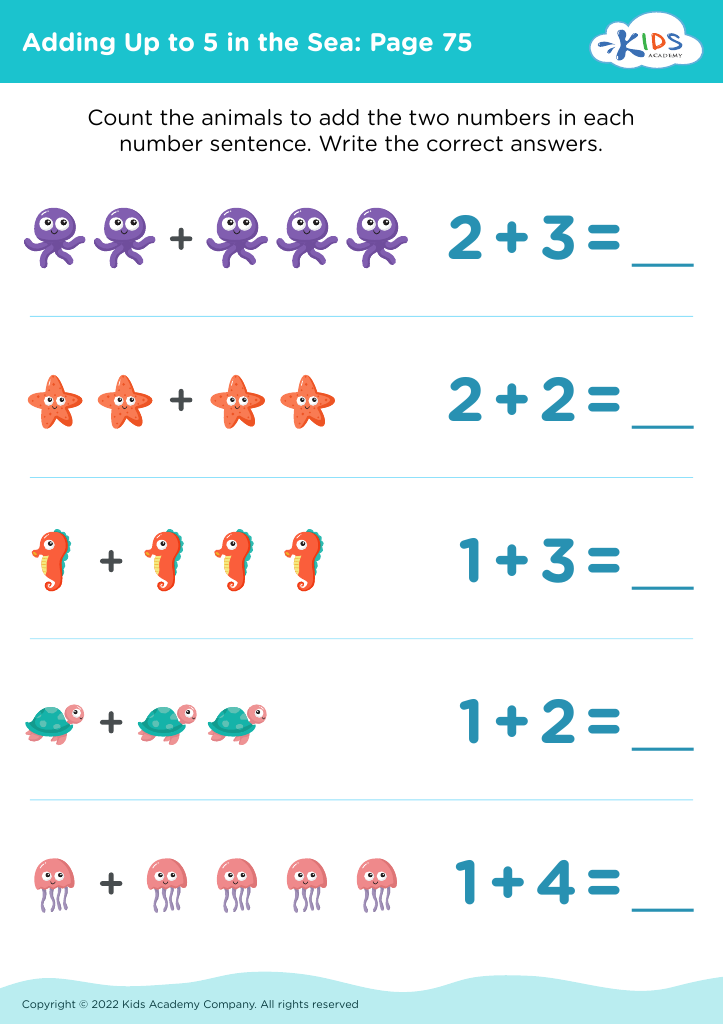
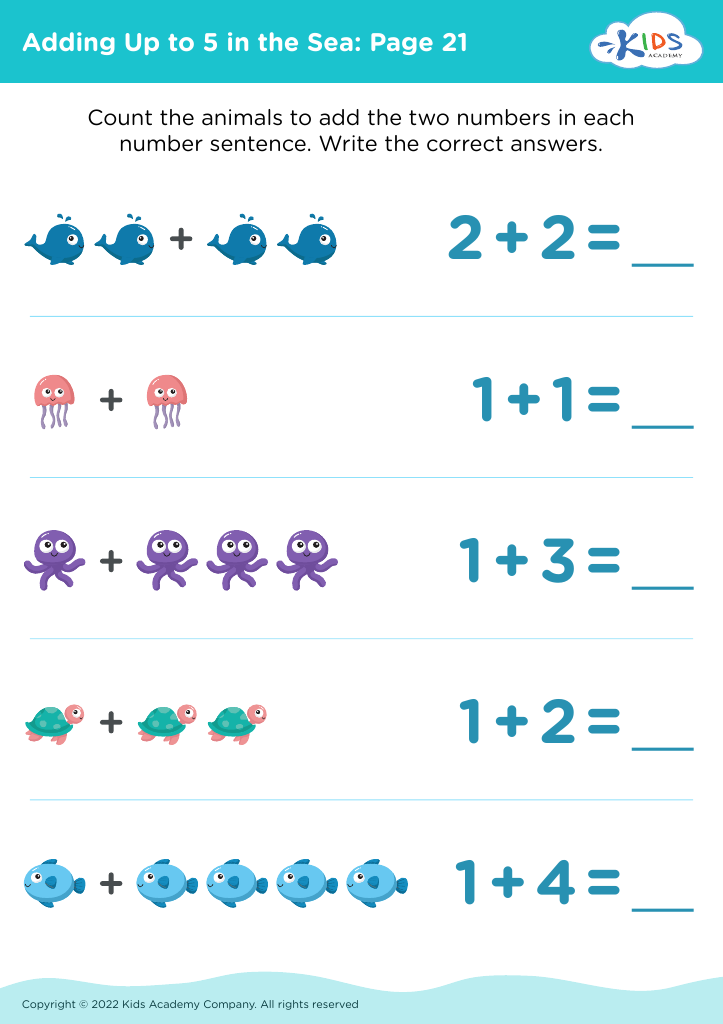
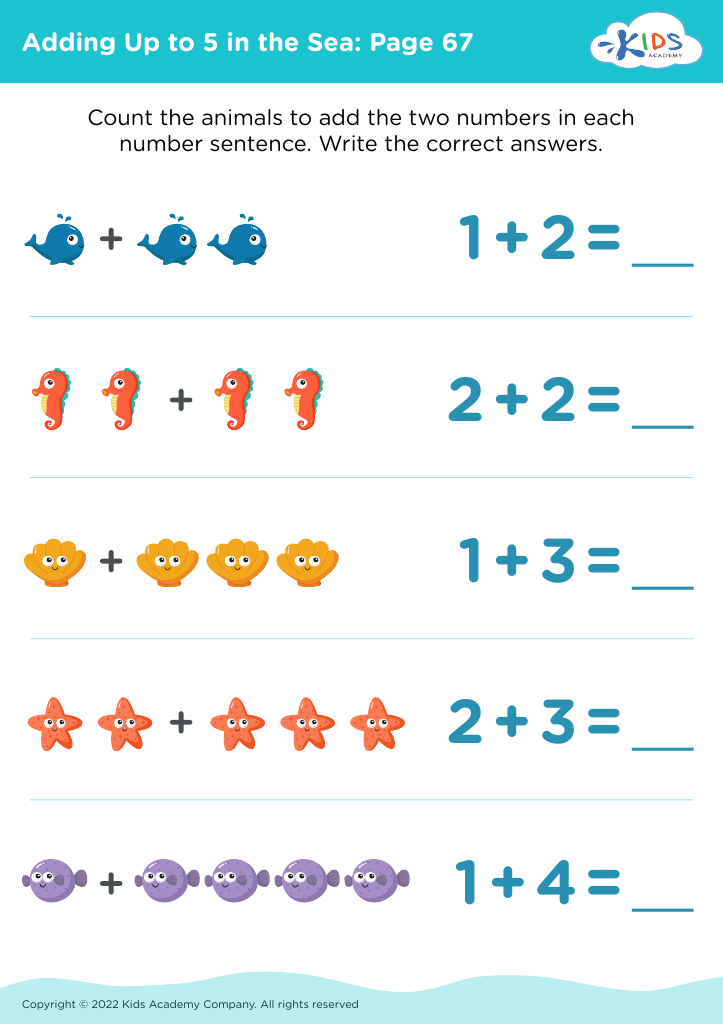
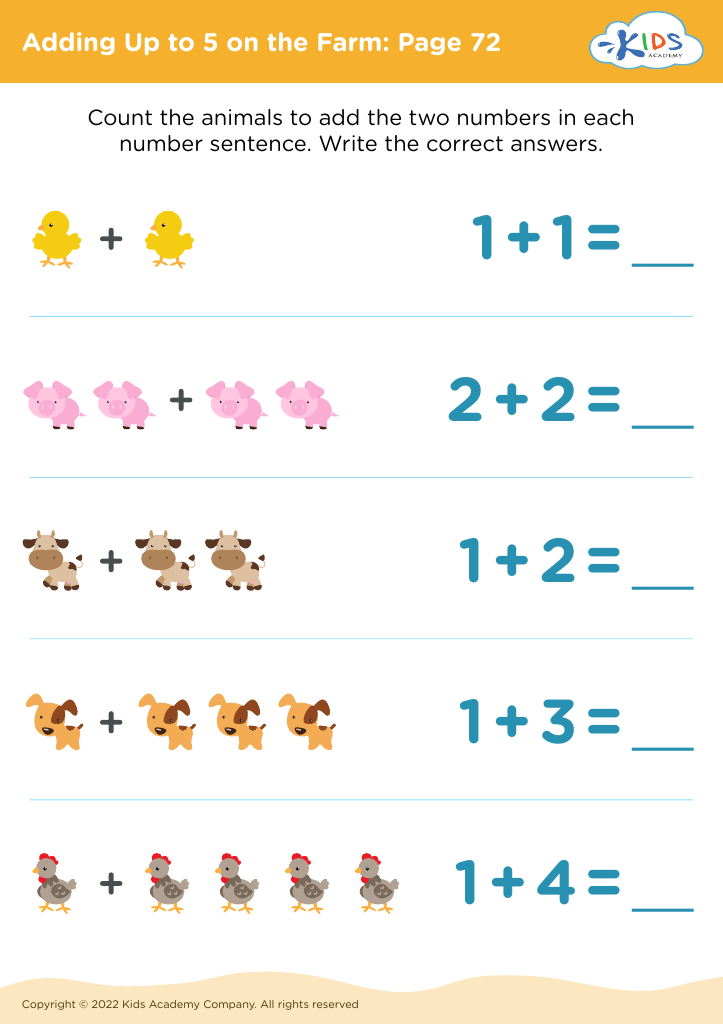
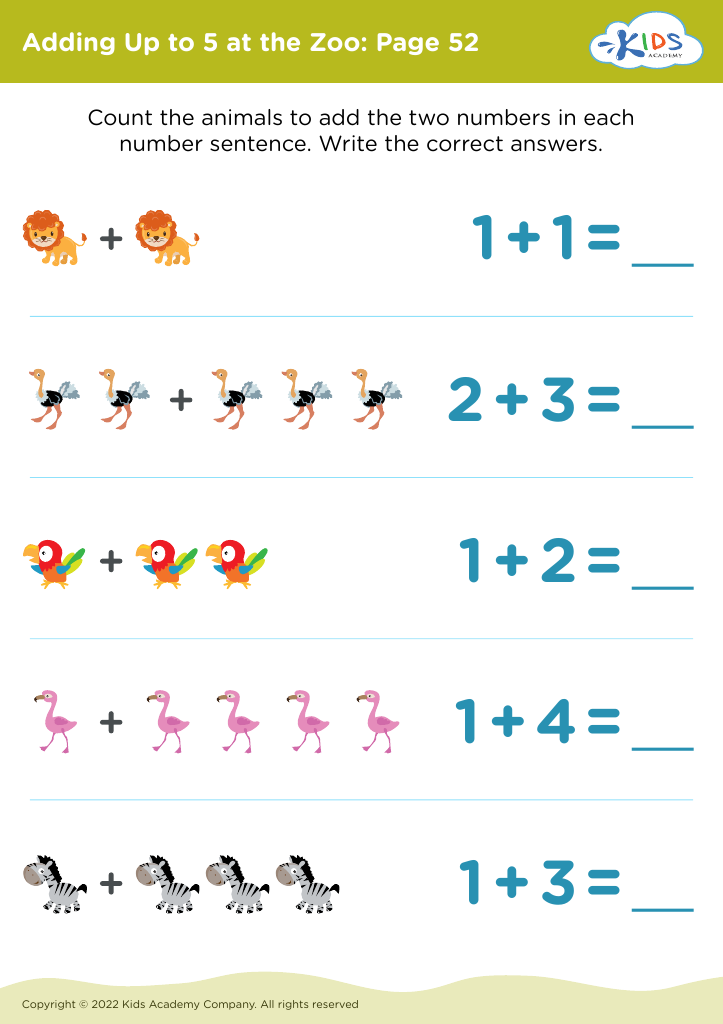
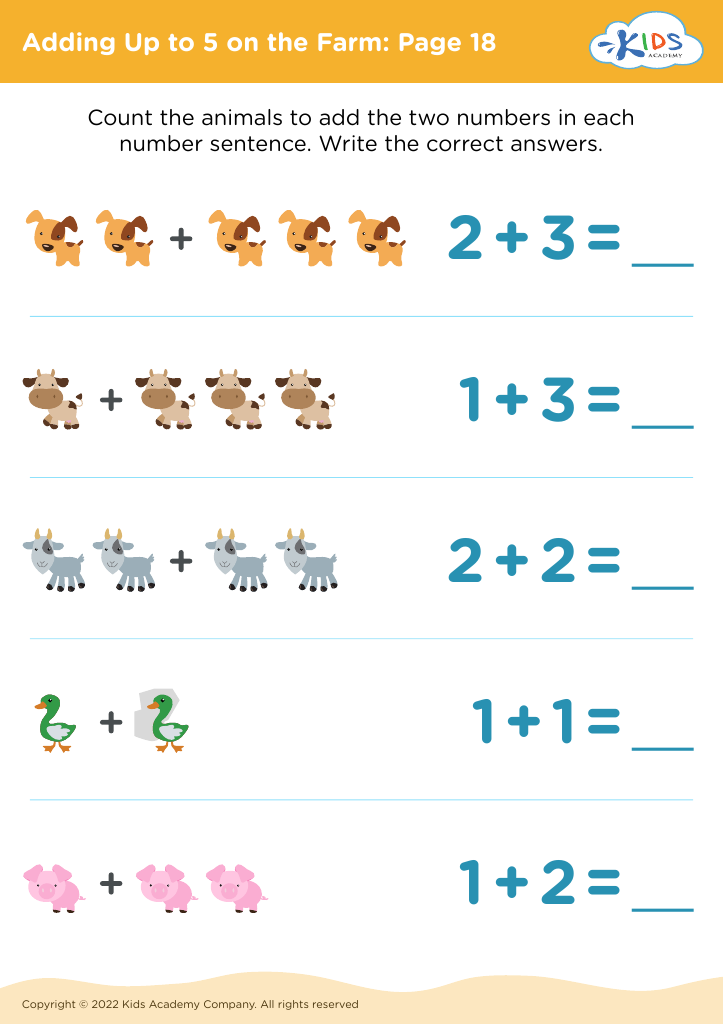
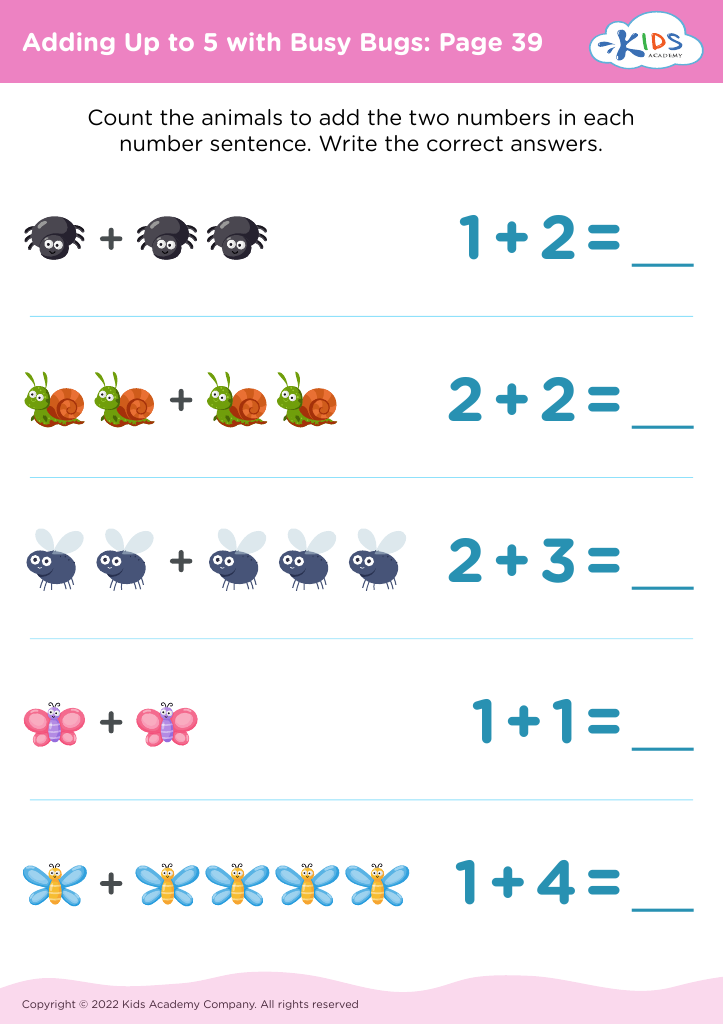
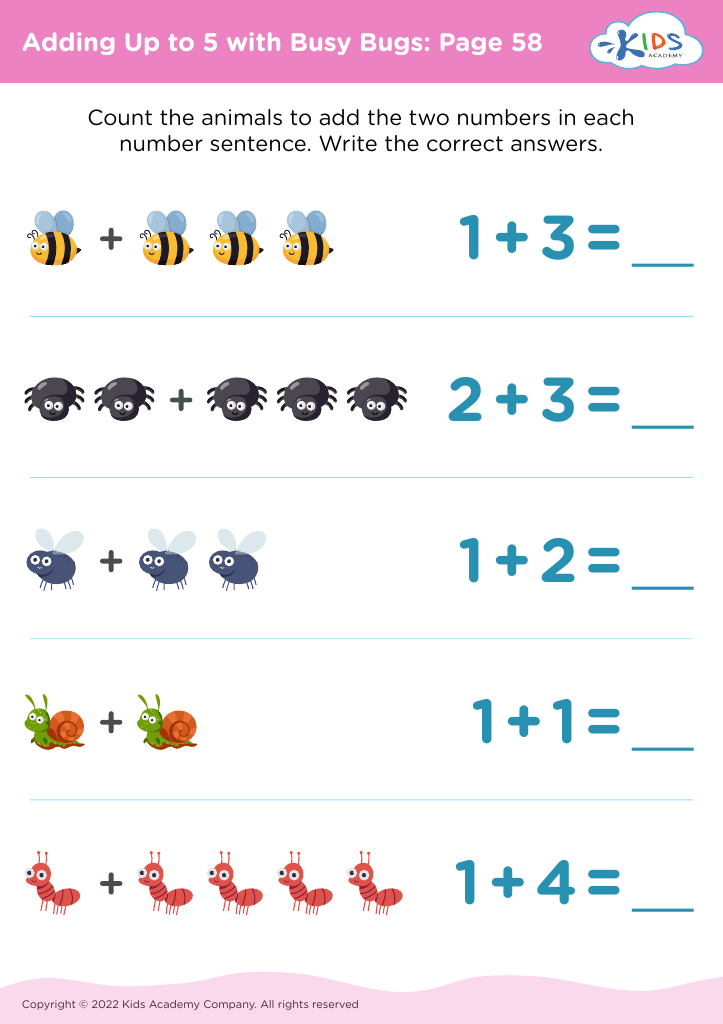
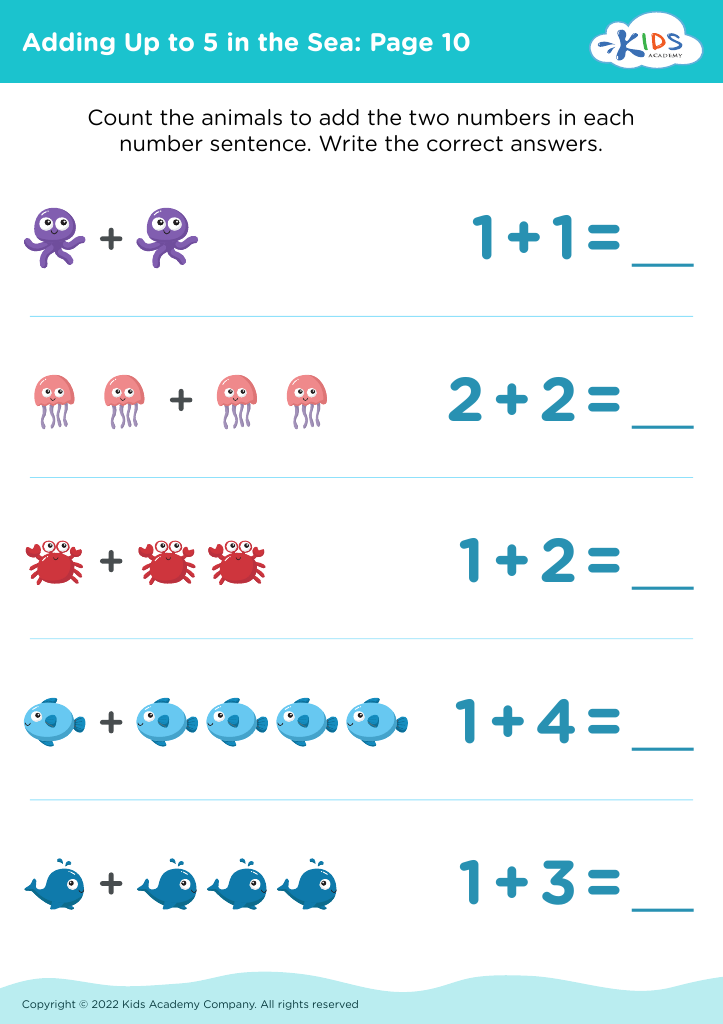
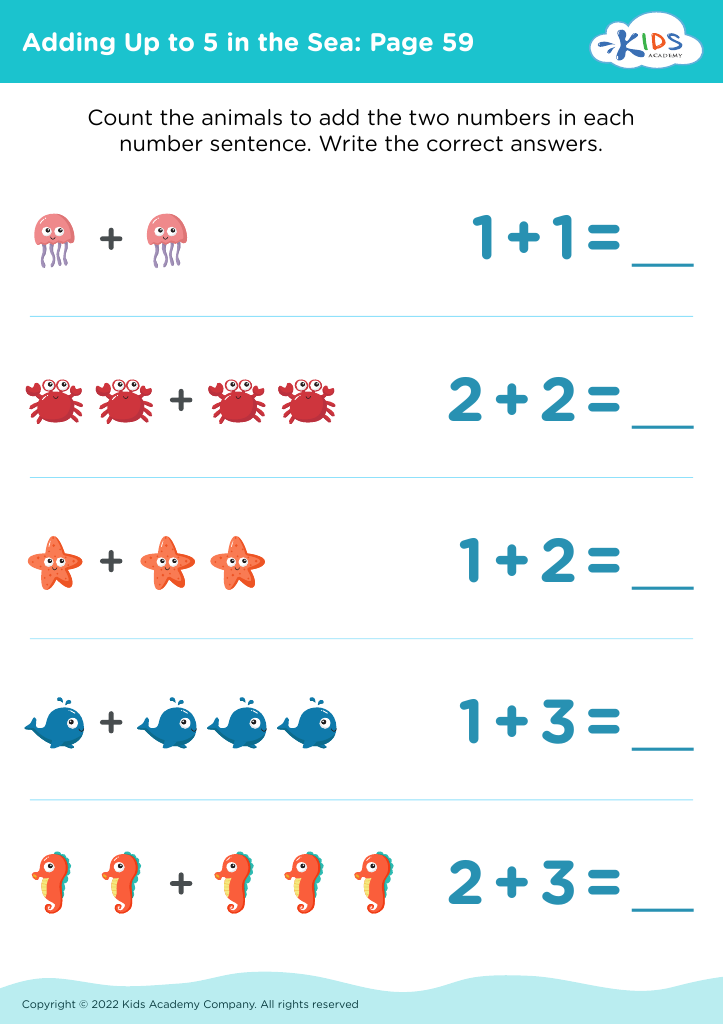
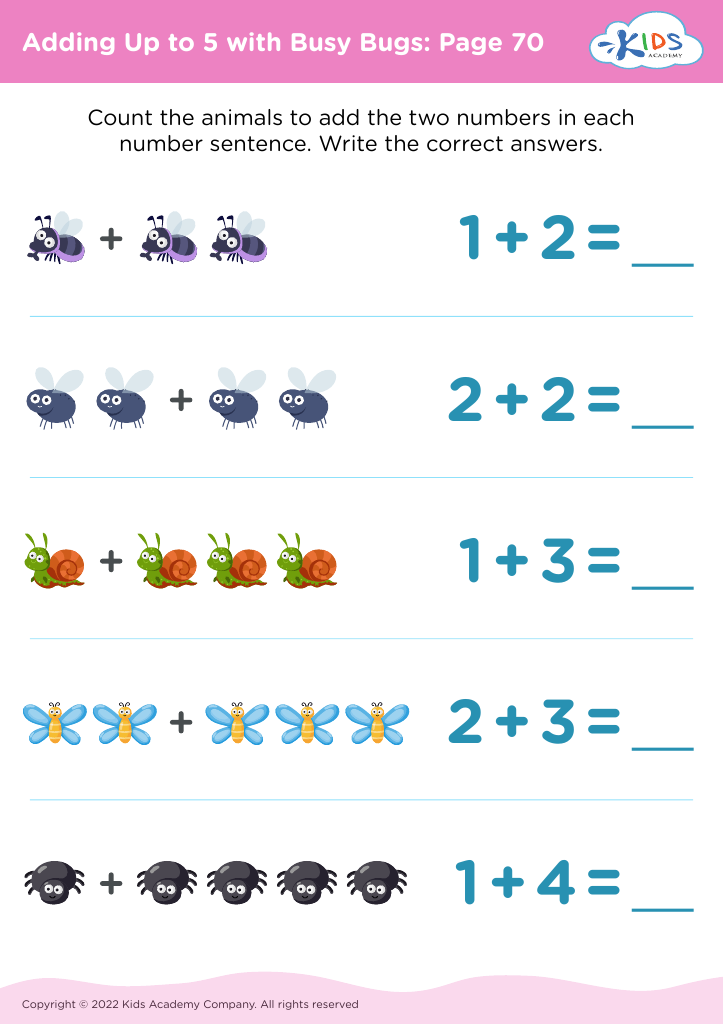
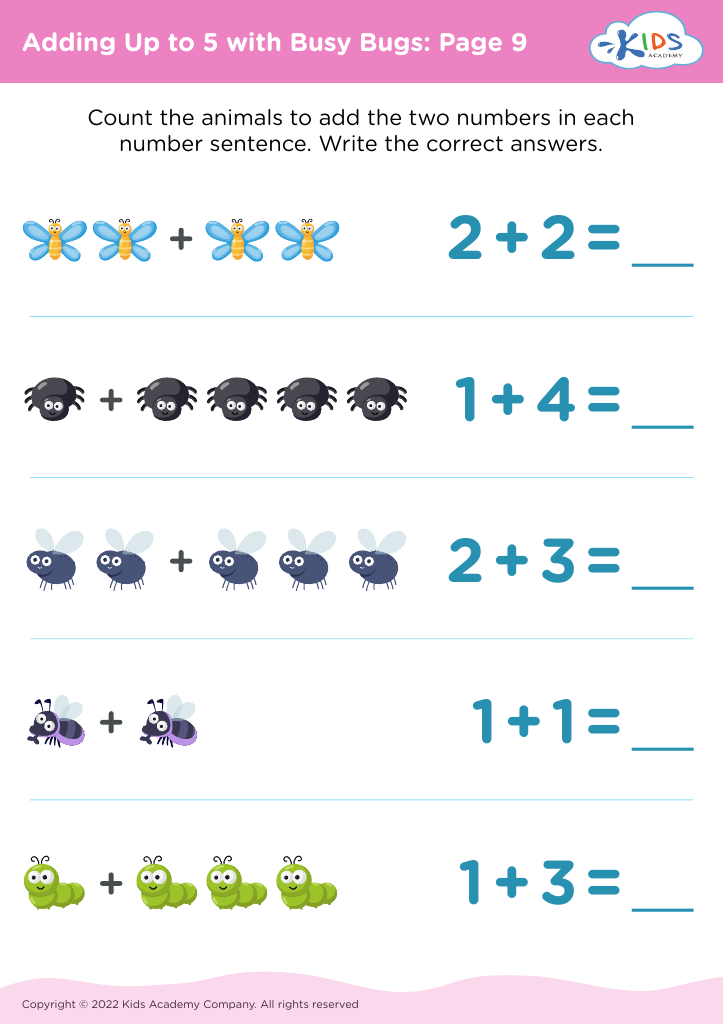
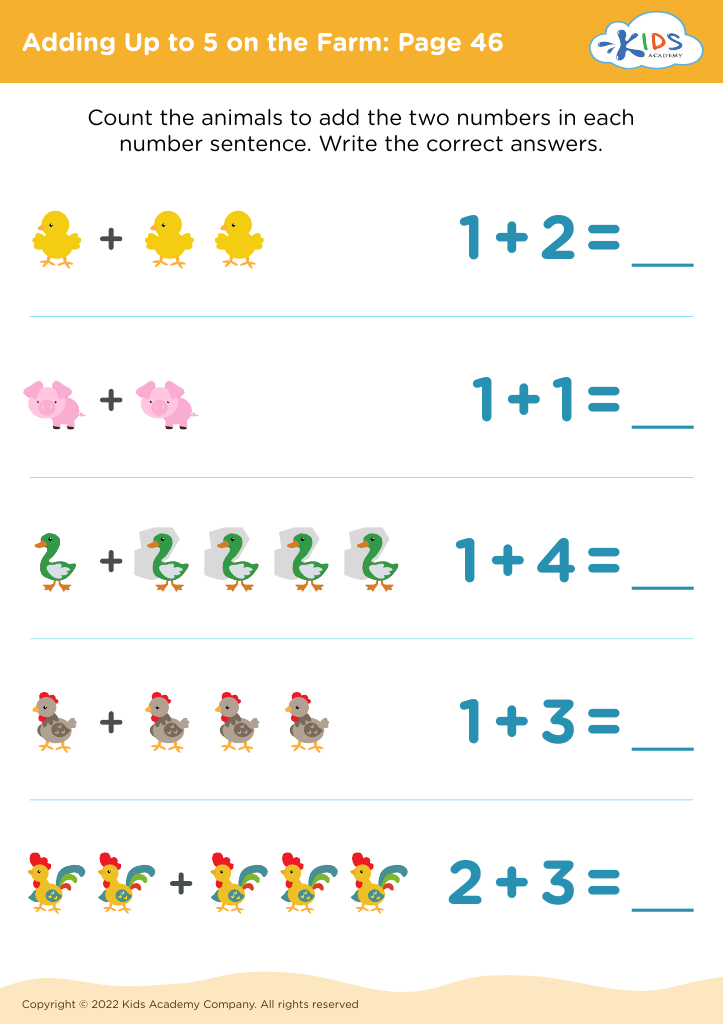
Visual learning is a crucial approach for children aged 5-7, particularly when it comes to mastering addition. At this developmental stage, kids are naturally inclined to learn through observation and hands-on experiences. Visual learning uses images, diagrams, and manipulative tools, making abstract concepts like numbers and addition tangible and relatable.
Parents and teachers should care about this method because it not only enhances understanding but also fosters engagement and enthusiasm for mathematics. When visual aids such as number lines, counting blocks, or colorful charts are utilized, children can better grasp quantity, patterns, and relationships between numbers. This multisensory approach caters to different learning styles, helping students who may struggle with traditional methods.
Furthermore, incorporating visual learning promotes problem-solving skills and critical thinking. It encourages children to visualize mathematical scenarios, leading them to independently solve problems. By actively involving parents in activities using visual aids, they can reinforce these concepts at home, creating a supportive learning environment.
Ultimately, embracing visual learning for addition not only builds a strong foundation in mathematics but also cultivates confidence and a lasting enthusiasm for learning within young children.








