Comparing lengths Comparing Numbers Worksheets for Ages 5-7
4 filtered results
-
From - To
Our "Comparing Lengths, Comparing Numbers Worksheets for Ages 5-7" are designed to make math fun and educational for young learners. These engaging resources help children grasp fundamental concepts of measurement and numerical comparison through interactive activities. Each worksheet is crafted to enhance their problem-solving skills, improve observation, and strengthen mathematical reasoning. Perfect for both classroom and at-home learning, these printables provide a solid foundation for kids as they develop essential math abilities. Foster a love for learning with vibrant, easy-to-understand worksheets that make comparing lengths and numbers a delightful adventure!
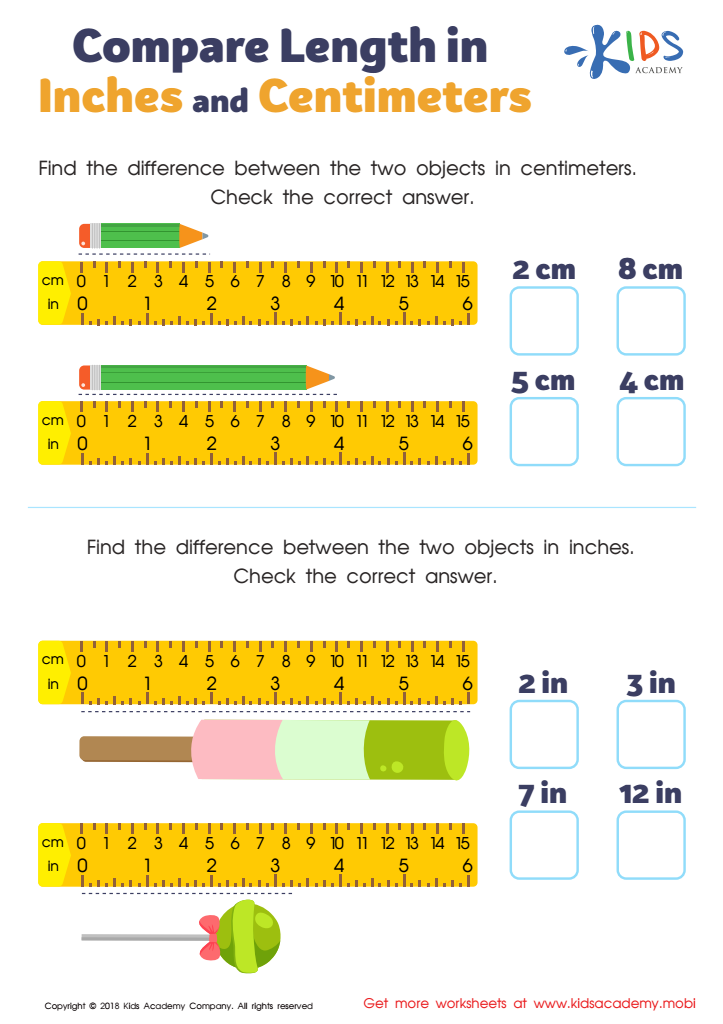
Compare Length in Inches and Centimeters Worksheet
 Assign to My Students
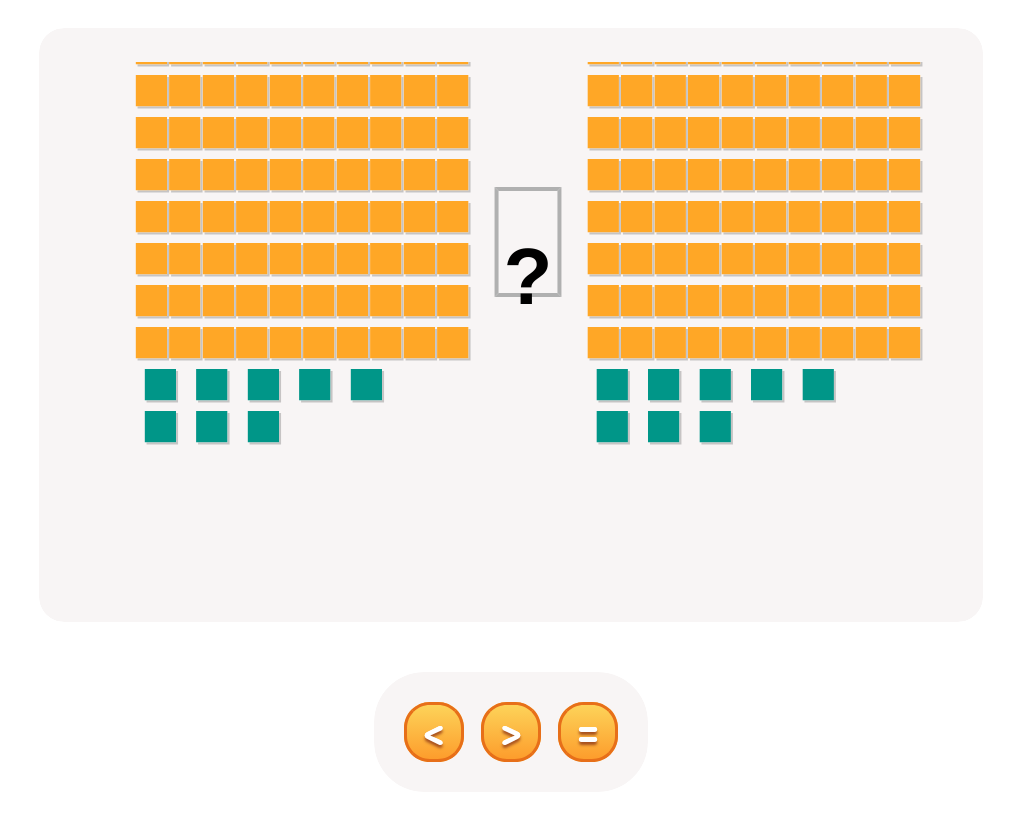

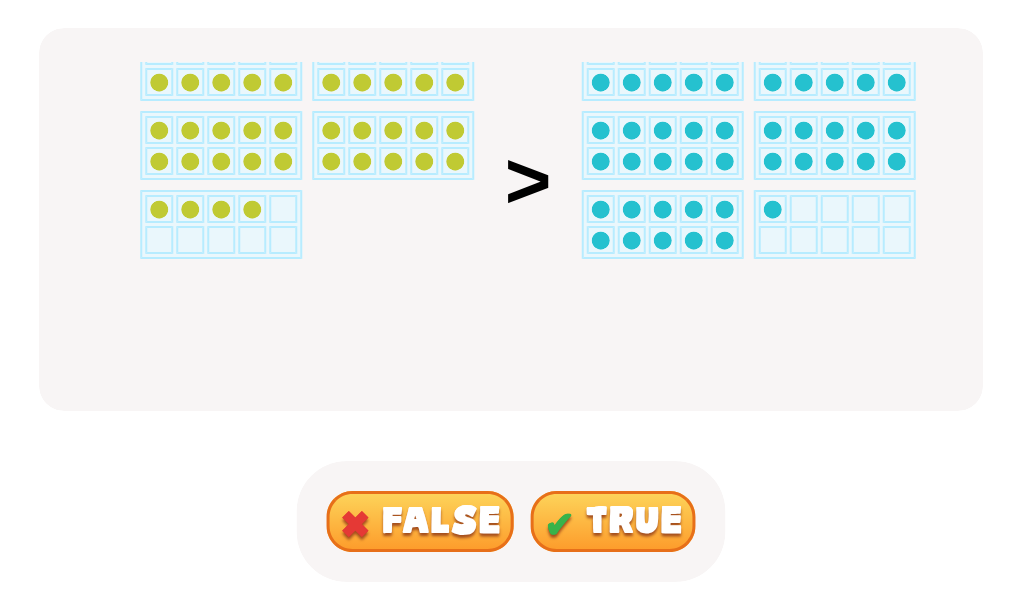
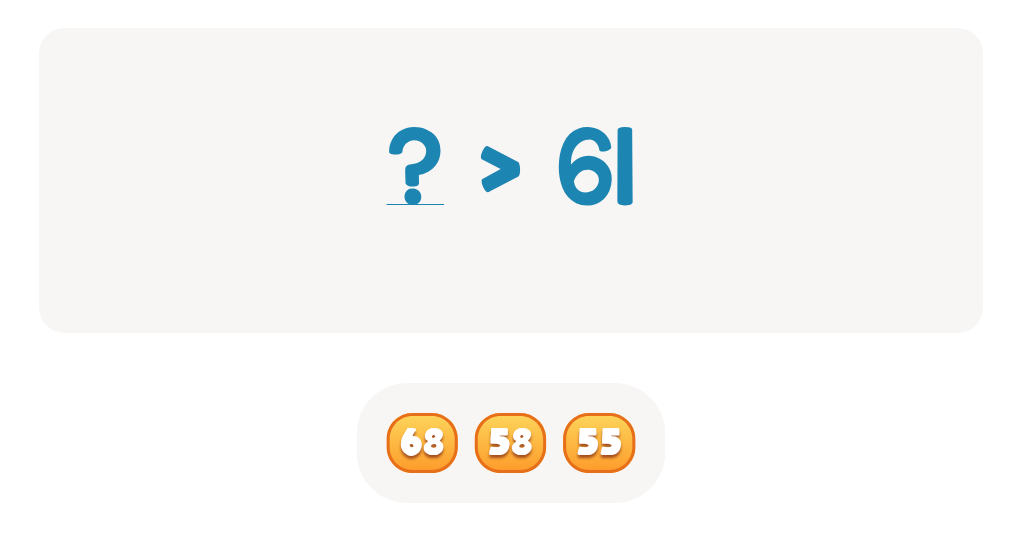
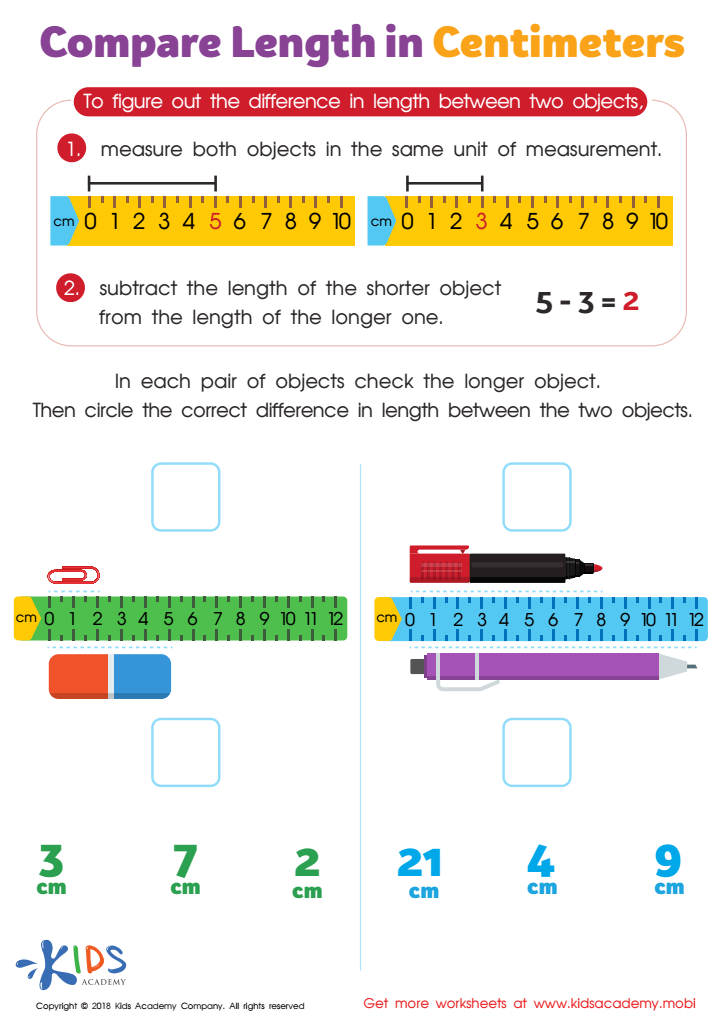
Compare Length in Centimeters Worksheet
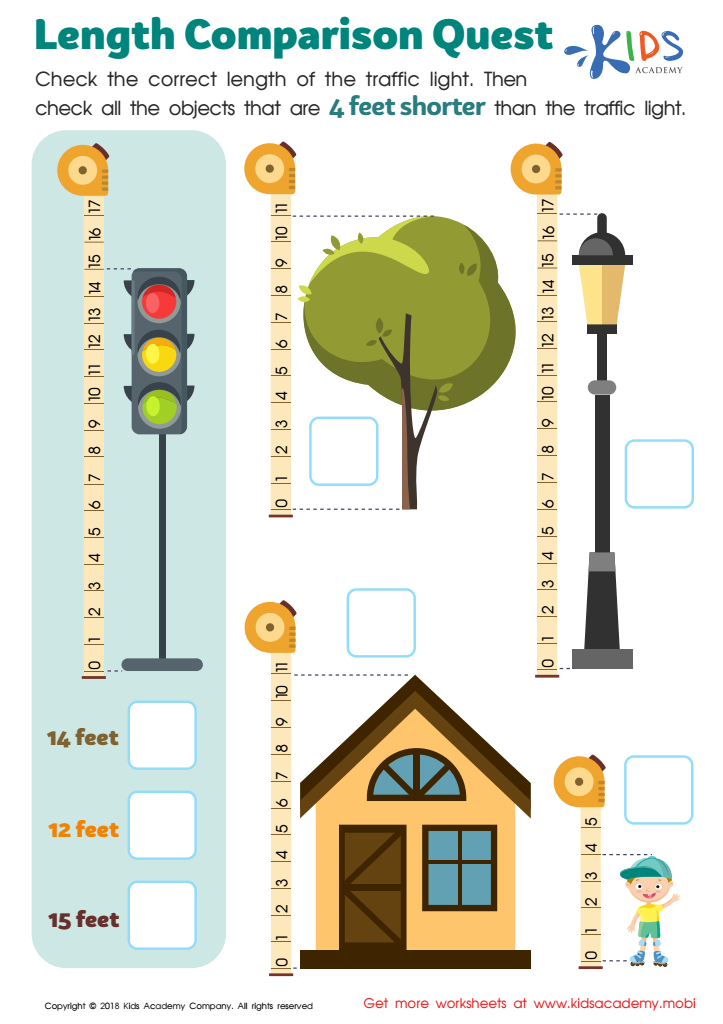
Length Comparison Quest Worksheet
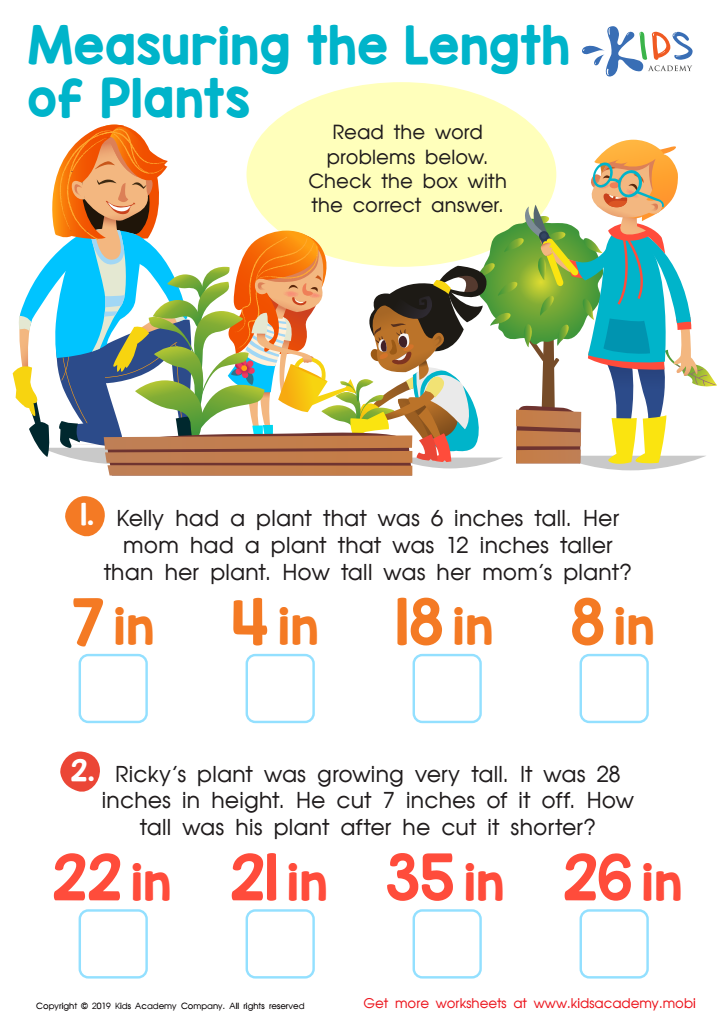
Measuring the Length of Plants Worksheet





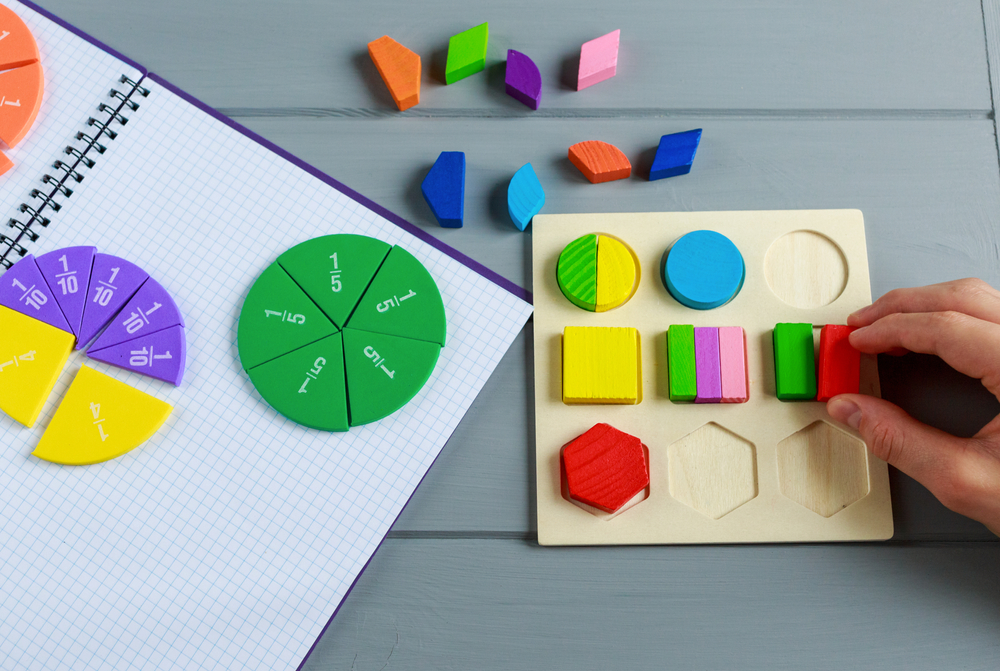


Comparing lengths and numbers are fundamental skills that play a crucial role in a child's cognitive development during the formative ages of 5-7. These skills nurture a child's ability to engage in analytical thinking, problem-solving, and numerical reasoning, which are integral components of early mathematics education.
For parents, aiding children in these tasks fosters a supportive home-learning environment. It provides children with a sense of achievement and confidence, as they can visualize progress through tangible examples like measuring items in their environment or comparing quantities in their everyday activities. Encouraging these practices at home will reinforce school-learning and help cement foundational skills, ensuring that children don't fall behind their peers.
For teachers, emphasizing these comparisons in the classroom builds a key conceptual groundwork for more advanced mathematical principles in later years. By learning how to compare lengths, children grasp the basic idea of measurement and spatial awareness, critical for geometry. Comparing numbers, on the other hand, introduces the notion of numerical relationships and sequences, serving as a precursor to addition, subtraction, and understanding place value.
Ignoring the development of such competencies can lead to gaps in knowledge that could hinder future academic progress. Thus, caring about these educational building blocks ensures children receive a well-rounded, robust start to their educational journey, setting them up for future success in various academic disciplines.








