Problem-Solving Skills Comparing Numbers Worksheets for Ages 5-7
5 filtered results
-
From - To
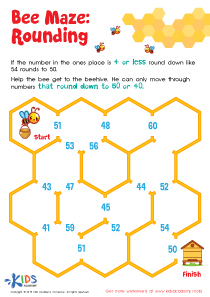
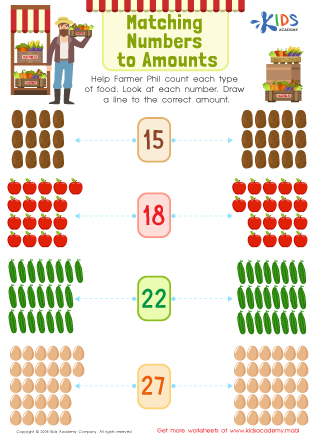
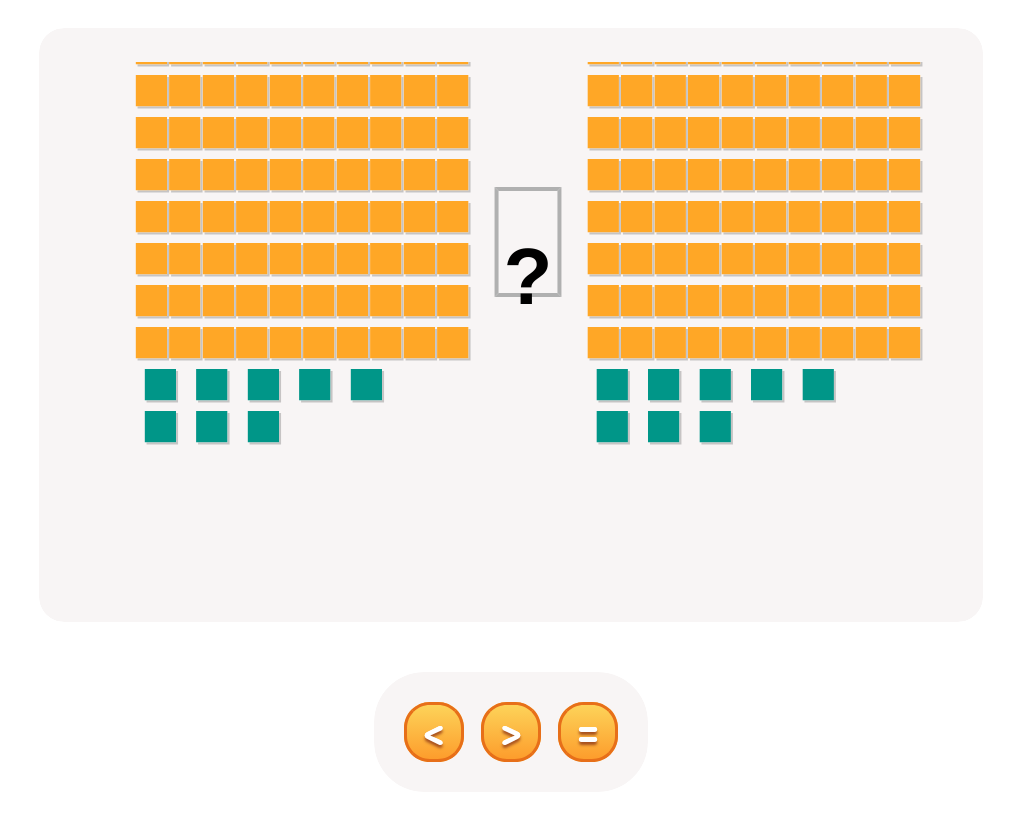
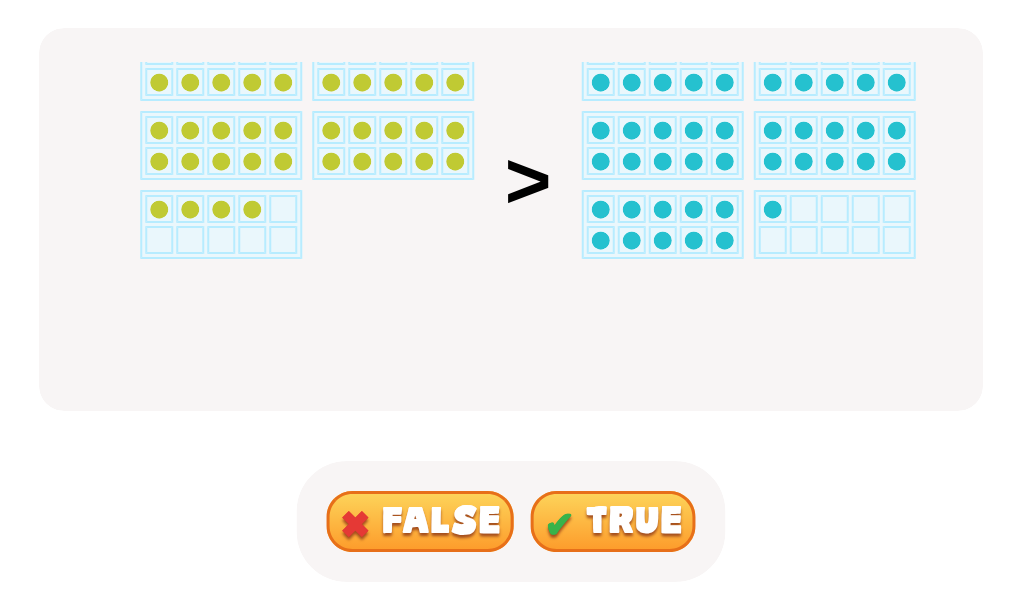
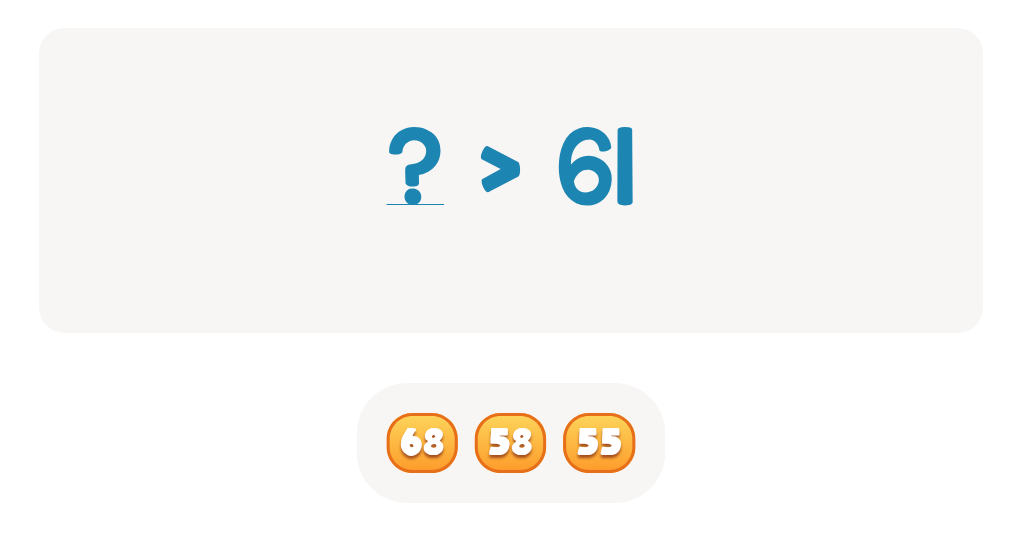
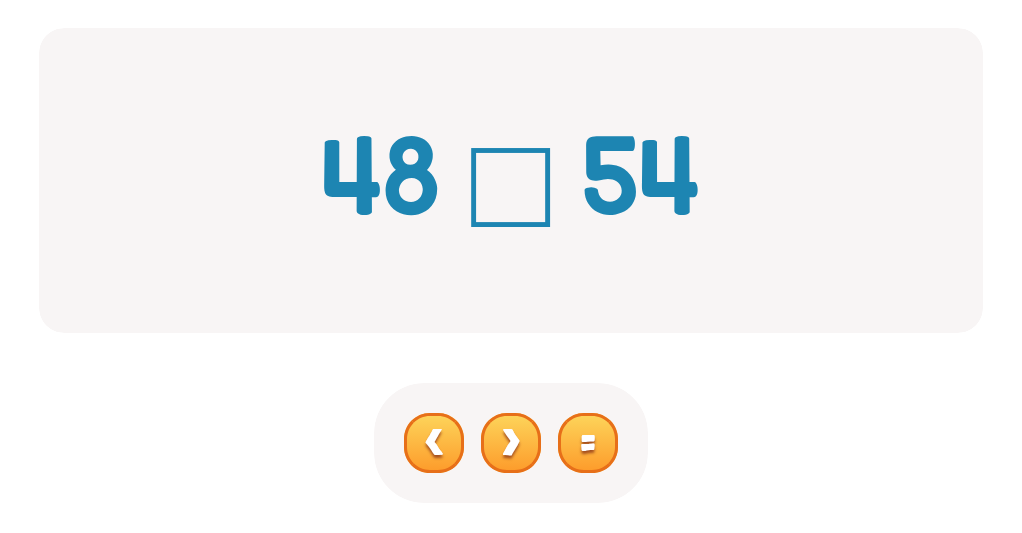
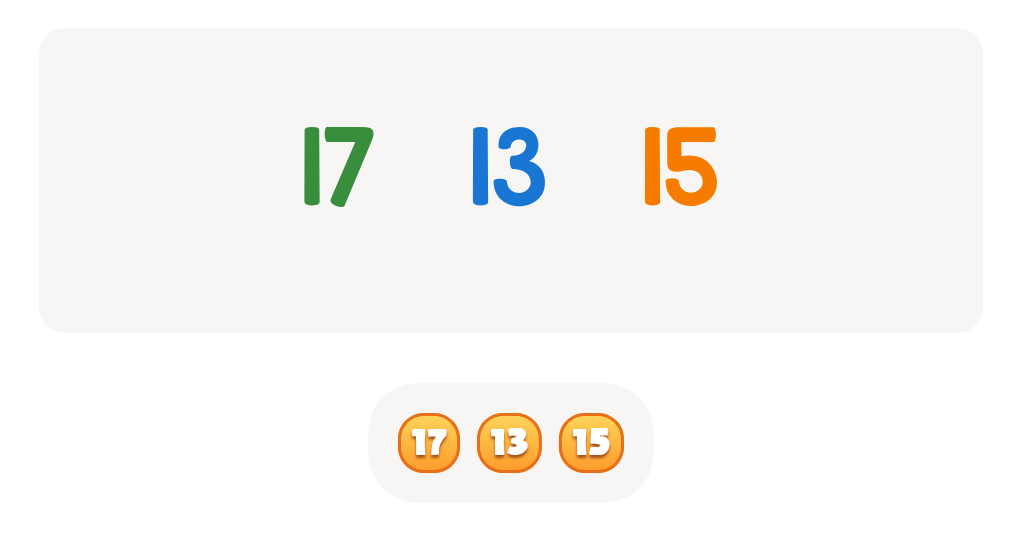
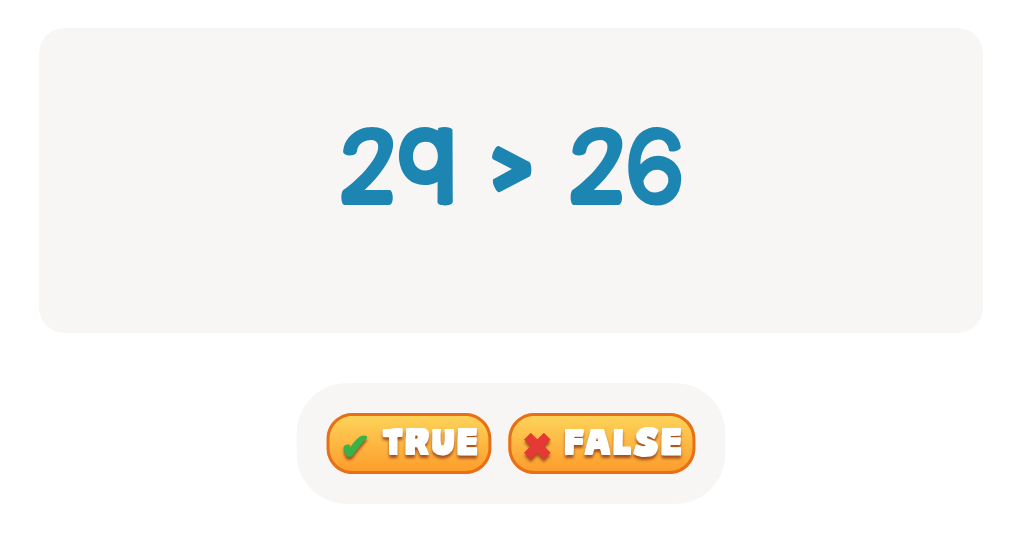
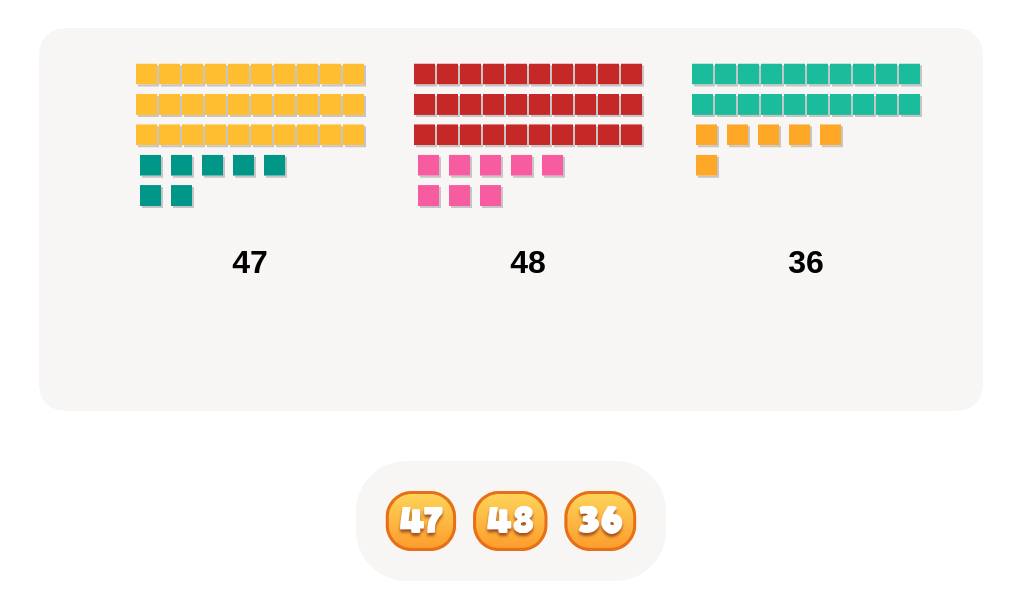
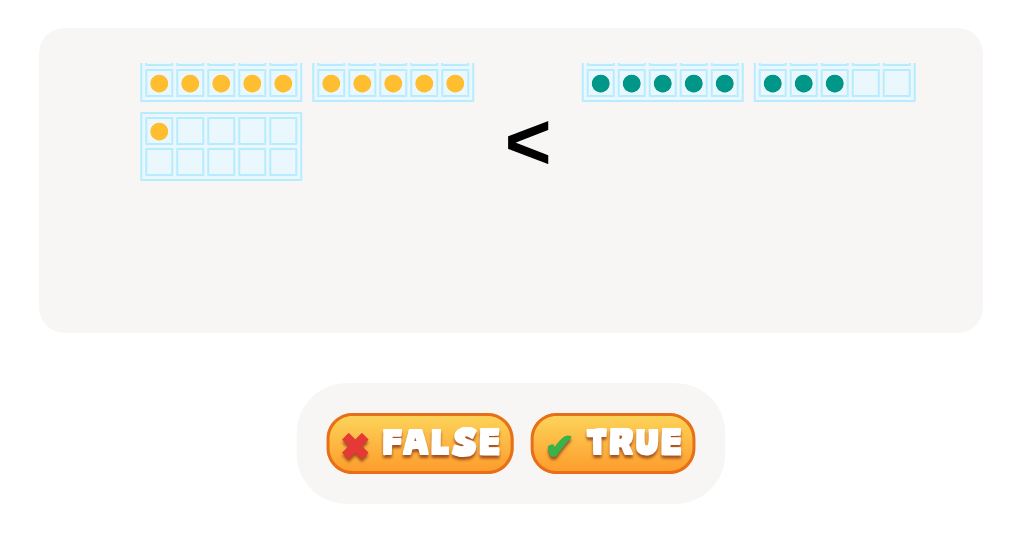
Enhance your child’s problem-solving skills with our engaging Comparing Numbers Worksheets designed for ages 5-7. These worksheets provide a fun and interactive way for young learners to explore basic math concepts while sharpening their critical thinking abilities. Aimed at assessing and comparing quantities, the exercises encourage children to develop hands-on strategies, fostering confidence in their mathematical skills. Each worksheet features colorful illustrations and age-appropriate challenges, making learning enjoyable and effective. Perfect for home or classroom use, our resources support early numeracy development and promote a love for math, ensuring your child enjoys mastering the fundamentals of comparing numbers!
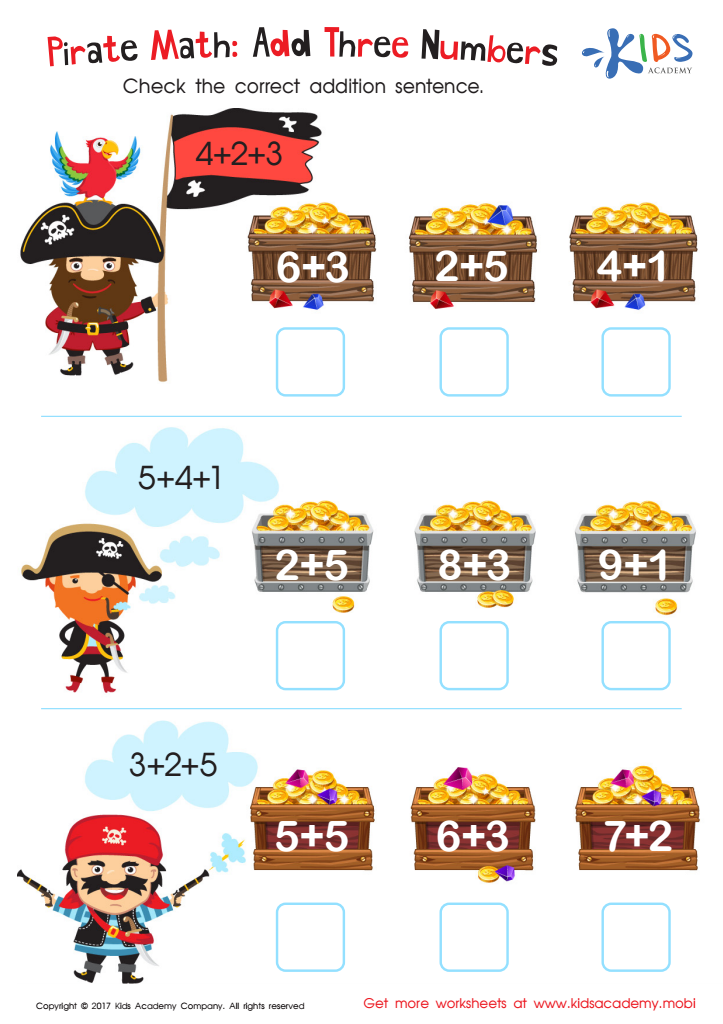
Pirate Math Printable
 Assign to My Students

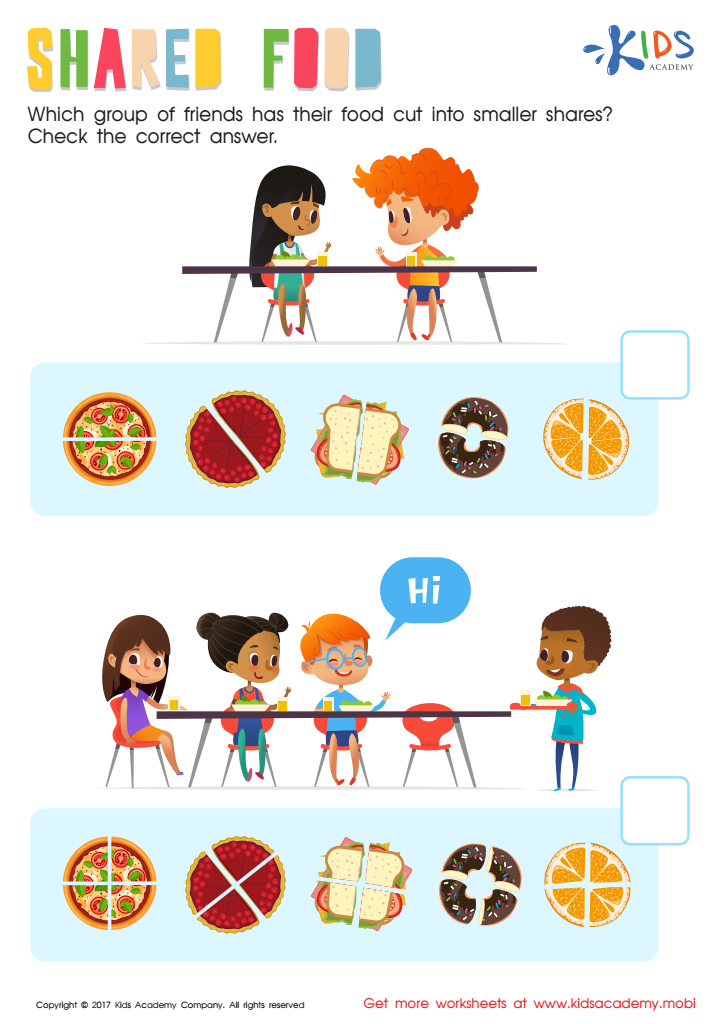
Shared Food Worksheet
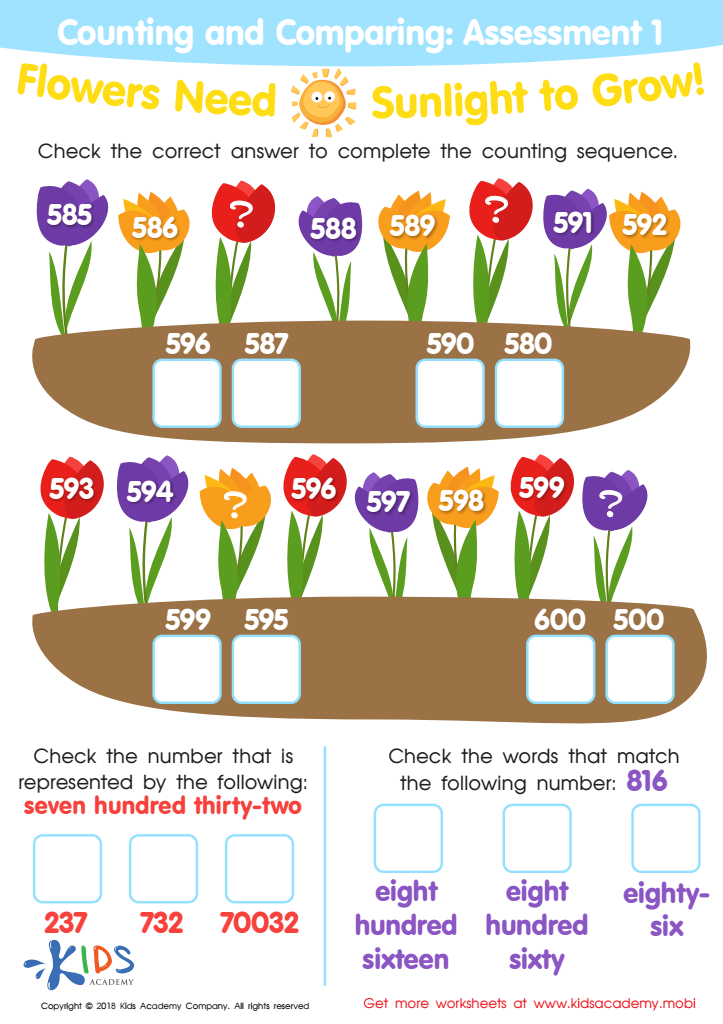
Counting and Comparing: Assessment 1 Worksheet
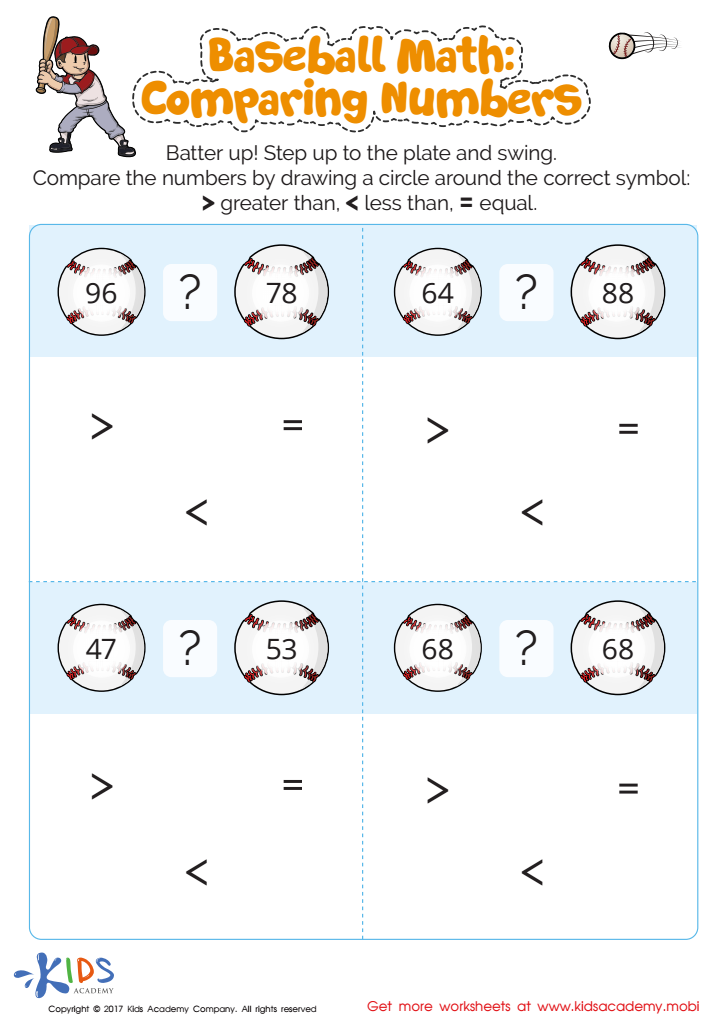
Compare Numbers Printable
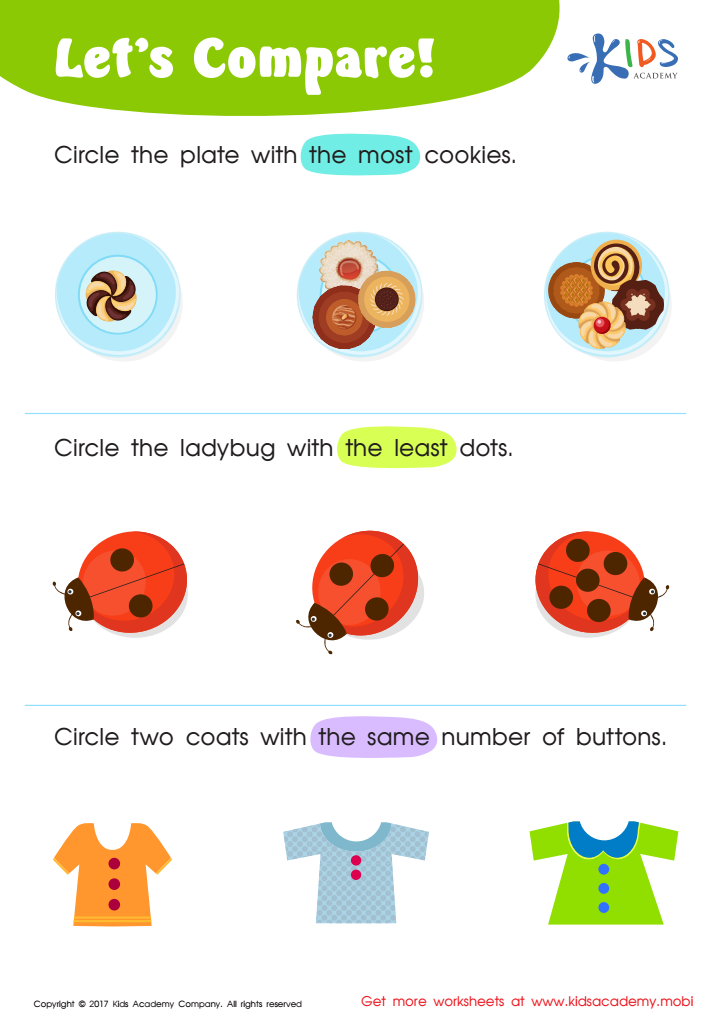
Matching: Classifying Toys by Size Worksheet



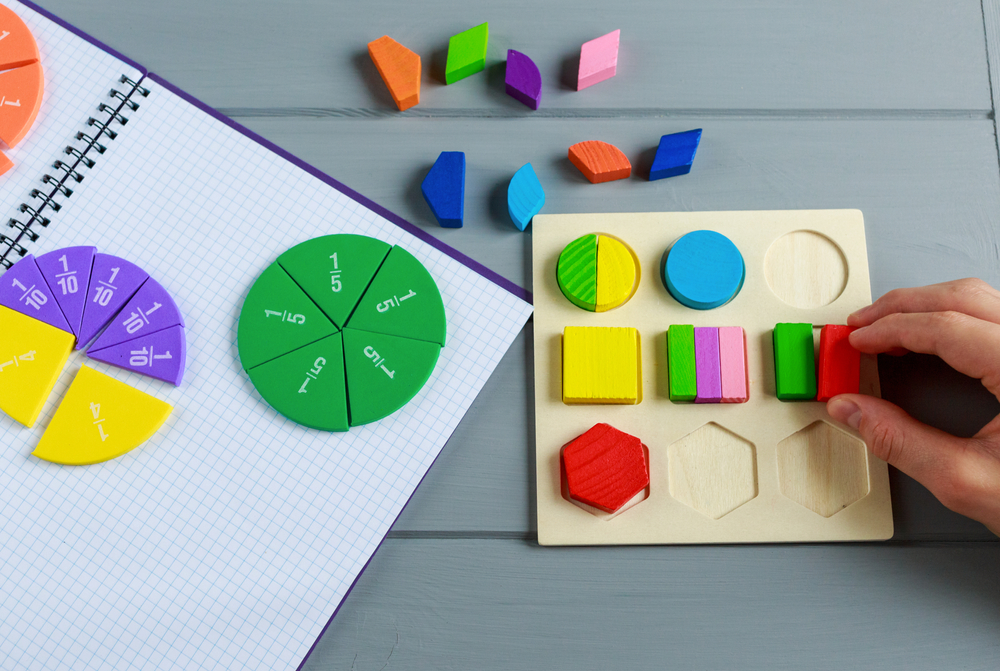




Problem-solving skills related to comparing numbers are crucial for children aged 5-7, as they form a foundational aspect of early mathematical understanding. During this developmental stage, children begin to grasp basic concepts of quantity, size, and more or less, which are vital for their academic future. Parents and teachers should care about cultivating these skills because they encourage critical thinking and analytical reasoning. By comparing numbers, children learn to recognize patterns, develop logical reasoning, and make decisions based on data, which are essential skills in all areas of learning.
Furthermore, these problem-solving skills promote confidence and independence. When children successfully compare numbers, whether through play or structured activities, they gain a sense of accomplishment, which can foster a positive attitude toward learning. This stage also serves as an entry point into more complex mathematical concepts, such as addition and subtraction, laying the groundwork for future success in mathematics.
Additionally, engaging in comparisons can be a fun, interactive experience that enhances parent-child or teacher-student bonding. Ultimately, prioritizing problem-solving skills in comparing numbers not only supports academic achievement but also nurtures a lifelong love for learning and exploration in young children.