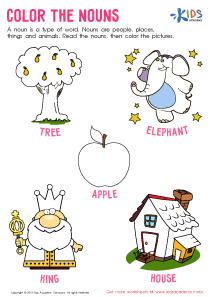
Understanding measurements Comparing Numbers Worksheets for Ages 5-7
3 filtered results
-
From - To
Discover our engaging "Understanding Measurements Comparing Numbers Worksheets" designed specifically for children aged 5-7. These expertly crafted resources promote essential math skills by helping young learners compare numbers through fun and interactive measurement activities. Each worksheet is tailored to instill a strong mathematical foundation, making learning both enjoyable and effective. Watch as your child builds confidence in understanding units of measurement, comparing lengths, and identifying greater or lesser values. Perfect for classrooms and home learning, these worksheets are your child's gateway to mastering early math concepts through colorful, age-appropriate exercises. Foster a love for learning with Kids Academy!
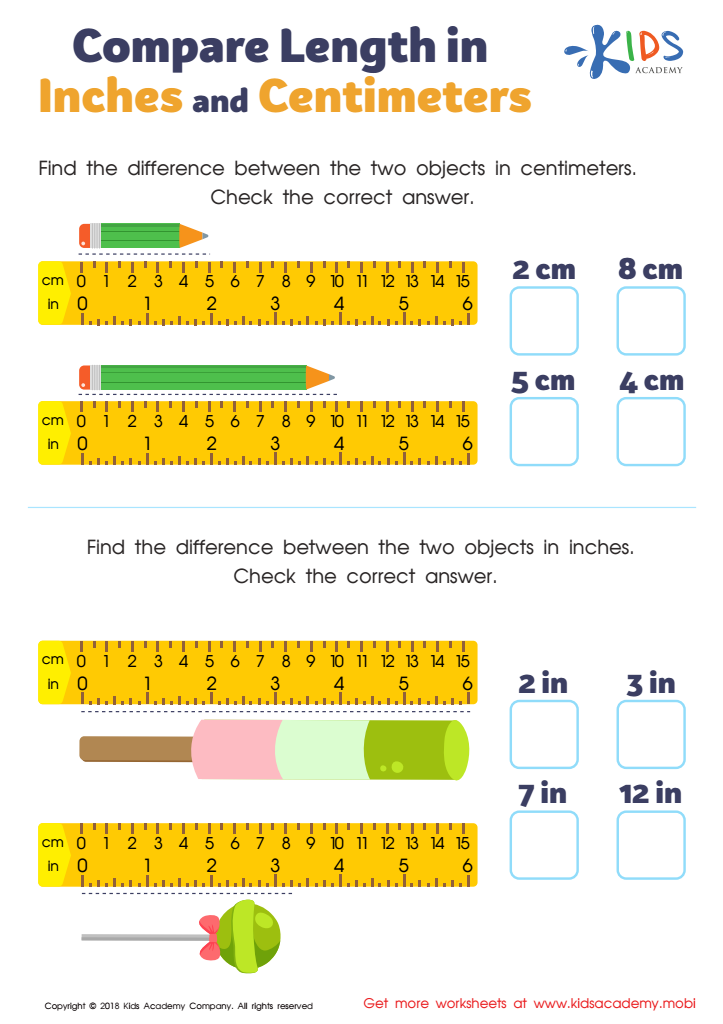
Compare Length in Inches and Centimeters Worksheet
 Assign to My Students
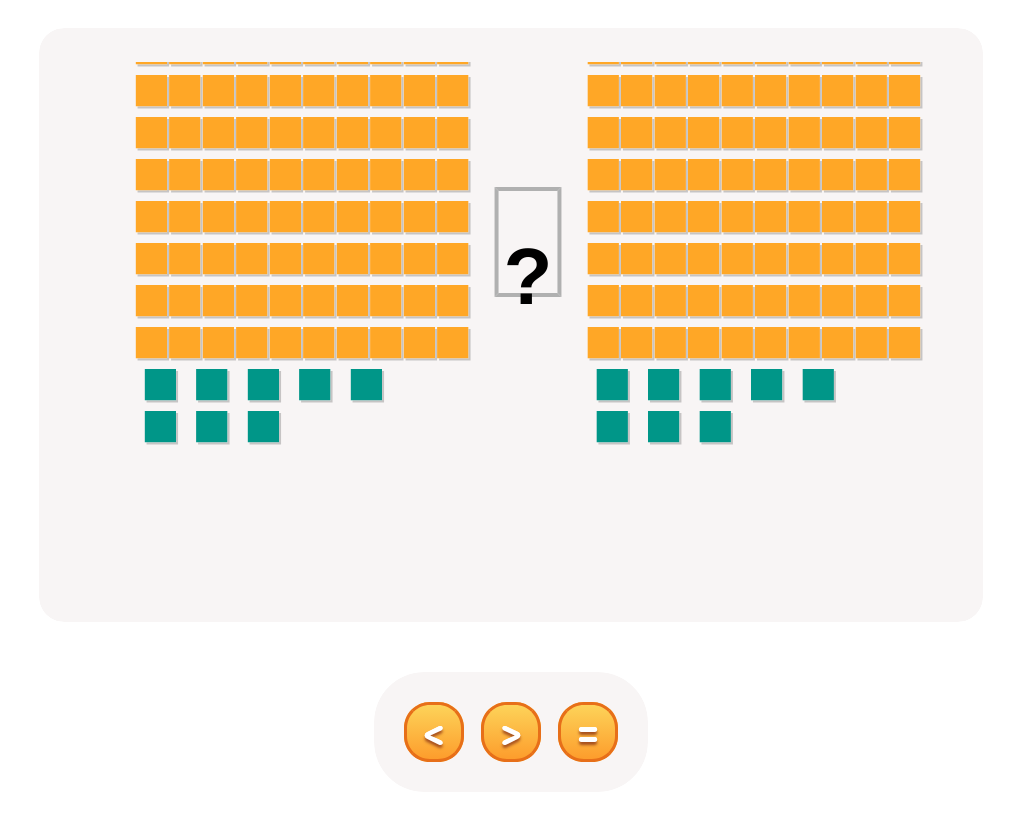

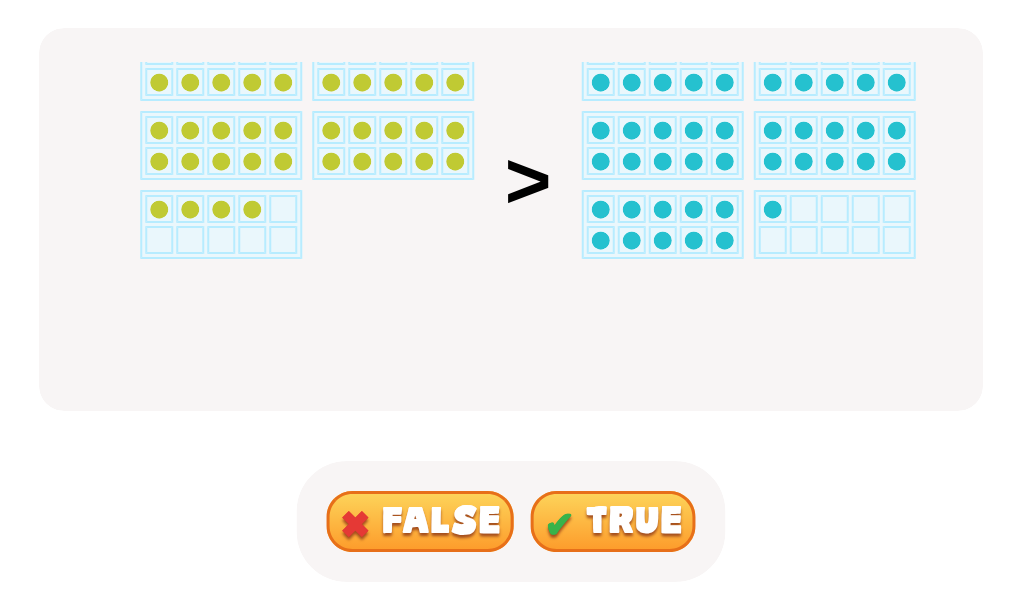
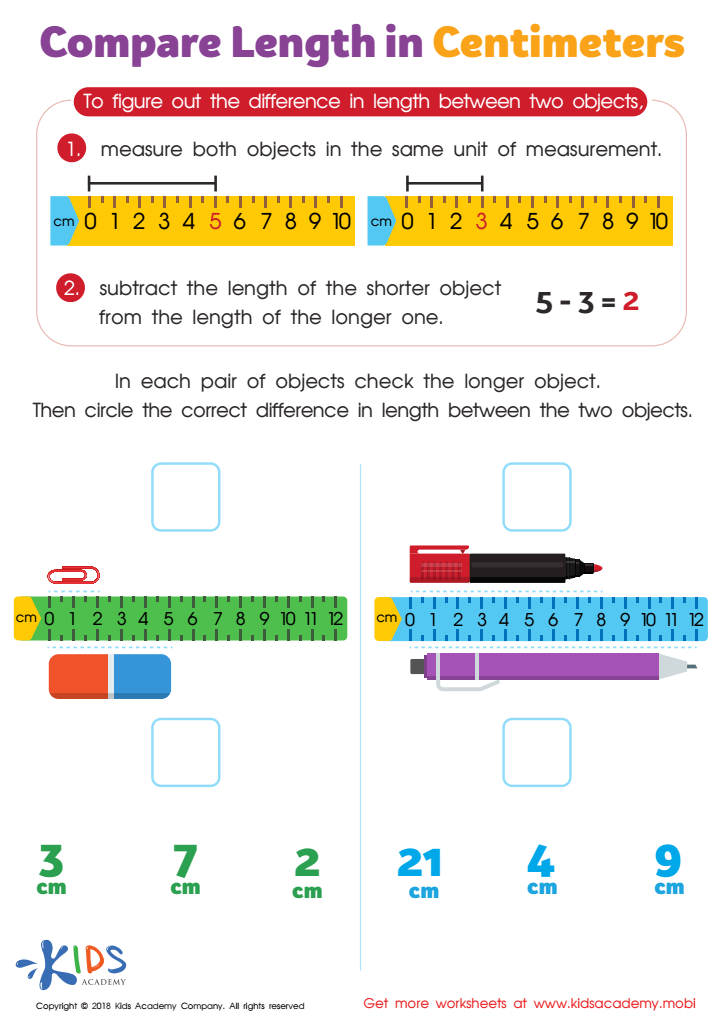
Compare Length in Centimeters Worksheet
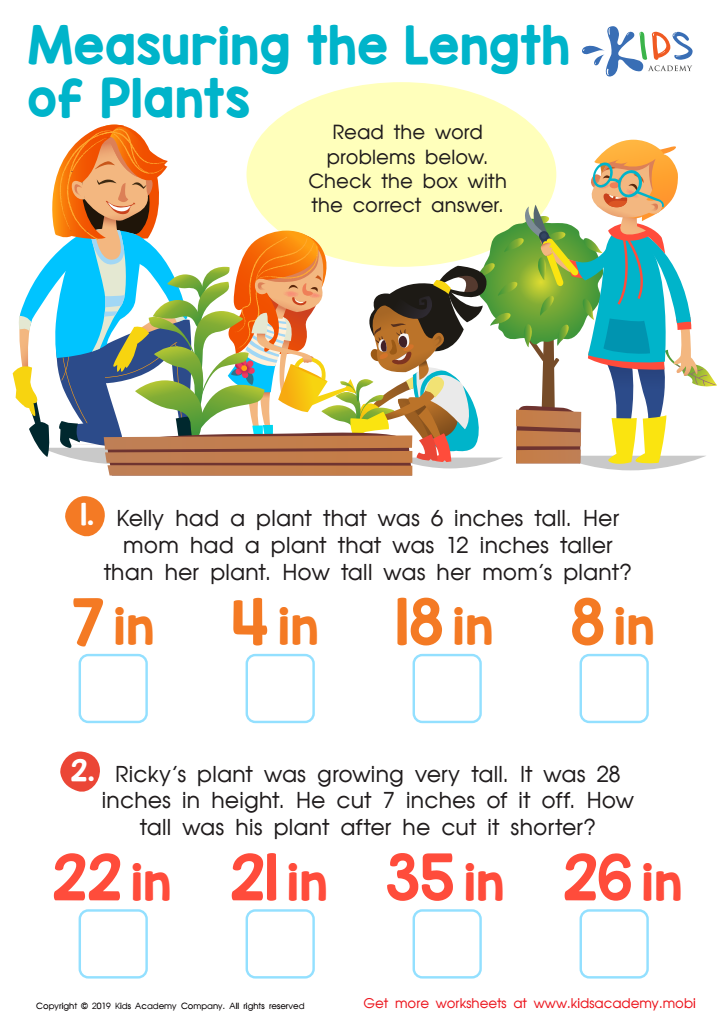
Measuring the Length of Plants Worksheet








Understanding measurements and comparing numbers is crucial for children aged 5 to 7 because it forms the foundation of mathematical comprehension and everyday functioning. At this stage, kids are naturally curious and start noticing differences in sizes, quantities, and relationships between objects. By teaching them measurements—length, height, weight—they learn to make sense of the physical world around them: "Which is taller, the tree or the house?" or “Which weighs more, the apple or the banana?” Specific activities like measuring items with a ruler or scale can strengthen their fine motor skills and spatial awareness.
Comparing numbers builds a fundamental grasp of numeracy. When children understand which numbers are bigger or smaller, they start mastering the essential skills for arithmetic operations like addition and subtraction. For example, comparing 7 apples to 5 apples helps them visualize subtraction as "taking away" and addition as "putting together." Such skills transfer into problem-solving and critical thinking capabilities that are indispensable for academics and daily life.
Moreover, relatable activities like measuring their own height grow self-awareness and confidence. Continuing exposure to measurement and number comparisons engages children actively, making their learning experience both educational and enjoyable. Ultimately, early proficiency in these areas equips children for more complex mathematical concepts and real-life scenarios.