Basic Counting Numbers Worksheets for Ages 5-7
3 filtered results
-
From - To
Welcome to our Basic Counting Numbers Worksheets for ages 5-7! Designed to foster foundational math skills, these engaging worksheets help young learners practice counting from 1 to 10 and beyond. Through fun activities like tracing, coloring, and number matching, children will enhance their literacy and numeracy skills while developing critical thinking abilities. Each worksheet is carefully crafted to cater to different learning styles, making math enjoyable for every child. Perfect for at-home practice or in-class activities, our worksheets promote confidence in counting, setting the stage for future math success. Explore our collection and watch your child thrive in their numerical journey!
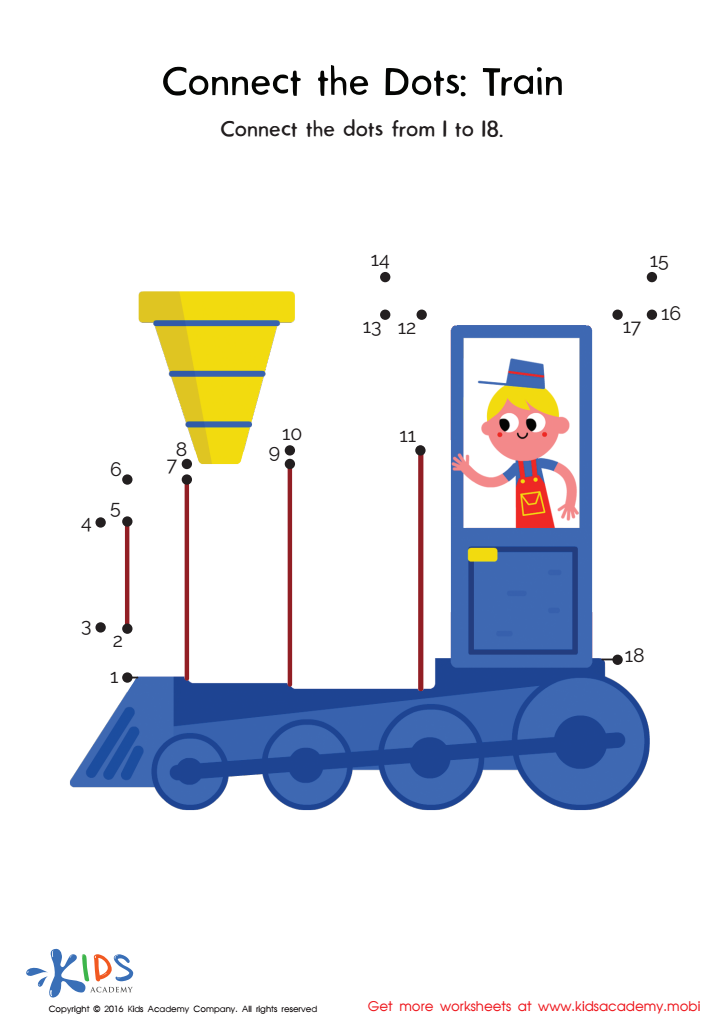
 Assign to My Students
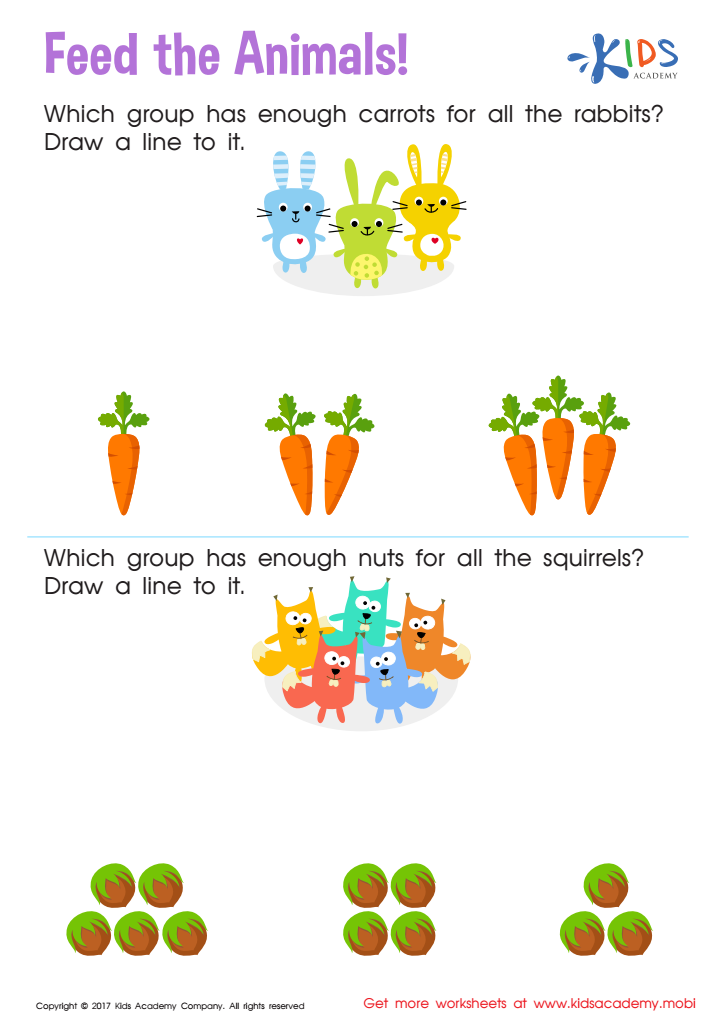
Count and Match: Feed the Animals Worksheet
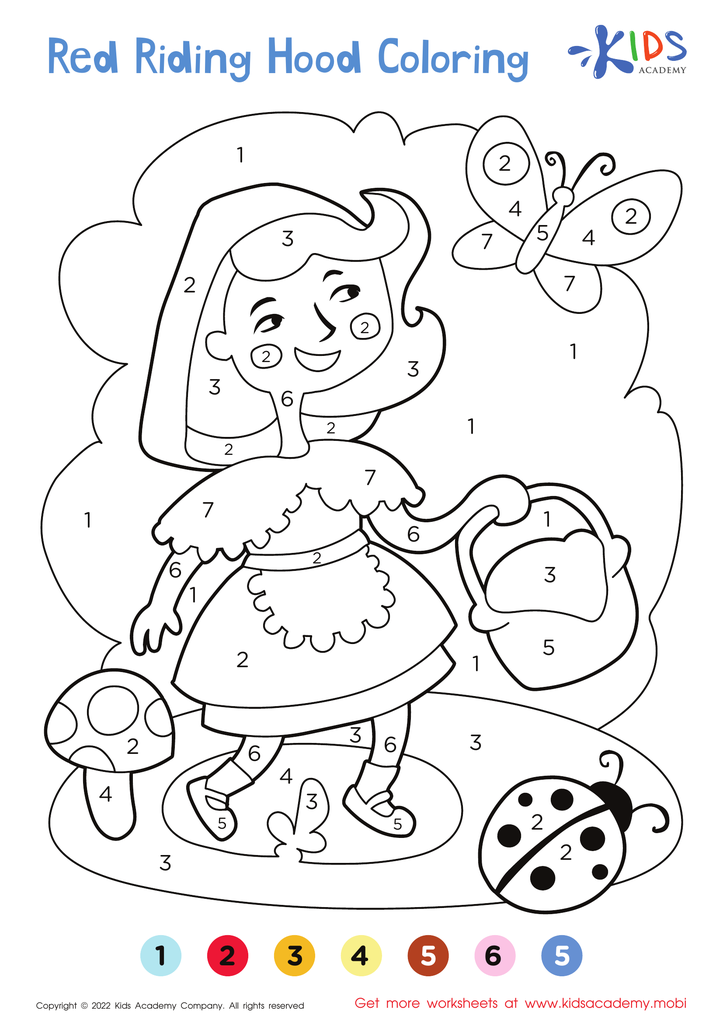
Little Red Riding Hood – Coloring by Numbers








Basic counting numbers are foundational to a child's cognitive and mathematical development, especially for children aged 5 to 7. During this crucial period, kids are not just learning numbers; they are also developing essential skills such as problem-solving, spatial awareness, and logical thinking. Understanding counting enables children to grasp more complex concepts, such as addition and subtraction, which are critical for their future math proficiency.
Moreover, counting nurtures children’s ability to focus, stay organized, and approach tasks methodically. By engaging with basic counting, children also strengthen their language skills as they learn to articulate numbers and quantities, fostering better communication abilities. Teachers and parents play a vital role in this learning journey by creating engaging counting activities, whether through games, songs, or everyday practices.
Furthermore, providing a solid grounding in counting instills confidence in children, making them more willing to tackle new challenges as they progress in their education. This early investment in their numerical skills can set the stage for academic success, leading to improved performance in higher math areas and a lifelong appreciation for learning. Encouraging a positive attitude toward numbers during these formative years can significantly impact a child's overall educational experience.








