Basic Math Skills Numbers Worksheets for Ages 5-7 - Page 2
38 filtered results
-
From - To
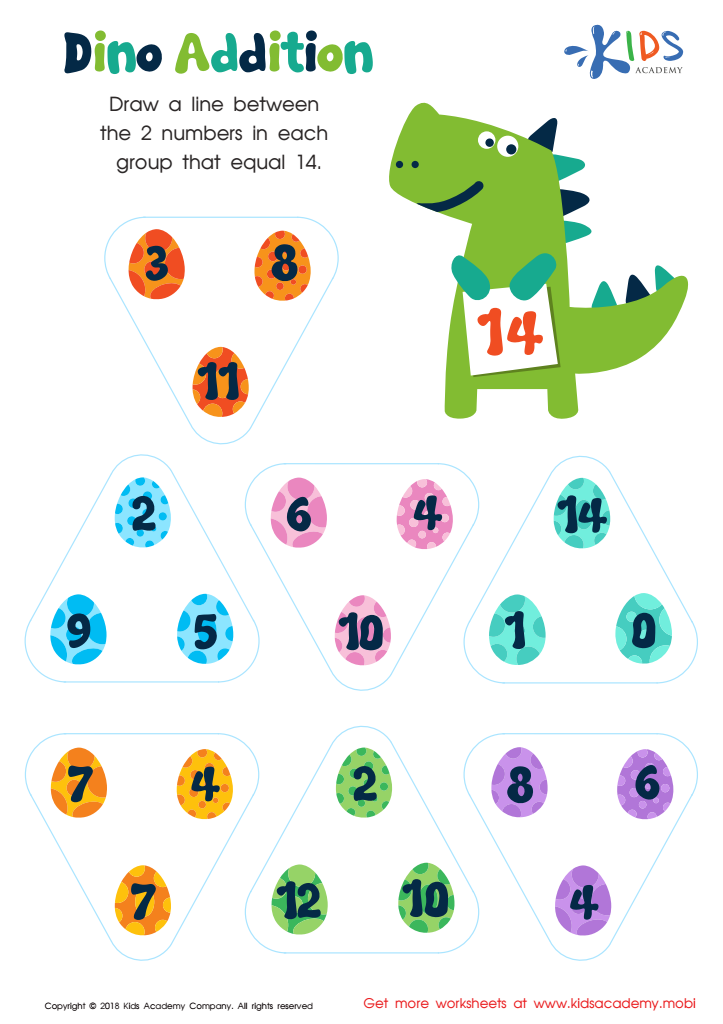
Dino Addition Worksheet
 Assign to My Students

Count and Match Vegetables and Points Math Worksheet
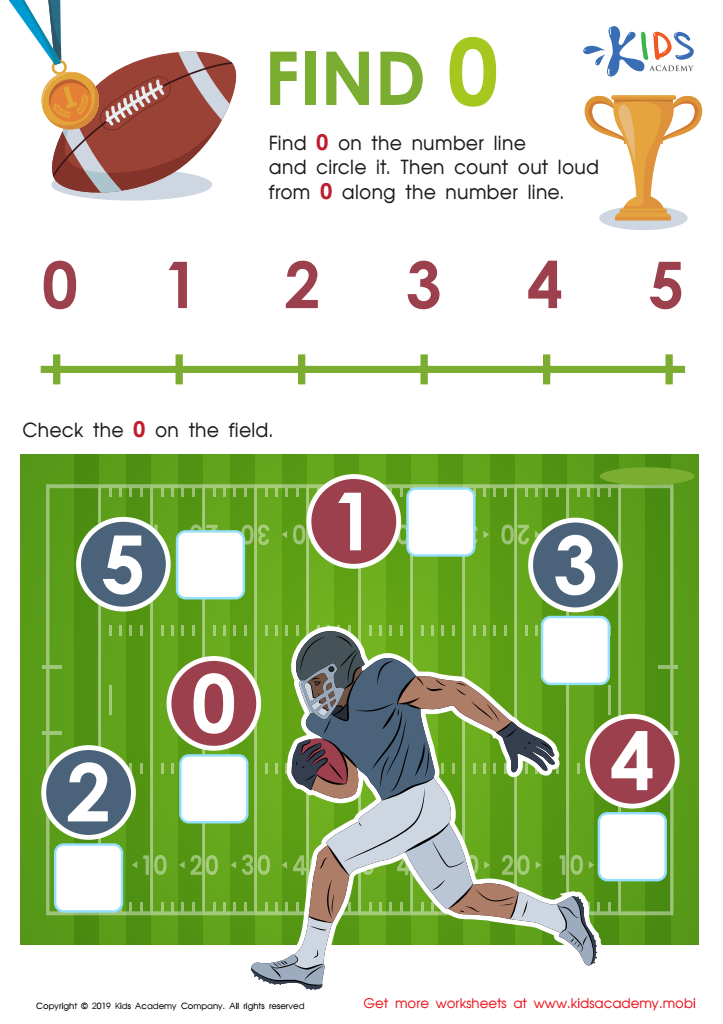
Find 0 Worksheet
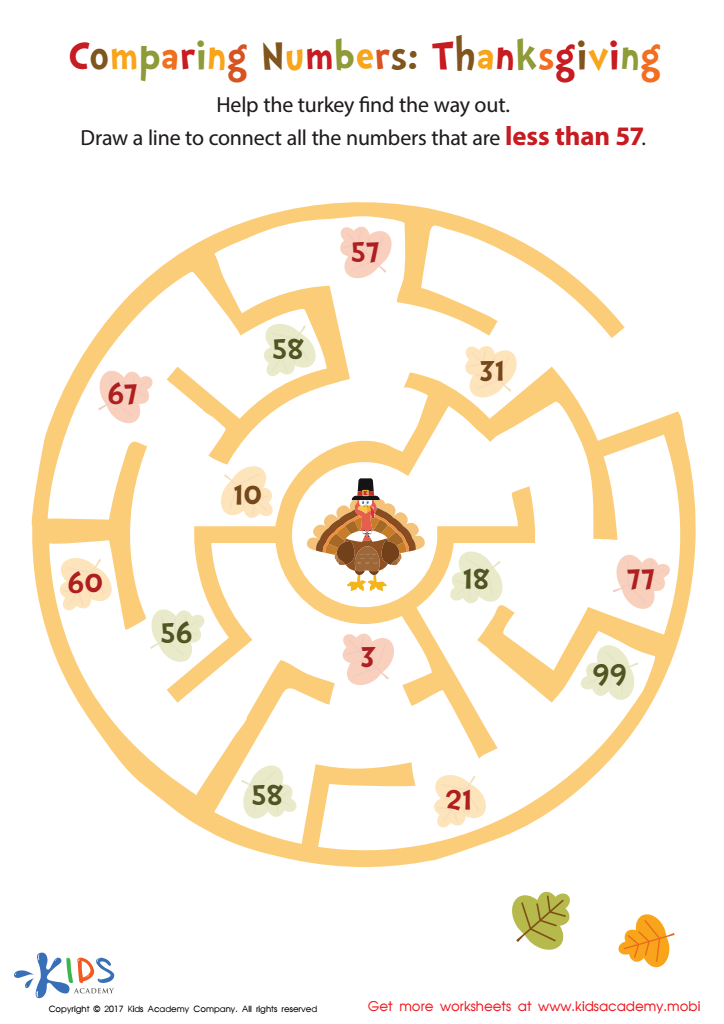
Comparing Numbers Printable
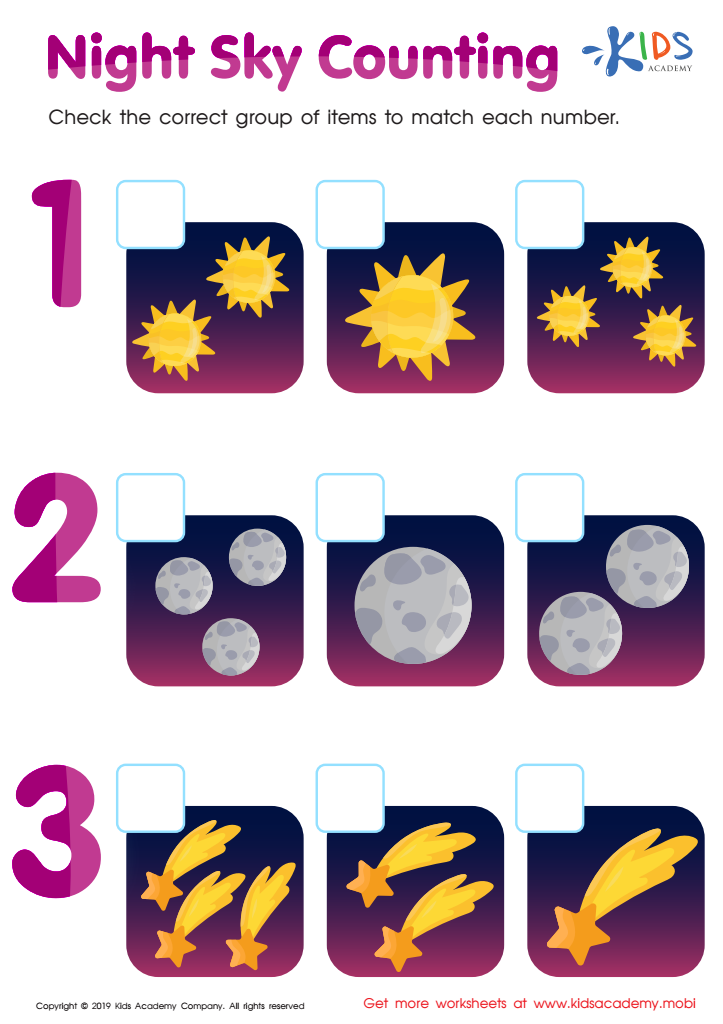
Night Sky Counting Worksheet

Sweet Shop – Counting Coins Worksheet

Count and Match Vegetables 1 – 5 Math Worksheet
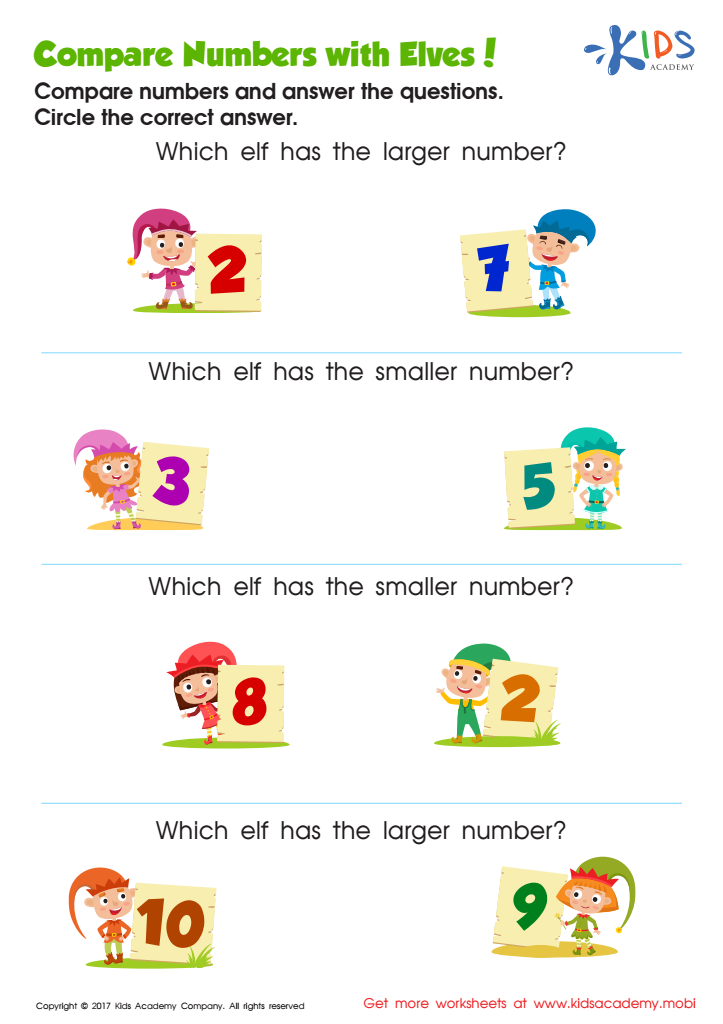
Comparing Numbers Worksheet for Kindergarten
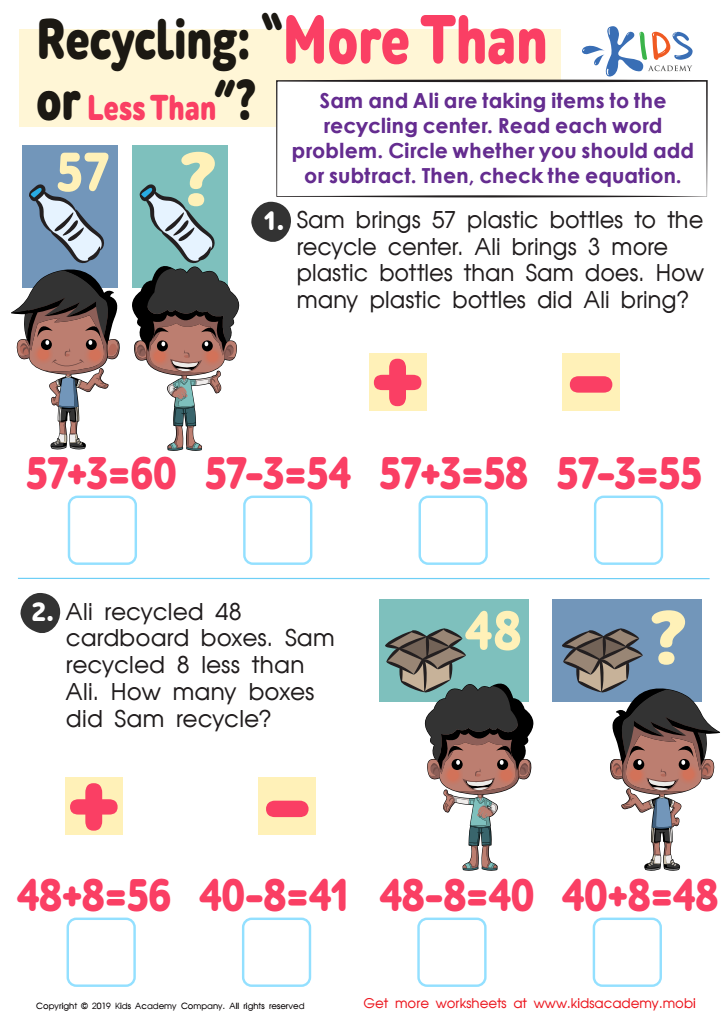
Recycling - More or Less Worksheet
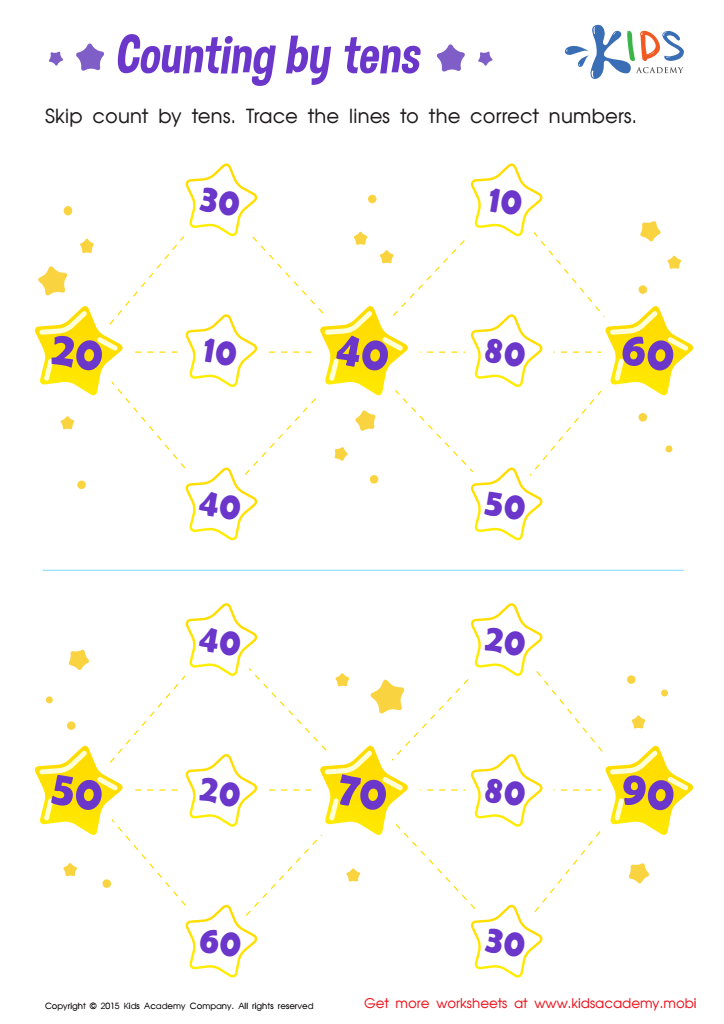
Learn Dozens: Counting by Tens Printable
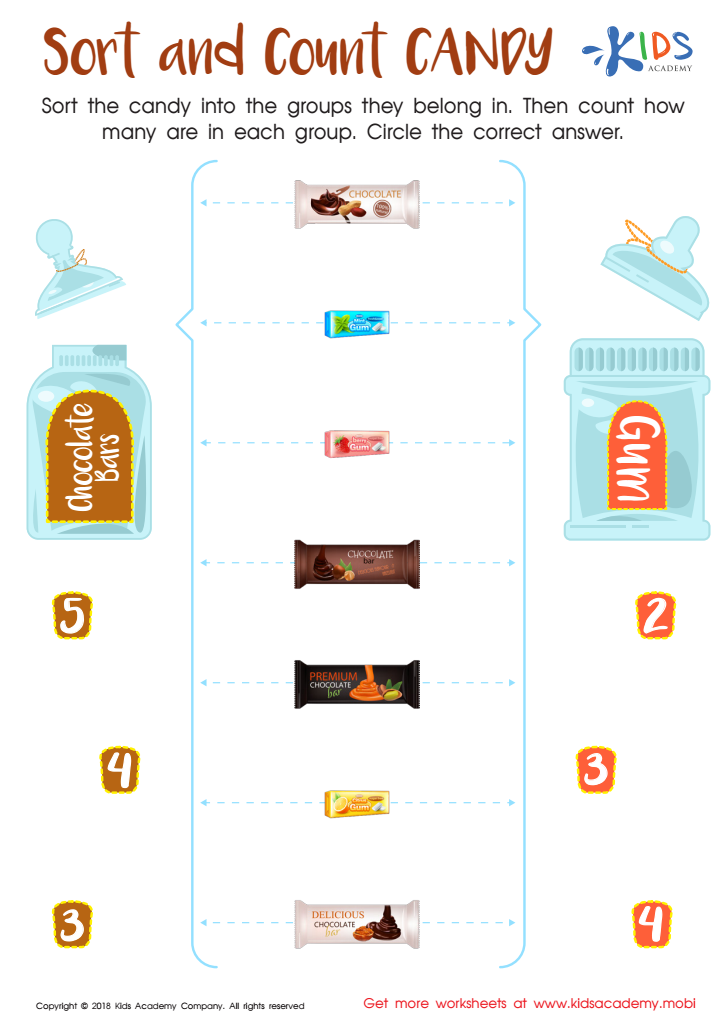
Sort and Count Candy Worksheet
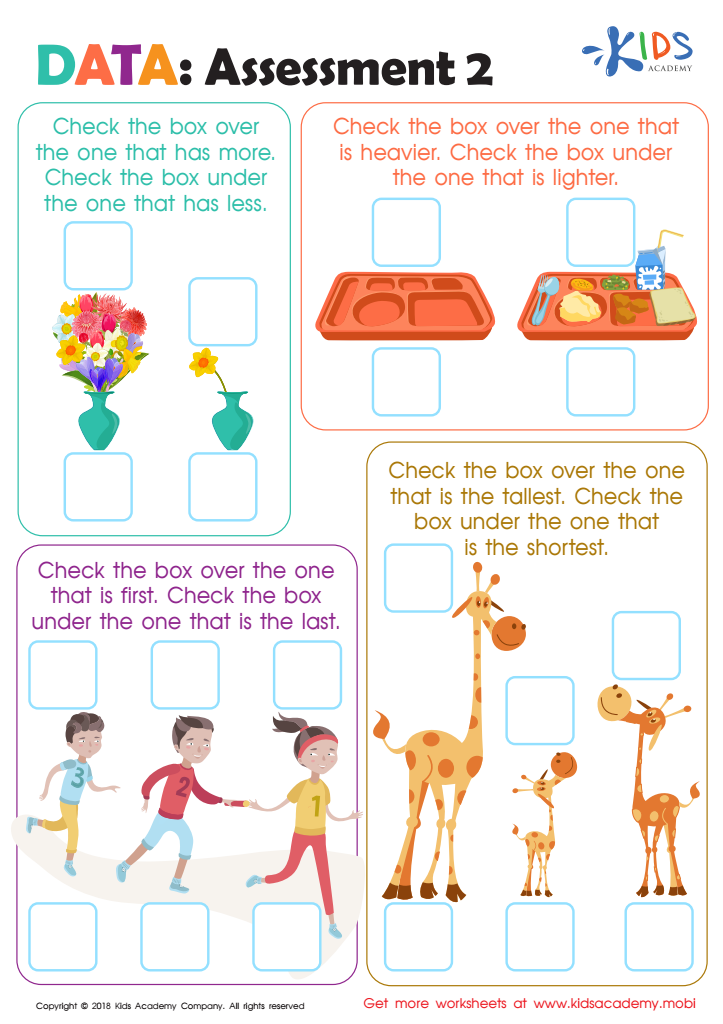
Data: Assessment 2 Worksheet
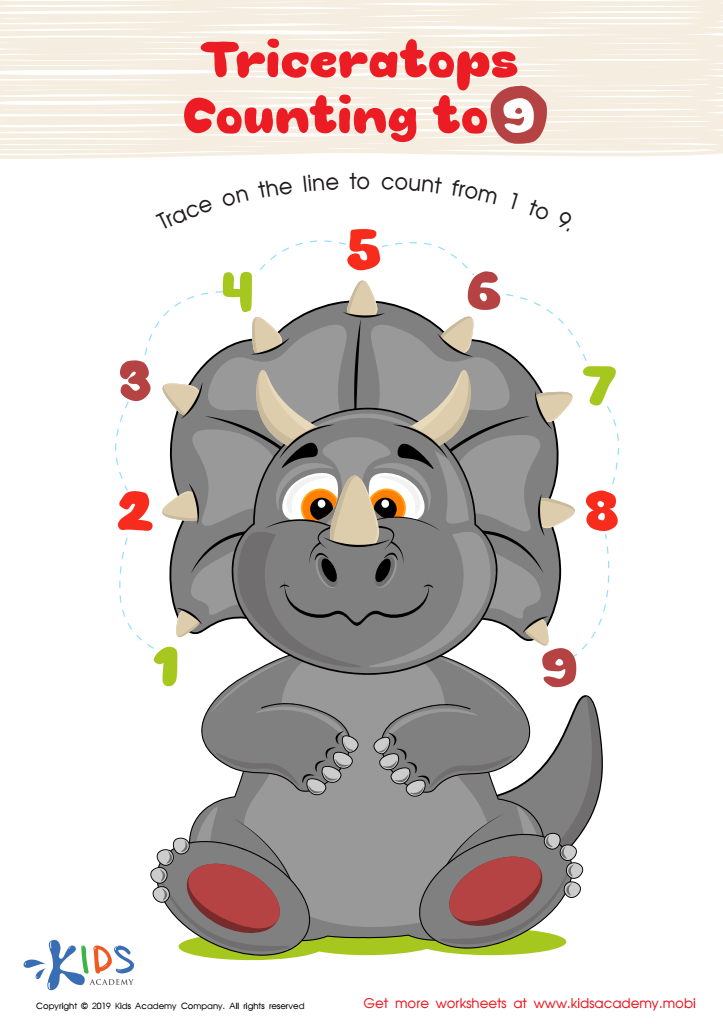
Triceratops Counting to 9 Worksheet
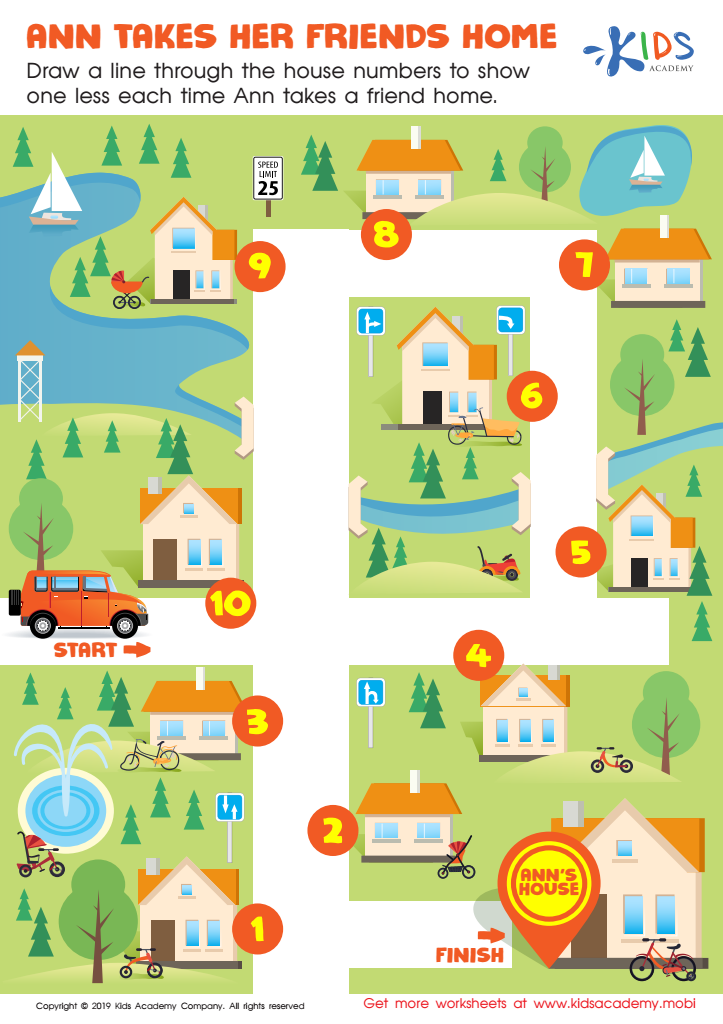
Ann Takes her Friends Home Worksheet



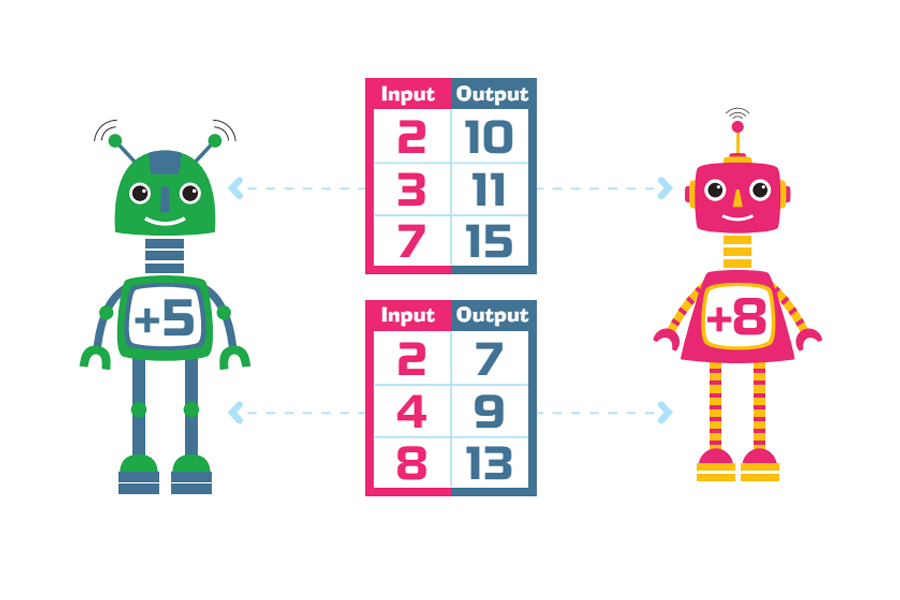
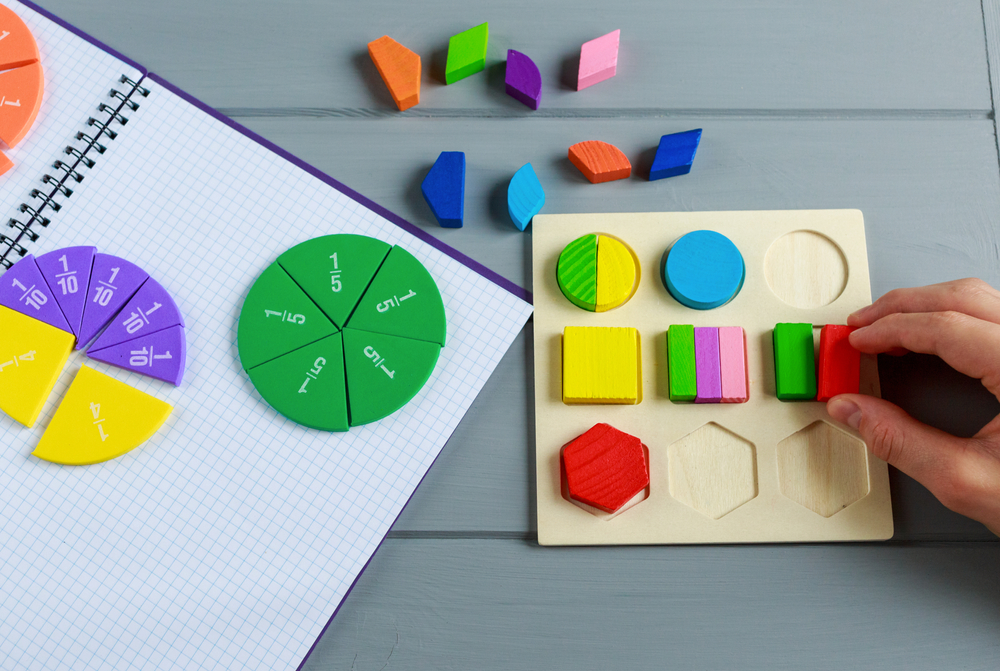



Parents and teachers should prioritize basic math skills for children aged 5-7 because these foundational abilities are crucial for their cognitive development and future academic success. At this pivotal age, children’s brains are highly receptive to learning new concepts, making it the ideal time to introduce fundamental math concepts such as counting, addition, subtraction, shapes, and number recognition.
Early competence in math not only boosts a child’s confidence but also lays the groundwork for more complex problem-solving and logical thinking skills required in later grades. It positively influences abilities in related areas like science and technology, which are increasingly vital in today’s world. Moreover, strong early math skills can promote better long-term outcomes in education and career prospects.
For parents and teachers, instilling these skills can begin through playful and engaging activities that make learning math enjoyable. Simple tasks such as sorting objects, playing counting games, or exploring number puzzles can greatly enhance a child's interest and proficiency in math.
Fostering a solid mathematical foundation during these early years also helps children develop a stronger sense of curiosity and a love for learning, setting them on a path to lifelong academic achievement. Thus, investing time and effort into teaching basic math skills to young children is essential for their holistic development.








