Interpreting data Numbers Worksheets for Ages 5-7
3 filtered results
-
From - To
Welcome to our "Interpreting Data Numbers Worksheets" designed for children aged 5-7! These engaging worksheets help young learners explore basic data interpretation skills through fun activities. From simple graphs and charts to understanding more and less, our resources encourage critical thinking and analytical skills. Each worksheet is crafted to captivate young minds with colorful visuals and relatable examples. Perfect for both classroom and home use, these exercises support early math proficiency and help establish a foundational understanding of data. Empower your child to make sense of numbers while enhancing their overall mathematical development. Get started on their learning journey today!
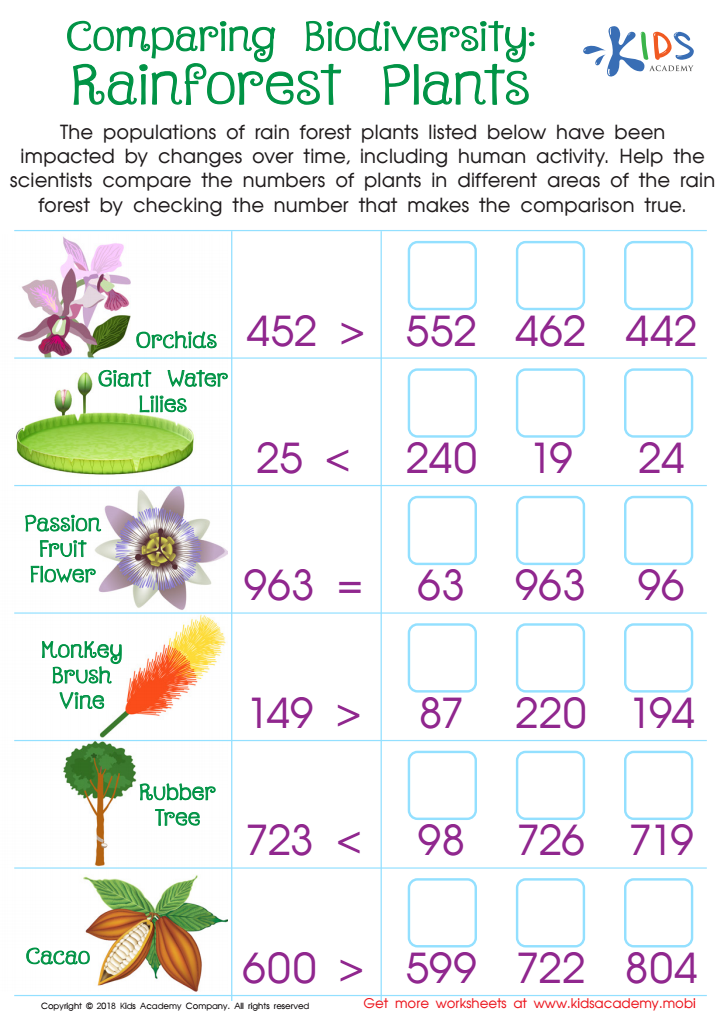
Comparing Biodiversity: Rainforest Plants Worksheet
 Assign to My Students
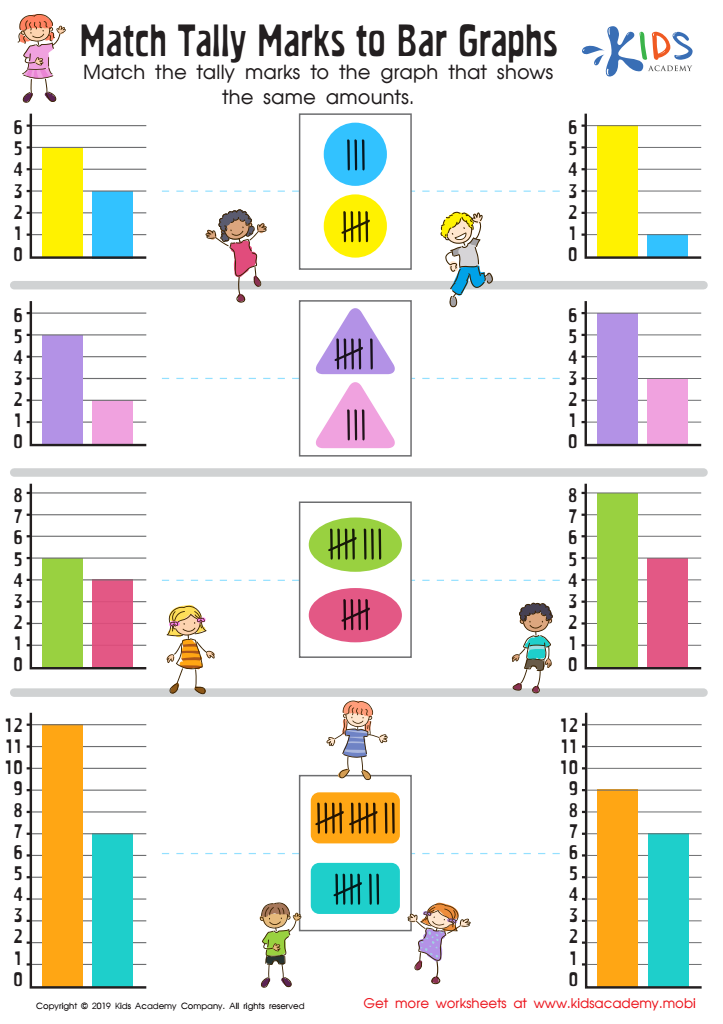
Match Tally Marks to Bar Graphs Worksheet
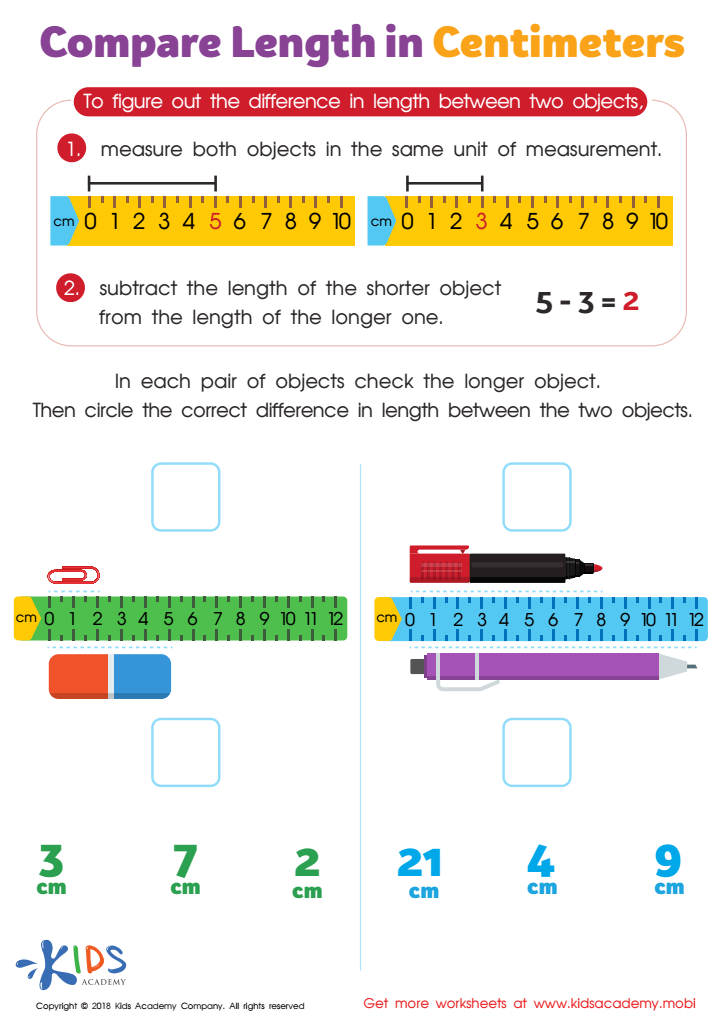
Compare Length in Centimeters Worksheet








Interpreting data is a crucial skill that can greatly benefit children ages 5-7, and it is important for both parents and teachers to understand its significance. At this stage, kids are naturally curious and eager to make sense of the world around them. Introducing them to basic data interpretation helps develop critical thinking and reasoning skills.
By learning to analyze simple data—such as counting fruits, tracking daily temperatures, or surveying favorite colors—children begin to grasp essential math concepts. When parents or teachers engage with children in these activities, it not only reinforces foundational math skills but also fosters a habit of inquiry, encouraging them to ask questions and seek answers.
Moreover, interpreting data lays the groundwork for later academic success. When children learn to collect, visualize, and draw conclusions from data at a young age, they become more adept at problem-solving and making informed decisions as they grow older.
Additionally, parents and teachers who emphasize the importance of data interpretation contribute to developing a mindset that values evidence-based reasoning, vital for life skills beyond the classroom. Engaging in conversations about numbers, patterns, and relationships empowers young learners and cultivates a love for discovery.








