Sorting skills Numbers Worksheets for Ages 5-7
5 filtered results
-
From - To
Explore our engaging Sorting Skills Numbers Worksheets, designed specifically for children ages 5-7! These colorful and interactive activities help young learners develop essential sorting skills by categorizing numbers based on various attributes, such as size, quantity, and patterns. Our worksheets promote critical thinking and fine motor skills while providing a fun, hands-on way to reinforce number recognition. With varied exercises tailored to different learning styles, children will enjoy practicing their math skills at home or in the classroom. Dive into our collection today and give your child the tools they need for a strong mathematical foundation!
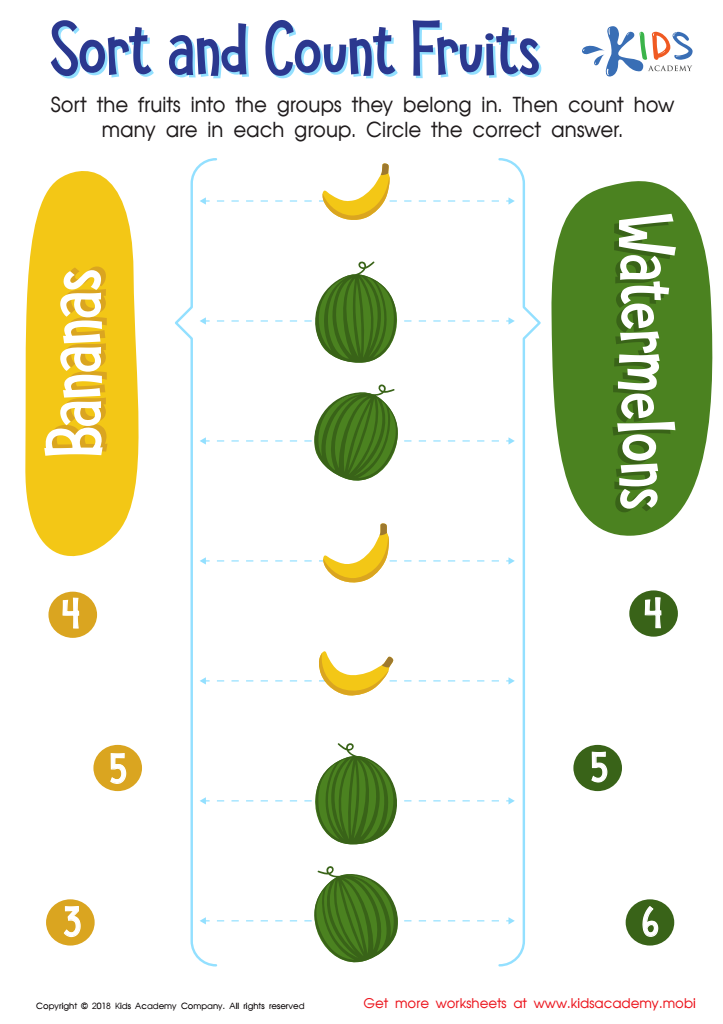
Sort and Count Fruits Worksheet
 Assign to My Students
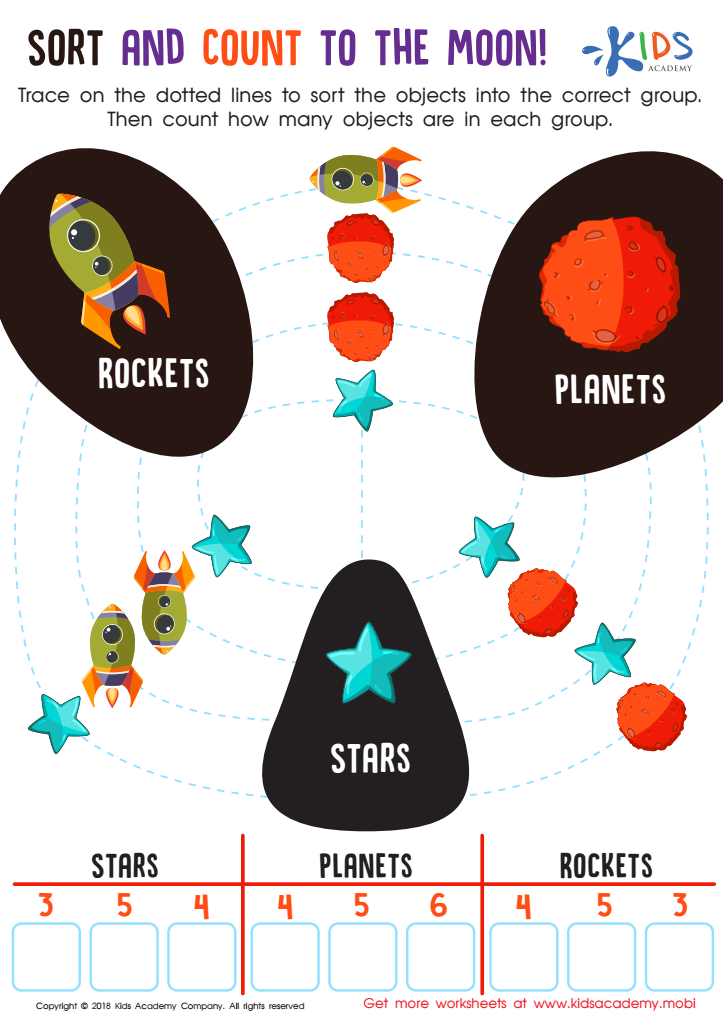
Sort and Count to the Moon Worksheet
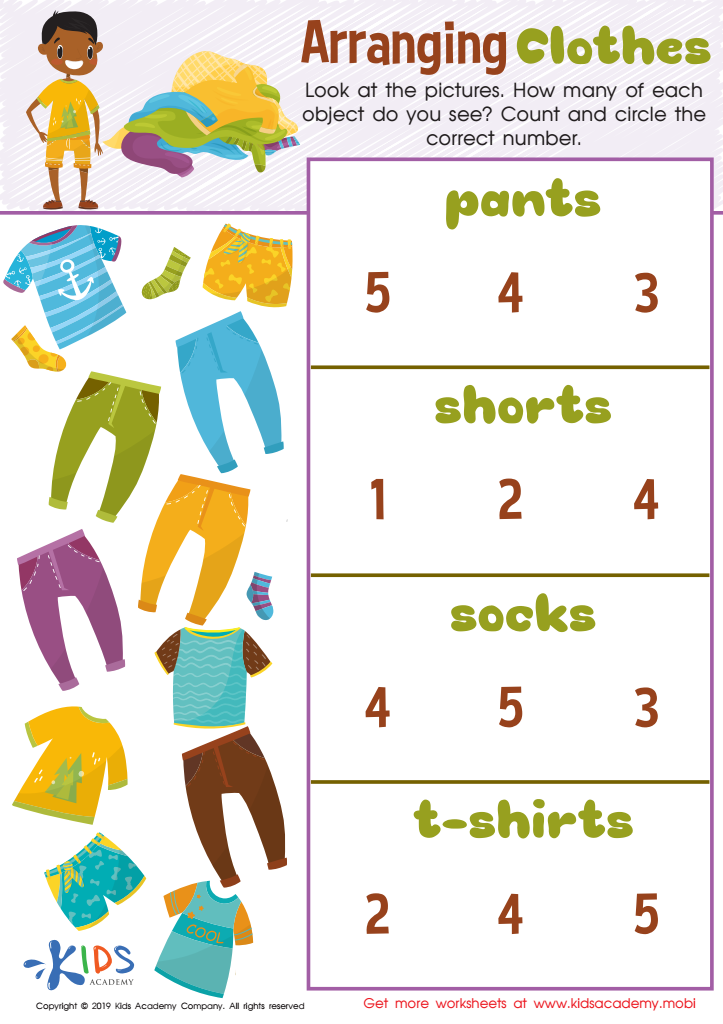
Arranging Clothes Worksheet
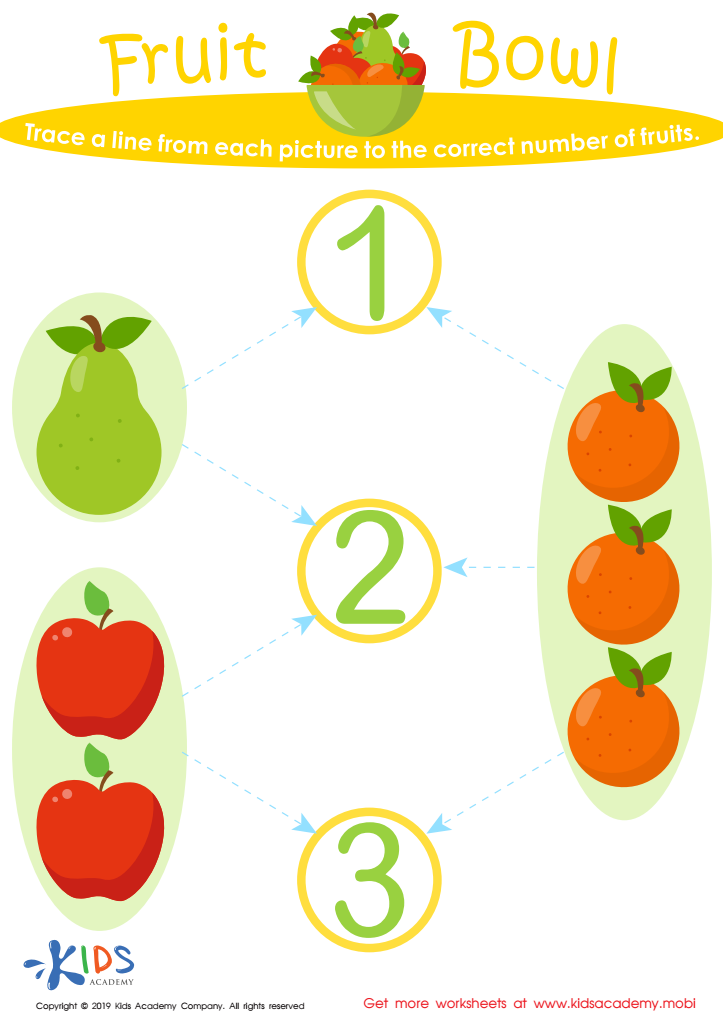
Fruit Bowl Worksheet
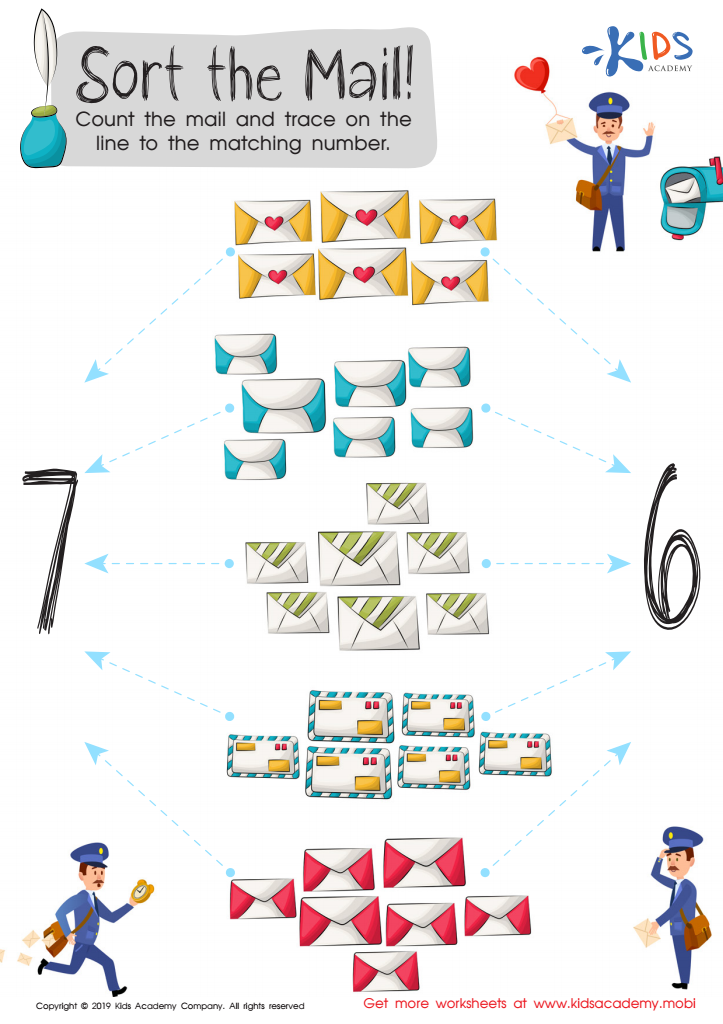
Sort the Mail Worksheet


%20(1).jpg)





Sorting skills are foundational for children aged 5-7, making them crucial for parents and teachers to prioritize in early education. Developing sorting skills helps children classify objects based on attributes such as size, shape, color, or function. This categorization promotes critical thinking and problem-solving abilities as children logically group similar items, paving the way for more advanced reasoning later on.
Sorting activities also enhance children’s understanding of numbers and patterns, correlating closely with mathematical concepts such as counting, addition, and subtraction. For instance, when children sort numbers, they can visually discern differences and similarities, fostering a conceptual grasp of greater and smaller values.
Moreover, sorting games encourage fine motor skills, as children manipulate objects, reinforcing hand-eye coordination essential for writing and other schoolwork. Socially, sorting activities offer opportunities for collaboration, communication, and shared problem-solving discussions among peers, helping to bolster interpersonal skills.
By prioritizing sorting skills, parents and teachers help foster a solid educational base that supports cognitive development, social interaction, and mathematical readiness. These skills not only contribute to academic success but also inspire a lifelong love for learning in children.








